The price of speaking up
By Cecilia Camacho, founder and editor of CC/magazine
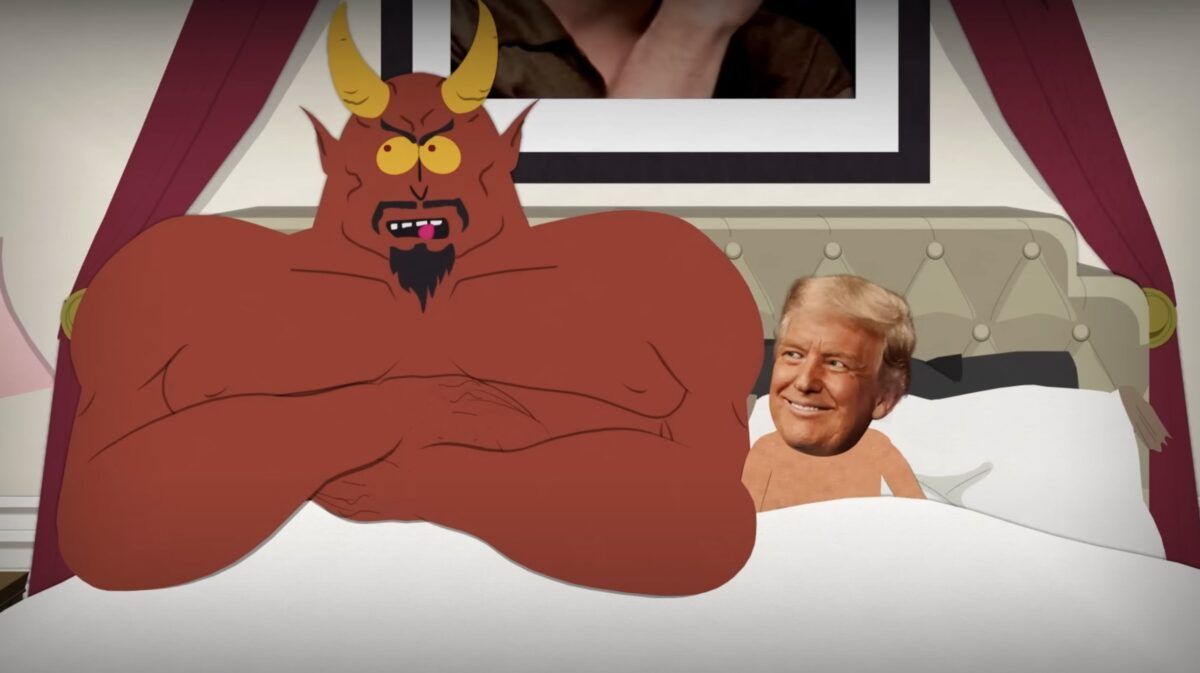
A few weeks ago, I shared an episode from the new season of South Park in our newsletter — titled Sermon on the Mount. That animated series, known for its unapologetically blunt humour, continues — after more than two decades — to do what few dare: say what it thinks, without fear.
In this episode, South Park tackles — head-on and without a filter — the figure of Donald Trump. But what’s truly interesting is not the target of the joke, but the context in which the critique is made.
We live in a time where opinions are shouted, digital lynchings are standard, and a single “correct” way of thinking is imposed — as though disagreement were a threat rather than a sign of democratic health. The paradox is that this fear of speaking one’s mind no longer comes solely from those in power or from institutions. Increasingly, it comes from society itself.
In this light, the South Park episode is more than satire. It reflects the quiet fear of being misinterpreted, cancelled or simply pushed aside for not aligning with the dominant narrative. What’s provocative is not just the content, but the reminder it offers: critical thinking is strengthened by dissent, not uniformity.
This phenomenon isn’t new, but it has become more acute. We saw it with the ABC network and Jimmy Kimmel — when they decided to let him go after a controversial comment, only to reinstate him under public pressure. That back-and-forth wasn’t just a footnote; it was a symptom of a system that still struggles to distinguish between accountability and punishment.
Have we lost the ability to disagree without destroying? Has dialogue become so fragile that it can only survive what reinforces it?
Freedom of expression shouldn’t be mistaken for a free pass to offend — but it also can’t be held hostage to collective approval. Respect does not imply consensus. It means listening, disagreeing with arguments, and above all, resisting the urge to reduce others to caricatures for thinking differently.
This doesn’t mean all ideas are valid, nor that every opinion deserves a platform. This is not about sanitising hate speech or endorsing the unacceptable. But if we give up on debate for fear of being condemned, the cost is far too high: a society without questions, without nuance, and without growth.
South Park doesn’t do filters. It never did. But in its provocative and unruly way, it asks a question that remains urgent: do we prefer the comfort of silence or the discomfort of free thought? Because in a society where nothing can be questioned, nothing can truly evolve.