Redemption and beauty
By Cecilia Camacho, founder and editor of CC/magazine
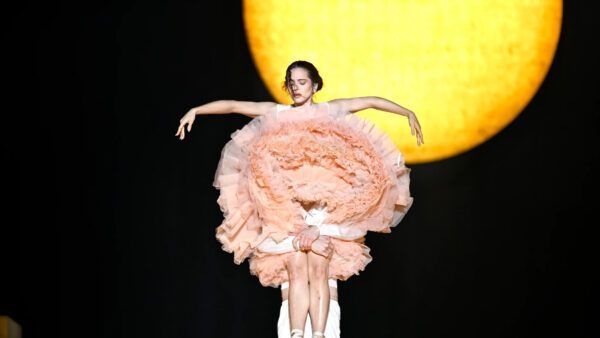
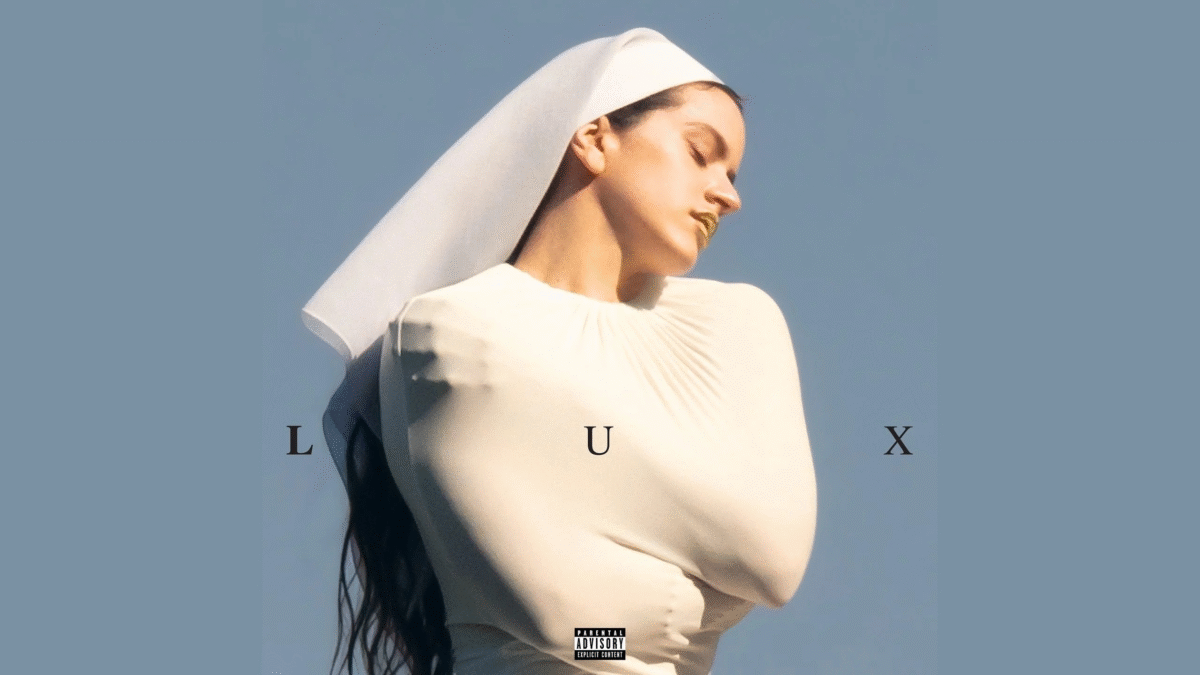
The word beauty is used so often it risks losing its force. And yet, when you listen to Rosalía’s new album — “LUX” — you know that beauty is precisely what its content and form conjure, without shortcuts. This is not a move designed for numbers, for streaming charts, or viral hits. It is an act of pure creation, whose courage lies in refusing continuity in favour of reinvention.
Rosalía is not interested in repeating formulas or resting on the laurels of her fame. She’s made a decision: she steps into the void of risk, the solitude of the studio, the pain of transformation. And in doing so, she turns her album into an experience of redemption. Redemption of the work, of the medium, of pop music, of the self. And she does so with a conviction as rare as it is admirable: listening first to her art, before listening to anyone else.
Creating while being judged
Many reviews have confirmed it: “LUX” is an intense and fascinating leap into the void. It doesn’t chase catchy choruses or viral formulas — it weaves a denser, more ambitious narrative that blends orchestral arrangements, multiple languages, classical textures, and avant-pop structures. Beneath it pulse two truths: creation is hard; and it deserves time to reveal its full scope. And here beauty reappears — not as mere aesthetic, but as an emotional manifestation, a form of resistance to the instant.
To create when everyone expects “another hit” is one of the hardest things. Rosalía knows this: she doesn’t reject the popular, but she refuses to be dictated by it. She claims it, deconstructs it, elevates it. In “LUX”, soulfulness, unspoken questions, and personal spirituality become music that doesn’t ask permission to move you.
Metamorphosis as an artistic gesture
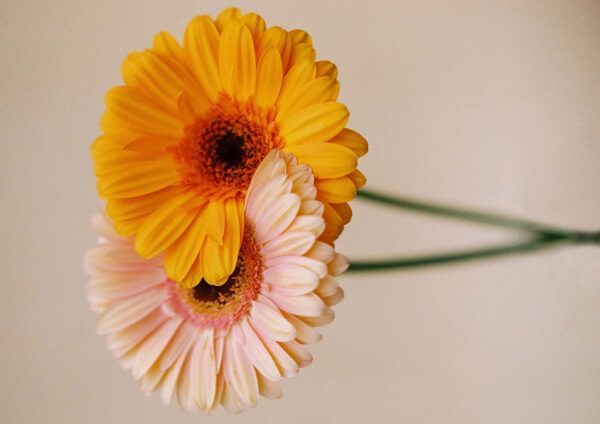
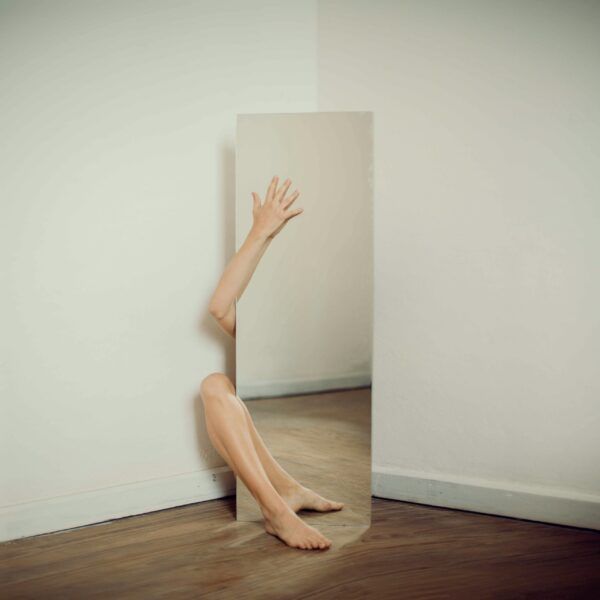
Transformation — metamorphosis — is another thread running through the album. Rosalía has embraced the pain of change, the trap of success, and the freedom that comes from not looking back. She sheds her skin, her sound, her status. For her, creation is not a mirror of ego, but a bridge to the essential. And in that journey, what matters least is how many listen; what matters most is how they listen.
The album isn’t simply about love or fame — it speaks of transcendence, of space, of time, of silence. And it asks us to do the same: to pause before we play; to listen before we share; to value before we consume. Because when creation reaches a certain height, it becomes culture, thought, presence.
Beyond commercial success
Commercial success is seductive, but in “LUX” it starts to resemble the noise Rosalía has already rejected. She’s aiming for more: to leave a mark, to open questions, to coexist with contradiction. And she does so by keeping the word beauty at the centre — because the kind of art that transcends is the kind that lasts. The kind that, over time, continues to stir something within us, regardless of the context.
That is the true merit of this album: whether one likes it or not, no one can say it doesn’t breathe, doesn’t challenge, or lacks courage. And in an era of formulas and trends, that is already an act of rebellion.
The beauty of the process
Because true beauty lies in the process: in exhaustion, in doubt, in the constant search. Rosalía has proven this by producing over 90% of the album herself, learning new languages, collaborating with classical orchestras, and taking creative risks without guarantees. As an artist, she has accepted that there are no shortcuts, that uncertainty is part of the journey, and that the most valuable audience is the one willing to be fully inhabited by the work.
And we, as listeners, can walk alongside her: not only with quick listens and fleeting playlists, but with active attention — by going deeper, by allowing ourselves to feel, by recognising that creation cannot be measured by numbers alone.
Because in the end, everything comes down to two words: redemption and beauty. Redemption, because Rosalía breaks free from the mould, reinvents herself, and heals the need for approval. And beauty, because what she offers is not just sound, but experience, vision, a world. This is a work that demands something from us — it doesn’t adapt, it invites. It’s a statement that proves authentic creation is still possible today. And when it happens, it happens like this: with courage, with risk, with beauty.
You can buy and listen to it here.