CopenPay: the initiative redefining sustainable tourism
Talking about sustainable tourism usually involves complex concepts, regulations or long-term strategies. CopenPay takes a different approach. The programme, launched by Wonderful Copenhagen, is based on a simple idea: turning visitors’ positive actions into an essential part of the travel experience.
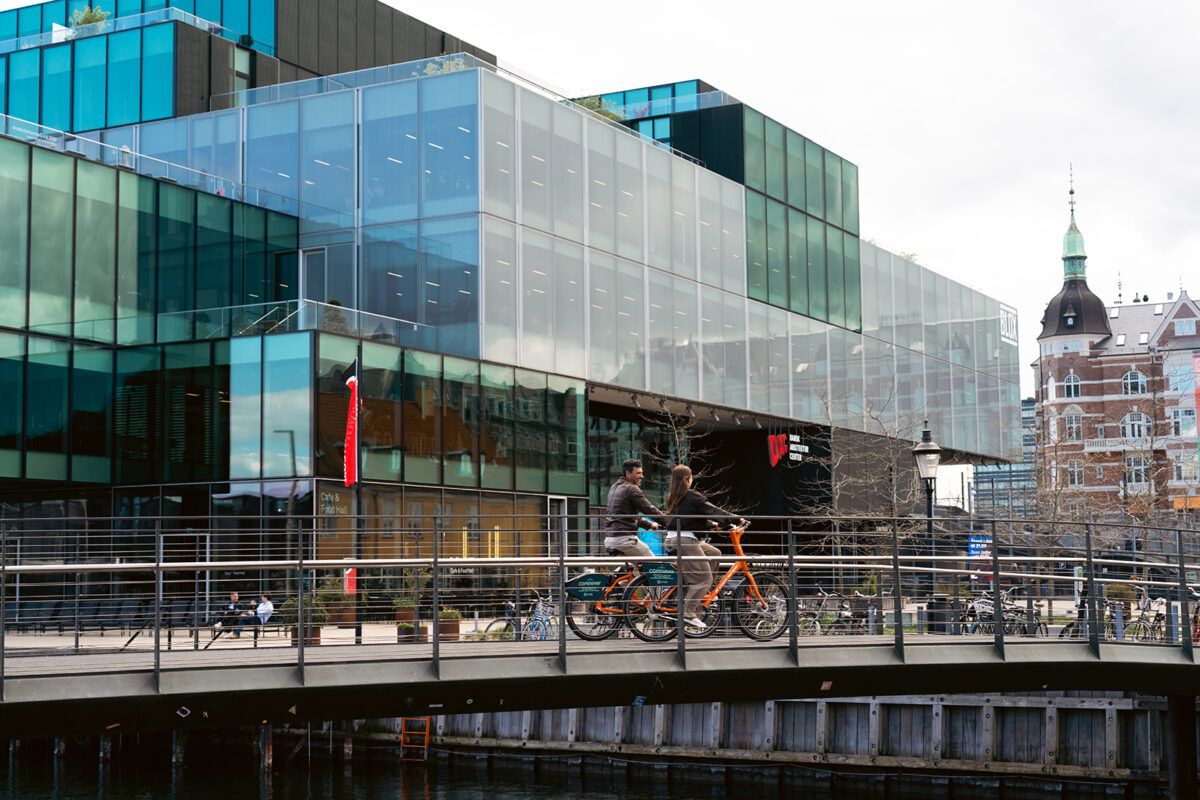
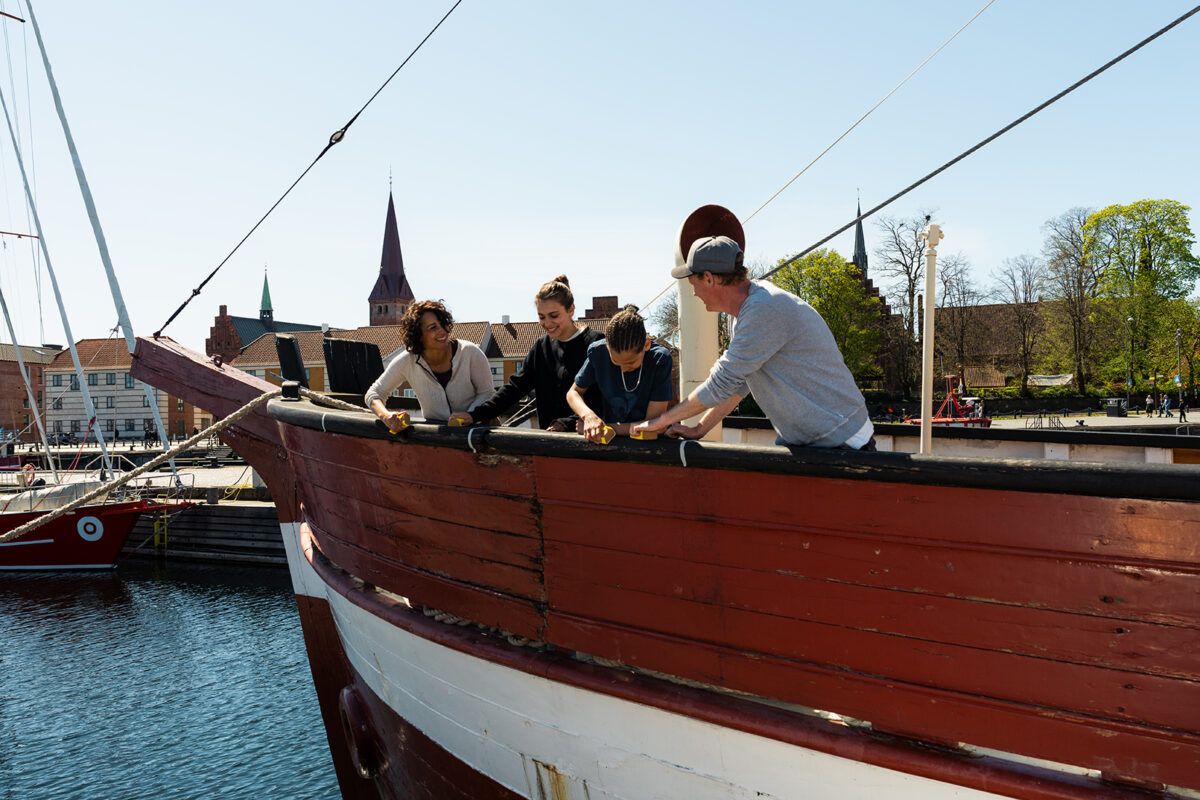
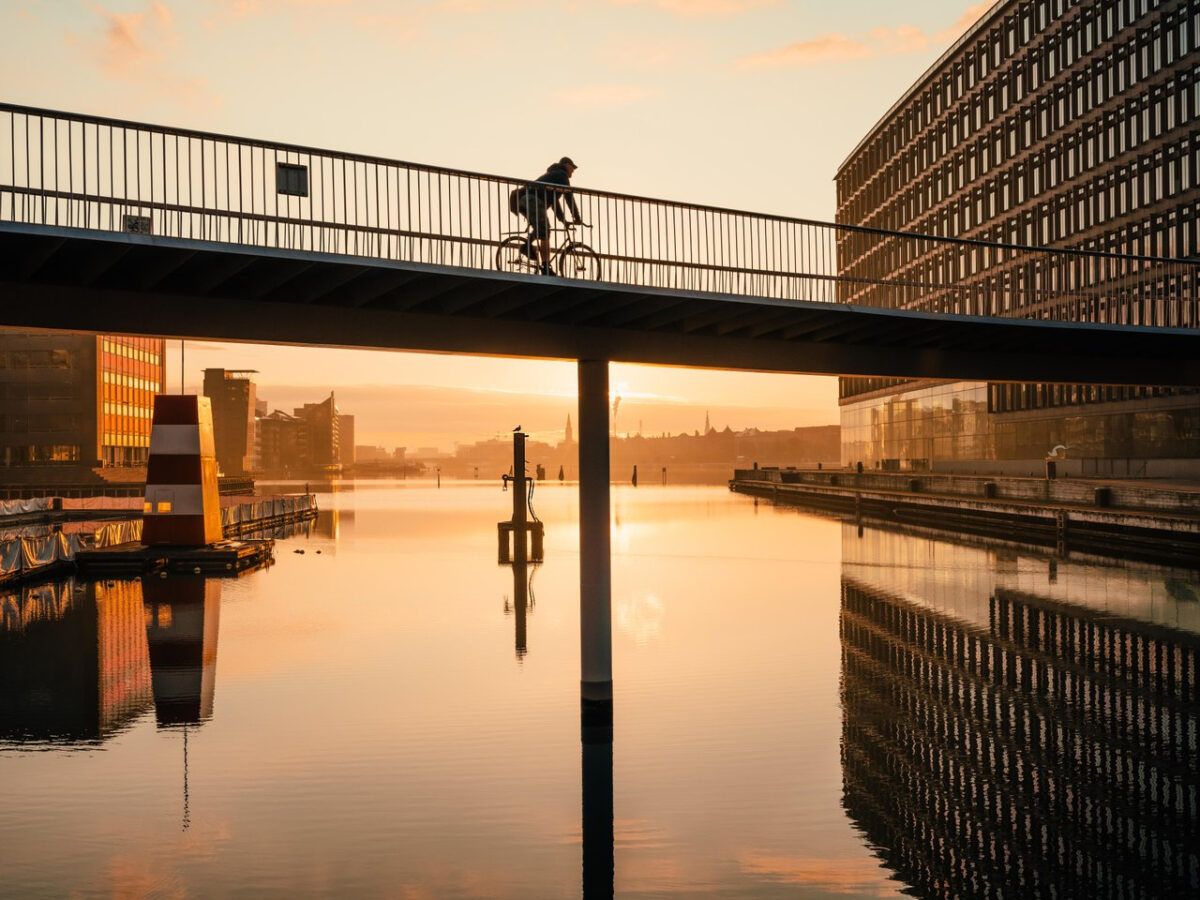
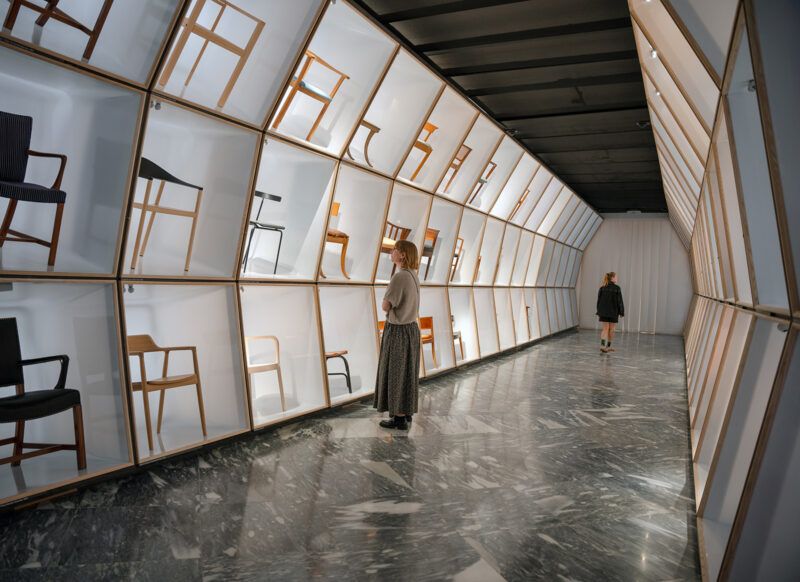
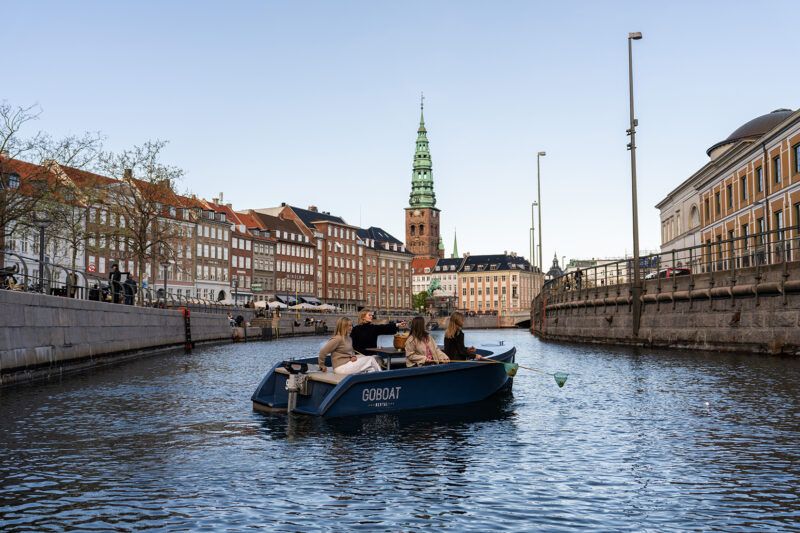
The initiative, which began as a pilot project in 2024 and has since become a permanent, year-round platform, rewards those who choose to engage with Copenhagen in a more conscious way. Arriving by train, travelling by bicycle, taking part in community activities, reusing a water bottle or joining initiatives linked to caring for the environment can translate into access to cultural, gastronomic or leisure experiences.
However, the real interest of CopenPay lies neither in the rewards nor in its promotional dimension. What makes the programme one of the most relevant tourism initiatives to have emerged in Europe in recent years is the way it rethinks the relationship between a city and those who visit it.
Few cities are exploring new ways of relating to their visitors quite like Copenhagen. The Danish capital starts from a question that is as simple as it is pertinent: what would happen if tourists stopped being merely spectators and became active participants in the city they move through?
A city shaped through design
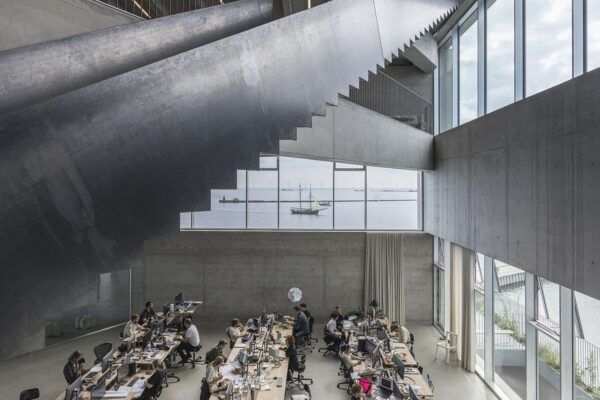
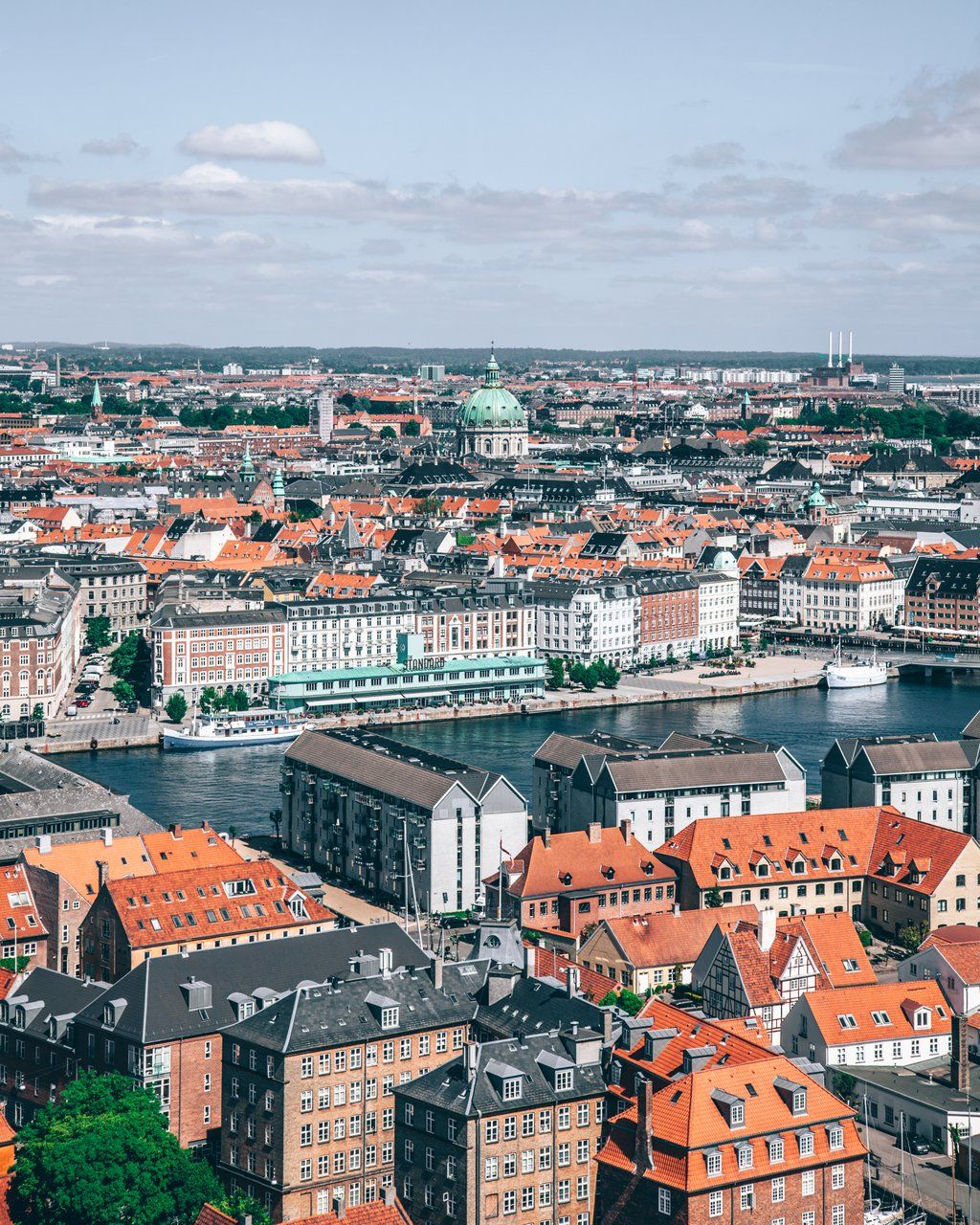
It is difficult to understand CopenPay without first understanding the context in which it has emerged. For decades, Copenhagen has built an international reputation linked to design, architecture, sustainable mobility and quality of life. The city frequently appears in rankings on liveability, urban wellbeing and public innovation, yet behind those recognitions lies something deeper: a culture that understands design as a tool capable of transforming behaviour.
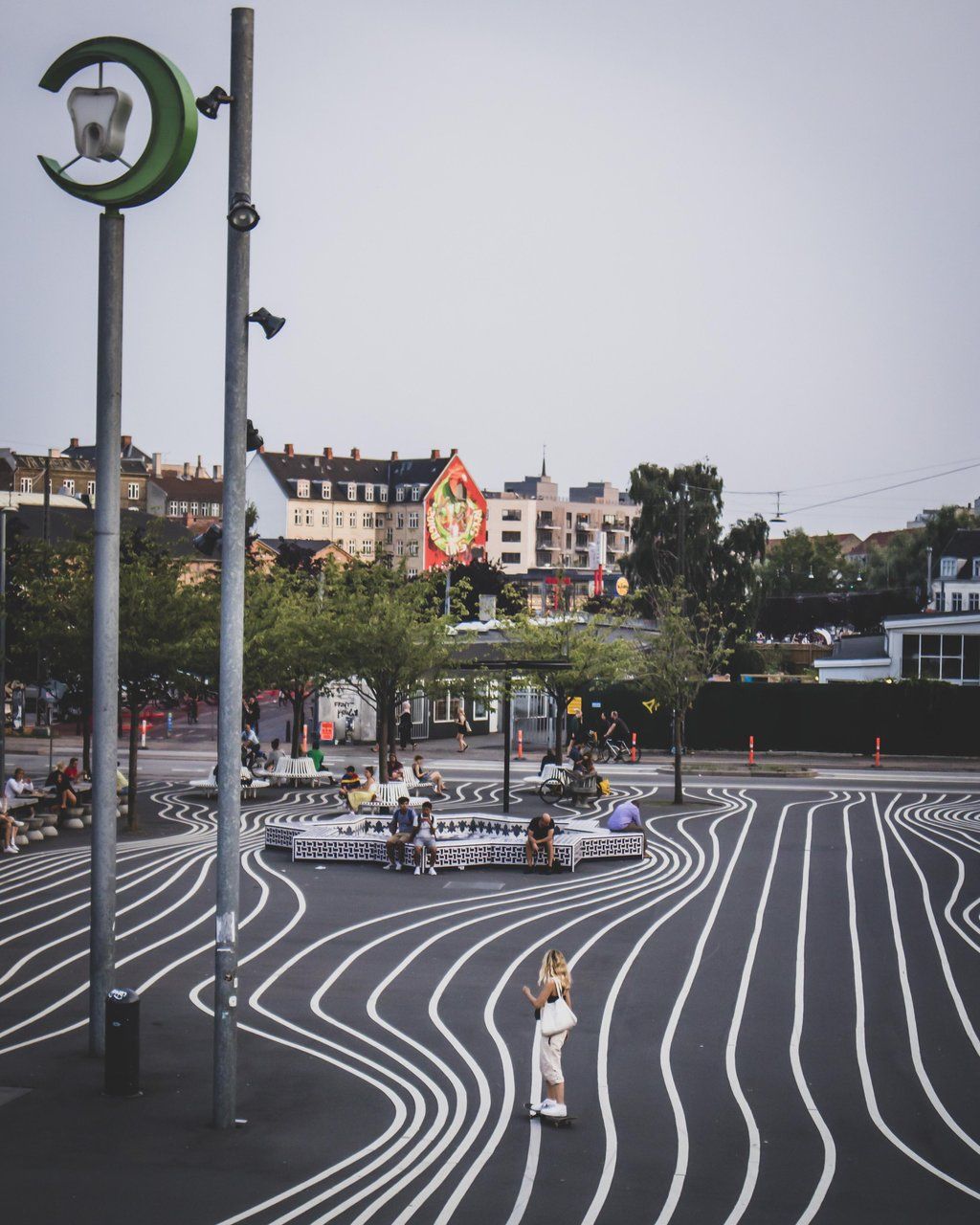
That vision can be seen in the cycle network that runs through the city, in its public spaces, in its relationship with water and even in the way urban services are conceived. In Copenhagen, design is rarely limited to aesthetics; it functions as a way of encouraging certain behaviours and making particular choices feel more natural, accessible and attractive.
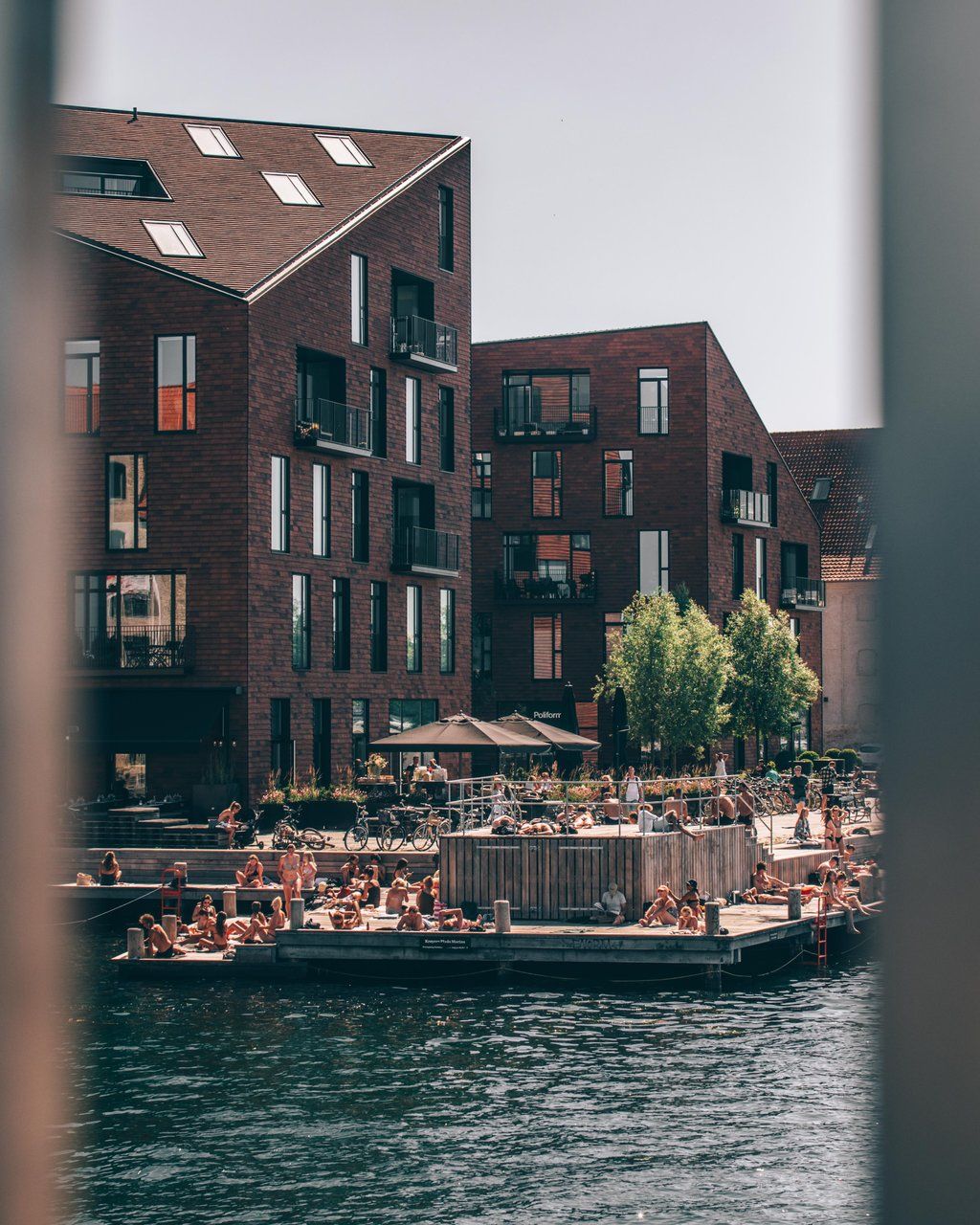
CopenPay emerges from precisely that same logic. While many sustainable tourism strategies have focused on informing, regulating or raising awareness, the Danish initiative starts from a different observation.
As Rikke Holm-Petersen, Director of Behaviour at Wonderful Copenhagen, explains, many travellers want to contribute positively to the places they visit, but often struggle to know how to do it: “Many travellers want to contribute positively to the places they visit, but it is often difficult to know how to do it.”
The response was to design a system capable of connecting positive actions with real experiences in the city. Not as an obligation, but as an invitation.
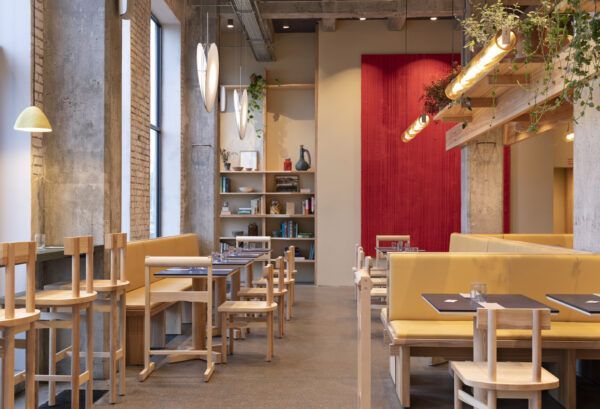
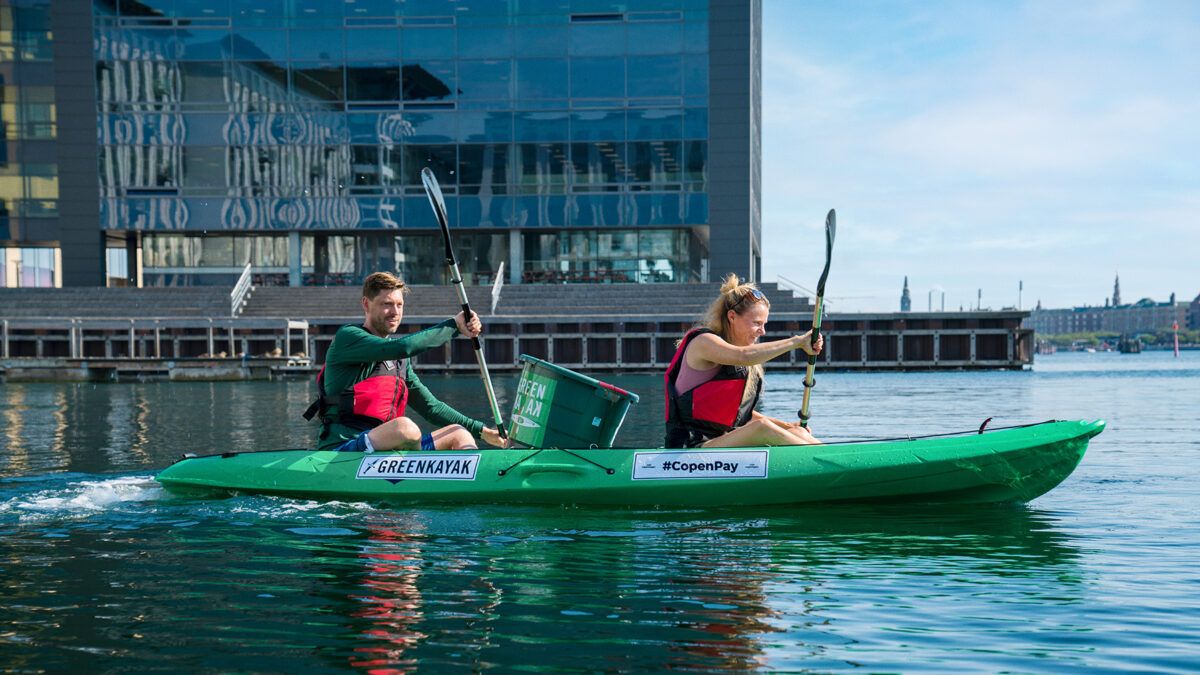
That invitation translates into an increasingly extensive network of experiences across the city. Through CopenPay, visitors can access cafés, bicycle rentals, guided tours, museum tickets, concerts, gastronomic experiences, kayak tours, sauna sessions, creative recycling workshops, urban cycling classes and activities linked to community gardens.
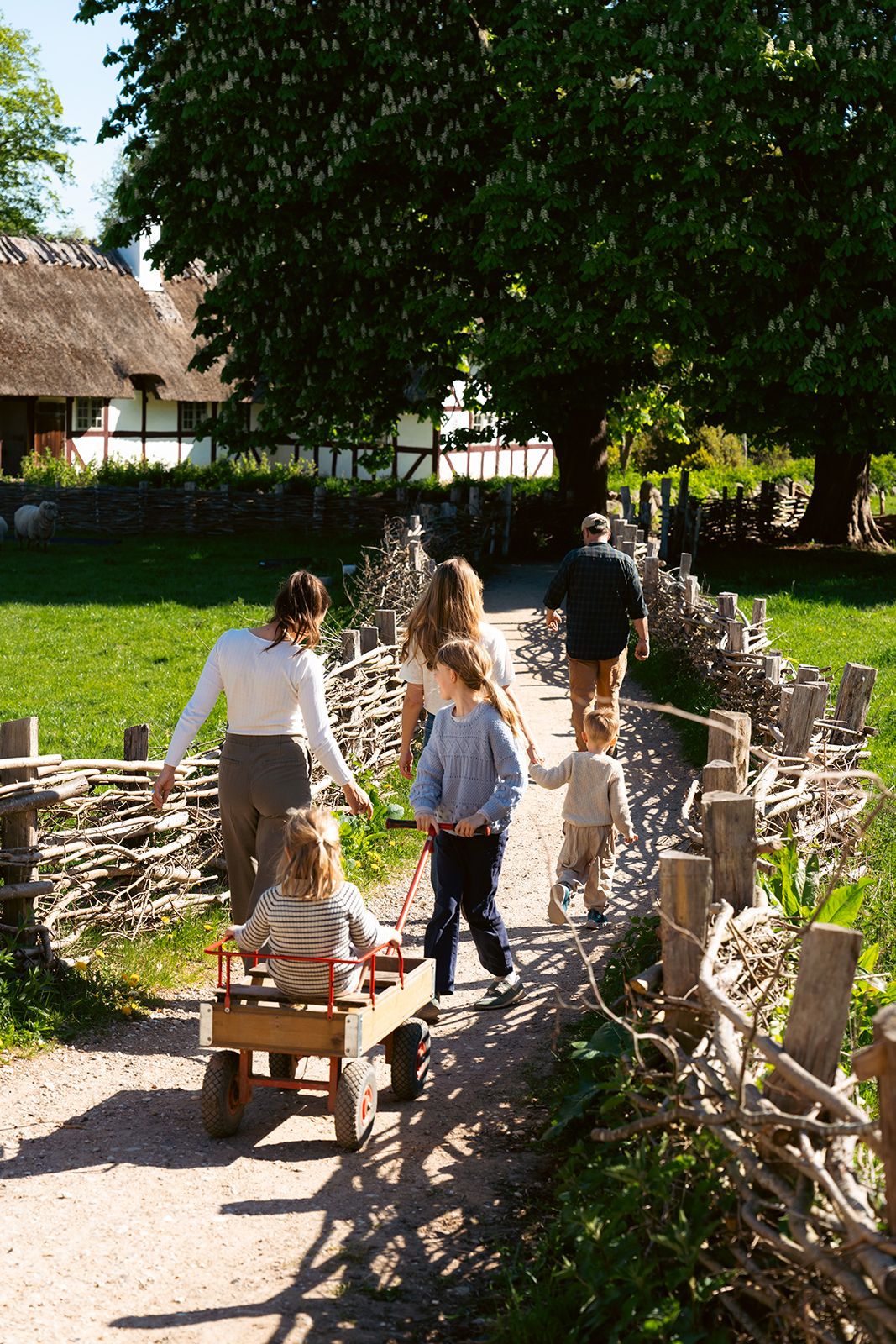
Some proposals reward actions as simple as arriving in Copenhagen by train, travelling by bicycle, using a reusable bottle, collecting waste in public spaces or taking part in urban gardening initiatives. Others invite visitors to discover cultural institutions, design spaces, environmental projects and local communities from a more participatory perspective.
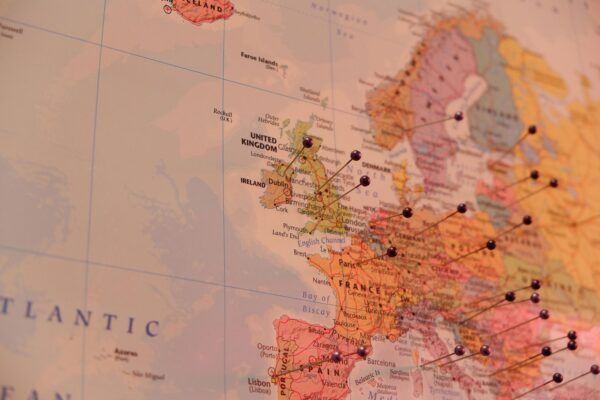
More than a collection of rewards, the programme creates an alternative map of the city, allowing people to explore Copenhagen through the values that define its contemporary identity.
Beyond incentives
There is a tendency to interpret projects such as CopenPay through the logic of reward: a person performs a certain action and receives something in return. However, the data gathered by Wonderful Copenhagen points in another direction. Only a minority of participants say they are primarily motivated by the incentive.
For almost half, the appeal lies in having a different, meaningful and educational experience. The real motivation does not seem to be the reward, but the experience itself.
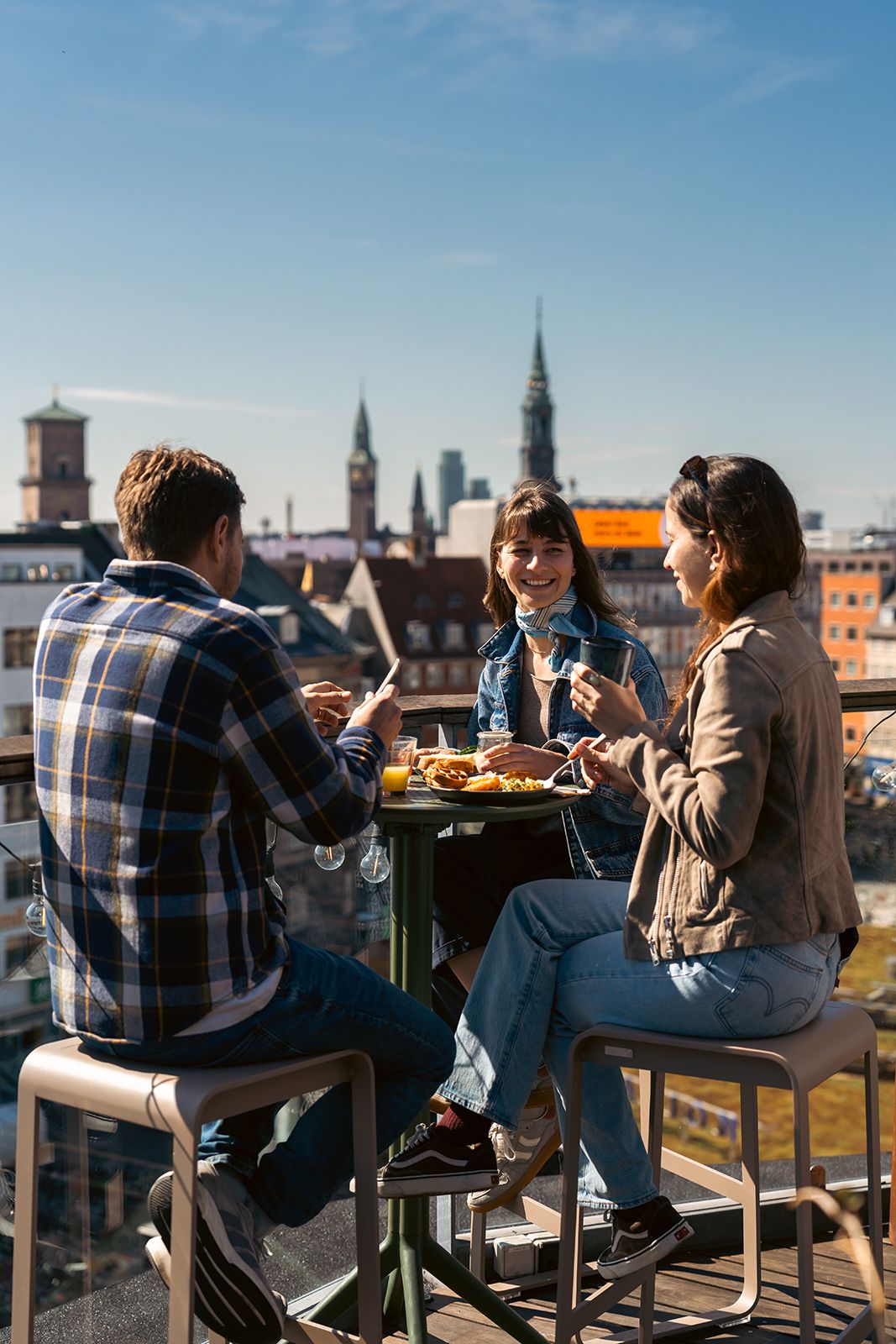
For years, many sustainability policies have assumed that information would be enough to change habits. CopenPay proposes a different approach: behaviour change happens more easily when people take part in experiences capable of creating an emotional connection with the place they are visiting.
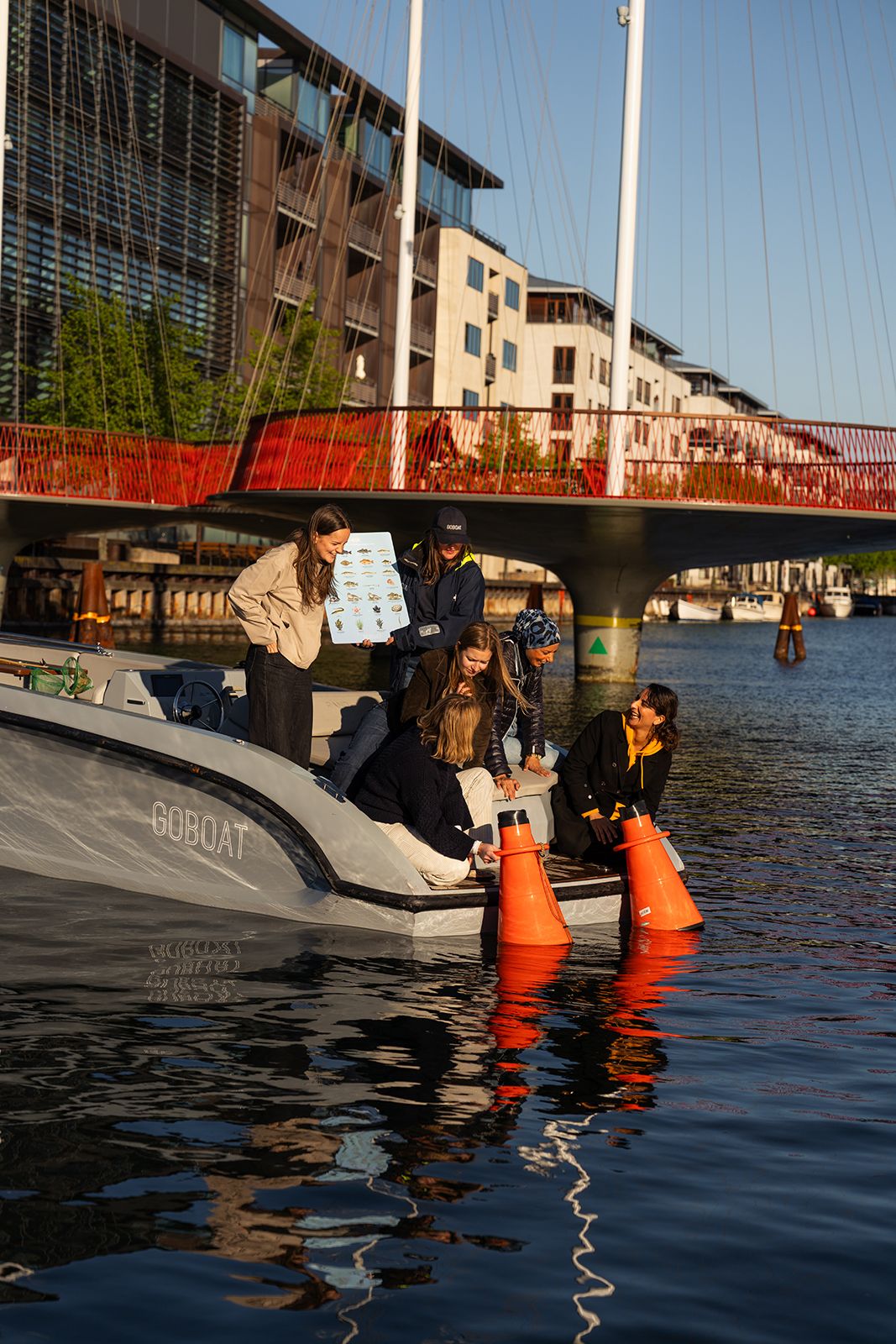
“What we have learned is that behaviour doesn’t change through information alone. It changes when people are given the opportunity to experience something meaningful,” says Rikke Holm-Petersen, Director of Behaviour at Wonderful Copenhagen. That is why the programme avoids moralising narratives and focuses instead on experiences that allow people to discover the city from another perspective.
The value of taking part
Much of CopenPay’s interest lies in the way it responds to a quiet transformation in contemporary tourism.
For decades, travel was mainly associated with the discovery of places. Today, many travellers also want to understand the contexts they visit, connect with local communities and take a more active part in the experience.
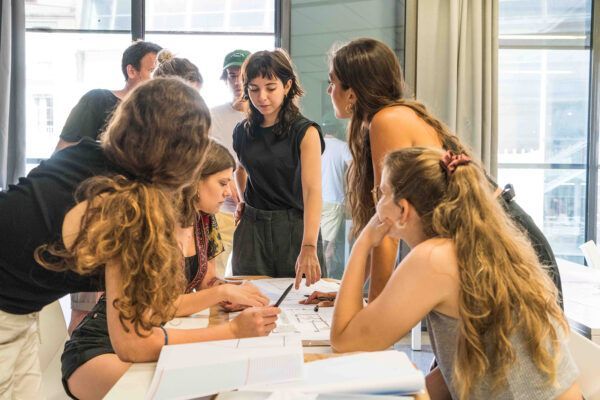
In this sense, CopenPay proposes a different relationship with the city. The visitor stops being an observer and becomes someone who participates, contributes and establishes a deeper connection with the destination.
“People are not just receiving something, they are taking part in something and becoming part of the destination.” The data appears to support this idea. According to Wonderful Copenhagen, seven out of ten participants say they have changed habits after returning home. This means the initiative aims to generate lasting changes in how travel is understood.
Many travellers today are interested in contributing positively rather than simply consuming a destination.
Culture as a point of entry
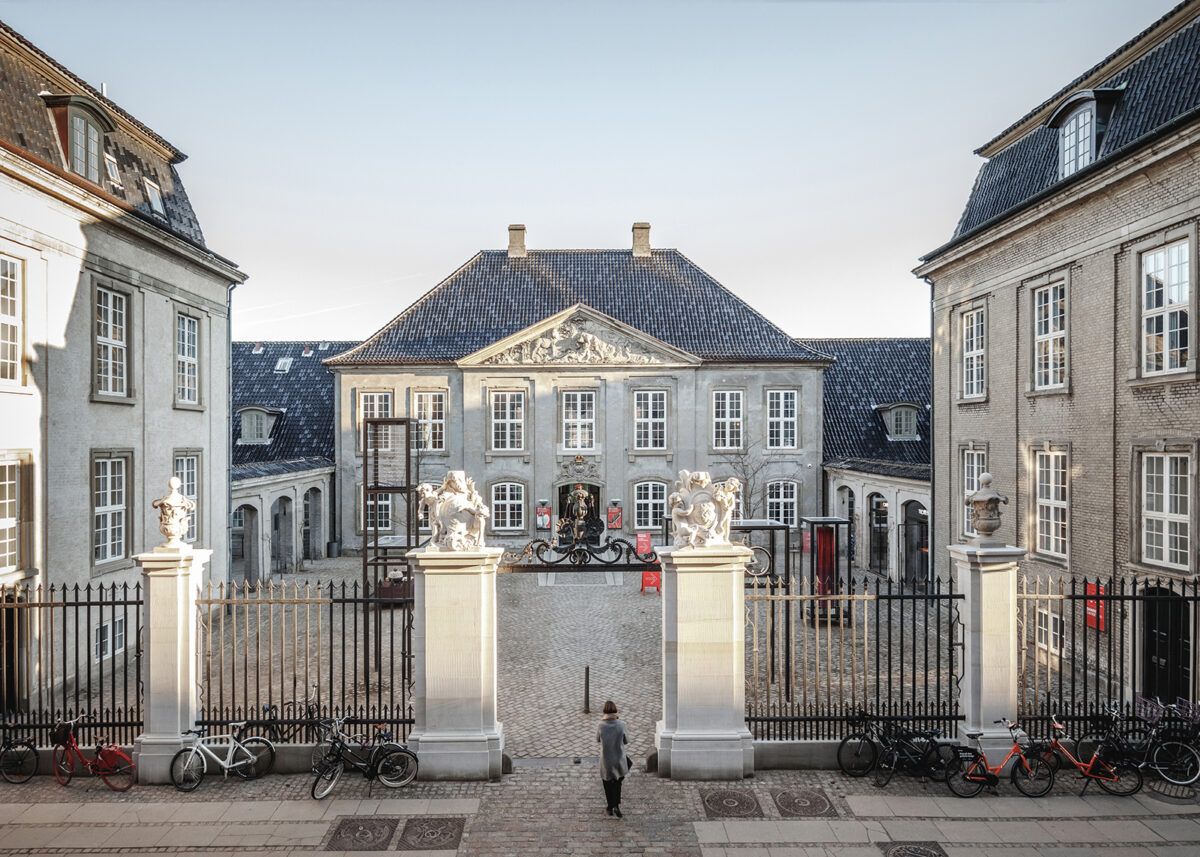
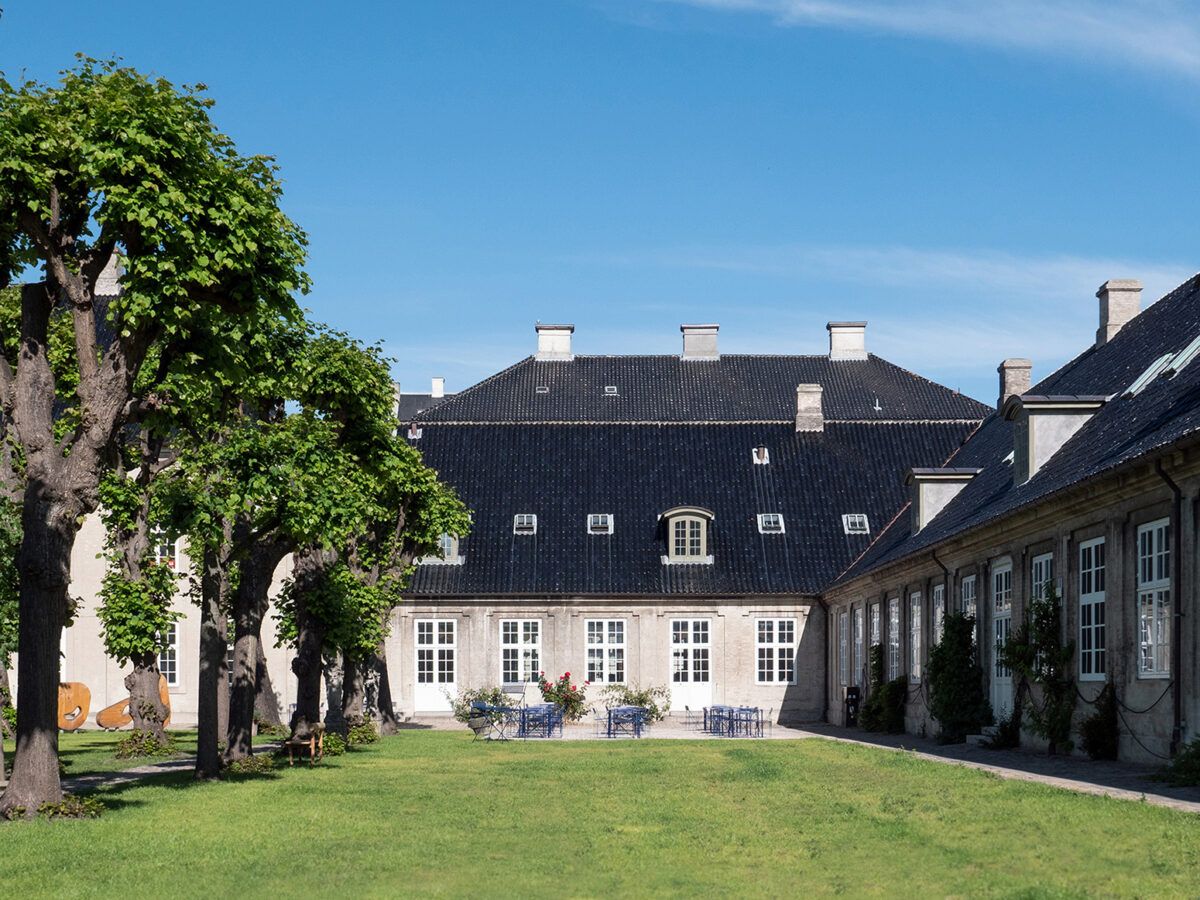
The inclusion of institutions such as Designmuseum Danmark and Cisternerne helps explain another of the project’s most interesting dimensions.

In many destinations, cultural spaces function as attractions that visitors consume relatively quickly before continuing their route. CopenPay gives them a different role.
Museums, cultural centres and exhibition spaces become active partners within a broader conversation around sustainability, participation and the city.
Rikke Holm-Petersen, Director of Behaviour at Wonderful Copenhagen, highlights precisely this function: “They are not just venues, but active partners that offer access, experiences and rewards in exchange for positive actions. In that sense, they help translate the overall idea into concrete, local experiences.”
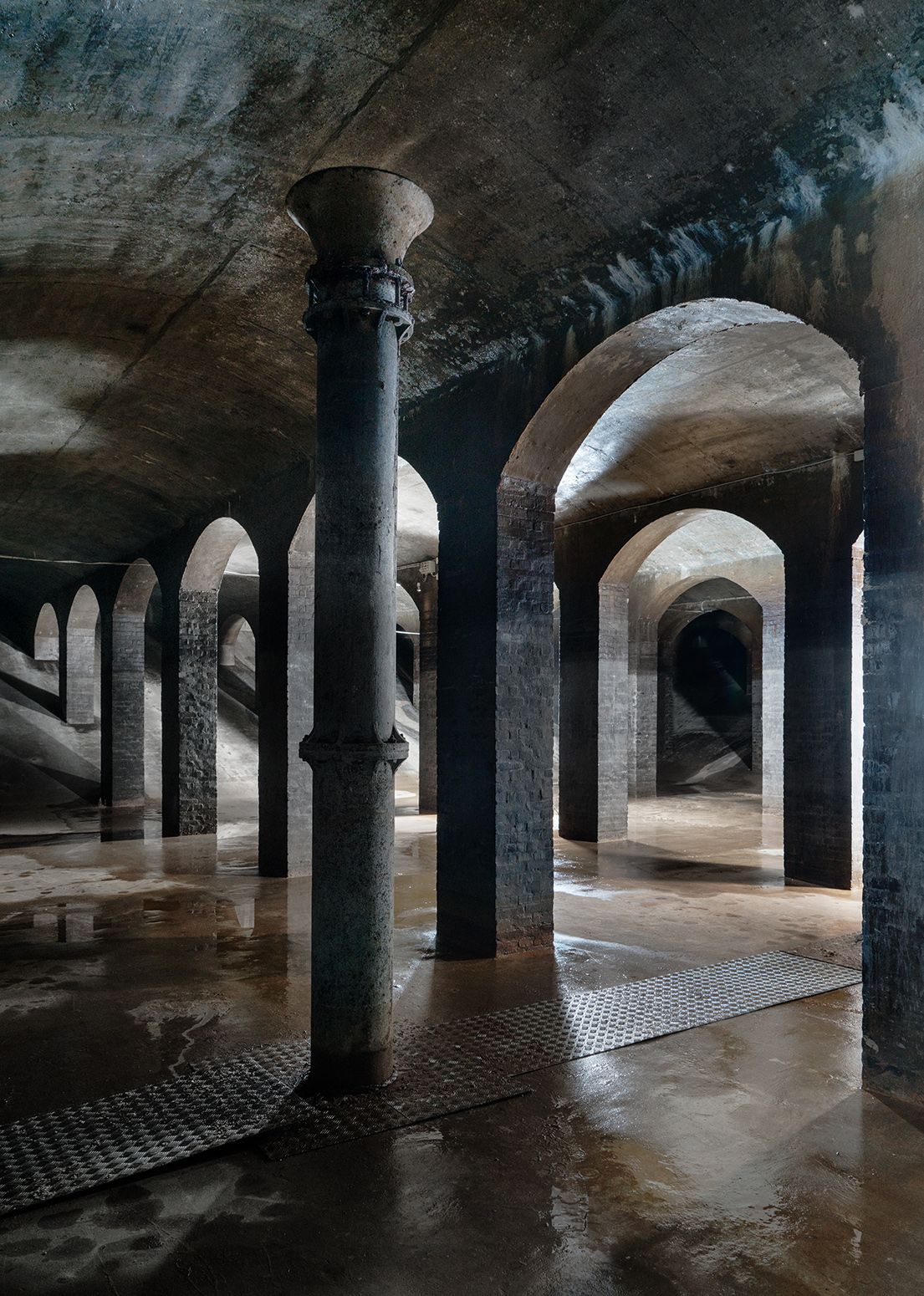
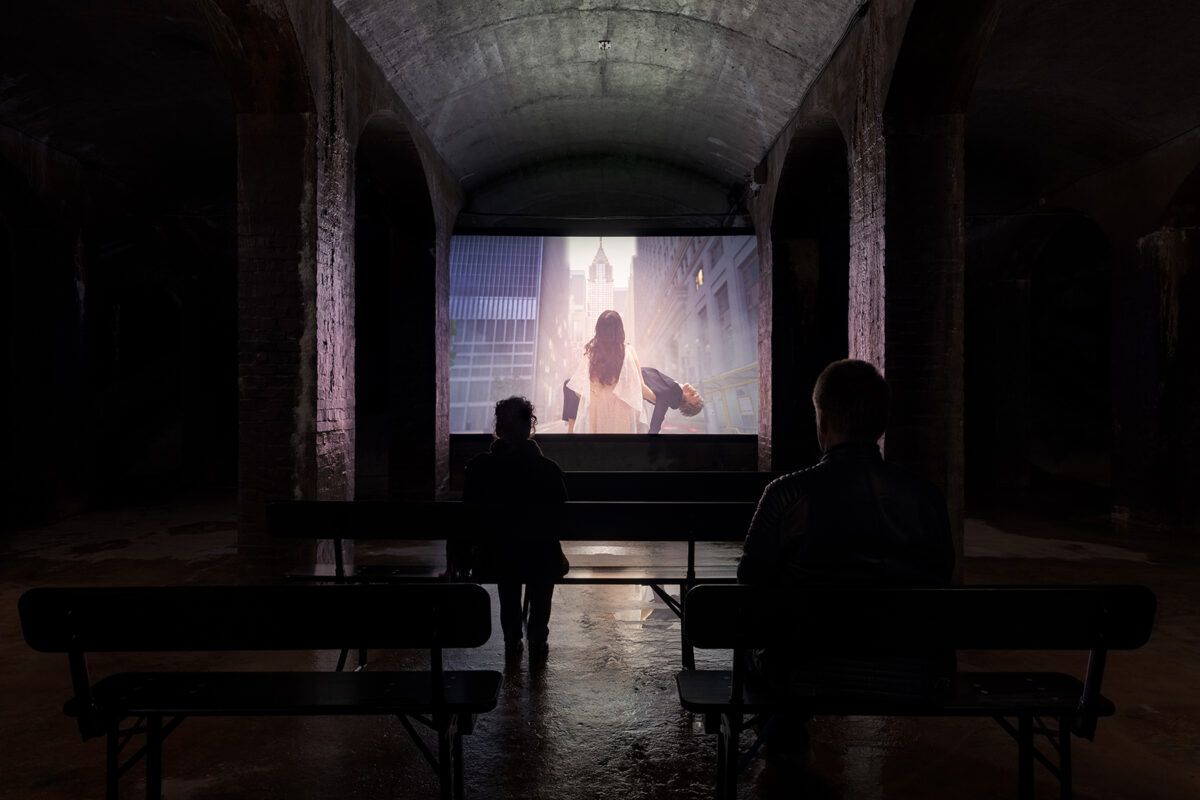
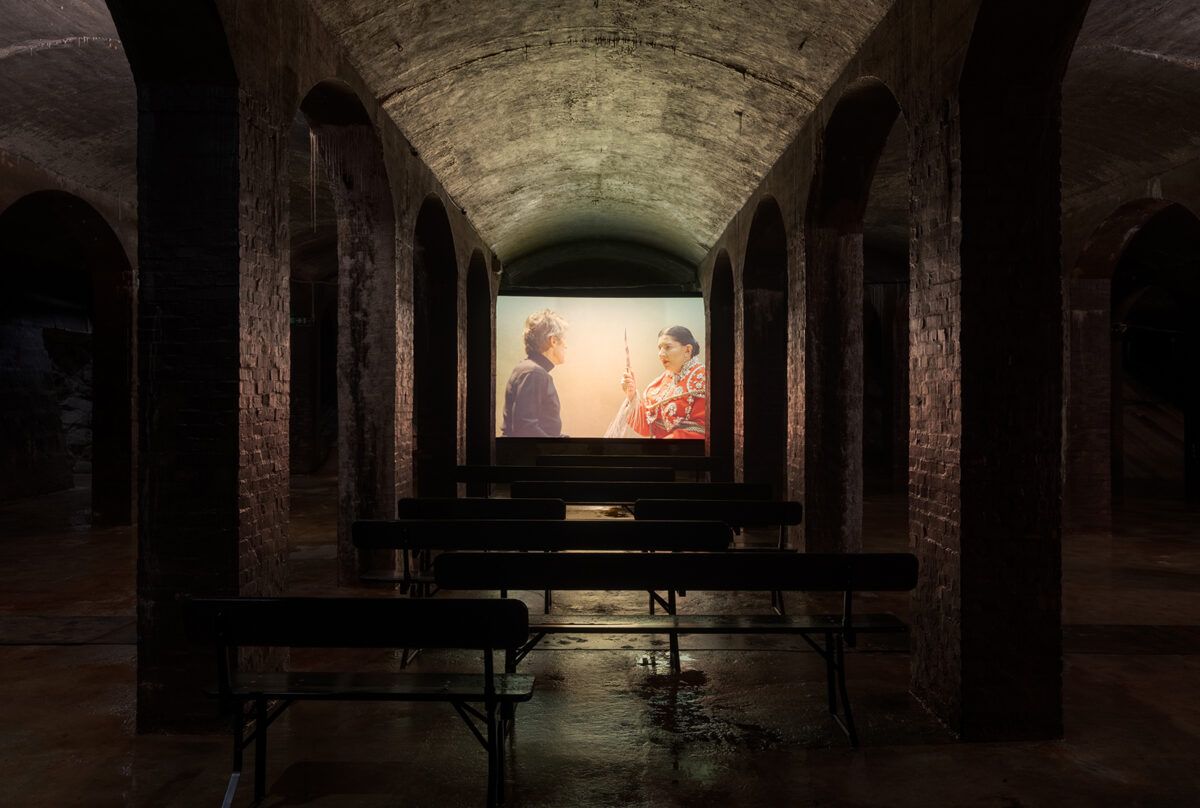
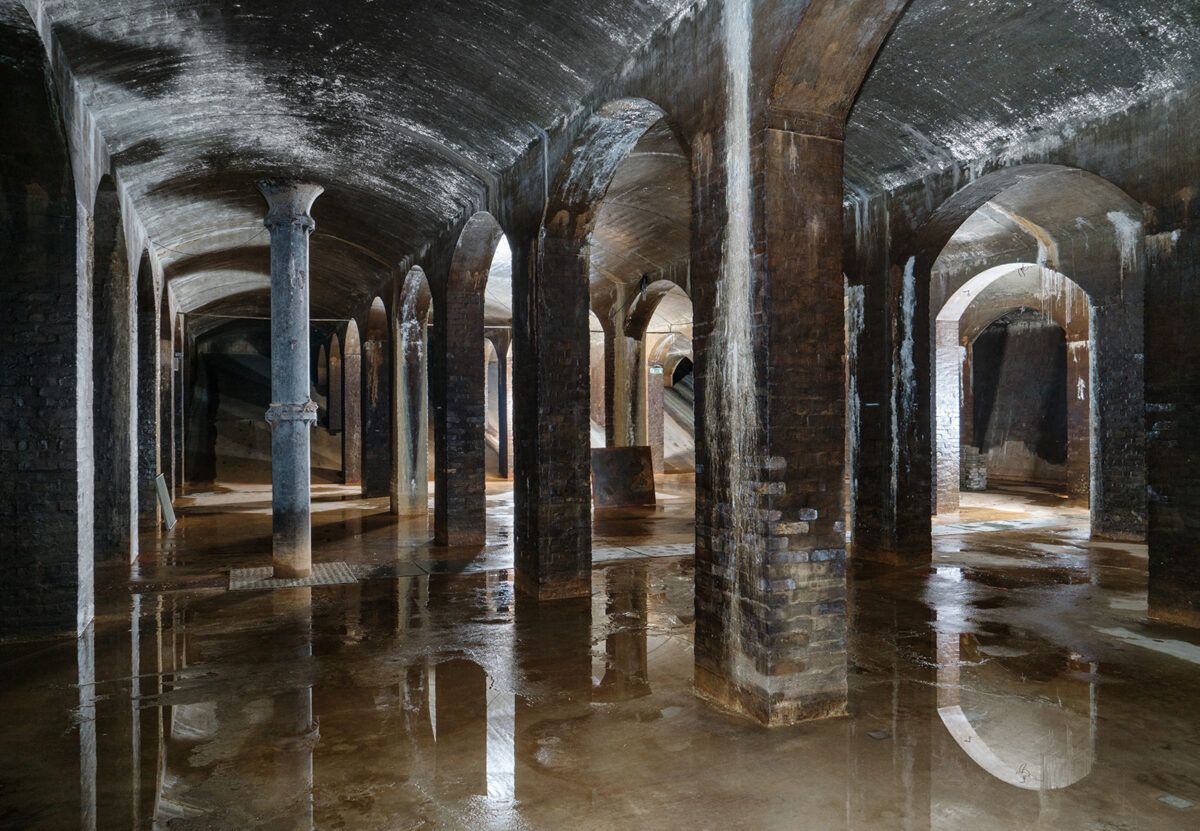
Cisternerne offers one of the most interesting examples of this connection between sustainability, culture and local identity. The unique underground exhibition space, a former nineteenth-century water reservoir transformed into a contemporary art centre, forms part of CopenPay and offers access to one of the most significant exhibitions on the European cultural calendar.
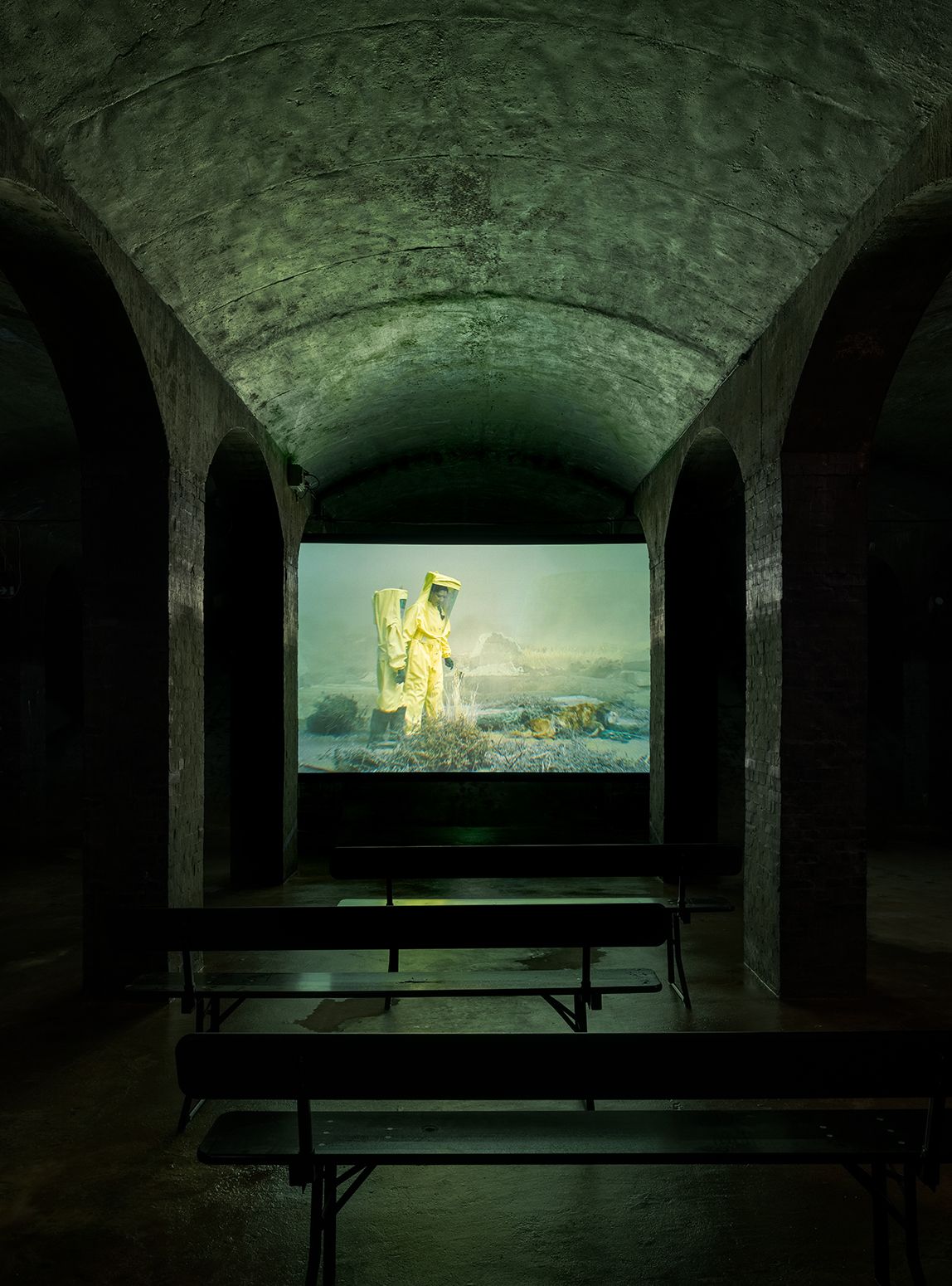
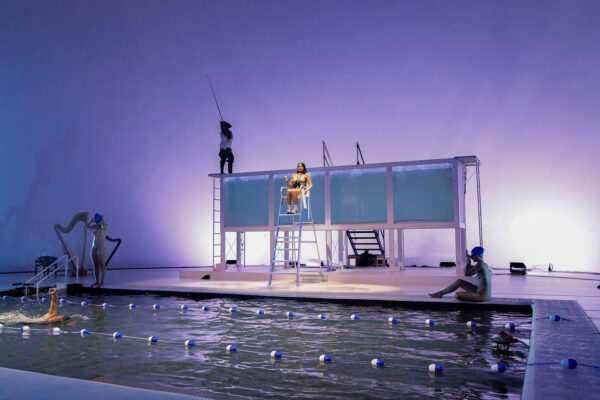
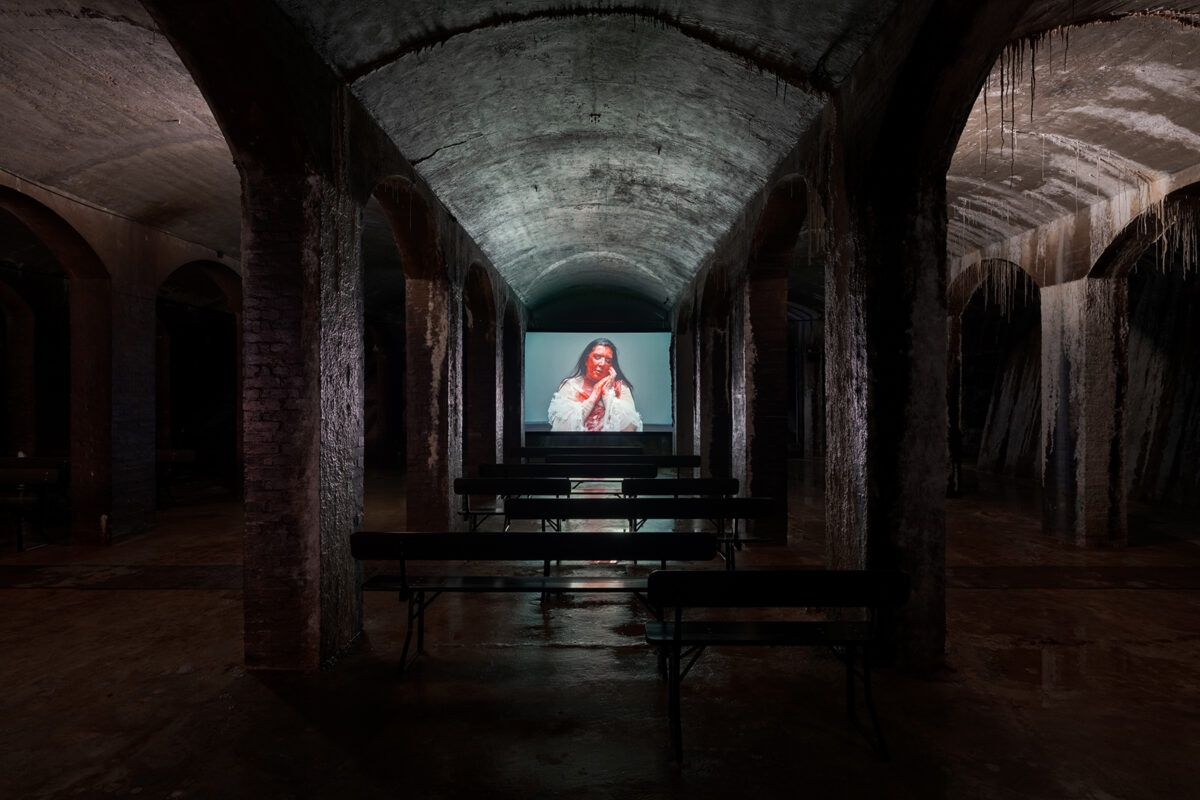
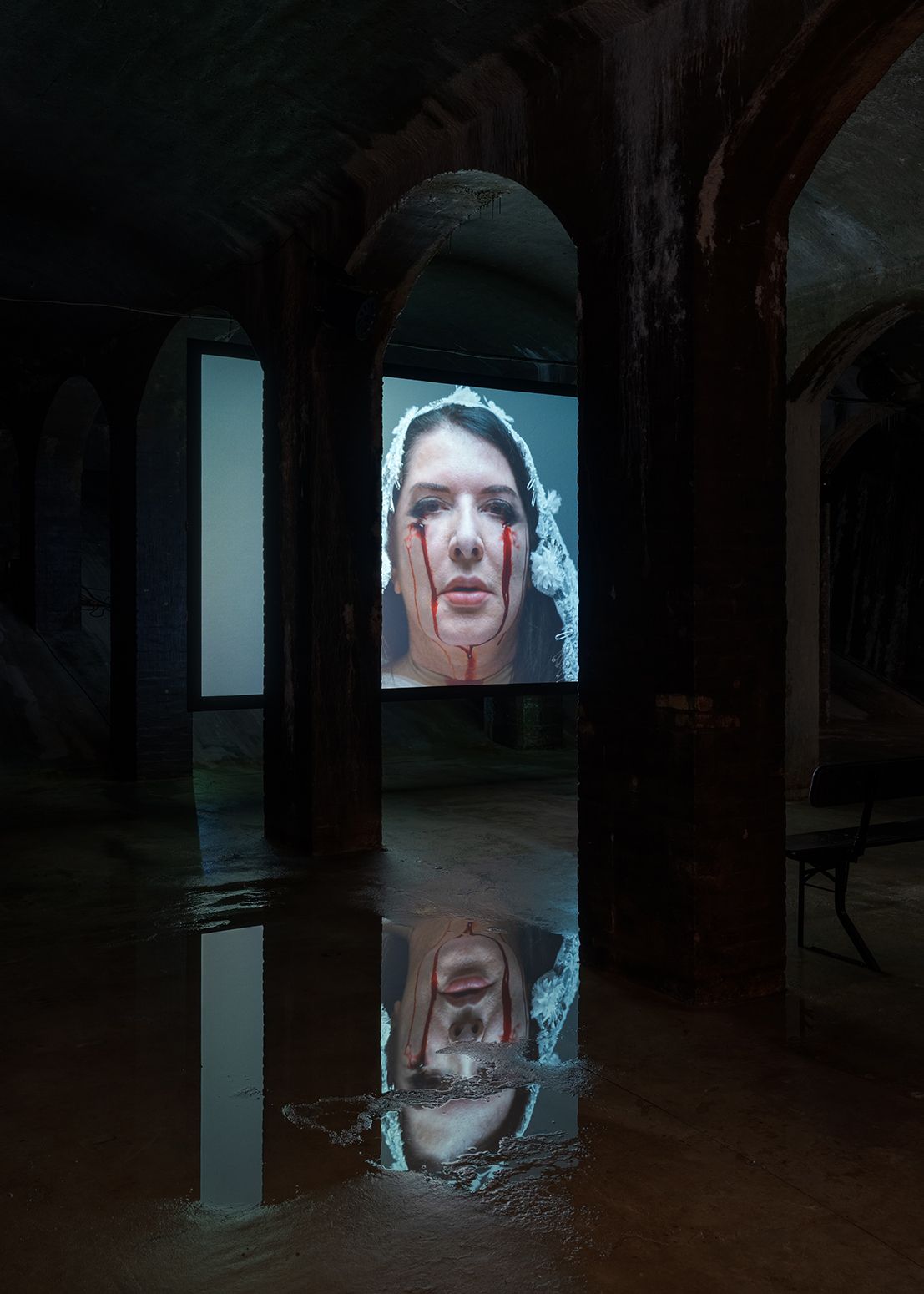
Until 30 November 2026, it is hosting Seven Deaths, Marina Abramovic’s monumental immersive installation inspired by Maria Callas.
The Serbian artist recreates seven of the most famous deaths in operatic history in an audiovisual experience conceived specifically to engage with the darkness, humidity and extraordinary acoustics of Cisternerne, whose underground galleries generate a reverberation of up to seventeen seconds.
Accompanied by Callas’s voice and featuring actor Willem Dafoe, the work transforms the visitor’s journey into a reflection on love, loss, desire and death.
In this context, accessing Cisternerne through CopenPay is not simply about visiting an exhibition, but about experiencing one of the year’s most ambitious artistic proposals in a space whose history is intimately linked to Copenhagen’s relationship with water and urban infrastructure.
The real motivation doesn’t seem to be the reward, but the experience itself.
The same logic appears in other experiences across the city, from design and architecture museums to community initiatives, urban routes and environmental projects that allow visitors to discover Copenhagen from a more participatory perspective.
Rather than accumulating rewards, the programme builds narratives. And in a city where design and culture form part of everyday life, that dimension feels especially relevant.
From visitor to contributor
One of the concepts that appears repeatedly in conversations around CopenPay is the idea of contribution.
It is not a word commonly used in the tourism industry. Traditionally, the relationship between visitors and destinations has been defined by economic exchange. Tourists generate activity, occupy hotels, consume culture and use services. Cities receive those benefits and develop the infrastructure required to sustain them.
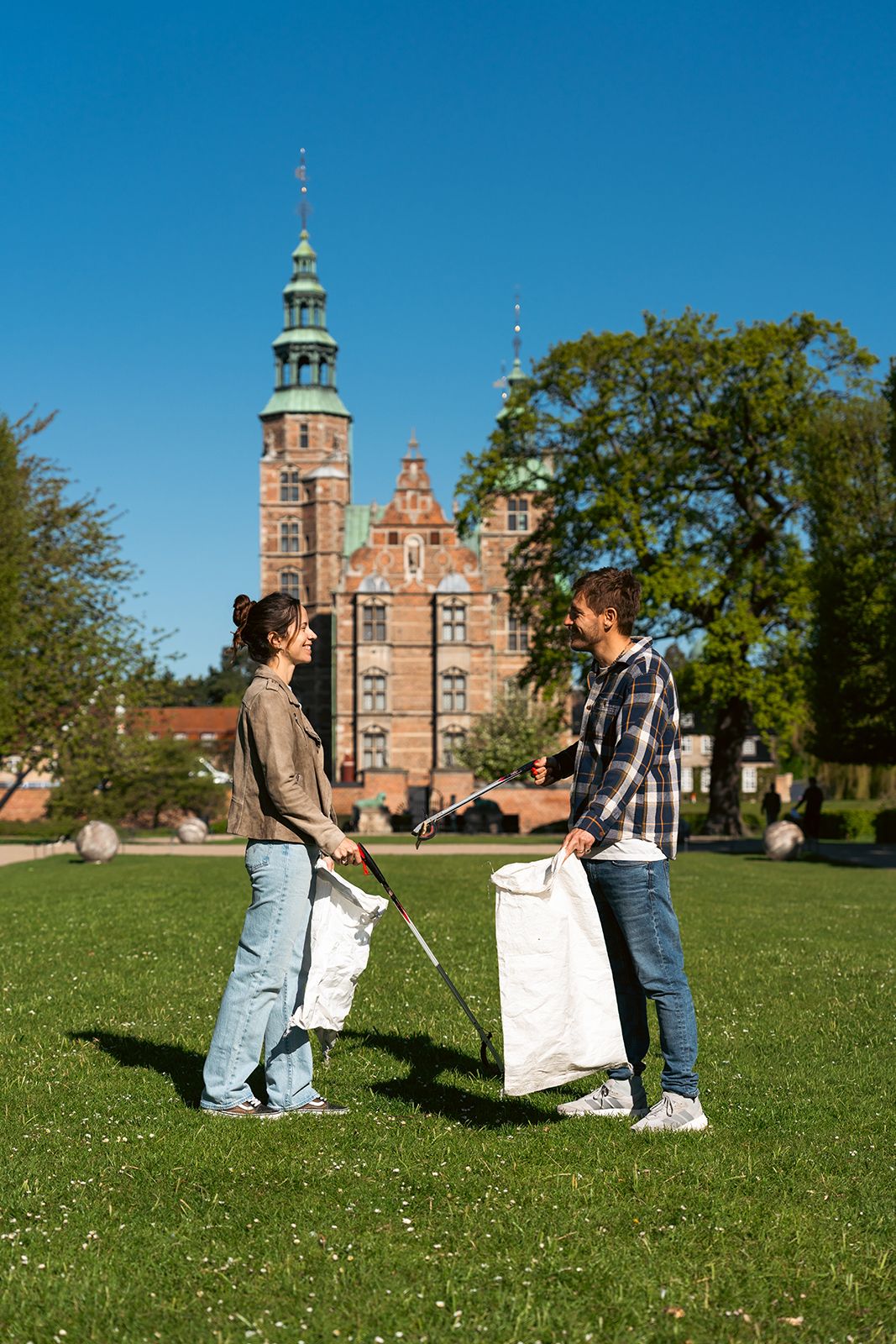
CopenPay introduces an additional layer: “CopenPay is about encouraging a different mindset, where visitors do not just consume a destination but contribute to it.”
As pressure on certain destinations increases, there is a growing need to imagine models in which the presence of visitors also generates positive social, cultural or environmental impact.
Copenhagen does not approach this issue through confrontation or restriction. Quite the opposite. The initiative is built on an optimistic narrative based on a simple premise: many people want to make better choices when they travel. What they need are clear, accessible and inspiring mechanisms that allow them to do so.
A simple idea with profound implications
The interest generated by CopenPay has led Wonderful Copenhagen to share the model with other destinations through DestinationPay. The initiative has attracted the attention of hundreds of cities and tourism organisations seeking new ways to integrate sustainability and the visitor experience.
The best ideas often seem obvious once someone puts them into practice. CopenPay belongs to that category of initiatives whose simplicity conceals a much more complex reflection on human behaviour, urban design and shared responsibility.
CopenPay doesn’t aim to solve all the challenges associated with contemporary tourism, nor does it claim to offer definitive answers to issues as complex as sustainability or visitor flow management. Its contribution is different: to imagine a model in which travel is no longer understood exclusively as an act of consumption, but as an opportunity for participation.
The proposal fits naturally within a city that has spent decades using design to improve mobility, public space and quality of life. More than an isolated campaign, CopenPay feels like the logical evolution of a way of thinking about the city and its relationship with those who visit it.
“Our goal is to support a mindset where visitors see themselves as contributors.”
Few initiatives express one of contemporary tourism’s great challenges so clearly: how to create valuable experiences for those visiting a city while continuing to bring value to those who live there.
Tourism should not only be about consumption, but also about contribution and becoming part of the destination.
(*) Photos courtesy of Wonderful Copenhagen. Cisternerne photos: Installation view, Marina Abramovi?, Seven Deaths, Cisternerne, Copenhagen (14 March – 30 November 2026): David Stjernholm/@david_stjernholm. Marina Abramovi? portrait: Marco Anelli. Vertical photo 1: Daniel Rasmussen. Slider photo 9 and vertical photo 11: Giuseppe Liverino.