BAO London, seven Taiwanese tables across the capital
Before BAO had a restaurant, it already had a diner. Drawn by Taiwanese artist Erchen Chang, he was a man entirely absorbed in the pleasure of eating a steamed bun. The character grew out of an installation Chang created in 2012 and became the emblem of BAO London, which today has seven restaurants across the capital.
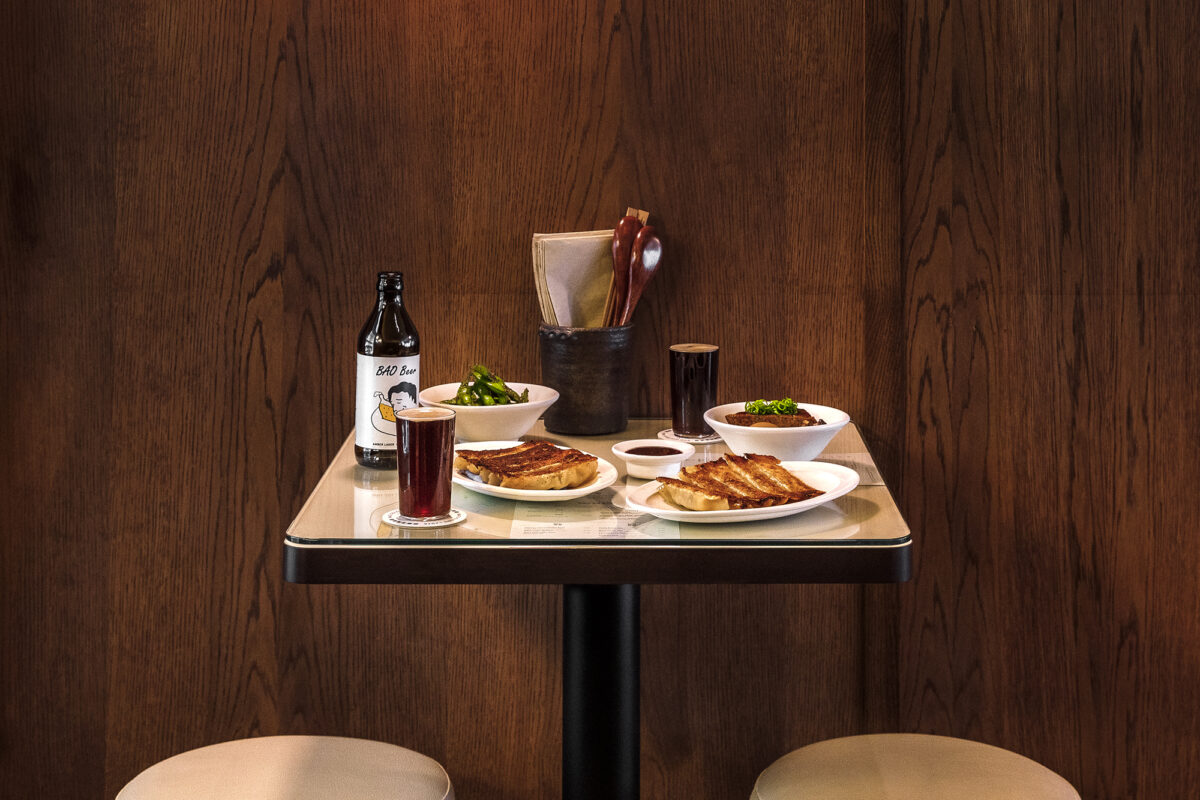
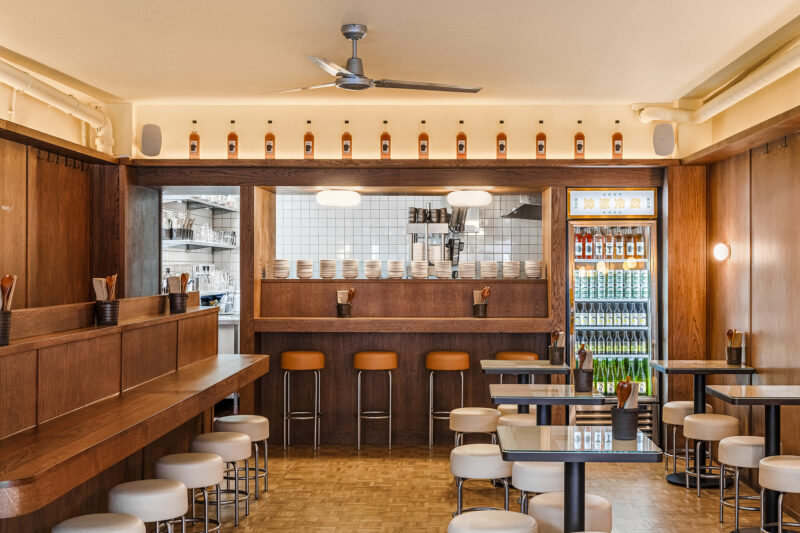
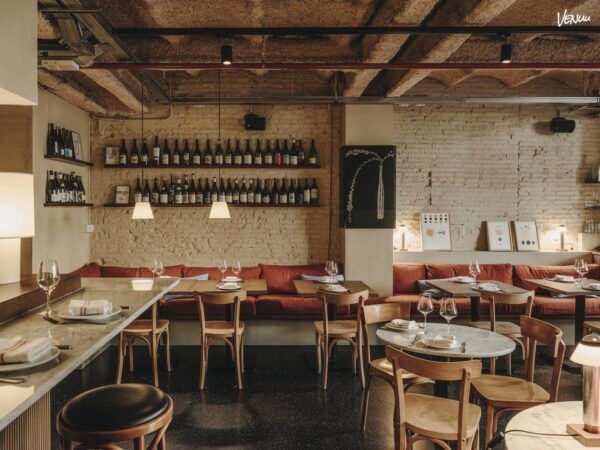
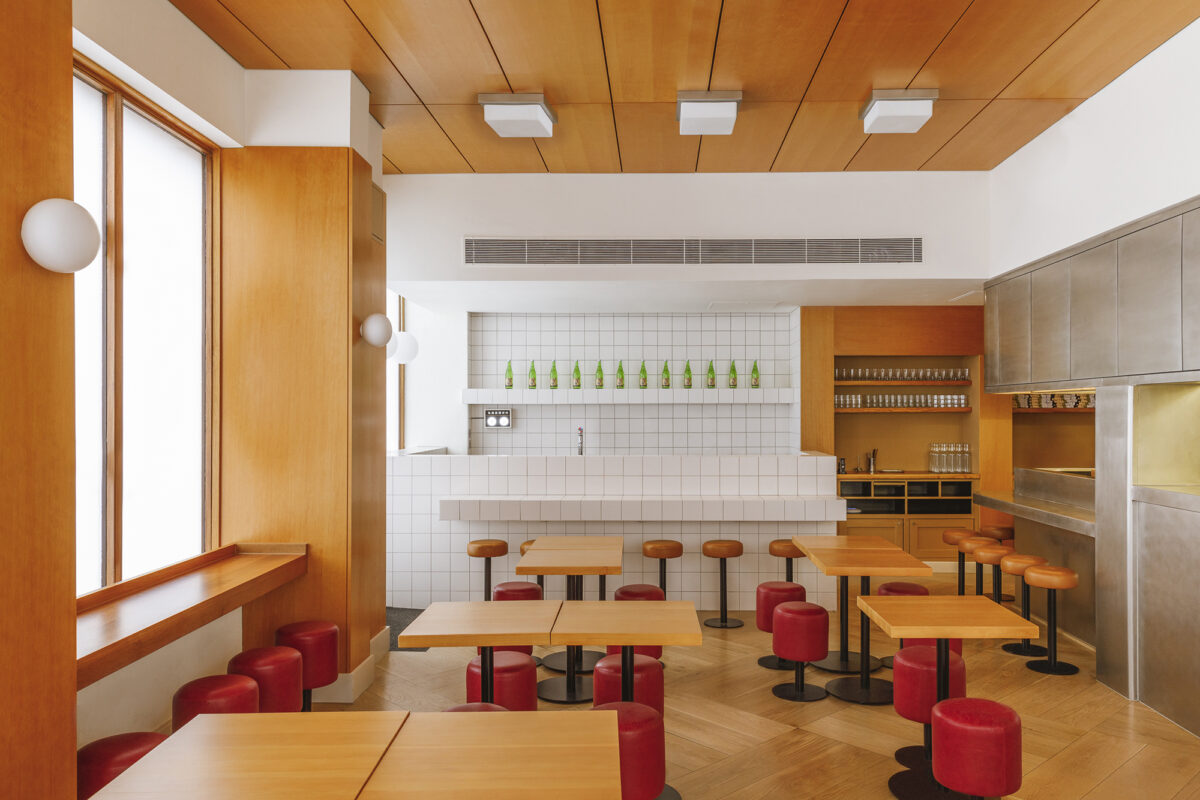
Each explores a different aspect of Taiwanese culture. Beef noodle shops inspired the dining rooms in Shoreditch and Battersea, dumplings are folded in full view in Marylebone, and an evening in the City can end in a karaoke room that recreates a scene from Taipei Story. The story, though, begins at a market stall in Hackney.
From a stall in Hackney to a table in Soho
In 2013, Erchen Chang, her partner Shing Tat Chung and his sister Wai Ting Chung began selling food in East London with a cool box and a steamer. All three had recently left university, and they did everything themselves, right down to sewing the aprons and building the stall.
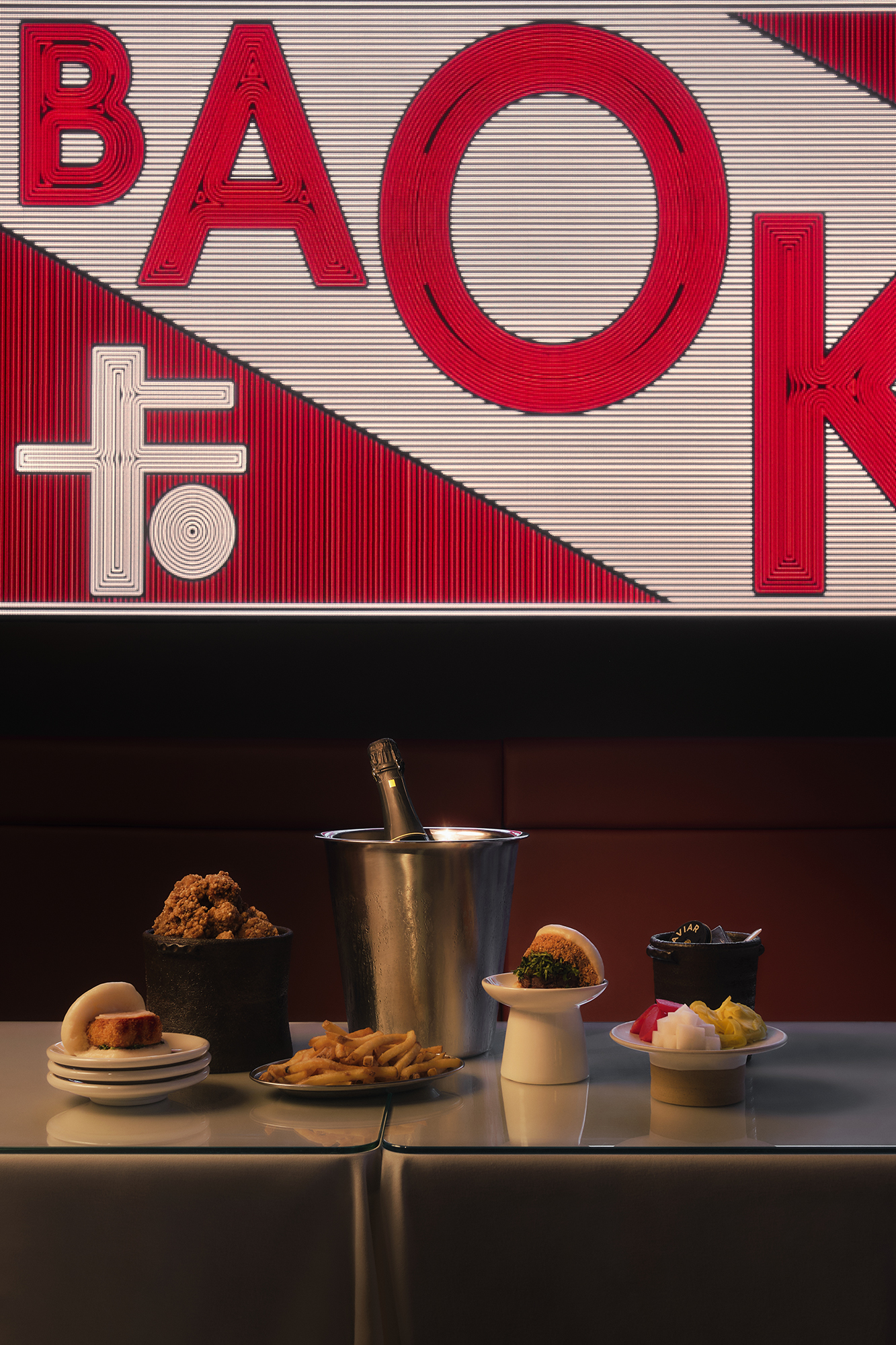
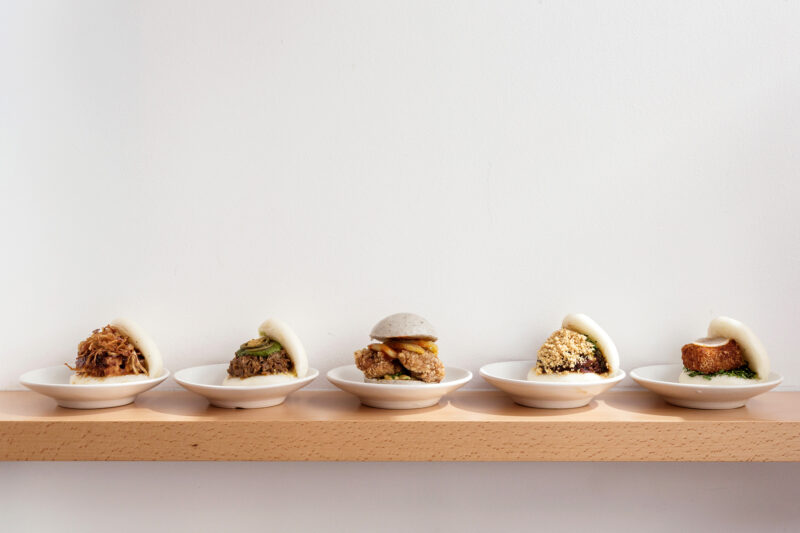
It was at Netil Market that they made the bao that would make their name. In the classic version, a soft white steamed bun folds around braised pork, coriander and peanut powder. Part of the pleasure comes from that last ingredient, which mingles with the juices from the pork as you take the first bite.
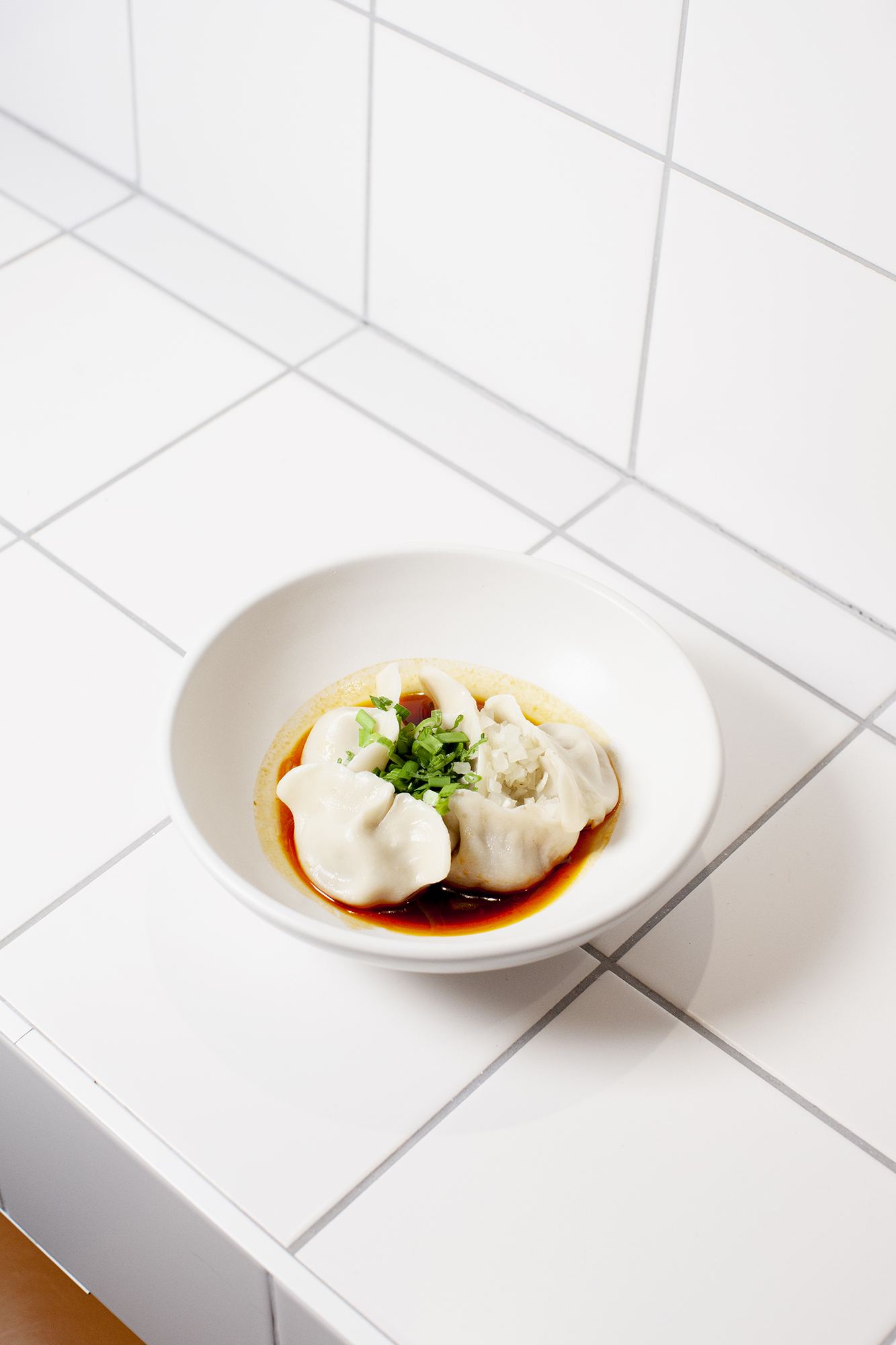
In April 2015, the three moved from the market to Lexington Street, where they opened their first permanent restaurant. It seated just thirty, and the queues along the Soho pavement became part of BAO’s story. The classic bao is still a good place to start here, though it is worth leaving room for the guinea fowl rice with egg yolk, inspired by the turkey rice bowls of Chiayi in Taiwan. That habit of returning to a particular dish, or remembering the kind of place in Taiwan where you might eat it, would give each of their London restaurants a character of its own.
In 2015, the three moved from the market to Lexington Street, where they opened their first permanent restaurant.
Shoreditch and two ways with beef noodle soup
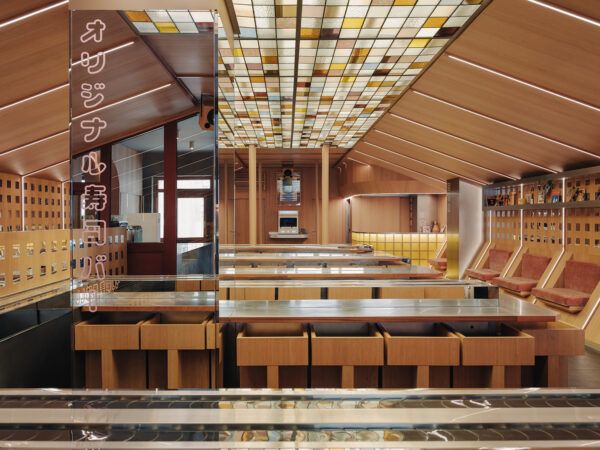
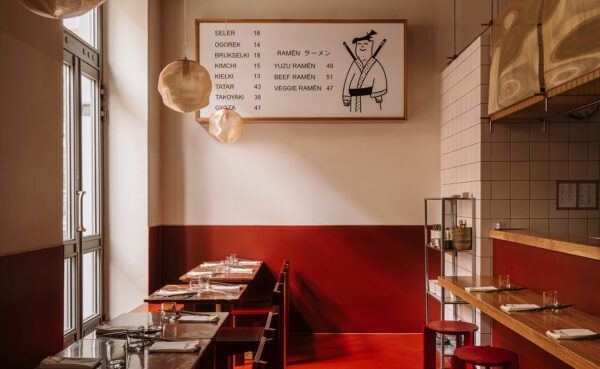
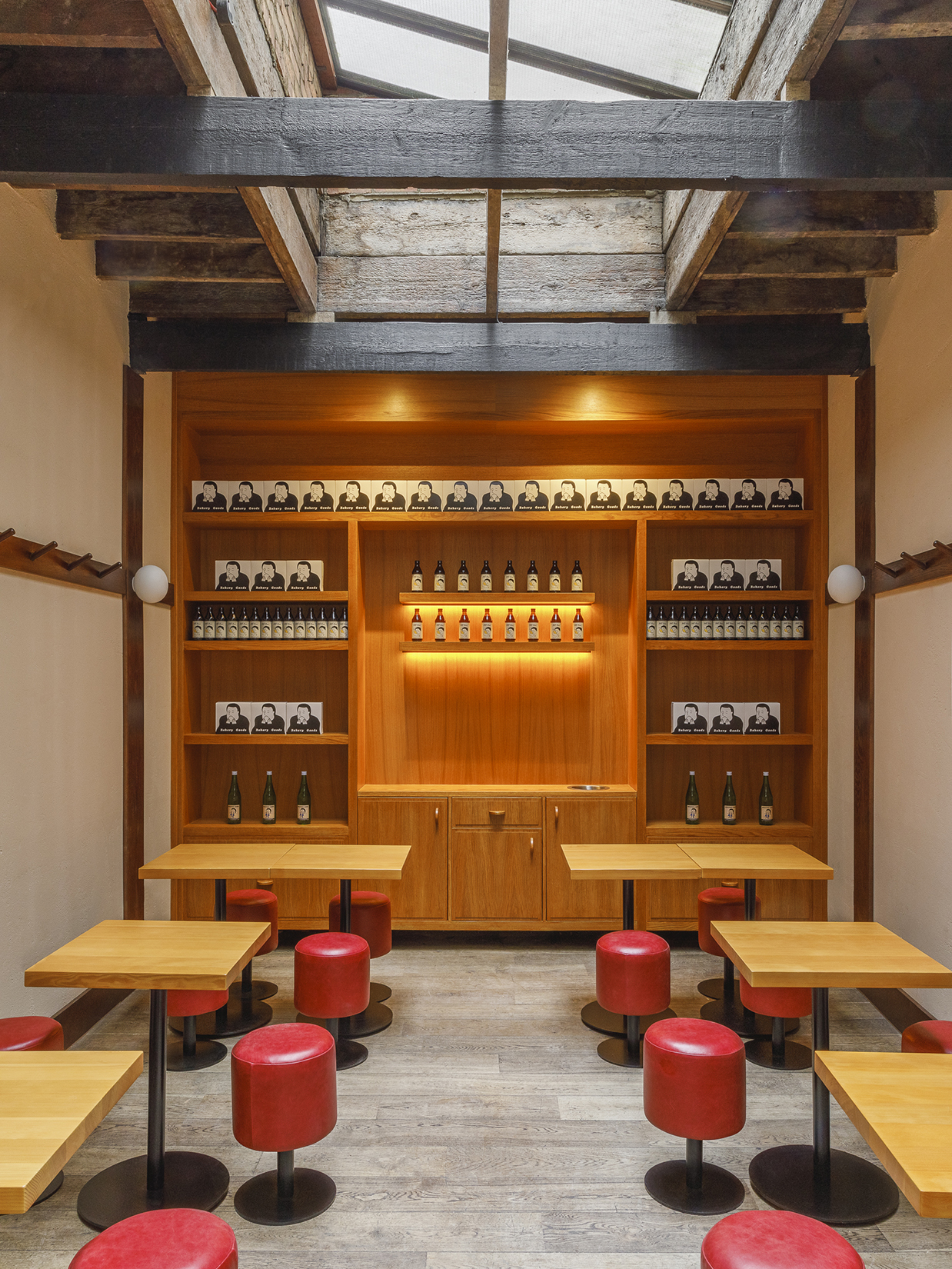
For their first Noodle Shop, which opened on Redchurch Street in 2021, the founders took their cue from Taiwan’s beef noodle shops. From a seat at the white-tiled counter, you can watch the chefs ladle broth into bowls made by Owen Wall, a London-based ceramicist.
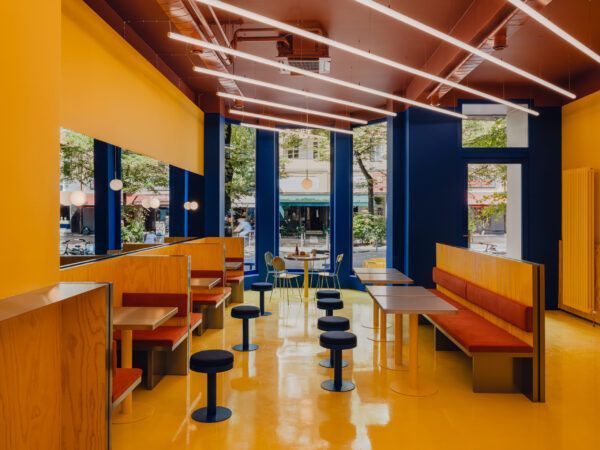
Further back, daylight falls through a skylight between the timber beams. Behind the yellow banquettes, meanwhile, a closer look at the wallpaper reveals a more playful detail in the illustrations, which recall the graphics of early video games.
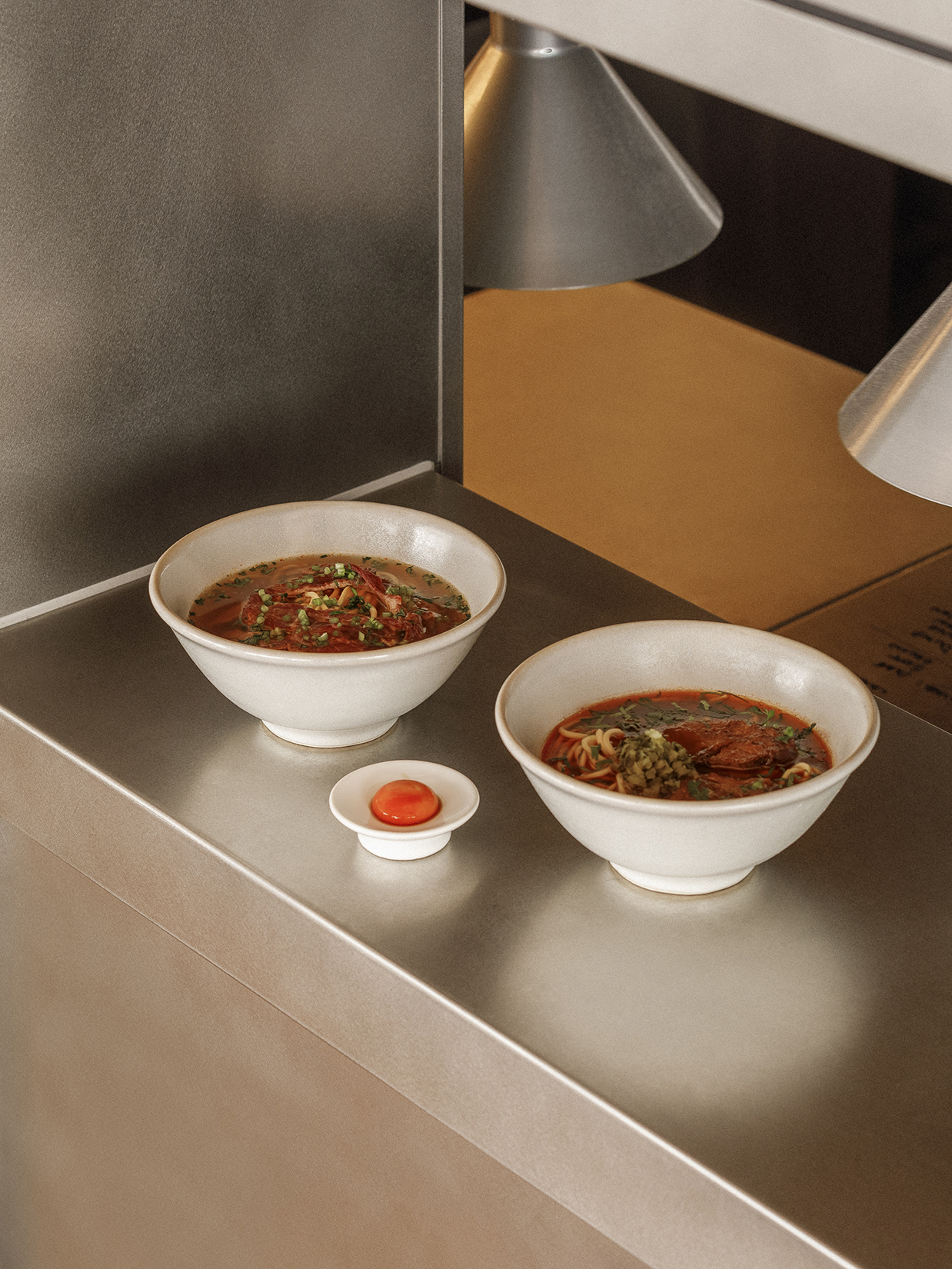
The noodles are made with wheat flour imported from Taiwan, water and salt. Using that same dough, the kitchen makes two quite different beef noodle soups.
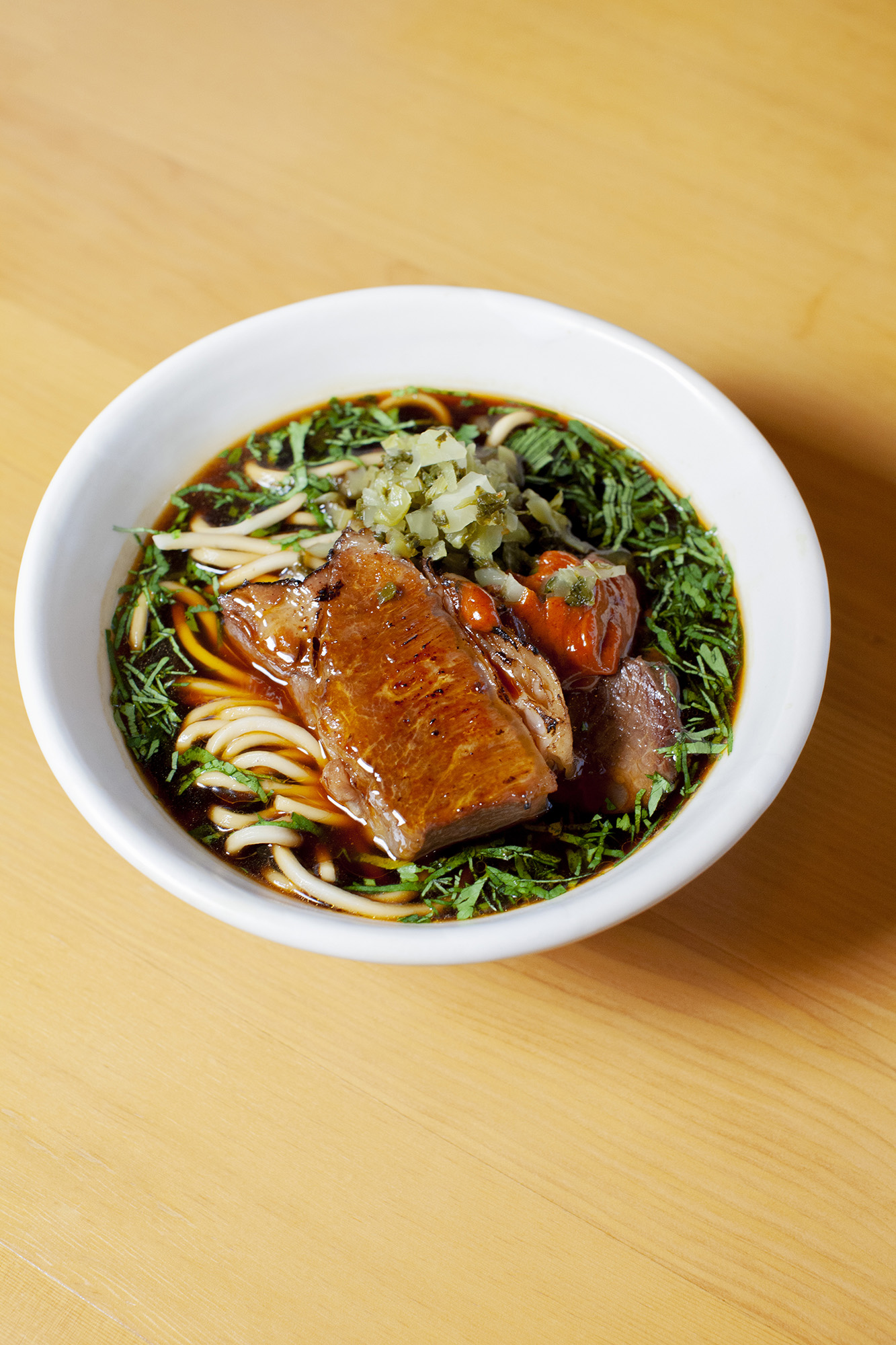
The richer of the two takes its lead from Taipei, with beef cheek cooked for twenty-four hours, fermented mustard greens and spiced beef butter that melts into the hot broth. The second looks to Tainan, in the south-west of the island. Here, thin slices of aged beef are served in a light soy broth, with a cured egg yolk for dipping the meat.
There are also two particularly appealing vegetable dishes. One pairs aubergine fritters with noodles in a kelp and soy broth, while the dan dan noodles come with crumbled tofu braised with soy and Sichuan spices. And if you fancy something sweet to finish, the bun makes another appearance at pudding, this time fried, split open and filled with ice cream.
The noodles are made with wheat flour imported from Taiwan, water and salt.
In Marylebone, the best seat faces the kitchen
At 56 James Street, a short walk from Oxford Street, there is a different reason to take a seat at the counter. BAO Mary draws on Taiwanese dumpling houses, and from the stools at the back you can follow what happens once the cooks have folded the dough.
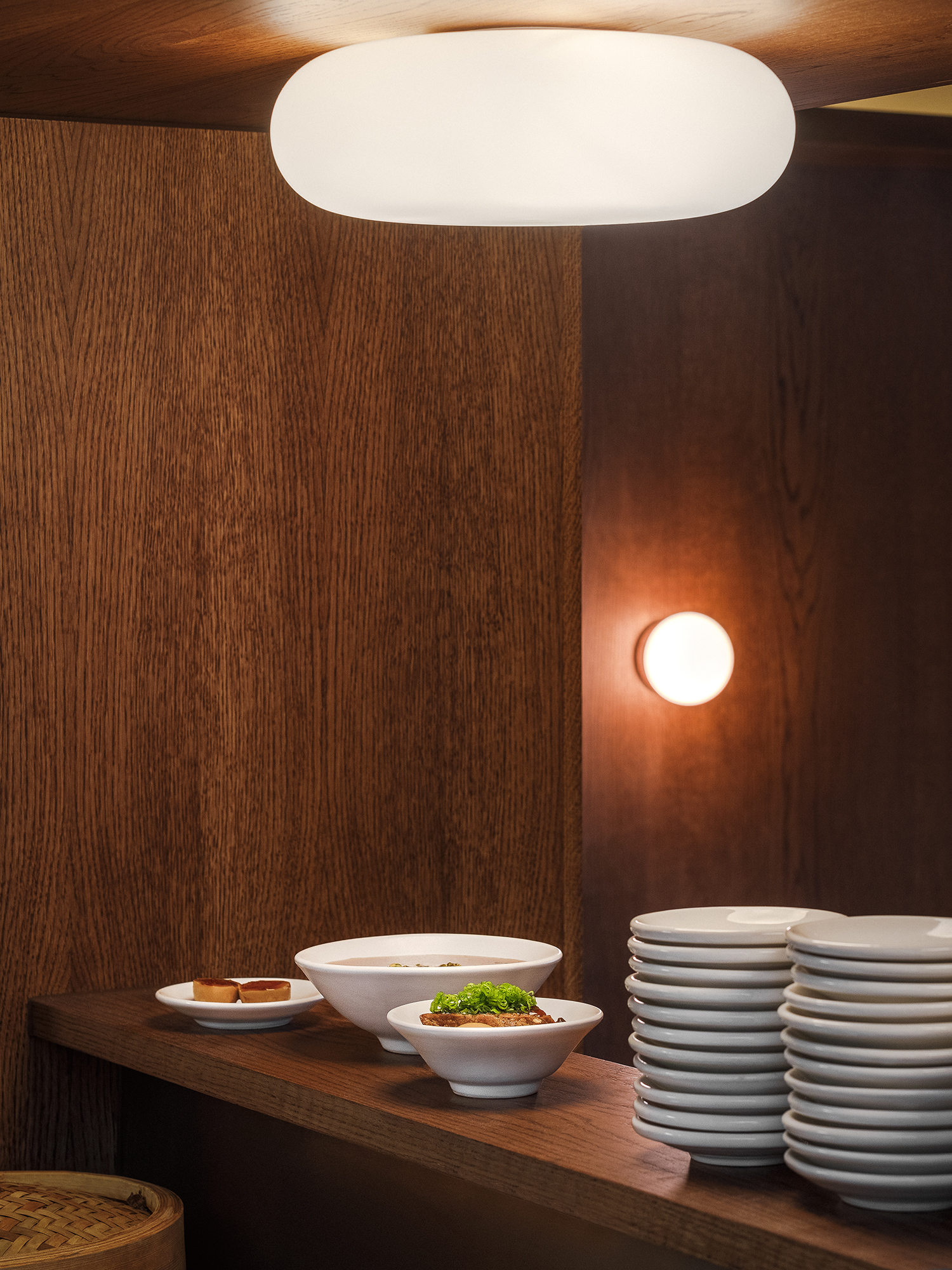
Some dumplings go into boiling water, while others go straight into a frying pan to crisp up the base. Towards the front, pale green glass tops the low tables, with white stools and dark timber panelling completing the dining room.
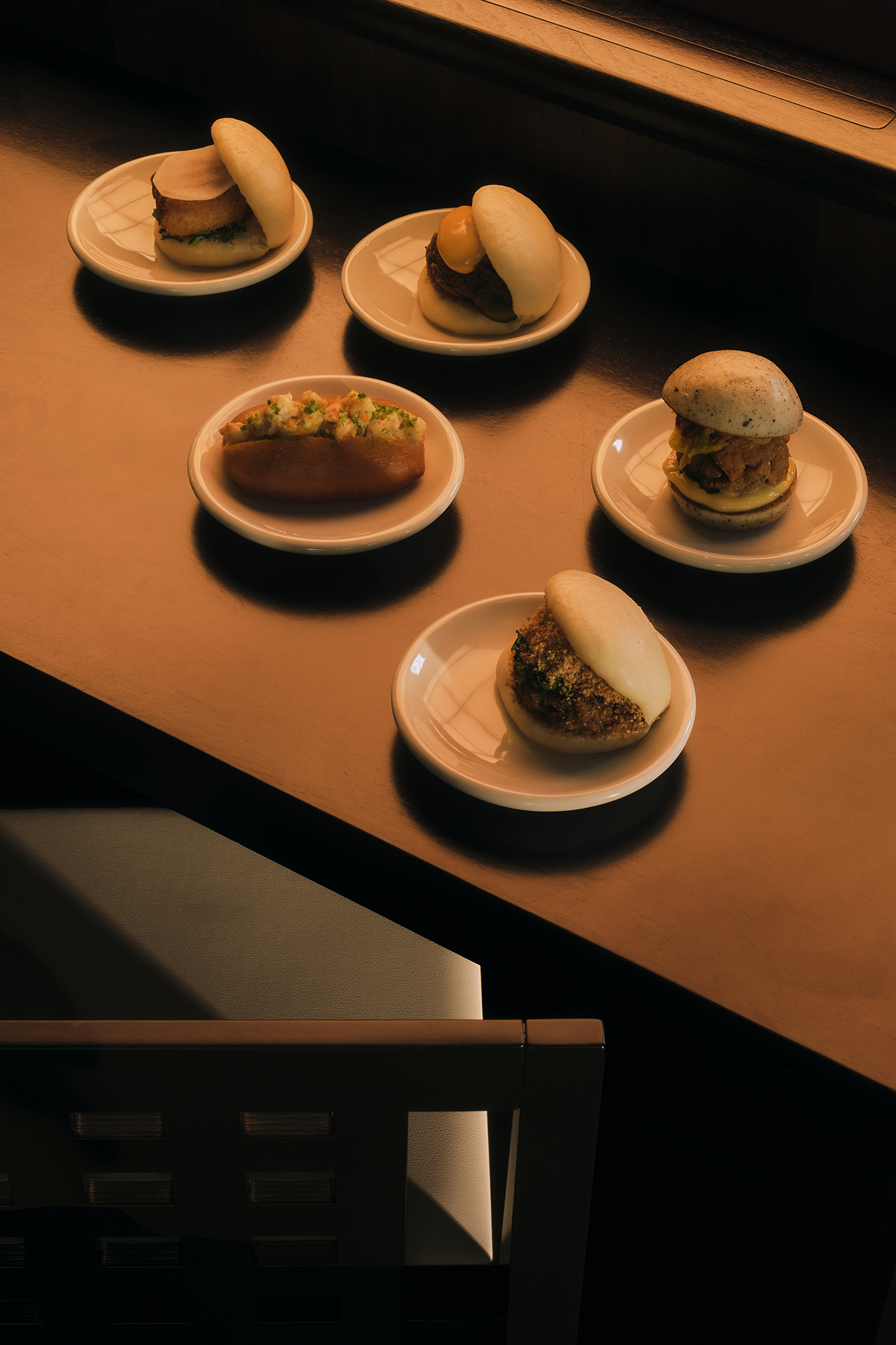
The dumplings share the menu with xiao chi, small Taiwanese dishes that lend themselves to ordering a few between two.
Among the buns, the Prawn Shia Song stands out for the way it is served. The bun is deep-fried, then split lengthways like a hot dog roll to hold a filling of chopped prawns, celery and carrot. The handmade dan dan noodles go well alongside it, dressed with crumbled tofu, fermented greens and chilli oil.
Charcoal in Borough and rice bowls in King’s Cross
At Borough Market, the inspiration comes from the late-night grill houses tucked beneath railway tracks. For their restaurant on Stoney Street, the team brought over a charcoal grill from Tokyo. One of the dishes that makes particularly good use of it is a Denver cut of Cornish beef, aged for forty days and marinated overnight before it goes over the coals. The beef is served on rice with the house spiced butter, known here as Taipei butter.
At Borough Market, the inspiration comes from the late-night grill houses tucked beneath railway tracks.
At BAO King’s Cross, it is worth paying attention to what goes into the bowl before the meat. For the aged beef rice, the kitchen uses a short-grain variety from Chishang in Taiwan. Another option is the charcoal-grilled chicken, served with an onion and fermented chilli relish. On a fine day, the restaurant’s location on Pancras Square suggests a different plan altogether. Pick up a couple of bao and a bubble tea to take away, then walk down to the canal.
Battersea and the City, from Jacques Tati to Edward Yang
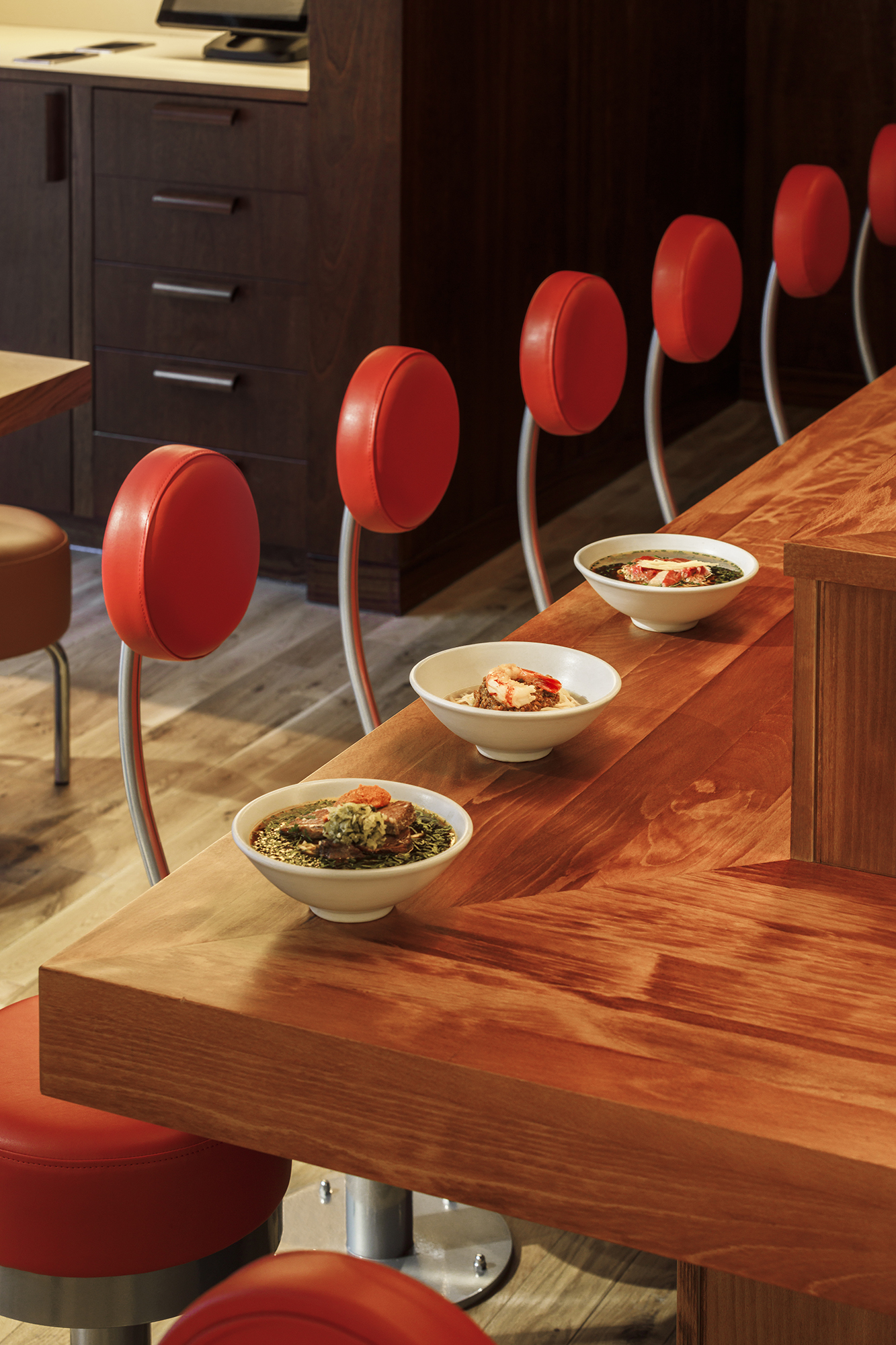
At Battersea Power Station, BAO found room to build a Noodle Shop on a different scale. A U-shaped counter wraps around the open kitchen overlooking Turbine Hall A, where one of the dishes is exclusive to this address. The Danzi Noodles come in a light pork and prawn broth, topped with a prawn brushed with confit garlic.
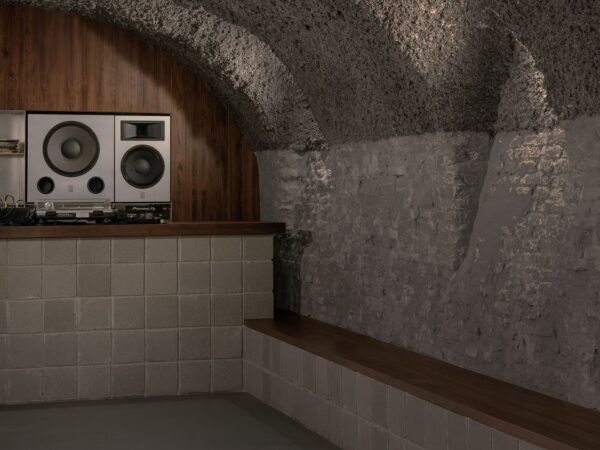
Battersea’s industrial past also finds its way into the Control Room, the private karaoke room. Its design draws on both the power station’s original control panels and the futuristic sets of Jacques Tati’s Playtime.
At BAO City in Bloomberg Arcade, cinema gave MATHs, BAO’s in-house creative department, a starting point for two karaoke rooms. In the larger one, a wraparound screen recreates the illuminated Fujifilm billboard beneath which the protagonists meet in Edward Yang’s Taipei Story. The smaller room brings the New York offices of Oliver Stone’s Wall Street to London, a knowing choice for a restaurant in the financial district.
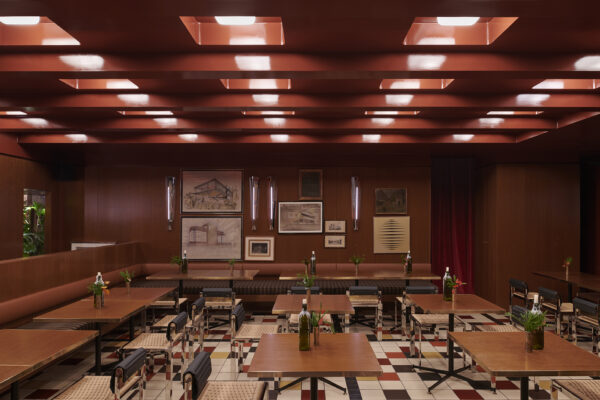
Between the two rooms sits the dining room, with deep red satin-finished walls, cherry-veneered panelling and burgundy leather banquettes. On each white stone table, a small lamp lights the meal.
At BAO City, cinema gave BAO’s in-house creative department, a starting point for two karaoke rooms.
Of all the connections BAO has made between Taiwan and London, what we like most is the freedom to decide how to spend the evening. If you fancy dinner on your own, the Redchurch Street counter is a good place to order a bowl of soup and watch the chefs at work, something we suspect Erchen Chang’s original diner would appreciate. If you are out with friends, you can book one of the karaoke rooms at BAO City and order a platter of mini bao to share between songs. Perhaps that is part of BAO’s charm. A steamed bun can be the starting point for quite a different evening depending on which neighbourhood you find yourself in.
(*) Photography courtesy of BAO London.