Otsu and the taste of curiosity
A plastic mould bought in China to make figures in the snow ended up shaping an ice-cream duck that melted over a coffee. Fer Villanueva found it at home, imagined that affogato and decided to give it a try. The response brought people flocking to Otsu, her café and atelier in Barcelona’s Poblenou neighbourhood. For her, the most interesting part was the process that had made this little discovery possible: observing an object, imagining another use for it and learning how to bring it to life.
Originally from Mexico and trained in product design, Fer spent years working in marketing and technology before studying pâtisserie and cookery at Hofmann. From that first chapter, she retains a way of thinking that considers materials, proportions and people’s relationships with objects. At Otsu, that perspective translates into creations that invite you to take part: cracking open a puff-pastry egg, holding a small edible sculpture or watching a butter Venus slowly melt.
We previously spoke to her in The Unusual Barcelona about how small observations can become big ideas. Now, we take a closer look at the work behind her Weekend Specials, the experiments she shares with her team and the memories that also find a place in her kitchen. Among them are those of her grandmother and the Día de Muertos offerings that inspired one of her most personal creations. A conversation about the pleasure of experimenting and the care needed to make an idea something you want to eat, as well as something that sparks your curiosity.
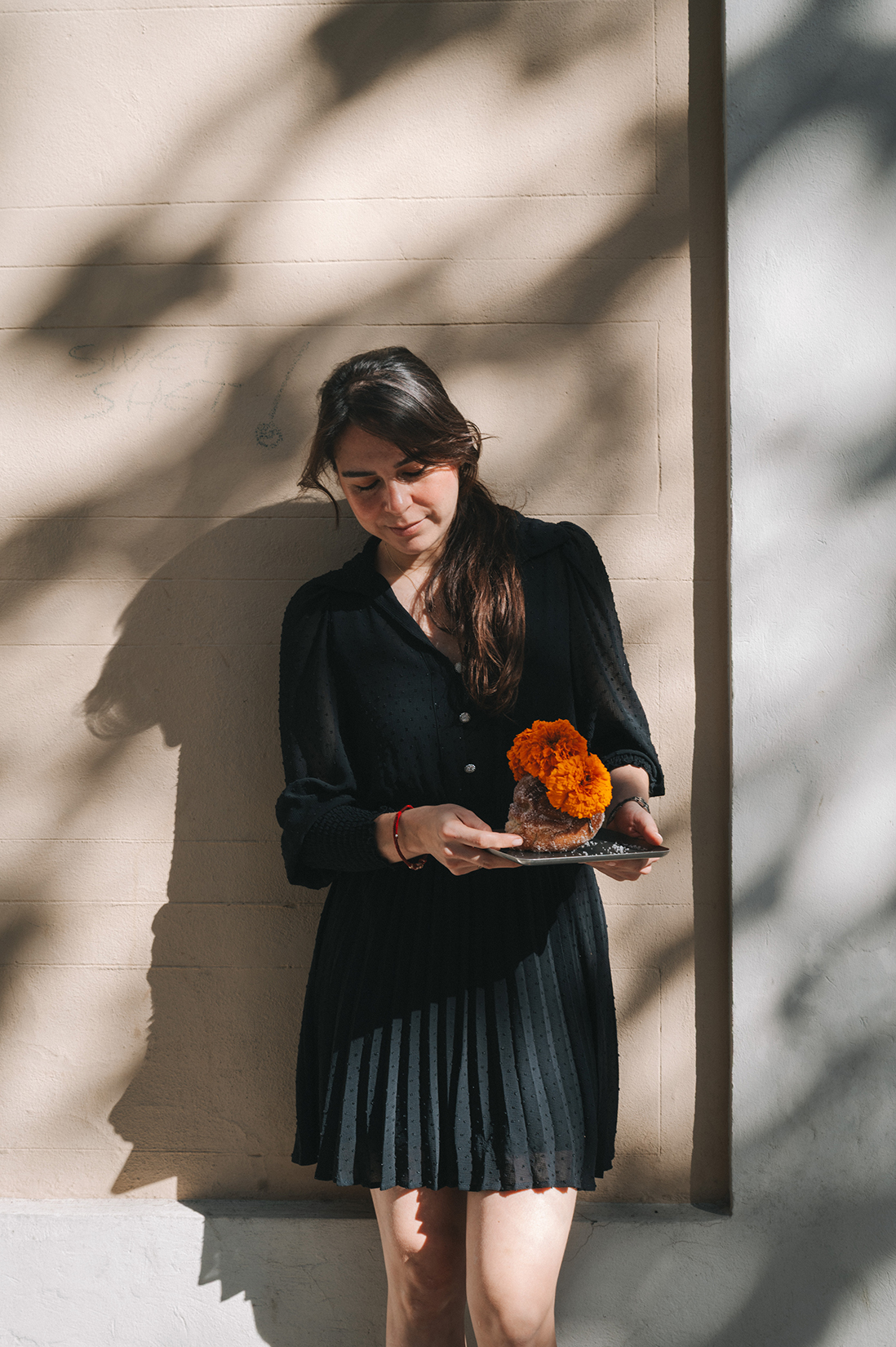
Before Otsu, your career spanned design, marketing and technology. What led you into cooking, and which lessons from that period still shape the way you work?
Yes, that’s right. I studied product design and worked in marketing and technology for many years. I enjoyed my work, but there came a point when I felt I needed to do something different.
I had always enjoyed cooking, especially baking, and I was very curious about how things worked. I could make something delicious, but I wanted to understand why a recipe worked, how to control textures and how to achieve more precise results.
As I mainly worked with teams in San Francisco, my mornings were free, so I decided to start studying pâtisserie at Hofmann in Barcelona. I found it so fascinating that, when I finished, I went on to study cookery.
Now I realise that my design background is still very much present in everything I do. I think a lot about objects, materials, proportions and the way people interact with them.
“I had always enjoyed cooking, especially baking, and I was very curious about how things worked.”
Sometimes I say that I have the mind of a product designer and the hands of a chef. I tend to picture the finished object in incredible detail, even before I know how I’m going to make it. Then comes the work of finding the techniques and materials that will allow me to turn it into something edible.
What brought you from Mexico to Barcelona, and what made you choose this city as the place to develop your project?
I came to Barcelona to study for a master’s degree in Visual Merchandising and Retail Design at Elisava. At the time, my path was much more closely connected to design, and I had no idea that I would end up opening a café years later.
Over time, Barcelona became my home. I developed much of my professional career here, studied pâtisserie and cookery at Hofmann and, eventually, Otsu was born.
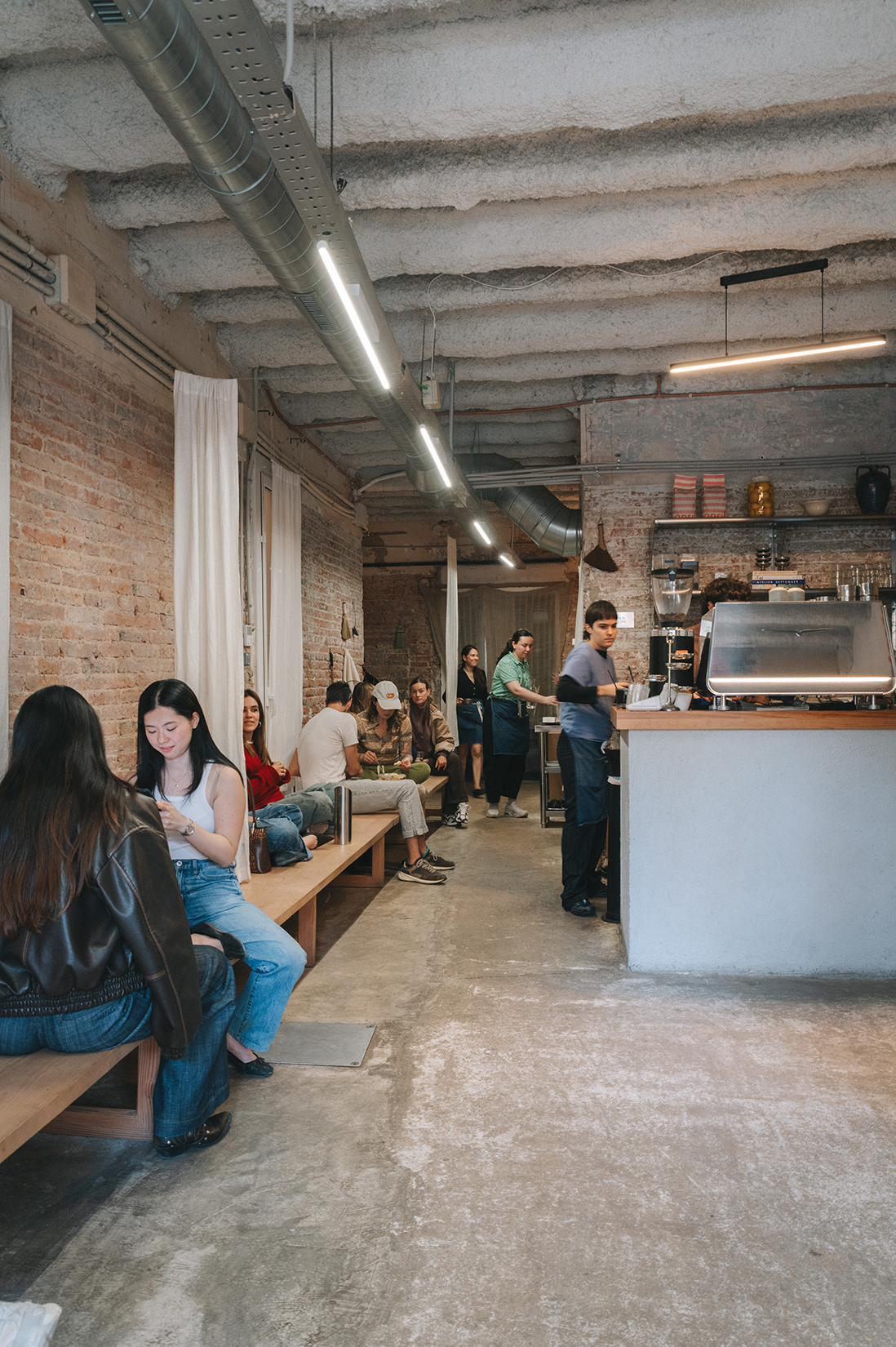
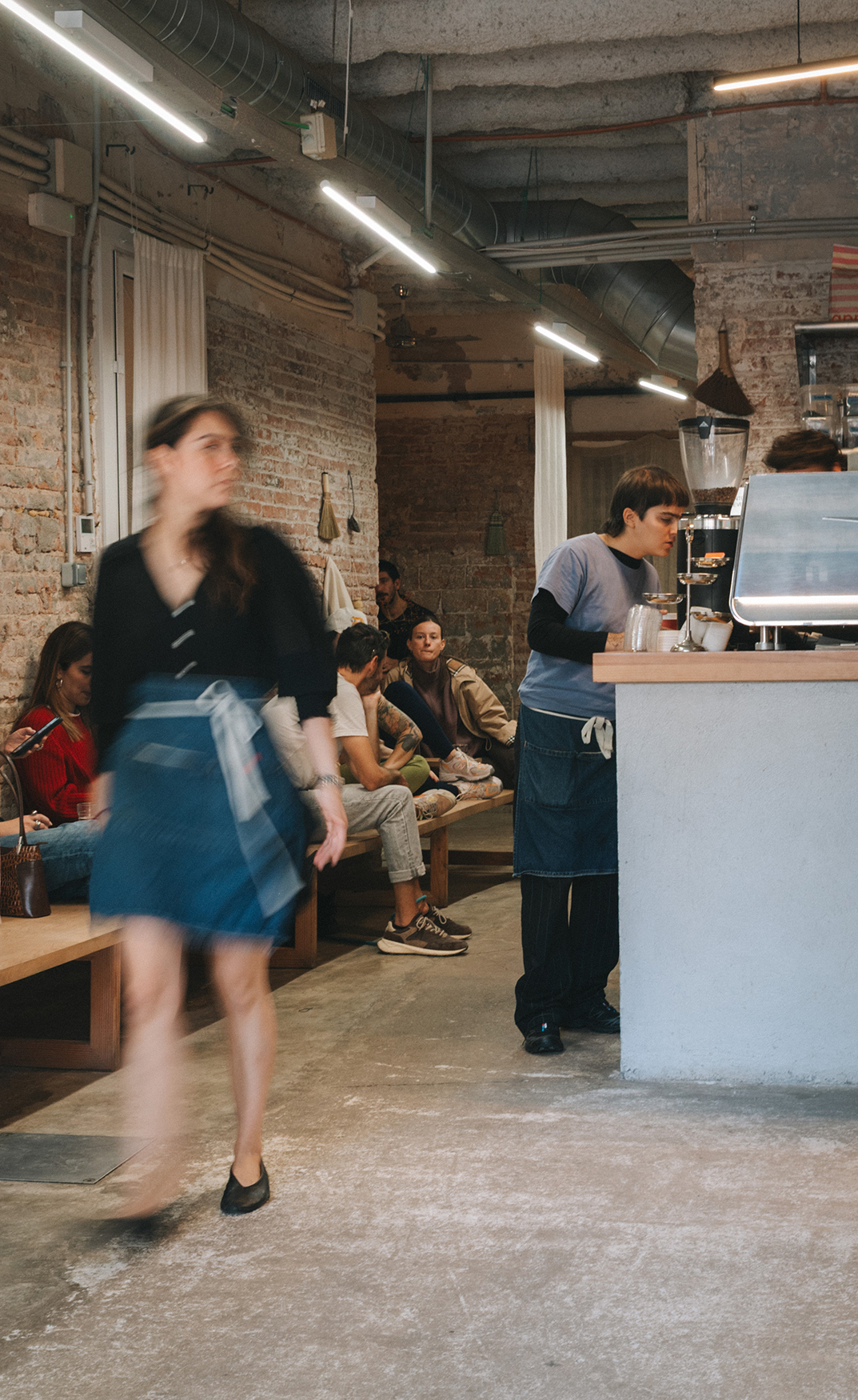
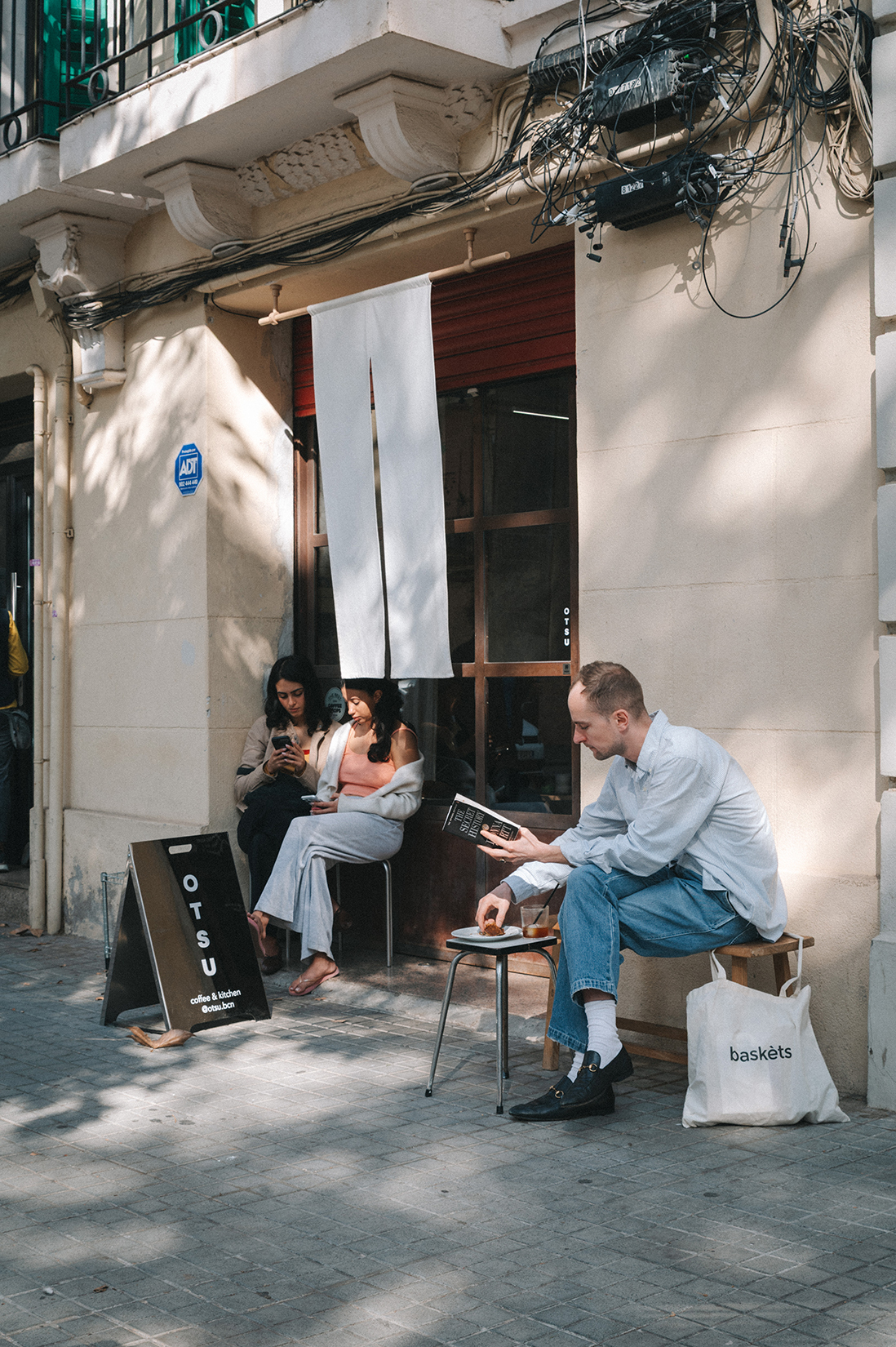
I chose Poblenou because I’ve always liked its pace. It has wide streets, former industrial spaces, workshops, design studios and small creative ventures that you discover as you walk around. There’s something about the neighbourhood that invites you to explore without rushing.
I wanted Otsu to have a little of that: somewhere that would be part of everyday life in the neighbourhood, but where unexpected things could happen too.
Otsu brings coffee, cooking and creative experimentation together in one space. When you first began imagining it, what did you know you wanted to offer? Where does the name come from, and how does it connect with that intention?
When I first began imagining Otsu, I wondered why so many cafés followed such a similar formula. I love cafés and the little rituals that are part of them, but I wanted to explore what else a café could be.
I knew that the coffee and food had to be very good, that the space should make people want to stay and that, at the same time, I needed somewhere to experiment.
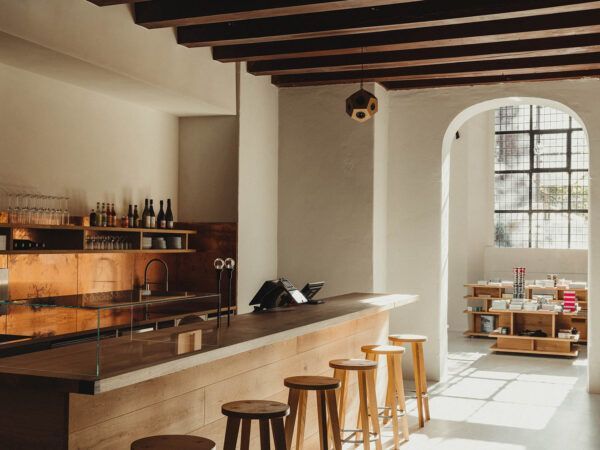
That’s why Otsu has those two sides. On the one hand, it’s a café where you can come every day for breakfast or a coffee. On the other, it’s a small atelier where we develop ideas, learn techniques and create things that might not fit on a conventional menu. I really like that coexistence of the everyday and the unexpected.
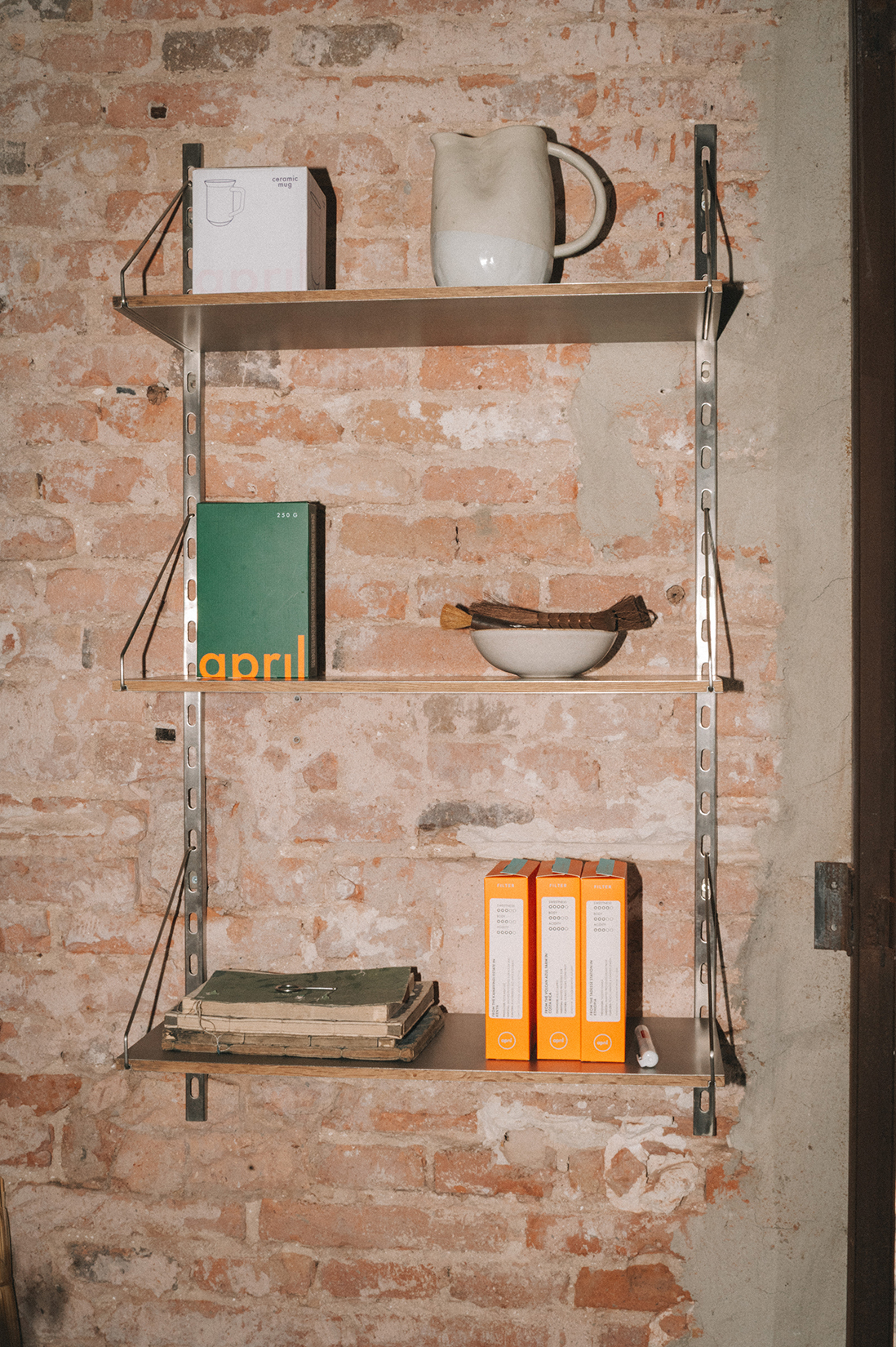
“Otsu is a café and a small atelier where we develop ideas, learn techniques and create unconventional things.”
The name came about quite by chance. I was reading a book and came across the word Otsu, referring to a Japanese city near Kyoto. I’m not quite sure why, but it stayed with me.
Some time later, when I looked into its meaning, I found that it could be interpreted as “well done” in Japanese. I loved that association with care and doing things well.
It wasn’t a name I deliberately searched for. It simply appeared, stayed with me and, when the time came to name the project, it was still there.
You’re Mexican, and Otsu has a clear affinity with Japanese culture and food. How did your relationship with Japan begin, and where does Mexico appear in your cooking, even when it isn’t immediately obvious?
My relationship with Japan comes from my travels and a fascination with its culture, especially the attention paid to detail and to small everyday rituals.
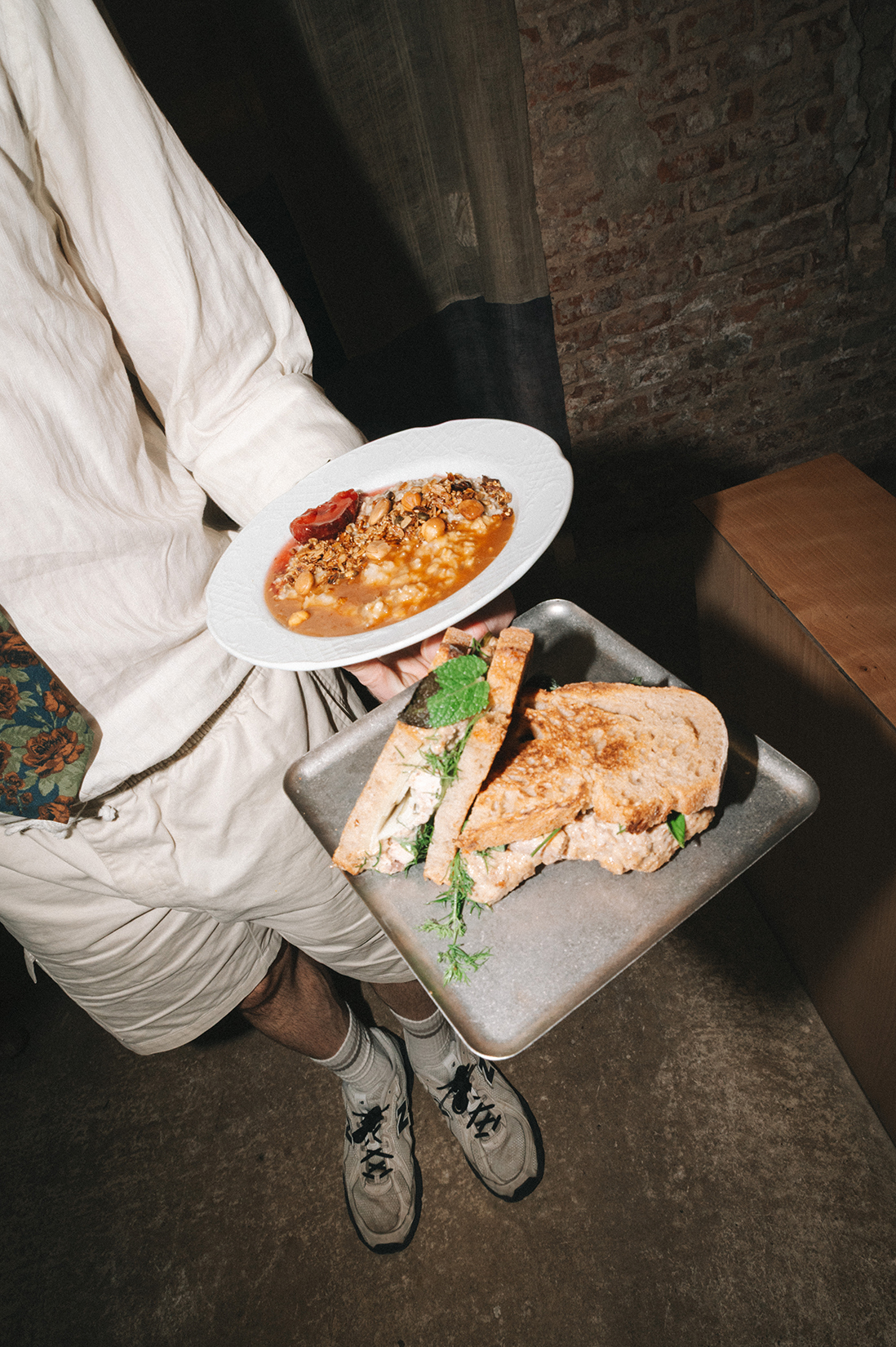
I remember having breakfast in a market in Ueno, Tokyo. It was a very simple place, bustling with activity, with delicious, unpretentious food. There was something about the atmosphere that reminded me of Mexico.
That experience eventually became our Tokyo Breakfast. I didn’t want to reproduce exactly what I had eaten, but to recapture that feeling and translate it into my own cooking.
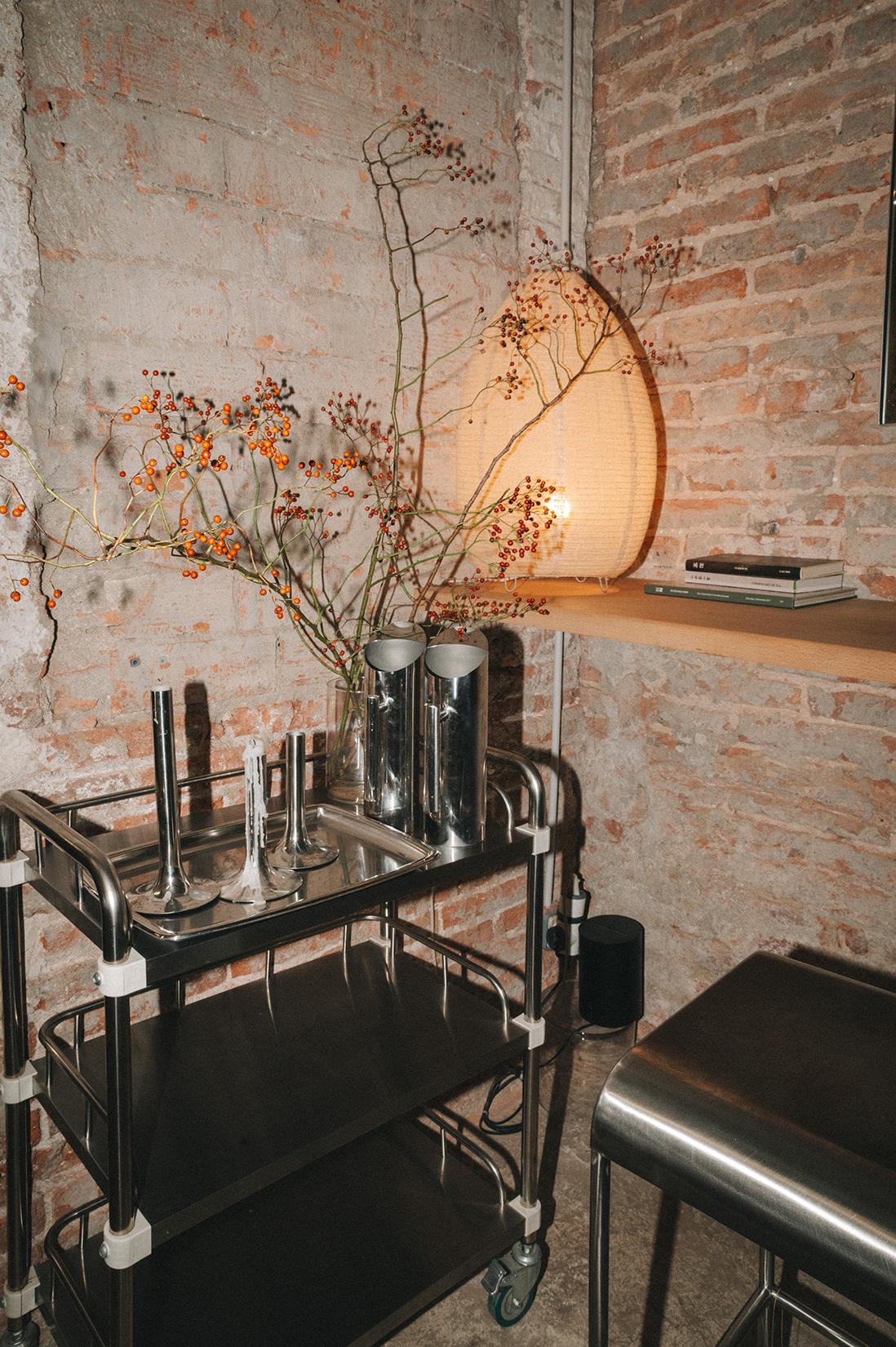
I think Mexico appears in Otsu very naturally. Not always through an ingredient or a traditional dish, but in the way I understand flavour, the importance of sharing food and that mixture of familiarity, intensity and curiosity.
I don’t feel I have to choose between one influence and another. All those experiences are part of me and, somehow, they end up coming together in what I cook.
The Weekend Specials began as an opportunity to learn and try new things. Do you remember the first one you made, and how the idea of turning that experiment into a weekly event came about?
At first, the Weekend Specials were fairly simple. I would make cakes or try a recipe I was interested in, and we would offer them over the weekend. I didn’t spend too much time on them, perhaps two or three hours of development.
But when summer arrived, I started experimenting with ice cream. One day, I found a duck-shaped plastic mould at home that I had bought on a trip to China. It was used to make figures in the snow. I had the idea of filling it with ice cream and serving it over a coffee, so that the duck would gradually melt and turn into an affogato. The idea really amused me, so I decided to try it.
The response was completely unexpected. So many people started coming in asking for the duck, and suddenly I realised that the Weekend Specials could become something much more interesting.
But I didn’t want to spend the rest of my life making ducks. What I had enjoyed most was the process of imagining something, finding a way to make it and learning along the way. So I decided that we would create something different every weekend.
In The Unusual Barcelona, you told us that small observations can become big ideas. What has been inspiring you lately? Tell us about something you’ve seen, read or experienced that has led to an Otsu creation.
Lately, I’ve been very interested in the relationship between objects and emotions.
In the past, many of my ideas came from things I saw: sculptures, books, old objects or little details I noticed while walking around Barcelona. That still happens, but I’m increasingly interested in exploring how we can translate a feeling or a human experience into something edible.
For example, for Butter Venus, I created a small sculpture of Venus made from butter that slowly melts. I was interested in the idea of admiring something beautiful while knowing that it won’t last for ever.
We also made The First Kiss, a small piece of cheesecake designed to be held, kissed and eaten. The idea came from thinking about the anticipation of a first kiss, the nerves and that moment when everything seems to stand still.
I like observing things that apparently have nothing to do with cooking and asking myself what would happen if I could turn them into an edible experience.
Choose one of your Weekend Specials and take us behind the scenes: how did it go from an idea to something served at the table?
One of the Weekend Specials I remember most vividly is the Fabergé egg. I’ve always been fascinated by objects that reward curiosity.
Things that invite you to come closer, look carefully and discover what they’re hiding. Fabergé eggs seemed like a beautiful example of that: intricate objects with a surprise inside.
I wanted to bring that idea into the kitchen by creating a puff-pastry egg that you had to break open to discover what was hidden inside. I had a very clear idea of what I wanted it to look like. I explained it to the team, and we started looking for ways to make it happen.
We spent days trying different techniques. Some pieces collapsed in the oven; others wouldn’t hold the shape we needed. There were some very frustrating moments, and we began to wonder whether we would actually manage it.
But we kept trying. Each of us focused on one part of the process, testing materials, adjusting techniques and looking for solutions. When something didn’t work, we started again with a different method.
I particularly remember the feeling of all of us working towards something we didn’t yet know exactly how to make, but could picture perfectly. And eventually, we did it. After so many attempts, being able to hold that finished egg and break it open to discover the surprise inside was incredibly satisfying.
“One of the Weekend Specials I remember most vividly is the Fabergé egg. I’ve always been fascinated by objects that reward curiosity.”
I think it’s one of the Weekend Specials that best represents what we do. The idea may start in my head, but bringing it to the table takes many hands, patience and a team willing to learn new things.
And, funnily enough, after all that work, what excited us most was the thought of someone coming in and breaking it.
Your creations catch the eye, but they also have to win people over with their flavour. How do you approach that relationship? Have you ever had to abandon a visual idea you loved because it didn’t work when eaten?
For me, appearance and flavour aren’t two separate things. When I imagine a creation, I usually have a fairly clear idea both of how it will look and of what I want it to convey when someone eats it.
The shape may spark curiosity, but the flavour has to justify the experience. I’m not interested in making something that’s beautiful just so it can be photographed. Ultimately, we’re cooking for people, and I want them to enjoy eating it.
I also think a lot about textures and the way people interact with each piece. Eating ice cream with a spoon isn’t the same as holding a small sculpture, breaking a shell or toasting a marshmallow cloud with a blowtorch. All of that is part of the design.
So far, experimenting with materials and techniques has allowed me to find solutions that preserve the original idea or even improve it. I don’t usually feel that I have to give up on the image I had in mind. Instead, I look for another way to make it possible.
The attention around the Weekend Specials has brought Otsu to a much wider audience. How have you experienced that growth, and what has changed in your day-to-day work? Do you feel more pressure to surprise people now that so many are waiting to see what comes next?
It’s been lovely to see something that began as a small creative exercise connect with so many people.
Some people come every weekend to discover what we’ve prepared, while others get to know us through a particular creation and then discover the rest of Otsu.
Of course, that growth brings new challenges. We have to organise ourselves better, produce more and find ways to maintain quality without losing the care we put into every detail.
But I try not to think of the Weekend Specials as a competition to outdo what we made the week before. If I started creating purely to surprise people or attract attention, I would lose an important part of what I enjoy about the process. I prefer to keep paying attention to the things that spark my curiosity and let ideas emerge naturally.
The attention is a consequence. I don’t want it to become the starting point.
“When I imagine a creation, I usually have a fairly clear idea both of how it will look and of what I want it to convey when someone eats it.”
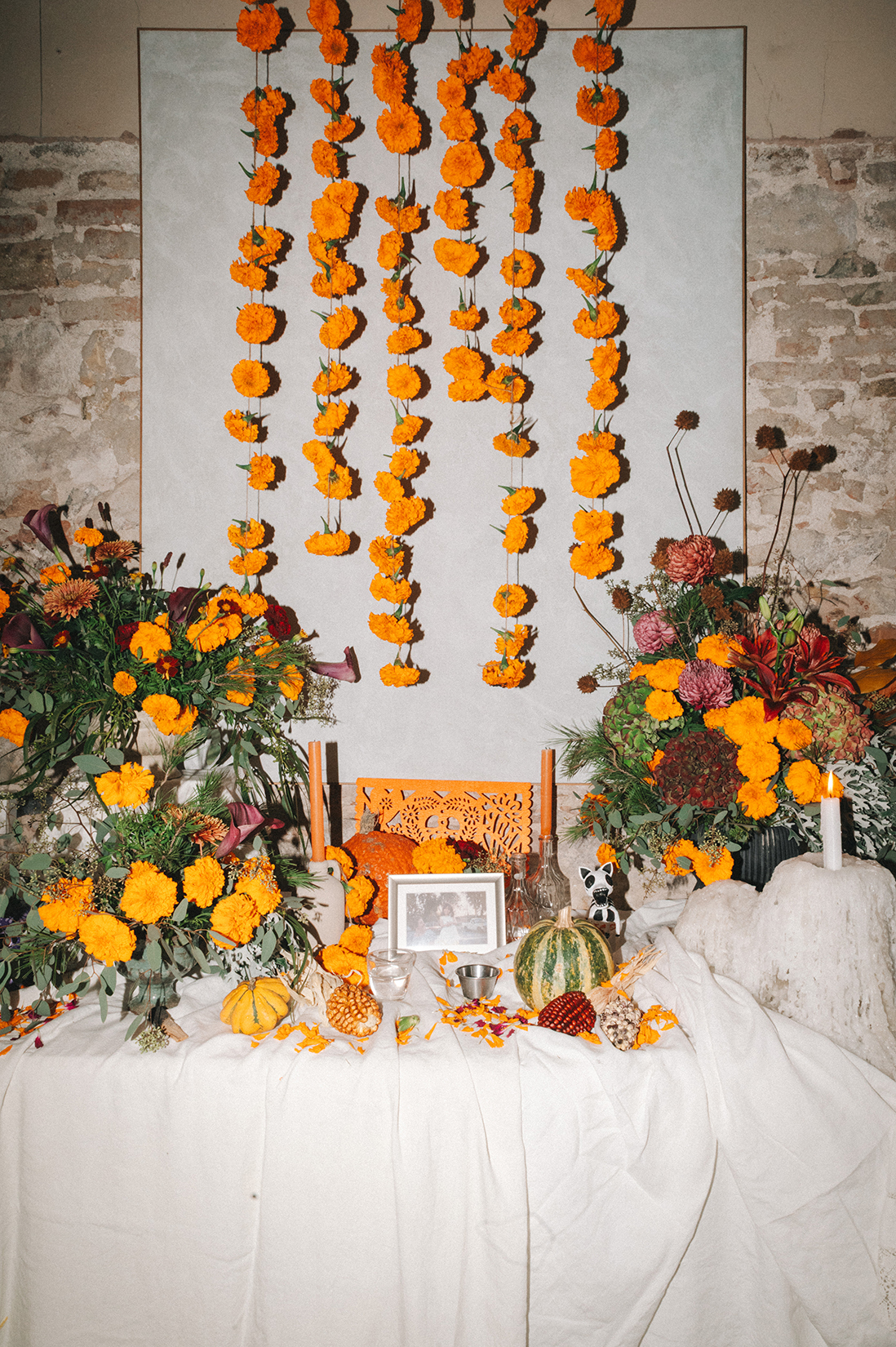
You dedicated your latest Weekend Special to Día de Muertos. How did you experience this celebration in Mexico, and what does it mean to you? What memories, flavours or personal rituals did you want to share through this creation?
I feel very fortunate to have grown up in Mexico, in a culture where traditions are so present and so beautiful, full of colour and meaning.
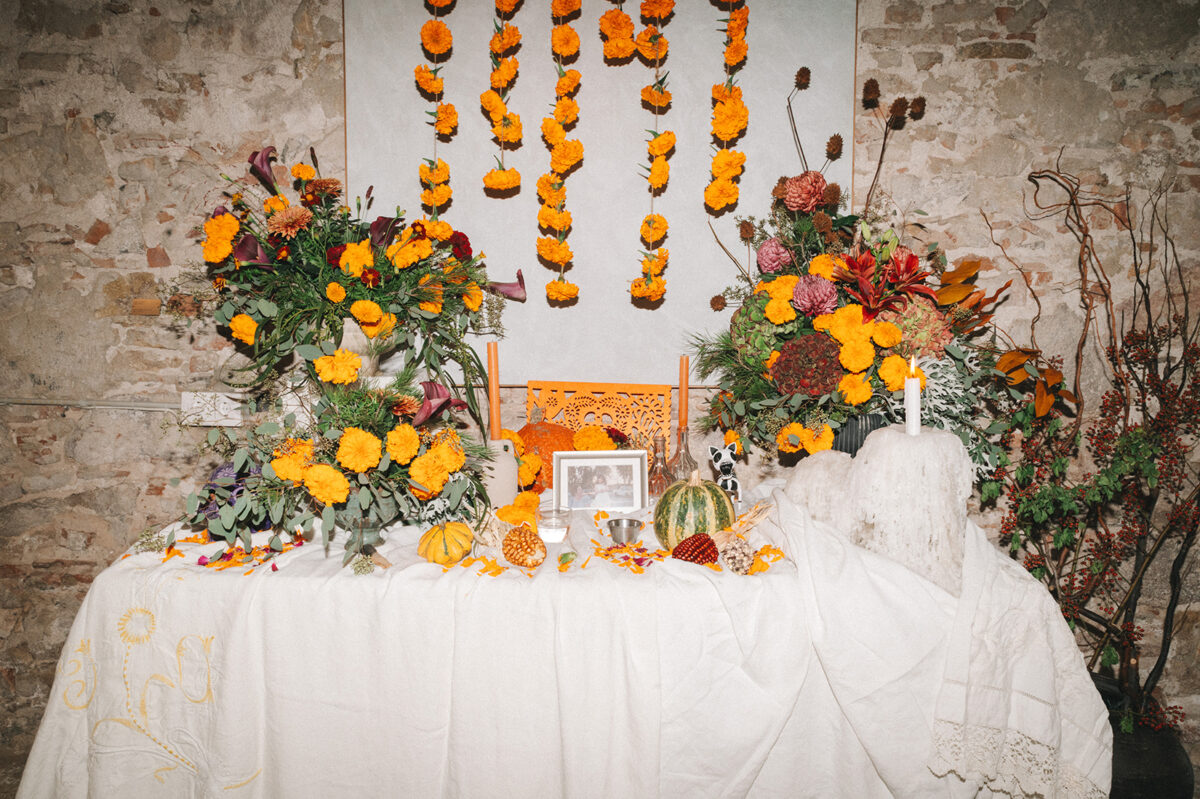
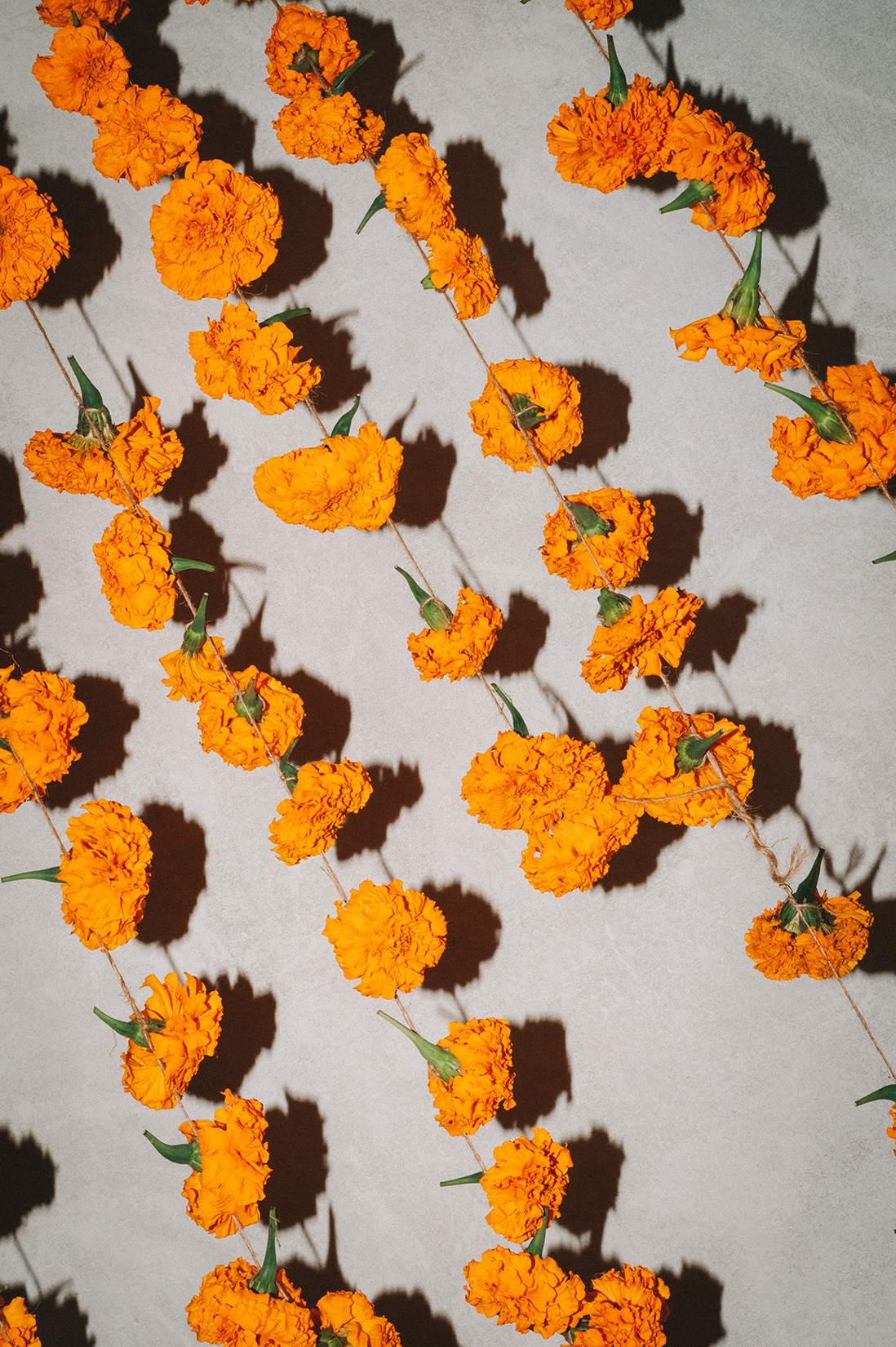
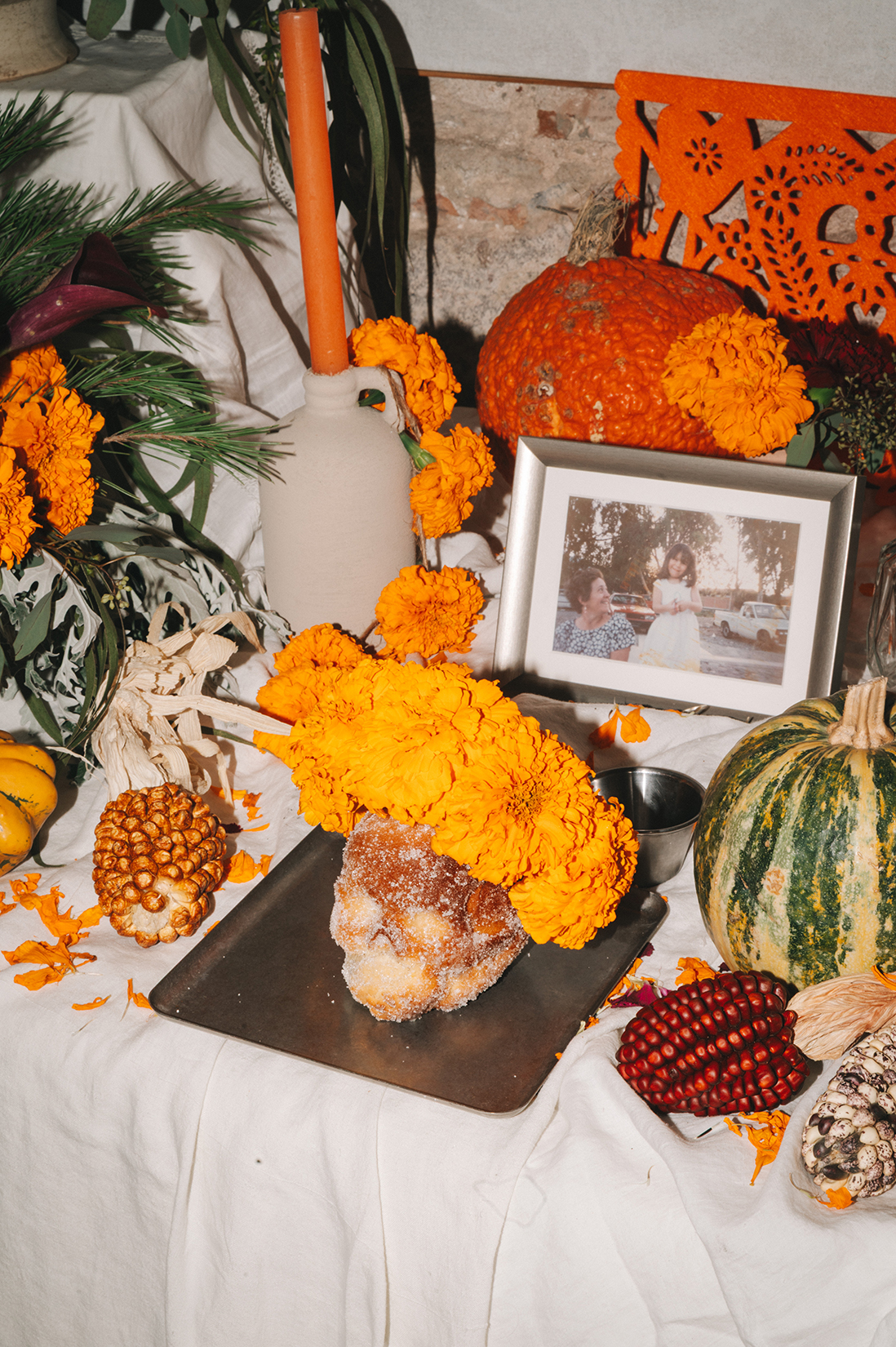
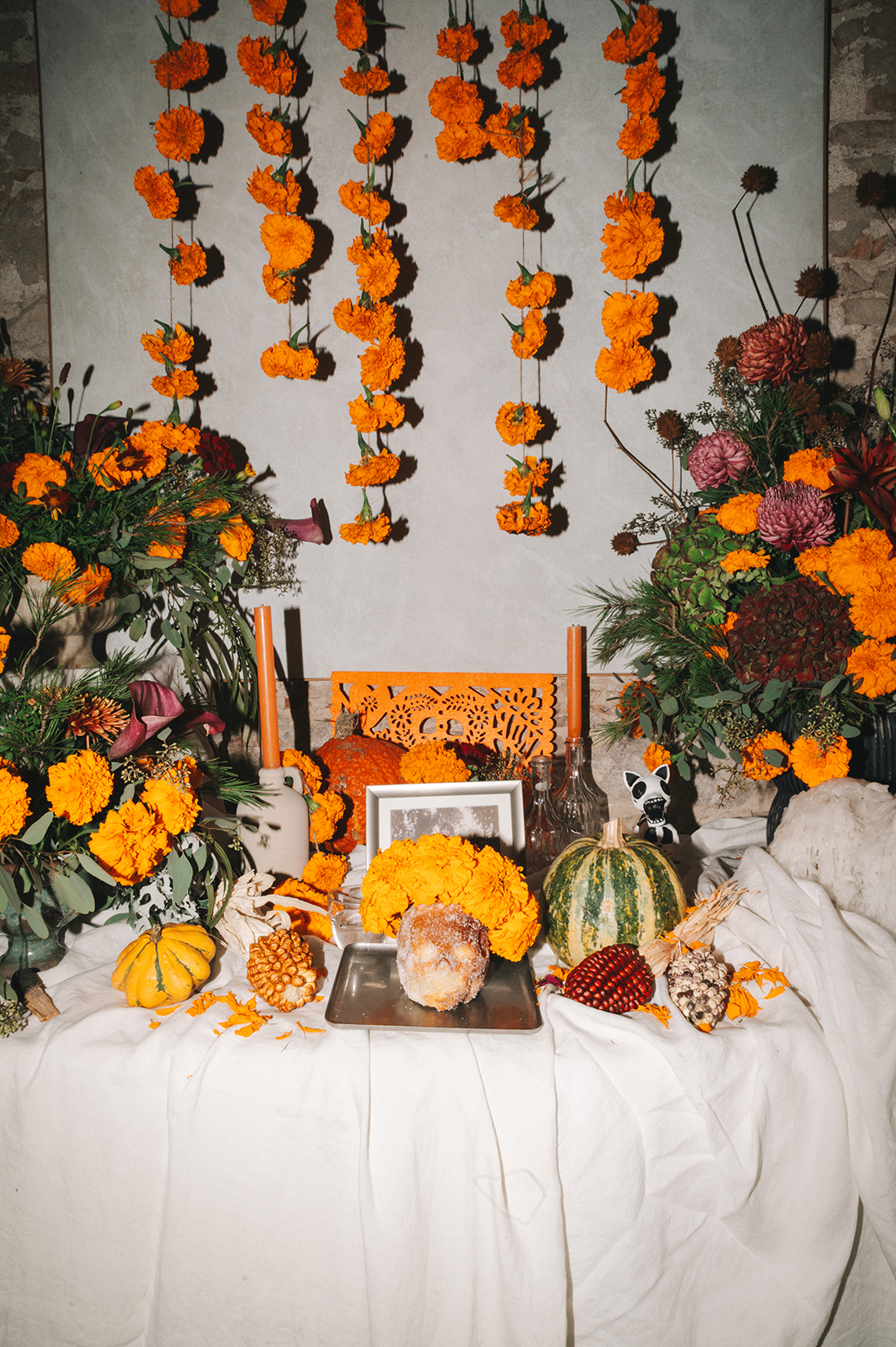
I particularly remember how my grandmother prepared her ofrenda for Día de Muertos. She would arrange flowers, little skulls, sweets and, of course, pan de muerto. I loved the whole ritual, the way each element had its place and how, through food and objects, we remembered the people who were no longer with us.
I think one of the most beautiful things about Día de Muertos is precisely that way of understanding death. It isn’t only about sadness or absence, but also about celebrating the lives of the people we love and keeping their memories alive.
My grandmother passed away this year, so the celebration now has a very special meaning for me. That’s why I wanted to dedicate this Weekend Special to her. It’s a way of remembering her and sharing a tradition that is part of my story with other people.
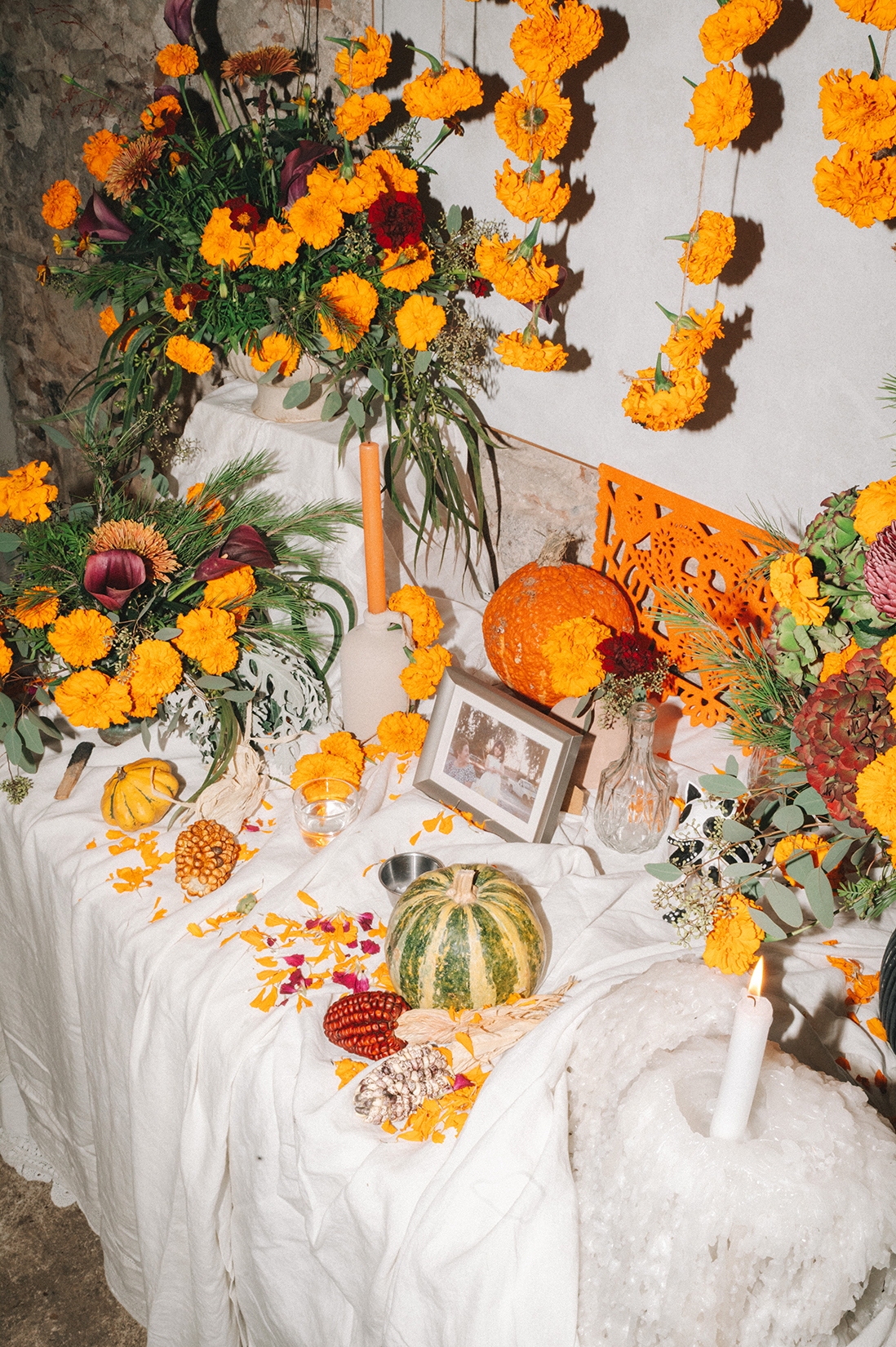
Tell us in more detail what you prepared for this Weekend Special and how you translated those references into flavours, shapes and presentation. What did you want to convey to people encountering this tradition for the first time through your cooking?
I wanted to start with one of the most recognisable elements of the celebration: pan de muerto.
Traditionally, it’s a sweet bread decorated with small strips of dough representing bones and a central ball symbolising a skull.
“I think one of the most beautiful things about Día de Muertos is precisely that way of understanding death.”
I thought it would be interesting to take that symbolism a step further. Rather than making a bread with bones and a skull on top, what if the bread itself were shaped like a skull? That was how the idea of creating a sculptural pan de muertocame about, keeping the traditional elements but reinterpreting its shape.
But there was one thing I was certain about from the start: I wanted it to taste like an authentic Mexican pan de muerto. I used orange zest and orange blossom water, two aromas that, for me, are closely connected with this tradition. I also decided to lightly brown the butter before using it to coat the bread with sugar, adding some toastier notes.
I like experimenting with shapes and techniques, but in this case I didn’t want to reinvent the flavour. I wanted the first taste to take me back to Mexico.
“I wanted this Weekend Special take me back to Mexico, and I wanted it to be a small tribute to my grandmother.”
I also wanted to bring back some of the elements of the ofrendas I remember from my childhood, especially the flowers and little skulls, to connect the presentation with that tradition.
Beyond the visual aspect, I wanted to share something very personal. For someone who had never tried pan de muerto to discover it, and for someone who had grown up eating it to find something familiar in the first bite.
And, above all, I wanted it to be a small tribute to my grandmother.
After everything that has been happening with Otsu, what would you like to explore next? Is there an idea, collaboration or format you’ve been thinking about for a while but haven’t yet found the time for?
Lately, I’ve been very interested in developing our own production tools.
My product design training taught me to work with 3D modelling, materials and manufacturing processes, and I’m now returning to much of that knowledge and applying it in the kitchen.
I recently bought a 3D printer and a cutting machine because I was beginning to feel limited by the moulds and tools available on the market.
I want to be able to design my own objects, make the moulds and explore materials we don’t normally associate with pâtisserie.
“I want to be able to design my own objects, make the moulds and explore materials we don’t normally associate with pâtisserie.”
We’re also preparing a space at the back of Otsu that I want to turn into our creative laboratory. I’m excited about having somewhere dedicated to experimenting, developing ideas and learning, without the constraints of daily service.
I don’t have a fixed list of things I want to create. In fact, one of the parts I enjoy most is not knowing what idea will come next. What I do know is that I want to keep exploring that relationship between design, cooking and experience.
Creating with conviction
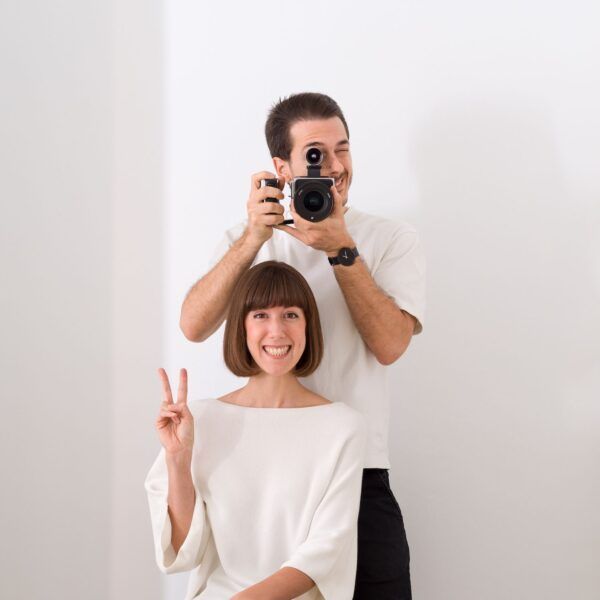
We recognise something of ourselves in Fer’s approach to creating: the pursuit of beauty, the challenge of pushing ourselves further and the freedom to develop our own ideas also drive our work. That is why we love her determination to make Otsu an authentic project, where decisions grow out of what she wants to explore and share, without allowing public attention to set the direction. We share her conviction that it is worth devoting time and effort to what you believe in, even when the path has yet to be discovered. We’ll be following her next steps closely, with the sense of kinship that comes from looking at the world with that same curiosity.
(*) Photography: Omar Alayón.