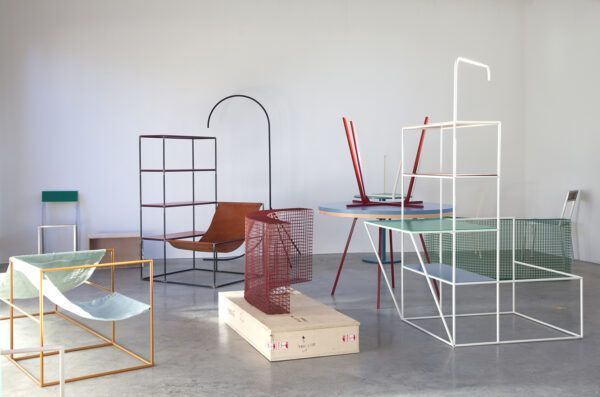
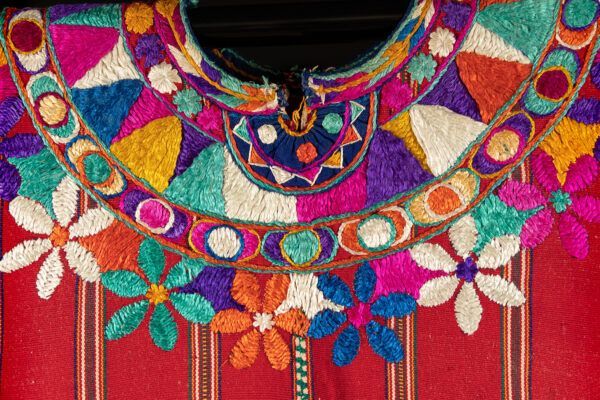
Manifesta 15 unfolds across the metropolitan region of Barcelona
Manifesta 15, the European Nomadic Biennial which operates every two years from a different host city, arrived in the metropolitan region of Barcelona on September 8 and will be available until November 24.
Through artistic interventions in prominent historical sites and industrial buildings that have never before been open to the public, Manifesta 15 seeks to decentralize the cultural infrastructure of Barcelona and its neighboring cities.
Address: Different locations in the metropolitan area of ??Barcelona
15 € (general rate)
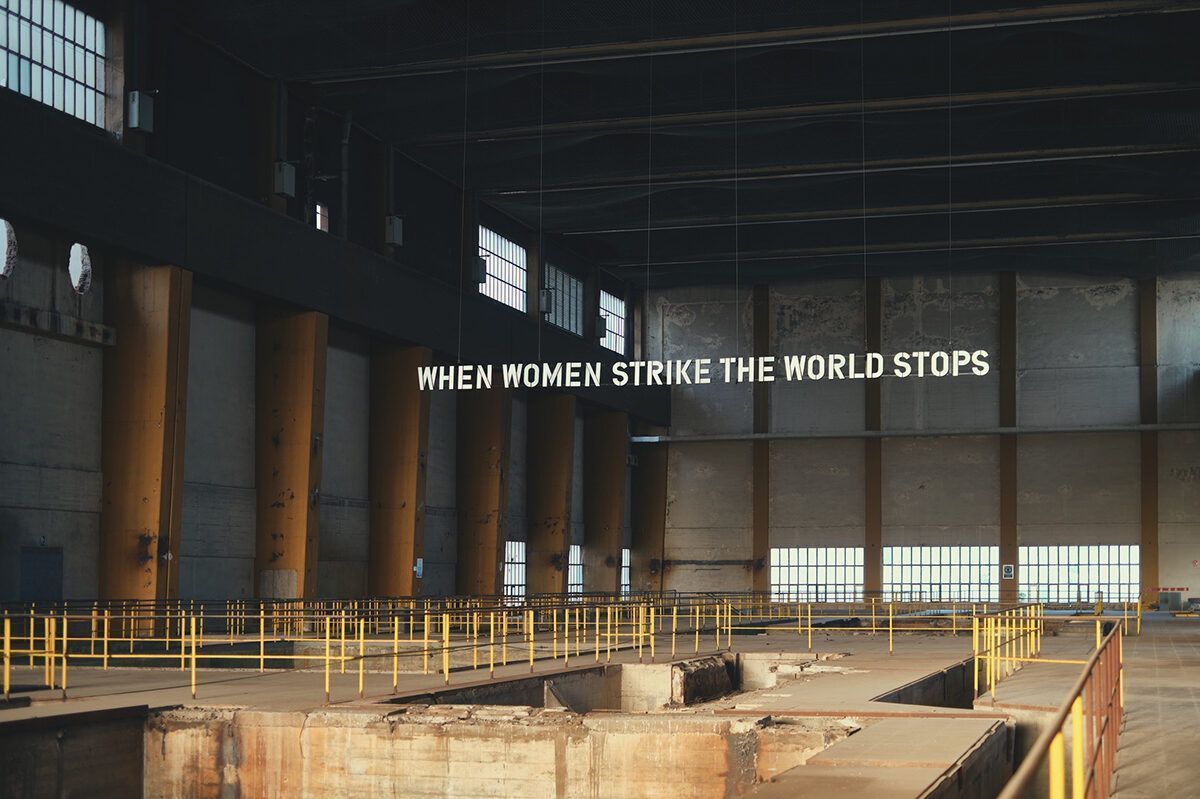
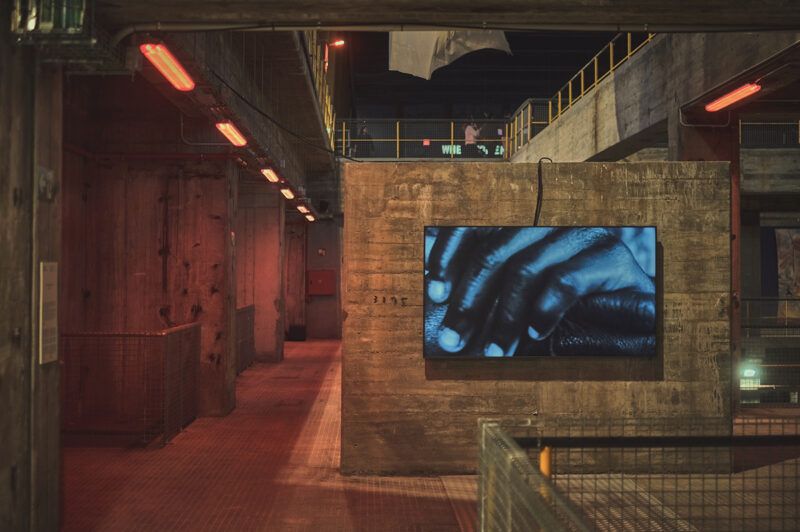
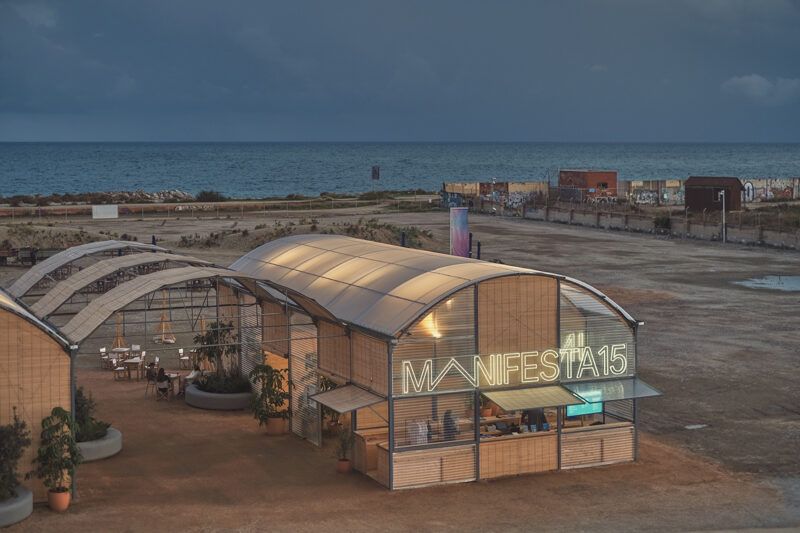
Manifesta was conceived in the early 1990s as a contemporary art biennial, responding to the new social, cultural, and political reality that emerged after the Cold War.
“Manifesta has become one of the most influential biennials in the world.”
This biennial runs for 12 weeks across 12 cities in the metropolitan region of Barcelona, aiming to shape the relationships between art, culture, and society by exploring and catalyzing socio-ecological change in Europe while maintaining an ongoing dialogue with both local communities and international cultural producers.
12 Weeks and 12 Cities
The program spans 12 weeks and includes projects, interventions, events, and talks in 12 cities, with more than 90 local and international participants.
From September 8 to November 24, 2024, Manifesta works in extraordinary spaces that stand as symbols of the thematic and conceptual focus of this edition. The biennial brings new local perspectives on the ever-changing fabric and stories of the region.
Manifesta 15 is the largest edition in Manifesta’s history, covering an area of 3,000 km², with a population of 5.1 million inhabitants. Additionally, this edition is hosted for the first time by 12 cities simultaneously.
“Manifesta 15 aims to decentralize the cultural infrastructure of Barcelona and its neighboring cities.”
Barcelona’s bid for Manifesta was driven by the city’s commitment to decentralize culture. Manifesta 15 Metropolitan Barcelona seeks to create new pathways for social and artistic communities to connect with local infrastructures. By shifting cultural attention toward the city’s outskirts and neighboring areas, it fosters collaboration among metropolitan cities.
There are many reasons why Manifesta was invited to help drive change in the region. In recent years, numerous factors have influenced Barcelona’s urban development. Notable among these are the rapid gentrification of coastal and natural areas, land use for real estate promotion, the implementation of the Superilla model, and land use for industrial transformation. The city’s expansion is limited by natural barriers: rivers, the sea, and mountains. However, rural and/or protected lands are at risk due to expansion driven by economic growth.
3 Clusters: Balancing Conflicts; Caring for Ourselves and Others; and Imagining Futures
Balancing conflicts; Caring for ourselves and others; and Imagining futures are the three selected clusters, each linked to three significant locations: the Llobregat Delta, the Collserola mountains, and the Besòs river.
Balancing conflicts
The sites for this cluster are Can Trinxet, Casa Gomis, and La Caldereria.
Can Trinxet
Can Trinxet is one of the remaining vestiges of the once-prominent textile industry in L’Hospitalet, the second most populated city in Catalonia, where many Spanish workers migrated throughout the 20th century seeking employment. Today, it is part of the city’s industrial heritage.
Casa Gomis
Casa Gomis, also known as La Ricarda, is a family home located in a protected natural area near Josep Tarradellas Barcelona-El Prat Airport. It was built between 1949 and 1963 by renowned architect Antoni Bonet i Castellana, in close collaboration with its owners, Inés Bertrand Mata and Ricardo Gomis Serdañons.
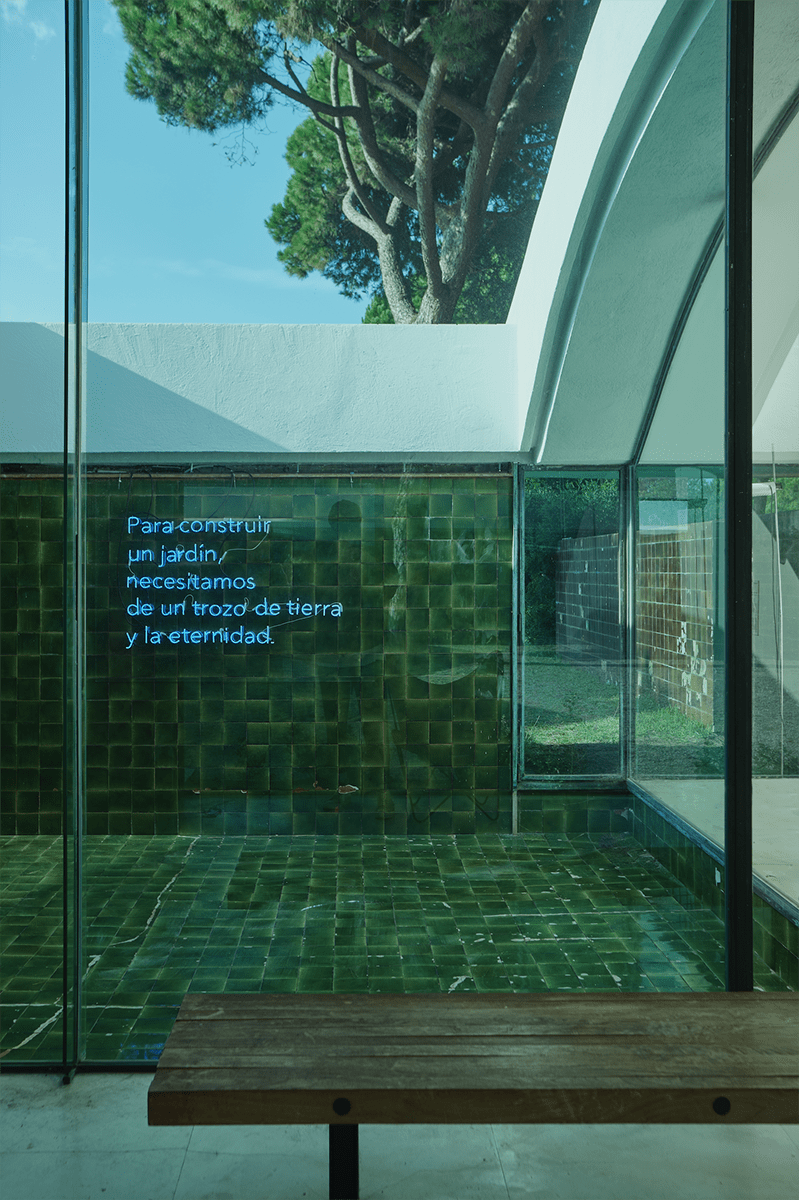
The house follows the principles of rationalist architecture and has been declared a Cultural Heritage Site of National Interest since 2021.
La Caldereria
Located in Cornellà de Llobregat, one of the most populated cities in the metropolitan region, this facility has been the city’s industrial hub since it opened in 1910. Thanks to a process of continuous and sustained innovation, La Caldereria shifted from manufacturing engines to becoming a global center for producing equipment for the railway network. After relocating to its current site, the La Caldereria building now functions as a hangar and workspace for municipal crews.
Caring for Ourselves and Others
The sites for this cluster are Cal Quitèria, Can Jonch, La Porxada, Monastery of Sant Cugat, Granollers Natural Science Museum, La Fábrica de Roca Umbert, the See of Égara, and Vapor Buxeda Vell.
Cal Quitèria
Cal Quitèria, a 19th-century farmhouse in Sant Cugat, currently houses the Centre Grau-Garriga for Contemporary Textile Art. The center honors the wish of textile artist Josep Grau-Garriga to promote this art form, fostering the Catalan School of Tapestry and Textile Art, and establishing itself as a regional reference for textile art.
Can Jonch
Located in a modernist family home in Granollers, the Center for Peace Culture stands as a testament to the city’s rich historical and architectural legacy. Dating from the early 20th century, this building exemplifies the Granollers City Council’s commitment to preserving historical memory and promoting peace.
La Porxada
In the Plaça Gran in the center of Granollers, fifteen columns stand on a stone platform, crowned by a roof decorated with green glazed tiles. La Porxada, a grain exchange built in the late 16th century, has become the city’s focal point. It served as a general market with stalls inside until the Civil War, when a bombing by Francoist aviation nearly destroyed the structure.
Monastery of Sant Cugat
The Monastery of Sant Cugat is a Benedictine abbey founded in the 9th century. Completed in the 14th century, it is one of the most significant monasteries in the region, featuring Romanesque, Gothic, Renaissance, and Baroque elements. It became a center of power and culture in the 11th century, when the monks led a Benedictine lifestyle while managing extensive lands in the area.
Granollers Natural Science Museum
The Granollers Natural Science Museum (MCNG), specializing in geology, botany, paleontology, and zoology, connects culture and nature. It consists of two buildings: La Tela—a modernist house set in a magnificent garden integrated into the museum complex—and a recently built annex. It hosts exhibition spaces, various activities, and a comprehensive library.
La Fábrica Roca Umbert
La Fábrica Roca Umbert is a former textile factory that has been transformed into a center for art and culture. Its origins date back to 1904, when the first looms were installed. La Fábrica Roca Umbert has been renovated as an emblem of Granollers’ industrial past and converted into the so-called “Fàbrica de les Arts”. It is a cultural space in constant transformation, serving creative processes and artistic training for the public.
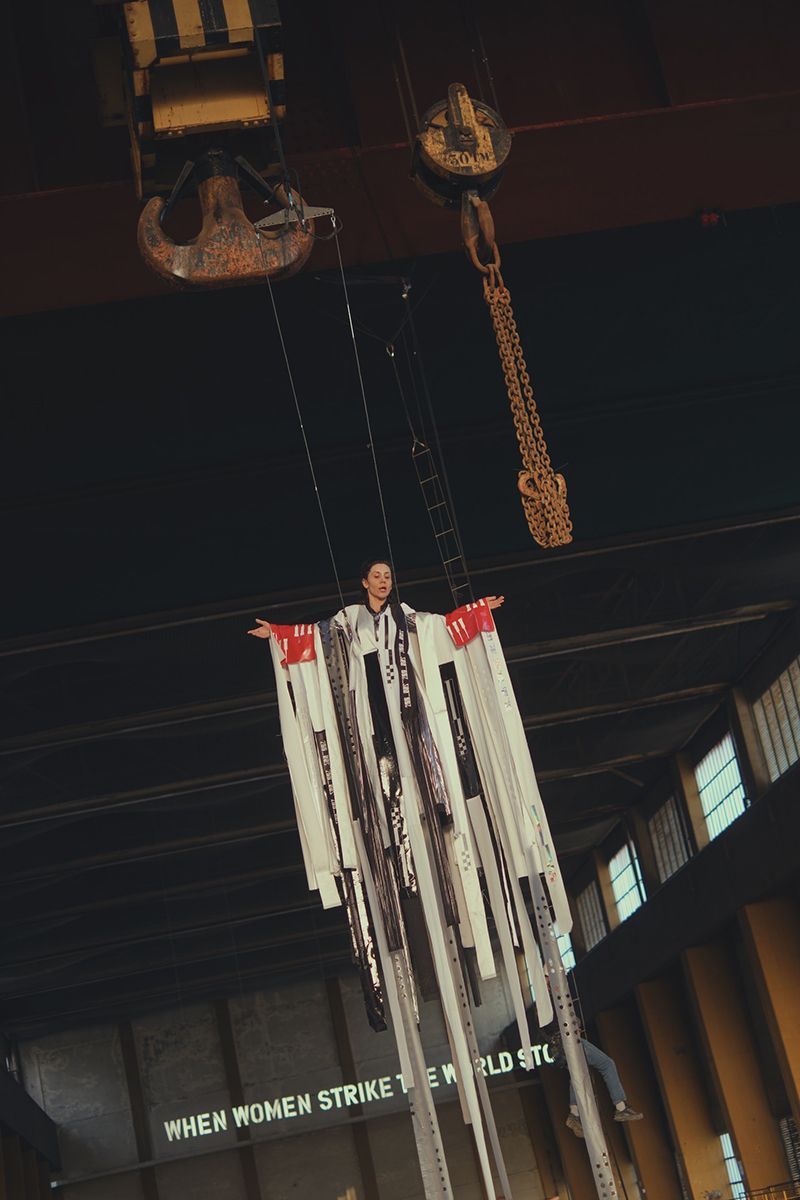
The Episcopal complex of Égara
The Episcopal complex of Égara includes the churches of Sant Pere, Sant Miquel, and Santa Maria, and since the 5th century, it was the seat of the Bishopric of Égara, marking the beginning of its golden age.
Vapor Buxeda Vell
Vapor Buxeda Vell is a former textile factory built in 1852 and founded by the Buxeda brothers in Sabadell. Sabadell was a pioneer in the industrial revolution in Catalonia, becoming the most important textile city in Spain. It was the first industrial establishment in this city to produce electric lighting with its steam engine.
Imagining Futures
La CIBA
Opened in 2020, La CIBA is a public facility for the women of Santa Coloma, with the mission of helping them become independent in all aspects of their lives.
M|A|C Prison
The Mataró Prison (Elies Rogent, 1863) is a significant construction in the history of penitentiary architecture, as it was the first example of the panopticon model in Spain. It’s noteworthy that it held a large number of political prisoners in Francoist Spain and remained in use until 1967. Since 2022, the building has housed Mataró Art Contemporani (M|A|C), the city’s contemporary art center. It has been transformed from an old center of repression into a place of cultural freedom—an ideal starting point for one of Manifesta 15 Barcelona’s goals: to activate new cultural spaces connected to Catalan social history.
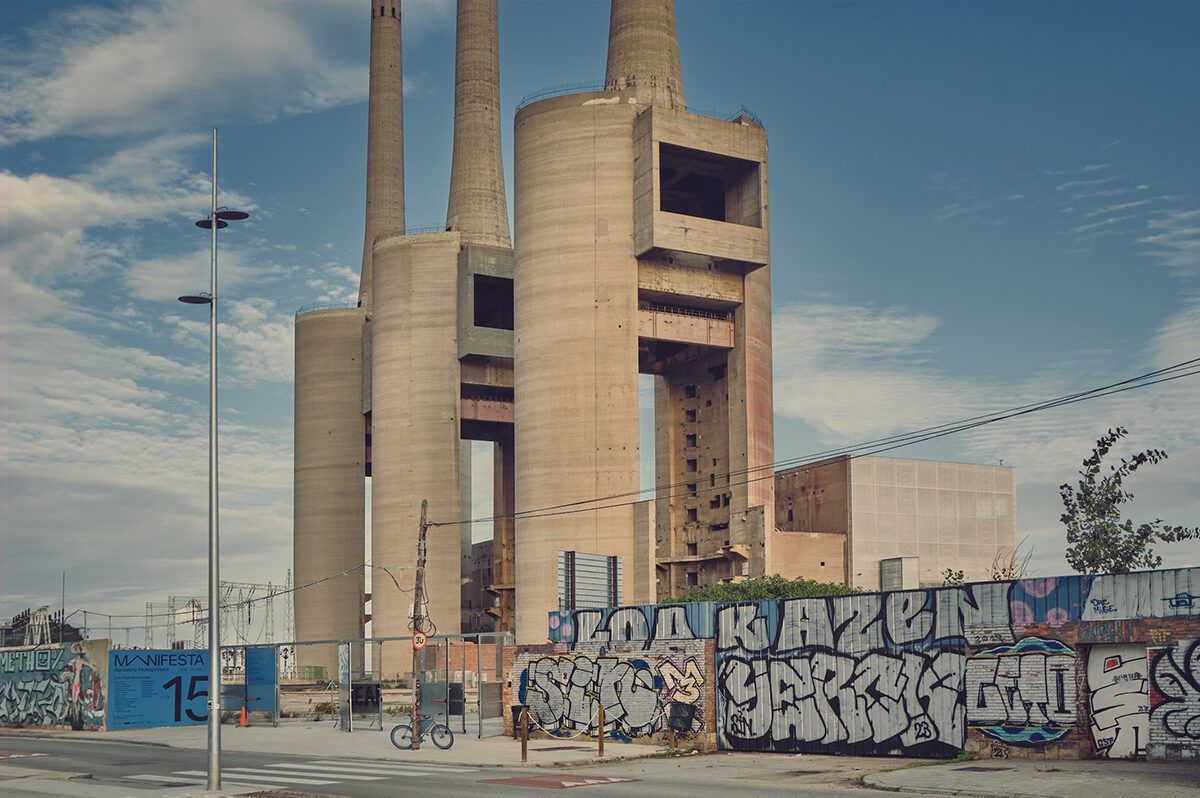
The Three Chimneys
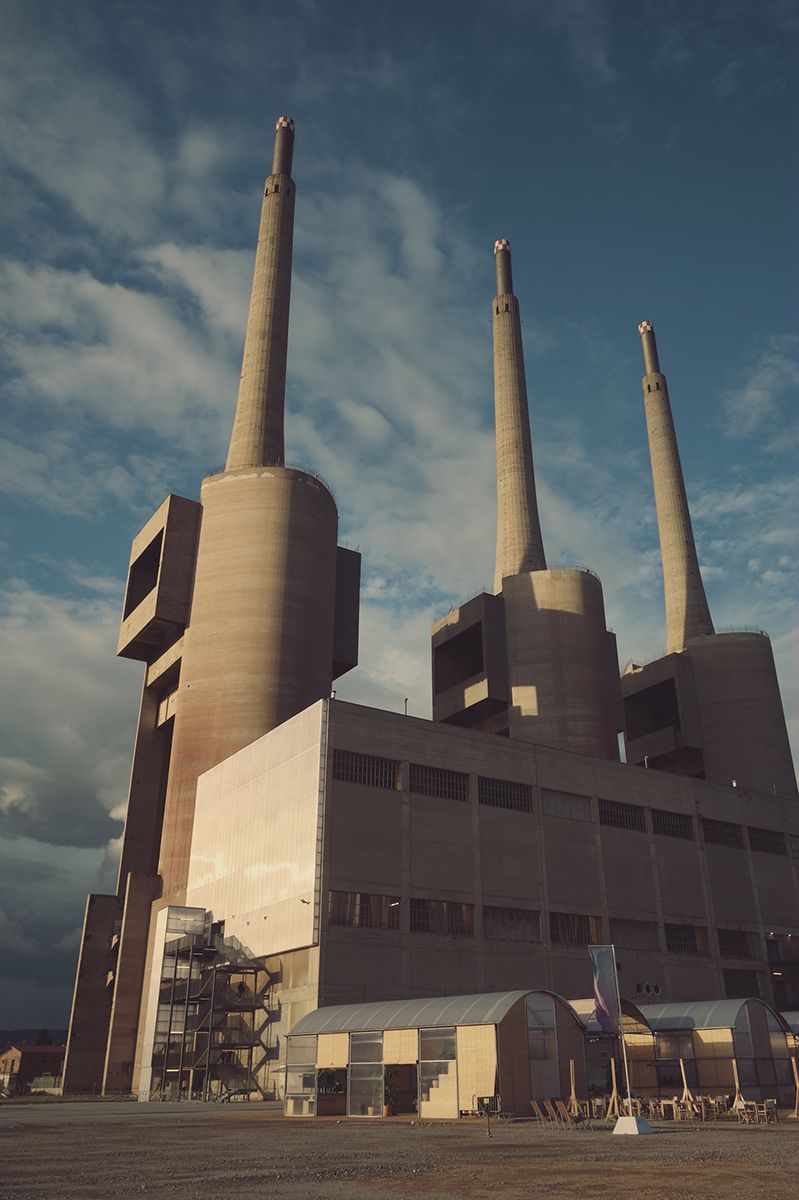
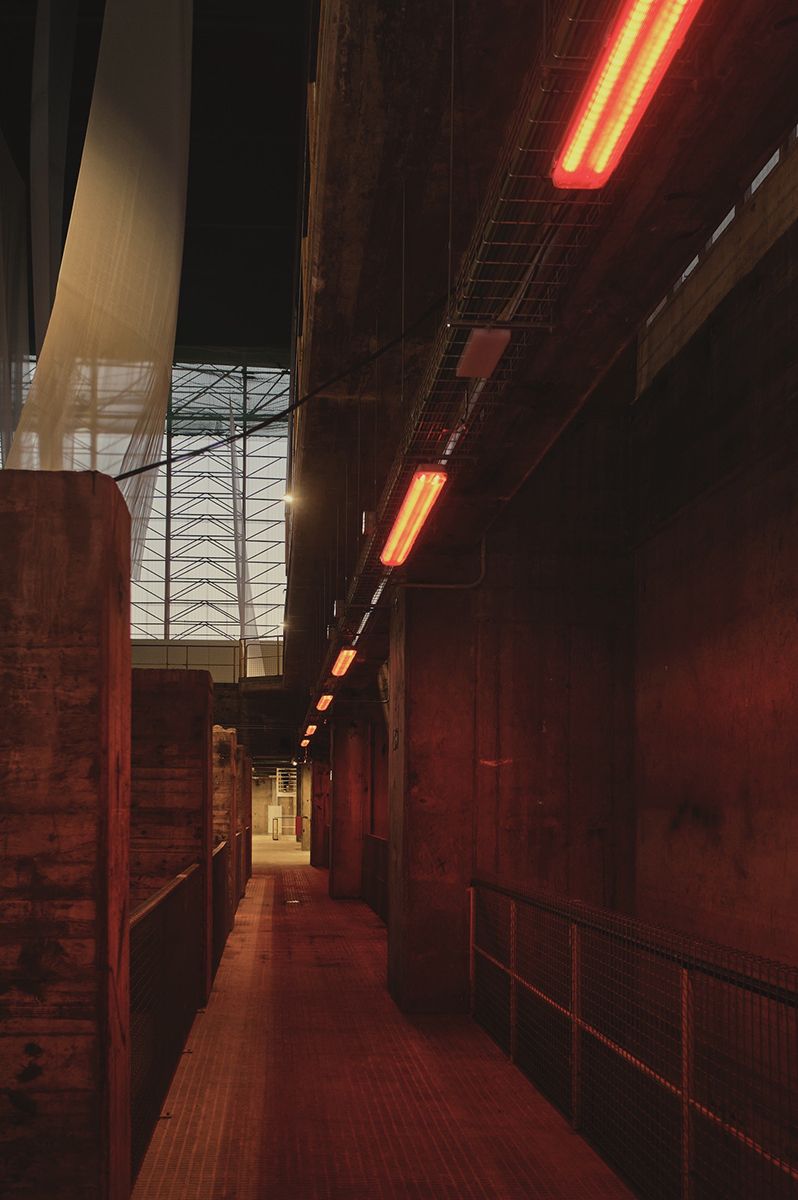
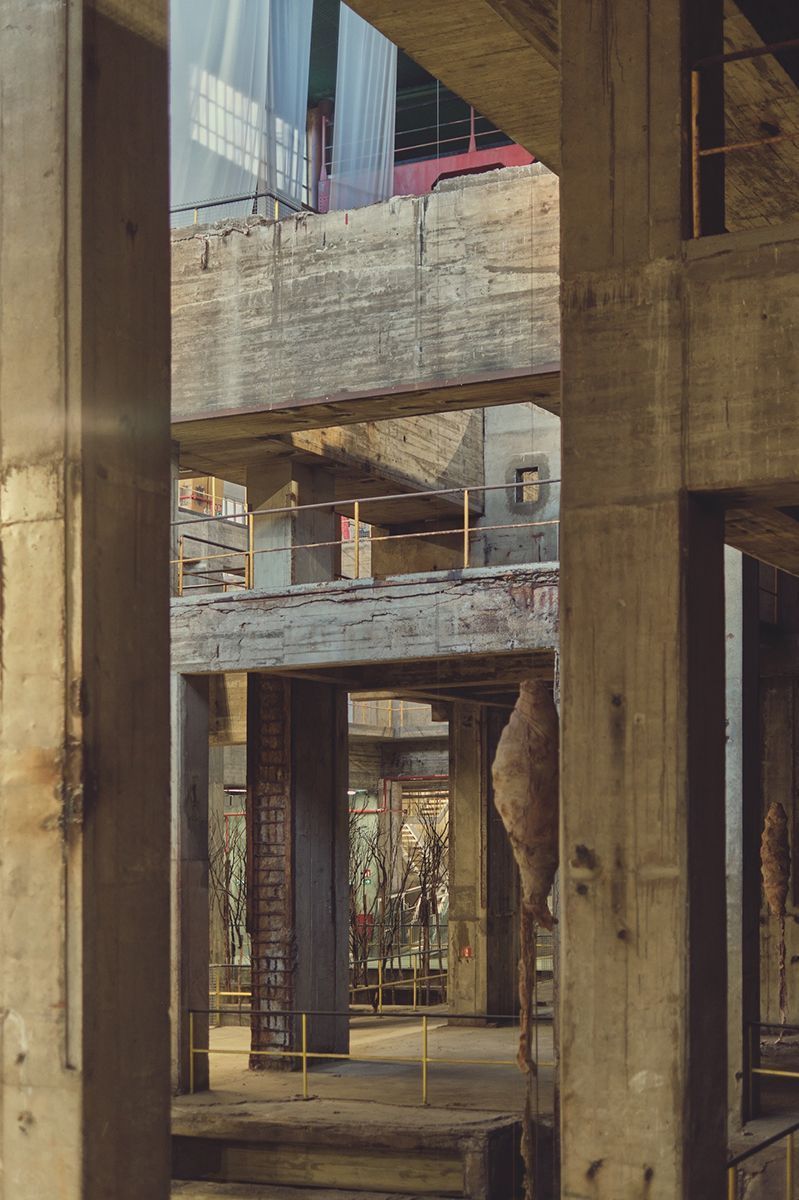
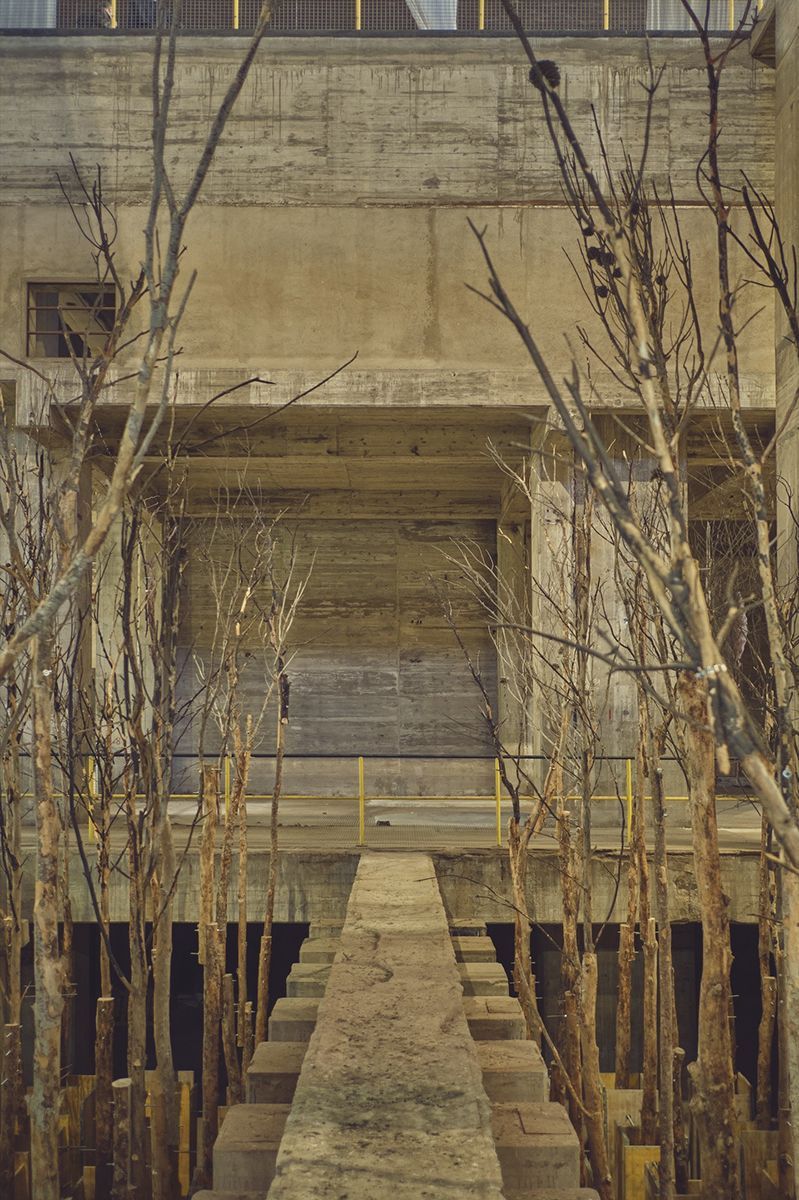
The Three Chimneys are a striking landmark in the coastal landscape of Barcelona. Built in the 1970s and located on the left bank of the Besòs River, they were used as a thermal power plant until their closure in 2011 and have remained unused until now. These chimneys stand as a monument to the people who built them and as a symbol of the recent industrial past.
“The Three Chimneys represent a symbol of the recent industrial past.”
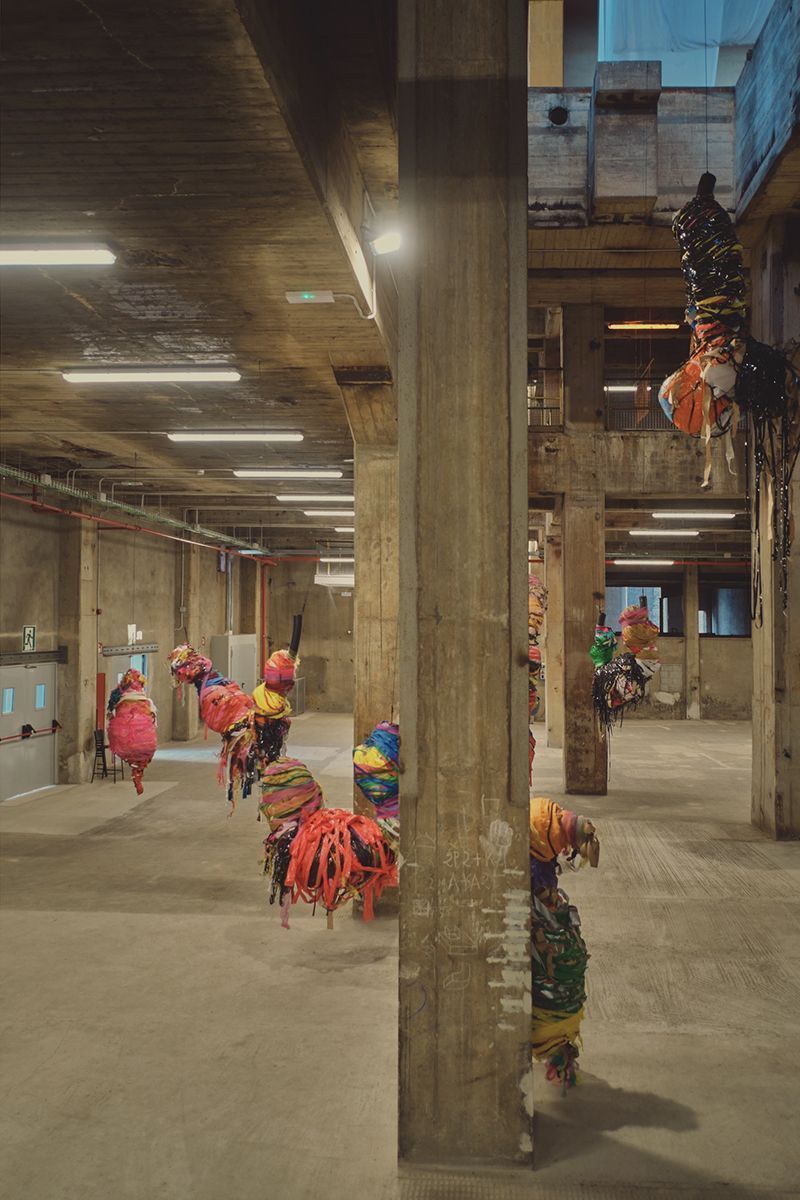
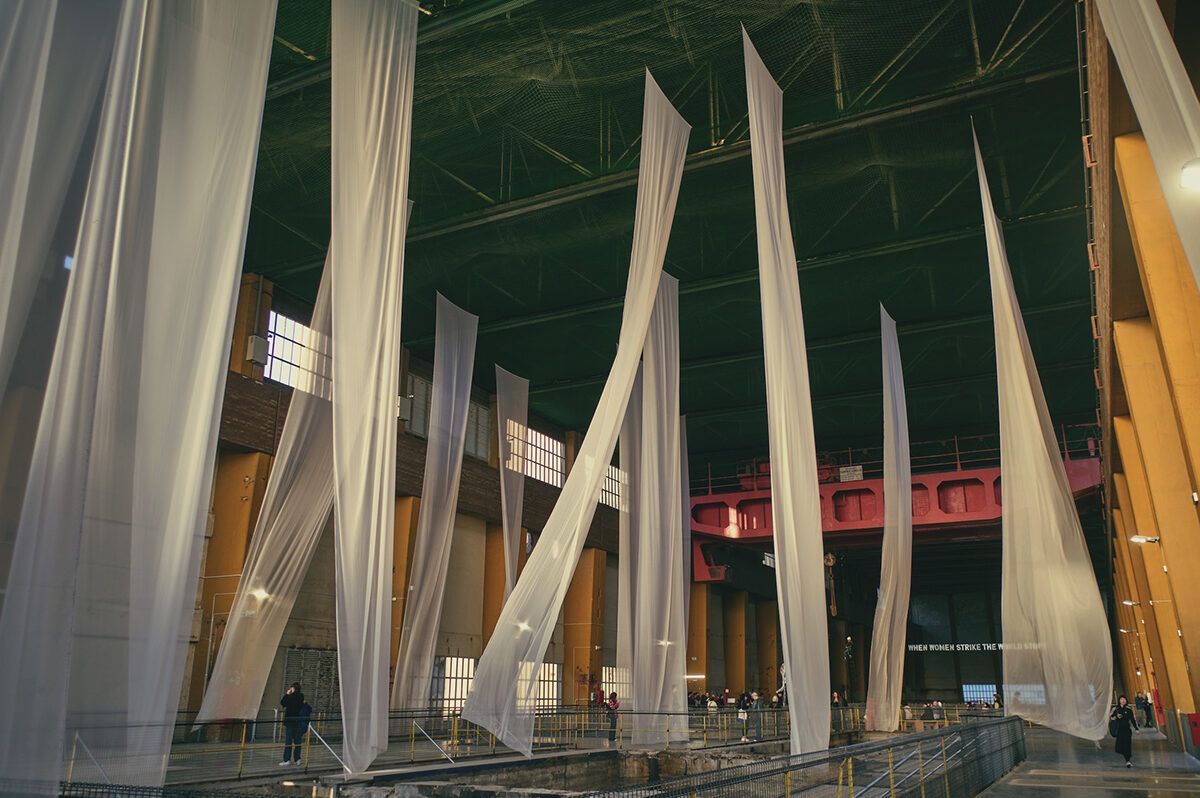
The Three Chimneys have reopened as a distinctive icon of Barcelona for the first time in their history. This site is one of the main and unmissable venues of Manifesta 15, hosting presentations, concerts, talks, and exhibitions both inside the former turbine room and outside in the surrounding area.
The venue has a bar managed by Eat Street Barcelona, open from Tuesday to Sunday, from 10 a.m. to 9 p.m.
Co-creation Model
Today, Manifesta is based on a co-creation model that connects critical urban research, community building, and contemporary culture with local identities and perspectives. As a result, they aim to be inclusive, open-minded, diverse, and environmentally conscious to promote a culture of equality across all their programs, people, and processes.
Manifesta Collection on Filmin
Manifesta 15 Metropolitan Barcelona has partnered with Filmin to create a collection of over 20 titles curated by the Manifesta 15 team. This includes “Occupied City” by Steve McQueen, a recent documentary examining the German occupation of Amsterdam during World War II, and “The Silence of Others”, directed by Almudena Carracedo and Robert Bahar, an award-winning documentary exploring the impact of Franco’s dictatorship in Spain, with a special focus on human rights violations.
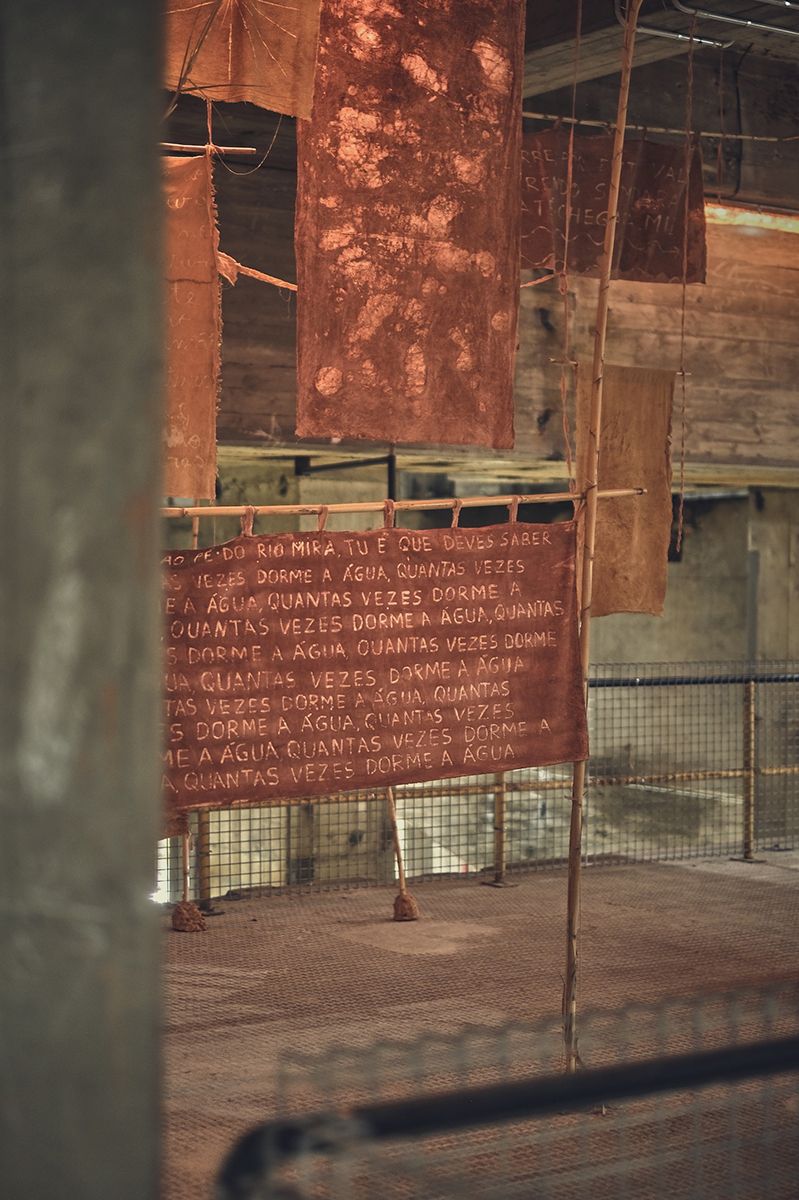
Manifesta 16 Ruhr
In 2026, in North Rhine-Westphalia, Germany—one of the most important East-West trade corridors in Europe due to its central continental location—Manifesta 16 Ruhr will take place. For this edition, the biennial has selected Spanish architect and urban planner Josep Bohigas as its first creative mediator.
Bohigas has already begun working this fall on developing an urban vision that will form part of the pre-biennial research process, analyzing the current and historical situation of the Ruhr region from an urban and peripheral perspective, aiming to create connectivity among constantly evolving public spaces.
In short, as you will see, Manifesta 15 Metropolitan Barcelona is a perfect opportunity for all who love culture and contemporary art to explore the cultural diversity of the region. Additionally, the ticket is valid for all venues throughout the biennial, allowing us to discover the works of over 90 participants.
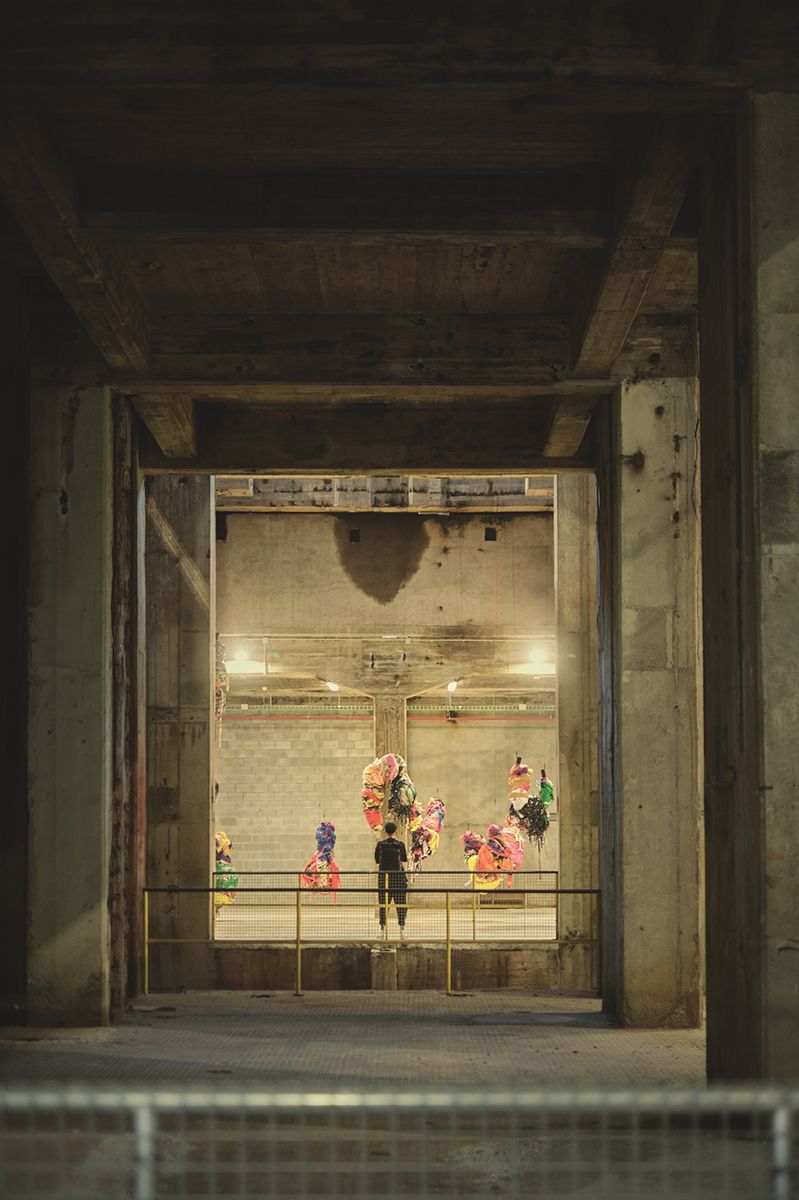
Unmissable.
Tickets are available through this link.
(*) Photos by Ely Sánchez.