Trapped in enshittification
By Cecilia Camacho, founder of CC/magazine and strategic consultant at CC/studio
We open Instagram to see what the people we follow have posted and end up searching for their names because their posts barely appear. When we want to read an article, we have to close pop-ups, decline notifications and locate the text among elements competing for our attention. These are small interruptions we have grown used to, but they invite a question: how has the experience of using services we once found straightforward and useful changed?
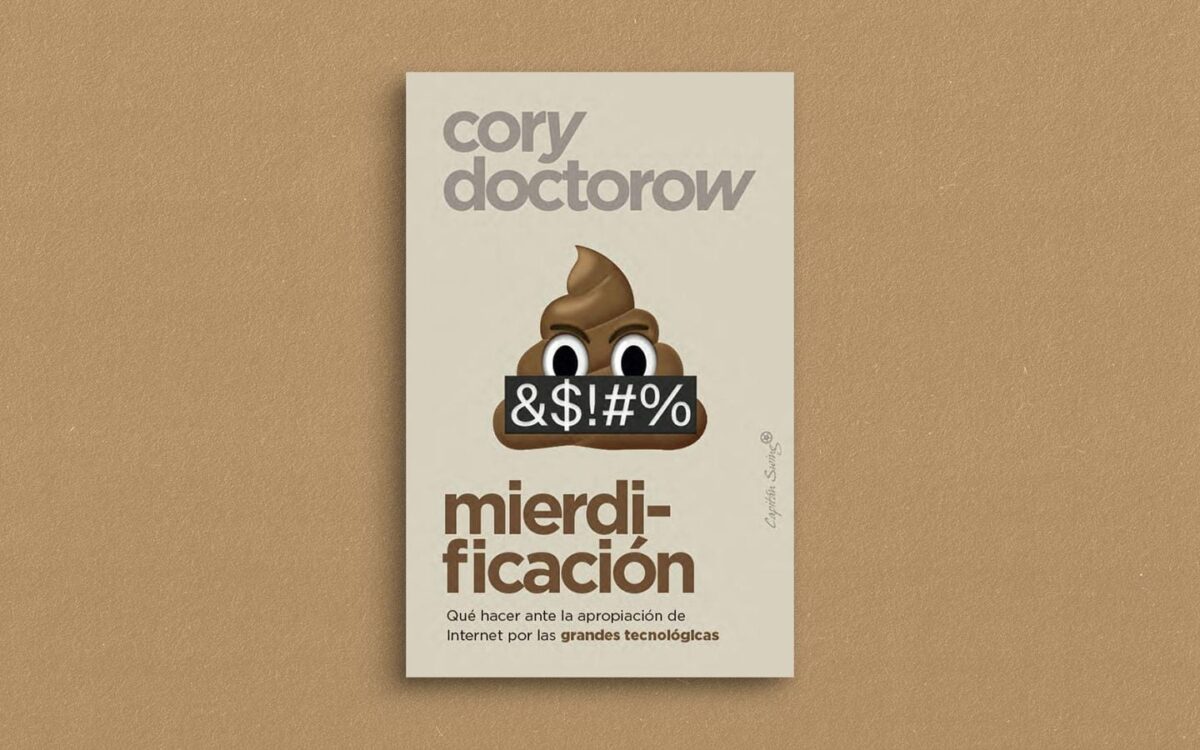
Writer and digital activist Cory Doctorow calls the process by which platforms degrade their services to extract increasing value from those who depend on them enshittification. In his analysis, they first offer an appealing experience to attract users, then use that audience to bring in businesses and advertisers. Once both groups have enough reasons to stay, the platforms change the terms to their own advantage. The word makes us smile until we recognise situations we have experienced and find an explanation that connects them.
For those of us who publish, this issue has a particular dimension: spending time preparing content does not guarantee that it will reach the people who have chosen to follow us. As readers, we may also stop seeing posts that interest us while receiving others we had not sought out. Between someone who wants to share something and someone who wants to discover it sits a system that organises that encounter.
Recommendations can lead us to unexpected discoveries. But following an account also expresses an intention: I want to get to know your work, read what you write or see your photographs. It is worth asking how much weight that choice still carries within an experience increasingly shaped by platforms.
Creating, communicating and maintaining our judgement
For a photographer, a magazine, a designer or a small shop, communicating their work is part of professional life. Preparing posts, adapting images, editing videos and writing copy helps make that work known and reach people interested in it. Social media has expanded these possibilities and encouraged us to explore other ways of telling stories.
The difficulty arises when recommendations about frequency, formats and reach begin to dictate the pace of creative work. Keeping an account active takes time, and it is worth considering how to allocate it so that promotion supports the work while leaving room to research, think and develop new ideas.
Independent judgement is essential to this balance. An interview does not lose its value because it receives few reactions, nor does a post become more relevant by accumulating them. Curation involves choosing carefully, researching and recognising what deserves to be shared, even when its significance does not immediately translate into a number.
Metrics can help us understand how content circulates, but they can also predispose us to judge it before giving it our attention. At CC/magazine, we hide likes because we want each reader to assess what we share according to what it offers them, without the number of reactions influencing that judgement.
Taking care over presentation and learning from an audience’s response is compatible with maintaining an editorial perspective. The question is which decisions we allow those indicators to guide and which we want to continue making through knowledge, curiosity and confidence in our work.
What keeps us here
When dissatisfaction with a platform arises, one response often follows: stop using it. Yet an account can hold years of relationships, conversations and work. It may bring together readers from different countries, clients who found us by chance and professionals whose judgement we value. Moving to another service also means considering how to maintain those connections.
Doctorow places this difficulty in leaving at the centre of his analysis: the relationships that make a platform useful can keep us there when its terms change. Having built something valuable within it affects our ability to choose.
And that value still exists. There are worthwhile encounters, unexpected discoveries and conversations that would probably never have happened otherwise. We can appreciate all of this while also reconsidering our relationship with the place that makes it possible. Both can be part of the same experience.
Free access does not fully explain what participation involves, either. Our attention, the time spent managing an account and the information we provide are all part of the exchange. Keeping this in mind allows us to assess a service according to what it offers and what it asks of us, beyond whether we pay to use it.
From this perspective, the question can become more open: what do we want to preserve about our presence on social media, and what place do we want it to occupy in our professional and personal lives?
Following our curiosity
As a magazine dedicated to design, architecture, art and culture, we are particularly interested in how we discover the things that eventually become important to us. A recommendation can lead us to an author, that author to a book, and that book to a question that stays with us for months. For that relationship to grow, we need to be able to pause and follow a curiosity without yet knowing where it will take us.
Social media can set that journey in motion. Sometimes a single image is enough to awaken the desire to visit an exhibition or discover a project. Taking the next step — looking for more information, reading at leisure, remembering a name — turns that initial spark into a more lasting experience.
It is also worth remembering that what appears on our screens is a selection. Some authors post infrequently, some projects need context, and some ideas circulate through other channels. Visibility offers clues, but exploring beyond it broadens our opportunities for discovery.
Going directly to a publication’s website, looking up someone whose work interests us, saving an article to read or subscribing to a newsletter are ways of pursuing those interests. Sharing a project and explaining why it deserves attention adds something equally valuable: a considered recommendation that can help someone else find their own connection with it.
These actions sit alongside a broader issue. Doctorow argues that slowing the deterioration of platforms requires competition, regulation and real opportunities to move to another service without losing what we have built. This collective dimension matters: the quality of our digital experience also depends on conditions that allow users to choose and hold companies accountable for their decisions.
Understanding this relationship helps us view changes with greater perspective. We can learn to use a tool while also asking how it is designed, what it favours and how far it serves the interests of those who participate in it.
We are still here because we have found people, ideas and work that matter to us. The challenge is to nurture those relationships and keep alive the curiosity that led us to seek them out. A social network also deserves to be assessed by its ability to facilitate those encounters, respect our preferences and allow us to explore what we choose in greater depth. Perhaps that is a useful question to ask the next time we open the app: what do we want to find today, and what will we do when we find it? Food for thought.