Rosetta: the culinary gem of Mexico City
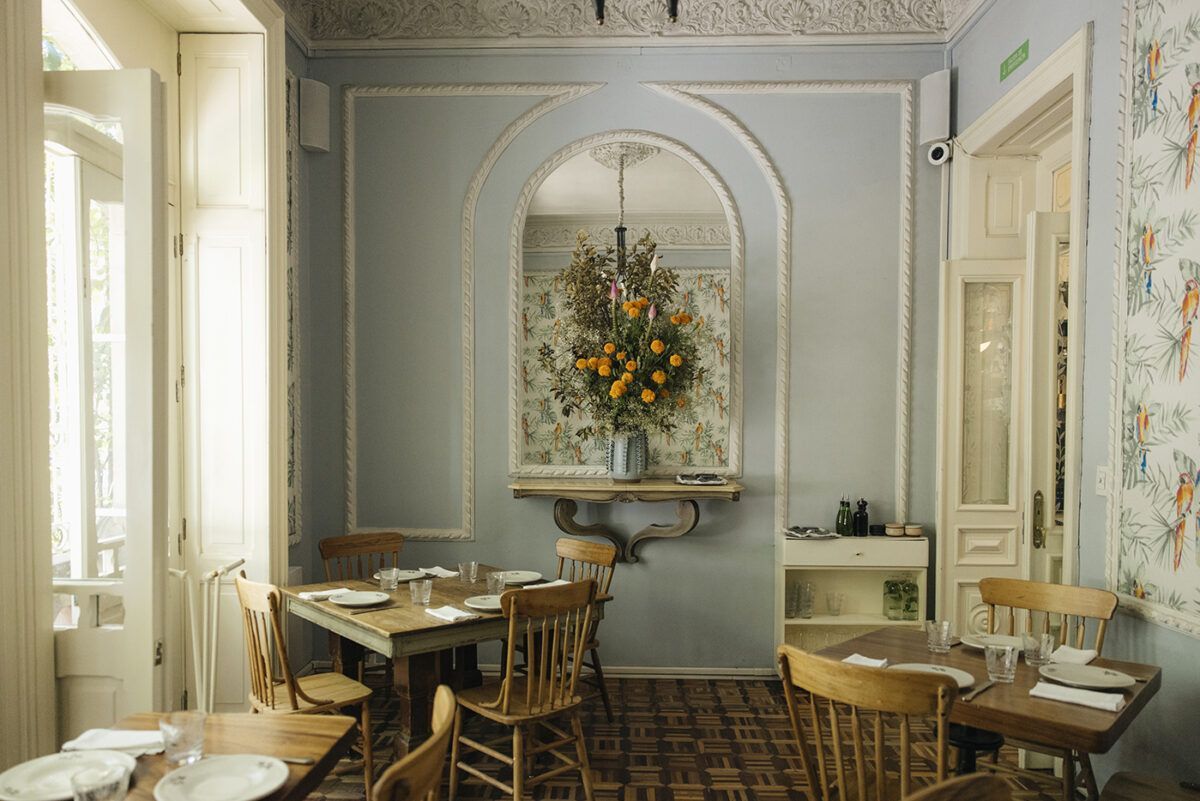
Located in an elegant Porfirian house in the Roma neighborhood, Rosetta is one of the most iconic and renowned restaurants in Mexico City.
Site: rosetta.com.mx
Address: Colima, 166, Colonia Roma Norte, Ciudad de México
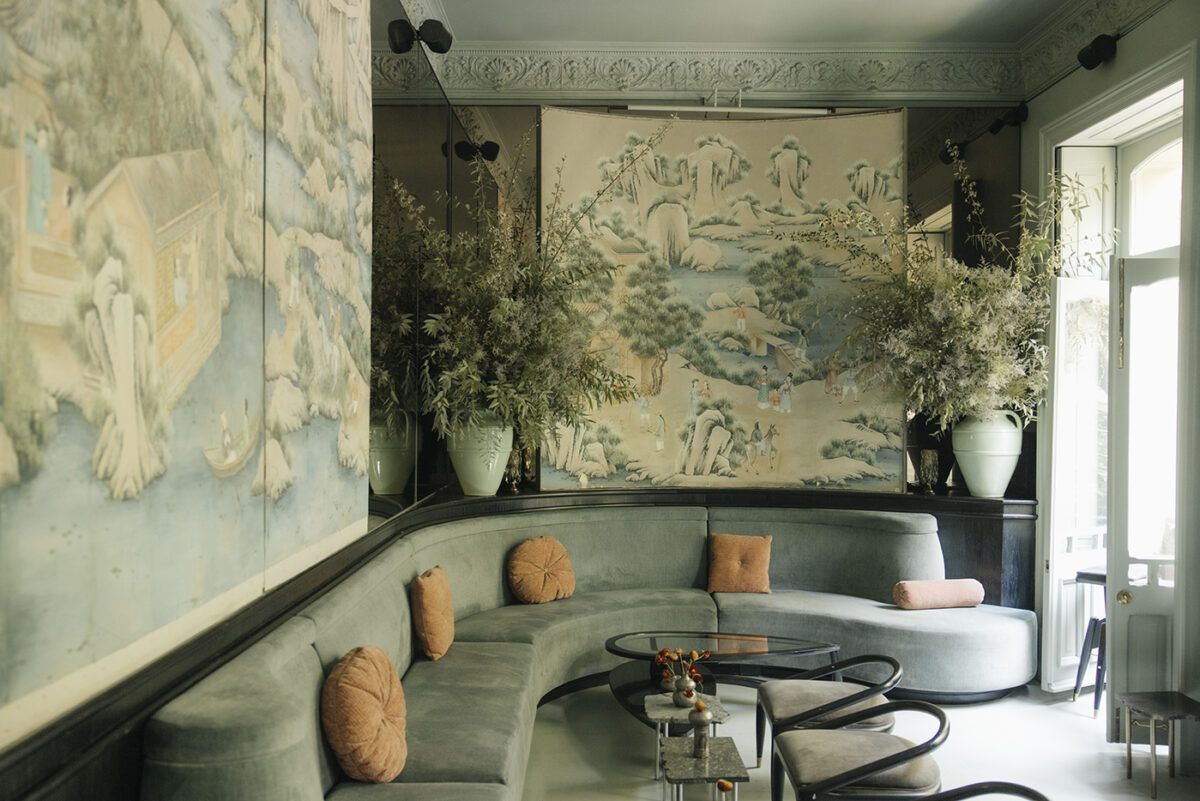
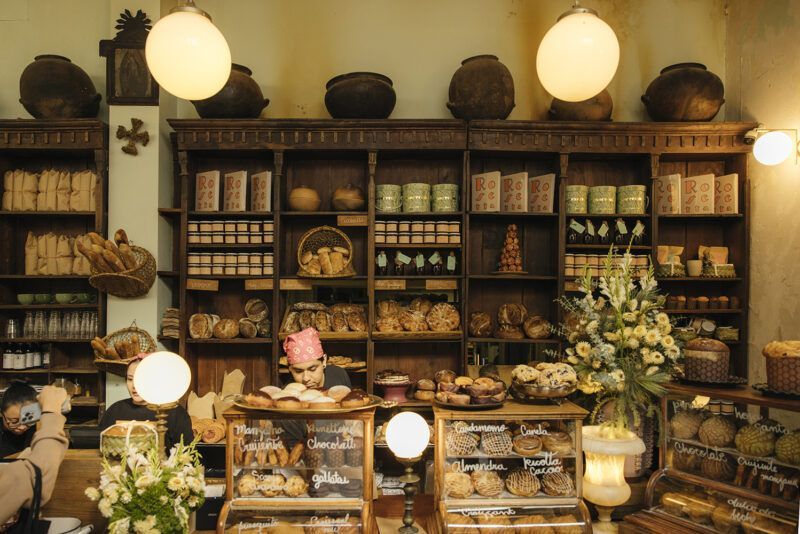
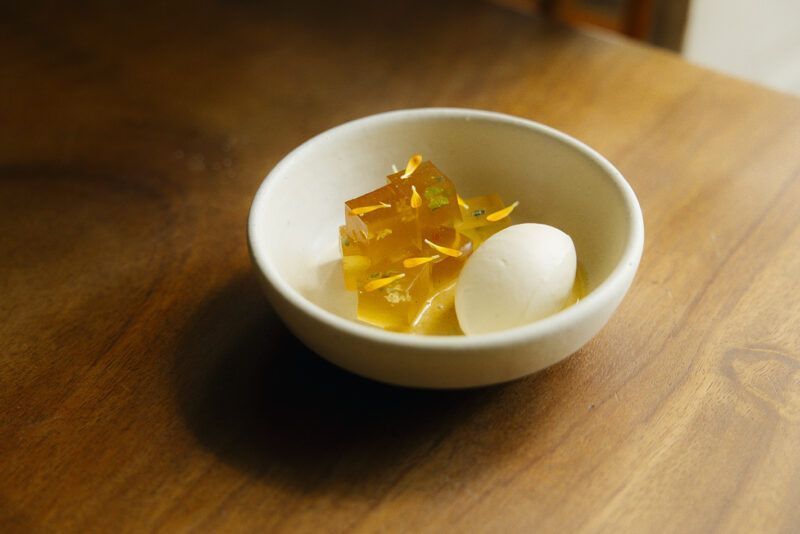
Founded in 2010 by Chef Elena Reygadas, who was awarded the title of Best Female Chef in Latin America (2023), Rosetta has established itself as a benchmark of contemporary Mexican haute cuisine, attracting both locals and international tourists seeking a unique culinary experience.
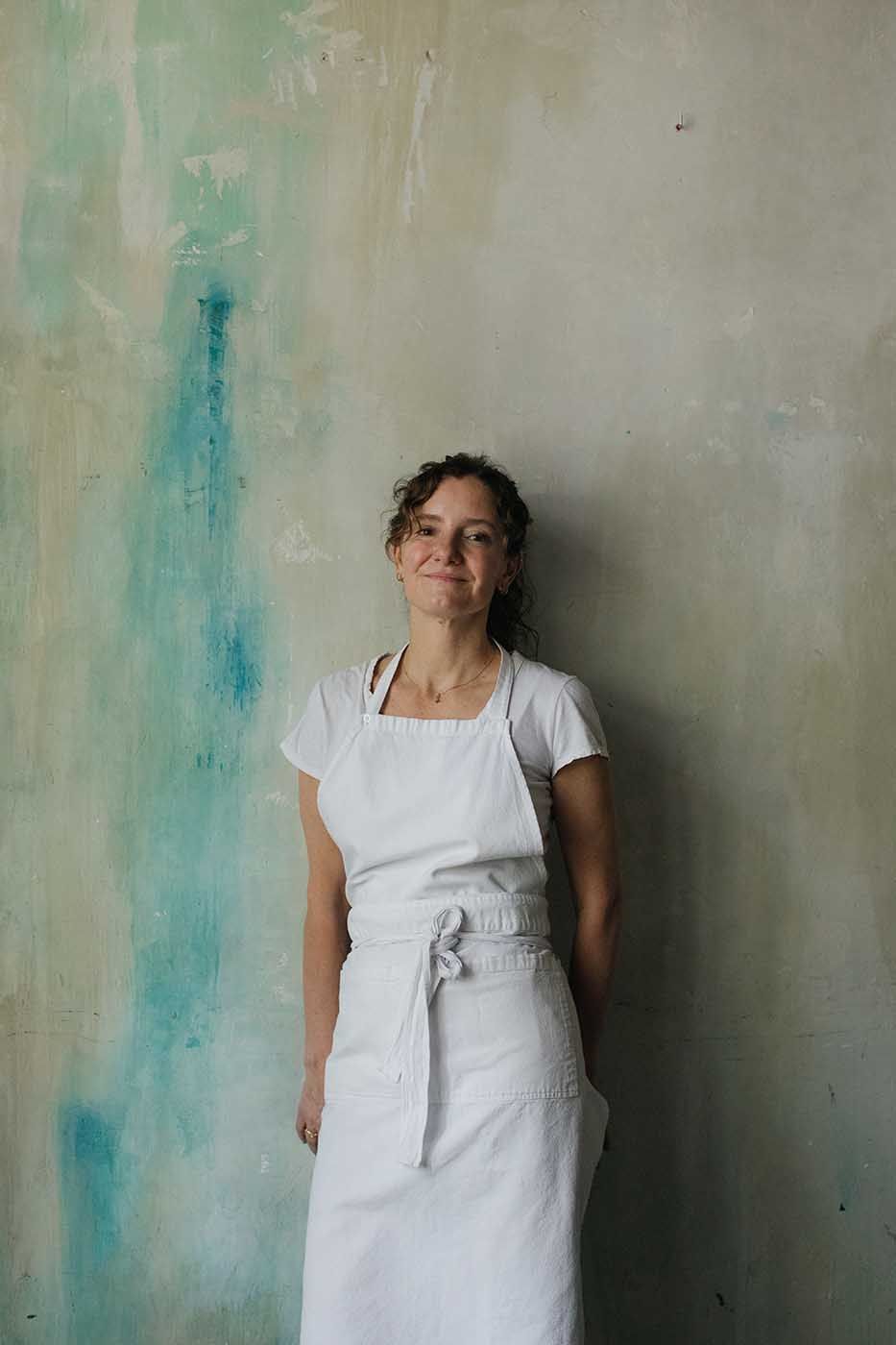
The culinary concept
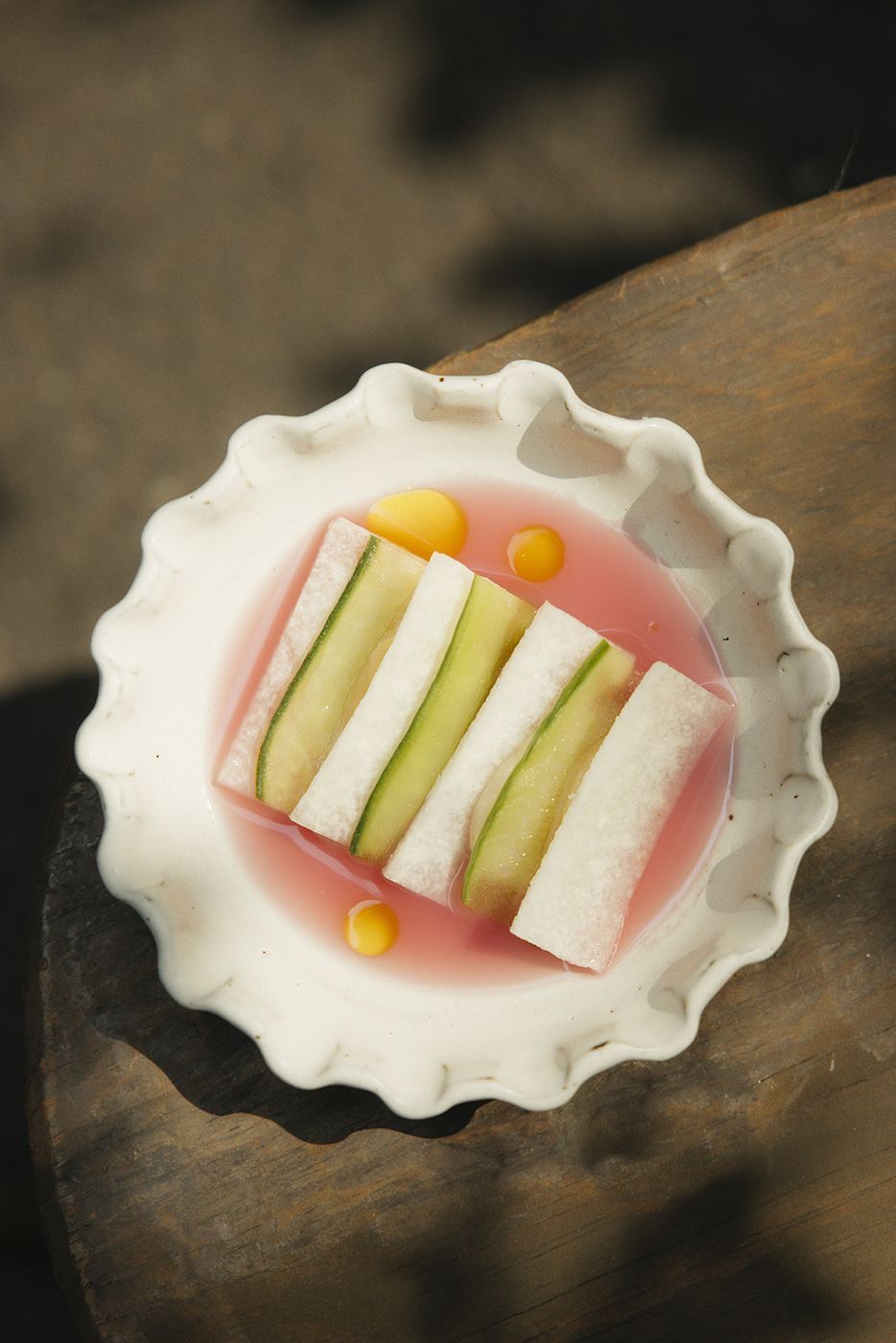
Rosetta stands out for its focus on seasonal cuisine, with a strong emphasis on local ingredients and an execution that fuses traditional techniques with a modern vision. The menu changes frequently, adapting to the freshness of ingredients available in each season. Chef Reygadas is known for her respect for the products, allowing her to create dishes that highlight the essence of each ingredient in harmony with creativity and technical precision.
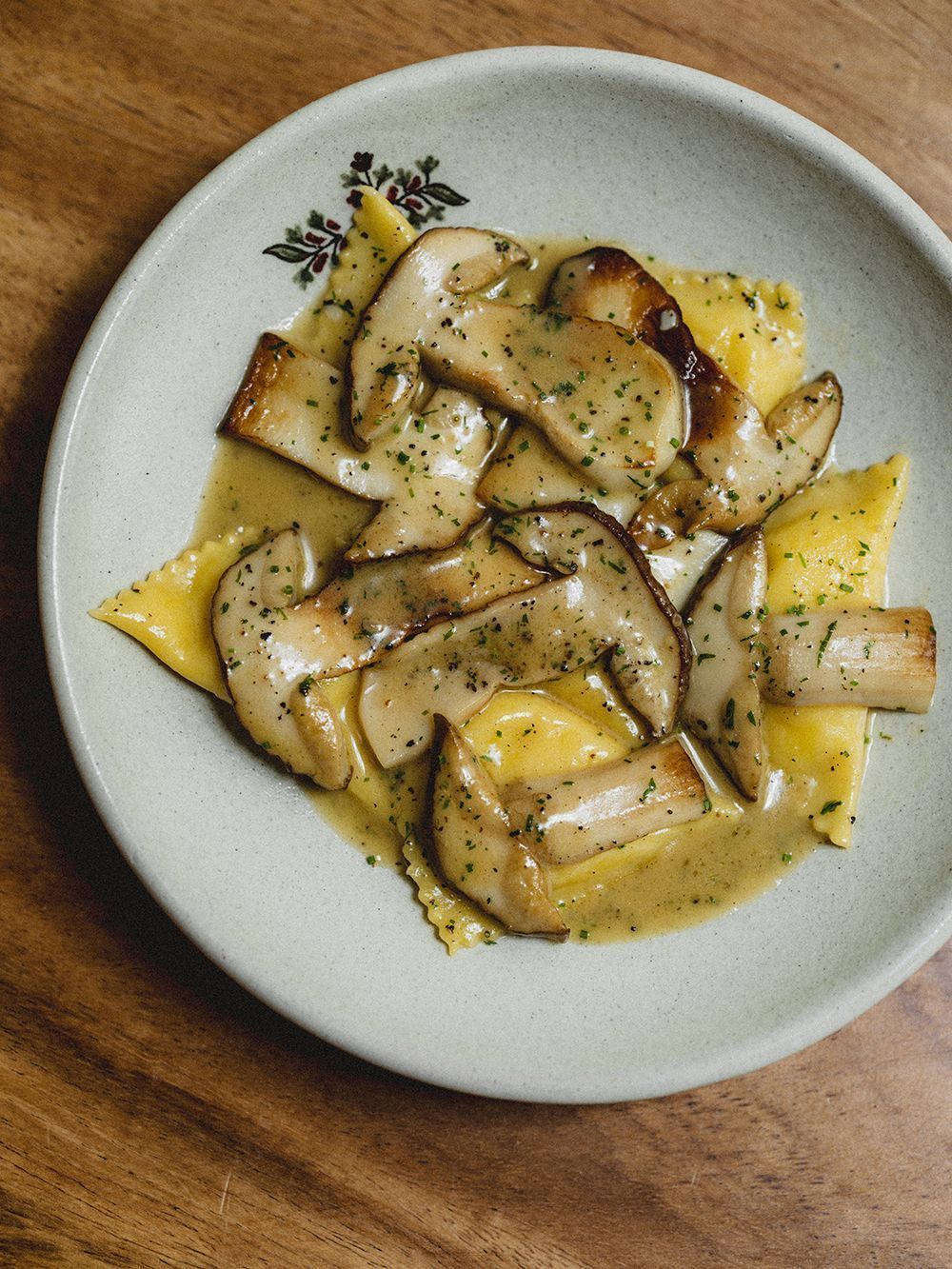
Among the most notable dishes is the bone marrow and mushroom pasta, a house classic that combines the richness of marrow with the subtlety of wild mushrooms. Another must-try is the rosemary bread, a product so popular that the chef opened a separate bakery, Panadería Rosetta, where visitors can enjoy this and other high-quality offerings.
The atmosphere
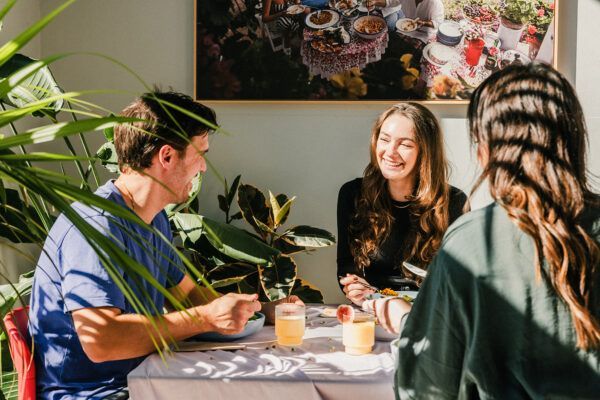
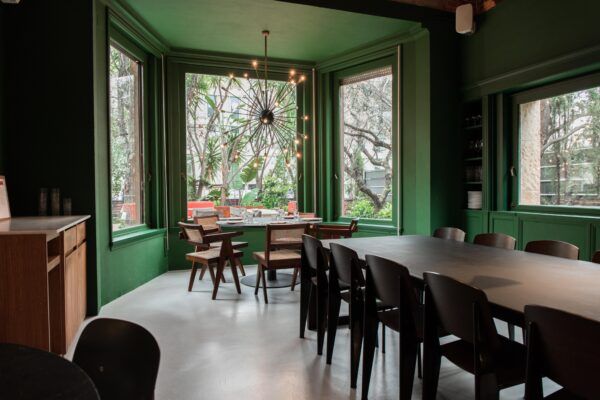
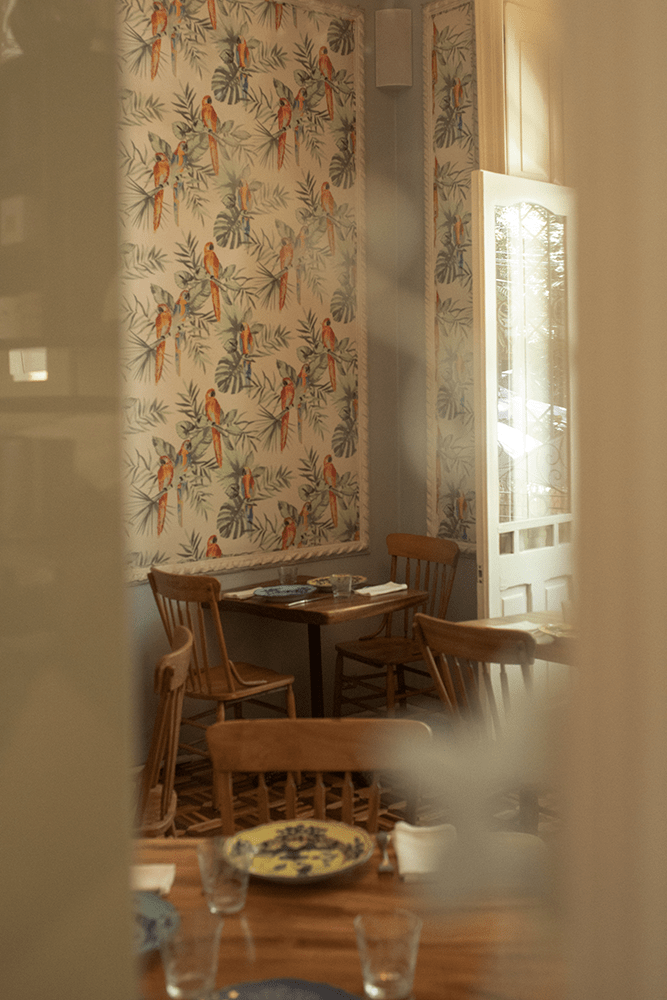
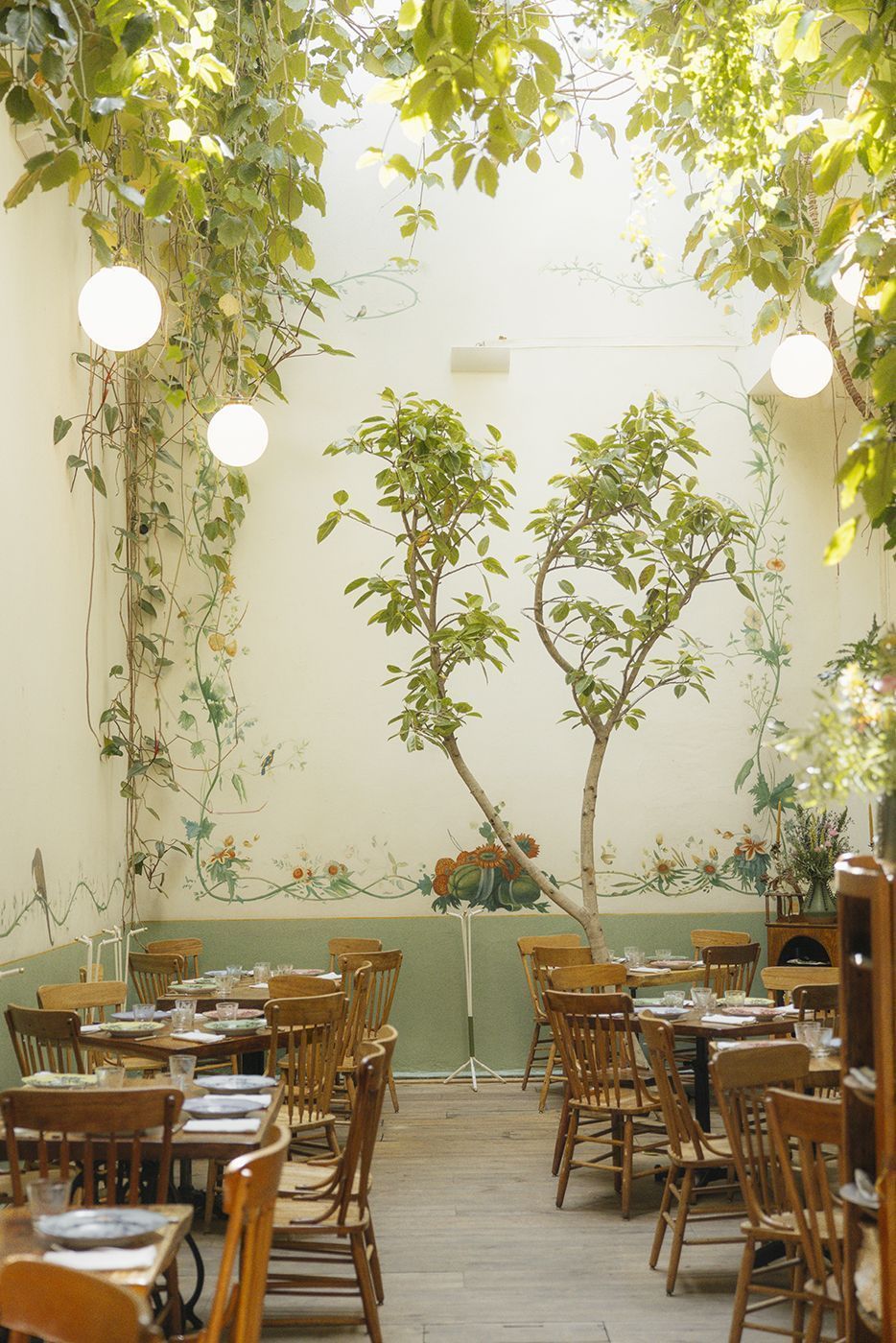
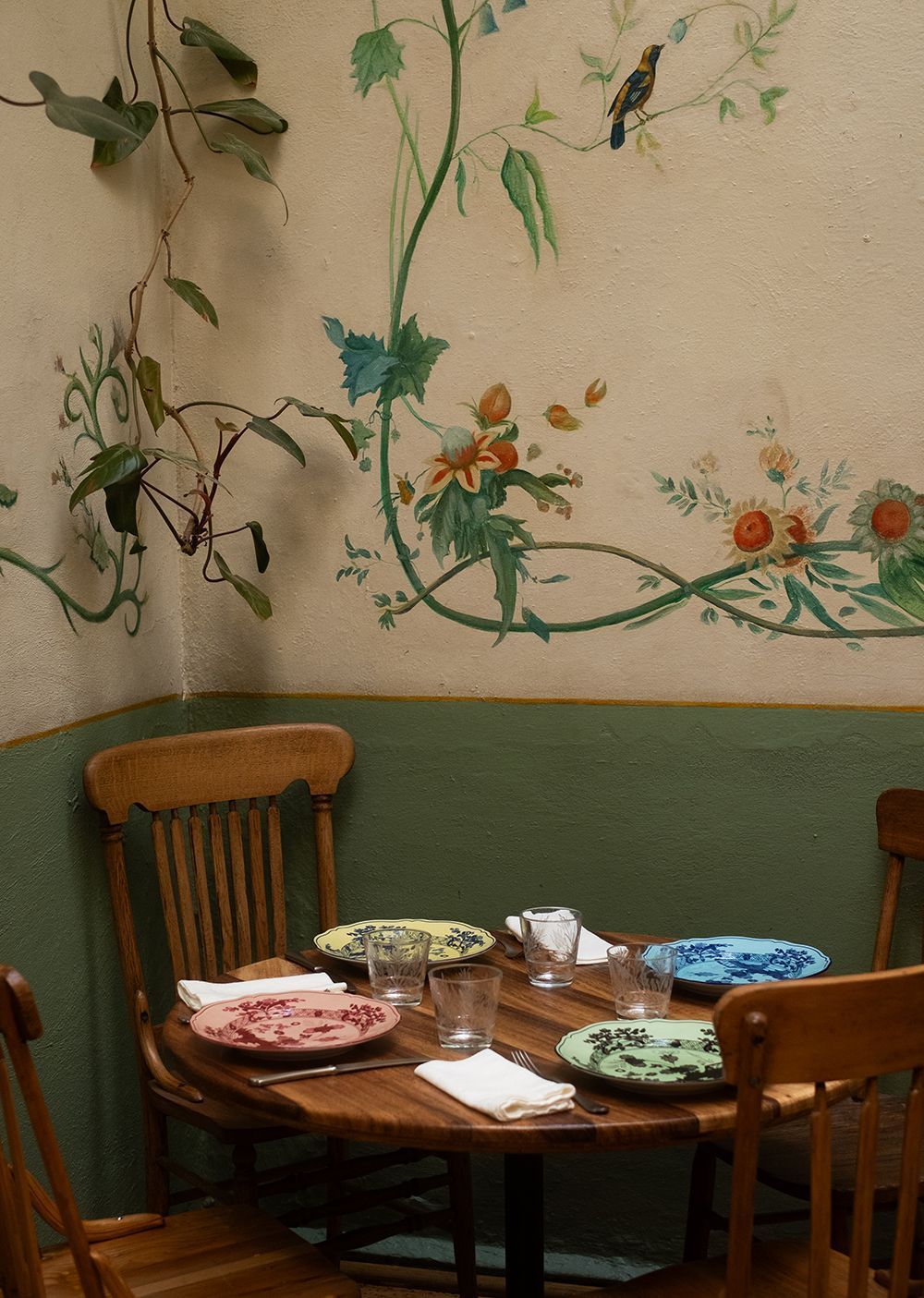
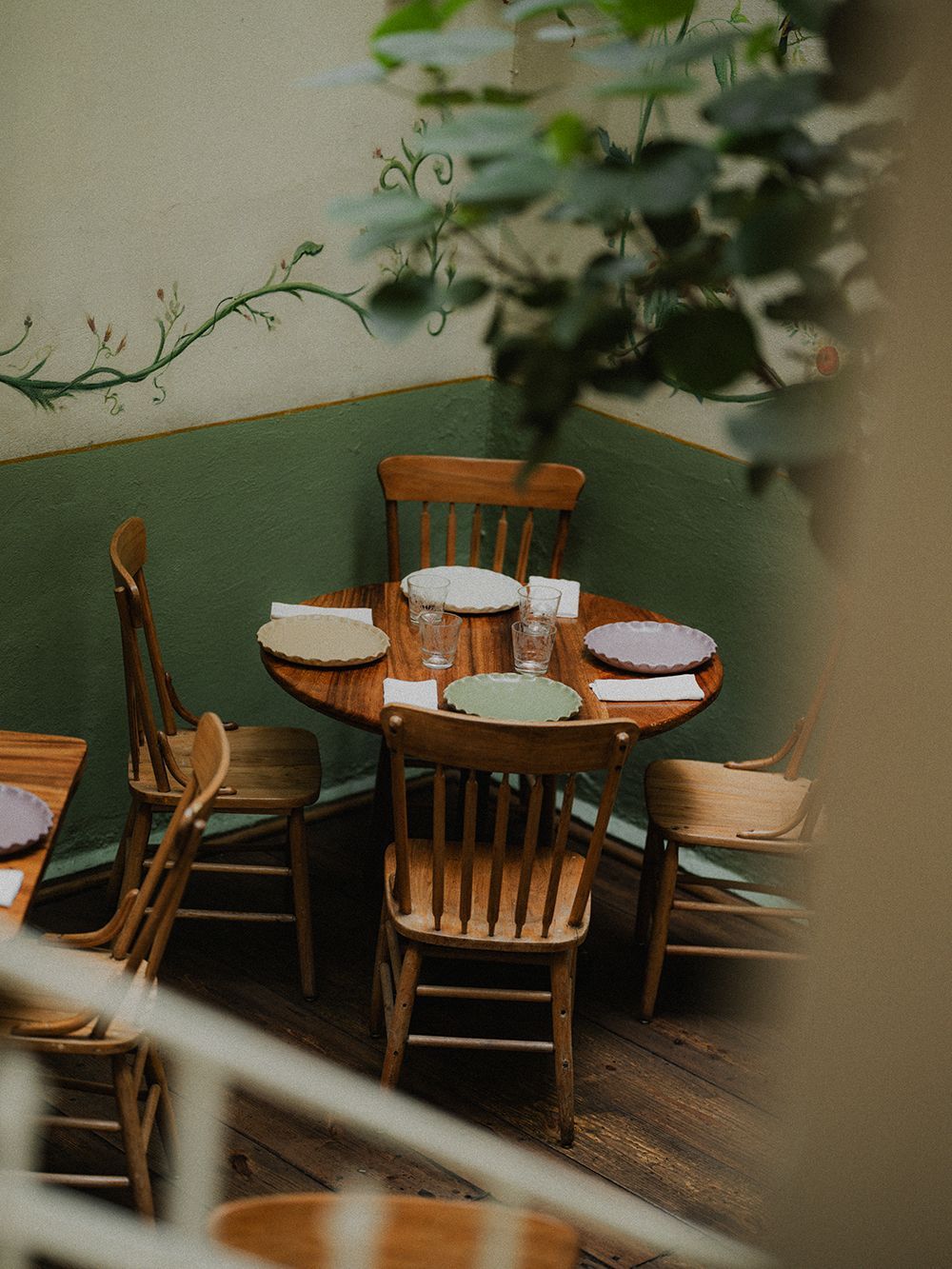
Upon entering Rosetta, diners are greeted by an ambiance that evokes the elegance of old Mexico. The interior decor preserves the essence of the house’s original architecture, with high ceilings, wooden floors, and large windows that fill the different rooms with natural light. The tables, spread across several rooms, allow for an intimate and relaxed dining experience.
The atmosphere is refined yet welcoming, reflecting Reygadas‘ philosophy: to create a space where food takes center stage, without pretension. Attention to detail extends to every aspect of the restaurant, from the friendly and discreet service to the impeccable presentation of each dish.
“Reygadas’ philosophy: to create a space where food is the focus, but without pretension.”
International recognition
Rosetta has not only won over local palates but has also been acclaimed internationally. In 2023, it was included in the list of the 50 Best Restaurants in Latin America, a recognition that confirms its relevance on the global gastronomic scene. Reygadas‘ approach has been praised for its authenticity, respect for Mexican ingredients, and ability to reinterpret traditional cuisine from a contemporary perspective.

Additionally, the restaurant has been mentioned in several prestigious gastronomic guides, such as the Michelin Guideand the World’s 50 Best Restaurants, cementing its place among the best culinary establishments in the world.
A legacy in the making
Elena Reygadas continues to evolve her culinary vision, always with an eye on sustainability and the development of Mexican cuisine. Her commitment to using local and organic ingredients, along with her focus on innovation, ensures that Rosetta remains a powerful influence in gastronomy both in Mexico and abroad.
As you will discover when you visit, Rosetta is more than just a restaurant—it is a journey through the flavors of Mexico, reimagined by one of the most talented chefs of her generation. A place where tradition and innovation coexist, and where each visit becomes an unforgettable experience.
Recently, we spoke with Jorge Cirerol, Communications & PR Manager at Rosetta, who helped us dive deeper into this magnificent project. Read on.
How would you define Rosetta?
Rosetta is a restaurant that has continuously evolved since its opening in 2010. For Elena, passion and the desire to create positive impacts drive all her work. The restaurant is based on respect for the land, the ingredients, the suppliers, the team, and the diners. Rosetta seeks to tell stories through ingredients, respecting their purity and simplicity while revealing new facets through unusual flavor combinations.
“Rosetta is based on respect for the land, ingredients, suppliers, team, and diners.”
The connection between tradition and innovation is key, as is the use of seasonal ingredients, reflecting a deep respect for Mexican biodiversity. The idea has always been to offer simple and comforting food based on Mexican ingredients but also influenced by Italian cuisine, especially with pasta making, which is a central element in the kitchen.
What is the origin of your name?
The name Rosetta has a very personal, natural, and intuitive history. It is not an explicit reference but rather an emotional connection to a word that, for her, evokes femininity, warmth, and a sense of familiarity.
Rosetta resonates positively, enveloping, and welcoming.
A “rosetta” is bread, it’s a Mesopotamian sculpture, it’s leaves radiating from the stem of a plant that are visible even after the flowers have withered.
When, how, and why did the idea for this project arise? Who is part of it?
The idea to create Rosetta began to take shape while Elena was living in London. There, she realized the immense richness of Mexico in terms of ingredients and felt a deep need to return to her homeland to work with the products that were part of her personal history. She wanted to cook with the ingredients she grew up with and also wanted her daughters to grow up in Mexico, surrounded by family.
Elena decided to return to Mexico after the birth of her first daughter, Lea, feeling that she could find a better balance between her family life and her career as a chef there. Upon returning, she started organizing dinners in an old house in the Roma neighborhood, a format that allowed her to practice her profession while taking care of her daughter.
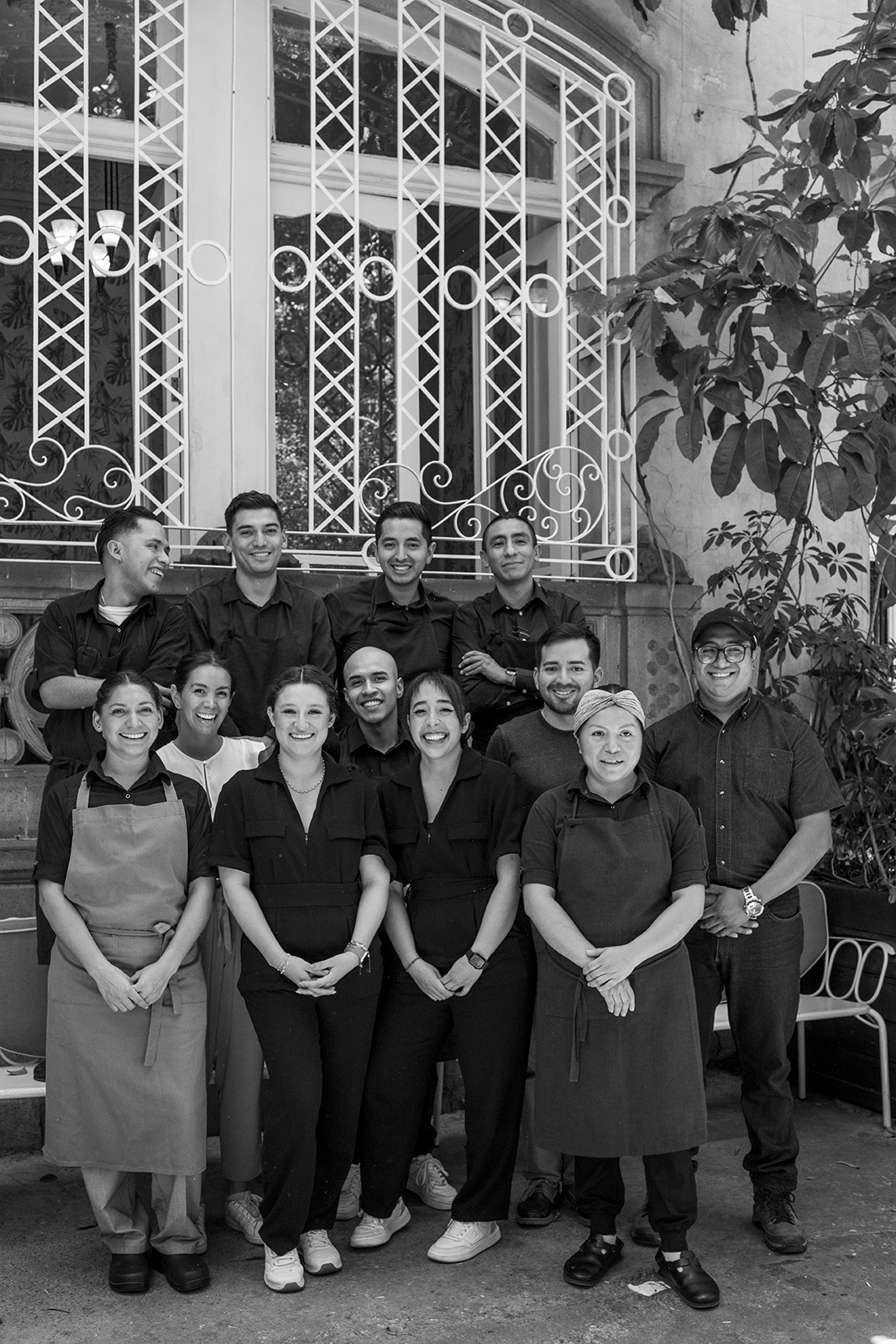
The birth of her second daughter, Julieta, was the final push for her to open her own restaurant, just as she had dreamed. In February 2010, Rosetta officially opened its doors. Since then, she has built a passionate and committed team that shares her vision of offering an authentic and high-quality experience, always based on fresh, local, and seasonal products.
Over the years, Elena has developed her own style in the kitchen, combining her Italian influences with her deep respect for Mexican ingredients. Rosetta has become a reference for haute cuisine in Mexico City, maintaining its commitment to sustainability and respect for nature from its inception.
Elena Reygadas is a fundamental figure in contemporary Mexican culture, and indeed Rosetta, where she is both chef and owner, holds a Michelin star and leads the lists of the 50 Best Restaurants in Latin America and the world. What can you tell us about her story and journey to creating her own restaurant?
Elena Reygadas began her professional journey studying literature, but her true passion was always cooking. She trained at the French Culinary Institute in New York and later worked at Locanda Locatelli in London, where she learned the importance of ingredients and respect for their purity and simplicity.
Over time, Elena developed her own style in the kitchen, combining her love for Italian gastronomy with her growing understanding and respect for Mexican ingredients.
She emphasizes the importance of working with her hands, recovering traditional tasks like making bread and pasta from scratch, ensuring quality and freshness, and reinforcing the restaurant’s philosophy of preparing everything in-house.
Her experience as a mother has also influenced her view of cooking, as she believes that feeding and caring for others is one of the most powerful acts one can perform. Since opening Rosetta, Elena has followed a path of evolution, creating a restaurant that is recognized not only for its food but also for its contribution to Mexican gastronomic culture.
Last year, she was named the Best Female Chef in the World in 2023. What has this award meant to her?
This recognition has been very special, not only on a personal level but also as a collective achievement for her entire team. Beyond the award, what she values most is the visibility it brings to the effort and dedication of the people who work behind each dish, making the experience at Rosetta possible.
Moreover, this recognition has allowed Elena to showcase a broader version of what Mexican cuisine can offer. After more than a decade of work, receiving such an award has given her an extra boost to continue moving forward with new ideas and proposals.
What can you highlight about the Colonia Roma neighborhood where Rosetta is located?
It’s a neighborhood that I’ve seen develop at lightning speed. It has been the cradle of incredible projects.
Like in a milpa (traditional cornfield), there is great synergy between everything happening within, where residences, shops, restaurants, hotels, schools, and parks coexist. On the streets of Roma, you can still feel a very traditional Mexico that has adapted to modern times without losing its essence.
Who designed the restaurant’s interior?
The interior design of Rosetta is an intimate reflection of Elena‘s vision, a natural extension of the concept that emerges from the kitchen. Every corner of the house was carefully thought out by her, from the choice of colors to the small details that decorate the space.
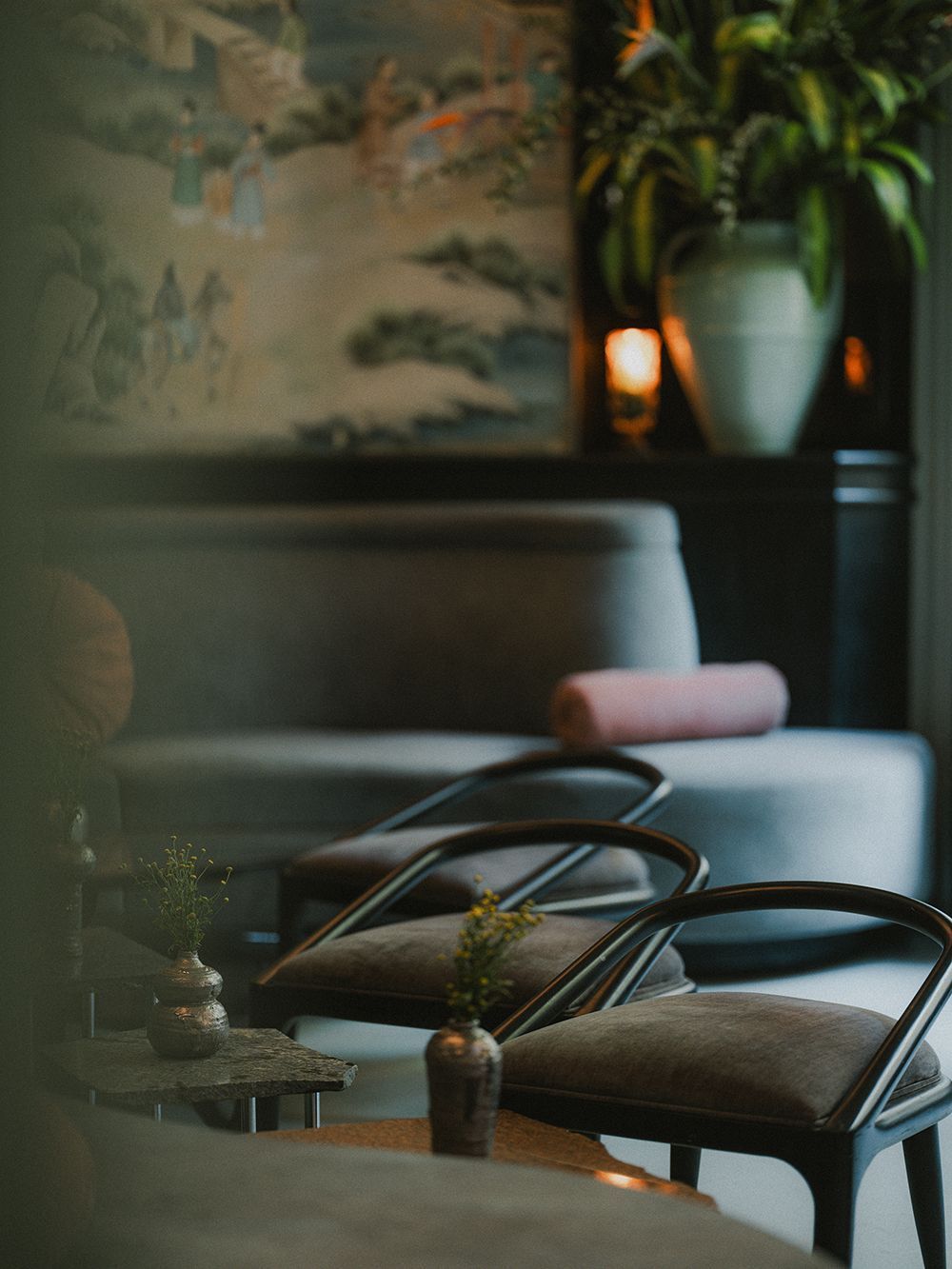
The space combines modern elements with classic touches, creating a cozy atmosphere that balances the new and the old, the local and the international. It’s a space that reflects her love for design, hospitality, and, of course, gastronomy.
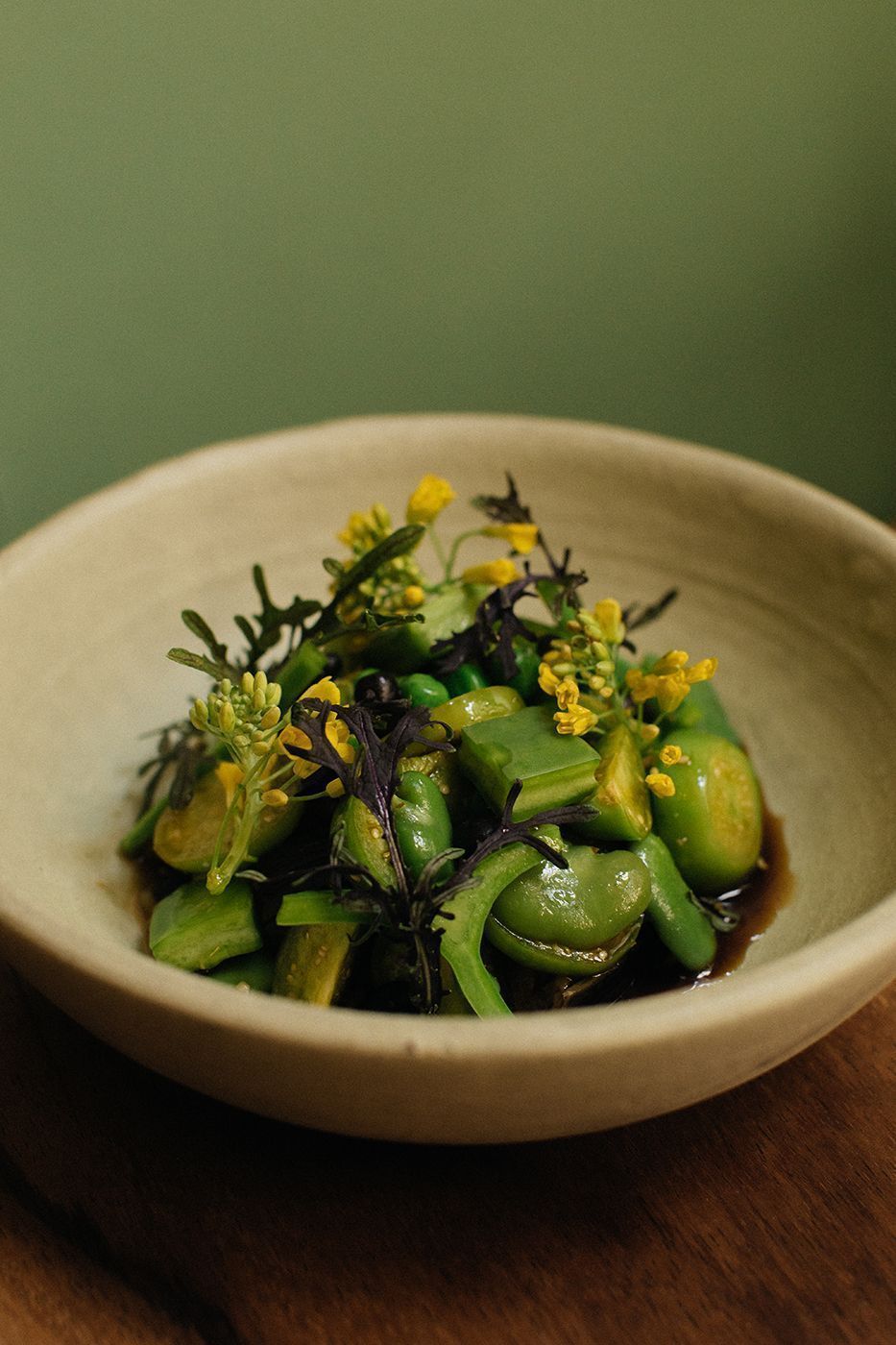
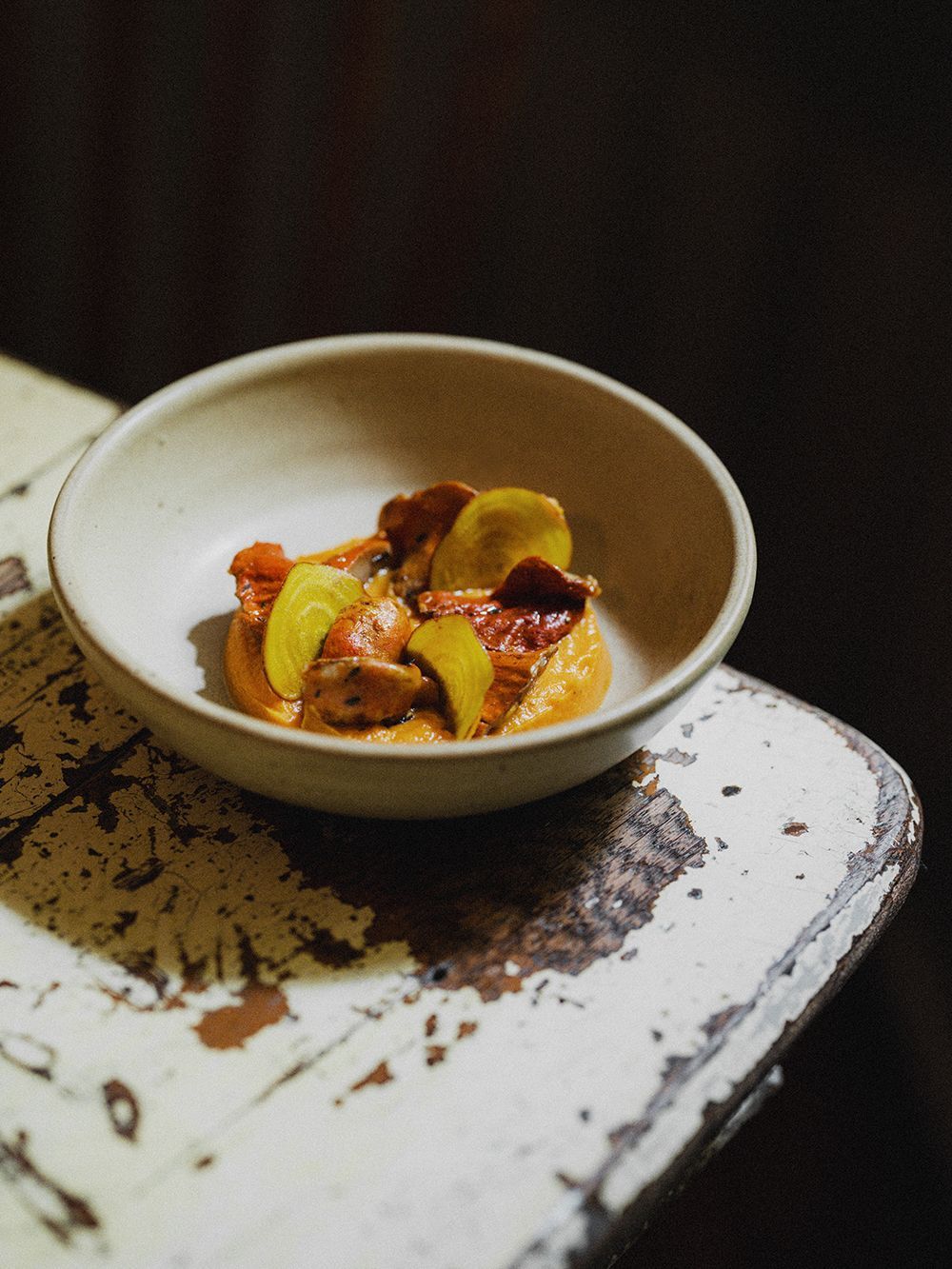
Some of the chef’s most well-known dishes include kale tacos with pistachio pipián and romeritos, beet mole, and criollo cacao with hoja santa and white beans. Are these traditional dishes reinterpreted or original creations?
Her approach is to create dishes that reflect her own influences, preferences, and references, many of which come from her country. Mexico doesn’t have a single cuisine, but many, all tied to its geography, history, and culture. For Elena, the diversity of Mexican cuisine is one of its greatest treasures.
Although her dishes may not seem traditional at first glance, through them she presents a modern interpretation of Mexico’s cultural richness. For her, the kitchen is a space of possibilities and openness, where traditions and innovations coexist.
“In the kitchen, traditions and innovations coexist.”
How often does the menu change? Are the ingredients used always local?
Rosetta‘s menu changes with the seasons, prioritizing respect for the purity and simplicity of products and reflecting the availability of the best ingredients at the moment. Elena follows her intuition, exploring the possibilities of each ingredient and its affinities with others.
While for Elena “local” isn’t something restrictive, she strives to work with products grown and produced in Mexico. Some are endemic, others have been adapted to Mexican soils, but all are part of the biodiversity that characterizes the country. One of her greatest challenges and passions is finding lesser-known or underused ingredients and showcasing them to the world through her dishes.
Besides the restaurant, there is Salón Rosetta on the second floor, an intimate bar offering cocktails and fermented beverages made with Mexican ingredients. What’s the signature drink?
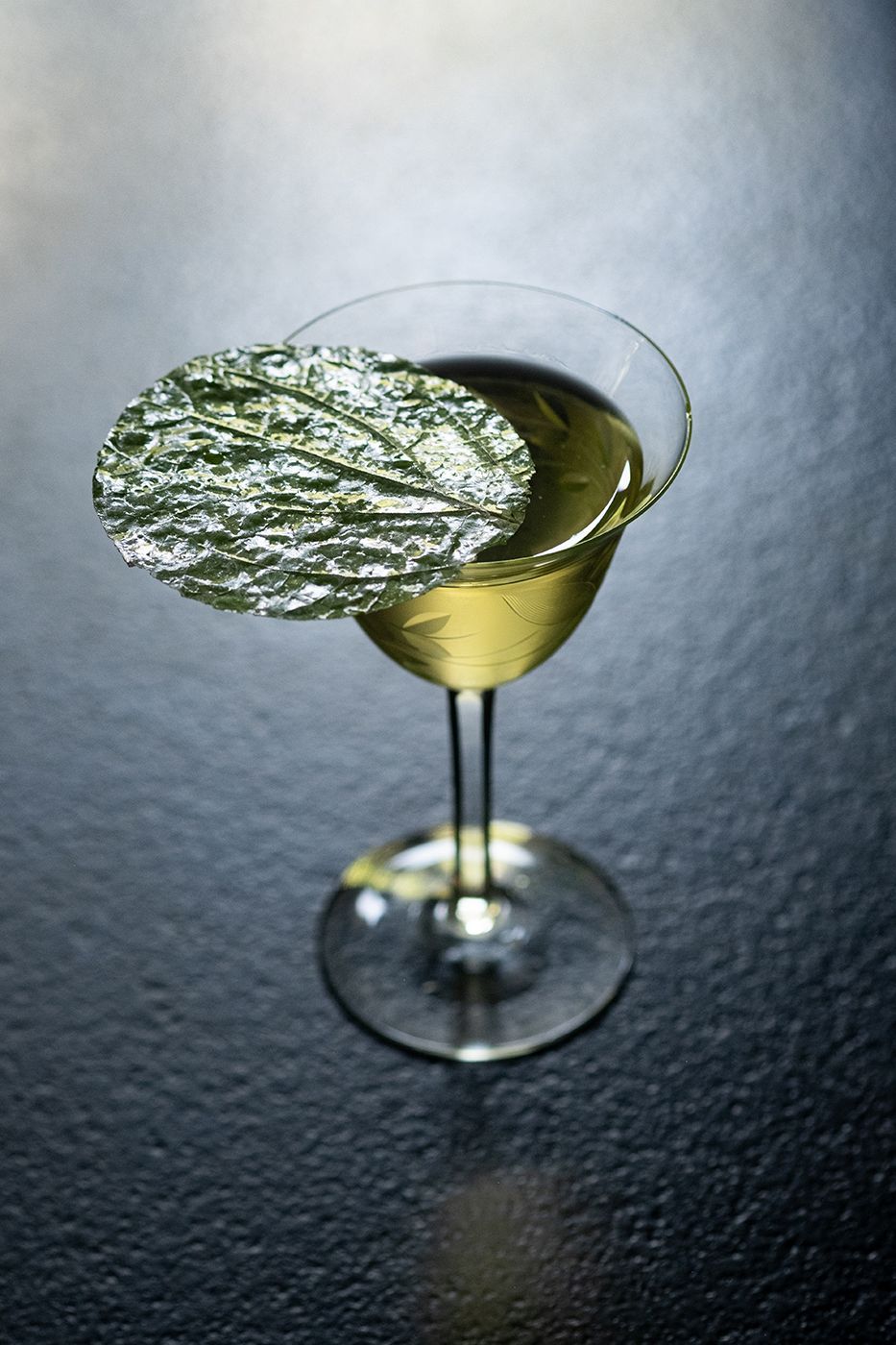
Guava is a Negroni that we prepare in-house, from scratch. In guava season (which is right now), we make a gin distillation infused with the fruit, which we mix with campari and vermouth rosso. We use the dehydrated pulp as a garnish.
As if that weren’t enough, your space also features a store that reveals Elena’s passion for design. It’s called Mesa Rosetta, where you offer many of the table accessories used in the restaurant, all developed by Elena over the years in collaboration with Mexican artisans and designers. What else can you tell us about it?
Mesa Rosetta is like a window into Elena‘s world, where you can see her passion for design and Mexican artisanal techniques reflected. It’s a place meant to share a lifestyle, beyond the objects.
In each piece you find, there’s a story behind it: collaborations with local artisans and designers who have worked with her for years to create the table accessories also used in the restaurant. From plates to cutlery, everything has a personal touch.
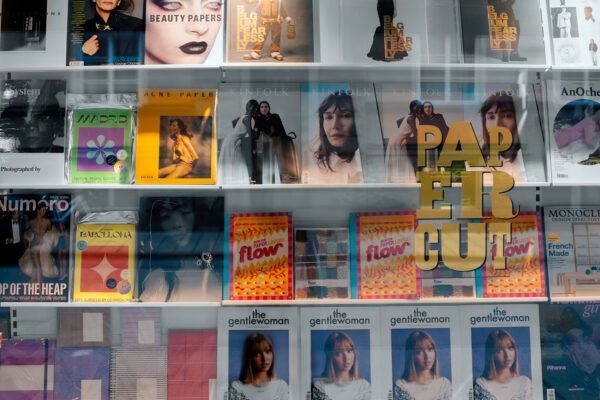
Moreover, the store has carefully selected books and magazines focused on gastronomy and relevant topics, showing that for Elena, design, literature, and food go hand in hand. It’s like taking home a little piece of the Rosetta universe.
You also have another venture called Panadería Rosetta, a bakery where you passionately explore the art of bread-making, along with other notable gastronomic projects. What else can you tell us about it? What are its specialties? Is it located in the same building as the restaurant?
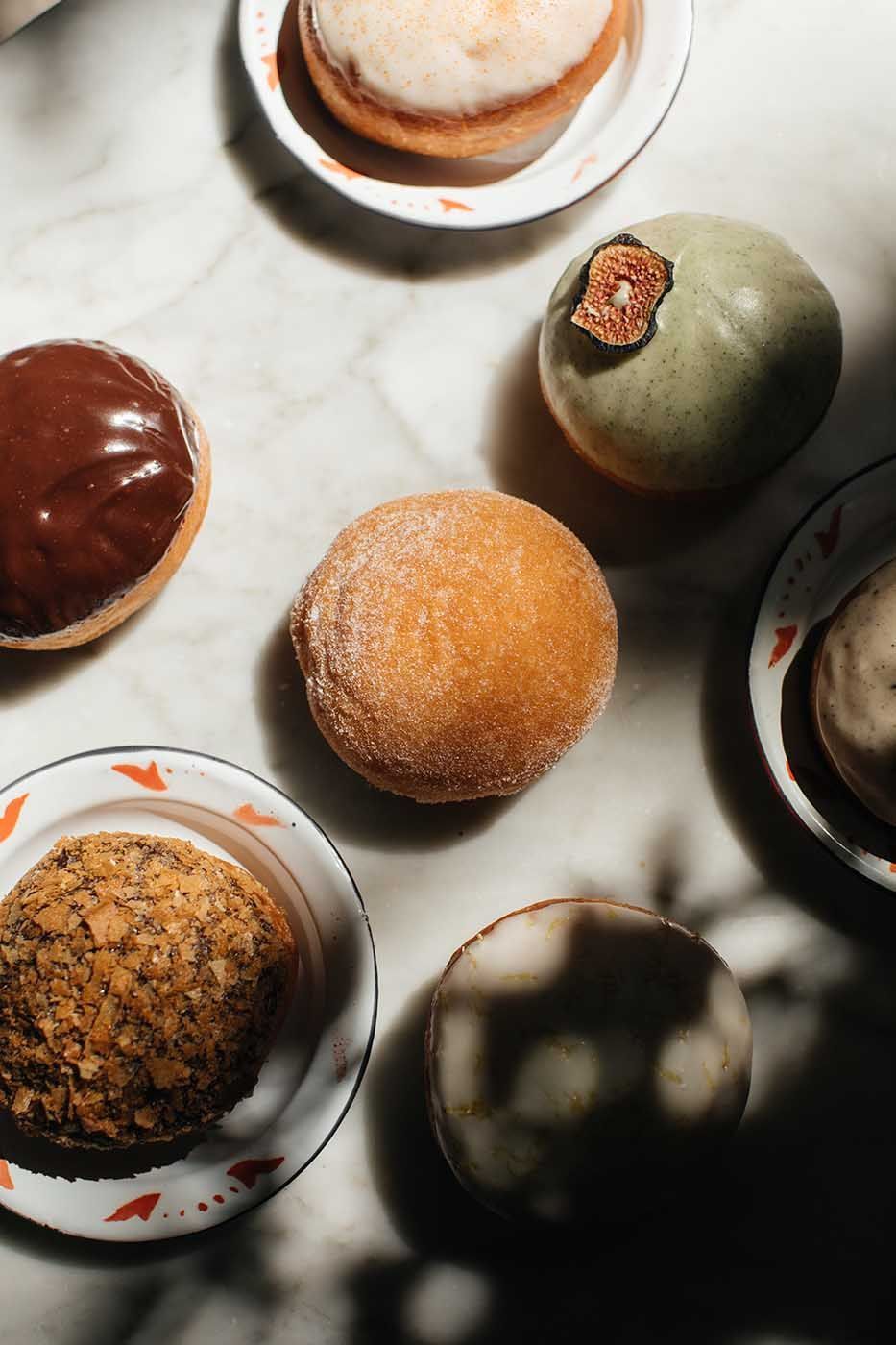
If there’s one thing that defines Panadería Rosetta, it’s the guava roll. The guava jam with soft cheese is a beloved flavor combination in Mexico, paying homage to the ate with cheese dessert found in traditional canteens and restaurants, and it has become the true emblem of the place.
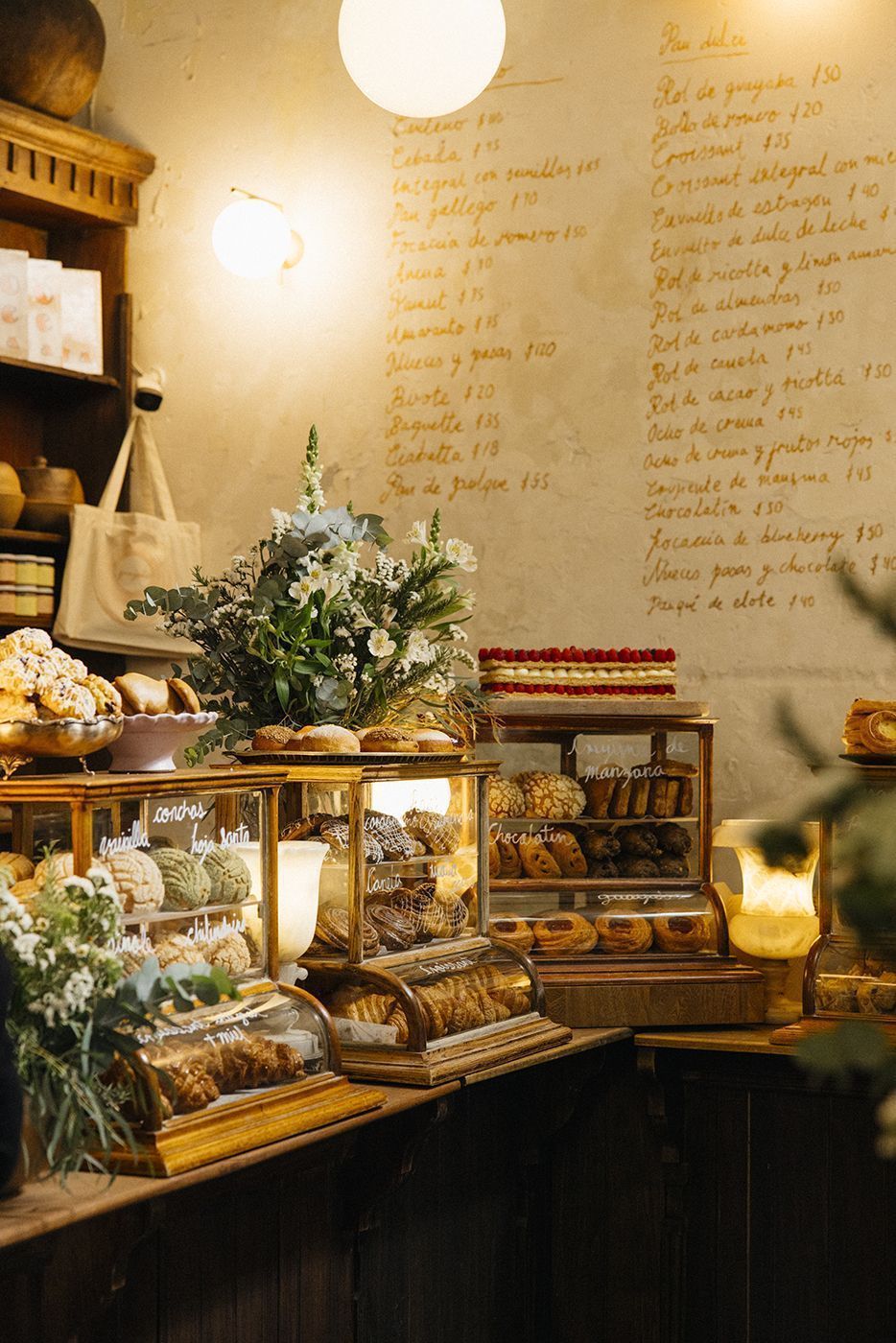
The bakery was born in 2012, just across the street from the restaurant, after the success of the bread with which we began the Rosetta experience led people to start requesting bakery items to take home. This is how Elena decided to open a space exclusively dedicated to the bakery, offering a diverse range of products from croissants and focaccia to Mexican conchas, puerquitos made of piloncillo, and other sweet breads that evoke pure nostalgia.
Another interesting aspect of Reygadas’ career is her commitment beyond the kitchen to social and environmental causes. In 2022, she founded the Elena Reygadas Scholarship, which aims to support young culinary students, promote equal opportunities, and foster leadership among women in the culinary field. What else can you tell us about this initiative?
The Elena Reygadas Scholarship aims to contribute to real change in the culinary industry, especially in a country where women face many challenges in balancing family and professional life. The idea is simple but powerful: to remove the economic barriers that prevent many women from pursuing their culinary dreams.
What’s interesting about this scholarship is that it not only covers tuition costs (since Mexico has many public universities), but it also helps with housing expenses, which are often the greatest challenge for young women coming from rural areas. In its first year, the scholarship received 400 applications, and three scholarships were awarded. By 2023, 20 scholarships were granted to women from across the country.
Additionally, Reygadas has published a couple of works. Her first book, Rosetta (2019), features recipes and essays that reflect her unique perspective on food and its social dimensions. She has also published “Cuadernos sobre cultura alimentaria, salud y medio ambiente” (Notebooks on Food Culture, Health, and the Environment), a series of concise books that offer insightful discussions on these crucial contemporary issues. What more can you tell us about this?
For Elena, cooking is a way to connect with people and culture. This vision of gastronomy is something reflected in her editorial projects.
The Rosetta Notebooks are a series of short books aimed at fostering and democratizing important conversations about what it means to be Mexican, the need to care for our biodiversity, and the value of what we eat—always with the goal of continuing the dialogue and raising awareness.
(*) Photos provided by Rosetta.