Bodega Josefa: the return of the tavern Barcelona had been missing
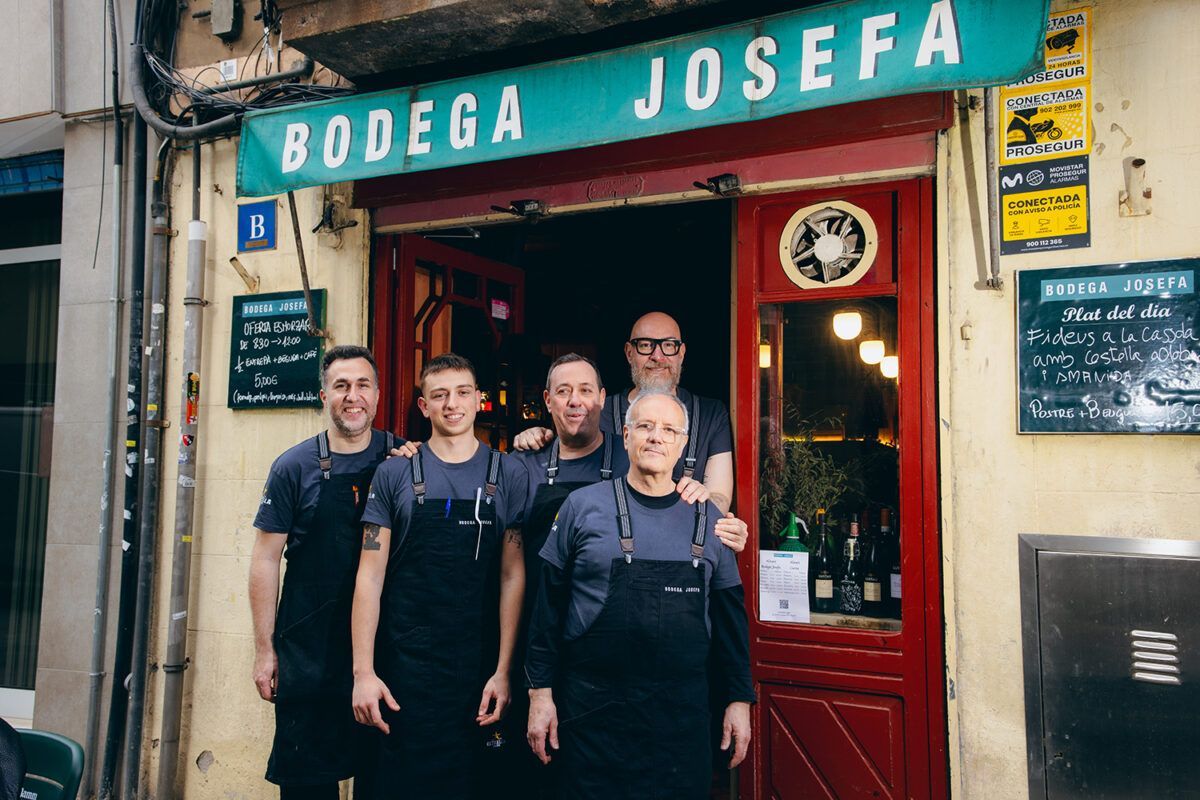
In Barcelona, every reopening of a traditional bodega carries a certain cultural weight. The return of Bodega Josefa, in the El Putxet neighbourhood, is part of an increasingly visible movement seeking to recover a way of understanding hospitality rooted in place, product and, above all, neighbourhood life.
This is not simply about nostalgia. What is happening in the city is more complex: a critical reassessment of its gastronomic identity. In that context, the reopening of Bodega Josefa acts as a synthesis — a place that looks to the past without remaining in it.
Address: Carrer de Saragossa, 86, Bis, Barcelona
A reopening that goes beyond symbolism
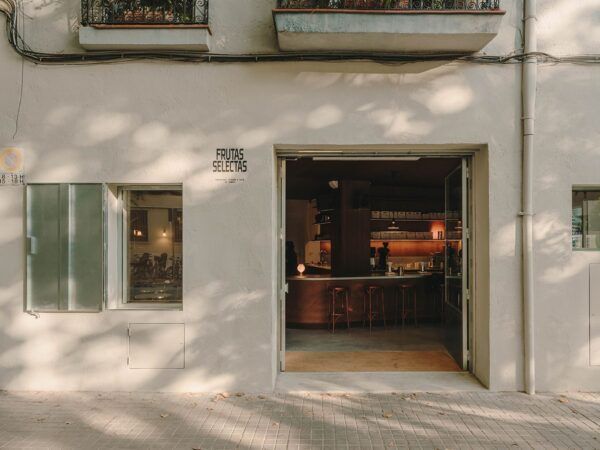
The bodega reopened its doors on 8 March following a renovation that deliberately avoids theatrical reconstruction. There is no aesthetic reinterpretation or forced nostalgia here — the space retains its original character.
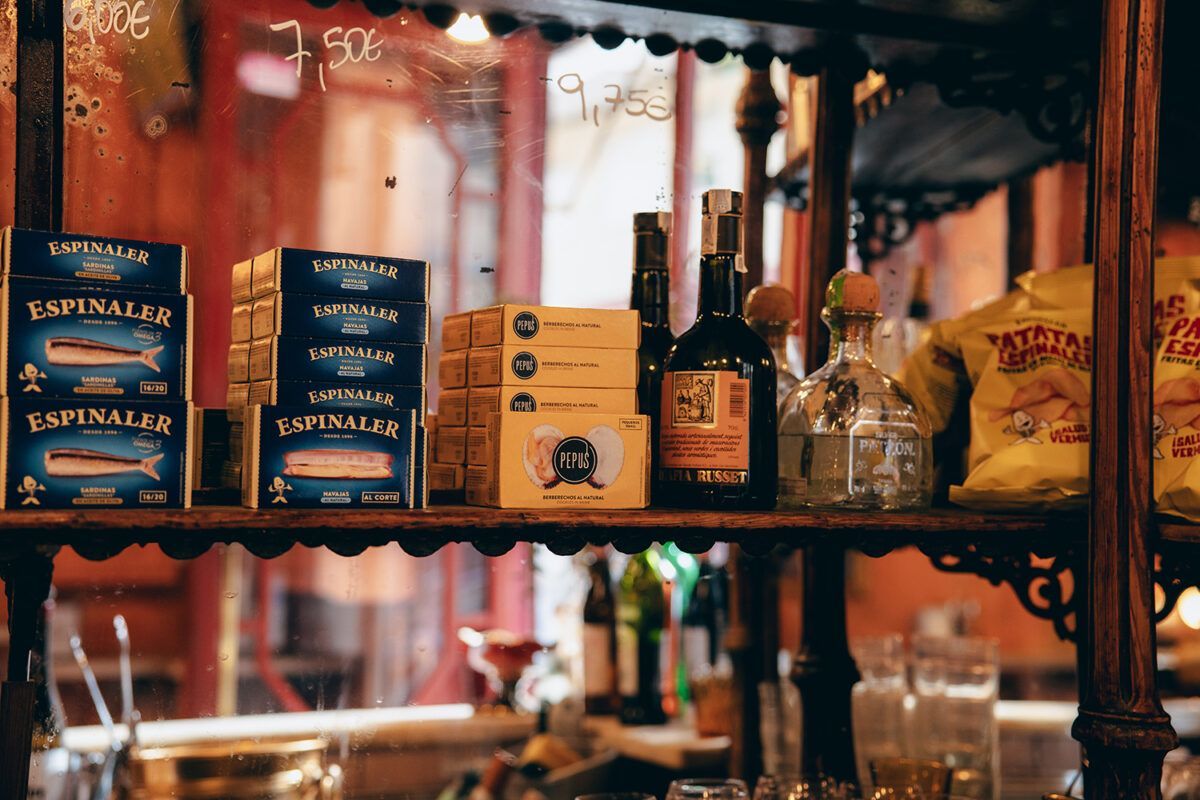
Large wine barrels, now protected as heritage elements, continue to define the rhythm of the interior. The bar, the atmosphere, the proximity between tables… everything responds to that tavern logic that has gradually disappeared in Barcelona.
Stepping into Bodega Josefa is recognising a type of venue embedded in the city’s collective memory — and precisely for that reason, it now feels almost contemporary.
Jordi “La Pepeta”: the returning soul
If there is one element that defines the identity of this place, it is not physical — it is human.
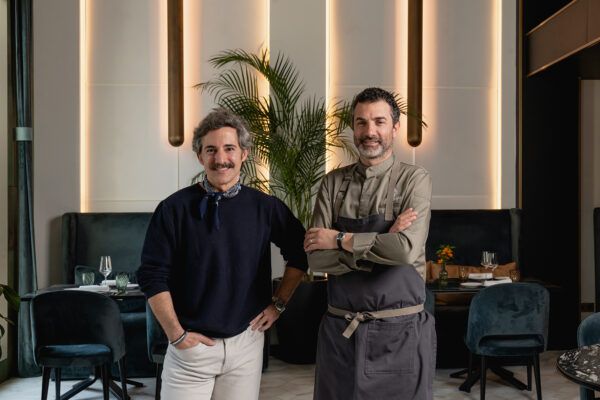
The return of Jordi, known to all as “La Pepeta”, restores the bodega’s most recognisable figure. His story is deeply intertwined with the venue — his own parents met there — and his presence is far from anecdotal: it is structural.
He acts as host, but also as the living memory of the space. His way of moving, speaking and serving preserves the informal ritual that once made the bodega a regular meeting point, especially on match days for FC Barcelona.
At a time when many projects attempt to construct a narrative, here the narrative already exists.
Tavern cuisine, refined
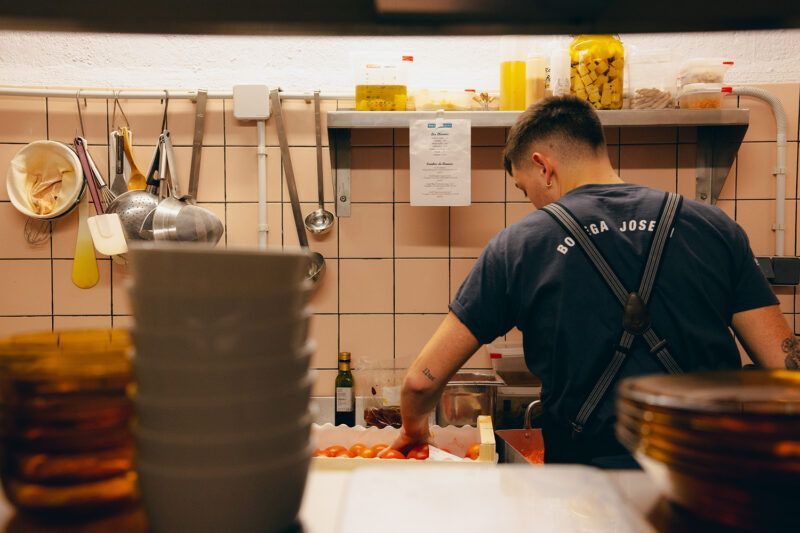
The most significant shift in this new chapter is not in the dining room, but in the kitchen. The culinary direction is led by Oriol Lagé, a profile not typically associated with this type of project.
With a background that includes founding Ot Restaurant in Gràcia and years dedicated to teaching and marketing, his return to the kitchen is not about reinventing tradition, but refining it.
The menu is structured around four clear sections: classics, tapas, traditional dishes and sandwiches — a recognisable framework that avoids unnecessary complexity.
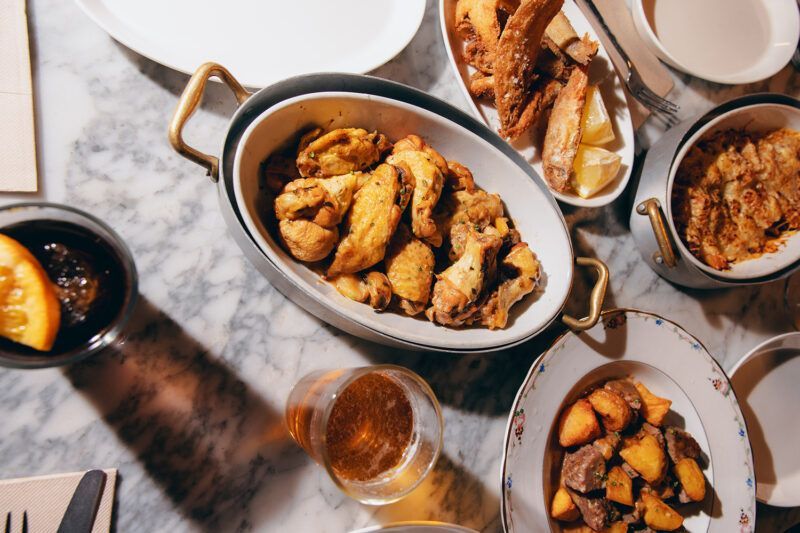
The nuance lies in the execution. Dishes such as the potato and onion tortilla with cap i pota or the fricandó of pork snout elevate popular recipes with greater precision, without losing their essence.
There is no ambition to over-sophisticate, but there is rigour.
Tapas and dishes rooted in the neighbourhood
In its more informal offering, the menu maintains a balance between product and technique.
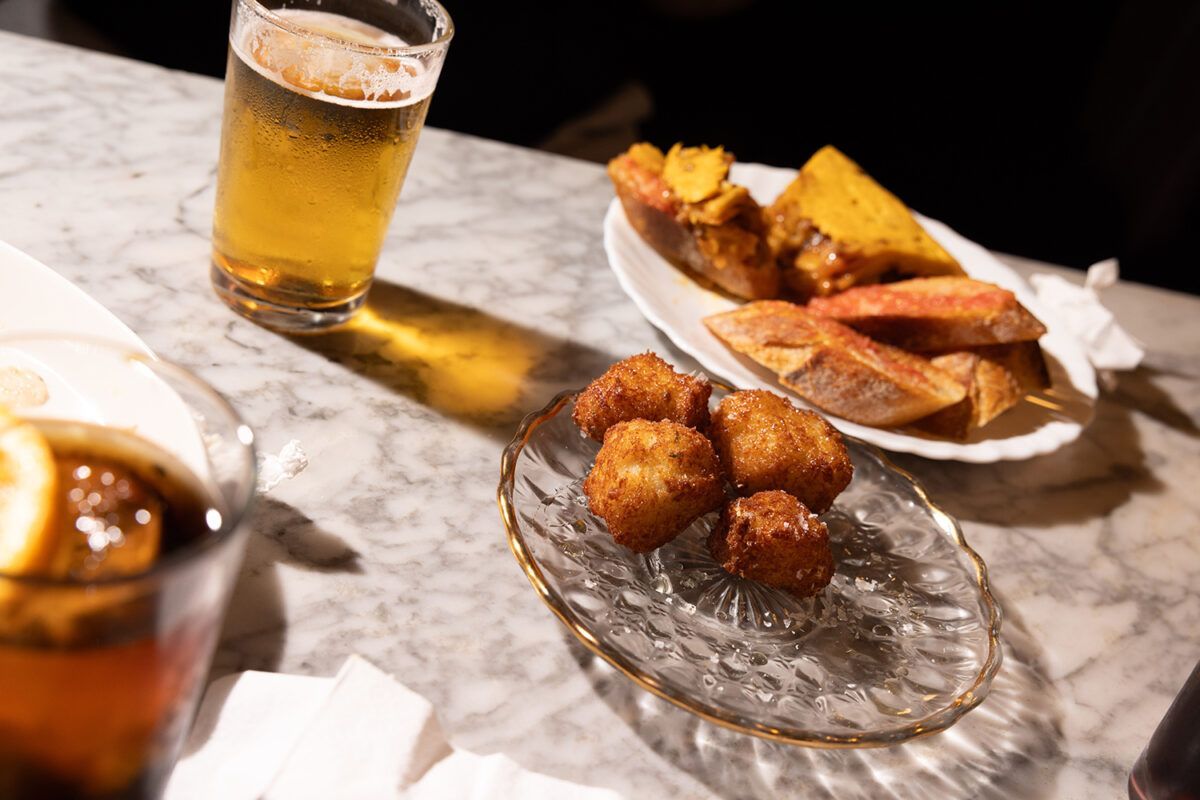
Cádiz-style pork crackling, carefully prepared anchovies, or patatas bravas with roasted garlic allioli connect directly with local tastes. The aim is not to surprise, but to deliver.
The daily special — organised on a weekly rotation of fish, legumes, noodles and stews — reinforces the idea of everyday cooking that still holds relevance in today’s urban context.
This is a proposal that does not seek to compete with fine dining, but to reclaim the value of doing things well.
Desserts: memory without artifice
The end of the meal follows the same logic. Desserts revisit familiar recipes, executed without excessive technique or intervention.
Homemade flan with cream, crema catalana, mel i mató, or the catalanet with nougat ice cream and ratafía form part of a menu that speaks directly to collective taste memory.
No reinterpretation, no deconstruction — just product and execution.
Wine as part of the ritual
Front-of-house direction is led by Santi Olivella, a figure with over two decades of experience in the sector.
His career includes key projects such as Gaig restaurant and the creation of CATA 1.81, one of Barcelona’s first wine bars.
At Bodega Josefa, his approach results in a dynamic wine list, with references that change frequently. The selection balances proximity and discernment, designed to accompany the food without imposing a narrative.
Here, wine returns to its original role: part of the experience, not the centre of it.
A model that makes sense again
What makes Bodega Josefa particularly compelling is not only its offering, but its timing.
Barcelona has spent years oscillating between tourism-driven dining models and the gradual disappearance of spaces rooted in local life. In this context, projects like this introduce a third way.
To recover doesn’t mean to replicate. Here, tradition is updated from within: better product, better execution, better service.
The result is a space that works equally well for locals and for those seeking to understand the city through its gastronomy.
A reopening that looks forward
This new chapter for Bodega Josefa is not an exercise in nostalgia. Its strength lies in demonstrating that the tavern model remains valid — provided it is approached with coherence.
Space, kitchen, service and product all move in the same direction. There are no misplaced elements or forced decisions.
In a gastronomic scene increasingly saturated with concepts, projects like this stand out precisely for the opposite: clarity, identity and continuity.