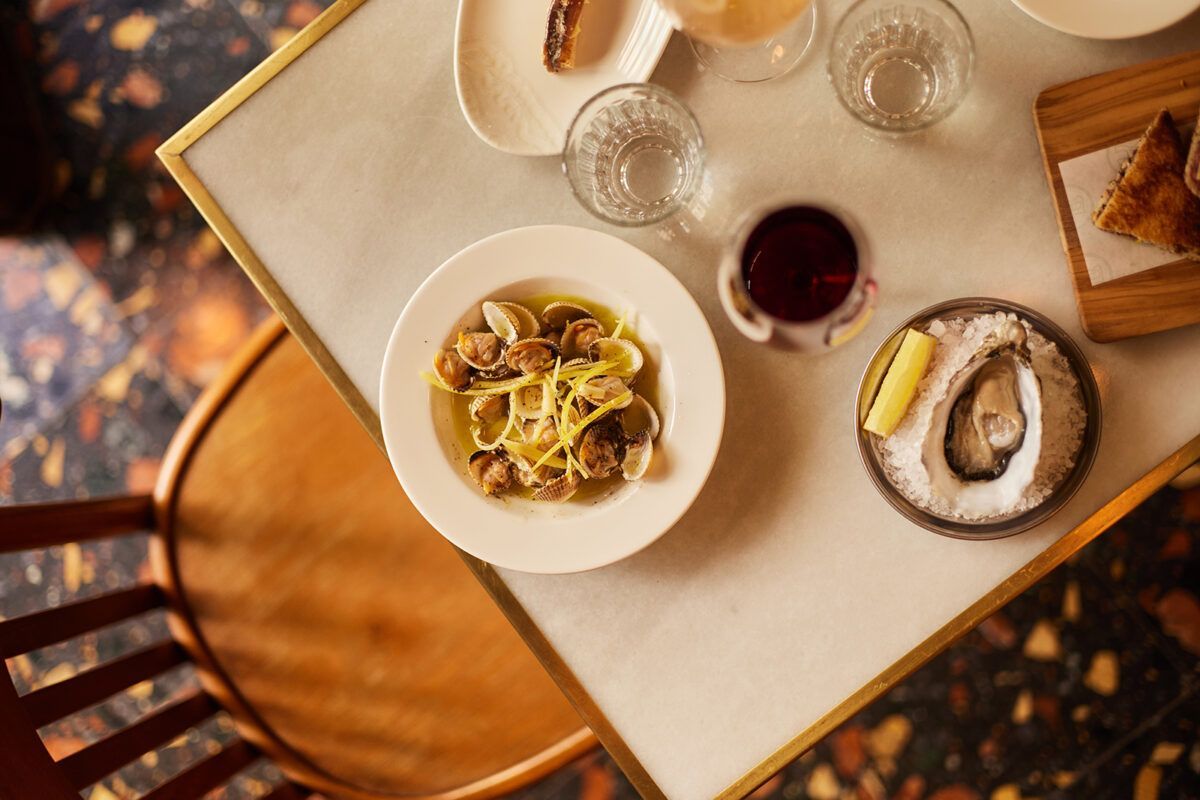
Bar Alegría Gràcia: Tomás Abellán’s new restaurant
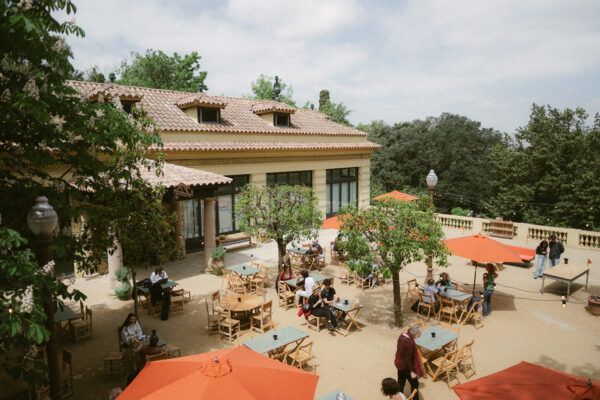
On a corner where Gràcia moves to its own rhythm, between Torrent de l’Olla and Travessera de Gràcia, Bar Alegría Gràcia has just opened its doors. It is the second restaurant by chef Tomás Abellán. The opening represents the natural expansion of a project that, since its launch in 2019, has reinterpreted the classic neighbourhood bar with a contemporary perspective centred on product, gastronomic memory and quality without unnecessary embellishment.
More than simply a new opening, Bar Alegría Gràcia represents the consolidation of a culinary philosophy that seeks to bring life back to historic spaces in the city, respecting their identity while adapting them to the present. The proposal preserves the DNA of the original Alegría: honest cooking, a welcoming atmosphere and a deep connection with the urban environment in which it exists.
A new chapter for Bar Alegría in Barcelona
The original project began in 2019 when Abellán rediscovered a modernist venue dating from 1899 on the corner of Gran Via and Comte Borrell in the Sant Antoni neighbourhood. That historic space gave rise to Bar Alegría Sant Antoni, a contemporary casa de comidas that quickly became one of the most appreciated spots for those seeking product-driven cuisine executed with precision and without unnecessary complexity.
The opening of Bar Alegría Gràcia now expands this gastronomic universe within Barcelona, doing so in one of the city’s most distinctive neighbourhoods. Gràcia, with its almost village-like identity within the metropolis, provides the perfect setting for a project that feeds on neighbourhood life and the local social fabric.
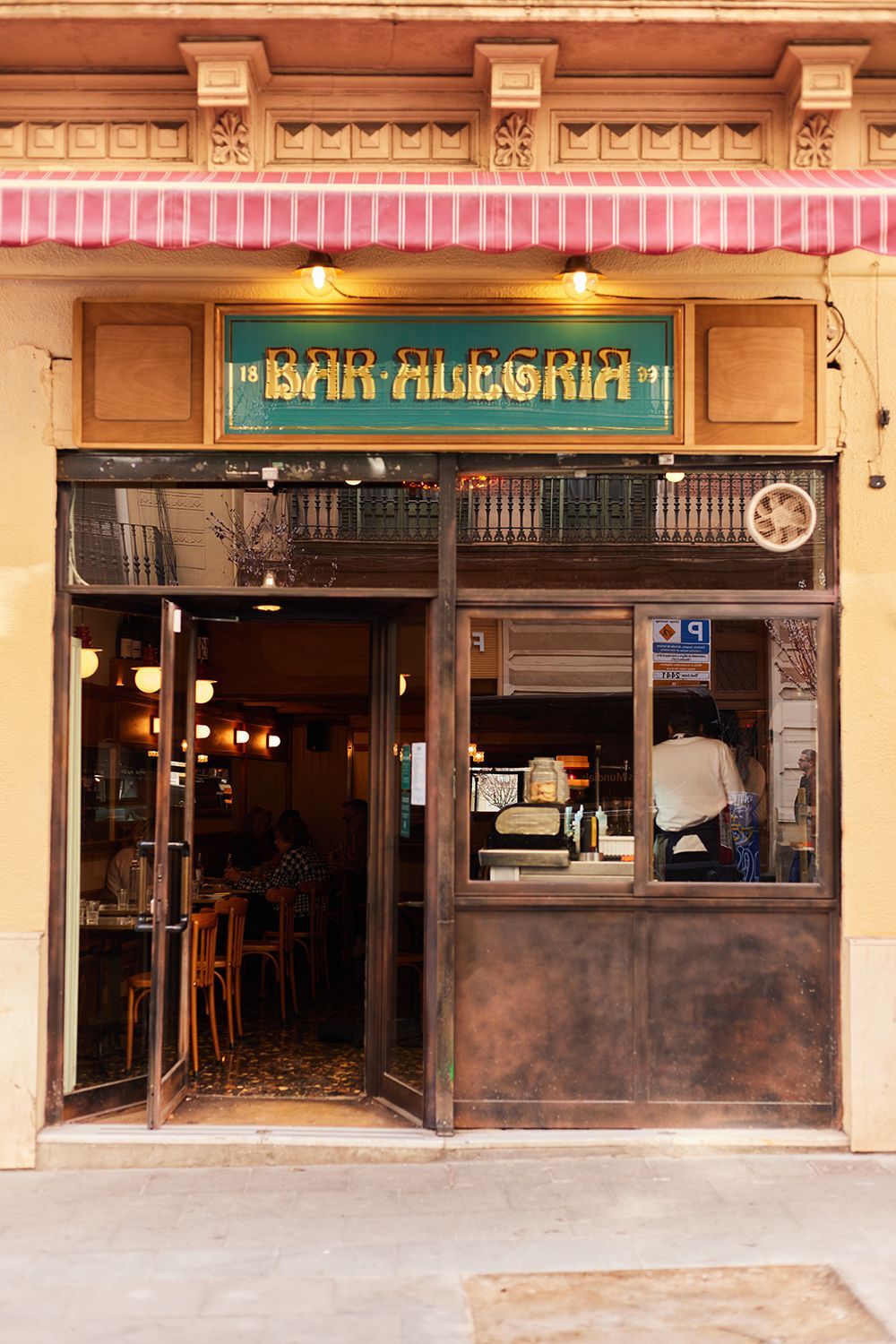
Rather than replicating the first restaurant, the new Bar Alegría adapts its essence to the character of Gràcia, integrating itself into its everyday rhythm and its particular way of understanding food and community.
“The new Bar Alegría adapts its essence to the character of Gràcia.”
From Can Tosca to Bar Alegría: the neighbourhood’s gastronomic memory
The new venue occupies a space full of history. For more than 75 years, the restaurant was Can Tosca, a family-run establishment that formed part of the social landscape of the neighbourhood and left a deep mark on the collective memory of Gràcia.
In its early decades, the restaurant became a meeting place for the neighbourhood’s Romani community, welcoming iconic figures of Spanish popular culture such as El Pescaílla, Lola Flores, Moncho and Peret.
The new stage does not aim to recreate that past or turn it into a museum piece. Instead, the intention is to continue its story from the present, maintaining the spirit of the traditional casa de comidas that always defined the space while expanding its activity towards a contemporary proposal that also includes evening service.
A contemporary casa de comidas
Bar Alegría Gràcia defines itself as a contemporary casa de comidas, a concept rooted in respect for Catalan culinary tradition but expressed through a modern language.
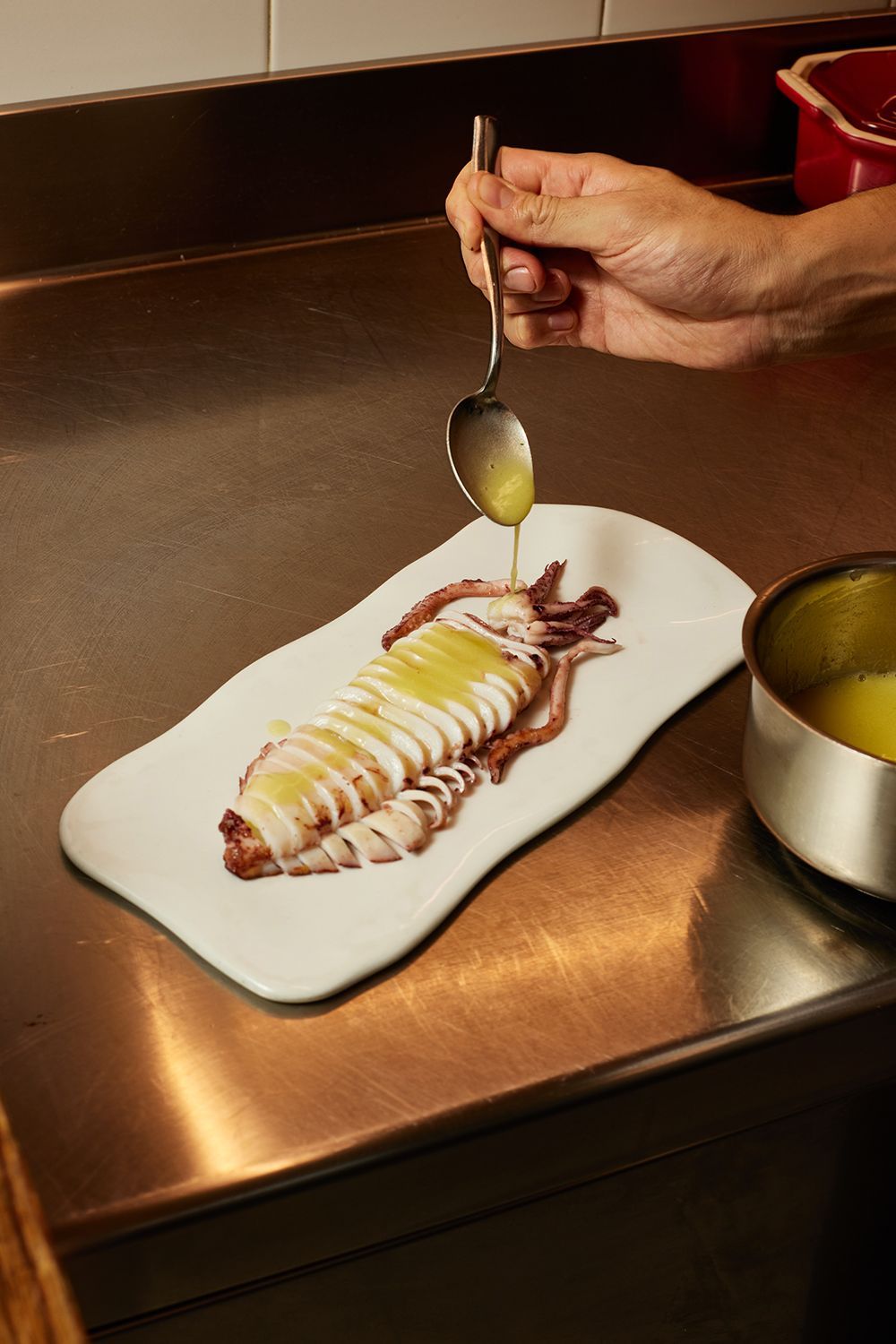
The kitchen revolves around seasonal produce and minimal intervention, allowing ingredients to shine at their best moment.
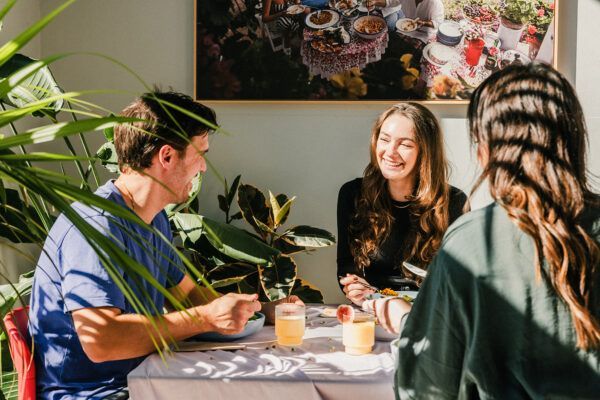
The menu is organised into small plates and half portions designed for sharing, a format that encourages longer meals and turns dining into a collective experience around the table.
This format reflects a deeply Mediterranean way of eating, where gastronomy is not limited to the plate but includes conversation, time and conviviality.
Product-driven cuisine with Catalan identity
The culinary proposal starts from a recognisable base of revisited Catalan cuisine, where the product always occupies the centre of the plate.
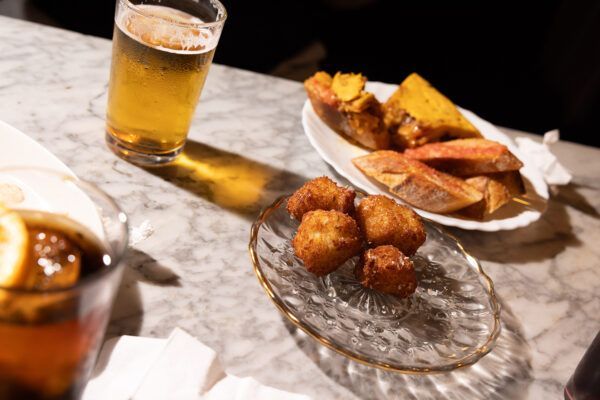
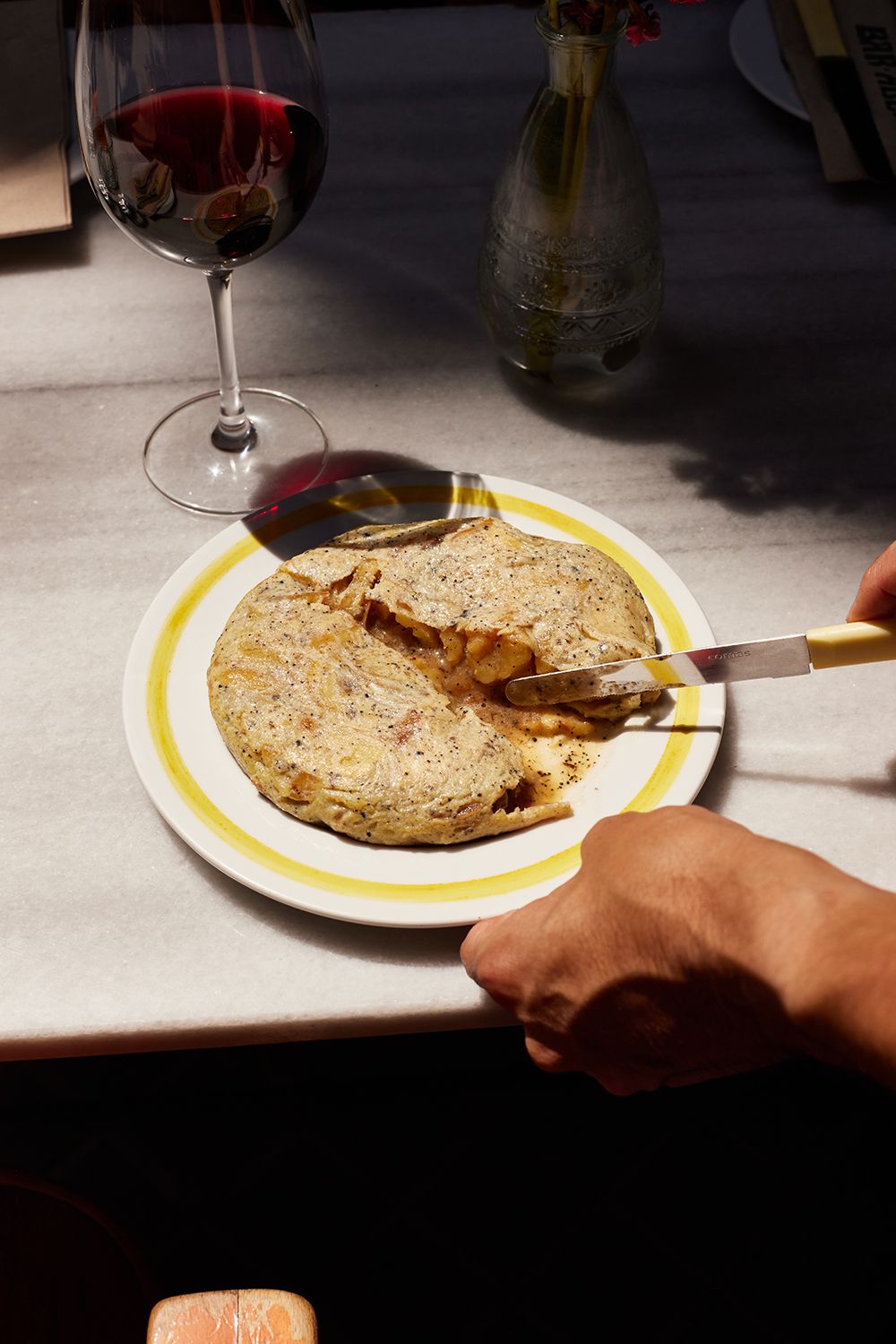
Among the dishes that already define the character of the restaurant is the truffled omelette, served individually with a creamy texture that balances intensity and delicacy.
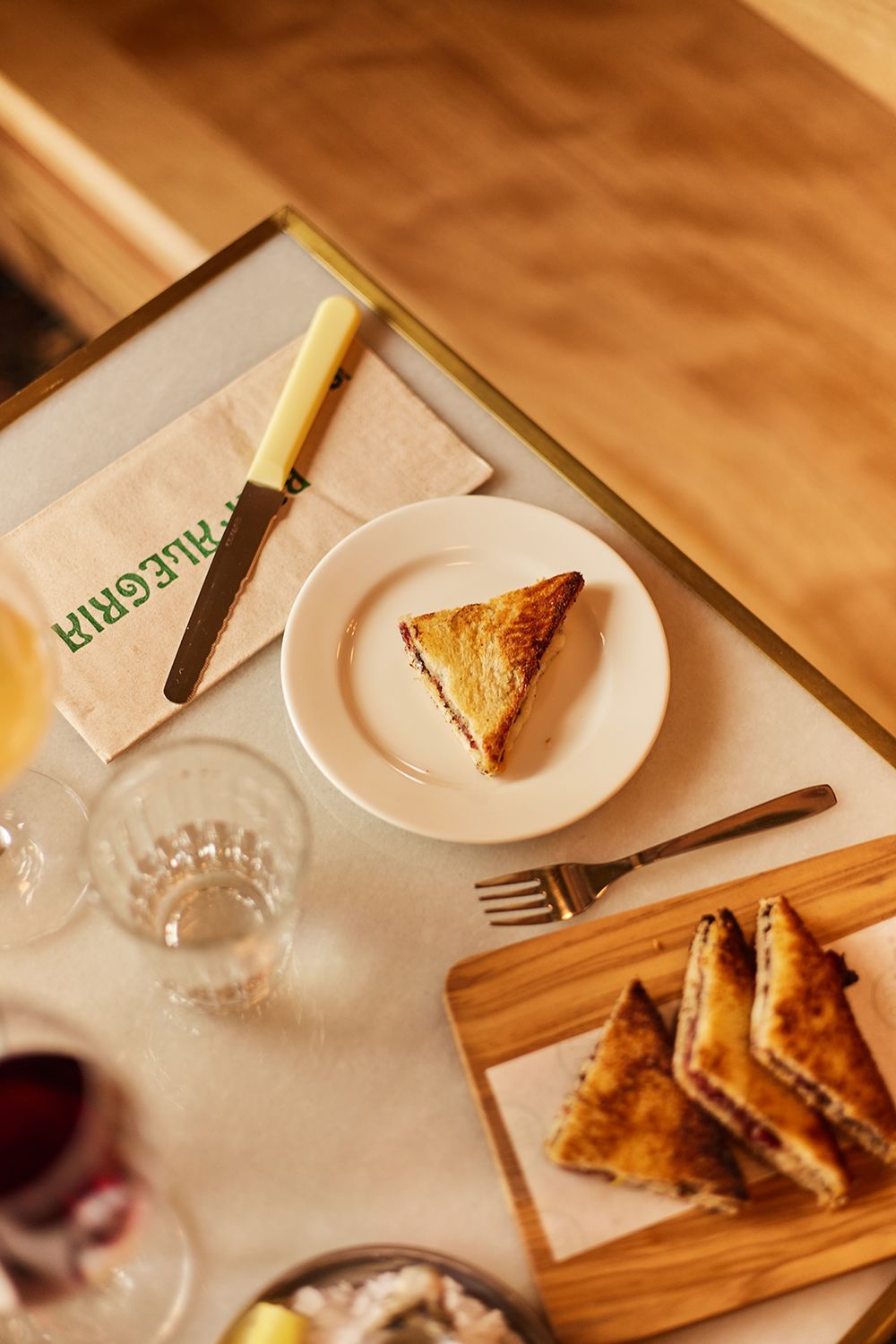
Another highlight is the “bikini of my childhood”, a personal reinterpretation of the classic toasted sandwich prepared with fresh mozzarella, Iberian ham and black truffle, conceived as a family homage.
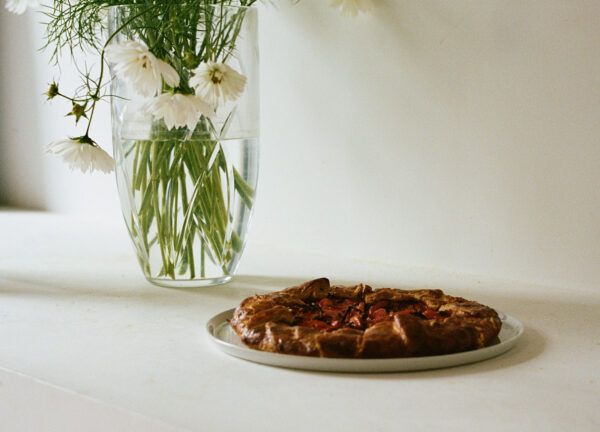
On the sweet side of the menu, diners will find a cheesecake inspired by the famous version from La Viña, served with homemade fig jam, alongside the now well-known “Flantástico”, a small custard dessert that has become one of the project’s most talked-about dishes.
“Among the dishes that already define the house is the truffled omelette.”
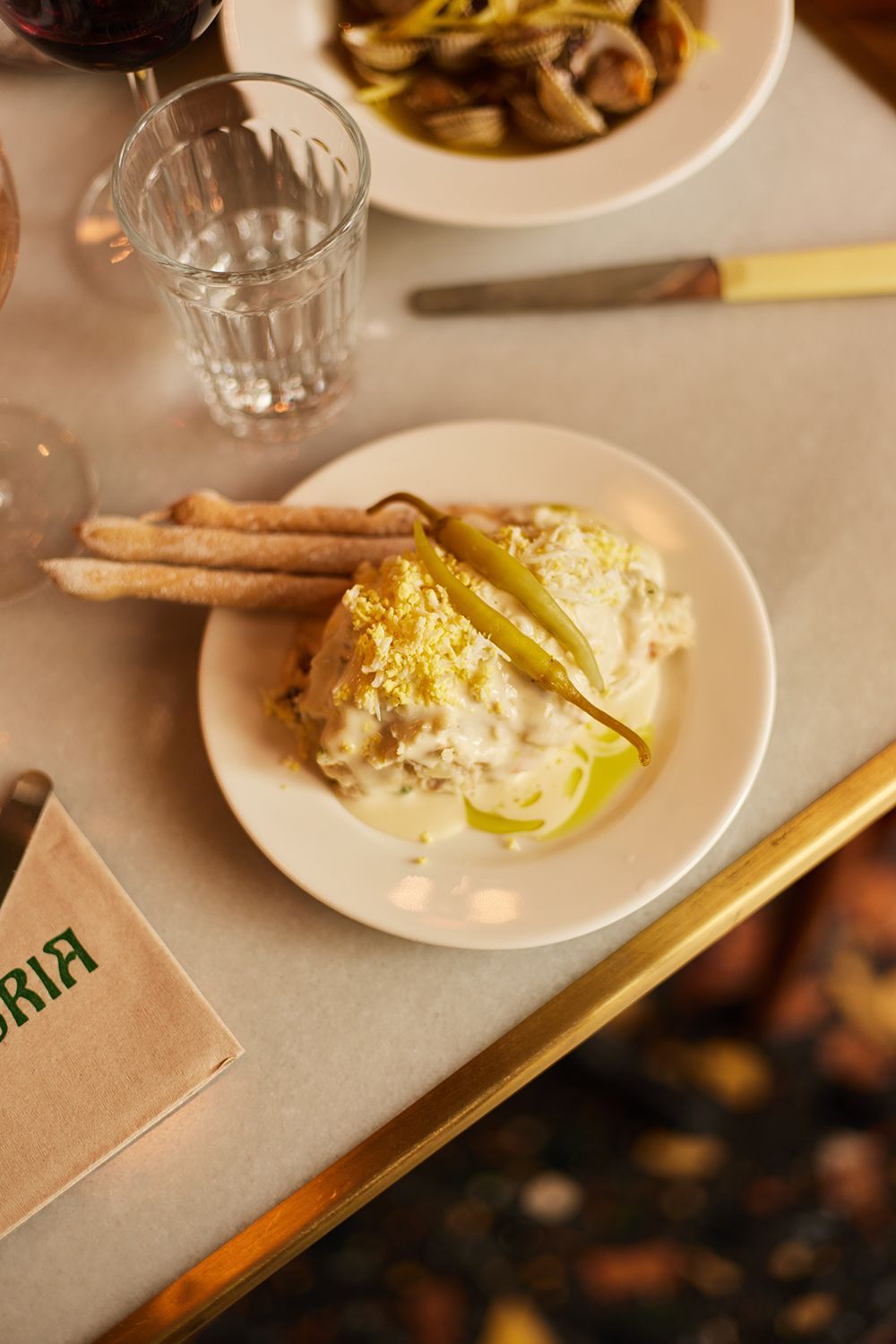
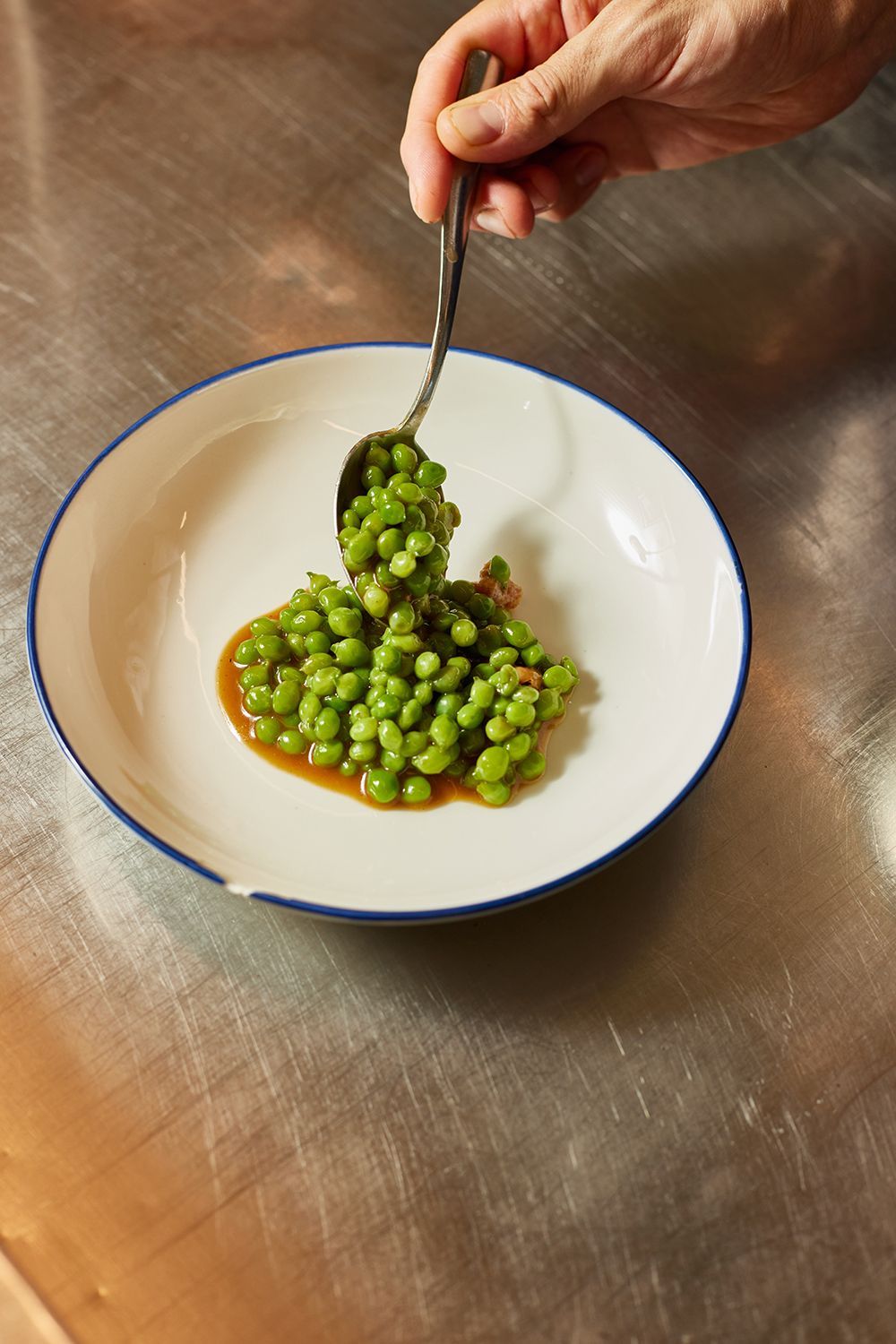
Seasonal produce continues to play a central role in the menu. Examples include Maresme peas with homemade black butifarra prepared by the team, or fried El Prat artichokes with romesco, dishes that reflect a direct connection with the territory and local producers.
Natural wines and drinks with identity
The gastronomic experience is completed with a carefully curated selection of natural wines, vermouths and organic beverages that accompany the philosophy of the restaurant. The drinks list seeks to maintain the same coherence as the kitchen: authentic products, honest production and a selection designed to accompany the relaxed rhythm of the meal.
This commitment to natural wines and less conventional proposals reflects a growing trend in contemporary gastronomy, where wine is no longer merely an accompaniment but an active part of the culinary narrative.
Interior design with history
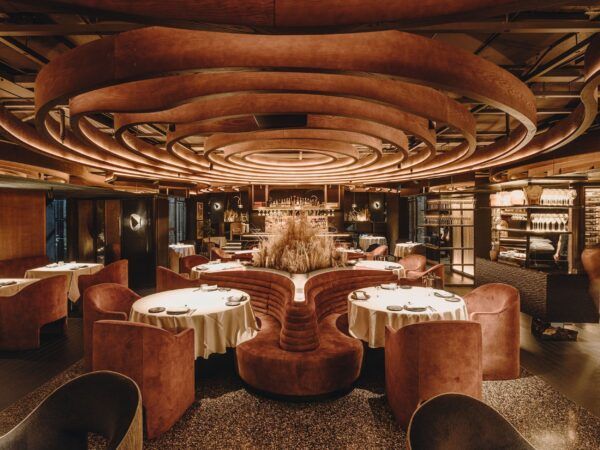
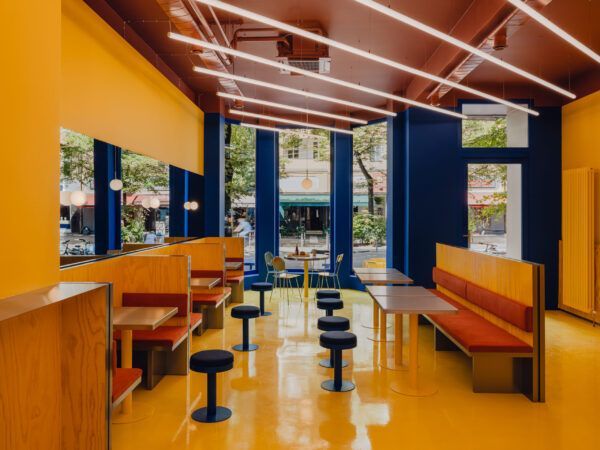
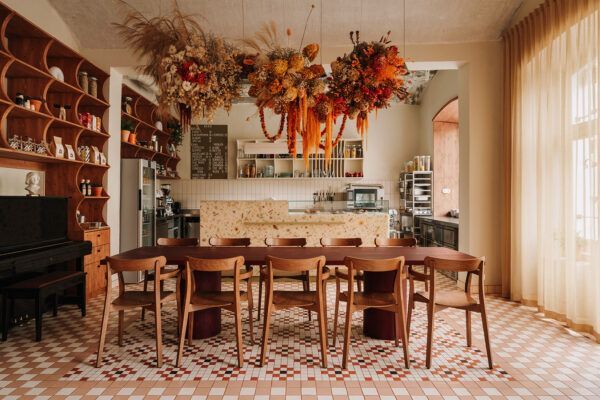
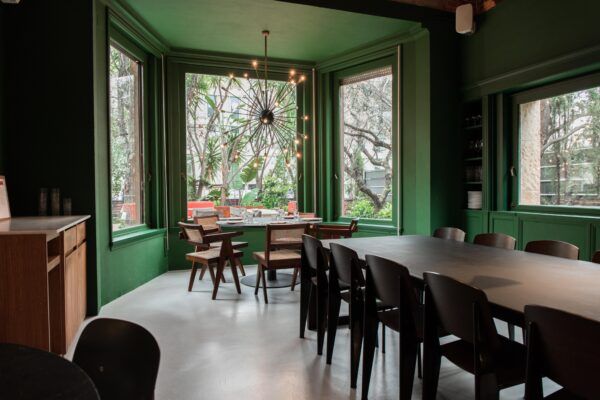
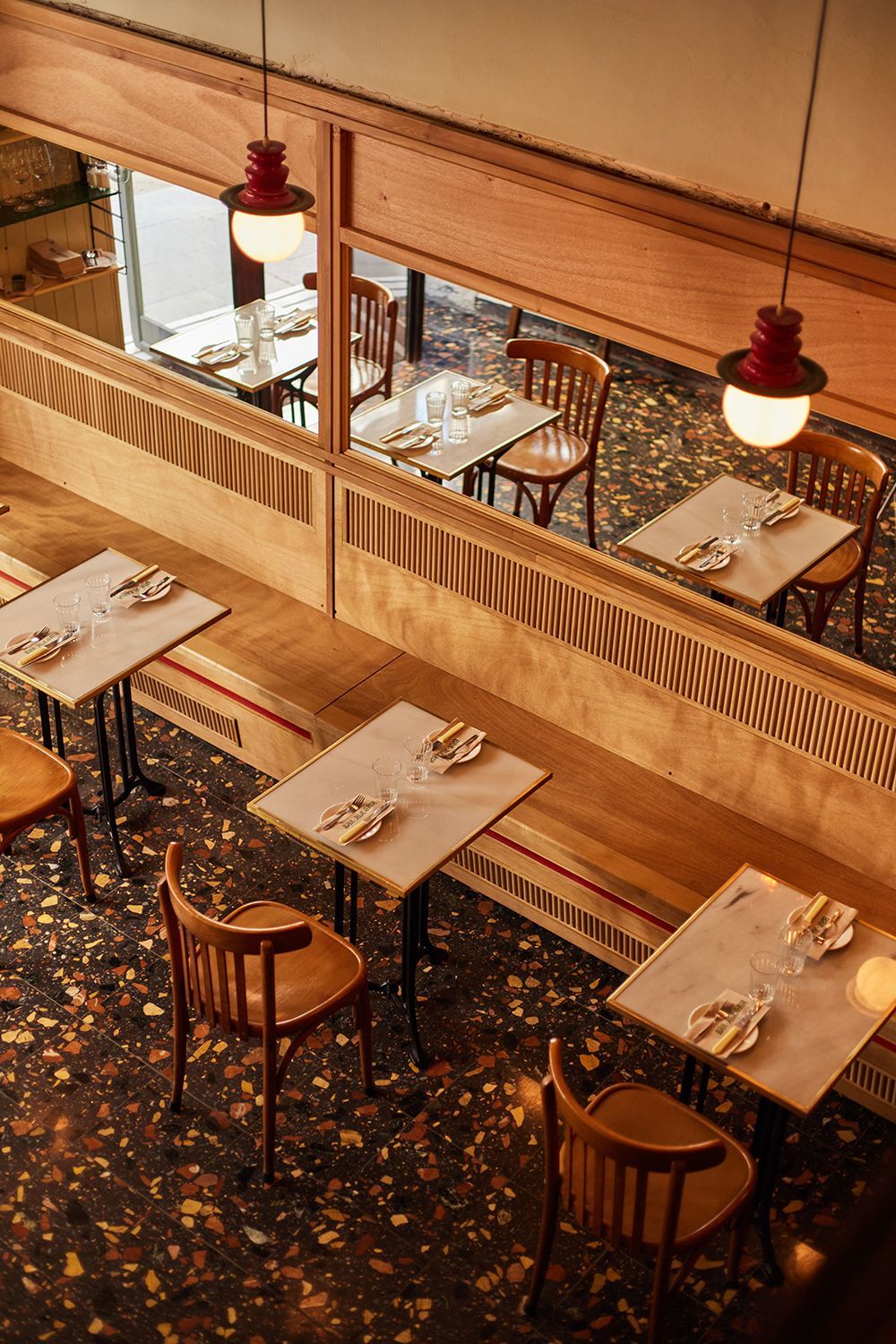
The interior design of the new space has been developed by the Eros studio, also responsible for the design of the first Bar Alegría. The aim wasn’t to radically transform the venue but to work with the existing materials in order to build an atmosphere that preserves the patina of time.
The intervention respects corners, textures and original elements from the former restaurant, creating a sense of continuity with the place’s history. The result is a warm and familiar space where tradition and contemporaneity coexist.
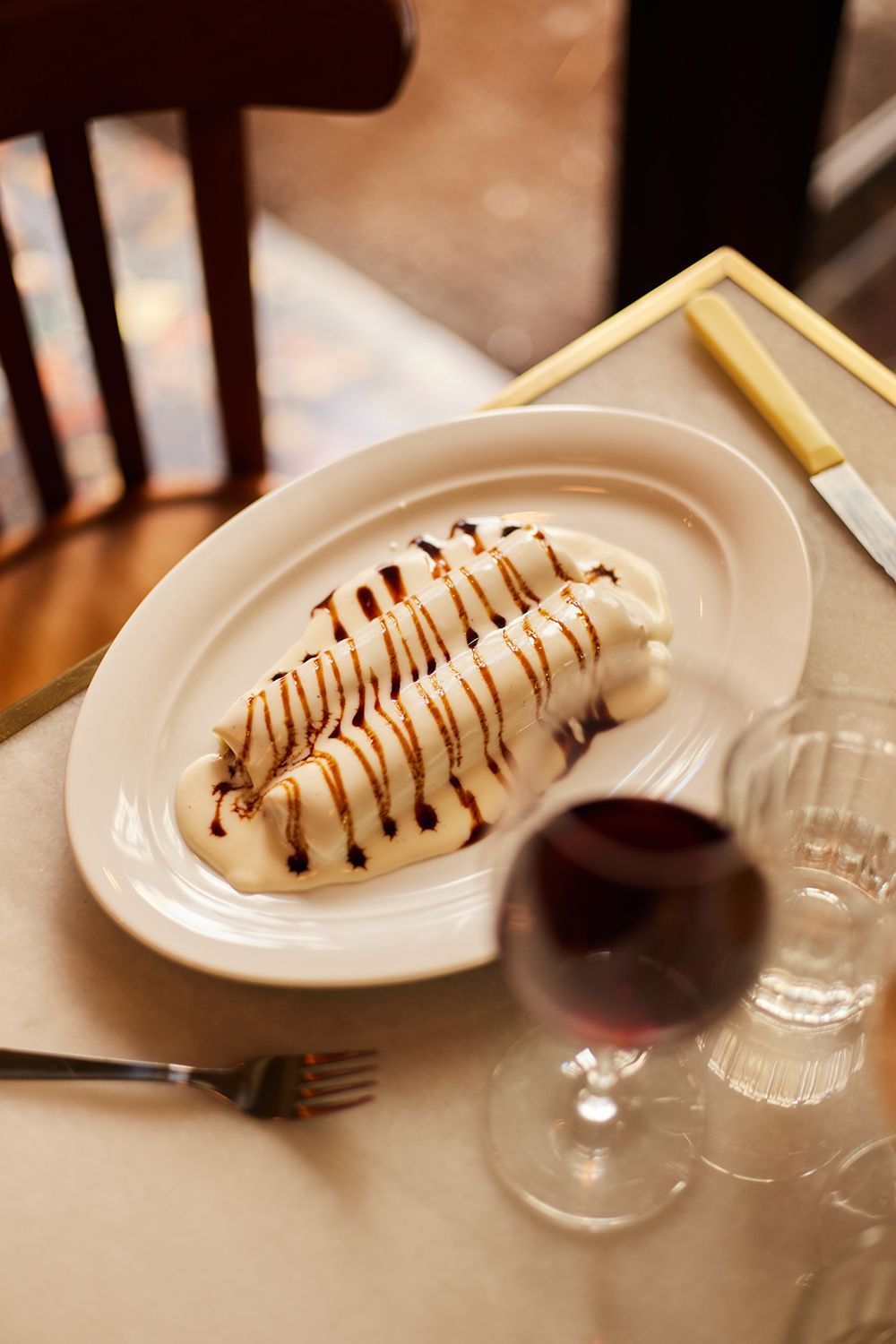
The intention of the team is clear: that anyone entering for the first time feels as if the bar has always been there, forming part of Gràcia’s everyday landscape.
Two neighbourhoods, one philosophy
With the opening of Bar Alegría Gràcia, Tomás Abellán’s project is now established in two of Barcelona’s most emblematic neighbourhoods: Sant Antoni and Gràcia.
“The interior design of the new space has been developed by Eros studio.”
Both share a strong local identity, intense neighbourhood life and a deeply rooted gastronomic culture. In this context, Bar Alegría functions as a bridge between memory and the present, recovering historic spaces and transforming them into contemporary meeting places.
The philosophy of the project remains constant in both locations: respect for product, honest cooking and a direct relationship with the community surrounding the restaurant.
The contemporary neighbourhood bar
In a city where gastronomy evolves constantly, Bar Alegría represents a particular way of understanding the present culinary landscape. The aim is not to surprise with unnecessary theatrics nor to radically reinvent tradition. Instead, the ambition is something more complex and far more interesting: to do well what has always worked.
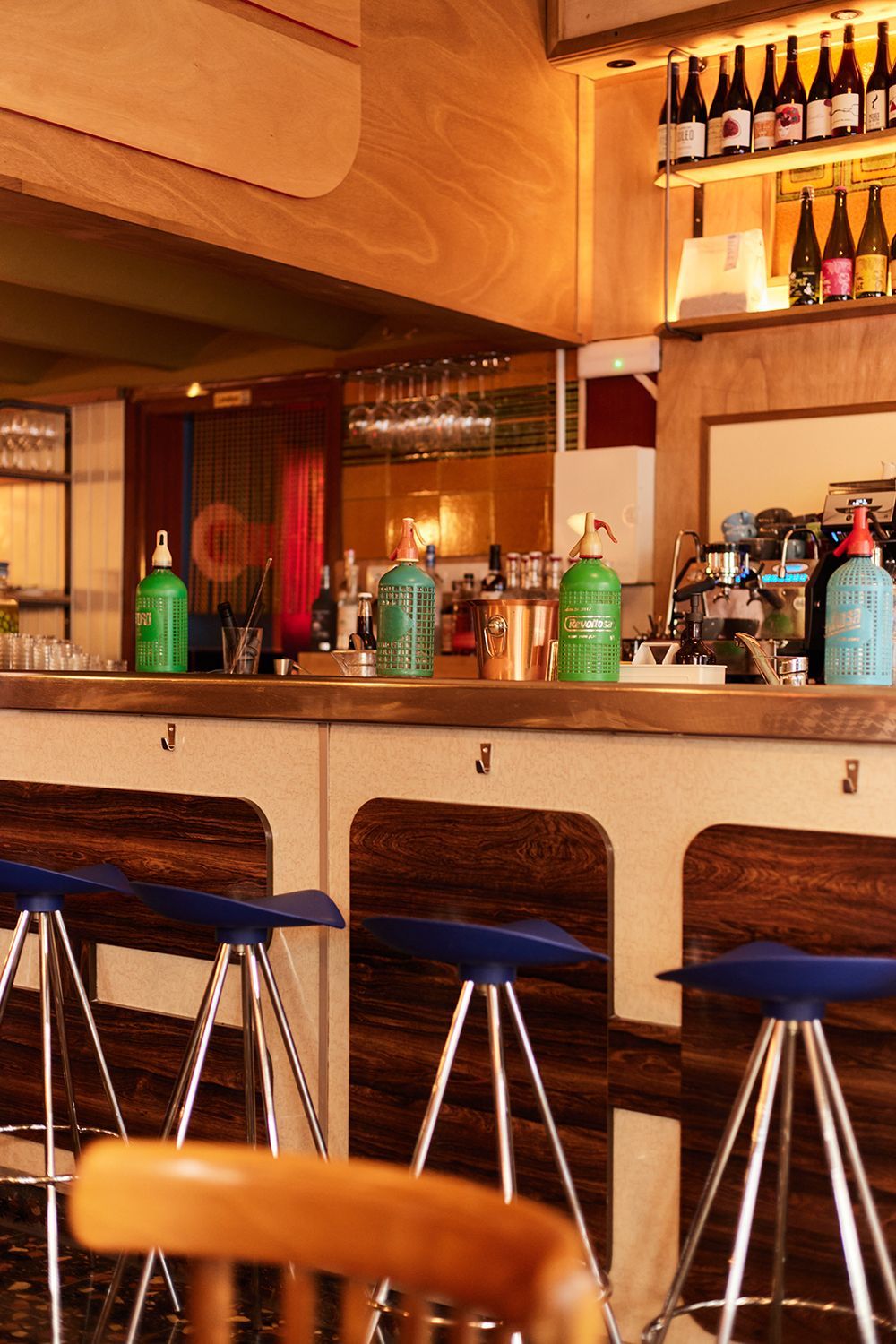
With an average bill of €28–30 per person, the restaurant maintains a balance between quality and accessibility that brings it closer to the idea of the contemporary neighbourhood bar — a place where one can eat well without formality, and where gastronomy naturally blends with everyday life.
“They are not trying to impress with theatrics, but to do well what has always worked.”
(*) Photographs provided by Las Marquesas.