Copenhagen Architecture Biennial 2027: Elements
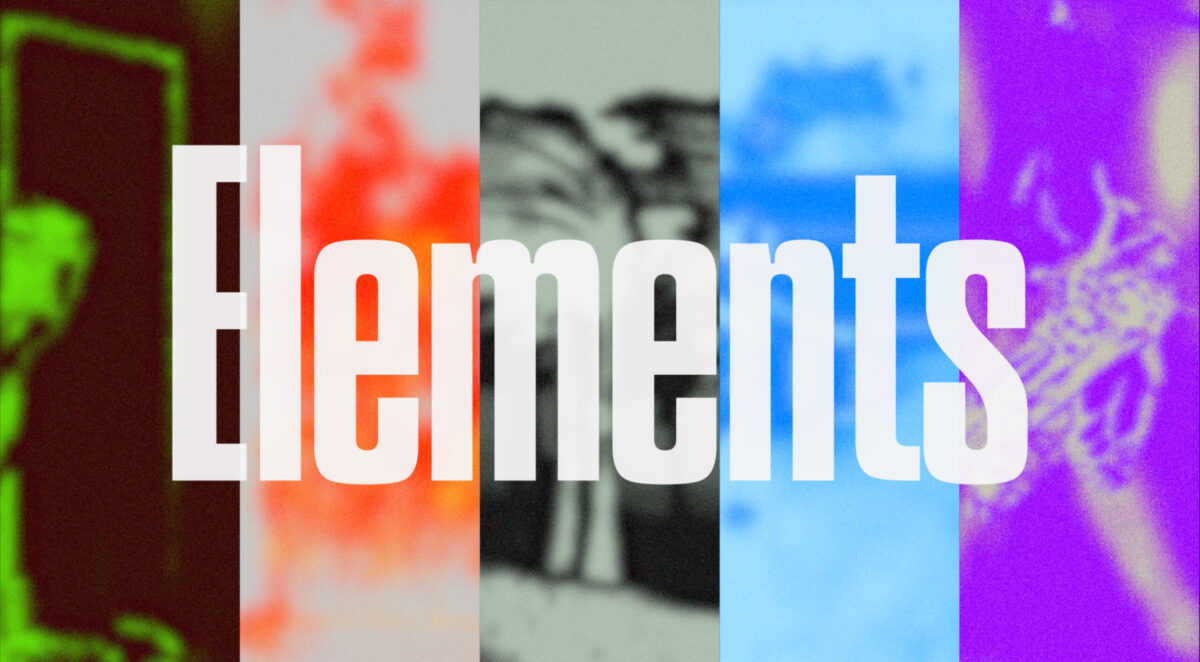
The heat a wall retains as evening falls, the rain a roof collects, or the way timber changes with humidity all tell us something about how we inhabit our surroundings. Although we have grown accustomed to interiors where we barely notice the seasons, we still depend on what happens outside — a relationship that the Copenhagen Architecture Biennial 2027 places at the heart of its second edition. Under the title Elements, the event will return from 9 September to 15 October to explore how to build and live with fire, earth, air and water.
Following Slow Down, the theme of its inaugural edition in 2025, the biennial continues a reflection that concerns both those who design buildings and those of us who inhabit them. After all, deciding how we shelter from the climate also means choosing which resources we use, which landscapes we transform and what we understand by wellbeing.
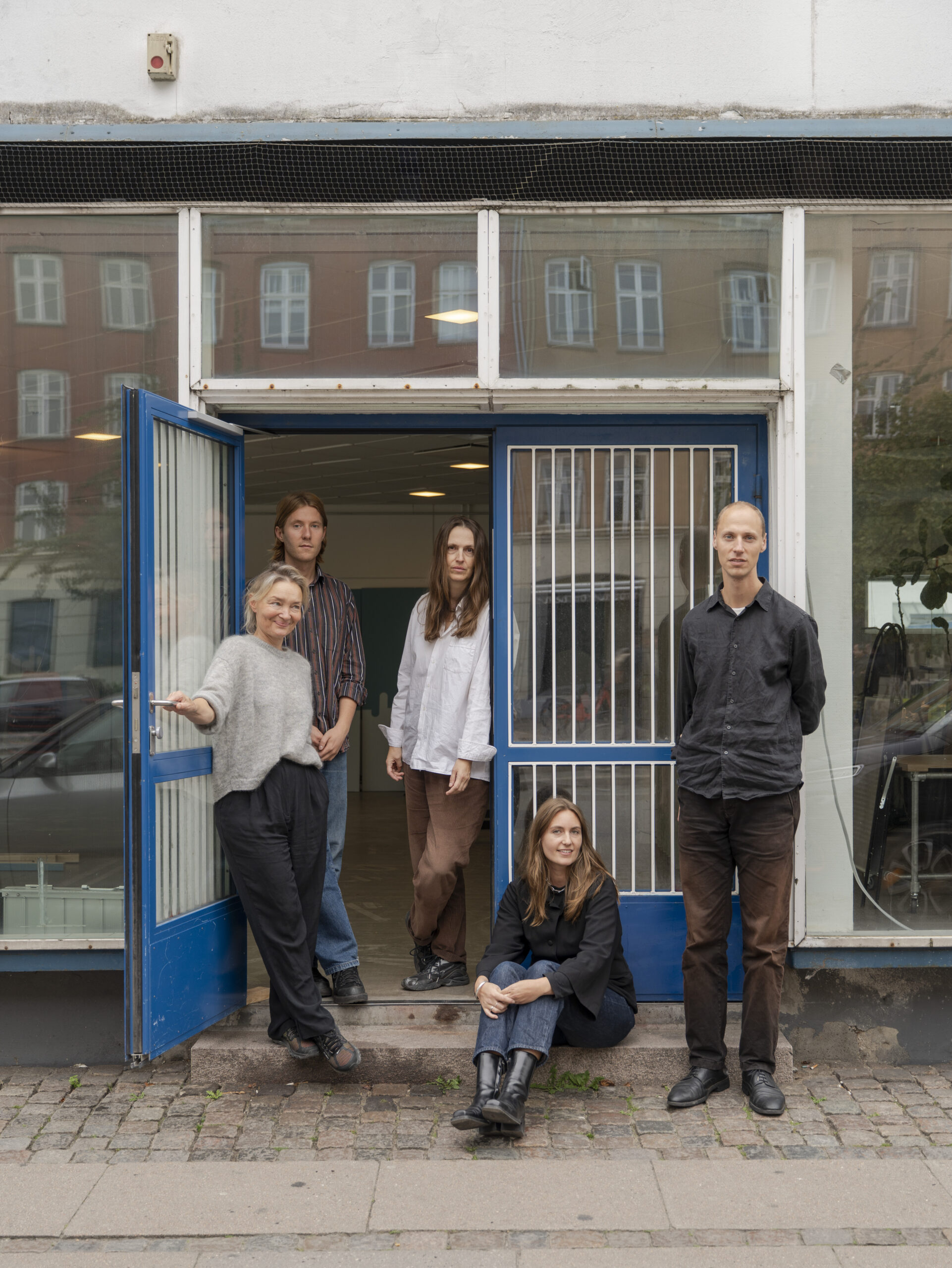
To learn more about the approach behind the forthcoming edition, we spoke to Josephine Michau, the biennial’s director and a member of its curatorial collective, who proposes reconsidering our faith in technological control over our surroundings and restoring a more conscious — and pleasurable — relationship with the elements.
In 2025, the biennial invited architecture to slow its pace with Slow Down. Now, Elements questions its desire for control. How did you move from one theme to the other?
Slowing down was the first step, because it led us to ask what we were trying to escape, and much of the answer had to do with control.
For much of the last century, technology promised to free us from the constraints of climate, geography and materials, and architecture made that promise credible through dry walls, clean air and hot showers. Yet that promise has become unattainable, and also less desirable. Elements takes that questioning further, while Slow Down was the method that brought us here.
Architecture protects us from the elements. At what point does that protection become a problematic attempt to control nature?
Providing shelter is part of a building’s purpose, and I would not want to lose that. The problem begins when we pretend we have ever mastered those forces, rather than designing in recognition of our dependence on them. We have enclosed modern life in a climate-controlled bubble, while the air we heat, the water we pollute and the soil we deplete return with force.
Rather than forcing a building to exist despite its surroundings, using enormous amounts of energy, we should design around that dependence. We can turn to bio-based materials, passive heating systems or approaches such as sponge cities, where wetlands and permeable surfaces absorb heavy rainfall and help replenish aquifers.
What would designing from that dependence on nature look like in practice?
It means moving from an anthropocentric perspective to an ecological one, in which the architect participates in an ecosystem and helps care for it. It also means moving beyond immediate financial returns as the priority to consider sustainability across several generations.
Care can begin with contact: soil on your hands, wind on your skin or a swim in the sea. In practice, we are talking about buildings that can be opened up, repaired and modified, interiors that change with the seasons, and walls that retain the afternoon’s warmth through the night. It also means knowing the mines and forests our materials come from — something we want to explore through the biennial’s public pavilions.
“We propose restoring the body’s relationship with the seasons and the climate of each place.”
How might this openness to the elements change our expectations of comfort?
We have learnt to expect constant comfort, with stable temperatures and no surprises, even though that climate control contributes to global warming and to an inequality in which some enjoy comfort at the expense of others.
We propose restoring the body’s relationship with the seasons and the climate of each place, something that can also awaken new desires. We see it in people queuing for a sauna, swimming in the harbour in winter or cooking over a fire. I am not advocating discomfort for its own sake, but a broader understanding of comfort that leaves room for time and a degree of friction; perhaps post-comfort is a more appropriate term.
The biennial asks who is protected and who is left exposed. How can architecture respond to climate inequality without turning protection into a luxury?
That bubble has never been shared equitably, and we must recognise that negotiating with the elements is never neutral. We are wary of two easy answers: escaping through increasingly opulent forms of protection, or relying solely on regulation.
We are looking for a third way that allows us to live well within limits, and protection should not be a privilege. This is why our Assemble! symposium focuses on regulation, alongside practices and research that can help inform it.
You also ask what we should preserve and what we can allow to disappear. What does architecture gain by accepting impermanence?
It gains a more honest relationship with time, because metal darkens, stone stains and plaster cracks, so they need care. A building that has been repaired, transformed and weathered is also a building someone has cared for.
Accepting impermanence means designing for repair and transformation, as well as making conscious decisions about what we protect and what we let go, rather than leaving it to chance.
Beyond their poetic associations, how do fire, earth, air and water become tools for rethinking architecture?
They become questions a designer can act on: what to admit, what to resist, and what to store, filter, shade, drain, seal or release. These are practical verbs that determine how a wall retains heat, how a roof manages rain and where materials come from.
“A building that has been repaired, transformed and weathered is also a building someone has cared for.”
The four exhibitions will follow that same logic to explore how architecture harnesses these forces, how they shape it and, above all, how it depends on them.
What regulatory changes could encourage that relationship?
Pioneers can demonstrate what works, but only rules can make it standard practice. Assemble! 2027 will delve into the structures governing how cities build, extract and consume, bringing innovative examples together with decision-makers.
One possibility would be to make extended producer responsibility standard practice, treating materials as a service and buildings as places where they are stored until they are used again. This encourages producers or owners to extend their lifespan through better design decisions and material choices, although culture and a lack of knowledge also hold back the transition.
“Assemble! 2027 will delve into the structures governing how cities build, extract and consume.”
How does Elements sit within Copenhagen’s reputation as a leading example of sustainable urbanism?
I would say it builds on that reputation to move things forward, because Copenhagen has made real progress. Yet even an exemplary city can still be trying to manage nature, and sustainability can become another form of optimisation.
Furthermore, if we look at the global impact of our consumption, contradictions emerge around the preference for building anew rather than making use of what already exists, high-emission lifestyles and dependence on imported forest biomass. Elements asks whether we can move towards a coexistence with the elements that embraces repair and a degree of discomfort.
The curatorial approach speaks of happiness, rituals and care. What role can pleasure and beauty play in the face of the climate crisis?
A central one, because fear does not build a shared future. Climate change has made it impossible to ignore heat, water, air and soil as sources of risk, but there is also a growing desire to come into contact with them.
Elements starts from that duality and asks how the forces we fear can become sources of happiness, rituals and care. When responsible architecture is also pleasurable to inhabit, it enriches everyday life and the common good, and people want to live that way, because beauty is part of how change spreads.
A biennial for experimenting with other ways of living
The programme will centre on four major exhibitions at different institutions across Copenhagen, where Danish and international practices, artists and researchers will address each of the elements. These will be accompanied by new public pavilions and the Assemble! symposium, scheduled for 8–10 September, which will focus on the policies and regulations that shape construction.
“Elements asks how the forces we fear can become sources of happiness, rituals and care.”
With activities in the cultural district and more than sixty partner venues, the biennial will bring these questions into the city. Its approach opens up a conversation about materials and legislation, but also about something as immediate as the pleasure of feeling the air on your skin or living in a building that ages well.
(*) Comments by Josephine Michau. Images supplied by the Copenhagen Architecture Biennial 2027.