Arcade Covent Garden: London’s new food hall
Arcade’s third location arrives in Covent Garden with new dining concepts, a listening bar and a proposal that reflects how the way we eat in major cities is changing.
For years, Covent Garden has been one of London’s most visited neighbourhoods. Its historic streets, theatres, markets and endless flow of tourists have made it one of the city’s key hubs. Yet, gastronomically speaking, the area has not always managed to escape predictable offerings aimed at a broad audience. The arrival of Arcade Covent Garden seems set to shift that balance.
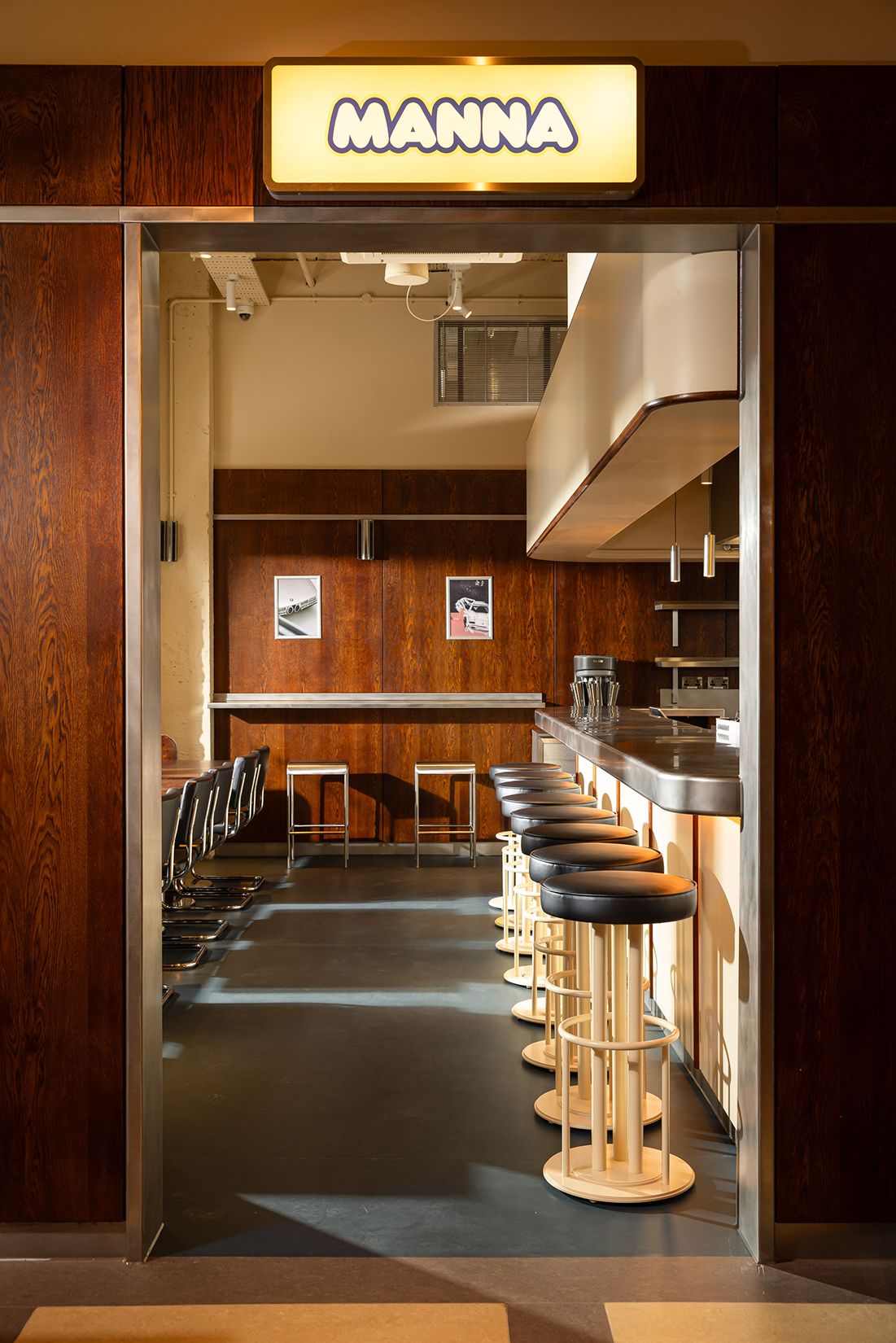
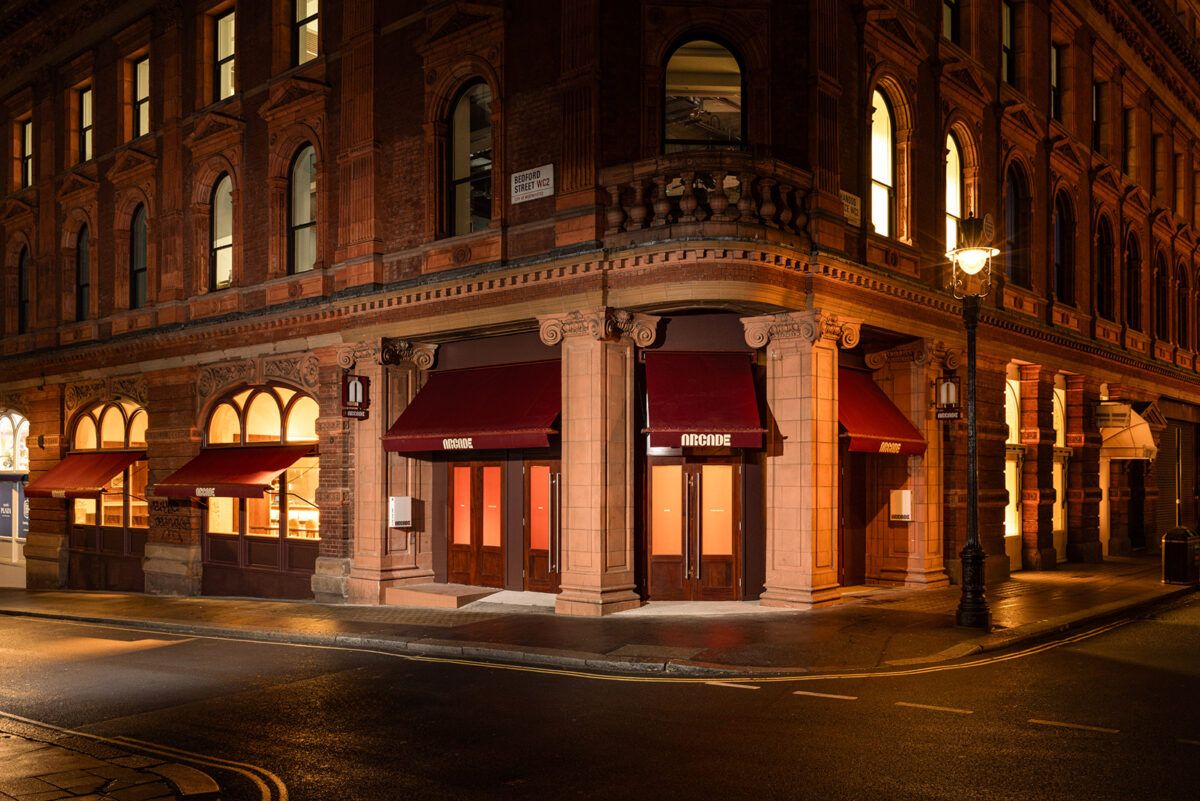
The project, which opened on 15 May on Bedford Street, marks Arcade’s third London location following the success of its spaces at Tottenham Court Road and Battersea Power Station. However, to describe this opening simply as a new food hall would be to miss the point.
What makes Arcade interesting is not only the combination of different cuisines under one roof, but the way it interprets an increasingly relevant phenomenon in major capitals: the transformation of gastronomic spaces into cultural platforms.
More than a food hall
The recent history of urban dining has shown that consumers are looking for more than good food. The experience, the identity of the space and the possibility of discovering new concepts have become just as important as the menu itself.
Arcade has understood this evolution from the beginning. Its model combines chef-led food brands, contemporary design, music and programming designed to foster community. The result sits somewhere between restaurant, food market and social space.
The new Covent Garden location represents the most ambitious expression of that approach to date.
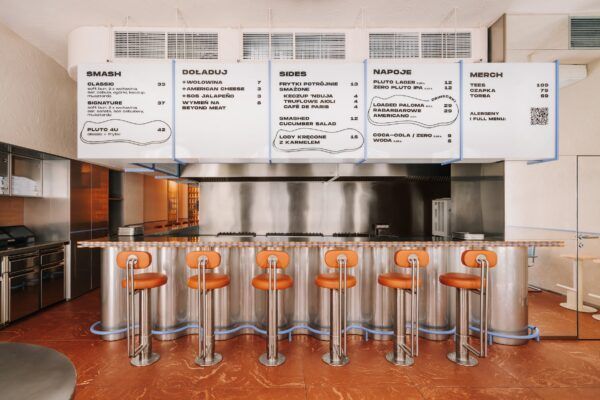
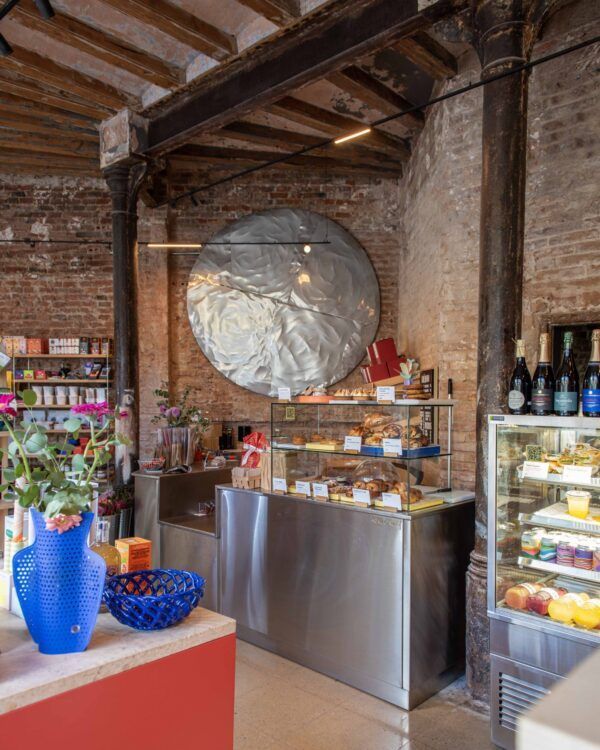
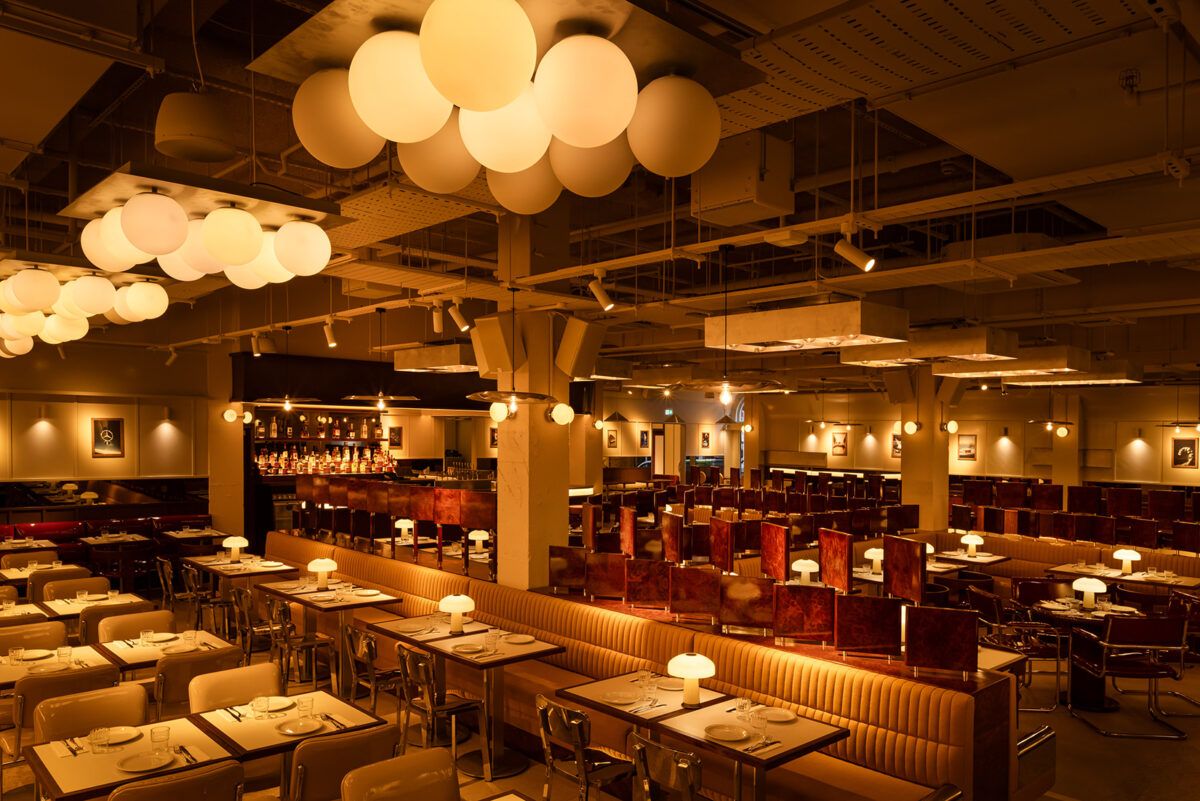
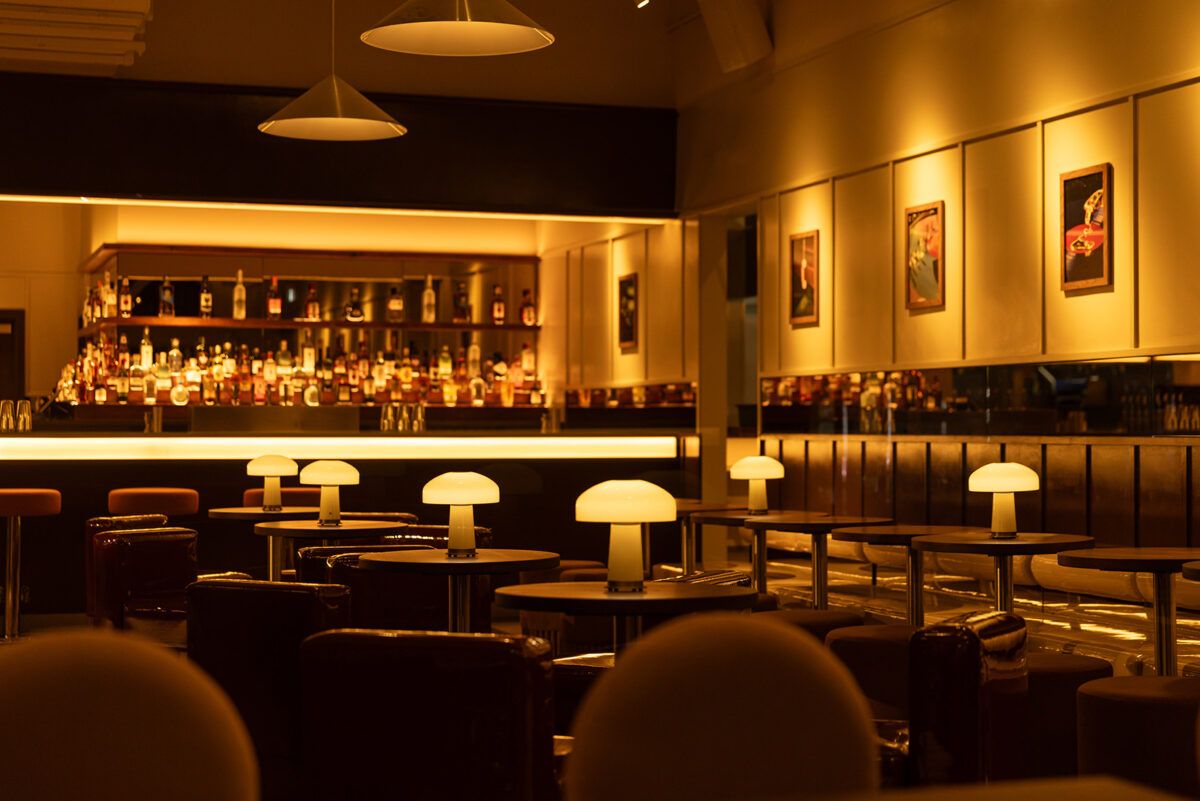
With more than 12,500 square feet and capacity for 385 guests, the space brings together standalone restaurants, open kitchens, a large central dining area, a new coffee and listening bar concept, as well as programming designed to accompany the changing rhythm of day and night.
It is not simply about offering culinary variety, but about creating an environment where different audiences can coexist. Those looking for a quick bite will find one, those who prefer a long dinner with cocktails will be equally catered for, and those who simply want to have a coffee while listening to a carefully curated musical selection will also find their place.
Gastronomy as a cultural journey
One of the most interesting aspects of Arcade Covent Garden is the diversity of influences that shape its gastronomic offer.
Among the concepts already forming part of the project are Solis, the South American grill led by Ana Gonçalves and Zijun Meng; Gracey’s, a pizza joint inspired by New York and New Haven styles; Hero, focused on North Indian street food; and Plaza Khao Gaeng, chef Luke Farrell’s Thai restaurant, which will present a menu specific to this location inspired by Thailand’s deep south.
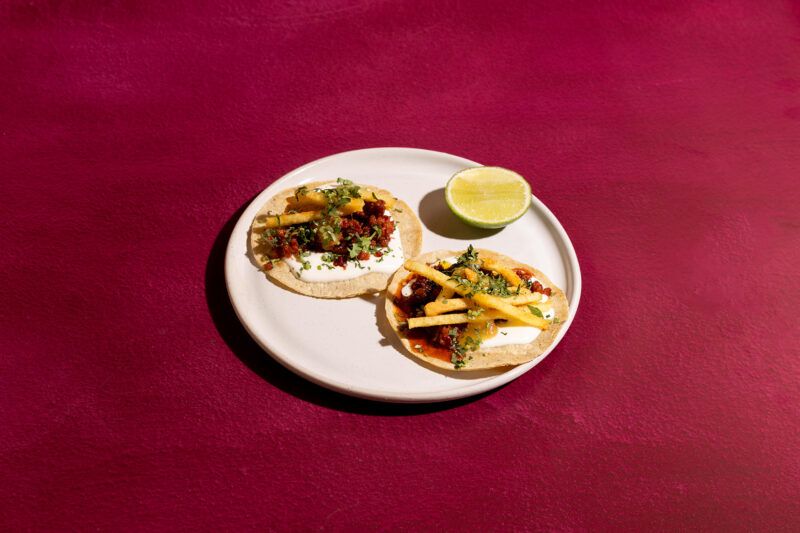
They will be joined by two new standalone restaurants that reflect Arcade’s interest in developing its own concepts rather than simply replicating familiar formats. One will be a Greek-Cypriot taverna led by chef Nick Molyviatis together with restaurateur Barry Karacostas, while the second will offer a contemporary take on the Mexican taqueria.
Beyond the geographical origin of each proposal, what matters is how they coexist within the same space. Arcade doesn’t organise its offer around a specific national or regional narrative, but around the idea of discovery. Visitors can move from Thai cuisine to Indian food, from a smash burger to a Mediterranean dish, without leaving the same table.
The rise of hybrid spaces
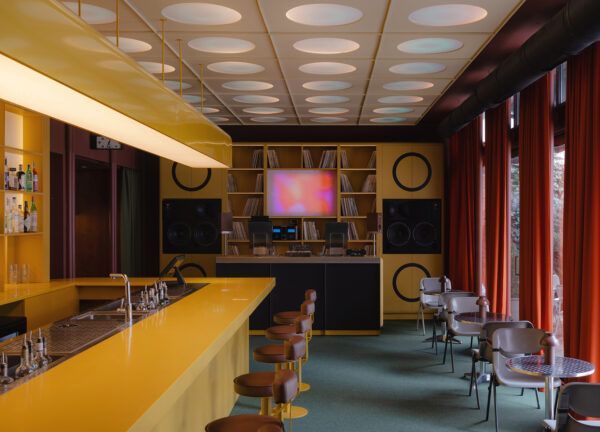
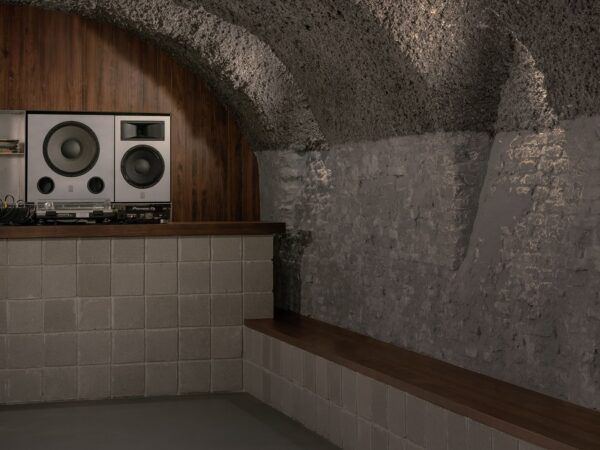
One of the elements that best sums up the project’s philosophy is Studio Coffee, a concept developed with acclaimed bartender Rich Woods.
Defined as a coffee shop and listening bar, the space responds to a trend that is becoming increasingly visible in cities such as London, New York and Tokyo: the emergence of hybrid places where the boundaries between gastronomy, culture and leisure are increasingly blurred.
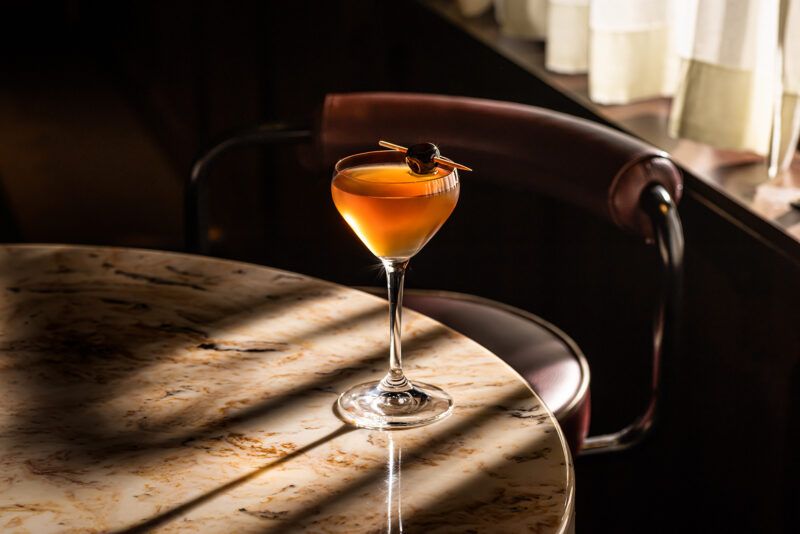
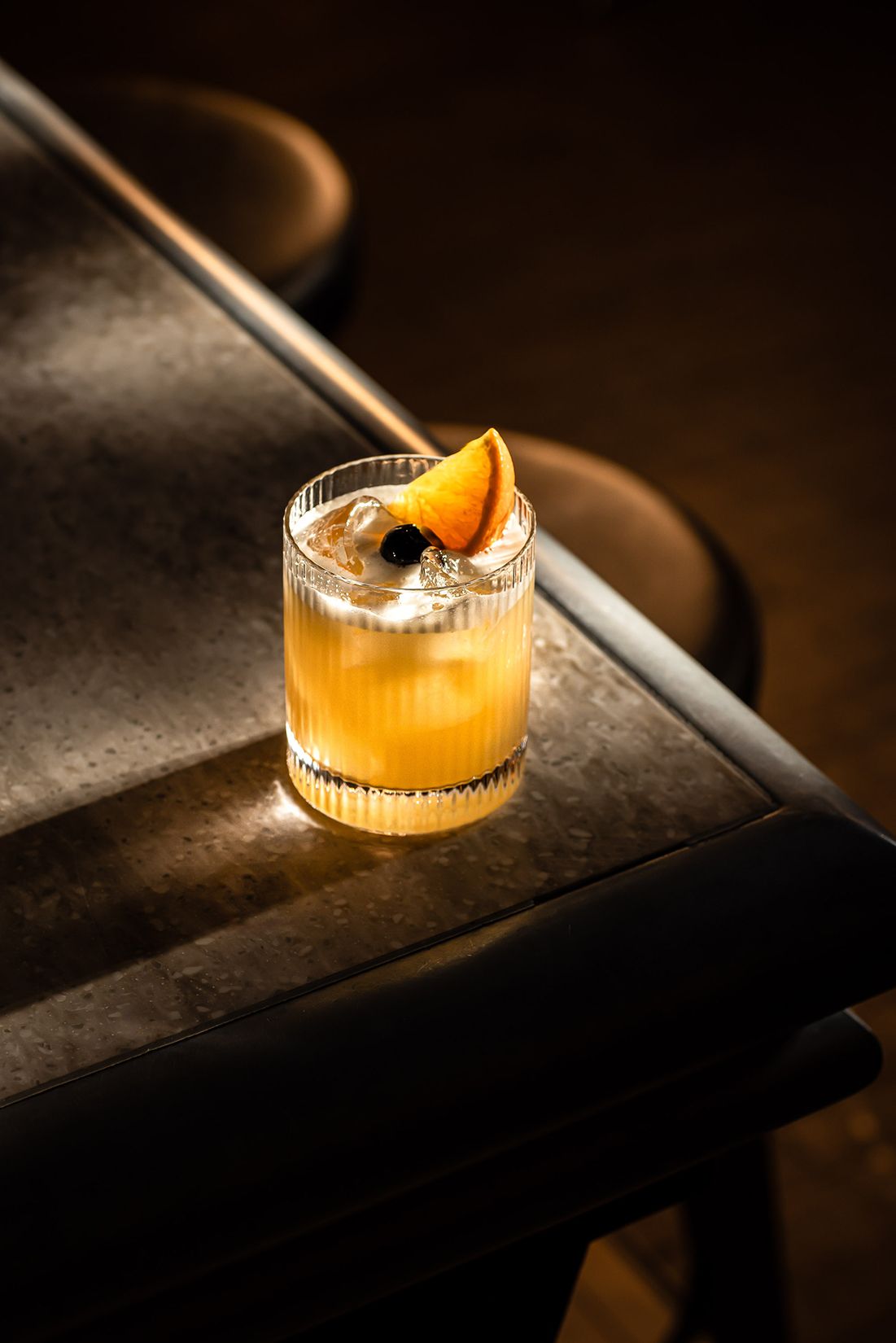
By day, it will operate as a speciality coffee space, while by night it will evolve into a proposal centred on wines, beers and cocktails. All of this will be accompanied by a carefully curated musical selection and programming designed to encourage conversation and lingering.
The formula connects with a generation of consumers who are no longer looking only for somewhere to eat or drink, but for spaces capable of generating broader and more meaningful experiences.
A building with history
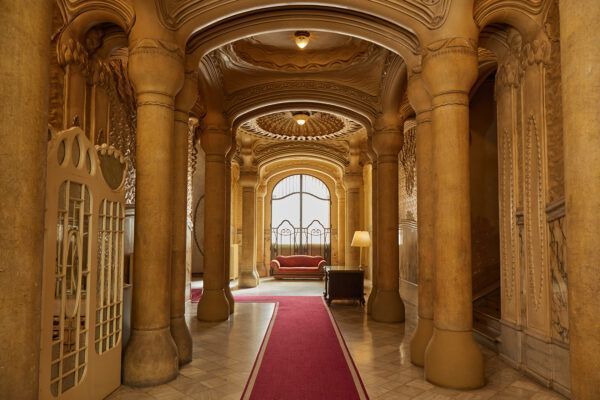
The choice of location is no coincidence either. Arcade Covent Garden occupies a historic building on Bedford Street that previously housed a TGI Fridays restaurant and, long before that, formed part of the area’s industrial and commercial fabric. According to information shared by the project, the building was once a Victorian boot-lace factory and was even linked to Charles Dickens’s early working years.
The architectural intervention has been developed by Red Deer Architects, who have opted for a contemporary aesthetic inspired by the building’s industrial past. Oxblood tones, lacquered surfaces and warm materials coexist with clean lines and a visual language that avoids any historicist recreation.
This approach feels particularly interesting in an area such as Covent Garden, where the tension between heritage and innovation forms part of the neighbourhood’s identity.
Rather than reproducing a nostalgic version of the past, the project uses history as a starting point for building a clearly contemporary experience.

“The architectural intervention has been developed by Red Deer Architects, and draws inspiration from the building’s industrial past.”
The evolution of dining in London
The opening of Arcade Covent Garden also allows us to observe a broader transformation affecting London’s restaurant scene.
For decades, the dominant model was based on individual restaurants developing a single gastronomic proposition. Today, however, many of the most relevant projects function as ecosystems capable of bringing together different concepts under one identity.
This evolution responds to both cultural and economic shifts. Consumers demand variety, flexibility and more dynamic experiences, while operators seek models that allow them to test new ideas, collaborate with emerging chefs and adapt quickly to market trends.
Arcade has placed that logic at the core of its proposal. In fact, some of the concepts present in its spaces are born within Arcade Create, a platform developed to help chefs and creators transform food ideas into brands with growth potential. Projects such as Manna, Hero and Solis have emerged from this model, some of which have already begun their international expansion.
A new chapter for Covent Garden
The arrival of Arcade coincides with a moment of transformation for Covent Garden, a neighbourhood seeking to balance its enormous tourist appeal with proposals capable of attracting Londoners themselves.
In this context, the project doesn’t simply add new restaurants to the area. It also introduces a different way of understanding hospitality: more open, flexible and connected to contemporary urban habits.
Perhaps that is the real reason why the opening is generating so much expectation. Not because London needs another restaurant, but because spaces such as Arcade reflect an increasingly relevant question for today’s cities: how to create places where food remains important, but where the experience goes far beyond what happens on the plate.
(*) Photos by Johnny Stephens, courtesy of Arcade London.