Aethos chooses Shoreditch for its first London Hotel
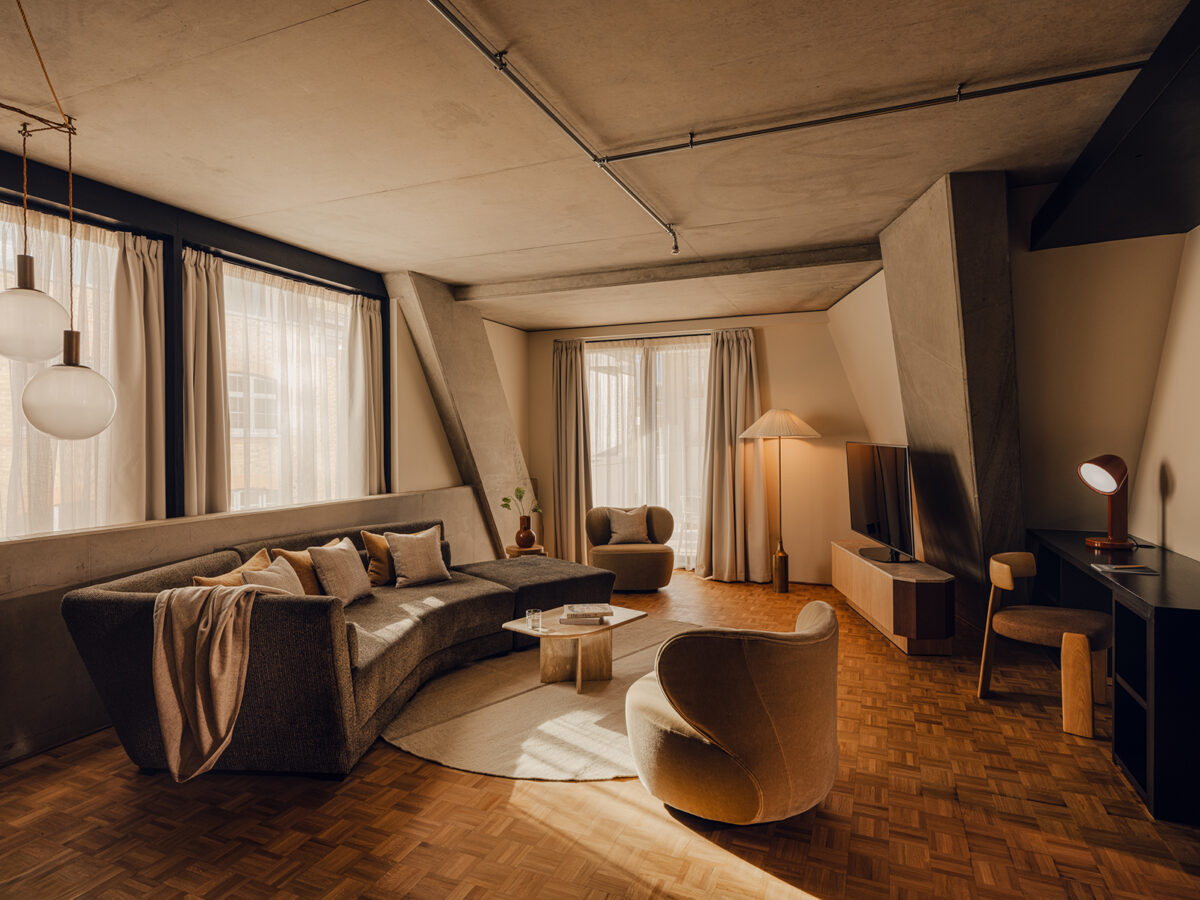
We visited Aethos London Shoreditch, the group’s first hotel in the UK. Set on Willow Street in East London, it has 164 rooms and interiors by Barcelona-based Astet Studio.

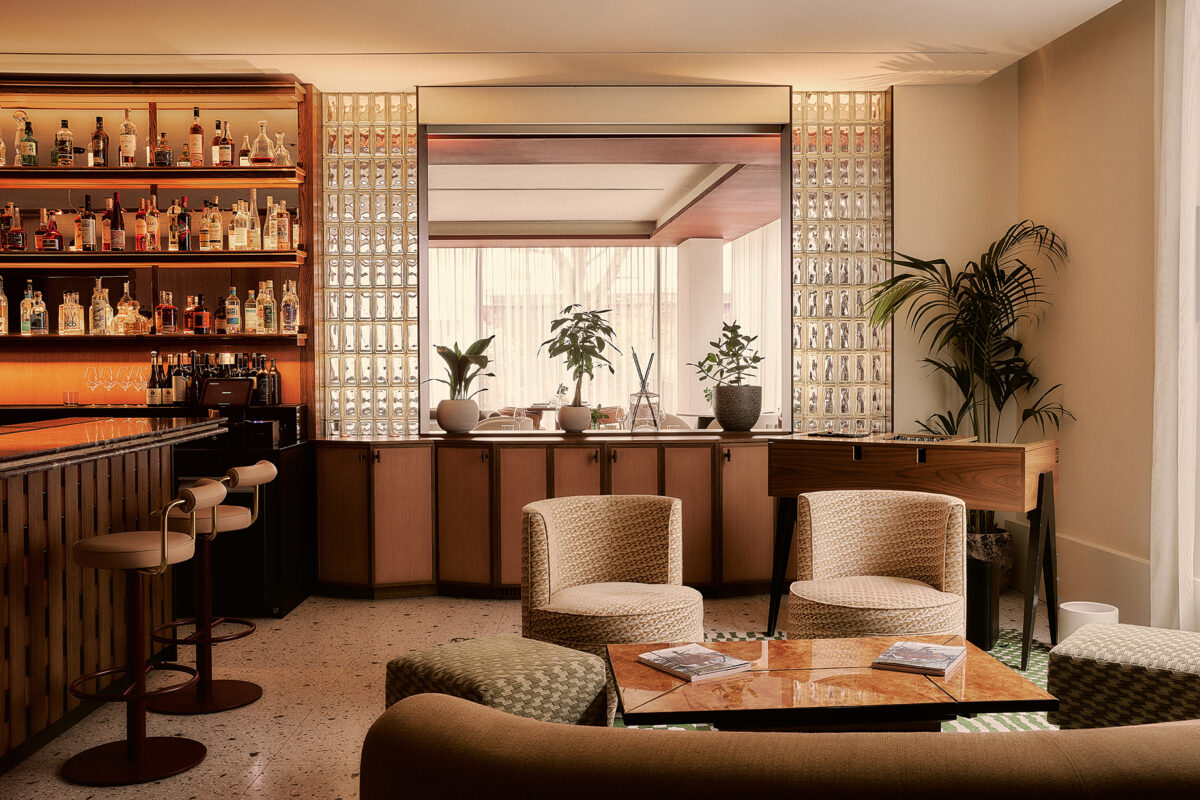
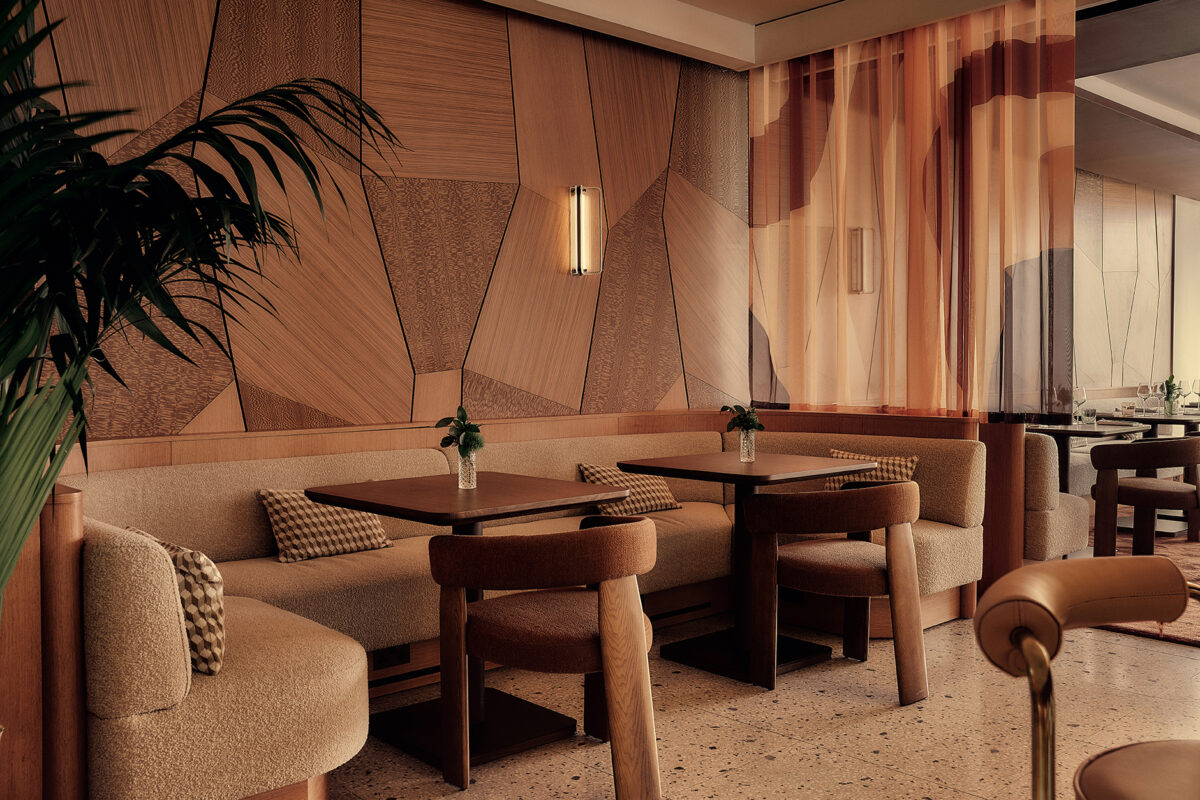
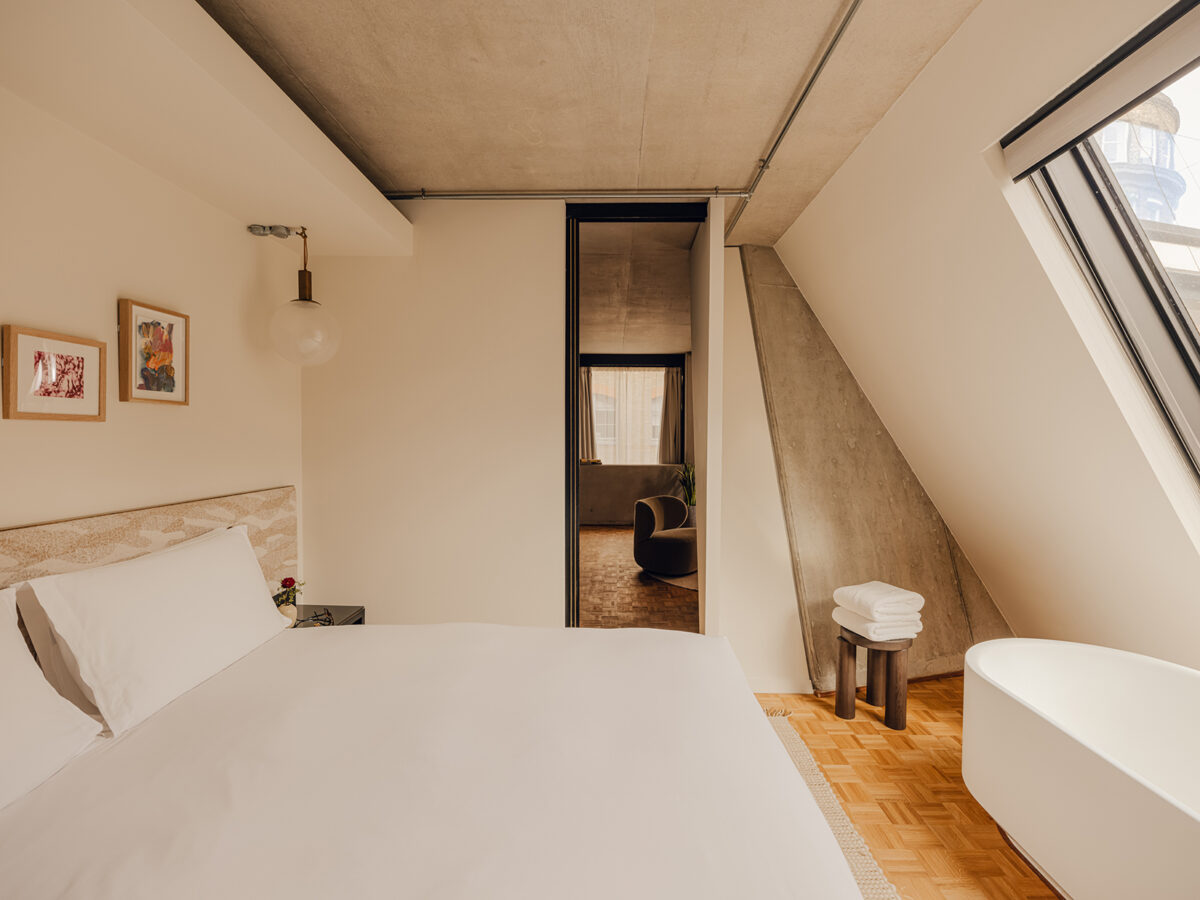
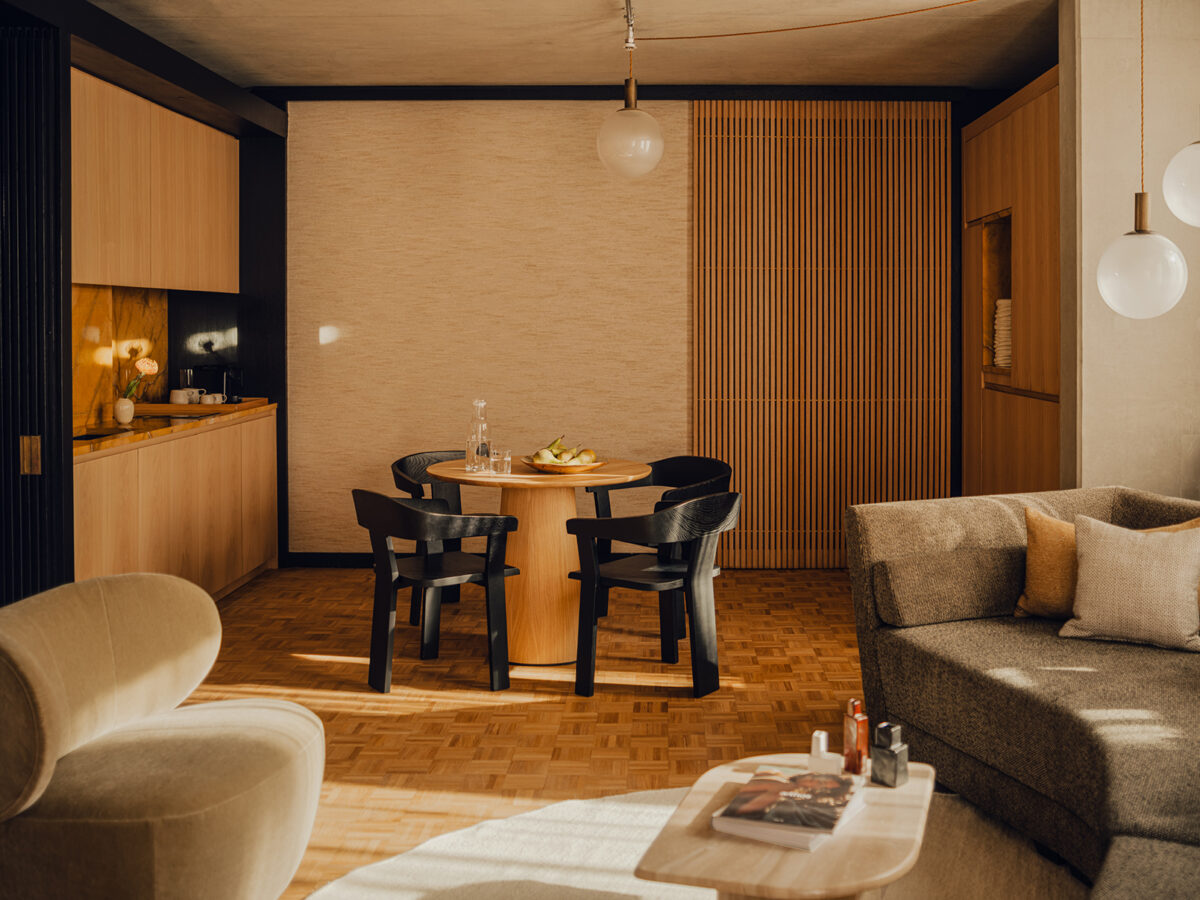
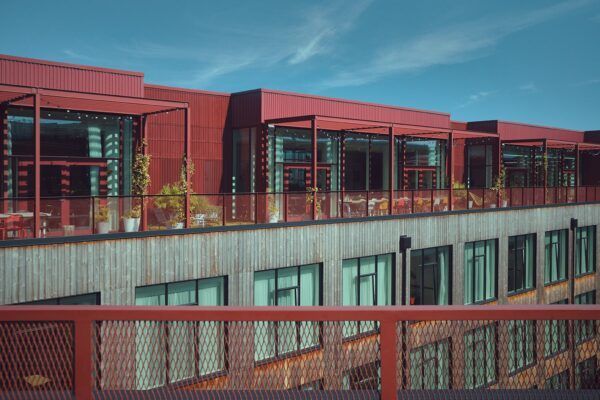
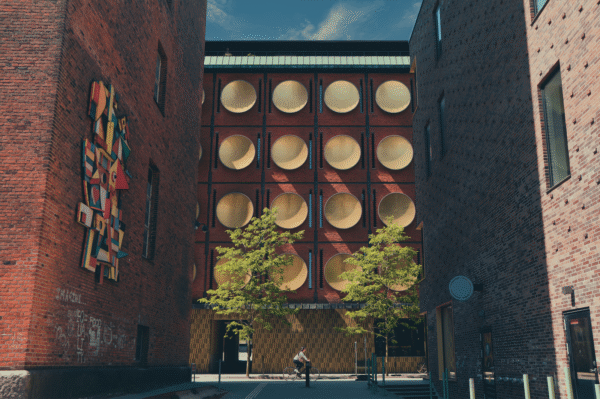
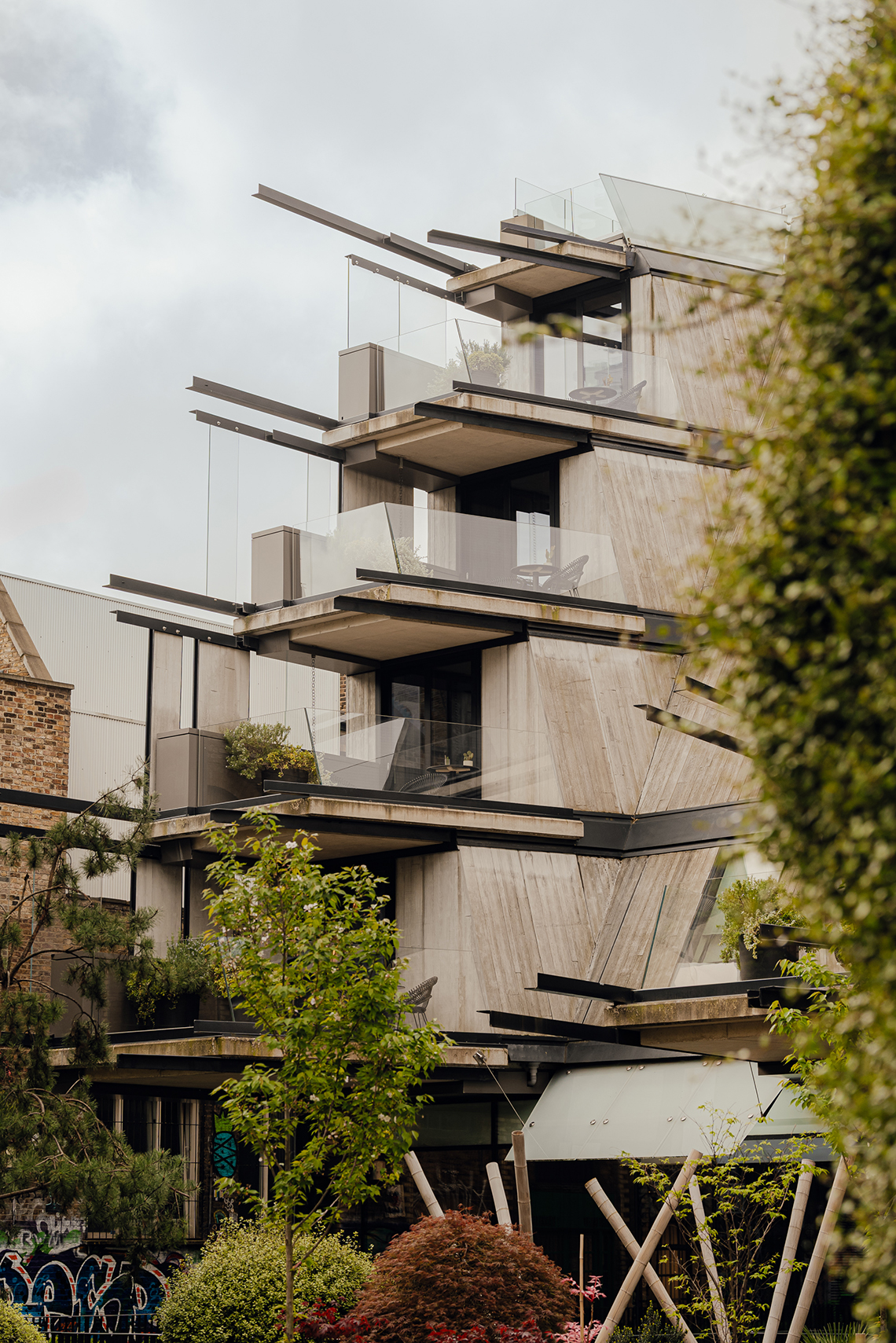
The building opened in 2017 as Nobu Hotel Shoreditch, to an original scheme by Ron Arad Architects that Ben Adams Architects developed and brought to completion. Following Limestone AG’s acquisition of the property in 2025, Aethos chose the address for its first UK hotel.
Founded in 2018, the group already had experience of places as different as Ericeira and Mallorca, but Willow Street presented a peculiarly London proposition. Here was a substantial hotel, with 164 bedrooms, whose architecture was still closely associated with its previous occupant. A change of furniture alone was unlikely to dislodge that memory.
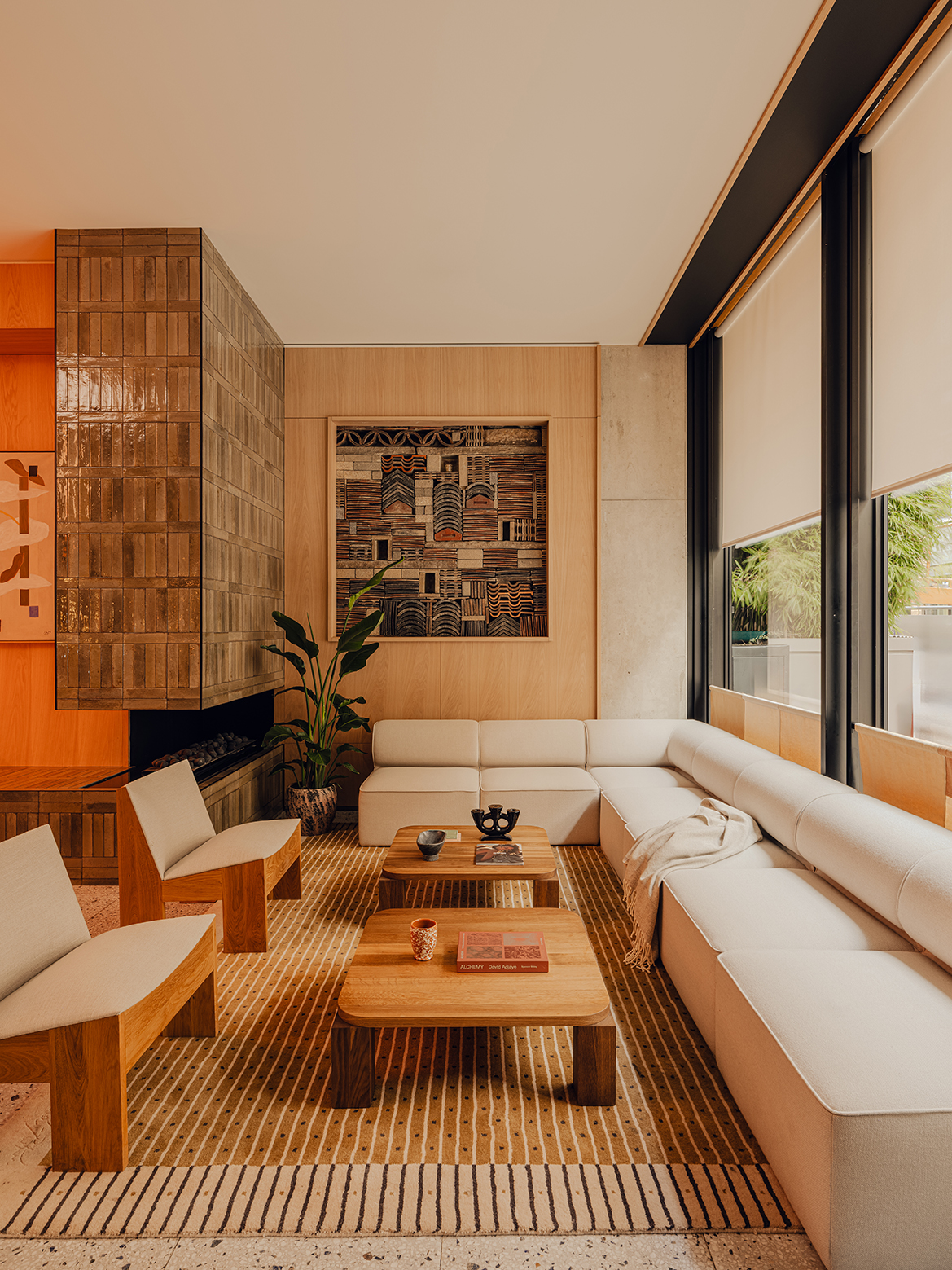
The garden that lets you dine below the pavement
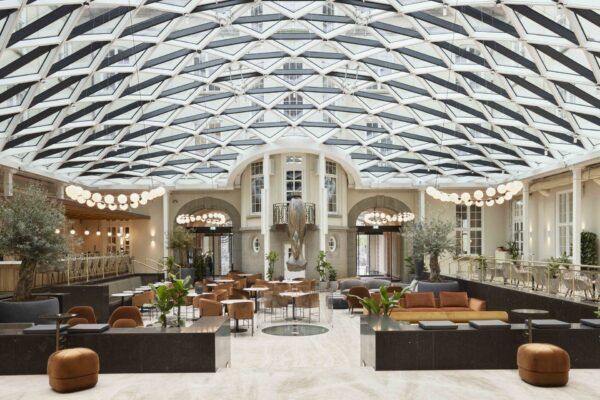
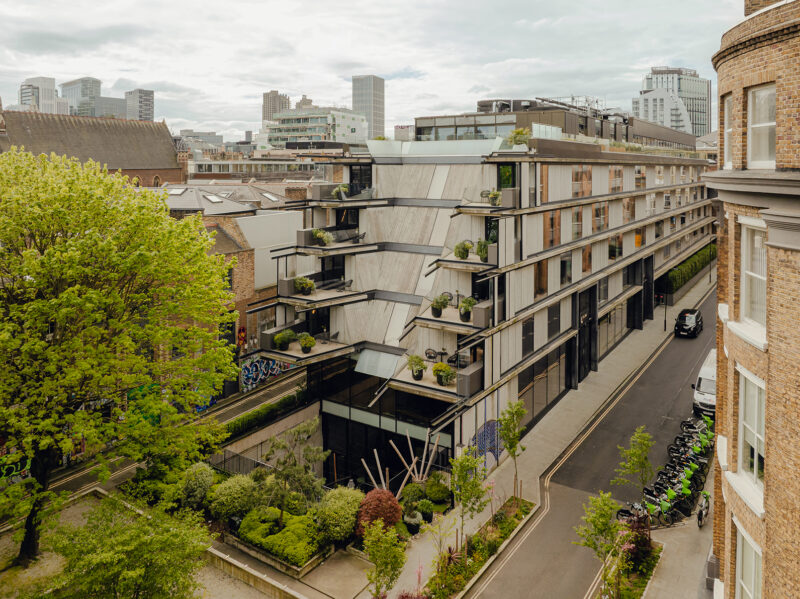
The garden end is a good place to start, particularly for anyone interested in how an architect gets daylight into the less promising parts of a site. The plot is long and narrow, and a considerable part of the hotel lies below pavement level. By stepping down the terraces and lowering the garden, the architects were able to bring natural light into the space intended for the restaurant.
The same move that gives the building its distinctive silhouette from a distance allows somebody having lunch below the street to keep a little of the outside world in view. Beyond it stand the old warehouses of Great Eastern Street.
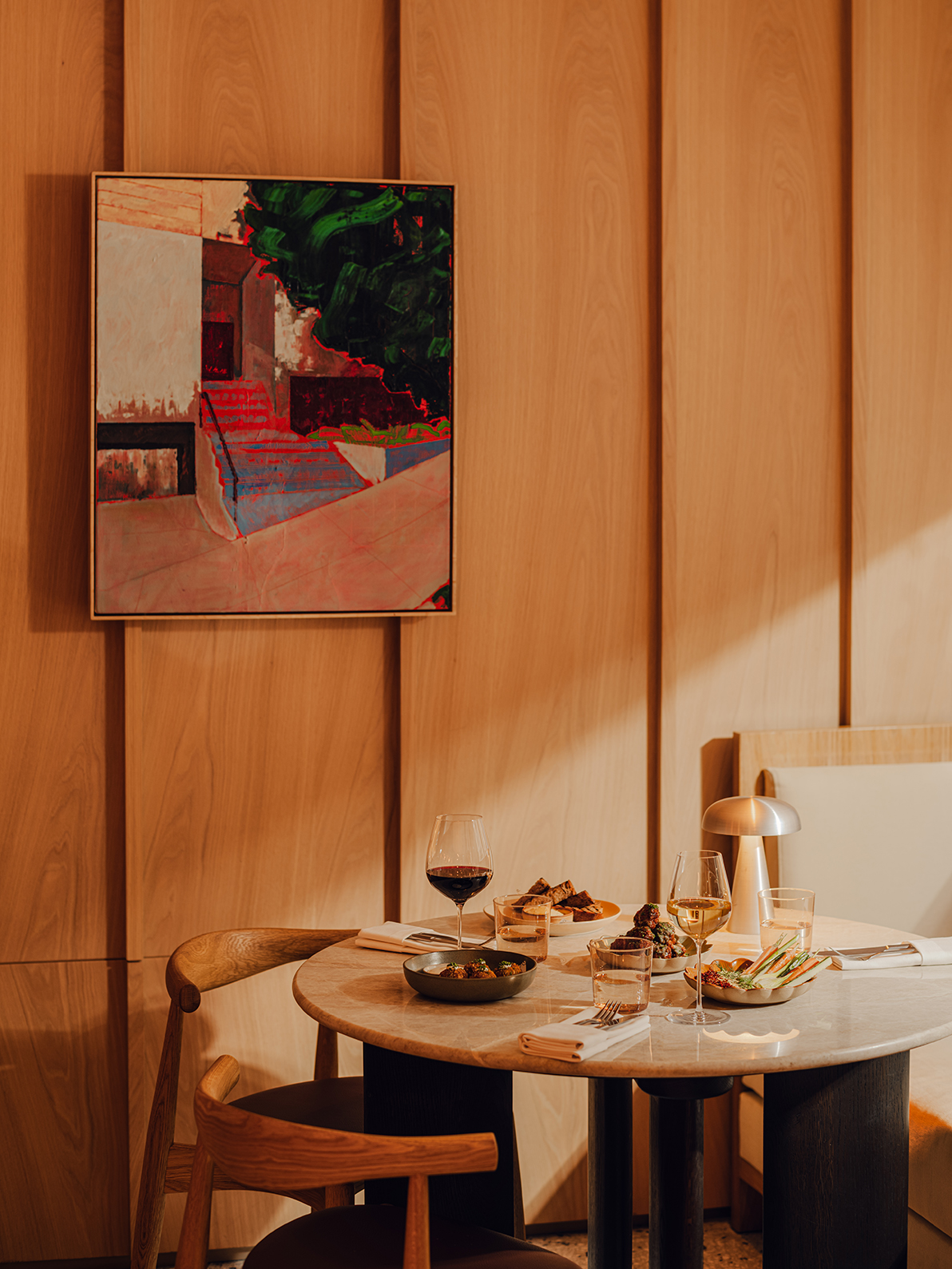
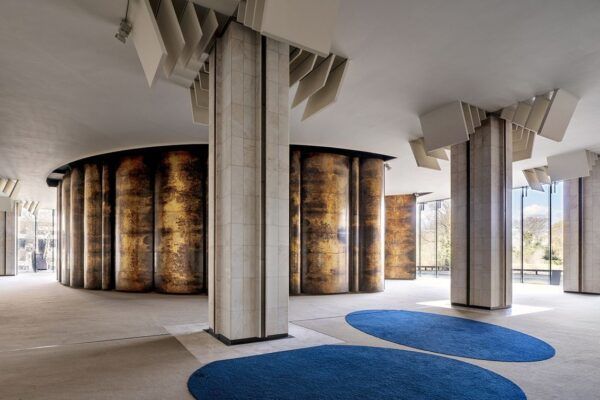
The materials were a formidable inheritance too. Concrete bears the grain of its timber shuttering, metal draws long horizontal lines across the elevation and glass reveals the depth behind them.
To work with all this, Aethos brought in Barcelona-based Astet Studio, founded by architects Ala Zreigat and Oscar Engroba. Readers may know the practice through its work with chef Dani García on Leña or Smoked Room.
Restaurant experience is an asset on Willow Street, where the success of several rooms comes down to the practical business of seating people well, giving them something worth looking at and leaving them inclined to linger once the bill has arrived.
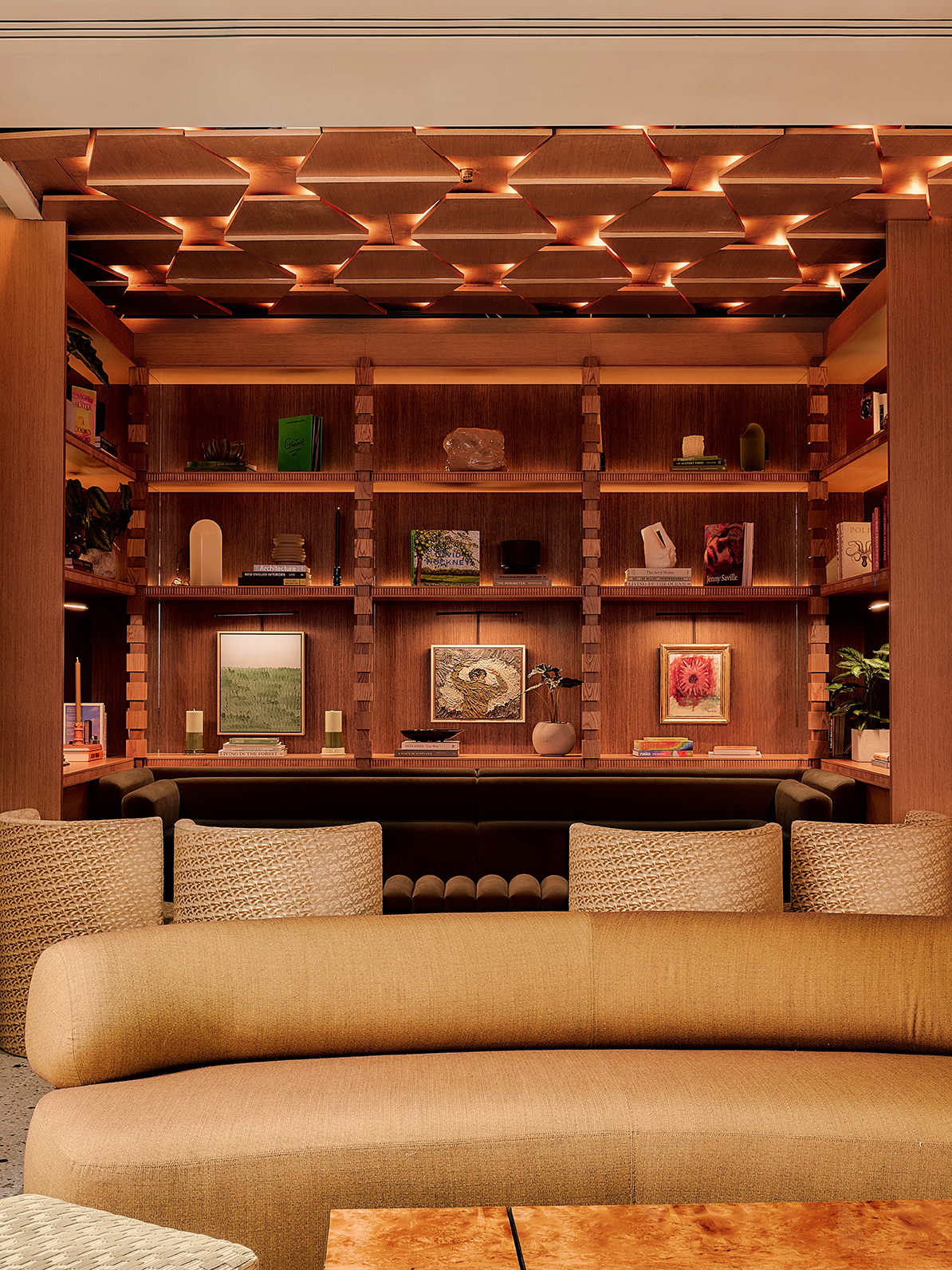
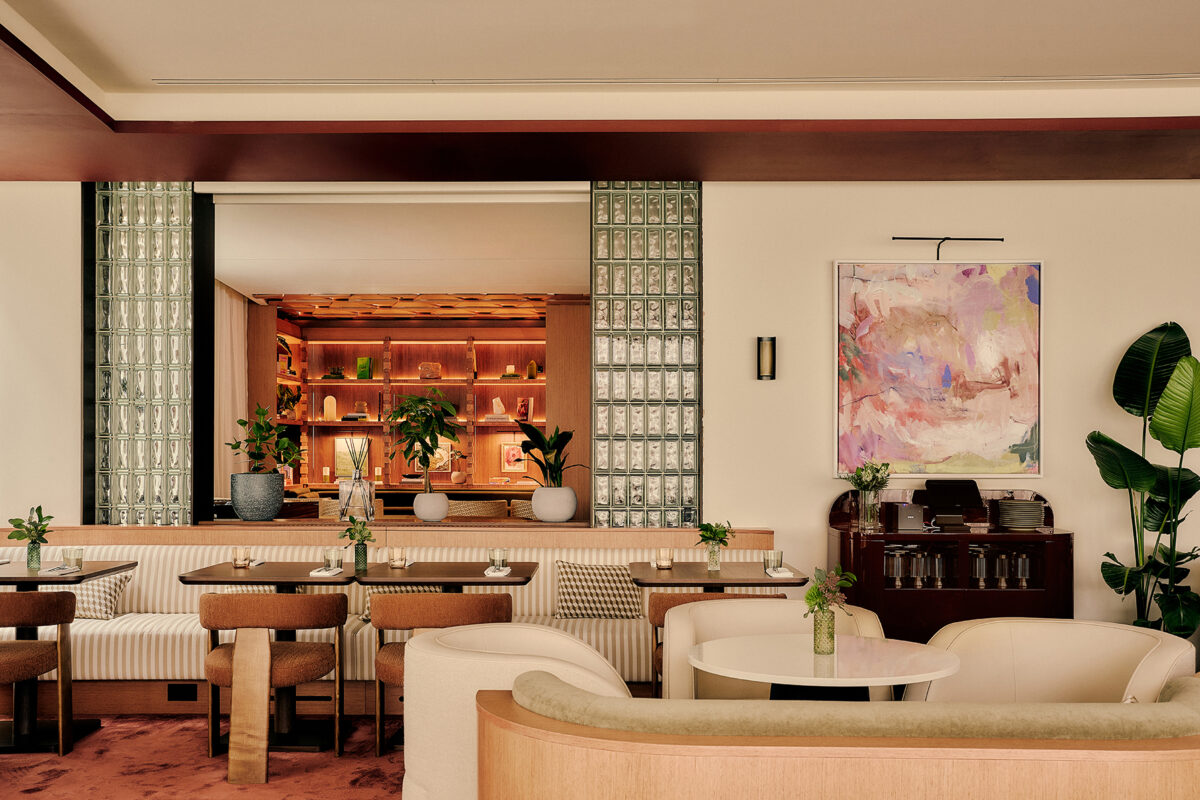
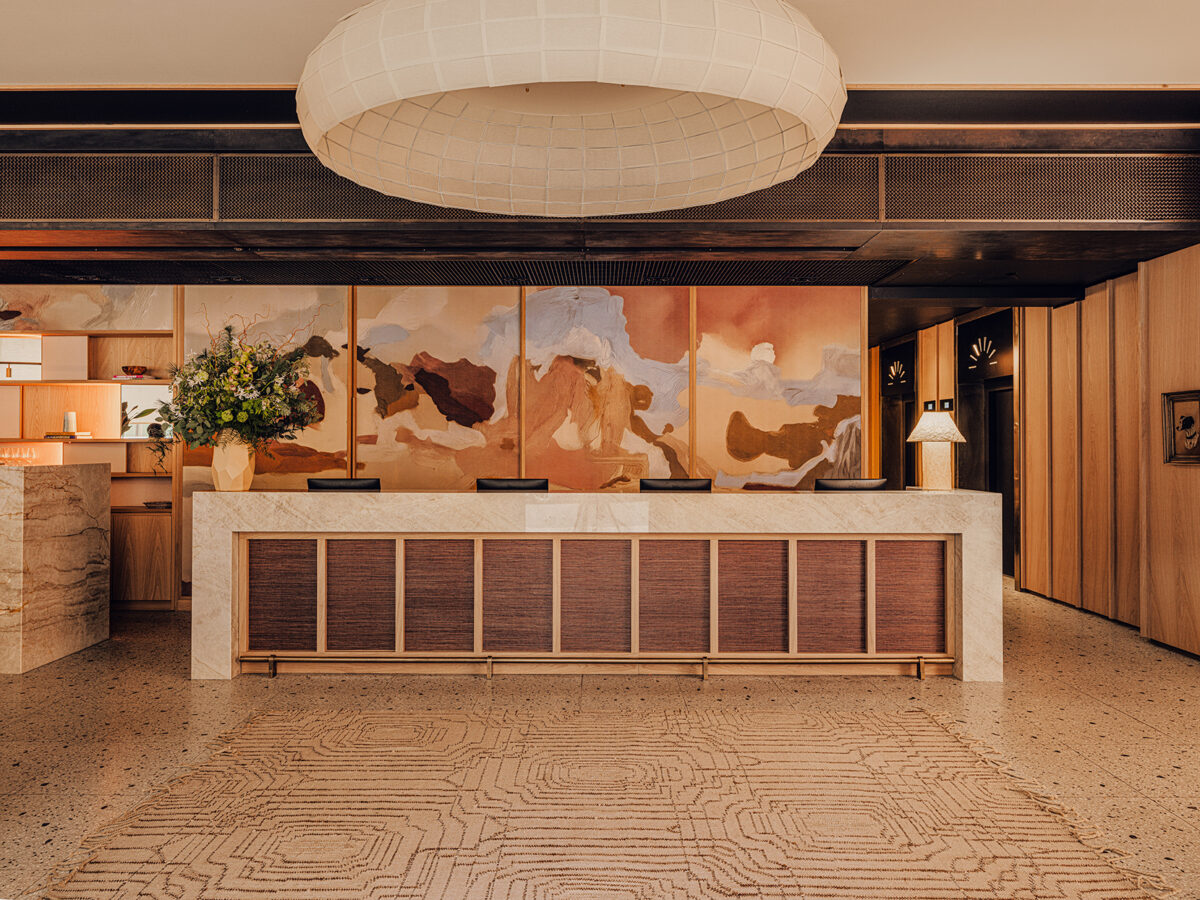
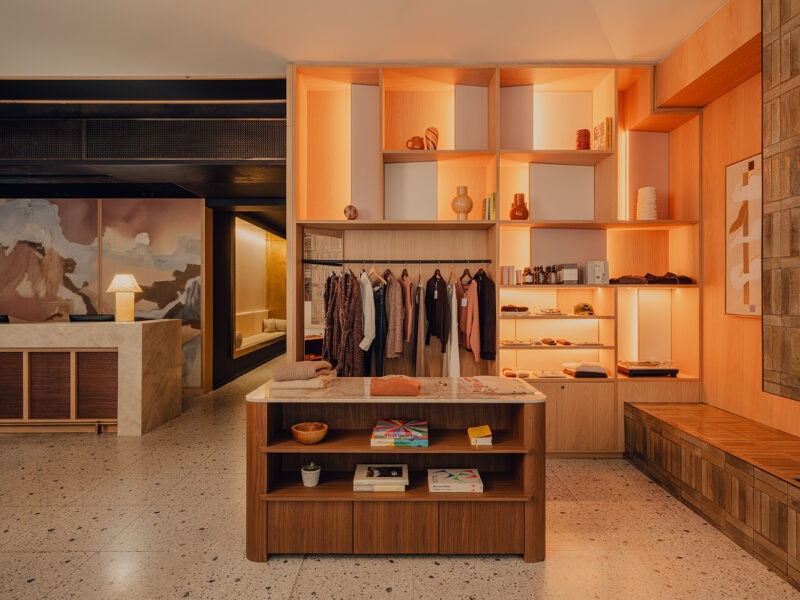
Astet retained an existing terracotta wall and introduced timber, brushed metal, textiles and bespoke lighting, working with local craftspeople on elements of the interiors. Behind reception, a mural interprets Shoreditch graffiti through a Japanese lens. It is a well-judged acknowledgement of the building’s past.
Japanese references return more emphatically in the restaurant, although the designers have given the two spaces quite different registers. Daylight does much of the work at reception. Downstairs, the restaurant gets to do some rather interesting things with shadow.
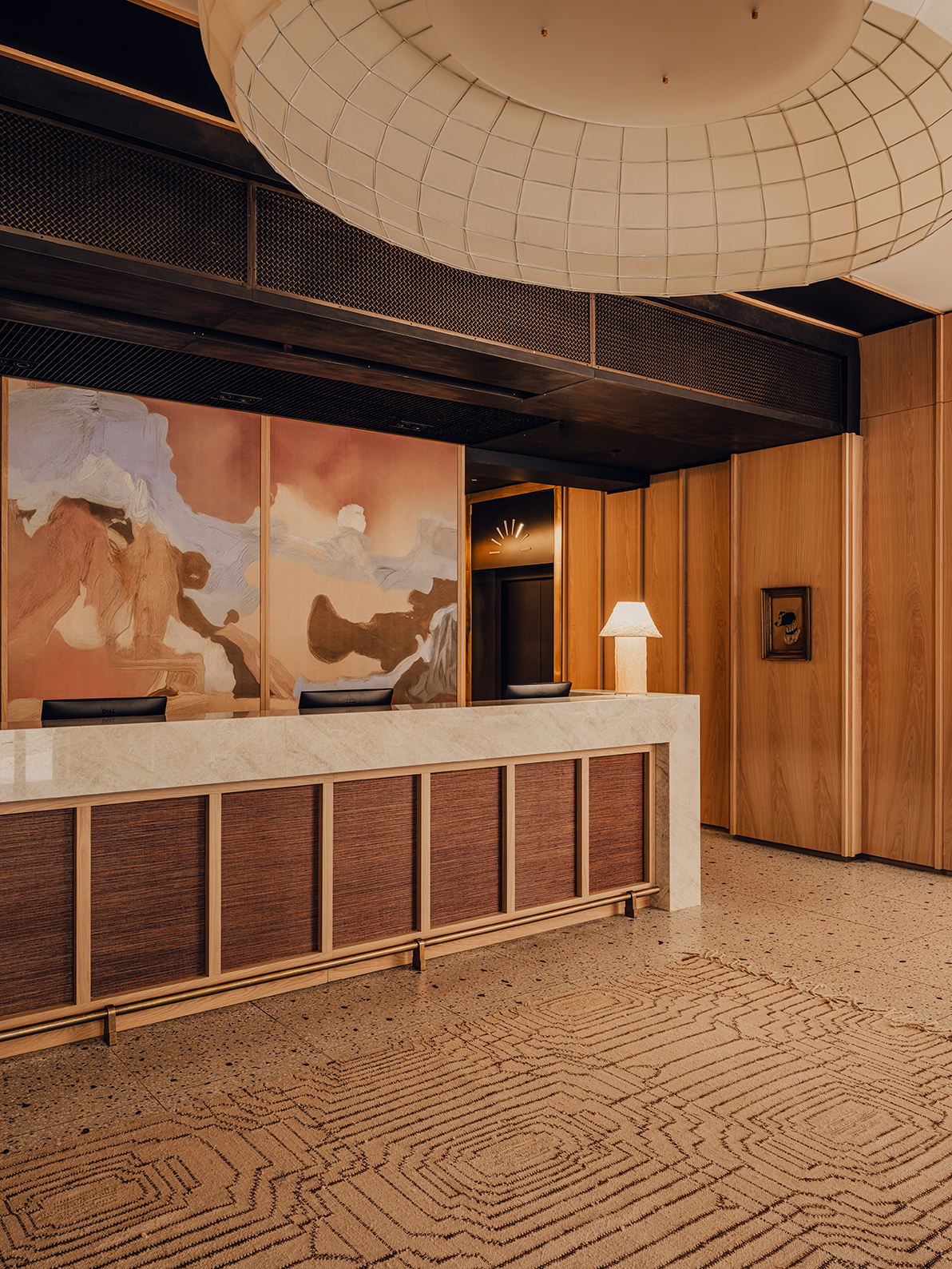
Choose a bedroom for the view beyond the glass
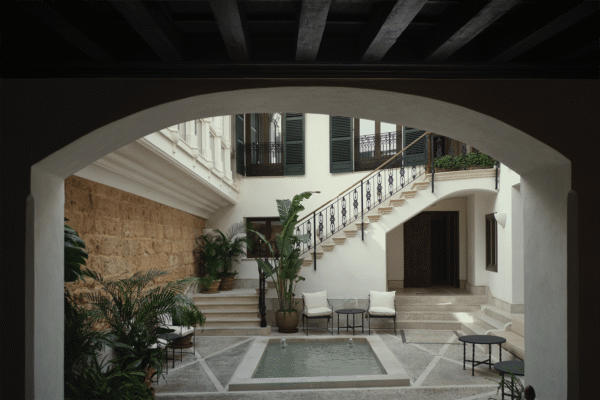
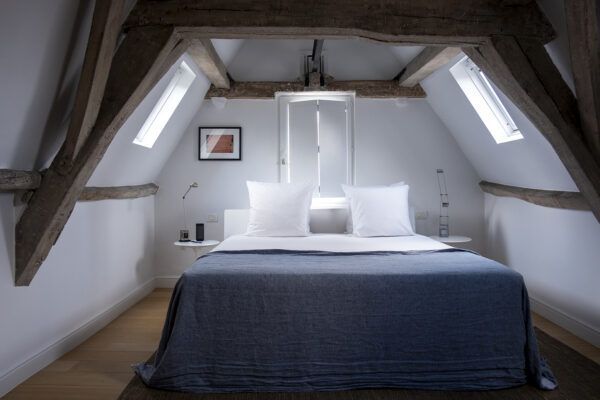
At a hotel this size, room categories can tell you rather less than a floor plan and a compass. It helps to decide which bit of London you would like to wake up to. The sixth-floor Aethos Rooms have floor-to-ceiling windows, while the London Balcony Suite has a private balcony looking into the courtyard and garden.
The similarly named Shoreditch Balcony Suite looks out across East London. It is a small distinction on a booking page and quite a substantial one when you draw the curtains, particularly if it was the architecture that first brought you to Willow Street.
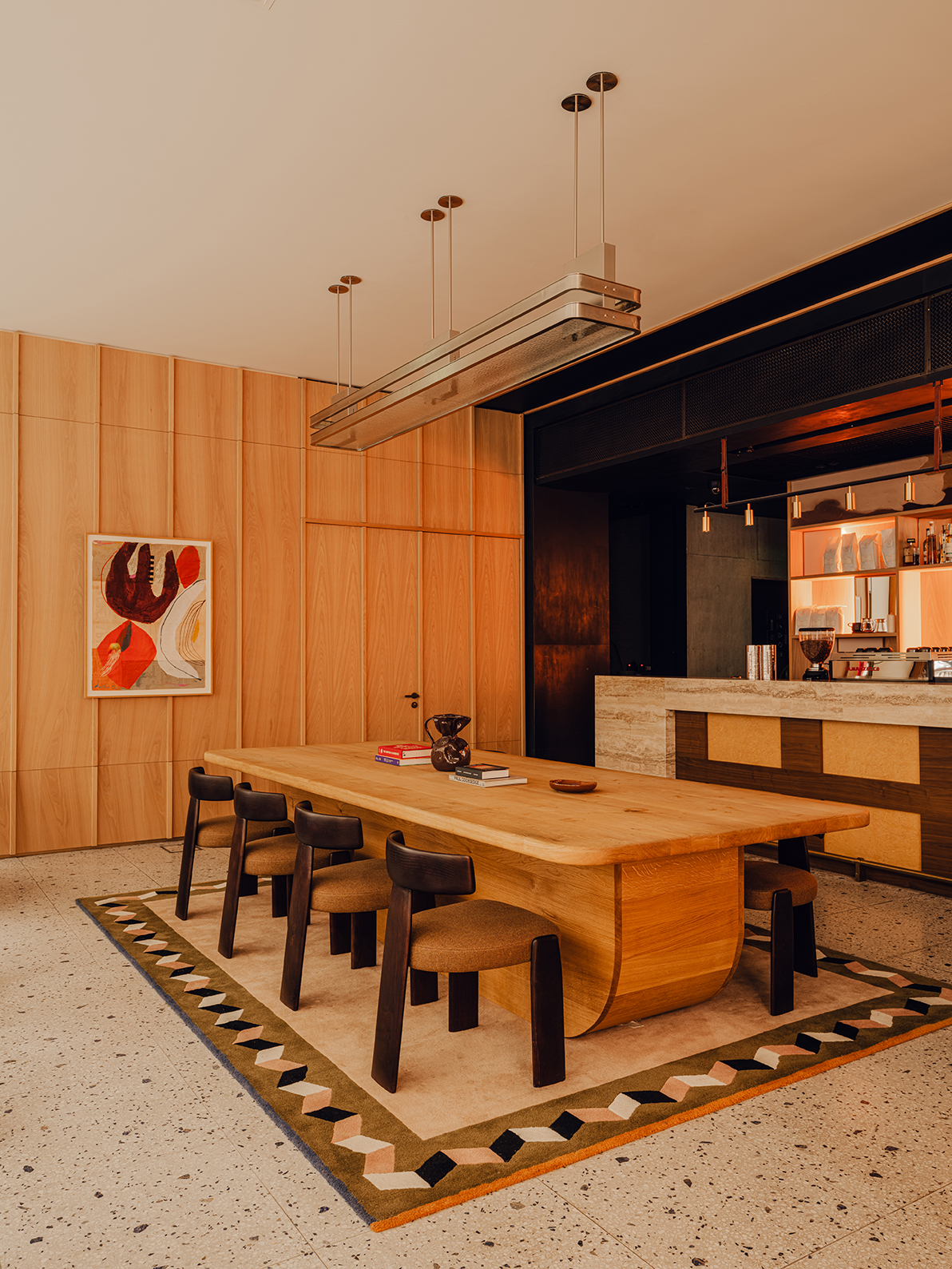
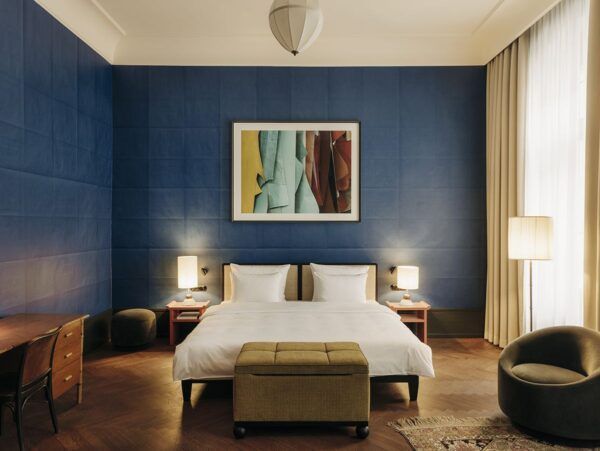
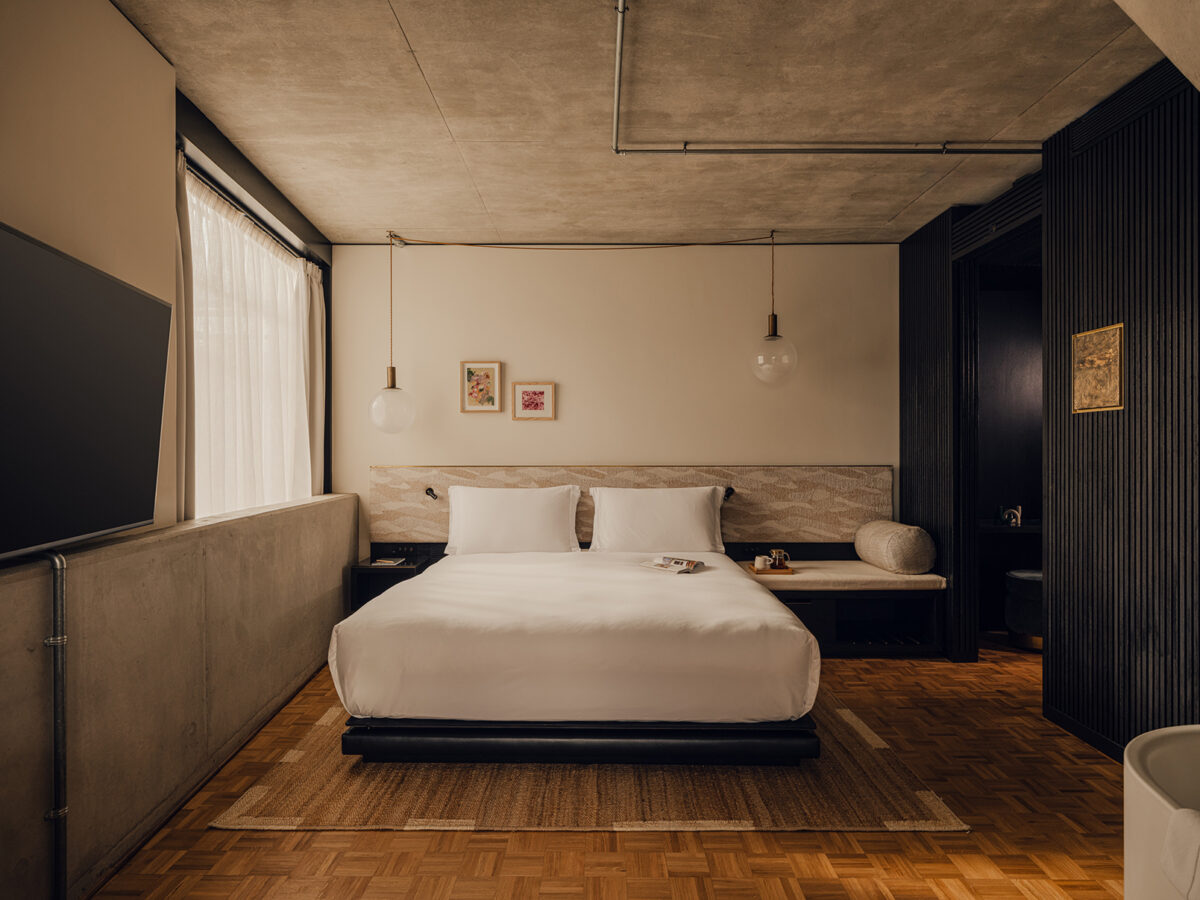
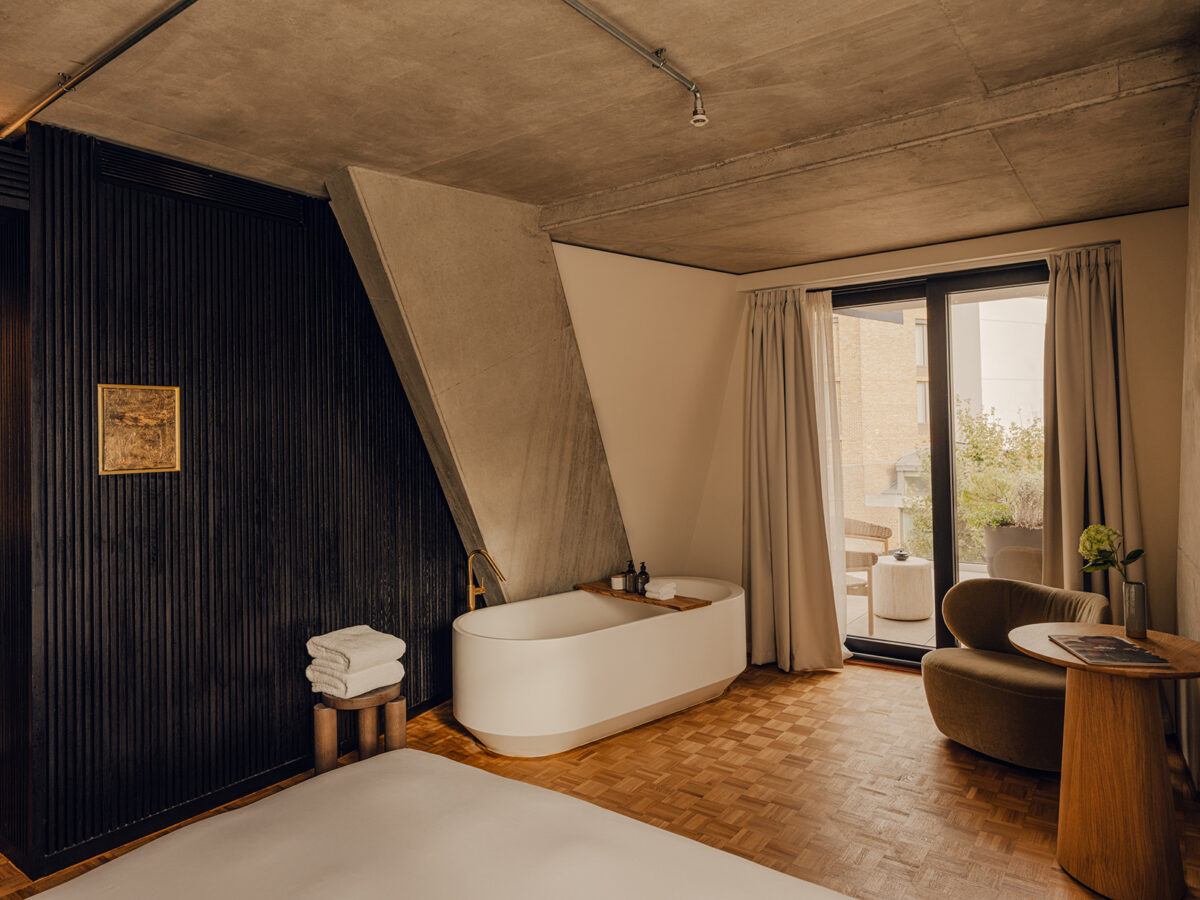
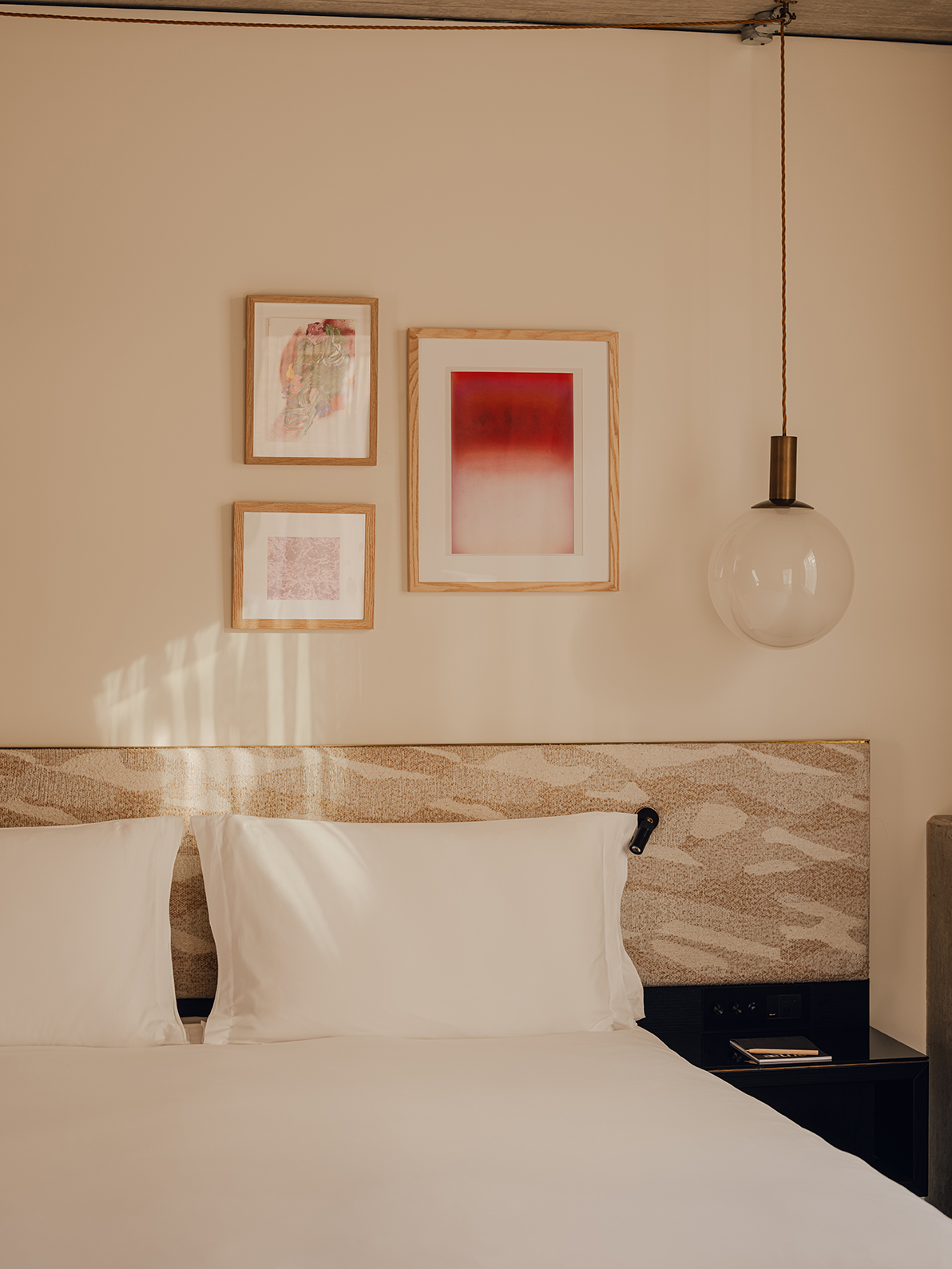
The layouts have a bearing on the choice, too. A Deluxe comes in at 22 square metres, a reasonable proposition for a weekend spent mostly out of doors. In the 29-square-metre Aethos Room, there is somewhere to work or eat without balancing anything on the bed. Warm timber and brushed gold finishes take the edge off the industrial exterior, while the bathroom has a walk-in shower and products from Woods Copenhagen. If a bath is a deciding factor, the London Balcony Suite fits a freestanding tub, a separate shower and a sitting area into its 39 square metres, with that sheltered outlook towards the garden.
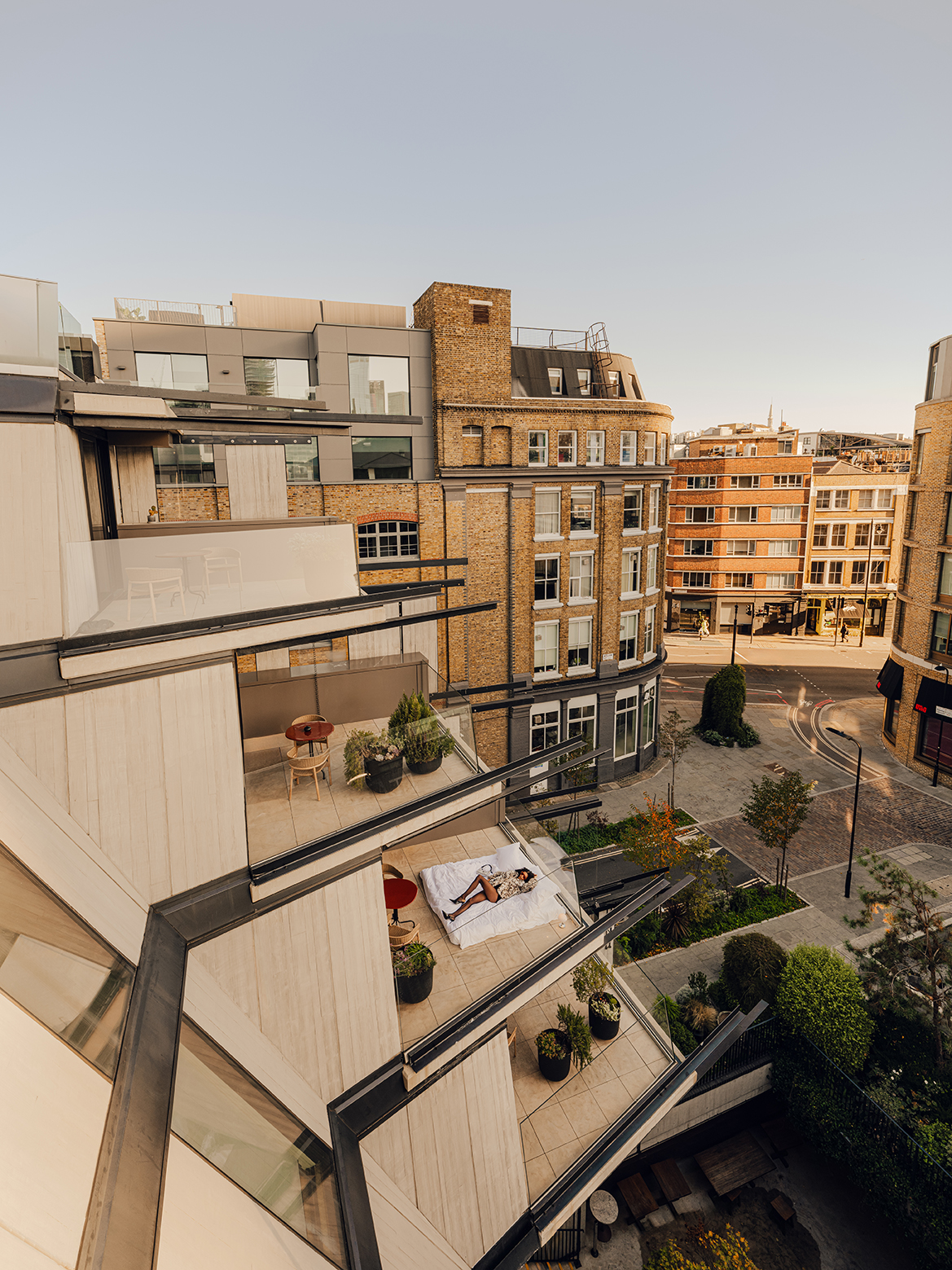
For a longer stay, the most consequential upgrade is the kitchen in the Panorama Suite. Its 80 square metres also accommodate a dining area, a separate lounge and two garden-facing balconies. What you gain is rather ordinary, in the best sense of the word. Bringing something home for supper, asking a friend up for coffee or finishing a piece of work while someone else sleeps is considerably easier when the bed has ceased to be the centre of every activity. In a city where visitors often have friends of their own, there is much to be said for a room in which you can play host.
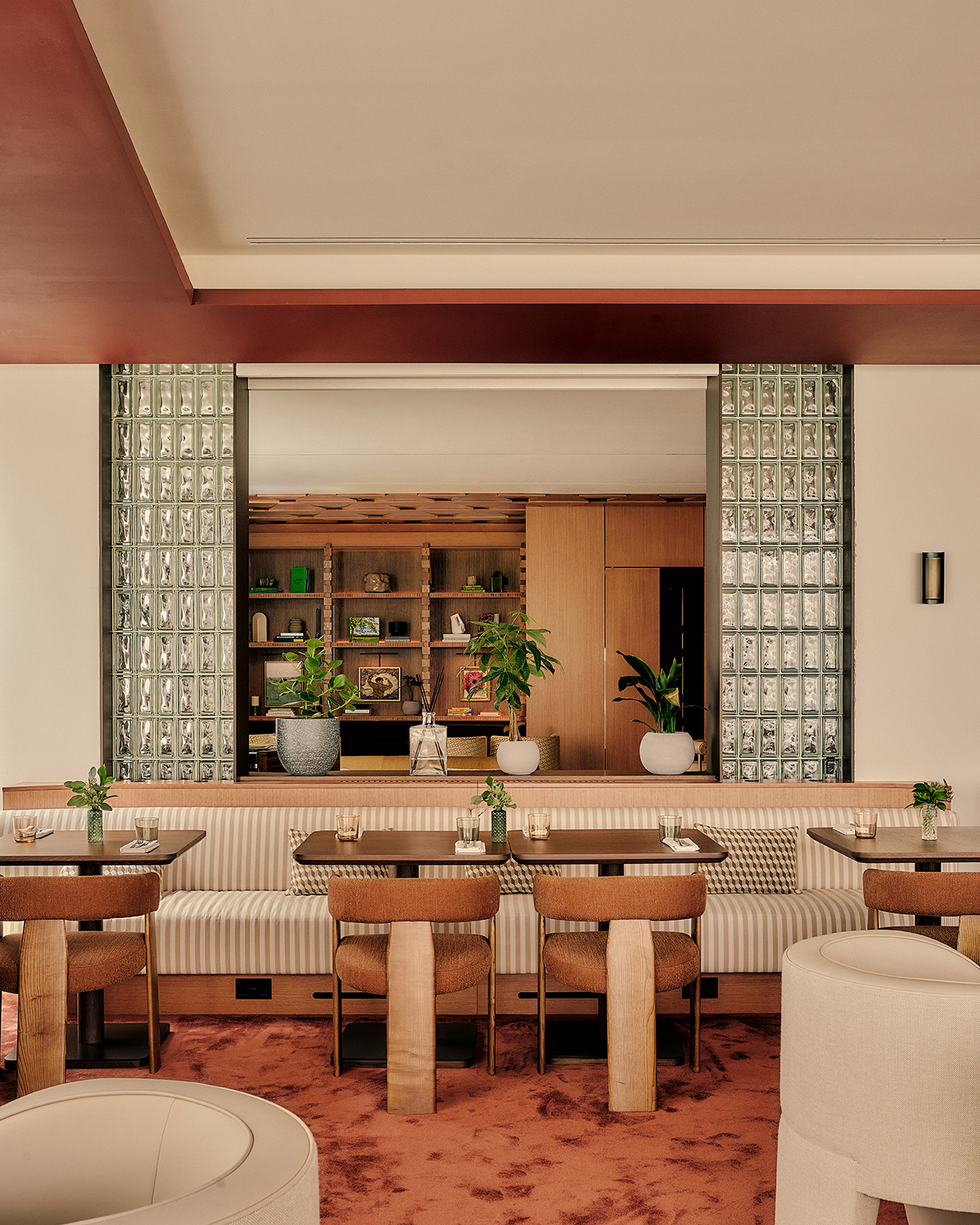
Coffee for the neighbourhood, a library for the club
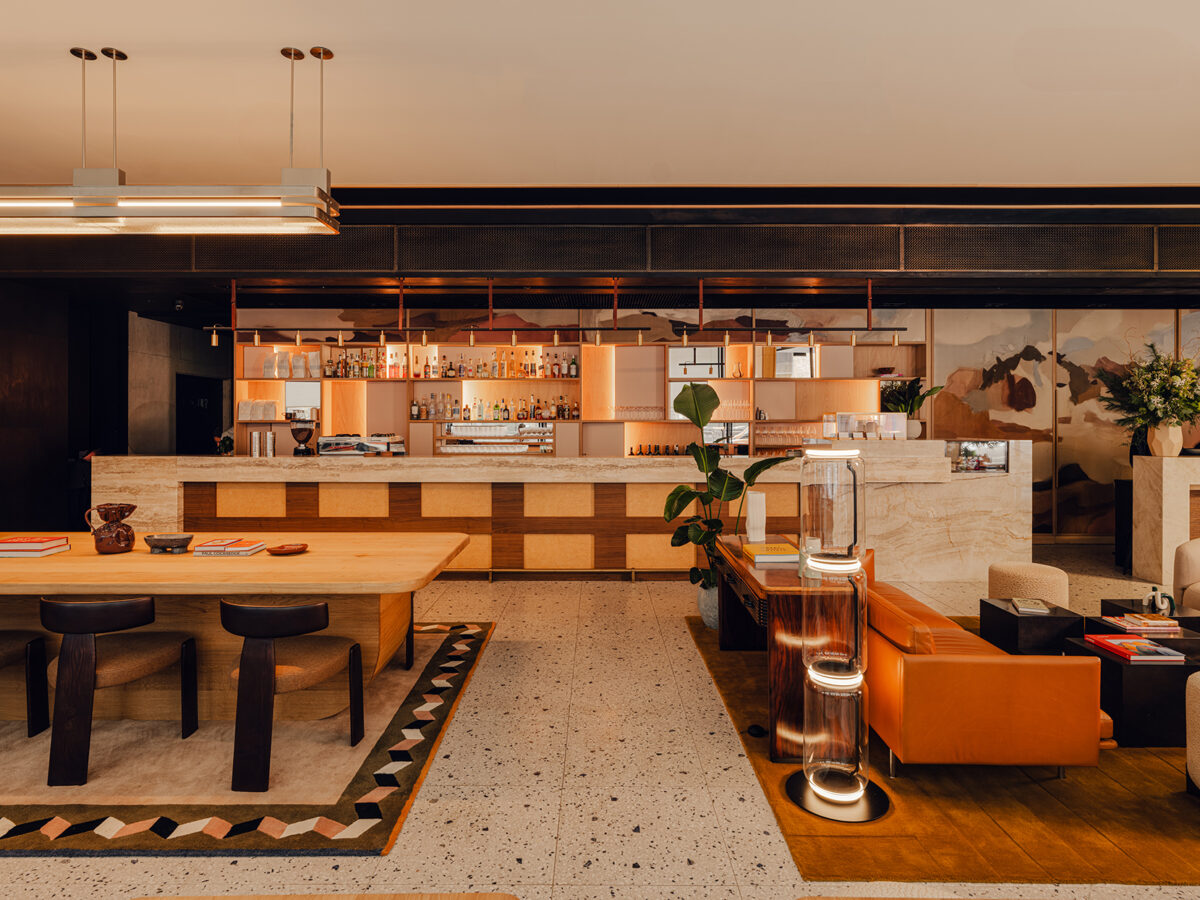
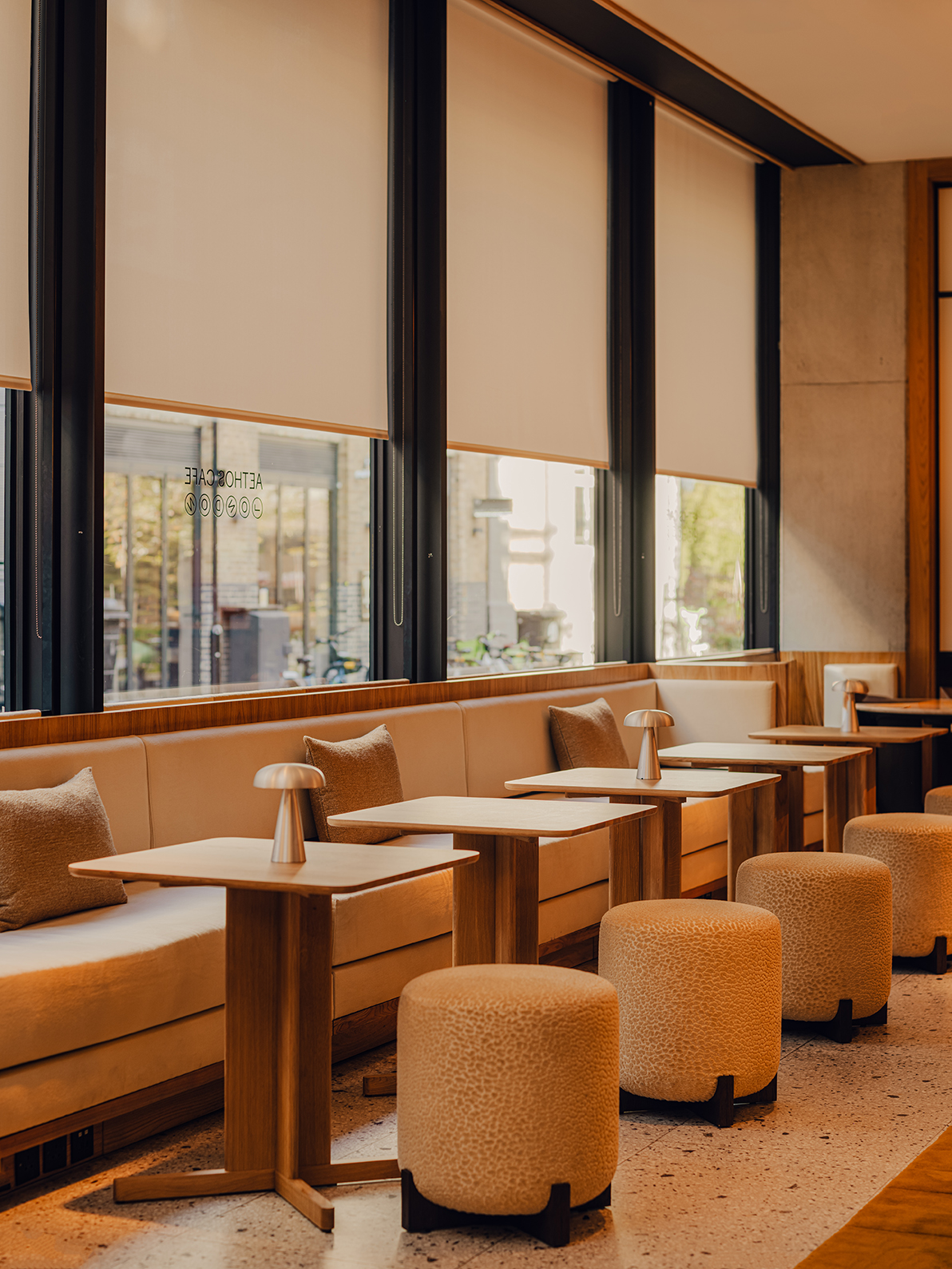
For Londoners curious about Astet’s work, Aethos Café is the most straightforward way in. It opens at eight in the morning and serves until eleven at night, with coffee, an all-day menu that leans towards the Mediterranean and cocktails once the working day is done. Those continuous hours are a genuine convenience. You can meet somebody at the awkward hour between lunch and dinner, order food if the conversation runs on, and come back later in the reasonable expectation of finding the door still open.
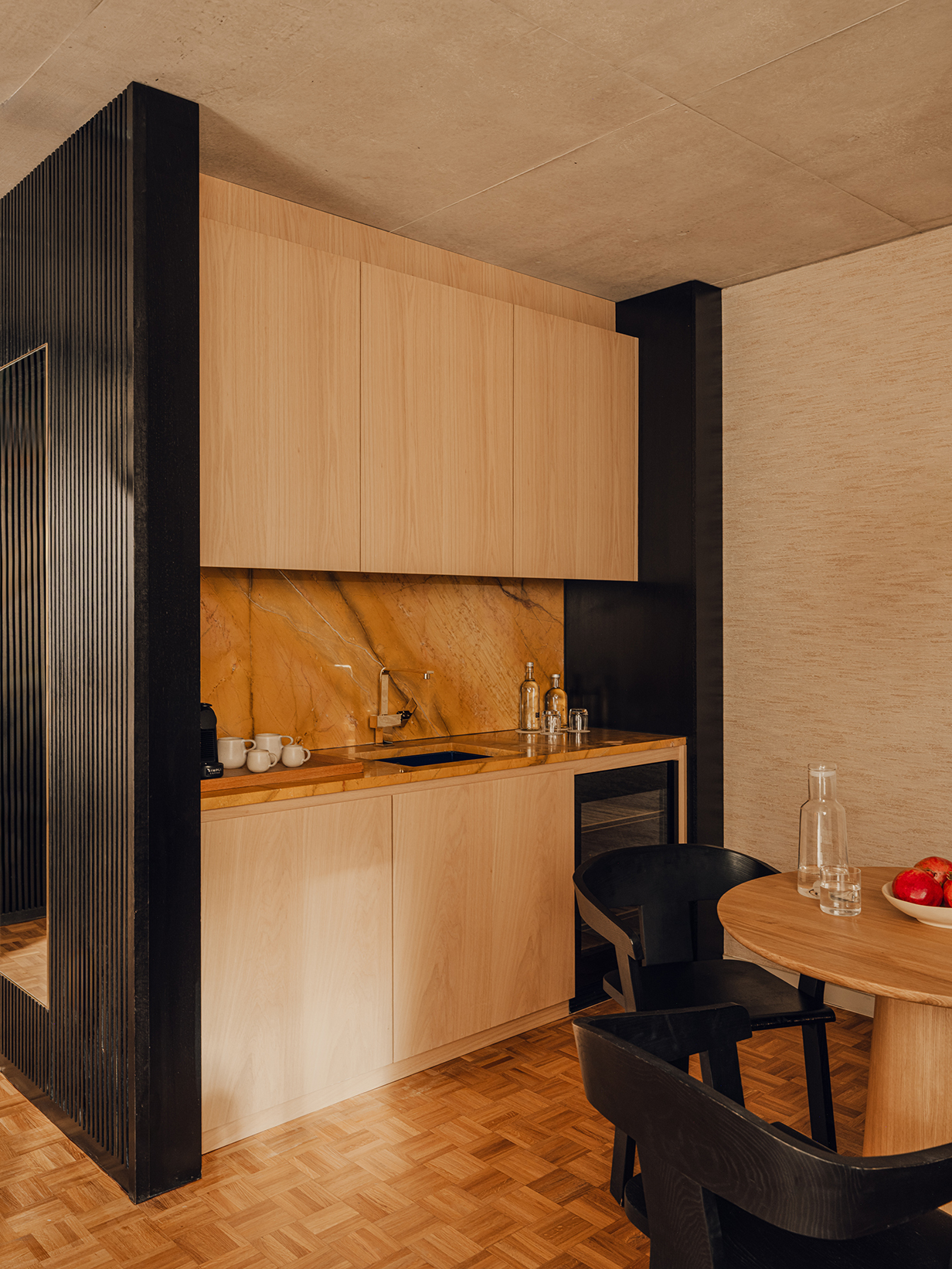
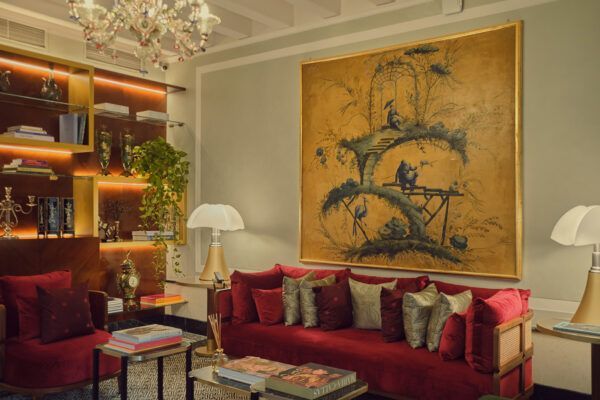
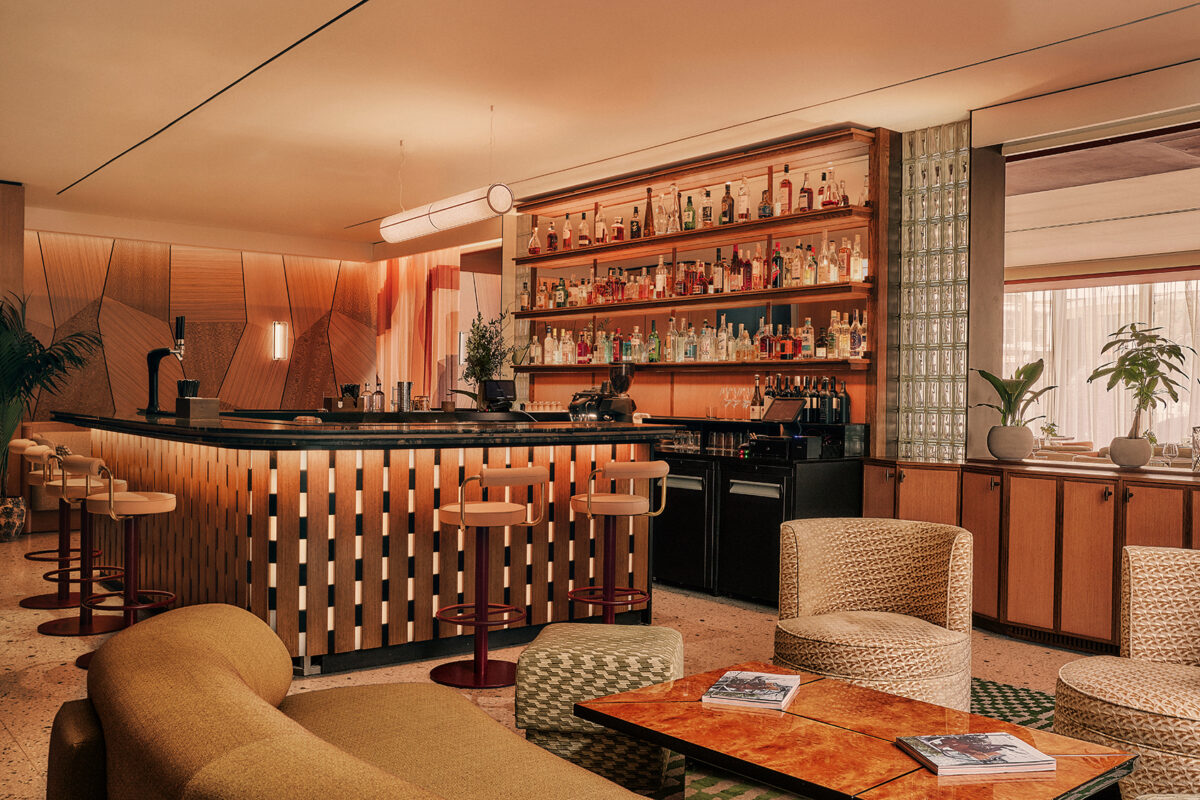
The Willow Room works on different terms. This is the private members’ space, with its own restaurant, bar, library and terrace. By day there is room to read, work or hold a meeting. Later, the same address hosts club gatherings, small live performances and DJ sets.
Of these various provisions, the library is perhaps the most thoughtful. Picking up a book in a shared sitting room is one of the few ways of looking perfectly content on your own, without appearing to be waiting for somebody else.
For a member who comes every week, that degree of independence can matter as much as the opportunity to meet people.
The programme falls under four headings, The Table, The Mix, Wellness Rituals and Off Grid. The examples give a better sense of it. Aethos has devised intimate omakase dinners, art tours and visits to city farms, as well as dominoes and rum before Carnival.
There is a certain generosity to a club prepared to take some of its best ideas off the premises. People travel to Shoreditch for its restaurants, shops and cultural life. For members who already live nearby, there is an equally good argument for arranging an introduction to somewhere they might have walked past a hundred times.
Down to Mitsu for charcoal, records and karaoke
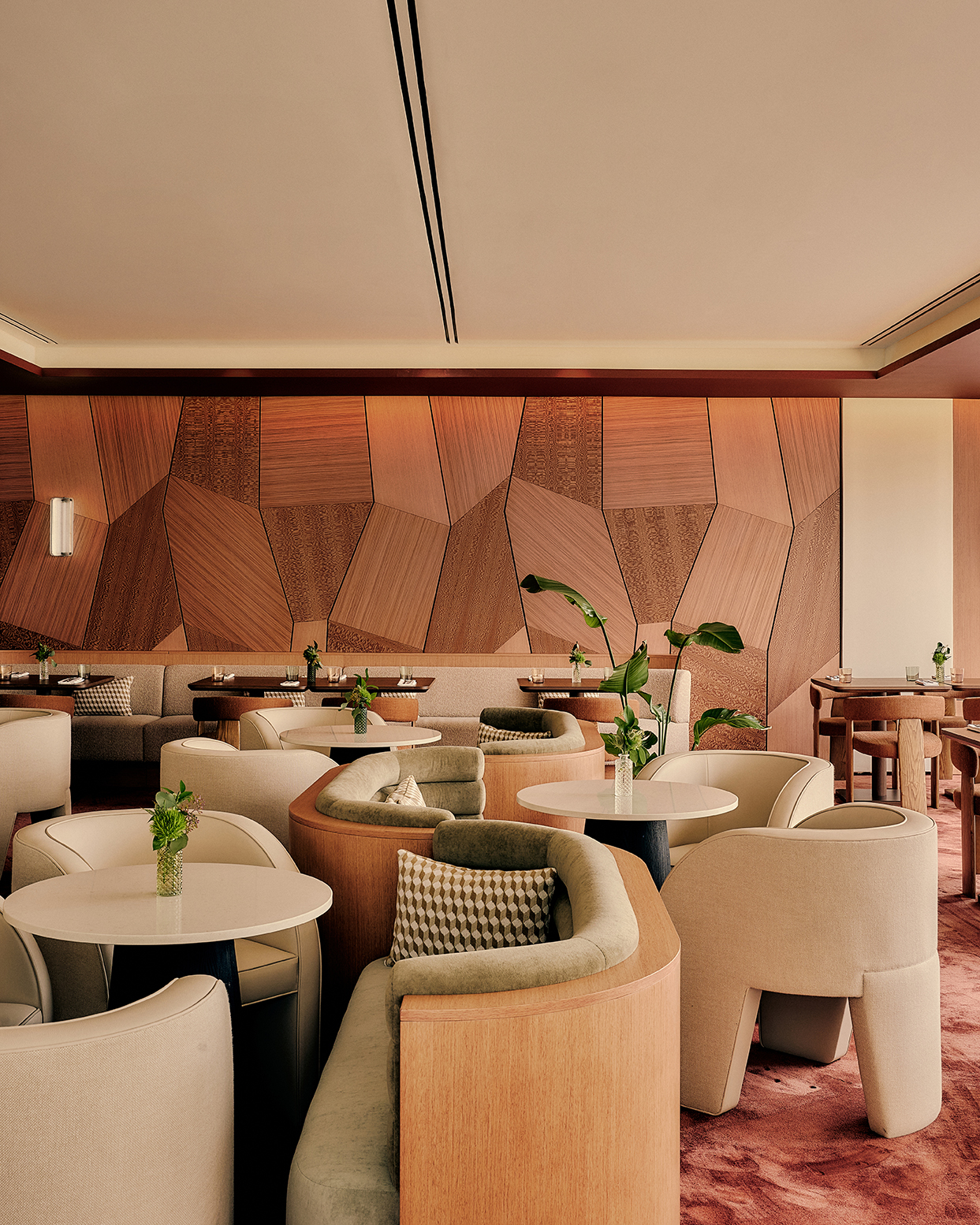
Mitsu makes particularly good use of the courtyard entrance. You can come down from the street, stop for a drink on the terrace and carry on into the restaurant with no need to negotiate the hotel lobby. Inside, Astet took its cues from Tokyo in the 1970s and 1980s. Oversized noren, the fabric curtains traditionally hung at Japanese entrances, occupy the generous height above the bar.
Further in, timber ceilings come down low over the banquettes. Red-lit shoji screens and patterned textiles by Eley Kishimoto complete the change of mood from the daylight and coffee upstairs.
At the heart of the kitchen are the Japanese charcoal grill, or robata, and kamameshi rice. To get a sense of the table you might put together, consider the sweet tare glaze on a tsukune chicken skewer alongside daikon simmered in a light dashi broth.
Elsewhere on the menus there is straw-smoked salmon maki, pork belly and mustard sandwiched in soft shokupan, and a Basque cheesecake flavoured with black sesame. Music has a life of its own here, with a vinyl collection, local DJs and a bookable karaoke room. There is even a terminal for ordering food mid-session, a small mercy for anyone whose song has just come up.
The wellness studio at Aethos London Shoreditch
Guests can use the hotel’s gym, fitted with Technogym equipment, while the movement studio is open to both guests and club members. Aethos also offers a selection of treatments in the privacy of the guest rooms.
Through its partnership with Get A Drip, guests can book a private appointment for an in-room IV treatment. The service is available on its own or as part of The Reset Edit, which includes an overnight stay, breakfast and the treatment. Appointments are subject to clinical assessment and availability.
Aethos London Shoreditch is ideal for a quick London getaway, especially if you’re flying into Heathrow. The Elizabeth line takes you straight to Liverpool Street, and from there it’s just a short walk to the hotel. Once you’ve settled in, the hotel’s location makes it easy to explore the rest of the city by public transport.
(*) Photos provided by Aethos London Shoreditch.