Ten years of CAN Madrid: contemporary art in constant motion
From urban art to the freshest expressions of contemporary practice: this is how the fair now known as CAN Madrid has evolved as it celebrates its tenth anniversary in 2026. This new chapter consolidates a journey that began in 2016 under the name Urvanity, a boutique fair committed to emerging artistic languages. A decade on, CAN Madrid is preparing to welcome more than 50 galleries from around the world to Matadero Madrid, reinforcing its international profile and its focus on the most current currents in contemporary art.
From independent impulse to a consolidated project
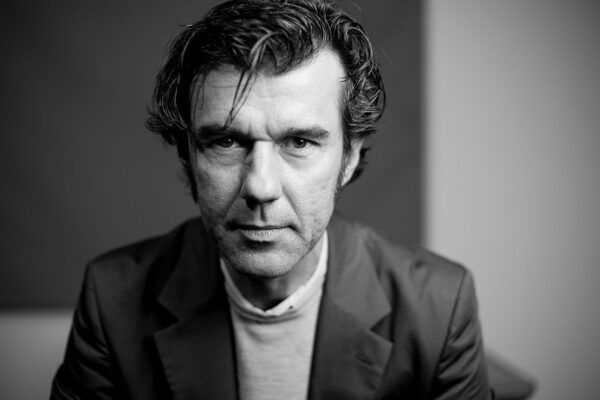
The story of CAN Madrid begins with the vision of Sergio Sancho, a senior executive in the advertising world who, after visiting fairs and galleries in cities such as Seoul, Tokyo and New York, identified a gap in Spain’s art scene: a platform for artists experimenting with new languages, beyond the more institutional circuits. This insight led to the creation of Urvanity — a fair that, from its very first edition, championed fresher, less conventional proposals.
The fair grew organically: first at Palacio de Neptuno, then at COAM, and for the past two years in a 4,000 m² tent installed at Matadero Madrid. Over time, its aisles have welcomed nearly 150,000 visitors and showcased works by around 1,500 artists. From the outset, CAN Madrid has been a space for discovery and for the democratisation of contemporary art.
From Urvanity to CAN Madrid: a necessary shift
The evolution of the project also called for a change of name. “The word ‘urban’ started to feel limiting,” Sancho explains. “Although we began with a strong influence from the underground and urban art scenes, today that profile represents only 10 to 15 per cent of the programme.”
The new name — CAN Madrid (Contemporary Art Now) — reflects a desire for coherence with its sister fair in Ibiza and a broader, more inclusive view of the contemporary art landscape.
New sections, new perspectives
The 2026 edition will be the most ambitious to date. With more than 50 confirmed galleries and a programme structured around five parallel sections, CAN Madrid reinforces its role as a platform for new voices. Among this year’s highlights is Counterflow, a section curated by Saša Bogojev (also curator of CAN Ibiza), featuring artists whose practices deliberately run counter to market conventions.
Another new addition is CAN Design, dedicated to collectible design. Curated by Marisa Santamaría, this section responds to the growing interest in works that sit at the intersection of art and design. Solo/Duo Projects also debuts this year, welcoming first-time galleries through presentations focused on one or two artists.
The Young Galleries programme doubles in size, hosting ten spaces with fewer than three years of activity, further reinforcing the fair’s commitment to discovery. Finally, FOCO LATAM returns with a proposal centred on Latin American “New Surrealisms”, curated by Christian Viveros-Fauné.
A fair with a global DNA
One of CAN Madrid’s most significant achievements has been its international positioning. From its first edition, the fair has welcomed international galleries, and in 2026 around 50 per cent of participants come from outside Spain.
From Tokyo to Santiago de Chile, Paris to New York, the geographies converging at Matadero Madrid underline the project’s global vocation.
As Sergio Sancho puts it: “The fair is a meeting point. Our aim is to foster exchange between galleries, collectors, artists and the public. We want to remain a platform where the languages shaping the present are discovered.”
We recently spoke with Sergio Sancho about the fair’s ten-year journey. Here’s what he shared with us.
This year marks the fair’s tenth edition, now under the name CAN Madrid. How has the journey been from the first Urvanity in 2016 to today?
These ten years haven’t been easy, but they’ve been a lot of fun. It all started as a dream — the idea of creating a different, complementary proposal within Madrid Art Week.
The first edition was a turning point, as it gave visibility to many artists coming from the street and more underground scenes. Gradually, that idea took shape and we carved out our own space.
What prompted the change of name from UVNT to CAN Madrid?
One of the main reasons was that the word “urban” had become too restrictive. At first, it was a broad category, but over time we were labelled as “the urban art fair”. Many of the artists have evolved, and so have we. Contemporary Art Now better reflects what we do today.
What criteria guided the selection of the more than 50 galleries in this edition?
We always look for freshness, distinctive proposals and a strong identity. We visit fairs and galleries, analyse trends — we want a curated perspective, a clear thread. The balance between established names and new projects emerges naturally from that approach.
CAN Madrid is expanding with new sections. What objectives lie behind these additions?
Counterflow, CAN Design and Solo/Duo Projects reflect our desire to grow coherently. We want to diversify the visitor experience, engage with other languages and make it easier for new galleries to take part. And of course, to continue strengthening our commitment to Latin America through FOCO LATAM.
The fair has clearly become more international. How was this global positioning achieved?
From the beginning, we had an international outlook. We’ve worked hard to expand our network, attend fairs and build connections. Today, around 50 per cent of our galleries are international. It’s a fair built on exchange and discovery.
What is the medium-term vision for CAN Madrid?
We want to continue consolidating the fair step by step, supporting the artists and galleries opening up new paths. Madrid is in a very interesting moment, and we want to remain ambassadors for that scene. Together with CAN Ibiza, the two fairs form a coherent and complementary platform.
CAN as a Mirror of the Present
The name change is not merely cosmetic. CAN Madrid is, at its core, a declaration of intent: a fair that seeks to remain attentive to what is happening now in contemporary art, and that isn’t afraid to evolve. From Urvanity to CAN, the journey has remained faithful to a spirit of discovery, risk and freshness. Ten editions on, that energy is very much alive.
Save the date!
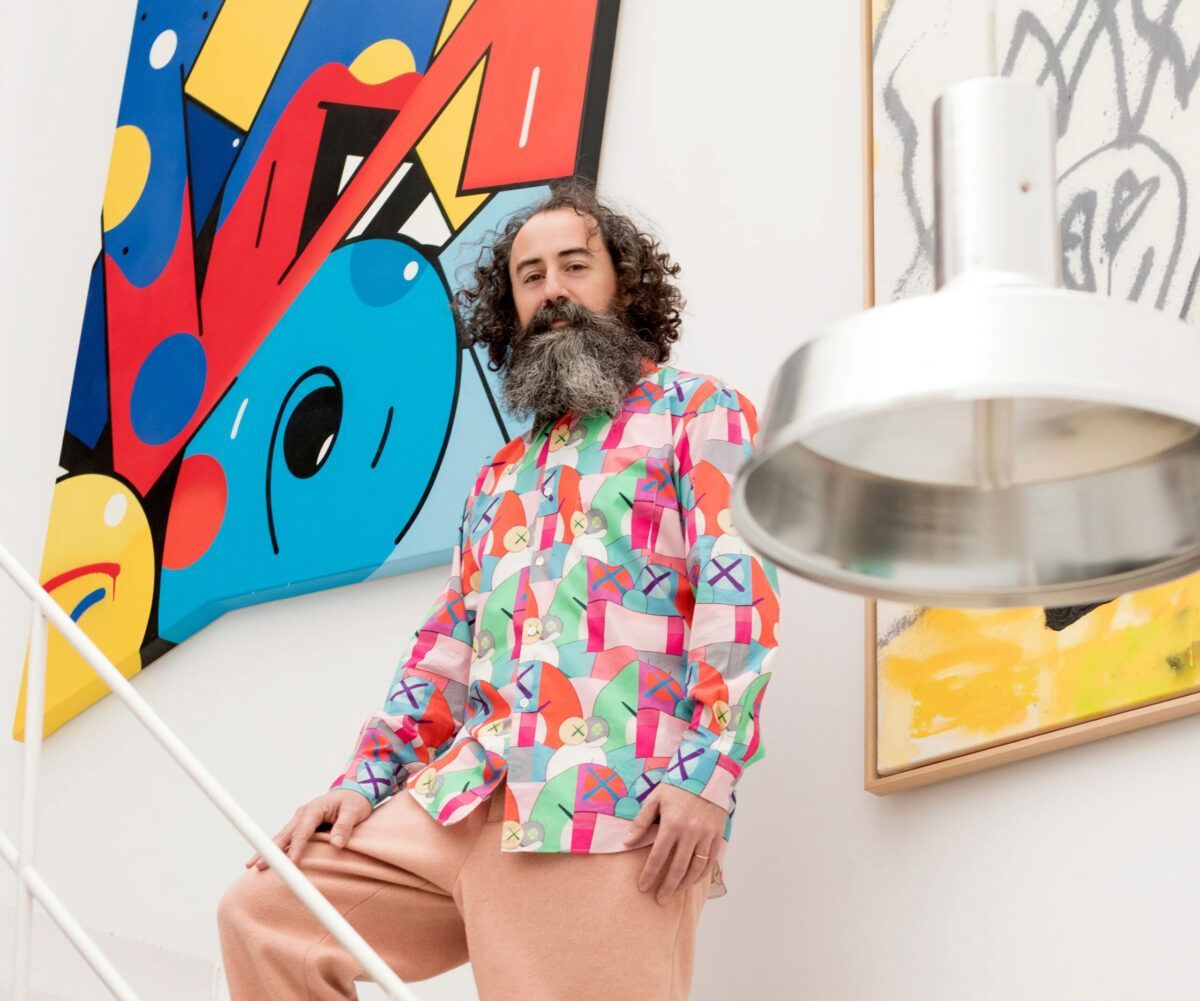
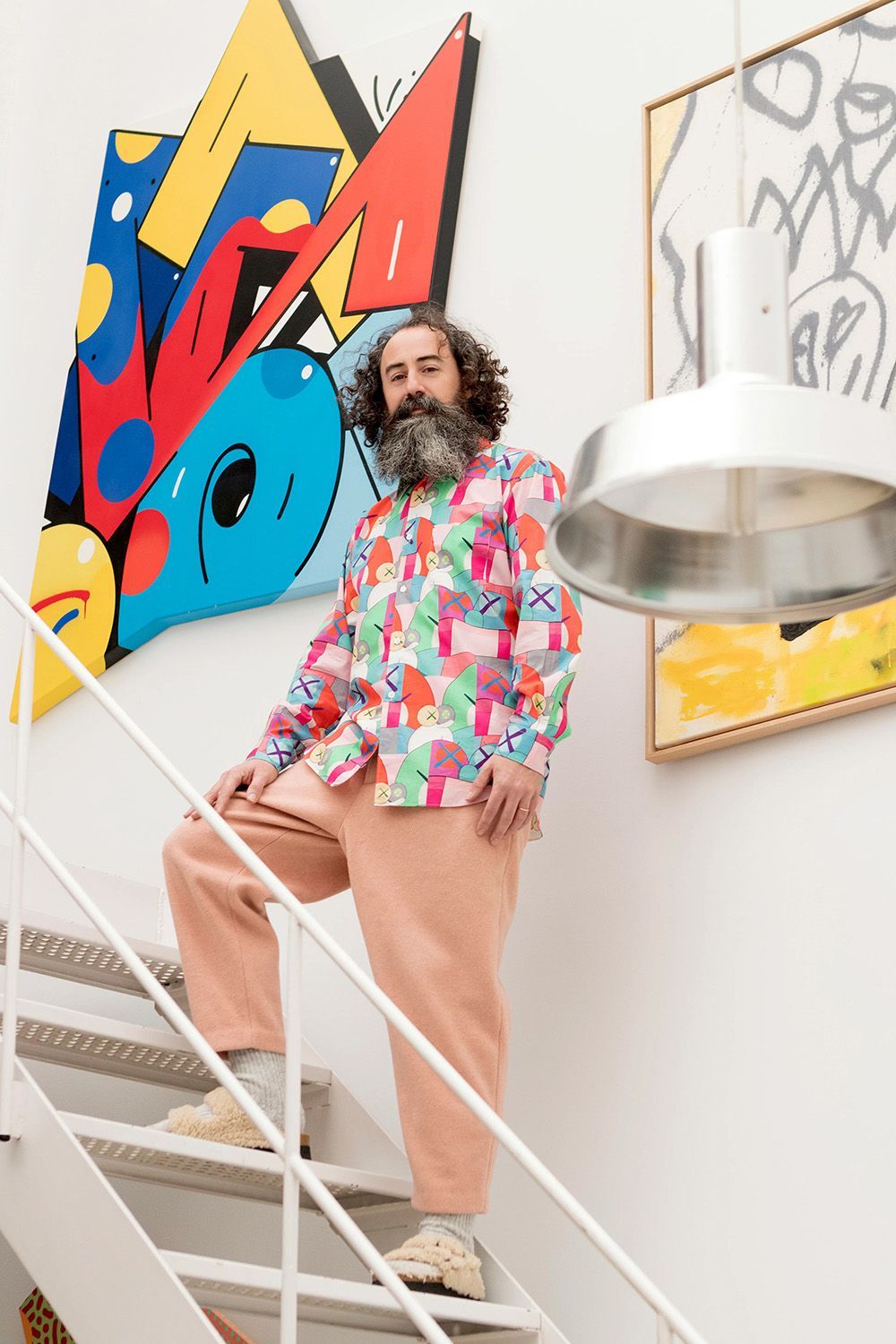
(*) Sergio Sancho’s photo: Carlos Alba (@carlosalbastudio).