Interview with Aurélia de Azambuja from Base Design
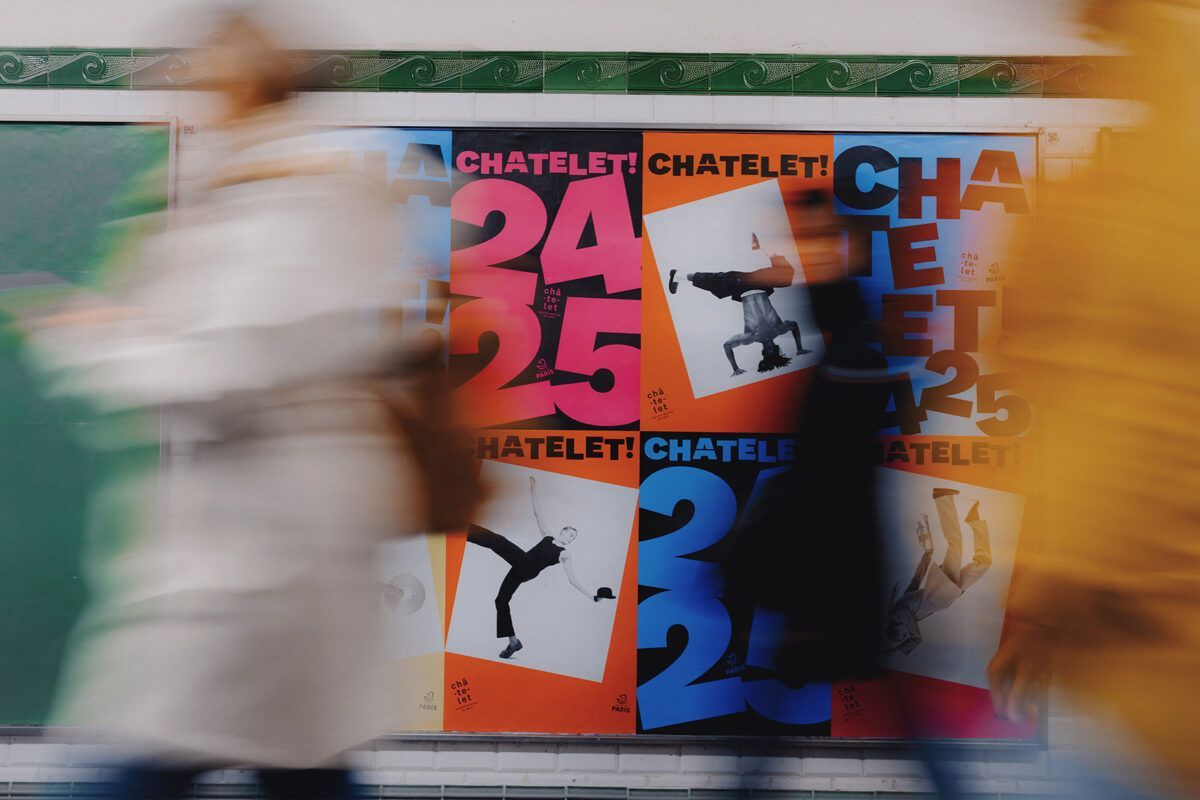
Designer Aurélia de Azambuja, Senior Designer at Base Design, was one of the speakers at this year’s Forward Festival in Vienna. With an approach that goes far beyond the visual, she sees design as a powerful tool for social and cultural change. Her work, known for its conceptual clarity and vibrant use of colour, is also an invitation to rethink the role of design in a hyperstimulated and ever-evolving world.
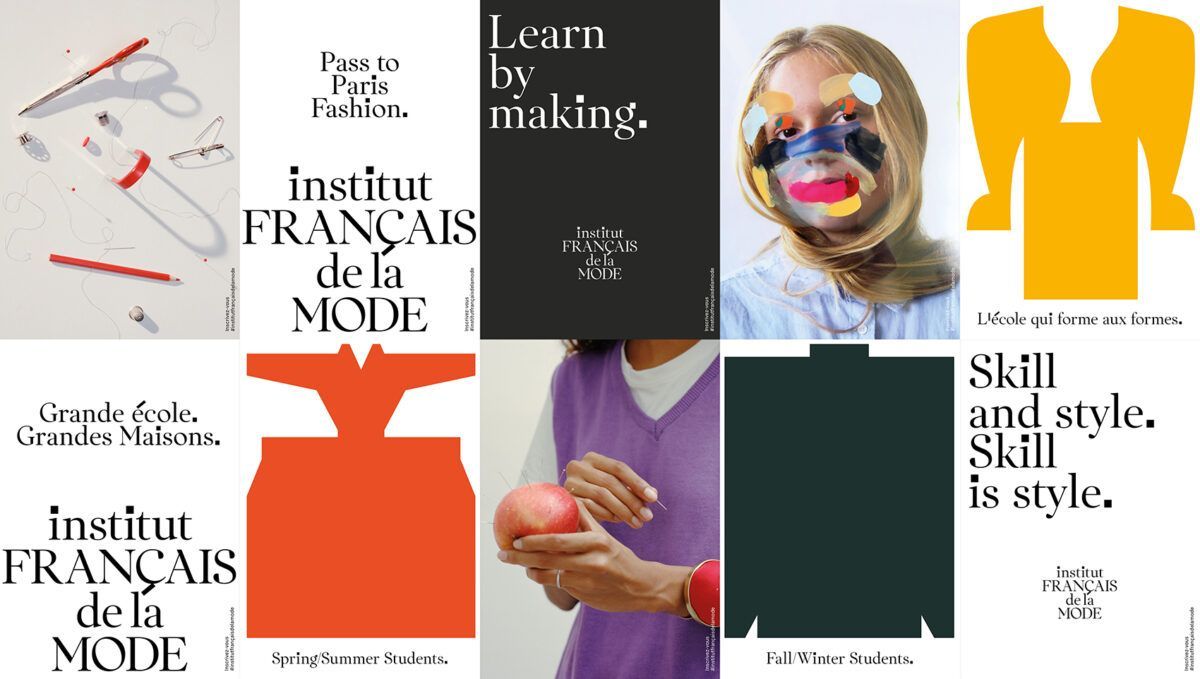
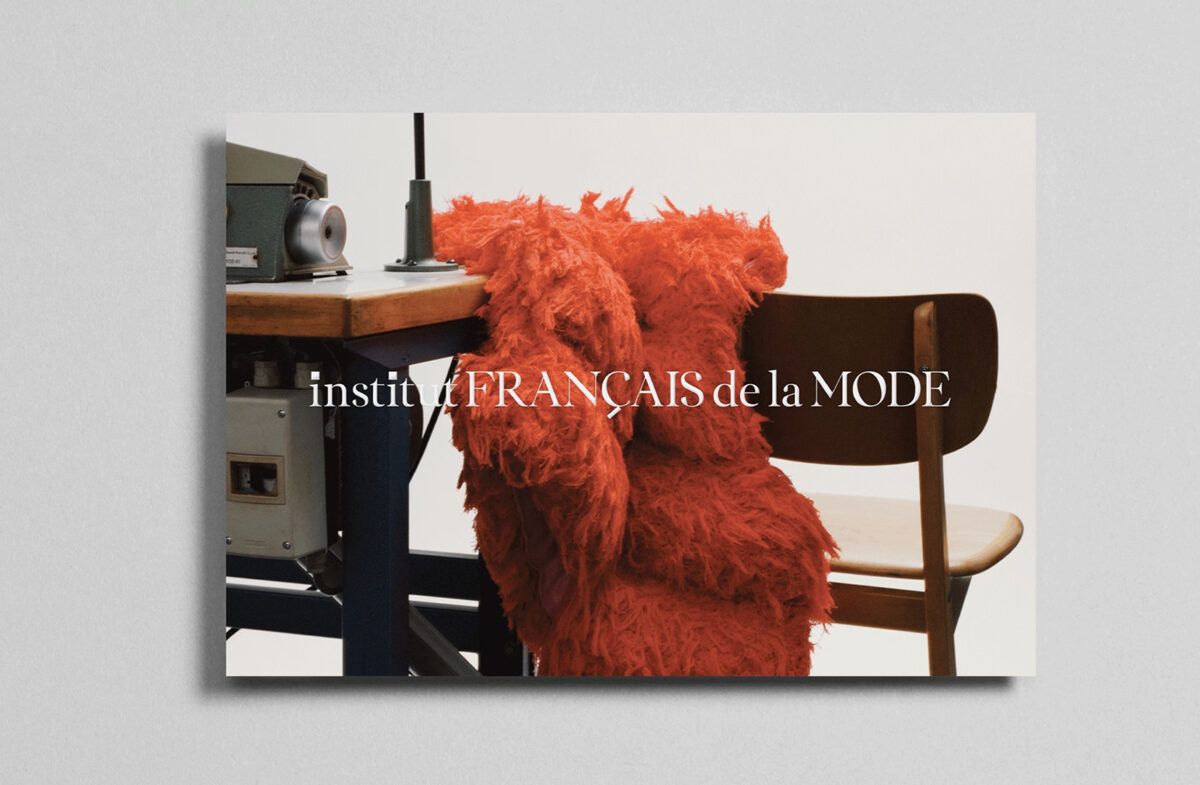
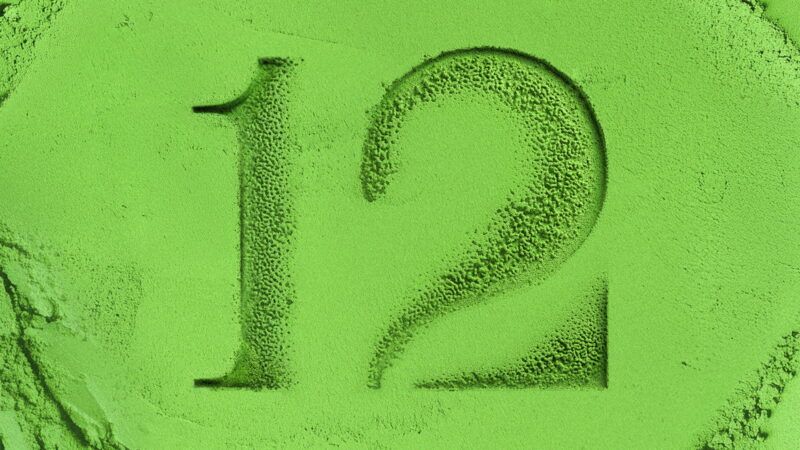
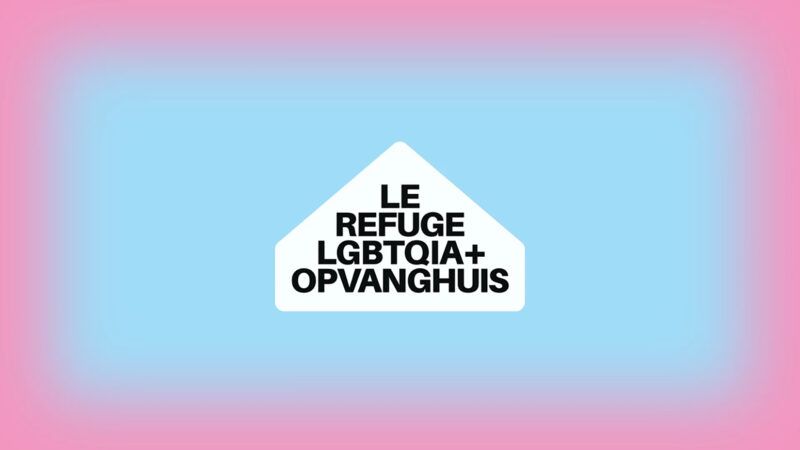
As you’ll discover, Aurélia creates bold and striking pieces of design — but what truly sets her work apart is the meaning she shapes behind them. Her vision goes beyond aesthetics: she understands design as a space for reflection, challenge, and transformation, constantly pushing herself and those around her to rethink their creative processes.
In this interview, Aurélia offers a personal insight into her world — one defined by colour, concept and curiosity. We talk about creative responsibility, sources of inspiration, and why, no matter what, she always finds joy in the creative process.
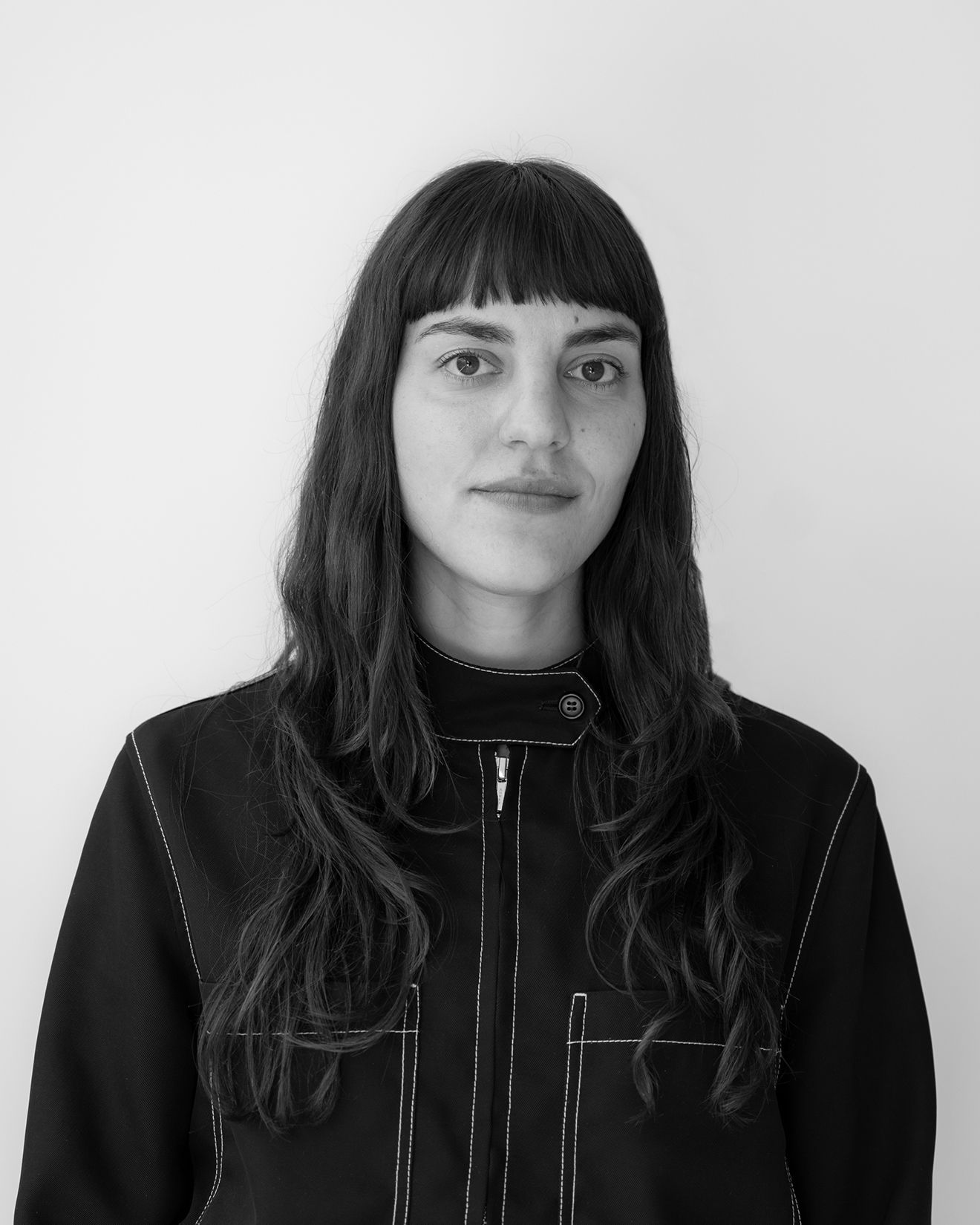
You come from a background in art, film and education. How have these different disciplines shaped your approach to branding and creative direction?
I wish, but I studied graphic design in art school! I come from a background in “global design”, where we studied fashion, product design and space design with a major in graphic design.
Each discipline offers a different way of seeing, but what excites me most is how they overlap and they create a shared set of references that can be reinterpreted in new contexts. In branding, this means I don’t see identity as a fixed style, but as a living dialogue between perspectives.
As a brand strategist, you work beyond visuals — you focus on voice, language, and values. What does a brand need today to truly connect with people?
I am a brand designer, with a strong strategic approach.
I think people are more and more aware of branding mechanics. Quirky copy alone can’t work anymore. Brands need to go beyond that predictable part. They need to resist the safe aesthetics of the moment and to take a stance that feels more authentic. People connect less to polish and more to honesty.
“People connect less to polish and more to honesty.”
You’ve lived and worked in cities like Paris, New York and Brussels. How have these places influenced your creative perspective?
Paris sharpened my skills in the craft itself, and taught me the heritage of graphic artists. Brussels helped me navigate the importance of cultural nuances, and to try to embrace chaos and absurdities. NY is all about speed and ambition, it taught me a structured approach to design.
Each time I move countries, arriving in a new place and realising there is a whole world I can learn from has been an immense joy! It is so rich to see design through different cultural lenses.
Base Design often talks about putting “culture at the center of branding”. What does that mean for you on a practical level?
I think it goes both ways actually, putting culture at the center of branding and branding at the center of culture! It means that we don’t start by working directly on aesthetics, but by listening to what’s happening in society, the underlying currents, the shifts.
Culture shapes all of this, and branding has to tap into it to stay relevant. Let’s say it’s more about relevance than decoration!
Where does an identity begin — with a word, a question, a visual, a conversation?
I’d say it starts by a good question or a strong idea. A strong idea will lead to more radical choices, and a stronger brand.
“I turn to words more than images. Words shape the way we think.”
Your work reflects a balance between intuition and clarity. How do you navigate the tension between instinct and strategy?
It’s always a balancing act, what the client wants, what excites you, what will drive the brand forward. Strategy sets the frame, intuition and creativity fills it.
I like alternating the two, moments of structure and moments of letting go and seeing where the process takes me. I believe deeply in serendipity and always believe something will emerge at some point.
Base Design has a distinctive voice, yet embraces risk and experimentation. How do you foster creative freedom within a structured international studio?
By creating space for conversation. Freedom doesn’t mean chaos, it means trust. We allow designers and strategists to bring their own perspectives, but we also hold onto a shared discipline of questioning, and pushing ideas further. Also, Base is deeply rooted in the founders’ love of contemporary art and radical ideas. That’s always something we go back to.
What inspires you beyond design? Is there something that always brings you back to your creative core?
Walking! Then, what brings me back is often less “inspiration” and more noticing: paying attention to overlooked gestures, patterns, or contradictions. We often grow out of looking around us and admiring what is there, but I as much as possible try to find beauty in the mundane.
In an oversaturated visual world, how do you keep your perspective fresh and your vision sharp?
I turn to words more than images. Words shape the way we think. Listening rather than looking keeps me from reproducing the same visual tropes. It reminds me that design is not only about what we see, but also about how we think and how we tell stories.
Language sharpens our perspective in a way images can’t, because it forces us to think, not just look.
What role do pauses, walks or moments of stillness play in your creative process?
Pauses create room for serendipity, the unplanned encounter that suddenly reframes a problem.
Creativity isn’t about constant output, but about creating the conditions where the unexpected can surface. The best ideas often happen in those in-betweens, which means a pause is not a break from the work; it is part of the work.
Design today often carries political, cultural, and emotional weight. How do you balance aesthetics with responsibility?
Design does carry weight, but it’s also part of a very capitalist system, which makes it a very hard balance to find.
That question has really been difficult for me in the past year. I’ve realised that at some point I had lost interest in what I was doing, because it had lost its meaning for me. Being a brand designer felt so absurd, I felt it couldn’t align with my value anymore.
You can twist and turn the question in every way, it’s almost impossible to find a perfect balance. I’m slowly starting to build it back up. Responsibility starts with intention. Aesthetics without responsibility can feel empty; responsibility without aesthetics can feel ineffective.
“I’m curious about slowness.”
What should we be questioning more as creatives working in branding and communication?
More than anything, I think we should be questioning our role. Branding is never neutral: it influences how people see themselves, how they consume, how they relate to culture. Are we content to be decorators of capitalism, or can we carve out space for critique and nuance?
The most interesting work comes when we stop asking “what should this look like?” and start asking “why are we doing this at all?”.
You’re speaking at Forward Festival Vienna — a space where different creative voices come together. What do you hope to share, and what do you hope to take away?
I am very excited to speak here! I’m going to share doubts, questions, inspiration, and a bit of projects of course. I’m always interested in seeing other creatives, their work, but most of all their challenges and the questions they raise. As speakers, we have an opportunity to use this platform to trigger conversations in the industry.
If the audience at Forward could walk away with just one idea from your talk, what would you like it to be?
I’d like people to leave with the sense that design doesn’t need to save the world to matter. When everything around us feels urgent and overwhelming, it’s easy to lose faith in its purpose. Yet its value may lie precisely in the act of doing: in the quiet joy of shaping an idea, in the balance we rediscover when we let ourselves be absorbed by the craft.
In those moments, design reminds us that meaning can still be made, even in the smallest gestures.
What are you most curious to explore right now — new ideas, materials, or ways of working?
I’m curious about slowness. About how brands can resist acceleration and instead create identities that evolve at a human pace.
“Creativity isn’t about constant output, but about creating the conditions where the unexpected can surface.”
Is there a recent book, film, or experience that has stayed with you and perhaps shifted the way you think about your work?
I like to focus on the idea of the female gaze — it doesn’t necessarily mean works made by women, but how perspective shapes what we see and value. It has made me reconsider how art and design history has been told largely through men’s perspective and stories, and how much that has influenced what we consider important.
Experiencing films, books, and exhibitions with this in mind has shifted how I approach design: I try to ask whose perspective is being centered and what stories are being overlooked.
And finally, what are you currently working on that excites you the most?
I just finished two quite long going projects. So I’m very excited about new beginnings!
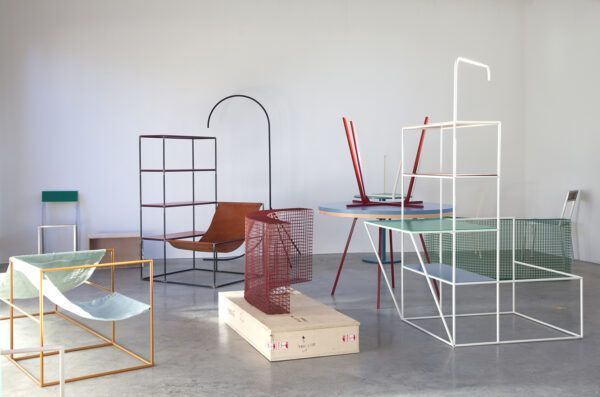
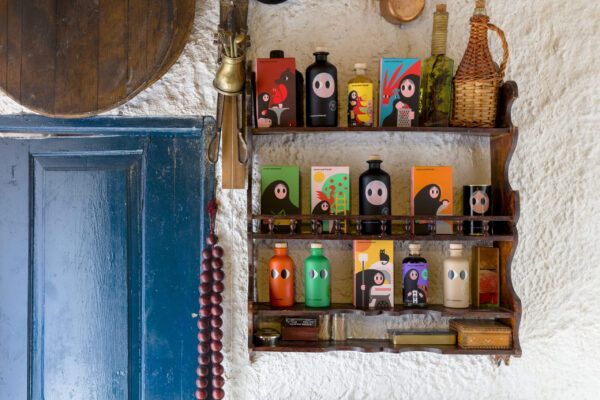
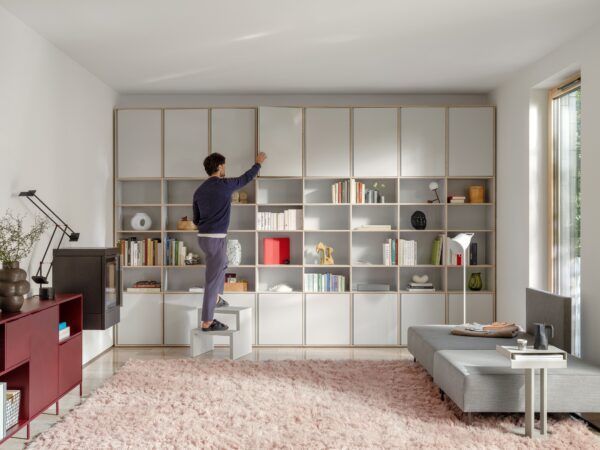
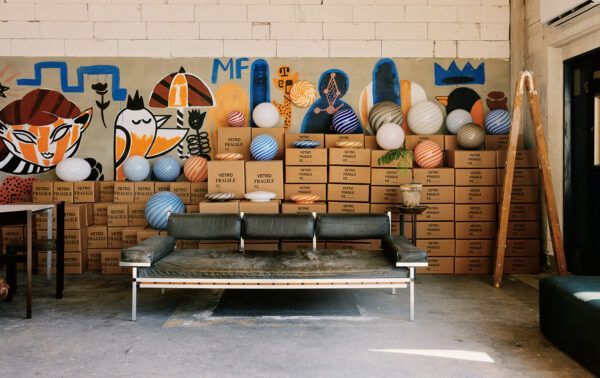
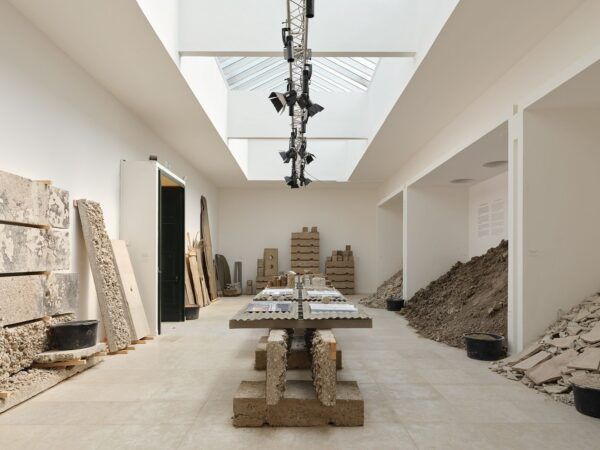
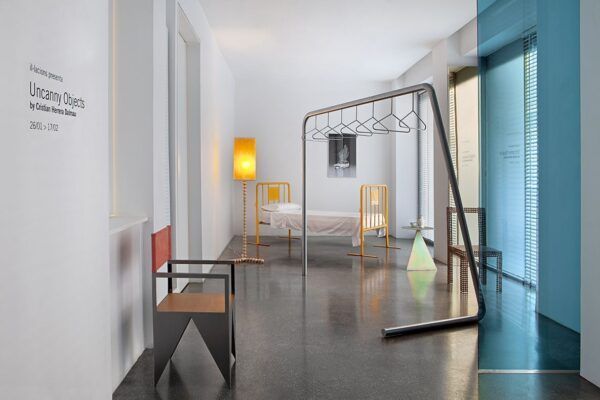
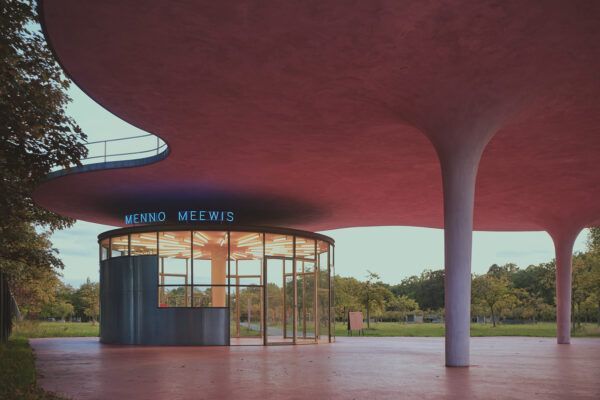
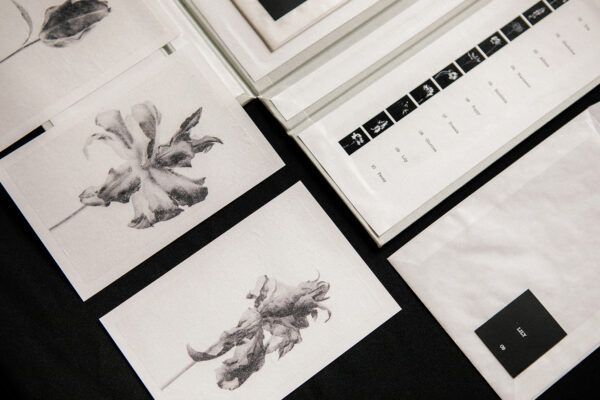
(*) Images provided by Base Design.