Wilmina Hotel: from women’s prison to luxury refuge
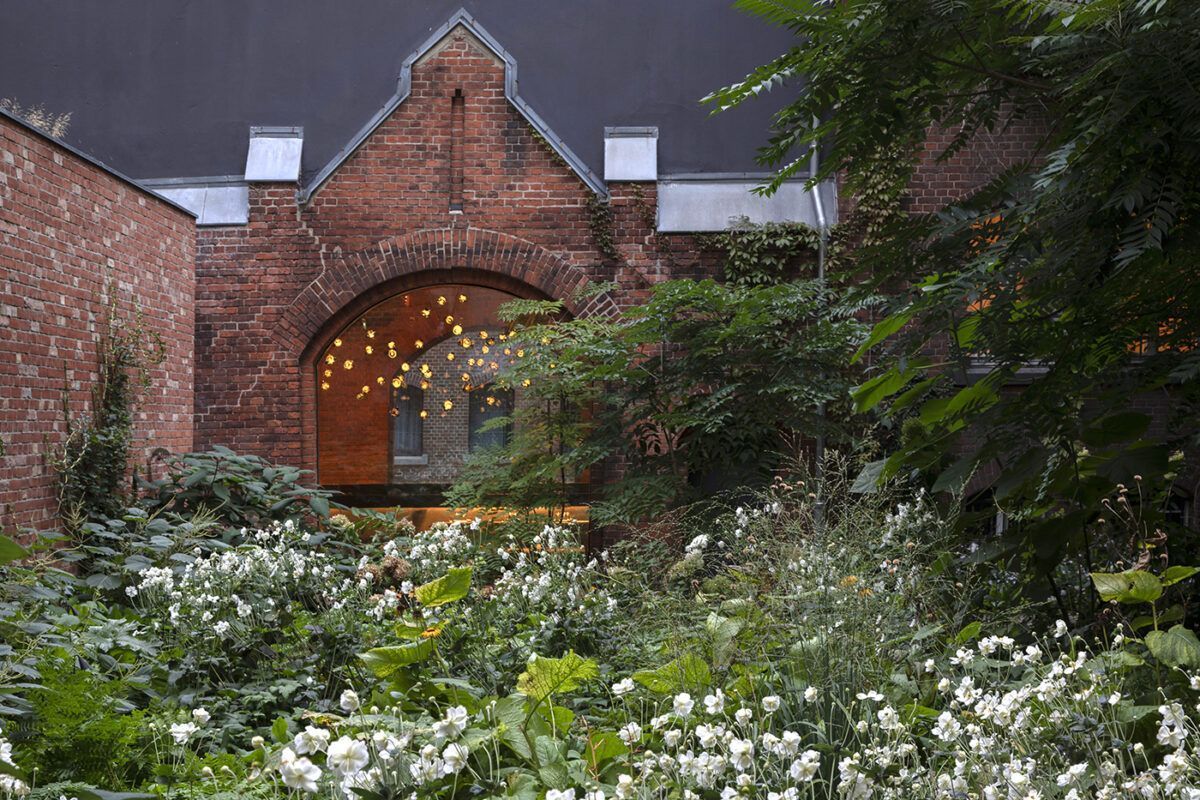
In the heart of Berlin, among the quiet streets of the Charlottenburg district, stands Wilmina, a Design Hotel that surprises with its unique history and impeccable transformation. But Wilmina is not just another design hotel in the German capital. Its past as a women’s prison and courthouse gives it a unique dimension, making it a landmark not only architecturally but also historically and culturally.
Site: wilmina.com
Address: Kantstrasse 79 (Berlin)
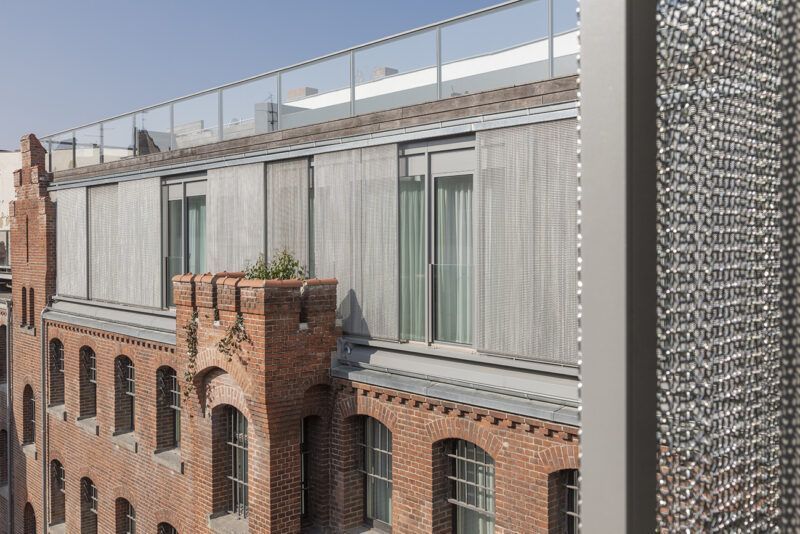
From prison to luxury haven
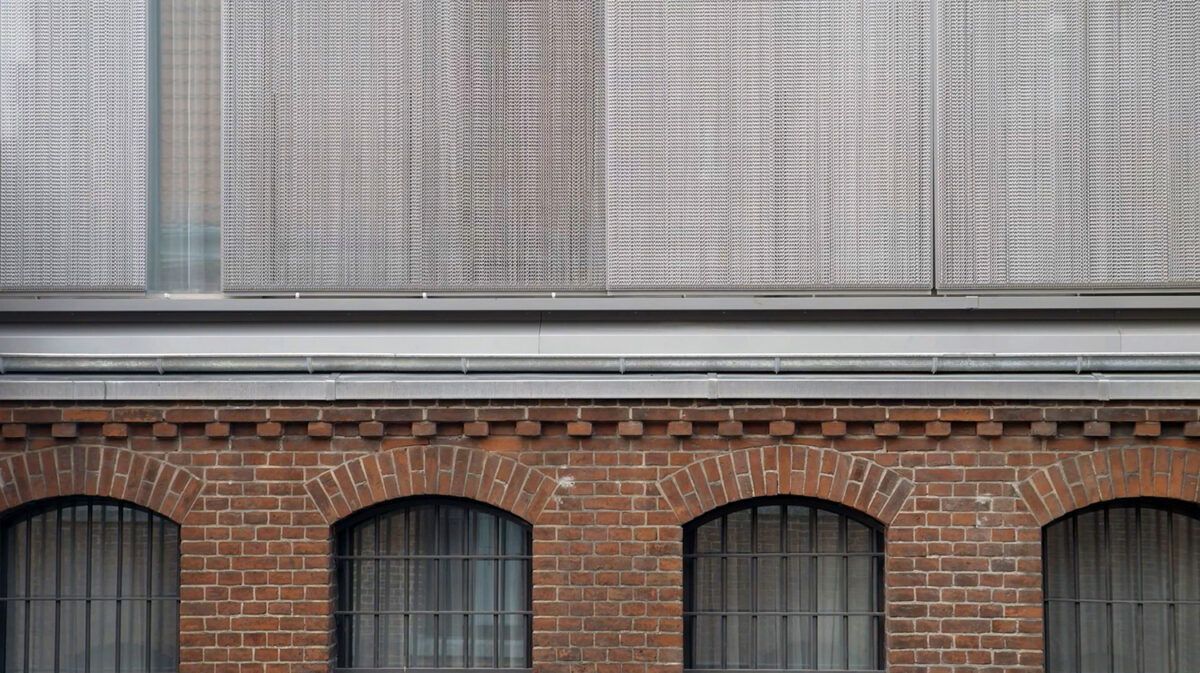
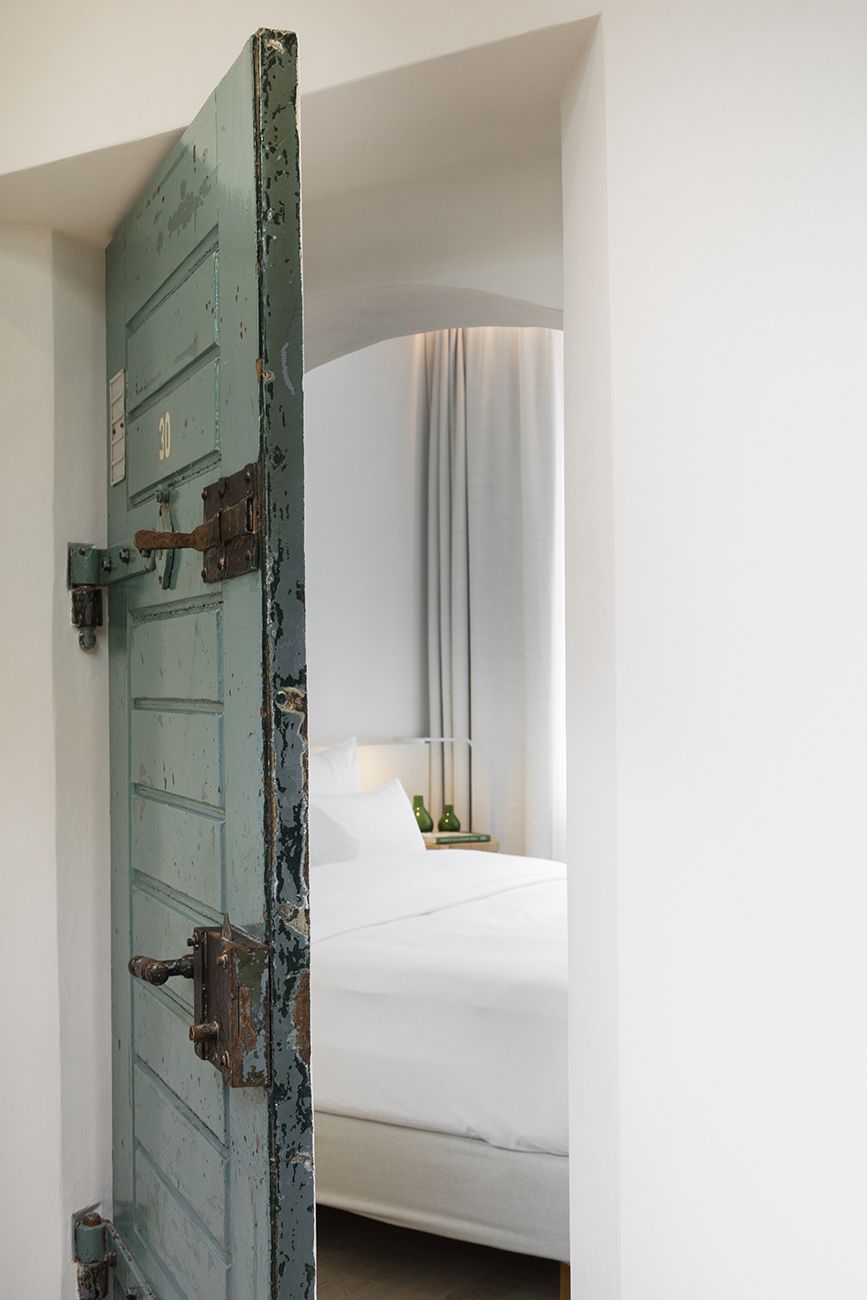
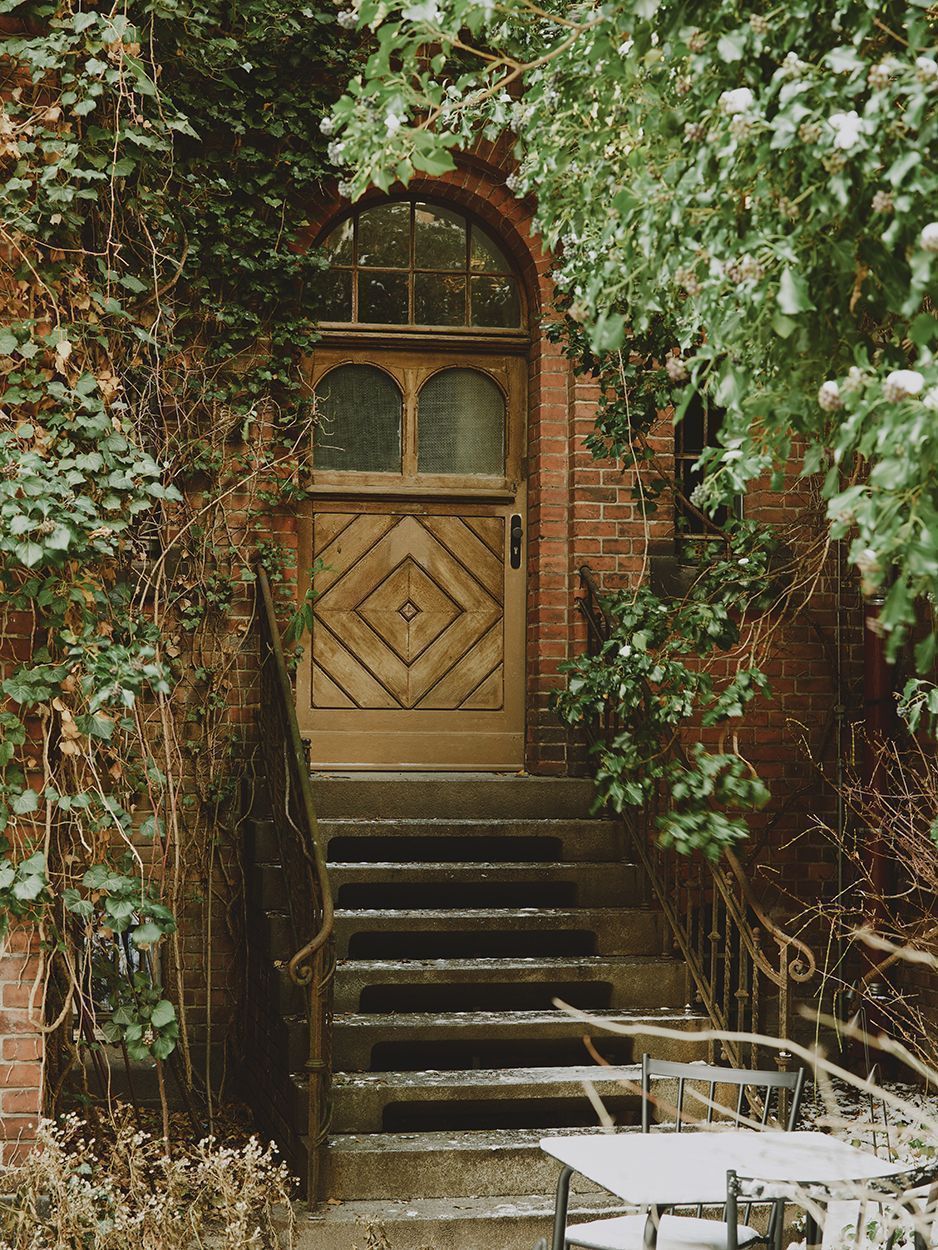
Wilmina‘s story is as captivating as its current aesthetic. The building was originally a women’s prison, constructed in the 19th century. For decades, its walls bore witness to stories of imprisonment, resistance, and, in some cases, suffering. The original architecture, designed to contain, contrasts with the freedom it now offers its guests.
“The building was originally a women’s prison, constructed in the 19th century.”
In 2022, Wilmina opened its doors as a boutique hotel, following a careful restoration led by Grüntuch Ernst Architekten. Its transformation was an act of respect for the building’s history, but also an exercise in architectural imagination. The designers succeeded in balancing the building’s historical weight with a contemporary concept of luxury, one based more on serenity and minimalism than on ostentation.
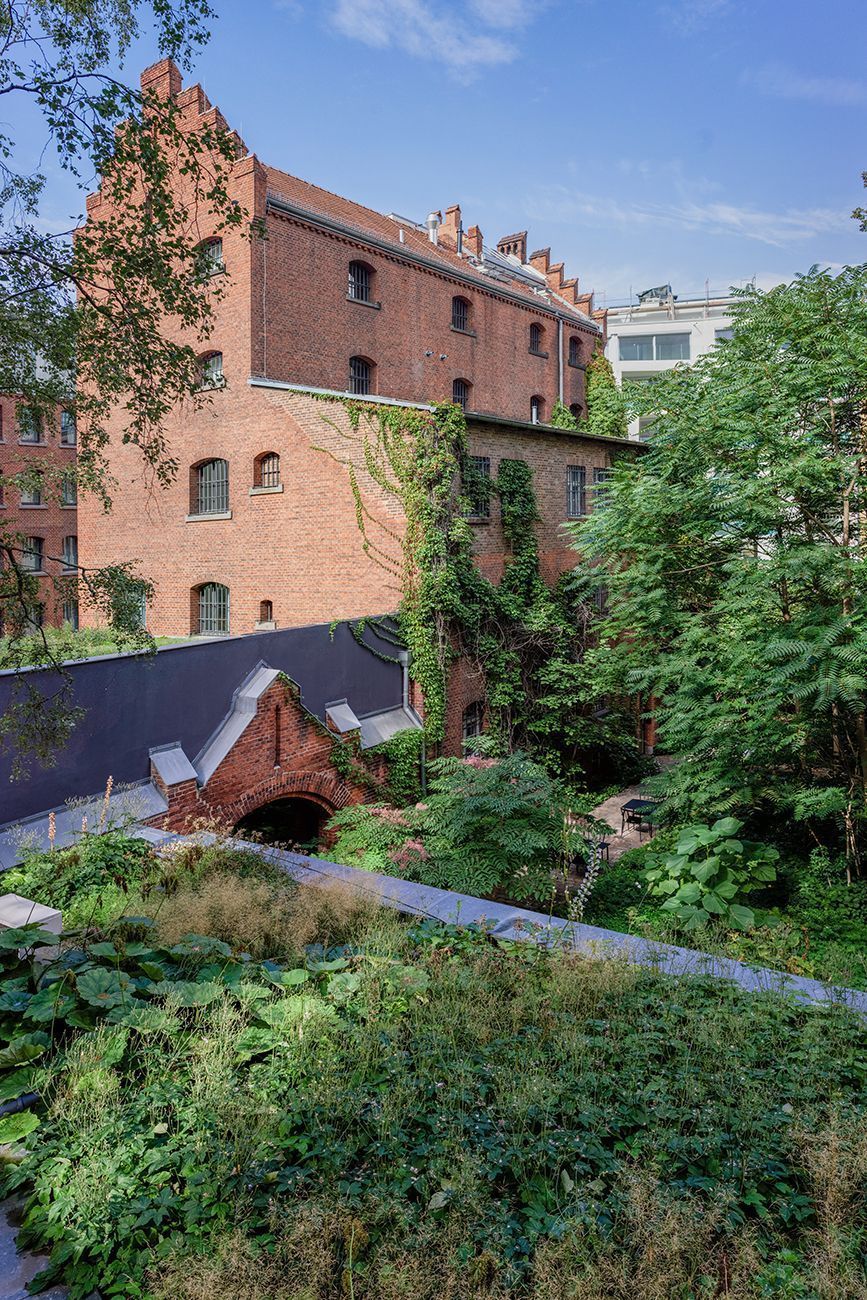
Architecture and design: A dialogue between past and present
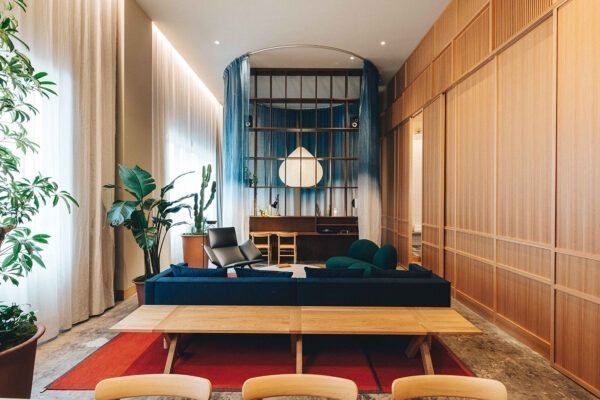
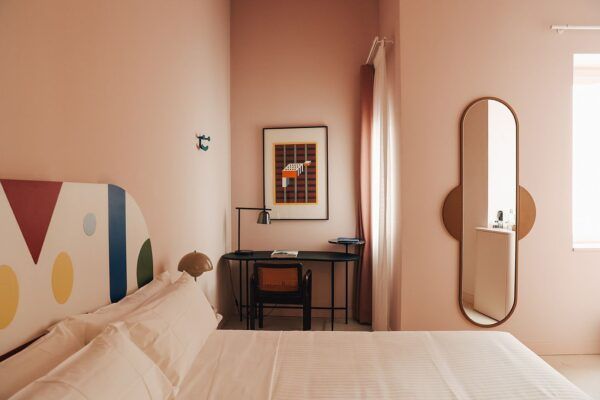
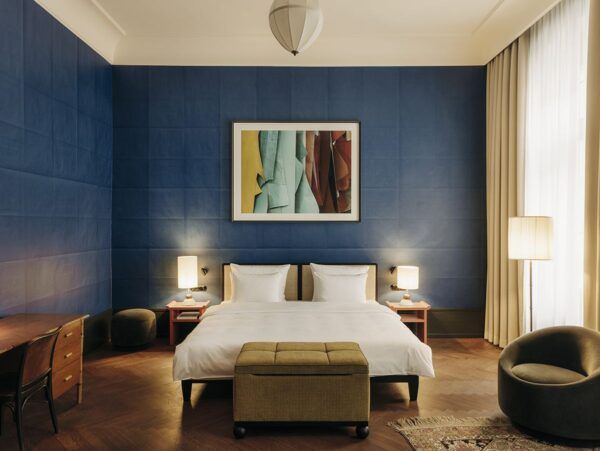
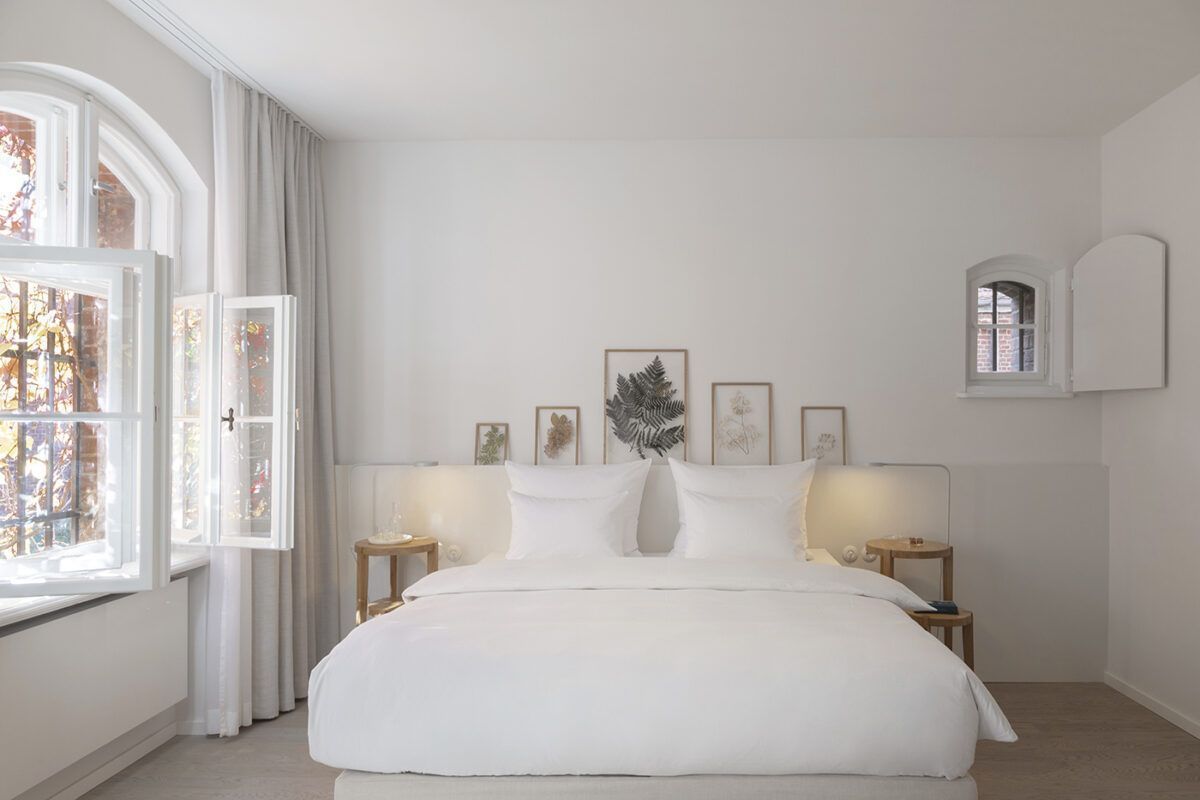
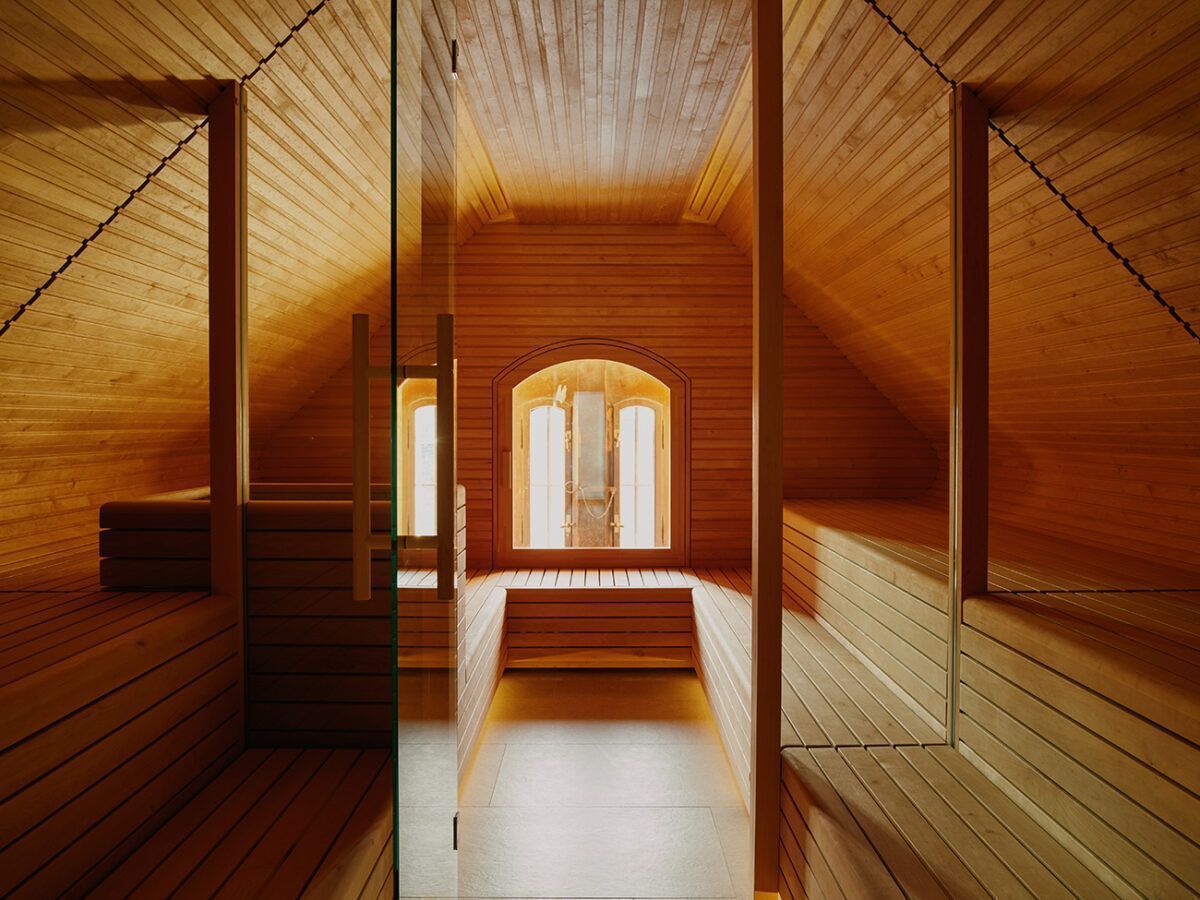
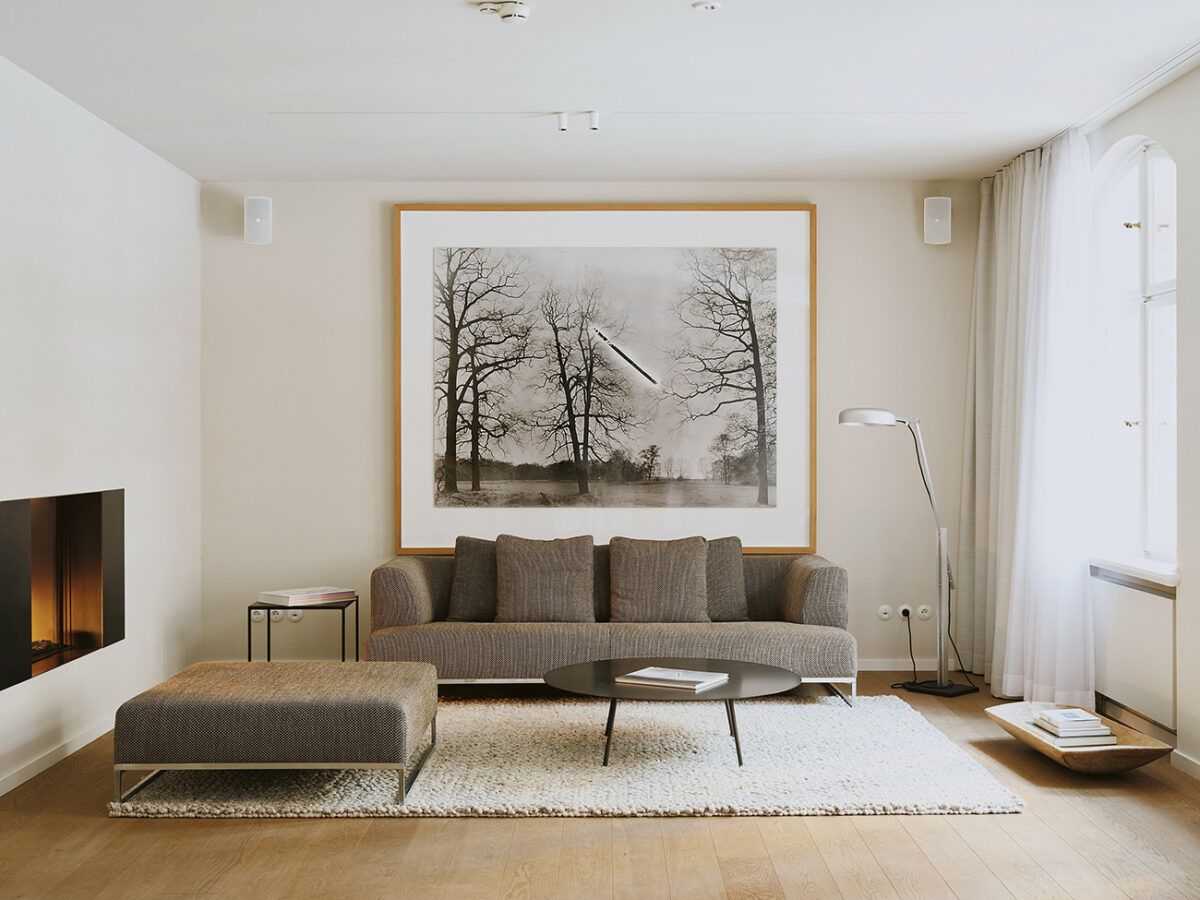
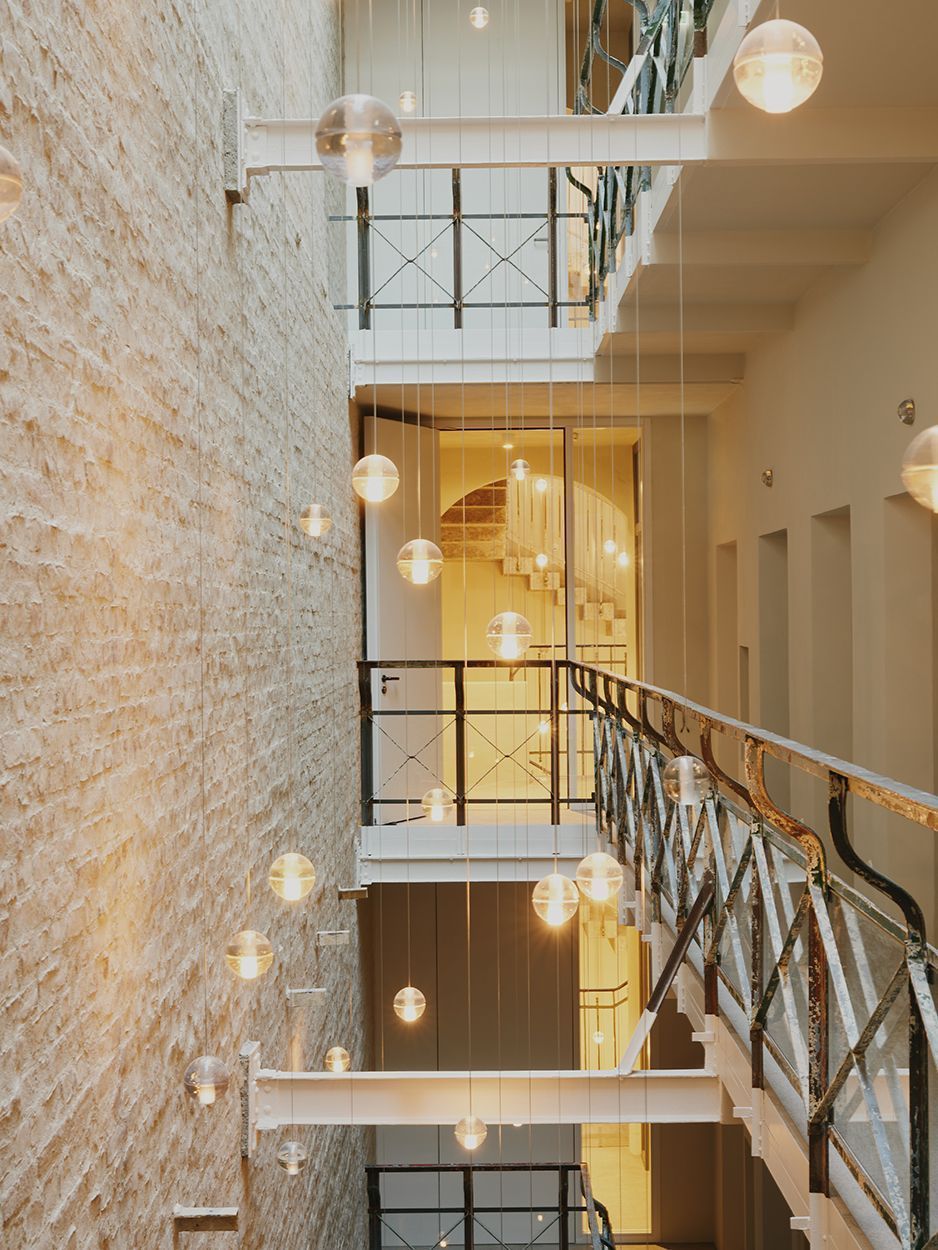
Entering Wilmina is like walking through time. Hallways that were once cold and restrictive now feel open, filled with natural light. The original structure has been largely preserved, but with additions that soften the severity of the past. The former cells have been converted into elegant rooms, each with its own character. Windows that once let in scarce, filtered light are now wide, revealing views of peaceful gardens that invite relaxation.
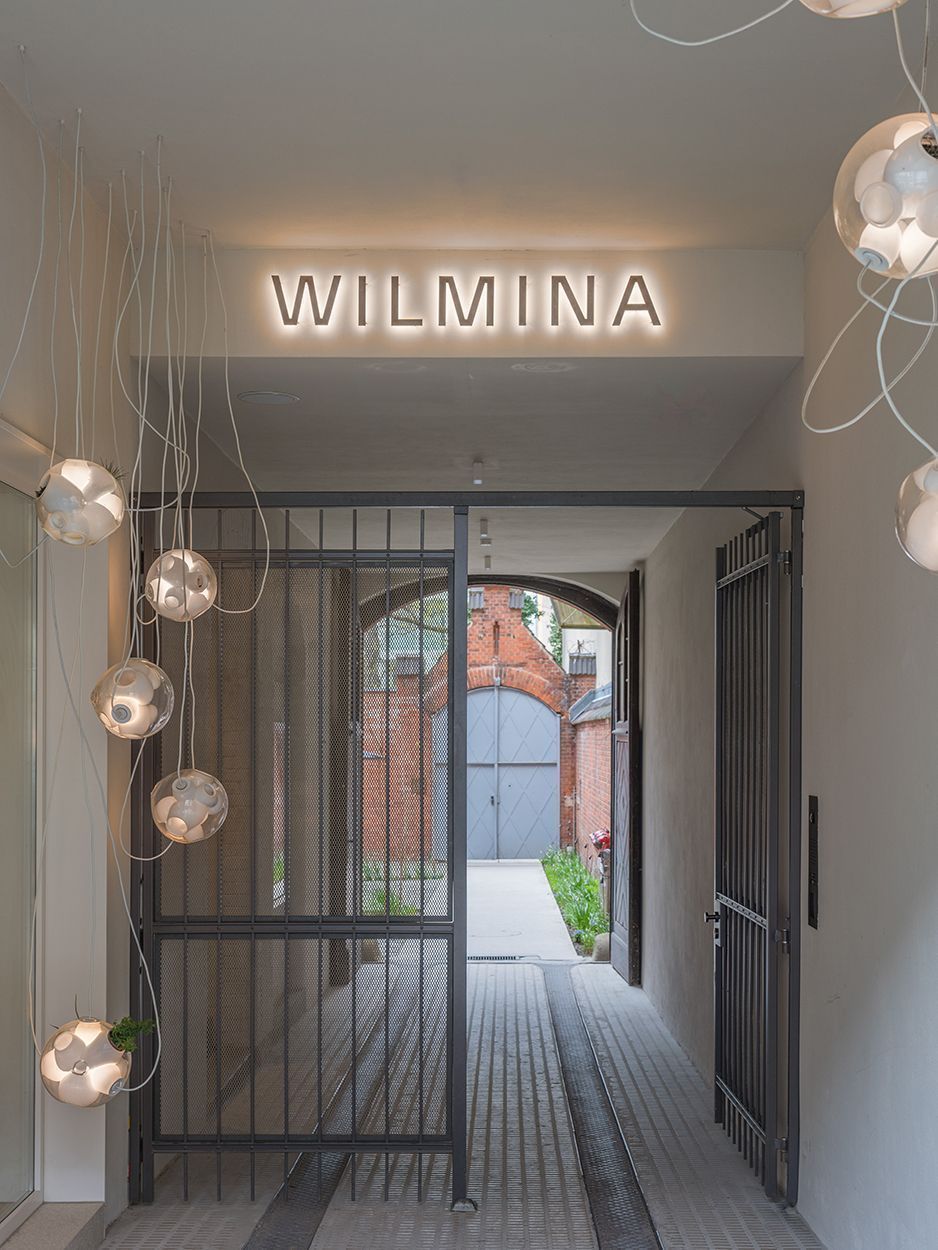
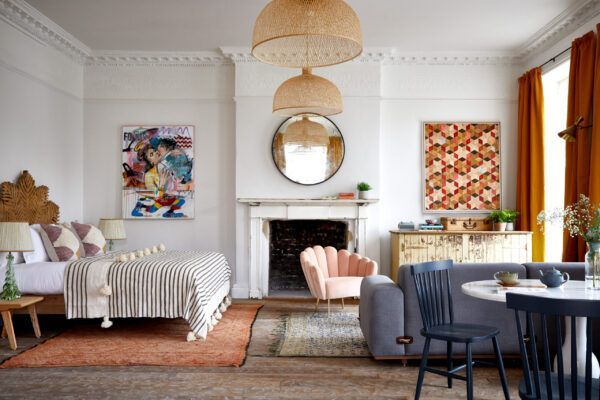
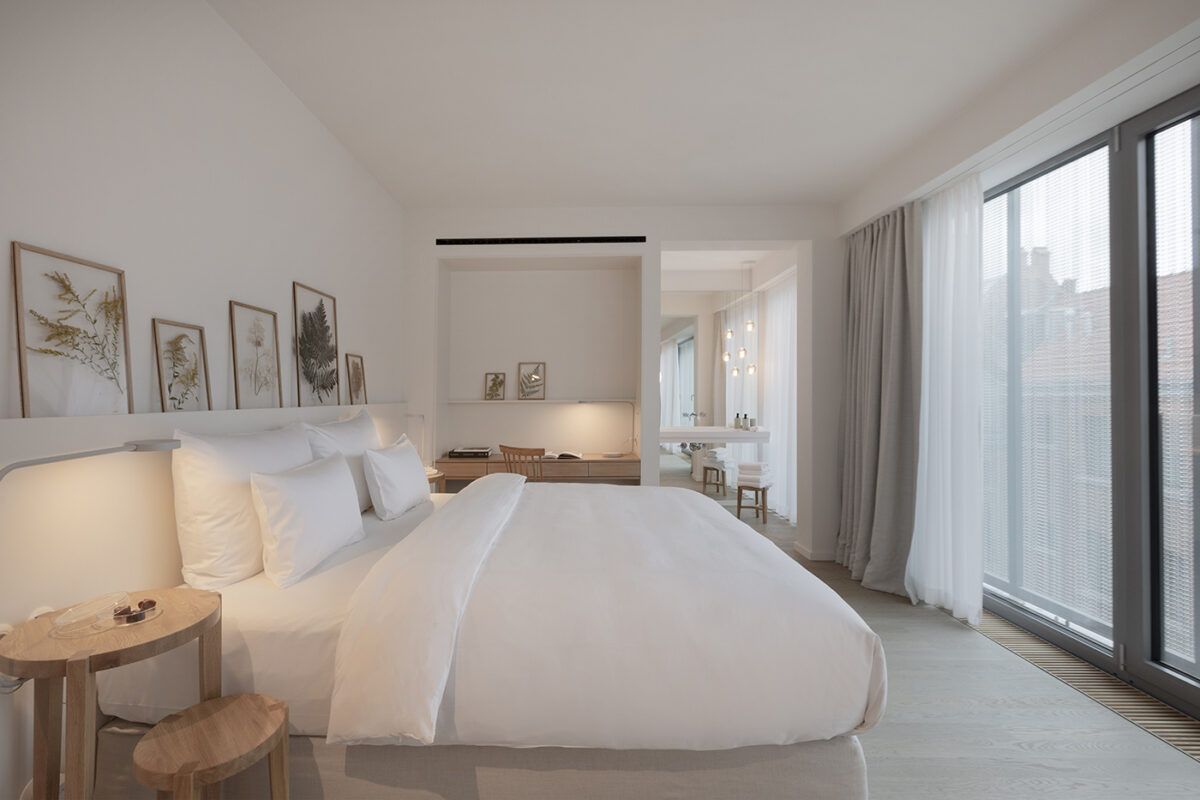
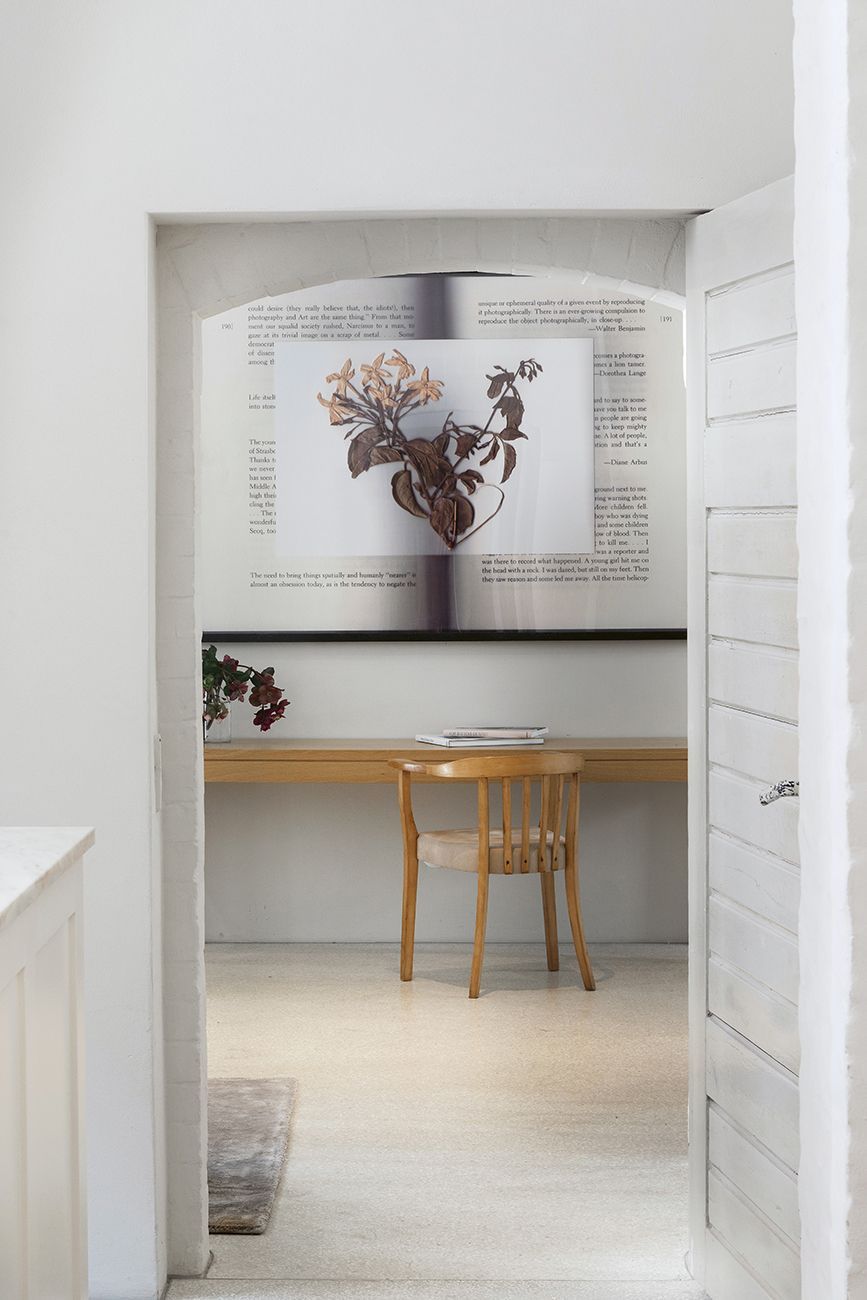
The interior design is a lesson in restraint and refinement. The furniture, with clean lines and natural materials, evokes a sense of calm that contrasts with the tumultuous history of the place. Each space has been designed to invite introspection, a sort of homage to the lives that once passed through. The soft color palette and indirect lighting create an atmosphere that is, above all, welcoming.
An oasis in the bustle of Berlin
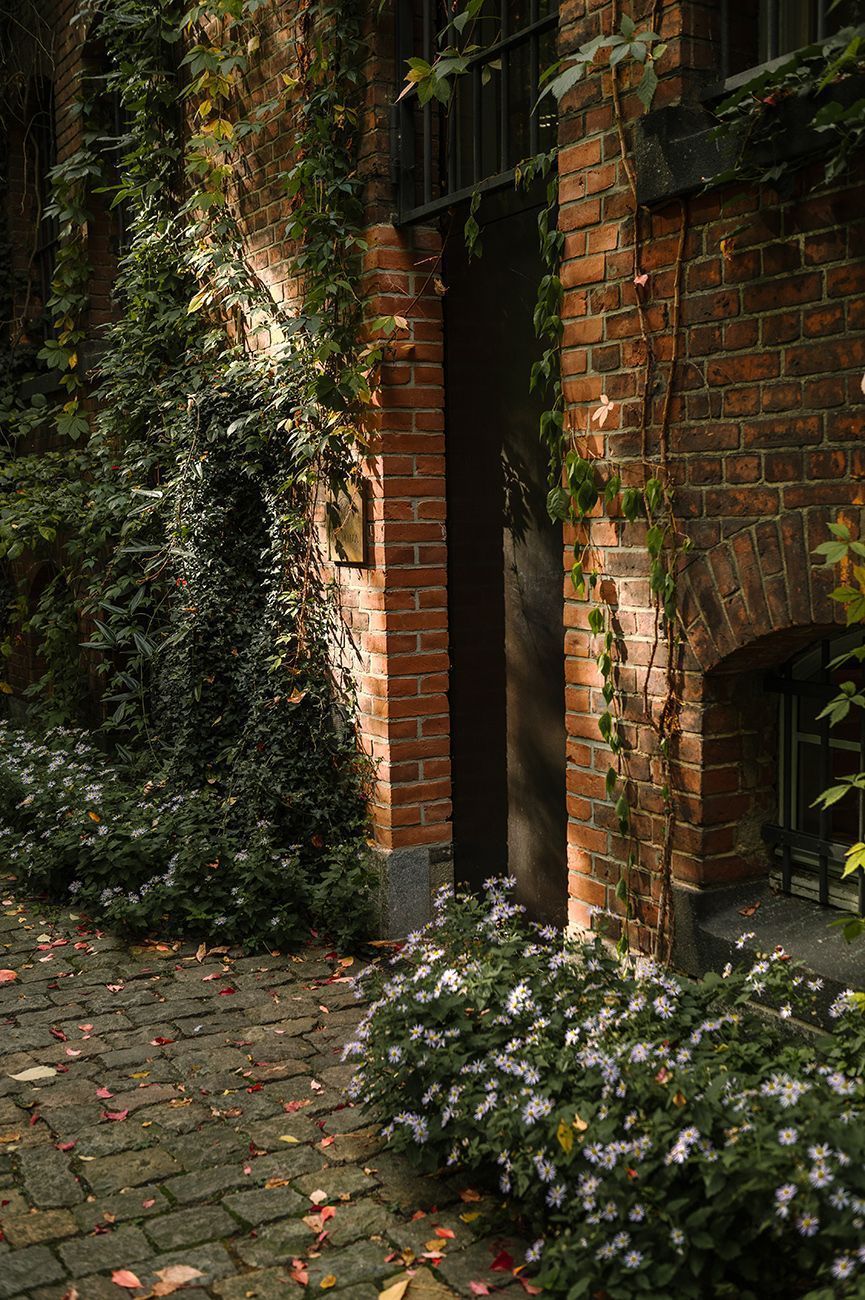
One of Wilmina’s most unexpected gems is its inner garden. This green space, hidden from the outside world, offers a peaceful retreat in the bustling urban environment. The contrast between the building’s stern architecture and the softness of the landscape is a visual metaphor for Wilmina’s rebirth as a place of tranquility and luxury.
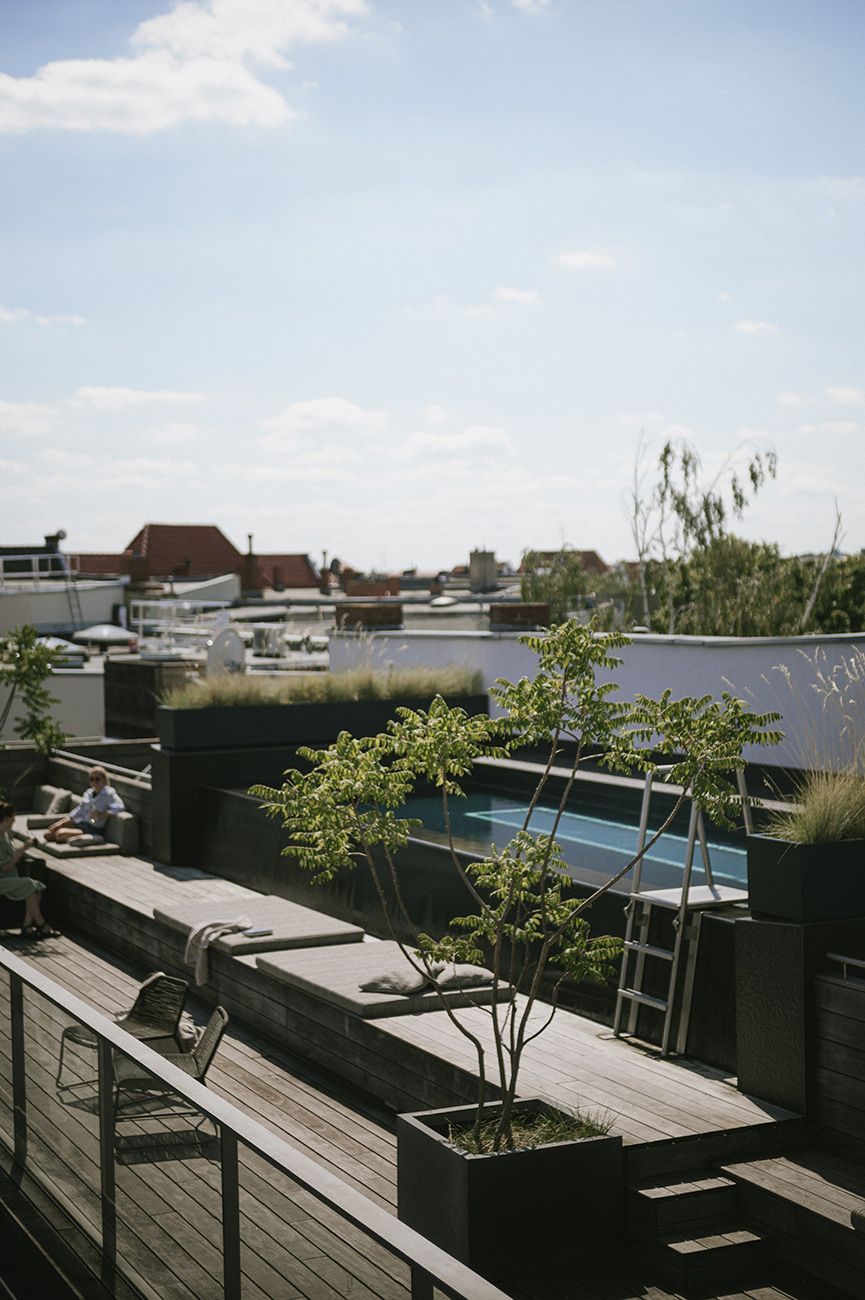
The hotel also boasts a swimming pool and spa, elements that underscore its commitment to offering a refuge for both body and soul. Guests can enjoy wellness treatments or simply relax in an environment seemingly designed to disconnect from the outside world.
Culture and memory in the heart of Berlin
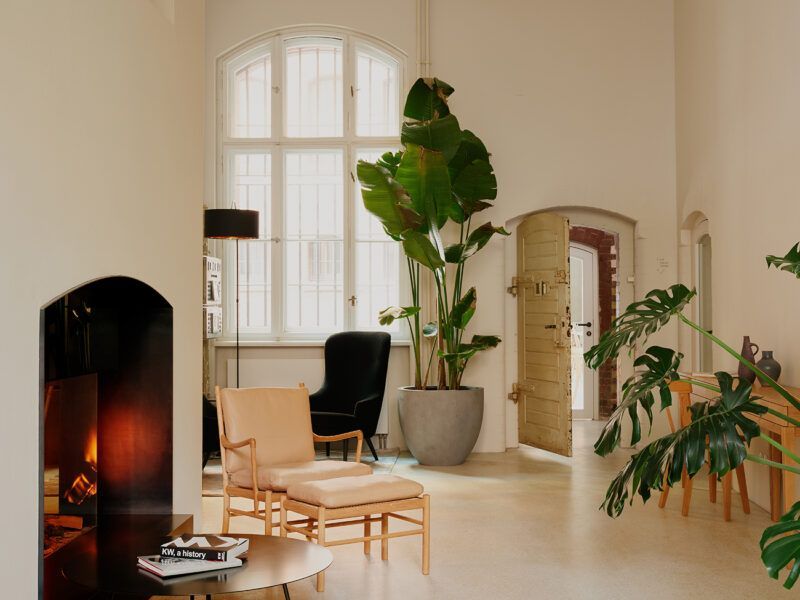
Wilmina is not just a luxury hotel; it is also a place of memory. The traces of its past have been intentionally preserved, creating a constant dialogue between what was and what is now. The hotel’s common areas display historical artifacts and photographs that tell the story of the former prison, offering guests a tangible connection to the past.
“The traces of the past have been preserved, creating a constant dialogue between what was and what is now.”
Through this approach, Wilmina becomes a space that transcends conventional tourism. It is a destination for those seeking more than just a place to stay. It is a place where history, architecture, and design intertwine to offer a unique and deeply meaningful experience.
A new concept of luxury
Wilmina redefines the concept of luxury. Here, luxury is not found in glitz or extravagance but in attention to detail, in the tranquility that permeates every corner, and in the ability to make guests feel part of a larger story. It is a luxury that goes beyond the material, a luxury of space, of silence, and of time for reflection.
In a city like Berlin, where every corner seems to hold a story, Wilmina stands out not only for its past but for the way it has reinterpreted its present. It is an example of how history and design can coexist harmoniously, creating a space that honors what was while offering something new and valuable to today’s travelers.
During our stay, we spoke with Anton Klaus, Brand & Development at Wilmina, to learn more about this unique hospitality project.
What is the origin and meaning of your name?
The name “Wilmina” has its roots in the Wilhelminian era, a period marked by significant cultural and architectural development in Germany in the late 19th and early 20th centuries.
It’s a strong name, internationally recognizable, embodying the spirit of resilience and empowerment associated with that time.
Can you share an anecdote about the creation process of Wilmina?
We started the project as architects for an investor, but he wasn’t convinced that a hotel would work in that location. However, we believed that the site had something very special. As discussions with the investor deepened, we became increasingly emotionally involved.
Eventually, he told us that he was definitely not interested, but that the bank might be, and we should speak with them. So, in the long process of transforming the building, we also transformed ourselves from architects to the people who actually run the place.
Typically, architects add and assemble materials, but in this case, we worked in a very subtractive way, removing walls and opening up the space of the former narrow cells. By doing so, we created larger, brighter rooms, defining new spatial relationships with surprising visual connections. Essentially, we reversed the spatial perception of the place.
Curiously, the space where the hotel now stands was once a women’s prison. What remains of that history?
The hotel proudly preserves a part of its unique history by maintaining a cell-museum that is freely accessible to both tourists and Berliners. This serves as a poignant reminder of the building’s past, where key elements of the culture of remembrance have been carefully preserved.
While it is important to honor this history, the focus is on the new opportunities that have arisen from it. The original bricks and floor plans remain intact, providing a tangible connection to the past. Many original features have been preserved and seamlessly integrated with a creative and timeless design. Light, space, and gardens have been carefully crafted to offer a sense of balance, reflecting a new chapter in the building’s history.
What would you highlight about the neighborhood you’re in, and specifically, about Kantstraße?
Our neighborhood is a blend of rich history and vibrant contemporary life, perfectly captured by the evolving character of Kantstraße. We will soon present “Around Map”, a guide where we showcase our neighborhood and highlight our favorite spots.
Kantstraße, in particular, is a culinary and cultural hub with a unique mix of traditional Berlin charm and modern development.
The area is full of beautiful old buildings, serene lakes, and green spaces, maintaining a welcoming, village-like atmosphere. It’s a place where culture thrives, and the renowned culinary scene along Kantstraße offers an exceptional variety of dining experiences that we are proud to highlight.
What is your unique value as an accommodation?
The hotel offers a unique sanctuary of peace and relaxation in the heart of the city. Our guests can enjoy unparalleled comfort, enhanced by the building’s fascinating history and the warm, personalized service we provide.
“Wilmina offers a unique sanctuary of peace and relaxation in the heart of the city.”
The hotel’s architecture is another differentiating element, combining the past with modern comforts, creating a distinctive atmosphere that feels intimate and luxurious.
For those seeking tranquility, a connection with history, or simply a retreat from the bustle of the city, our hotel offers a unique experience that balances serenity with vibrant urban life.
What does being part of Design Hotels mean to you?
Being part of Design Hotels means joining a global community of unique, independently owned hotels driven by design, where the core values are sharing and progress. This connection allows us to engage with like-minded hoteliers and creative minds, fostering innovation and collaboration.
Despite being part of this inspiring network, we remain an independent project with our own distinct identity and vision. This balance between community and individuality allows us to continually evolve while staying true to our core principles.
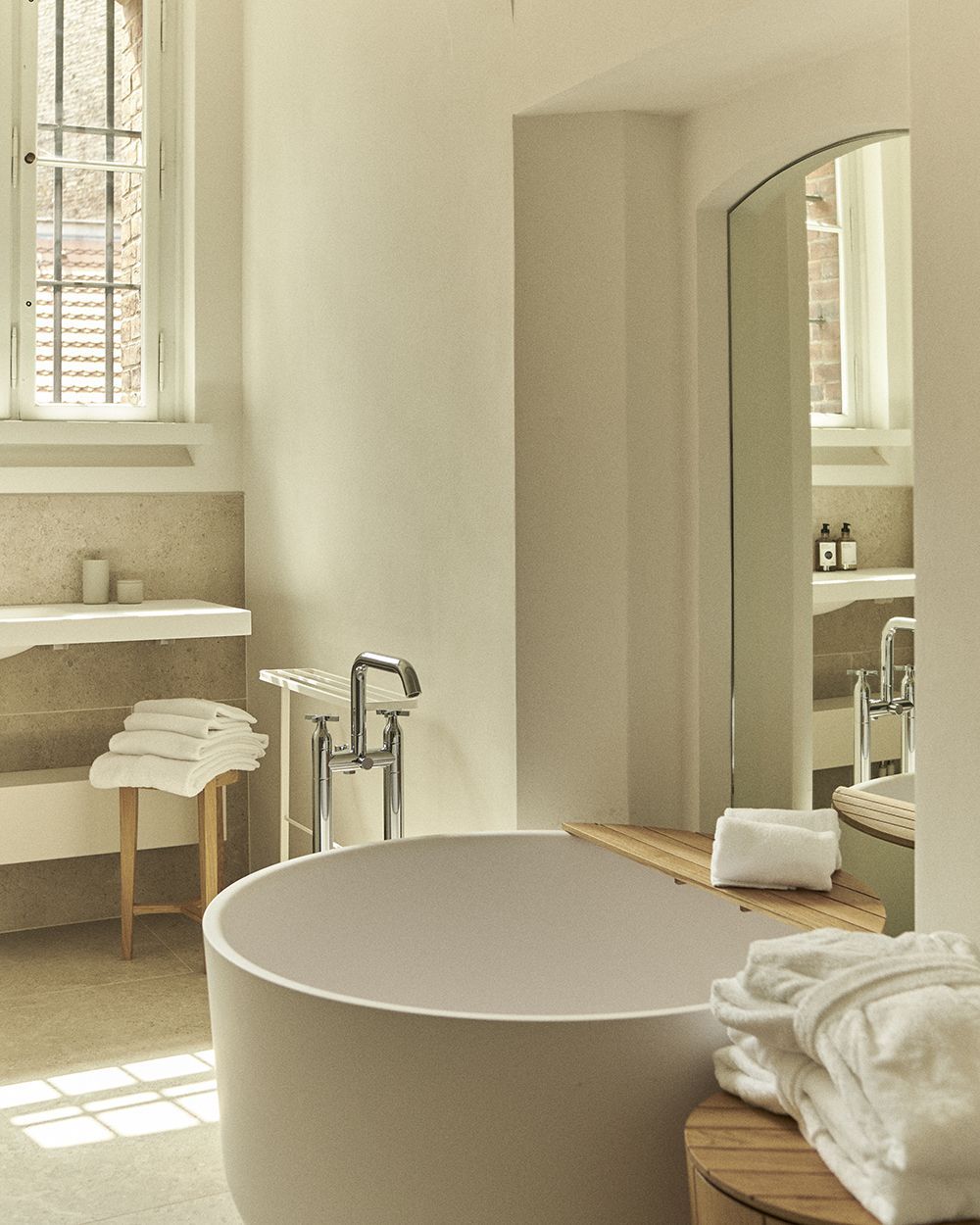
You pay great attention to detail. In fact, your amenities are from Frama, and your beds are from COCO-MAT, to name a few examples.
Indeed. Detail was a crucial aspect in the property’s renovation, which presented a unique opportunity to create something truly special.
We chose Frama for our amenities and COCO-MAT for our beds because they perfectly align with our commitment to providing the utmost comfort for our guests. These selections reflect our focus on sustainability, as both brands prioritize high-quality natural materials and eco-friendly practices. Every little detail in the hotel has been carefully considered to enhance the guest experience, ensuring that comfort and responsible luxury go hand in hand.
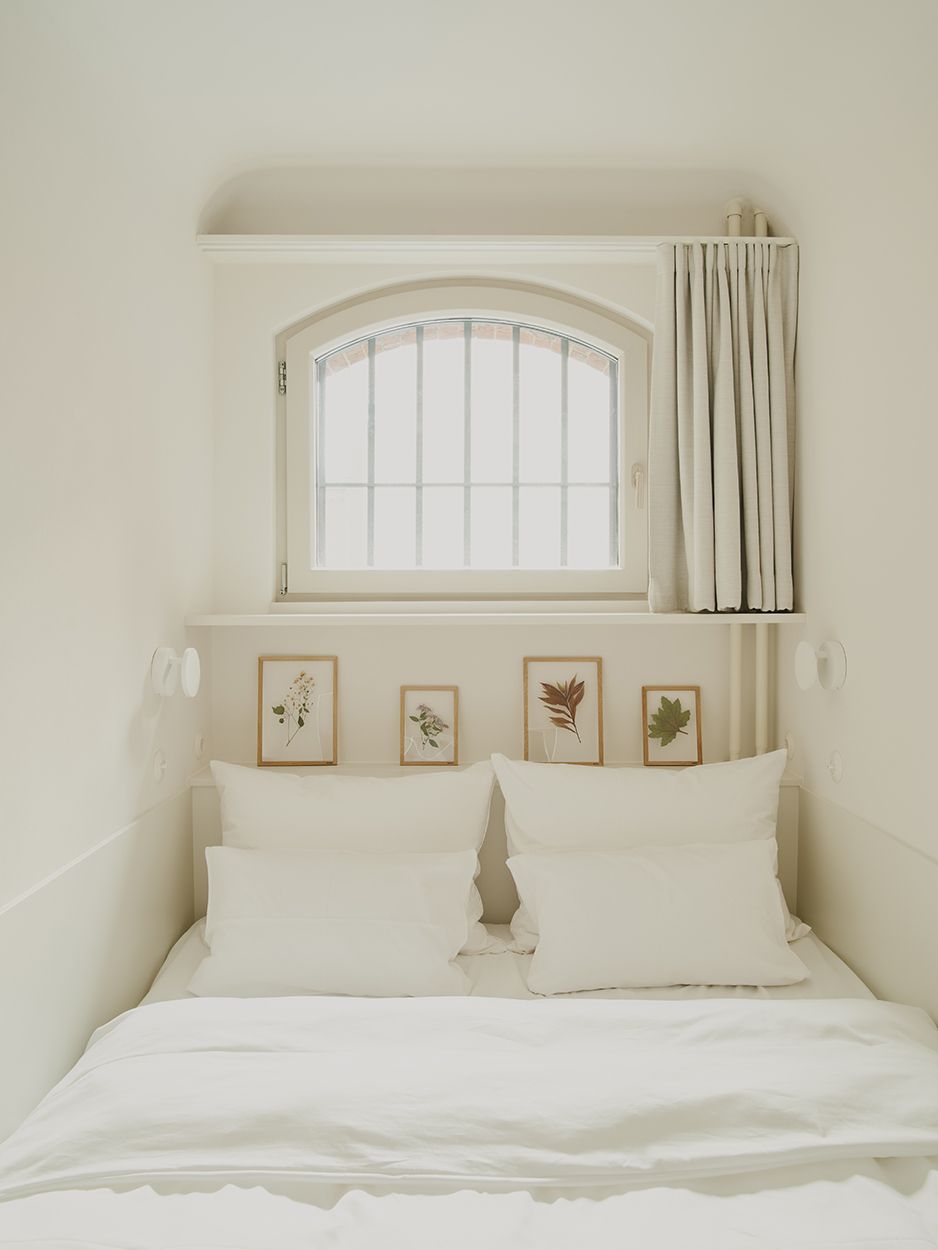
Who is the artist behind the botanical works in the rooms?
The art in our rooms has a deeply personal connection to the hotel’s transformation.
During the long renovation process, the owner’s daughter collected plants from our garden and preserved them through pressing. These botanical works now adorn our rooms, offering a unique and intimate reflection of our space.
In addition to these pieces, we also collaborate with various galleries to showcase rotating exhibitions throughout the hotel, bringing a dynamic and ever-evolving artistic presence to our spaces.
What would you highlight about the apartments located in a building adjacent to the main one?
In addition to the 44 hotel rooms, we also offer 22 Wilmina apartments, ranging between 80 and 246 square meters. These apartments are located in a separate building, providing a tranquil retreat in the heart of the city, with views of courtyards and gardens. The apartments are filled with natural light and feature a calming aesthetic, using natural, high-quality materials. With various categories available, guests can choose the space that best suits their needs, whether they are looking for a cozy refuge or a spacious, luxurious stay.
Gastronomy is also a key part of your concept, and you offer a wide range of excellent dining options: LOVIS, Lotta, and soon Wilmina Brot. What more can you tell us about this?
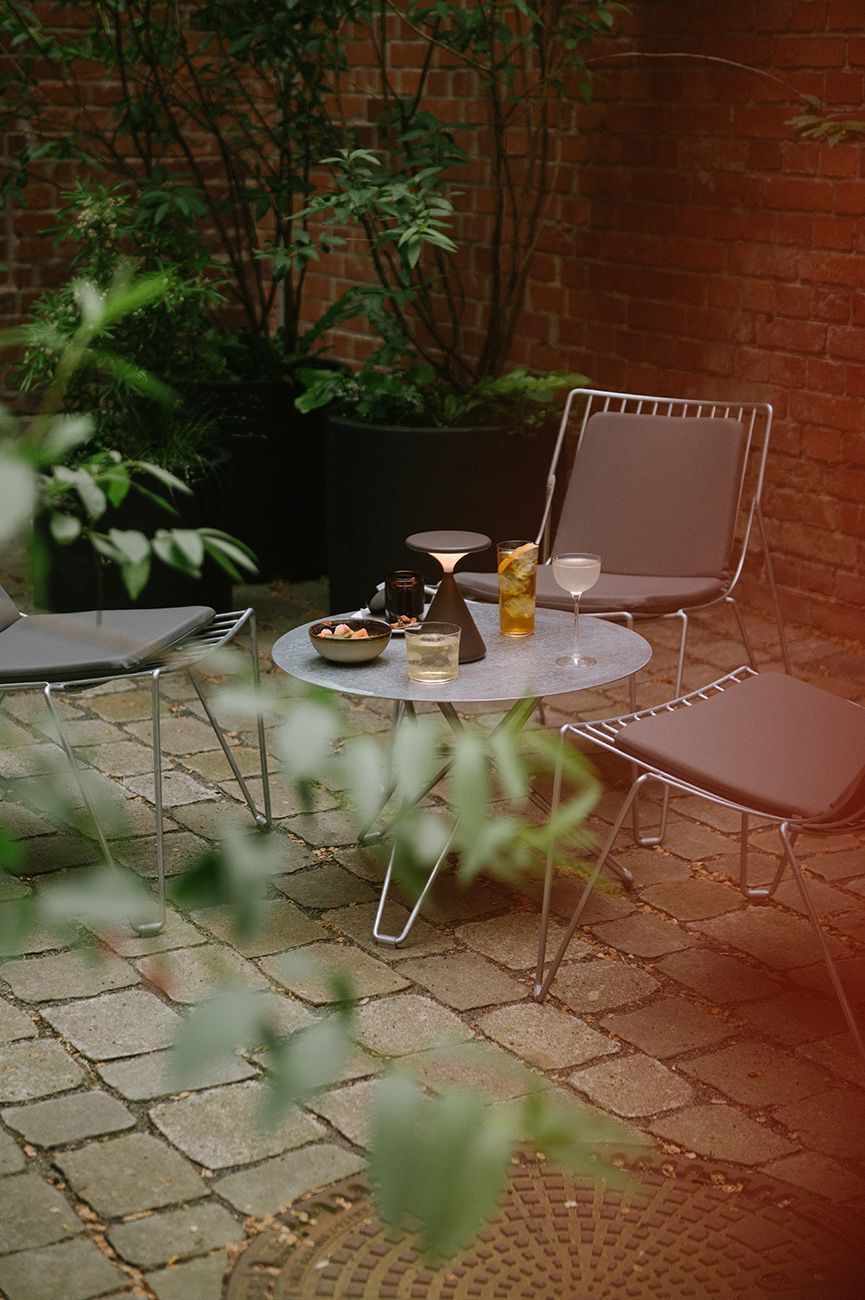
At Wilmina, our gastronomy is a celebration of seasonal and regional excellence. LOVIS, led by chef Sophia Rudolph and her team, offers contemporary German cuisine that reimagines traditional dishes with a modern twist, using the best seasonal ingredients. The restaurant is located in a hidden spot among lush gardens, providing a unique dining experience.
“Our gastronomy is a celebration of seasonal and regional excellence.”
Lotta, on the other hand, offers healthy homemade snacks for a quick bite, along with special selections of coffee and tea, pastries, waffles, and snacks.
Wilmina Brot, opening in September, will focus on honest, traditional craftsmanship, offering freshly baked bread and sweets, all made with seasonal, homemade, and regional ingredients.
Overall, we provide our guests with a comprehensive culinary experience, from breakfast to bar.
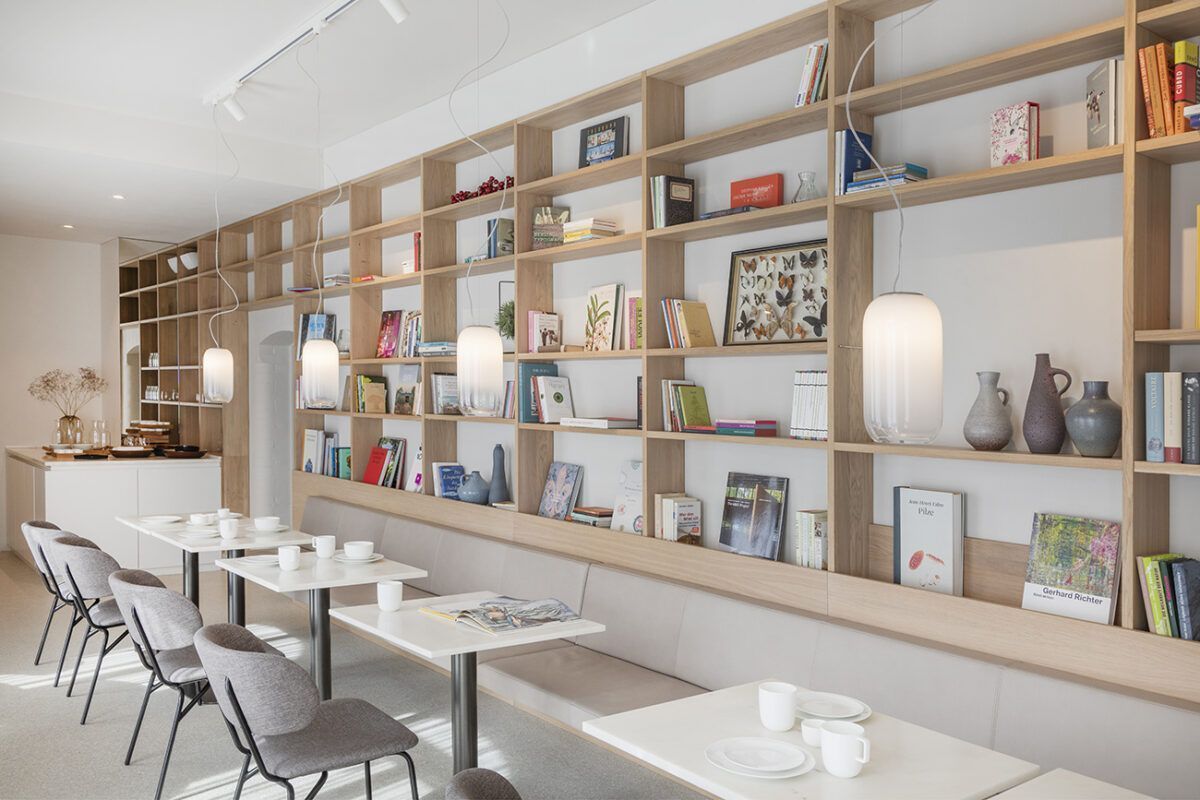
Your breakfast is also outstanding. You can tell that great care and attention are put into its preparation. In fact, all your products are homemade, and you only use seasonal ingredients from regional producers.
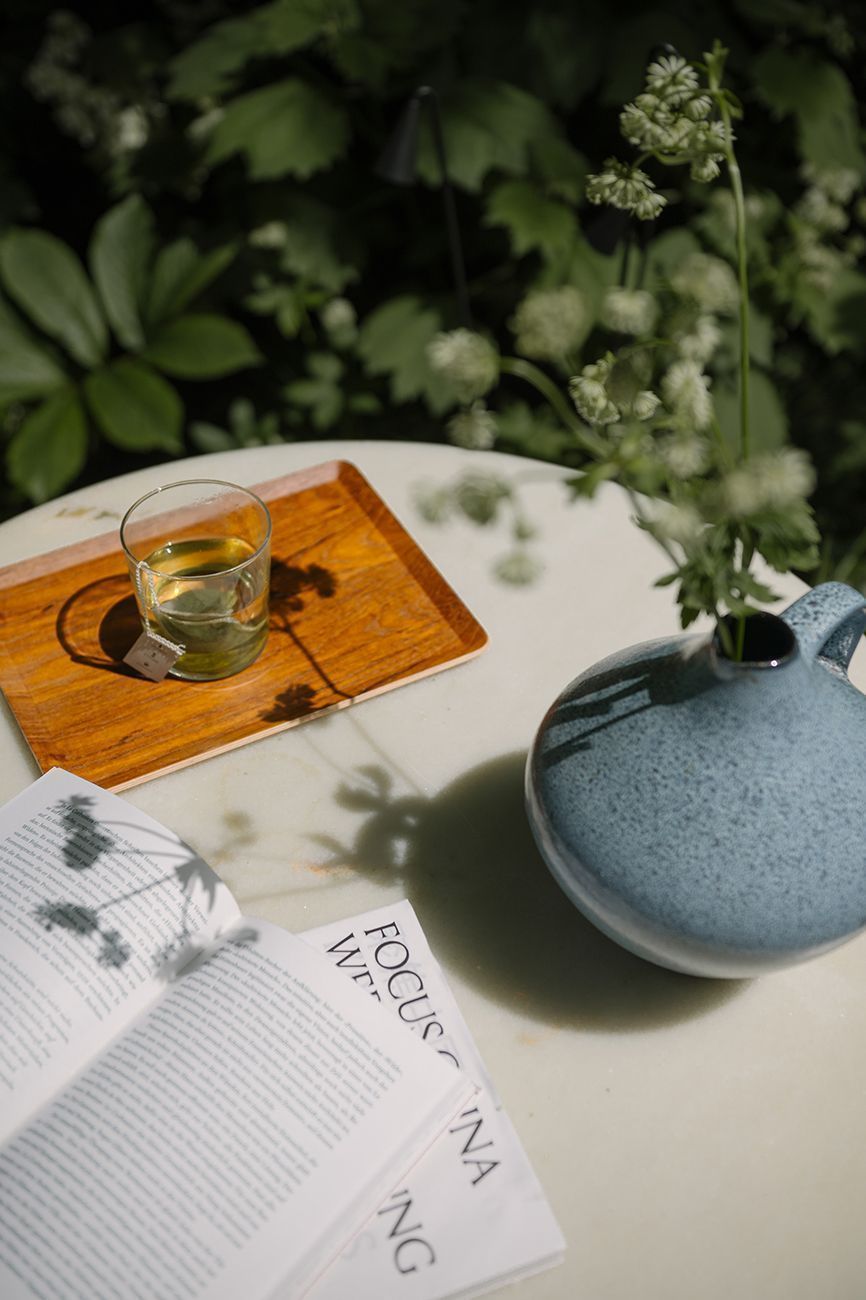
Exactly. Our breakfast is a true highlight. Everything is homemade, and we only prepare it with fresh, seasonal ingredients sourced from high-quality regional producers.
And on sunny days, the experience is elevated as it can be enjoyed in our newly landscaped courtyard, offering a serene and green setting.
By the way, what is the Amtsalon?
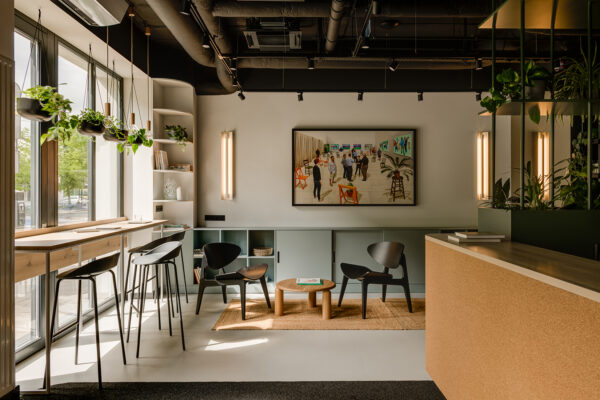
The Amtsalon is a multidisciplinary space for temporary projects, serving as a vibrant platform for collaboration, gatherings, and exhibitions in the fields of art, architecture, design, and more.
It is located in a former courthouse and has been converted into a unique venue for creative expression. In addition to workshop rooms, which are ideal for meetings and events, Wilmina also offers spaces for guests to relax and connect.
On top of that, we also host pop-ups from Berlin galleries, showcasing artists in our exclusive Amtsalon Gallery Pop-Up format, further enriching the cultural experience at Wilmina.
“Wilmina is not just a hotel. It’s an immersion in the history, design, and culture of a city that never stops reinventing itself.”
If you’re thinking of visiting Berlin soon and are looking for a unique experience in a design-forward accommodation, far from the hustle and bustle but still well-connected by public transport to different neighborhoods, Wilmina is an excellent choice. It’s not just a hotel; it’s an immersion in the history, design, and culture of a city that never stops reinventing itself.
PS: To get around the city we recommend the Berlin Welcome Card, which is the one we use.
(*) Photos provided by Wilmina.