Movies in the air: cinephile recommendations on Air Europa flights
The year has just begun, and we are thrilled to announce a new collaboration with Air Europa‘s in-flight entertainment program. Specifically, we’re talking about their movie channel, which is packed with great films and new releases.
As we all know, during long flights, cinema becomes one of the best allies to make our journey more enjoyable. Whether it’s to immerse ourselves in a new story or to revisit cinematic classics, Air Europa’s movie program offers a variety of titles to make our experience memorable.
This season, passengers on Air Europa flights will be able to enjoy a selection ranging from the surreal and nostalgic to drama and innovative animation. Below is the movie selection for the next two months. We hope you enjoy them!
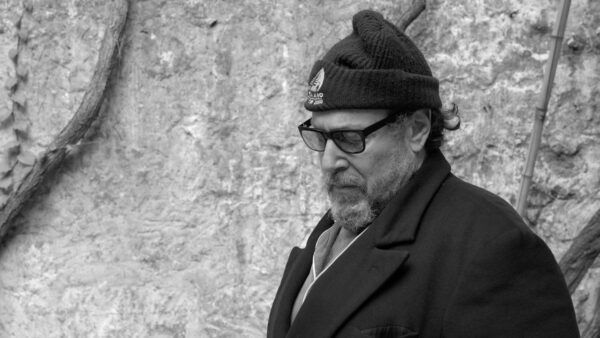
“Beetlejuice 2”: Tim Burton returns to the underworld with nostalgia and new twists (December 2024 – May 2025)
Tim Burton dives back into the eccentric world of Beetlejuice (1988) with a sequel that, though arriving more than 30 years later, retains the gothic essence and macabre humour that made the original a cult classic. The film not only revisits recurring themes in Burton‘s work, such as death and difference, but also adapts his visual style with a mix of traditional effects and modern technology.
Michael Keaton reprises his iconic role as the irreverent bio-exorcist Beetlejuice, whose chaos remains the soul of the movie. However, his performance now carries a touch of nostalgia, as if the character shares an awareness of his delayed return. The formula is further enriched with new characters, including Lydia’s (Winona Ryder) daughter, played by Jenna Ortega, who brings a contemporary freshness and connects with younger audiences. Ortega creates vibrant chemistry with Keaton, adding new layers to the film.

Burton also brings back Catherine O’Hara as Delia Deetz, now a successful artist, a self-aware touch that adds humour to the storyline. Visually, the film shines with its creativity, featuring underworld settings that combine the grotesque with the beautiful, staying true to Burton‘s unique style. However, “Beetlejuice 2” suffers from a predictable plot, relying too heavily on nostalgia without offering any truly surprising innovations. Despite this, the film remains a visually and emotionally satisfying spectacle for Burton‘s fans, allowing them to relive the essence of the first film while introducing it to new generations. It may not become an instant classic, but it is a worthy return to Burton’s peculiar world, which remains a one-of-a-kind space in contemporary cinema.
Best part: Tim Burton‘s return to surrealism and the eccentric aesthetic that made the first film famous, with a brilliant Michael Keaton reprising his role.
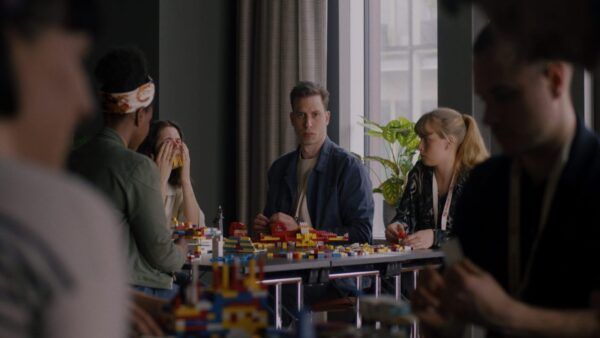
“The Other Way Around”: A romantic comedy about separation, cinema, and self-discovery (February 2025 – July 2025)
“The Other Way Around”, directed by Jonás Trueba and starring himself alongside Itsaso Arana and Vito Sanz, delves into the complexity of a couple’s relationship that, after 14 years together, decides to separate and celebrate their breakup with a party “like a wedding, but in reverse” . This unusual approach baffles their friends and family, but instead of focusing on the pain of separation, the film celebrates the evolution of love, transforming into a new phase of friendship and complicity.
Trueba‘s style, which is inspired by the cinema of Woody Allen and classic French and American comedies, maintains a light and optimistic tone, despite dealing with such a serious subject. The film explores the everyday life of the couple, their complicity, and the crises they face, showing that a relationship doesn’t have to end in conflict but rather in a reconfiguration of bonds.
A notable element of “The Other Way Around” is its use of metacinema, as the protagonists—who are also filmmakers—shoot a film about their own relationship. This “cinema within cinema” serves as a reflection on the contradictions of life, the creative process, and self-awareness, blurring the boundaries between fiction and reality.

The film also draws from philosophical references, such as Søren Kierkegaard’s work on love-repetition, which explores mature love, the beginning of new phases, and reflections on emotional consumerism.
With a cast that shows extraordinary chemistry, “The Other Way Around” is a film rich in nuance and detail, inviting the audience to explore the vulnerability of its characters and their process of transformation. Although it’s a story about separation, its ambiguous ending leaves open the possibility that cinema, like life, allows us to rewrite our own reality.
Best part: The script, direction, literary and philosophical references, the excellent performances of Itsaso Arana and Vito Sanz, the humour, and the reflections on the nature of love and human connections.
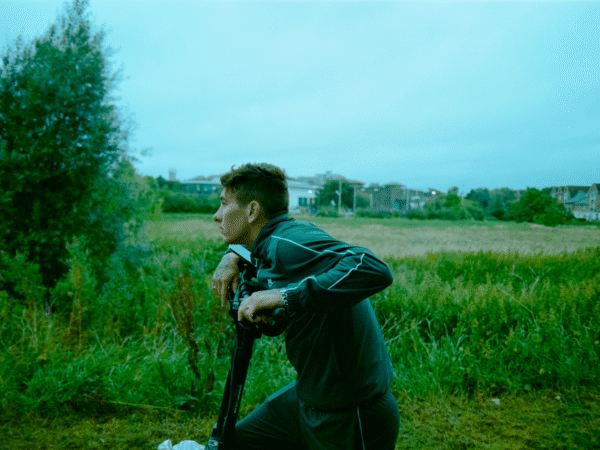
“A House on Fire”: The Darkness and Contradictions of Family (August 2024 – January 2025)
Dani de la Orden‘s new film, “A House on Fire” is a tragicomedy that explores the complex dynamics of family through a story laden with secrets, disenchantment, and resentments. Starring Emma Vilarasau, Enric Auquer, María Rodríguez Soto, Alberto San Juan, and Macarena García, the screenplay by Eduard Sola focuses on a Catalan bourgeois family that, while trying to celebrate a family sale, ends up uncovering the miseries and tensions that have been hidden for years.
The plot centres on Montse (Emma Vilarasau), the matriarch, who, after dedicating her life to others, feels trapped in an idealized past where she was the centre of everything. Throughout the film, her desperate need for love and recognition is revealed, a need that drives her to break all moral boundaries. Her obsession with reliving the affection and attention she gave to her family reflects a critique of the societal expectations placed on the role of mother, who is expected to sacrifice herself without expecting anything in return.

One of the key moments in the film is a premonitory scene where Montse discovers her mother dead in her house, symbolizing her fear of becoming a forgotten and neglected figure, despite all she has given to her family. This sequence raises a reflection on maternal sacrifice and the ingratitude that is often associated with it.
In a more comedic turn, the film presents a dynamic among the family members during a dinner where they play a Gestalt therapy game, simulating a fire in which each person must imagine who would save them. This metaphor sparks conflicts and uncomfortable truths that bring to light repressed resentments and secrets.
Despite the tension, “A House on Fire” also explores the resilience of family bonds. Although the characters confront their miseries, the family connection shows its healing power, and ultimately, the film suggests that while not everything is forgiven, there exists a capacity for understanding and forgiveness that only family can offer.
The film also delves into themes like machismo, toxic relationships, and the expectations placed on mothers, questioning the role of women in both the family and society. The story portrays a mother who, in trying to break free from limiting beliefs about maternal love, faces disapproval and judgment, leading to a confrontation of values and roles within the family unit.
With a blend of acidity, humour, and emotion, “A House on Fire” is a profound reflection on the contradictions of familial love, unmet expectations, and the difficult task of rebuilding broken bonds. The film offers a revealing and biting look at family dynamics and the identity of women, with a screenplay that masterfully combines emotional depth with critical insight.
Best part: The reflections embedded in the film, the comedic moments where manipulation, clumsiness, and pathos come into play; the magnificent performances from the entire cast, particularly Emma Vilarasau; the beautiful village of Cadaqués as a backdrop; the song “Captatio benevolentiae” by Manel; and the final moment.
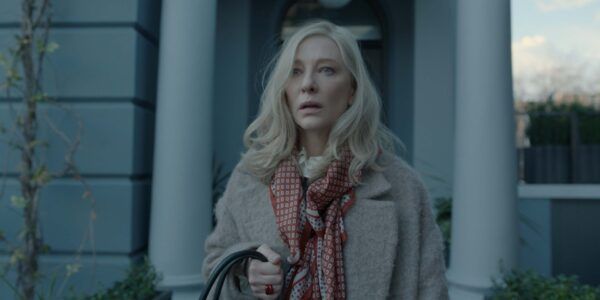
“Memory”: A Portrait of Love, Trauma, and Forgetting (August 2024 – January 2025)
“Memory”, the new film by Mexican director Michel Franco, is an emotional reflection on love, memory, and the scars of the past. With outstanding performances by Jessica Chastain and Peter Sarsgaard, the story follows Sylvia and Saul, two seemingly opposite people who, despite their differences, feel irresistibly drawn to each other through the connection they share in pain and forgetfulness.
Sylvia, a woman who has overcome 13 years of alcoholism, carries a deep trauma that has led her to become evasive, fearful of confronting her past. On the other hand, Saul, a man from a bourgeois family, suffers from early-onset dementia, which robs him of his memory and makes him dependent. While Sylvia struggles to forget her painful memories, Saul yearns to regain the ones he’s lost, creating a relationship in which both find comfort in one another, in an ironic twist of fate.
The film also focuses on the complex representation of family. On one hand, characters like Sylvia’s daughter represent support, while others, like Sylvia’s mother or Saul’s brother, embody the criticism of a family that, although caring, also limits and manipulates the sick out of overprotectiveness. This familial dysfunction raises questions about the boundaries of autonomy and compassion toward those who suffer.
Michel Franco, in addition to directing, also wrote the screenplay for “Memory”, focusing the story on an inexplicable energy that arises between the protagonists, beyond mere sexual attraction. It is a deep connection, based on the recognition of each other’s pain and vulnerability, that binds them in an unexplainable way, even though their circumstances and families tell them they have no future together.
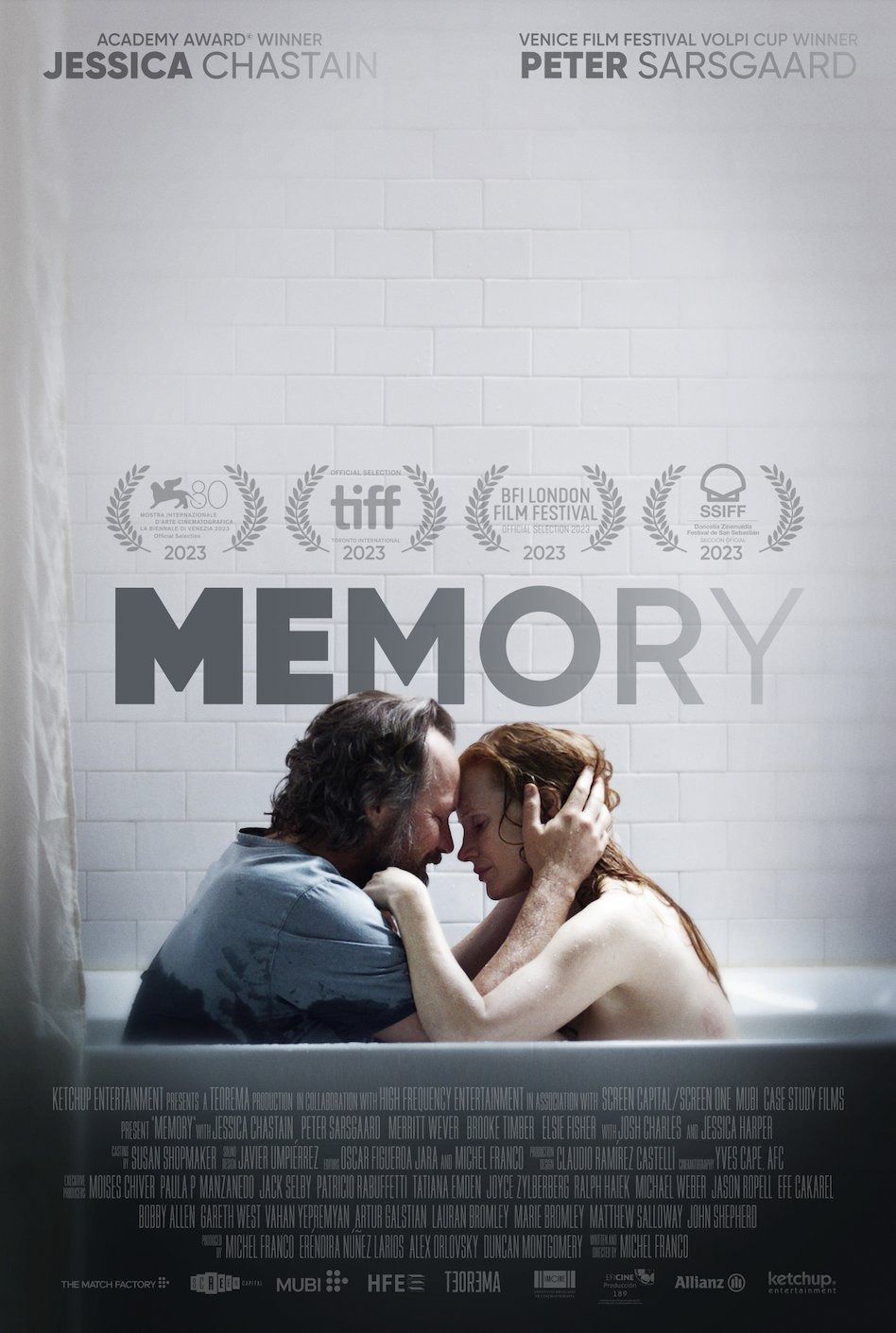
The film also touches on the theme of memory and forgetting, linking personal traumas to the brain’s need for protection. While Sylvia tries to escape her past, Saul faces the emptiness of being unable to remember it, but together they find a formula to move forward: love, complicity, desire, and compassion.
Overall, “Memory” is a tender and insightful film that deeply moves, inviting reflection on mental illnesses, the weight of trauma, and the healing power of love. In a world where selfishness and convenience dominate, the film reminds us that, despite the difficulties, life must be lived, and love, in its many forms, is the key to finding happiness.
Best part: The stunning performance by Jessica Chastain, who manages to bring depth to her character in a screenplay that shifts between suspense and emotional tragedy.
“Robot Dreams”: A Story of Love, Friendship, and Overcoming Loneliness (August 2024 – January 2025)
“Robot Dreams”, directed by Pablo Berger, is a silent animated film that takes us on an emotional journey through the lives of two very unique characters: Dog and Robot. Through their story of friendship and loss, the film explores universal themes such as loneliness, frustration, forgiveness, and the ability to reinvent oneself after a loss.
The plot centres on how Dog, a dog who had found in Robot the perfect and unconditional friend, struggles to overcome the absence of Robot after an accident leaves him immobilized. While Dog becomes obsessed with the idea of recovering his friend, Robot resigns himself to his state, waiting to be “saved” while daydreaming of a better place. Despite their differences, both characters share a deep emotional connection marked by loneliness and unconditional love. Through their silent interactions, the film invites the viewer to reflect on how we cope with loss and how circumstances sometimes lead us to let go of what made us happy in search of something lost.
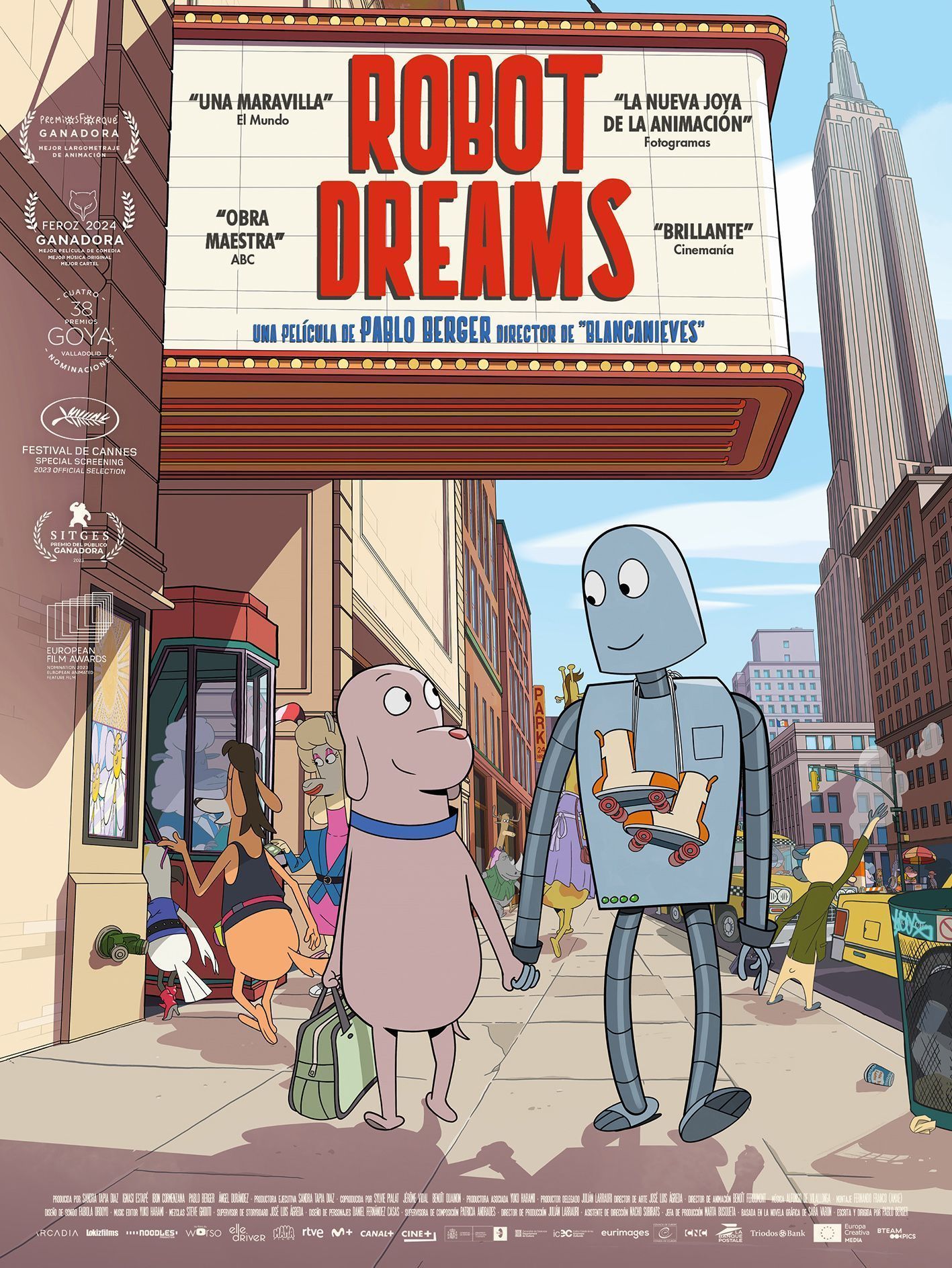
The film, adapted from Sara Varon‘s graphic novel, stands out for its ability to convey emotions without words. Pablo Berger, known for his work with actors, faced the challenge of creating characters that didn’t overact, and he has succeeded in making a moving film that transcends the limitations of animated cinema. The choice of a 1980s New York setting —inspired by Berger‘s personal connection with the city— adds a nostalgic layer and serves as a tribute to a city that influenced both his life and work.
The song “September” by Earth, Wind & Fire, which accompanies the film, brings a unique rhythm and perfectly contextualizes the story, as the narrative spans from one September to the next. The song, which becomes an unforgettable element, reflects the emotion and reflection on the passage of time.
Ultimately, “Robot Dreams” is a tender and profound film that, without relying on dialogue, conveys the nuances of love, friendship, and overcoming hardship. It is a story that reminds us of the importance of letting go of what we can no longer reclaim and, above all, learning to love again.
Best part: Its touching blend of nostalgia and reflection on friendship, with unique animation that brings an emotionally deep narrative to life.
So, do you already know which one you’re going to start with? Have a good flight and enjoy these movies! Remember that you will find all these films and their corresponding reviews in the entertainment programme on Air Europa flights. #ccmagazinerecommends