Jean Jacques Balzac, a fictional author for a fictional architecture
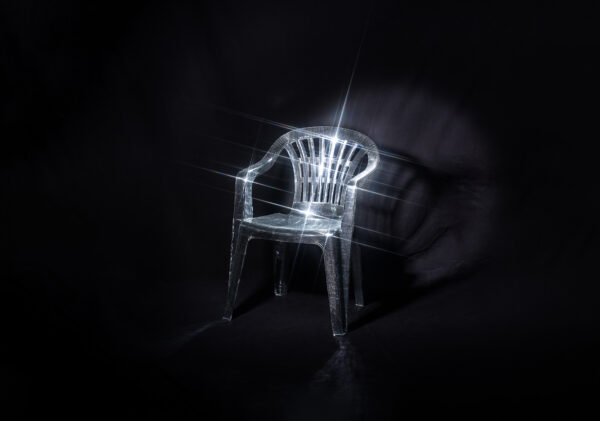
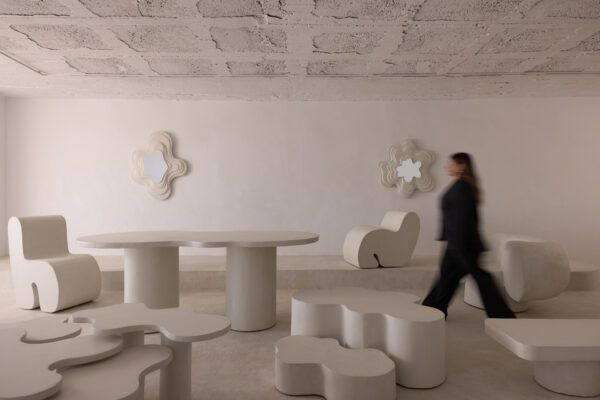
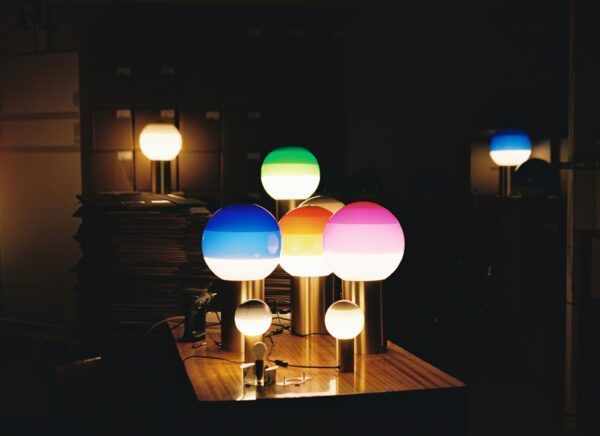
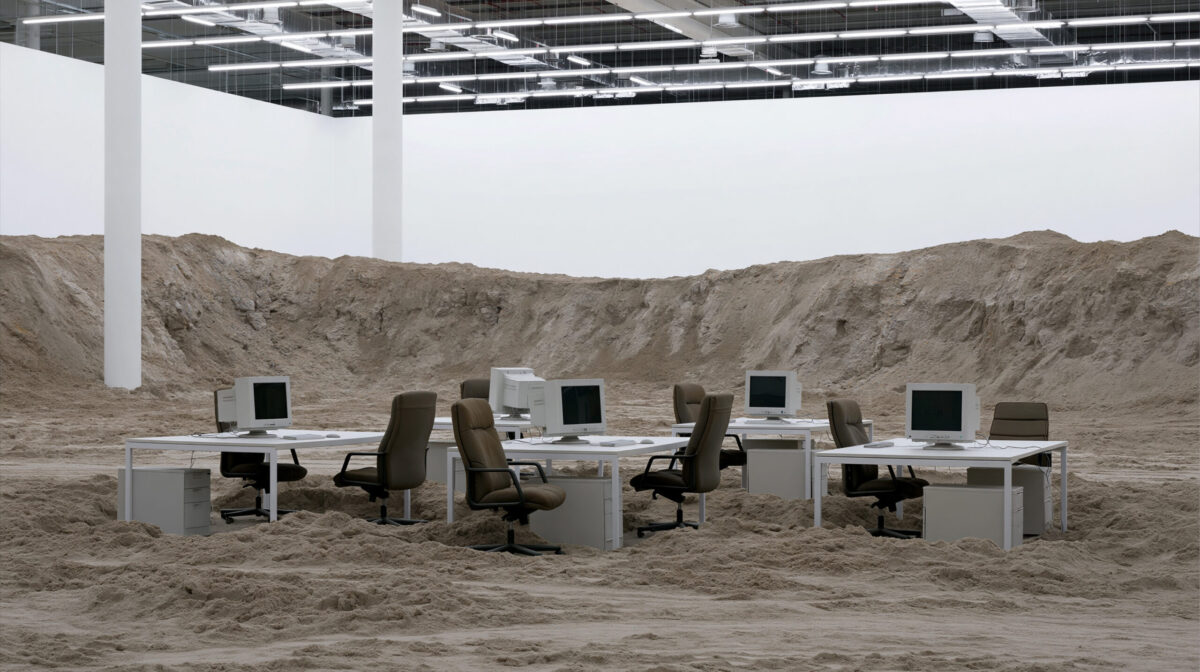
Two images by Jean Jacques Balzac have inspired fashion shows. The buildings they depict have never been built, yet something of their architecture has found its way onto the catwalk. Jean Jacques Balzac is the pseudonym of an architect who uses artificial intelligence to create the images in his project Wrong Architecture Illustration. Many could pass for architectural photographs until you try to judge the height of a room or work out what a space is for. That’s when you begin to doubt what you’re looking at.
It’s a moment that interests Balzac for a reason most of us can appreciate. Think of how many buildings we recognise from photographs, and how well we feel we know some of them without ever having set foot inside.
We spoke to him about what that gap allows him to explore, the humour in the word ‘wrong’ and why, for him, making an image has much in common with cooking.
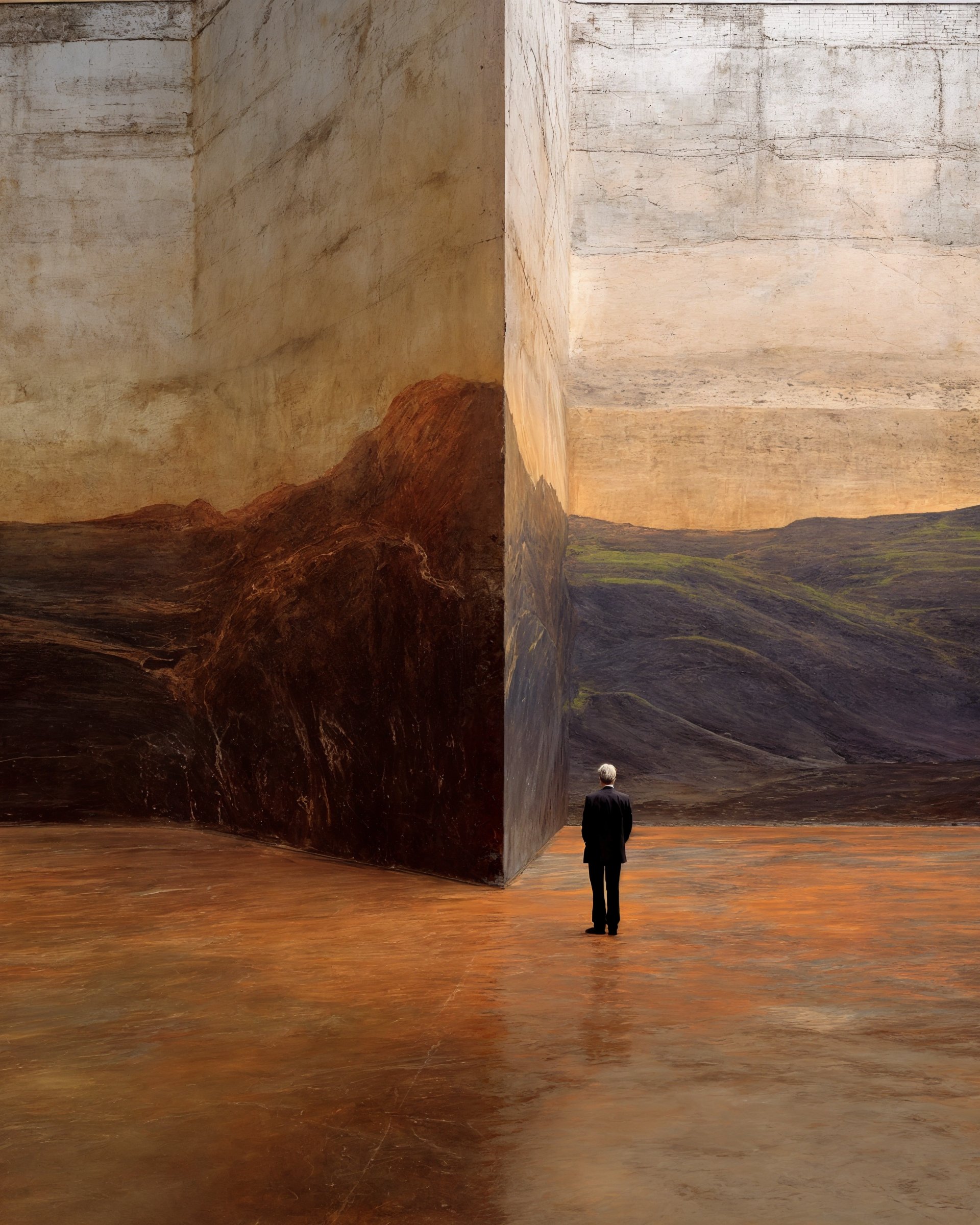
A fictional author for a fictional architecture
Why did you choose to publish your images under the pseudonym Jean Jacques Balzac?
Jean Jacques Balzac comes from Jean-Jacques Rousseau and Honoré de Balzac, two French writers brought together in one fictional identity.
The name was partly a reference to the nature of the technology itself. Here was a new tool built from knowledge, references and cultural memory accumulated over time.
I also felt I needed a separate identity to question the way we increasingly consume architecture through images.
Architecture is fundamentally a physical experience. It involves scale, movement, material, sound, temperature, distance and time. An image removes almost all of that. So what happens when an image becomes the main way an architectural idea exists, or sometimes the only way?
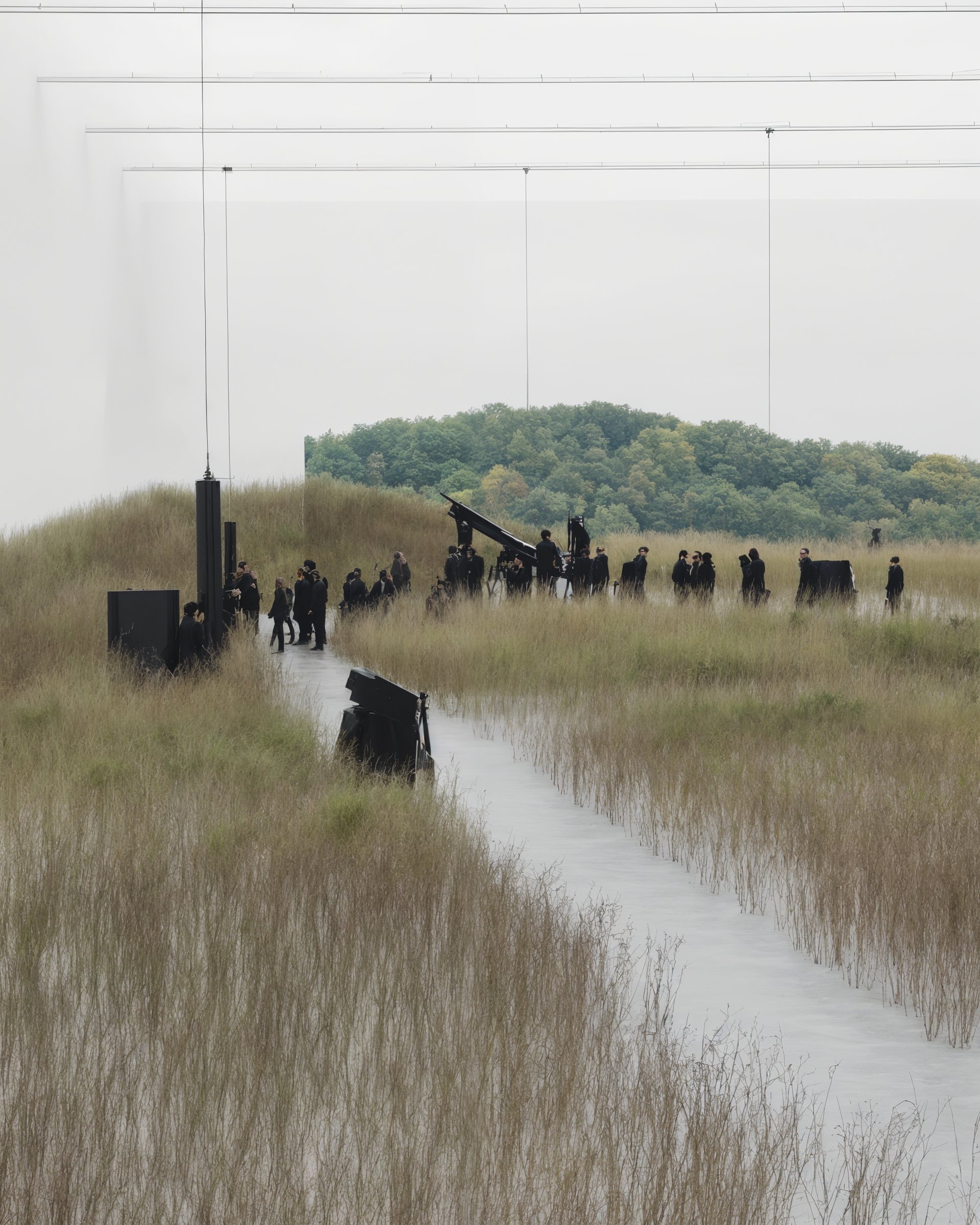
Jean Jacques Balzac gives me the space to explore that gap. The projects can circulate, be remembered and even feel real without ever having to exist physically. In that sense, the point of the alter ego has less to do with concealing my identity than with creating a fictional author for a fictional architecture.
At first glance, many of your spaces seem entirely plausible. What interests you about the moment when we begin to doubt what we see?
I’ve always been drawn to stories in which familiar reality is distorted in a very subtle way. When something feels almost real, but not quite, I find it much more powerful than pure fantasy.
That sense of uncertainty became one of the basic principles of the work. I’m interested in keeping an image close enough to reality for the viewer to believe in it, while introducing something that slightly unsettles that belief.
The moment when you ask yourself, “Could this actually exist?” is more interesting to me than knowing you’ve entered a fictional world. It creates a tension between recognition and doubt, and that tension leaves more room for the viewer’s own imagination.
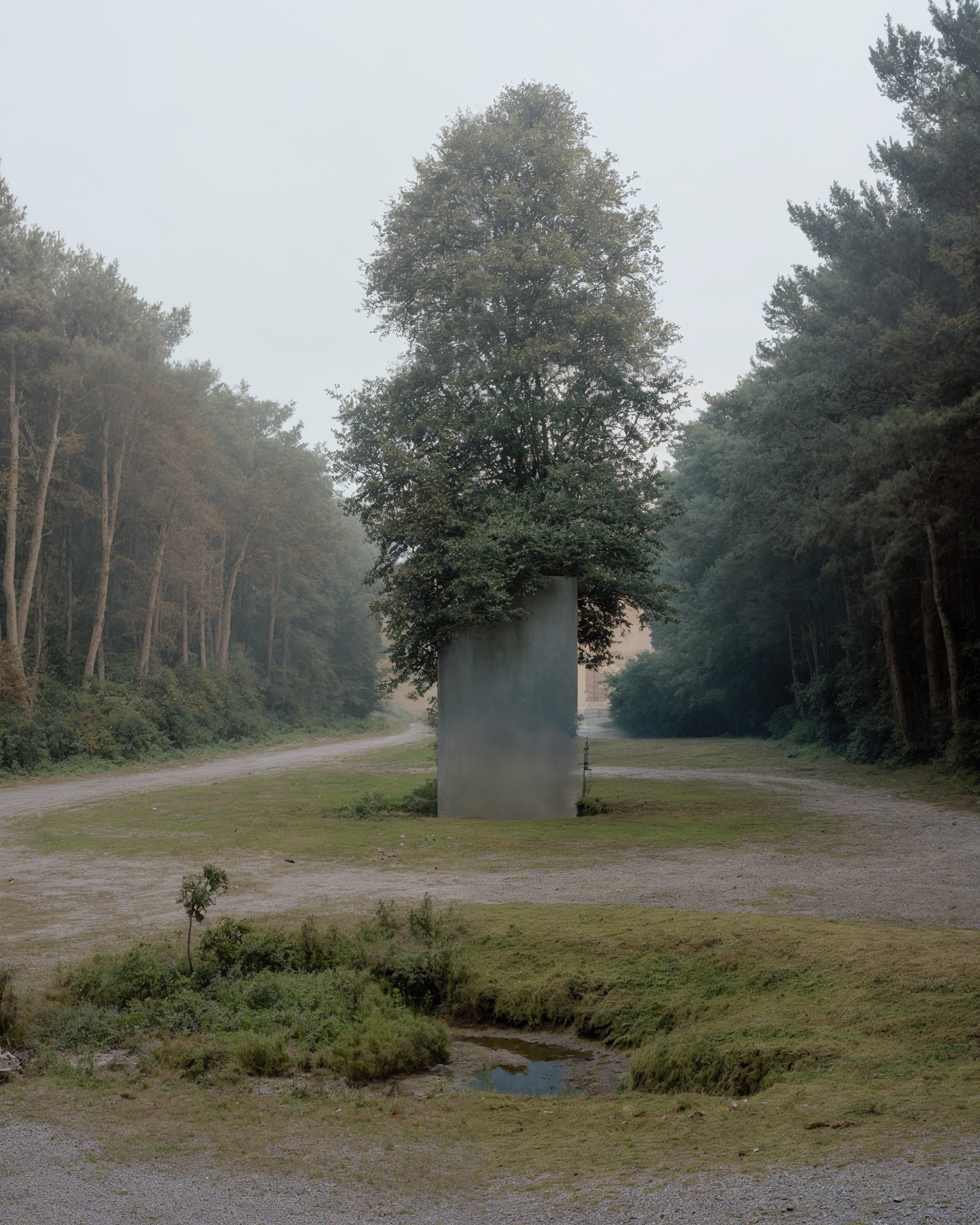
You call the project Wrong Architecture Illustration. What makes the architecture ‘wrong’? And is there such a thing as ‘right’ architecture?
Wrong Architecture Illustration is deliberately ambiguous. It’s a play on words, and I like the fact that you can question every part of the title.
I call the images I post illustrations, yet they often look like photographs, even though they aren’t photographs. So what exactly are they? A few years ago, when this kind of image-making was still relatively new, that ambiguity felt even more pronounced.
Then there’s the architecture itself. I’m interested in architecture that doesn’t fit easily into established categories. What feels ‘wrong’ might have to do with scale, texture, proportion, programme or purpose. Often, when an image made me laugh, it was because it quietly called into question one of the prevailing dogmas about what architecture is supposed to be.
So I don’t really use ‘wrong’ as a judgement. It’s a way of being deliberately provocative.
And yes, I do think there’s such a thing as ‘right architecture’, although its meaning is never fixed. What we consider right changes over time, depending on social, cultural, economic and technological conditions.
In Wrong Architecture Illustration, being wrong is simply a way of testing those boundaries.
Some of your images look like stills from a film we’ve only seen one scene from. When you start work on an image, do you already know the story you want to tell?
There isn’t usually a particular scenario or scene in mind at the beginning. I tend to start with combinations of ideas, or abstract relationships that I find interesting to bring together. Nature and technology, for instance, or architecture and Yves Klein.
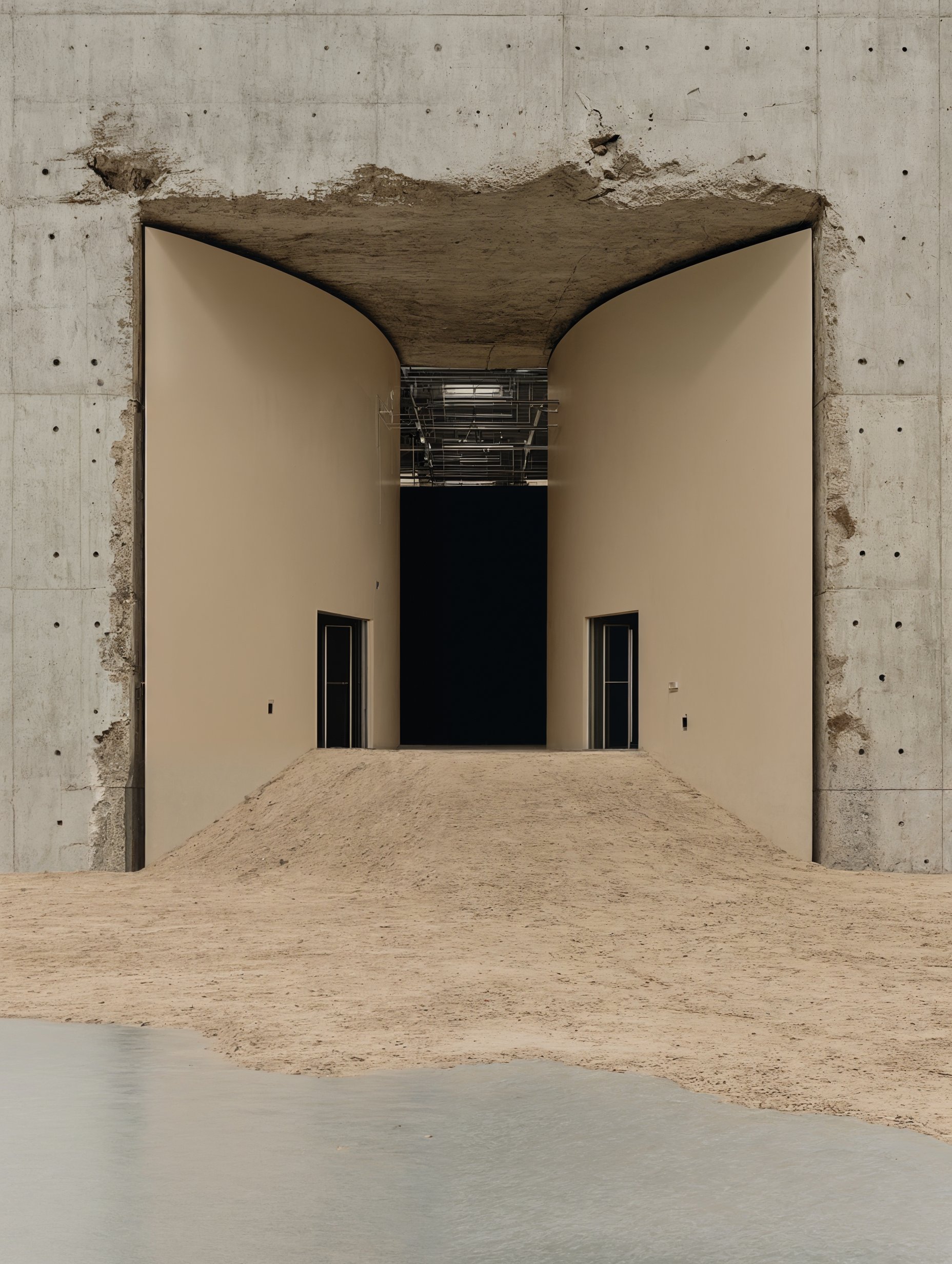
It’s actually closer to cooking than to writing a script. You put different elements together and see what kind of tension or atmosphere they produce.
It also depends on the project. With a single image, the result is often one scene that expresses an idea very directly. In other projects, I work through a sequence of spaces that gradually connect to form a larger story.
There’s a broader universe behind the work, although it doesn’t necessarily reflect my own life. It’s built around architecture, this new technological tool and the relationship between the two and other creative fields.
So the narrative usually comes afterwards. Rather than starting with a story to illustrate, I find that the story emerges from the image.
“Rather than starting with a story to illustrate, I find that the story emerges from the image.”
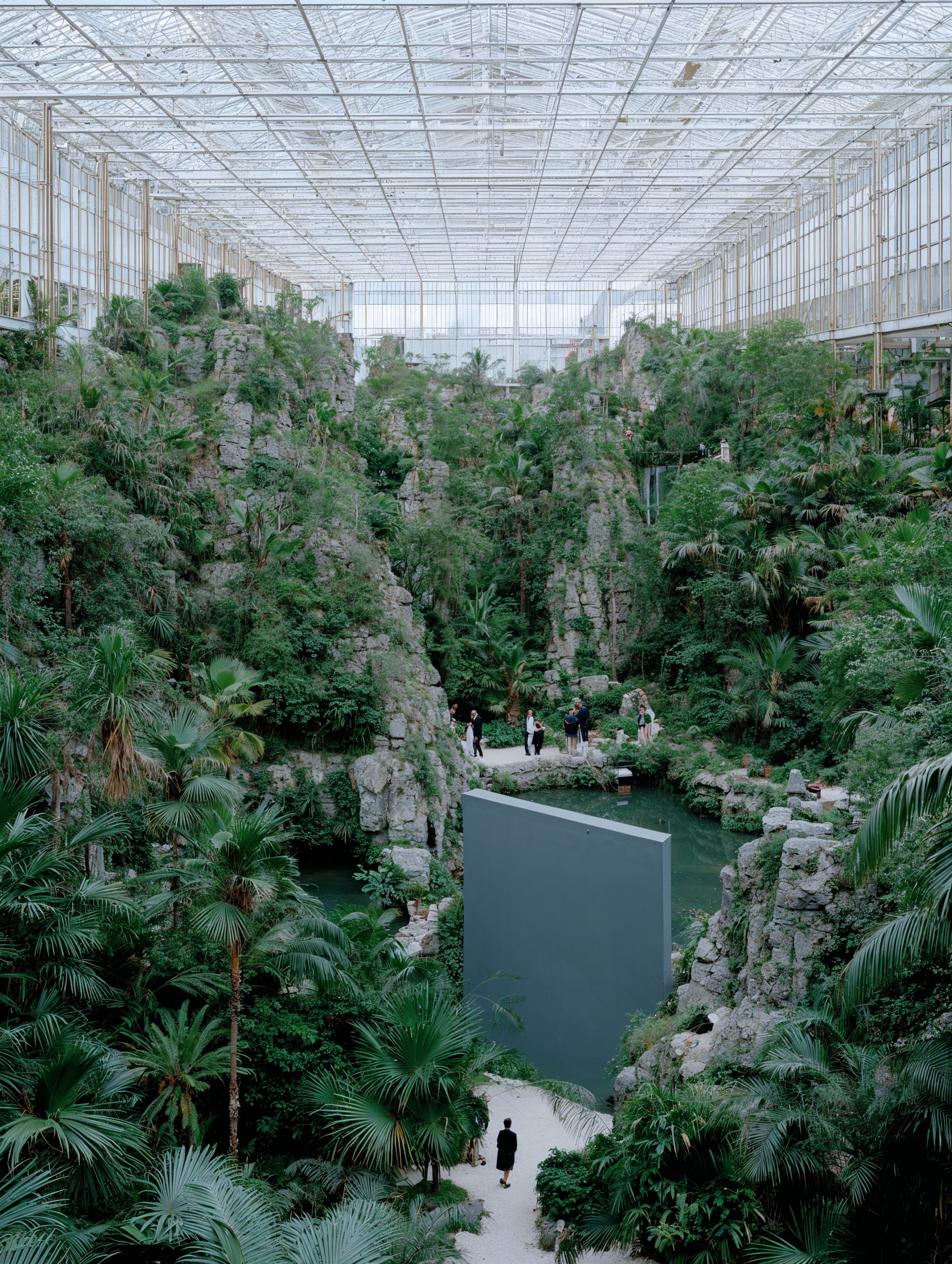
What draws you to altering a familiar place rather than inventing a world from scratch? Is there something more powerful for you in that small shift?
Yes, definitely. That’s simply how I respond to things. I feel more connected to situations, places and references I already know than to worlds that are entirely the product of fantasy.
I like to think of the work as a slightly distorting mirror. You still recognise the reflection, even though something about it isn’t quite right.
Those small imperfections matter because they allow an image to remain plausible while still feeling slightly off. For me, that tension is more powerful than complete invention. It keeps one foot in reality and leaves just enough distance for doubt, interpretation and imagination.
We tend to associate artificial intelligence with speed. Your images have a stillness to them and, at times, a sense of melancholy. Was that what you had in mind when you chose to leave so many of the spaces empty?
I’m not sure I ever consciously set out to create a sense of melancholy. Because architecture is the main subject, I often wanted the scenes to be empty. I would include people only when I needed them to establish a sense of scale or a particular situation. The architecture always had to remain the main character.
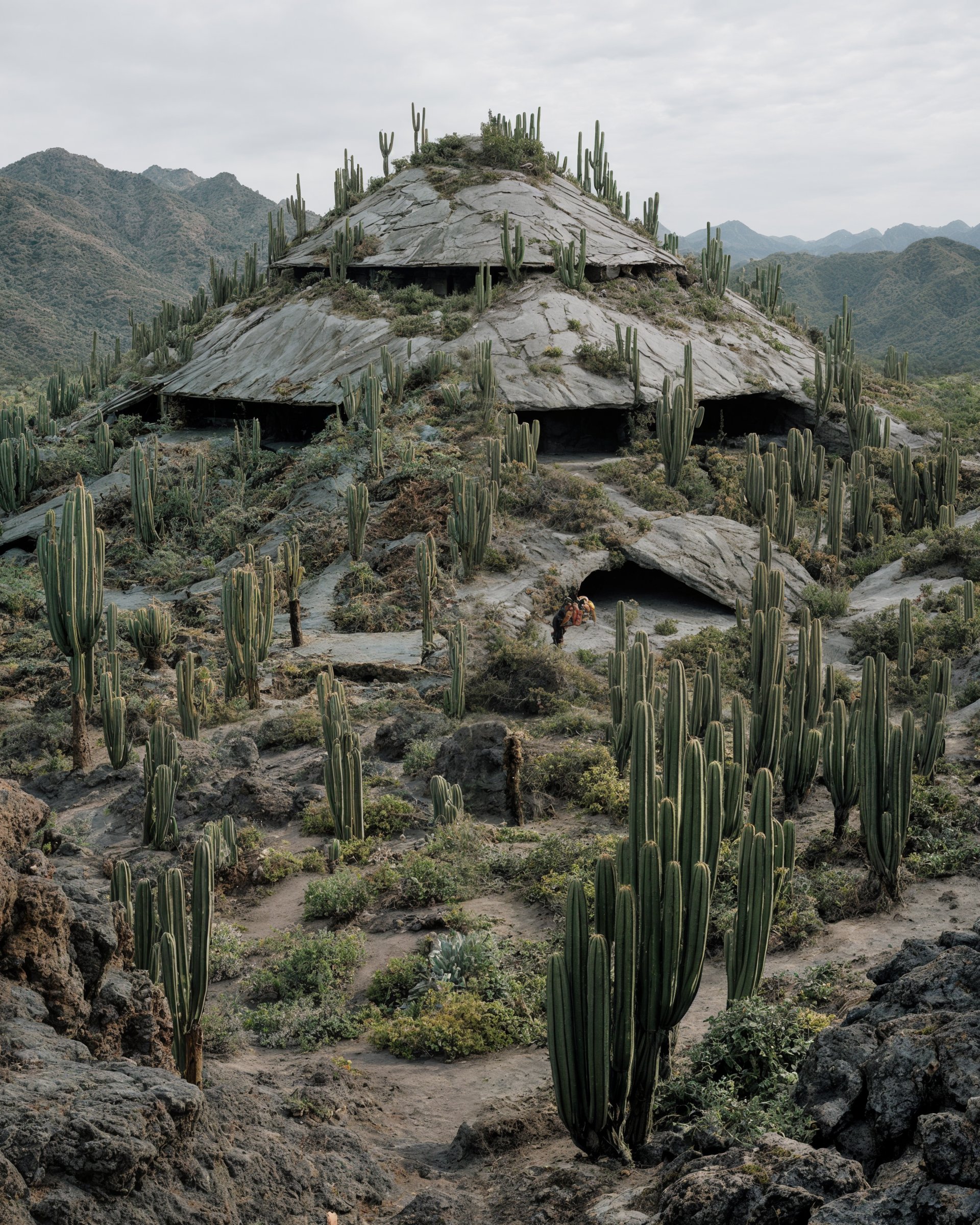
The work itself, though, was never really about designing buildings or spaces.
I was more interested in everything that surrounds architecture, both before and after something is built. How do we perceive it? How do different people read the same space? What memories or expectations do we project onto it, and what can architecture mean to us emotionally? I tried to express those ideas through space itself, drawing on atmosphere, history, imagined futures and different states of mind. One series, for example, was explicitly about contemplation and became part of an exhibition in Zürich last year.
I never wanted the spaces to be loud. Perhaps that quietness is what gives them the stillness people respond to. When a space isn’t trying to impress you, there’s more room to project something of yourself into it.
Your work brings together architecture, photography, art and fiction. Do you still see them as distinct disciplines?
I still see them as distinct practices because they operate in very different ways.
Architecture ultimately has to become a real building, with all the technical, material and regulatory considerations that entails. Fiction is free to imagine stories and situations that may never exist. Art and photography sit somewhere in between.
What has changed is that there’s much less need to keep those boundaries rigid.
“I tried to express those ideas through space itself, drawing on atmosphere, history, imagined futures and different states of mind.”
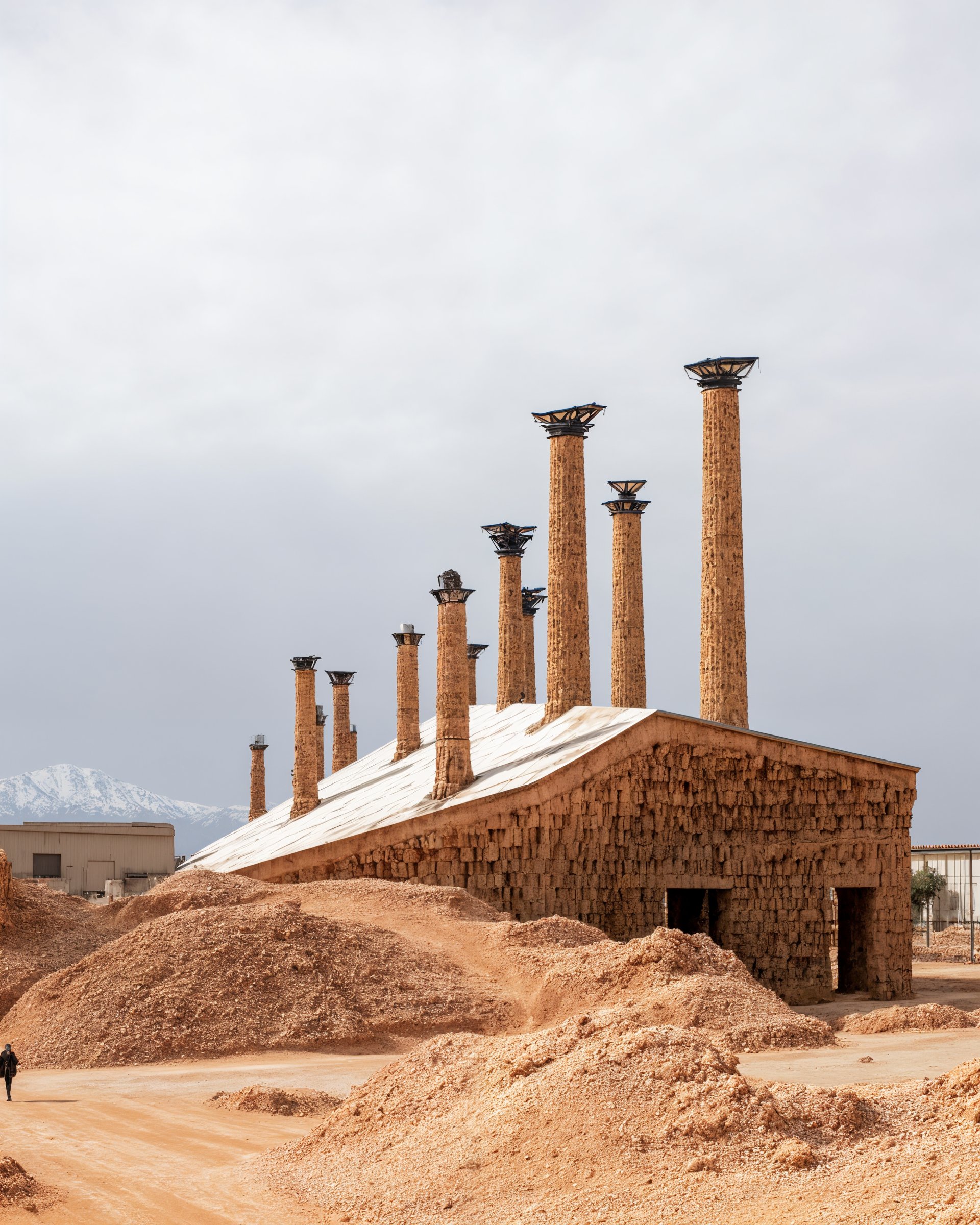
Fashion is a good example. Architecture, photography, film, art and fiction can all contribute to the coherent world that takes shape around a fashion house. Someone might want to enter that world simply by buying a pair of shoes.
Architecture is beginning to benefit from a similar openness. New technologies are creating further possibilities, particularly in the digital realm, where architecture can interact more freely with other creative disciplines.
For me, that’s particularly interesting at the point when ideas are taking shape. These tools allow us to explore architecture as a building, but also as an image, an atmosphere, a narrative or a cultural reference, before it becomes something physical.
Can a building that exists only in an image influence what someone goes on to build?
If an image contains a clear and interesting idea, then yes, definitely. It can move beyond representation and become a reference in its own right. A couple of my images, for instance, have already been used as inspiration for fashion shows. What I find interesting about that is the way the idea moved from architecture into an entirely different medium.
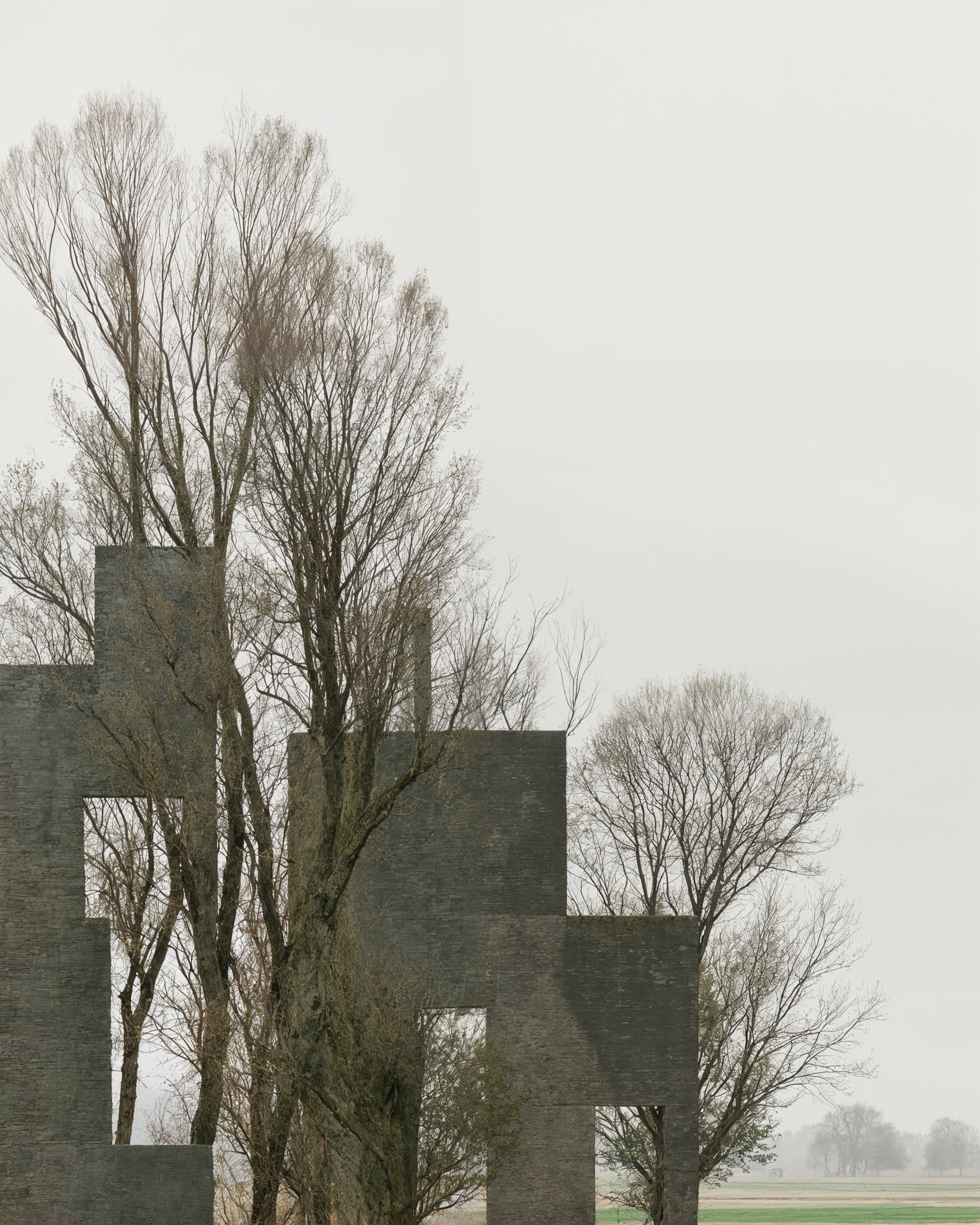
Architectural expression has always been shaped by many influences, whether technical, cultural, social, economic or local. As designers, we deliberately take a position in relation to those forces and try to find a balance that’s specific to each project.
“Fictional images can isolate an idea, exaggerate it or test something outside the usual constraints of a real project.”
I see fictional images as another possible influence in that process. They can isolate an idea, exaggerate it or test something outside the usual constraints of a real project. They can’t take the place of architecture, but they can introduce ideas that later reappear in a very different form.
I think their value lies less in showing us exactly what the architecture of the future ought to look like than in broadening the range of references from which it might emerge.
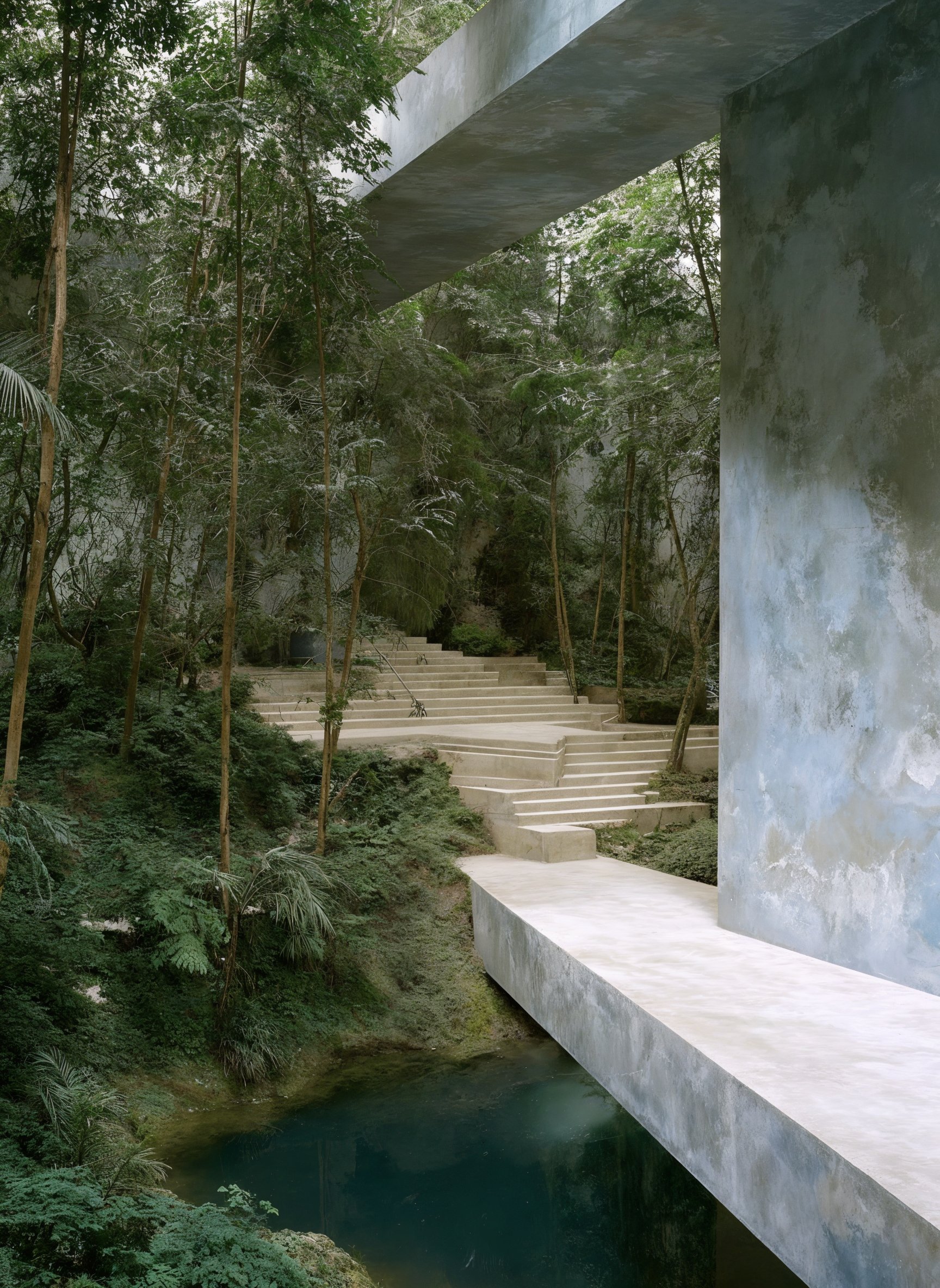
We look at so many images in passing. What makes us linger over one of them?
I don’t think I have a precise formula for that.
It probably has something to do with some of the things we’ve already discussed. There’s the slight distortion of reality, the feeling that something is familiar but hasn’t quite been resolved, and also the more contemplative quality of the images.
Most of the internet is constantly competing for our attention. Everything is trying to be louder, faster and more immediate.
Sometimes the opposite can be more powerful.
An image that doesn’t reveal everything at once, that leaves a little room for silence and uncertainty, can hold your attention in a different way. It doesn’t demand to be seen. It gives you a reason to stay with it a little longer.
If you could bring just one of your imagined places into existence, which would you choose? What would you want people to experience as they walked through it?
It would probably be one of the projects that explore decay in architecture, where nature gradually takes over an inhabited space.
In some of my images, and even in some of my design projects, that idea comes close to being a guiding principle. Architecture begins to retreat and its surroundings gain the upper hand. I find that very exciting, because architecture has so often been understood as a way of conquering or controlling the natural world. I’m interested in the moment when that control starts to weaken and something else begins to emerge.
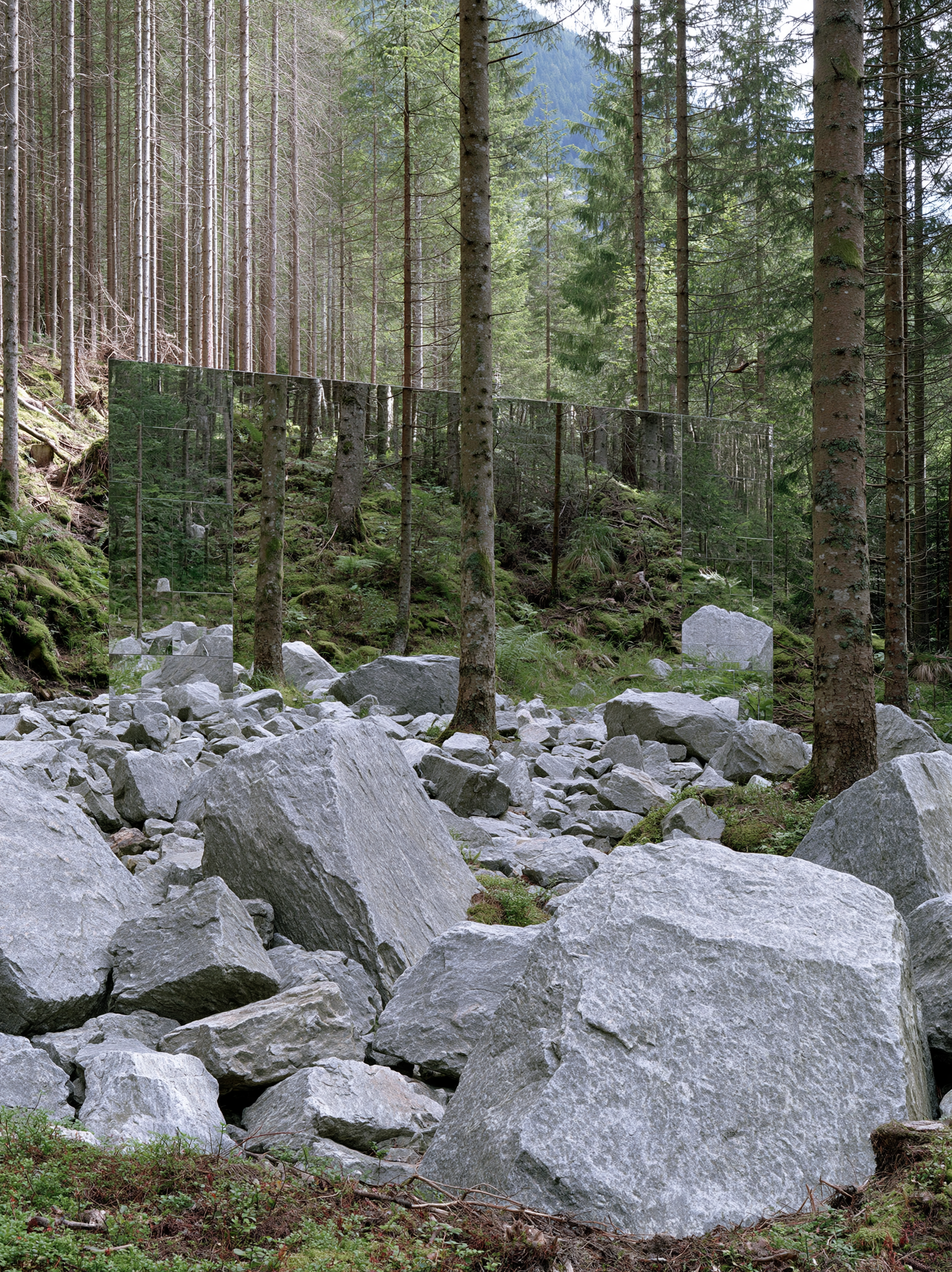
I’ve always loved places where you can still sense a past human presence, even though nature has reclaimed the space and transformed it into something quieter, stranger and more open to interpretation. There are plenty of real places like that, and I often find them more powerful than buildings that have been preserved in their entirety.
If one of these worlds became real, I’d hope people could experience that ambiguity and see ruin as a form of transformation rather than a tragedy. You’d still have the sense that someone had once been there, although nature would now be the main presence.
Imagine someone coming across the Jean Jacques Balzac archive fifty years from now, without knowing how the images were made. What would you like them to understand about your work and the time we’re living in?
I’d like it to feel like a discovery from a distant past, from the moment when photography began to lose some of its certainty as a record of reality.
I often think about Piranesi’s drawings of imaginary ruins and impossible architecture. There’s a direct connection with some of Jean Jacques Balzac’s work. These are images of spaces that appear believable, yet could never really exist in the form in which they’re shown.
What interests me is that, with time, the technique becomes less important than the image itself. When you look at Piranesi today, your first thought is no longer about the technical process. You look at the world he imagined.
I’d hope something similar might happen here. That fifty years from now, people might see these as more than simply “AI images” and read them as documents of a time when our relationship with images, reality and representation was undergoing a fundamental change.
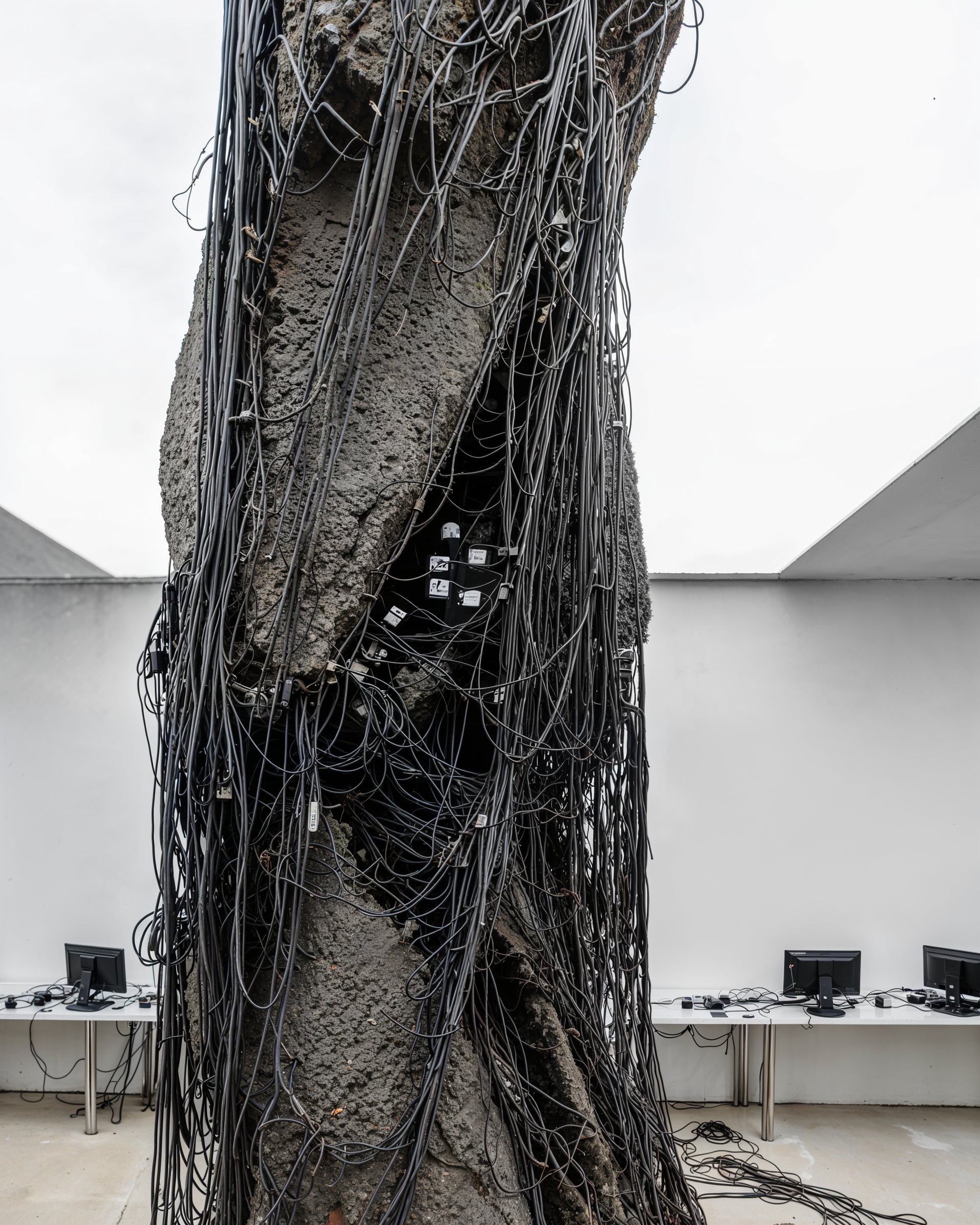
After our conversation, we return to Balzac’s images with his remarks about Piranesi in mind. We know how they were made, yet we find ourselves looking at them much as we would at a photograph of a building we’d like to visit. We try to gauge the height of a room and wonder what lies just beyond the frame.
If you’d like to explore more of his imagined spaces, we recommend following Jean Jacques Balzac on Instagram.
(*) Images provided by Jean Jacques Balzac.