Niceaunties: the aesthetic, political and tender revolution of the aunties of the future
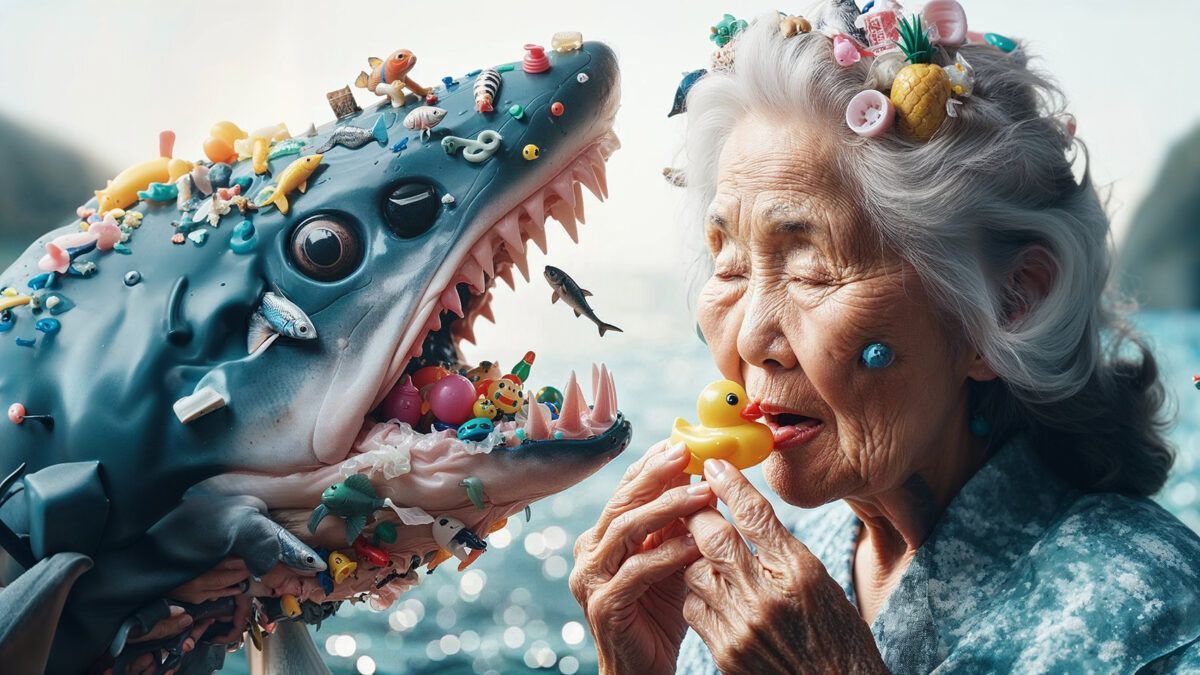
In an era where artificial intelligence often seems to drift away from the human, the Niceaunties project does quite the opposite: it uses technology to amplify memory, emotion and collective imagination — particularly from the perspective of the Global South’s female experience. Behind this surreal, hilarious and deeply political visual universe is Wenhui, a Singapore-based artist and designer who has chosen to pay tribute to women who are so often rendered invisible: the aunties.
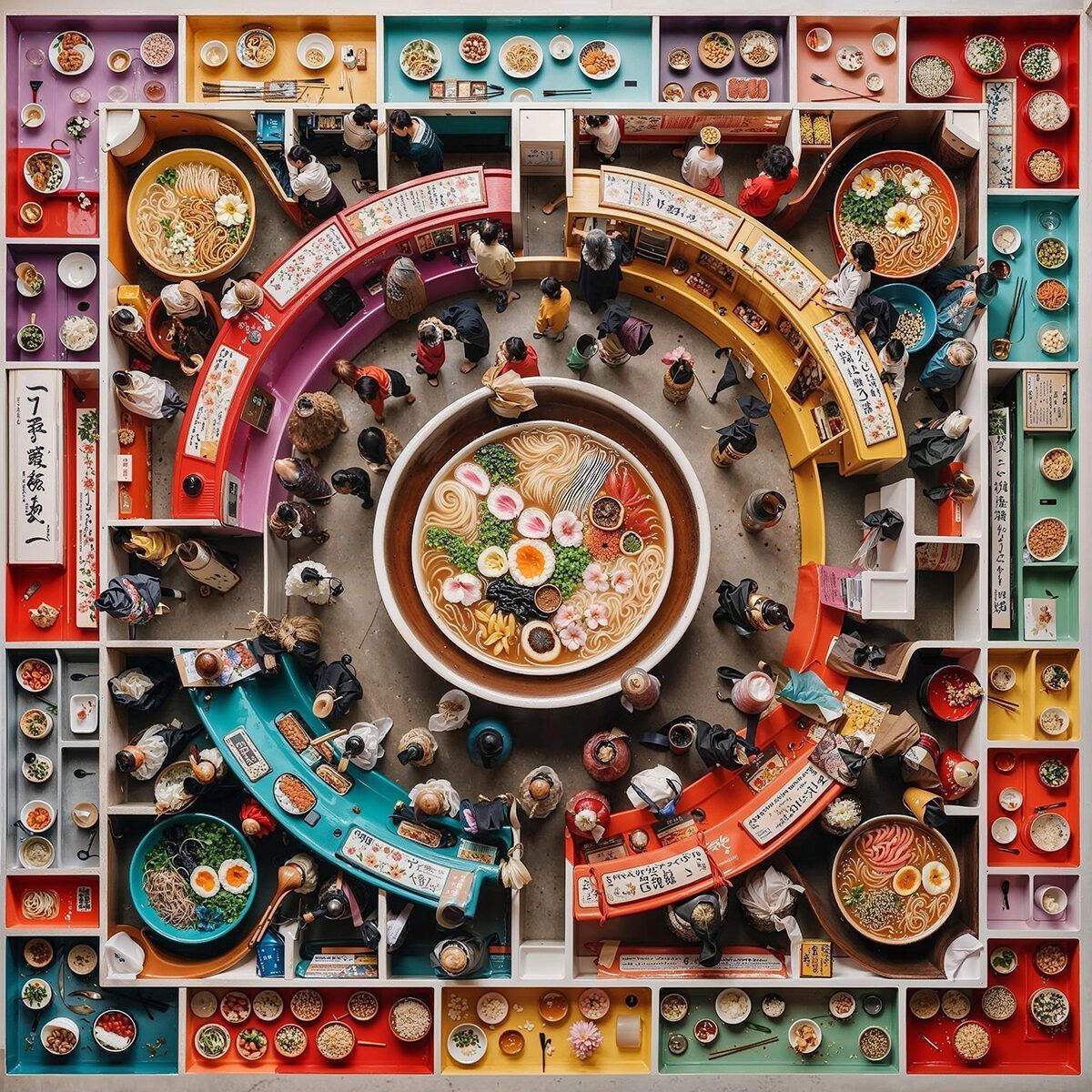
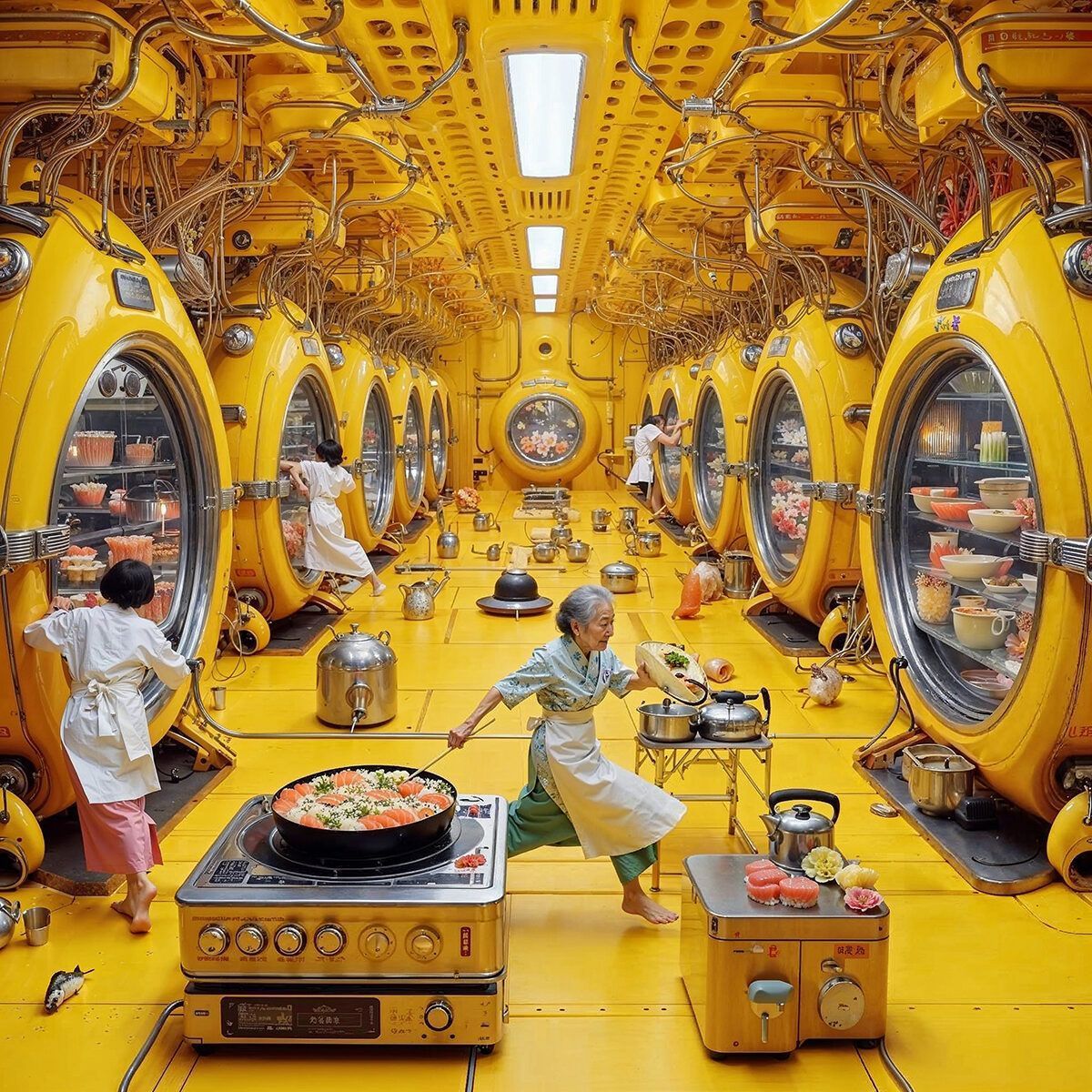
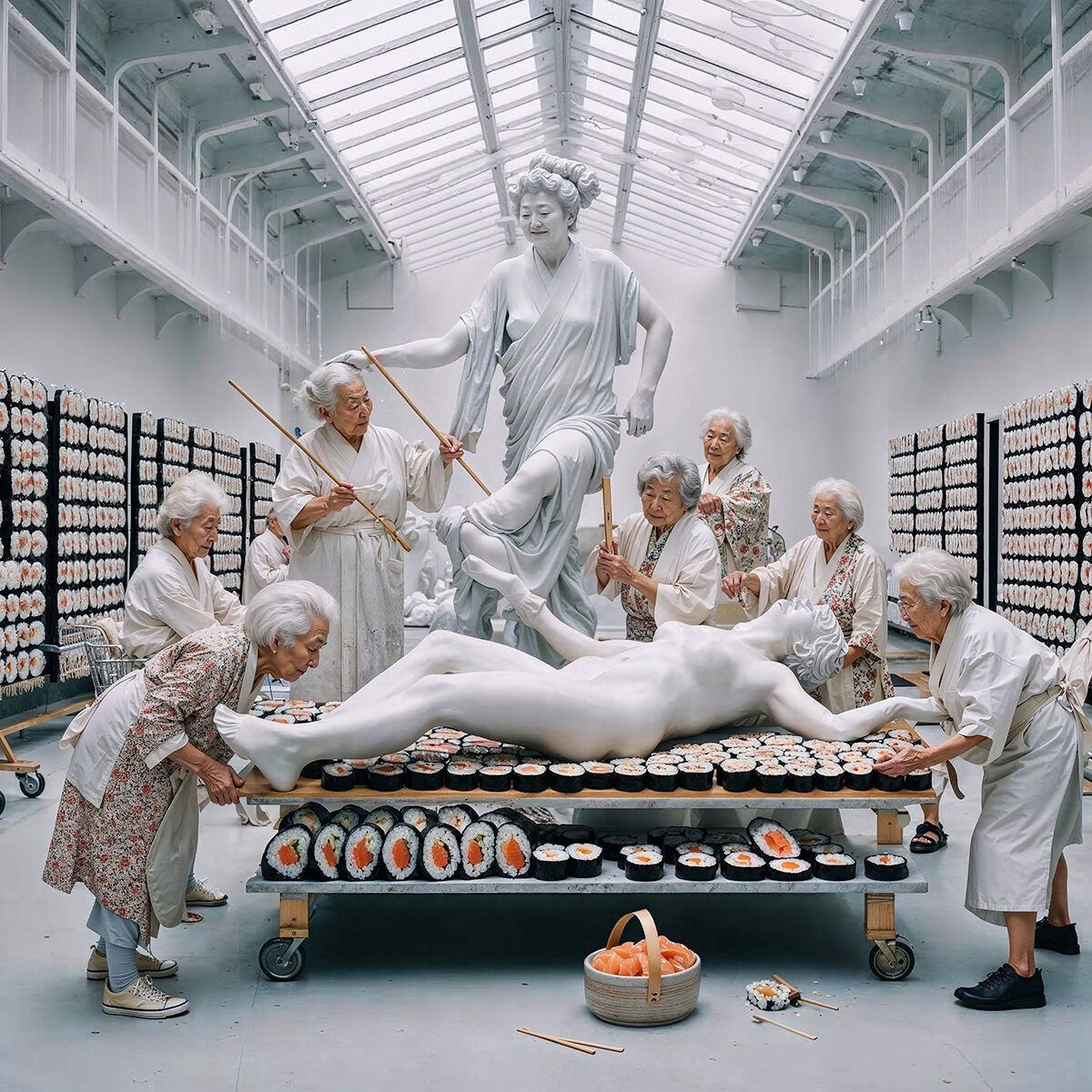
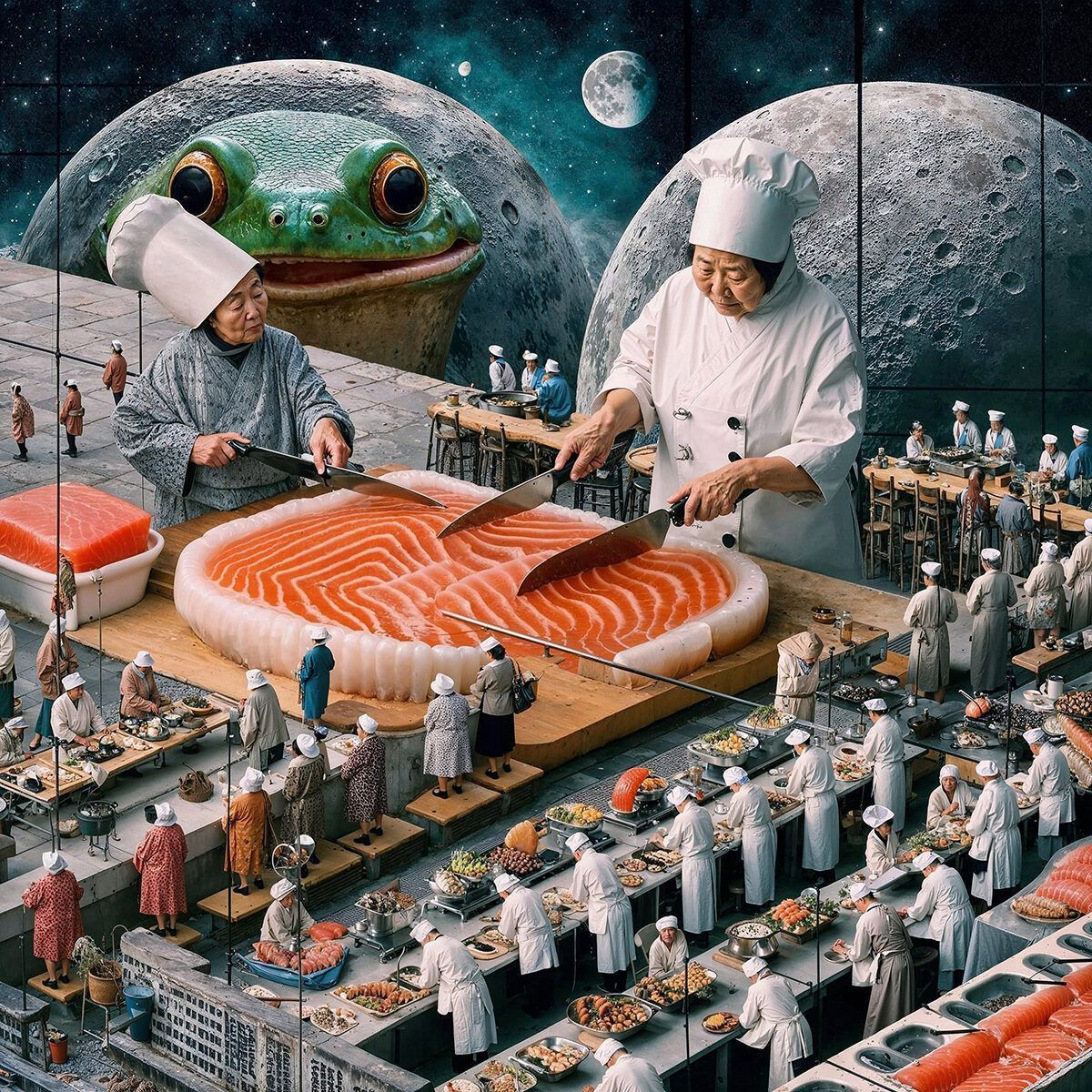
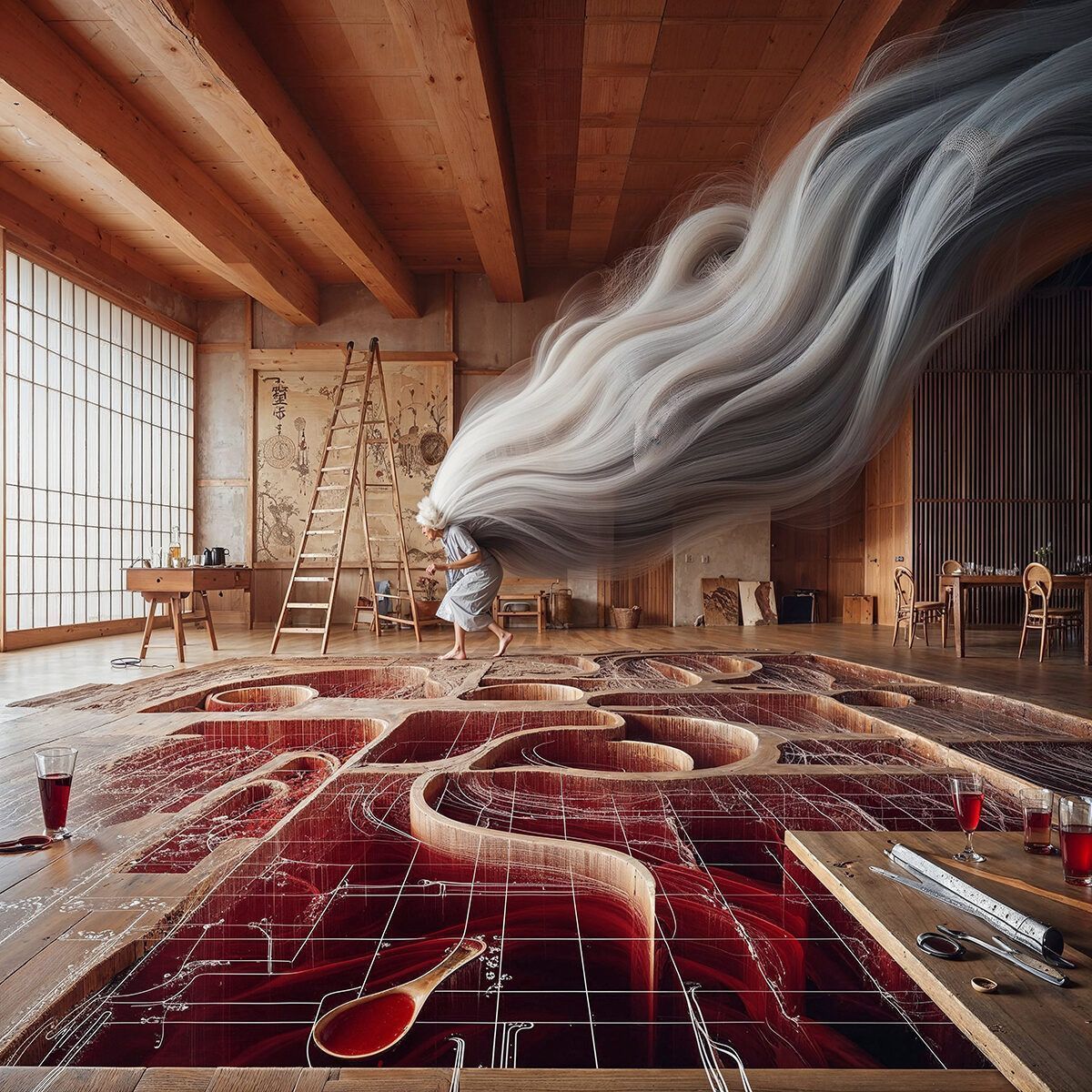
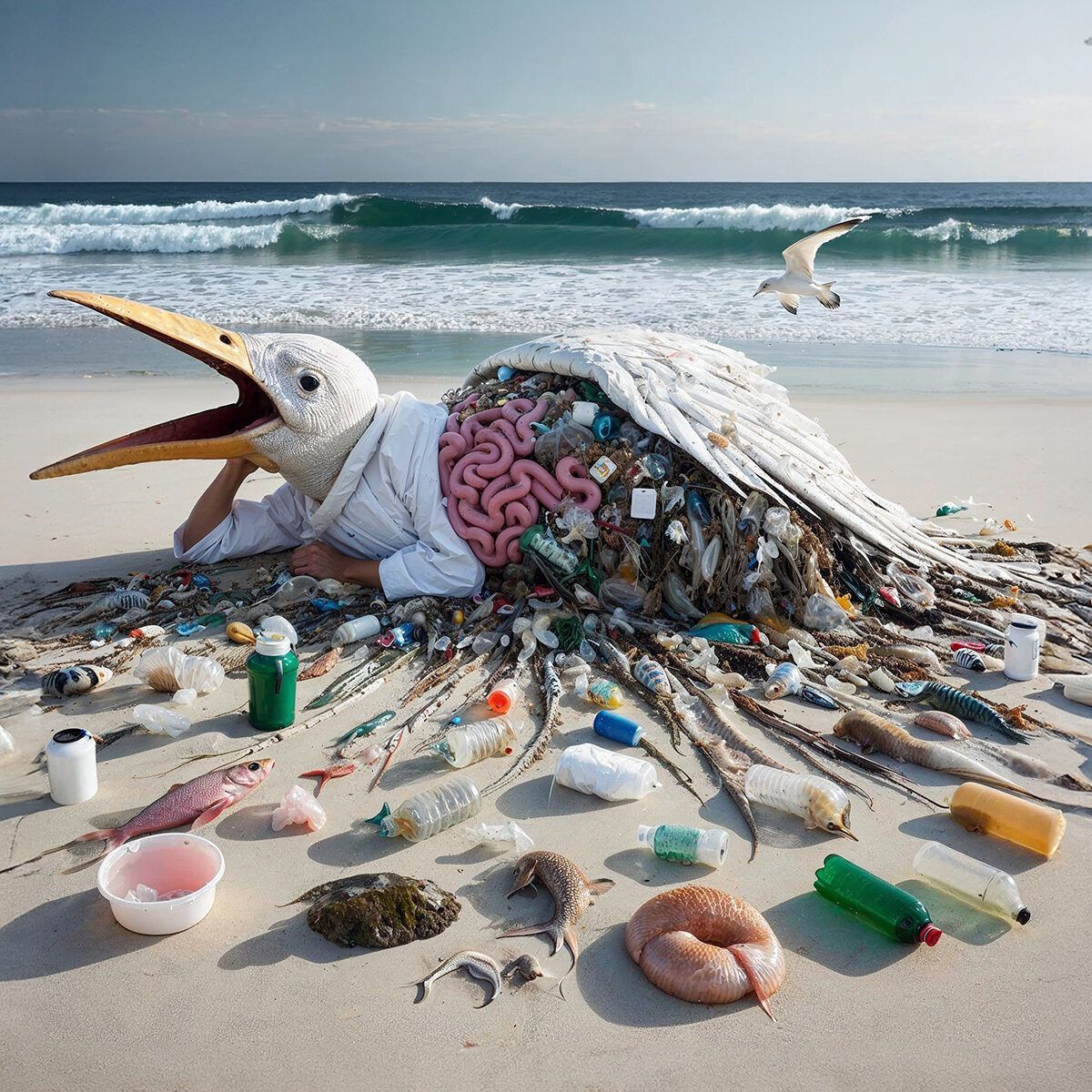
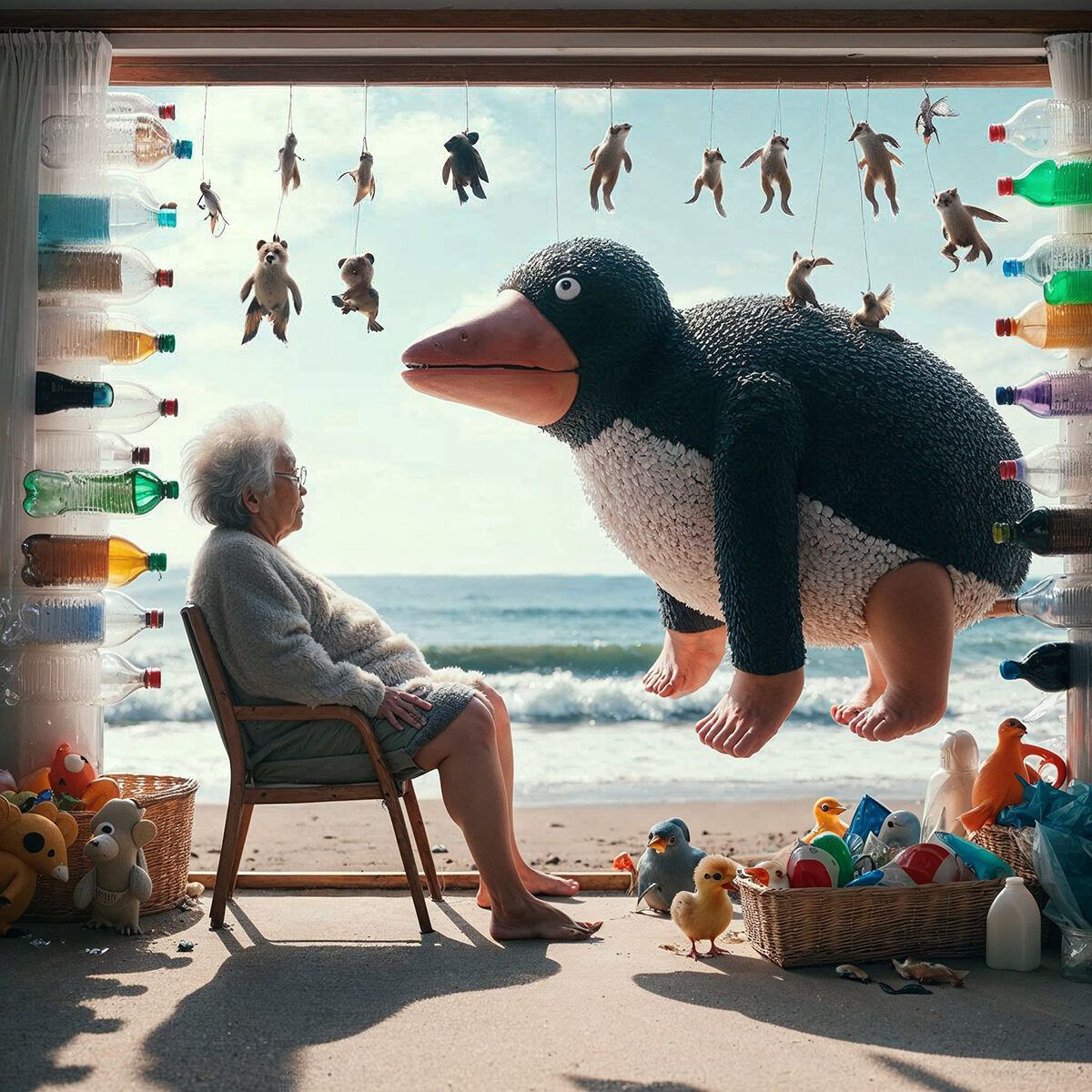
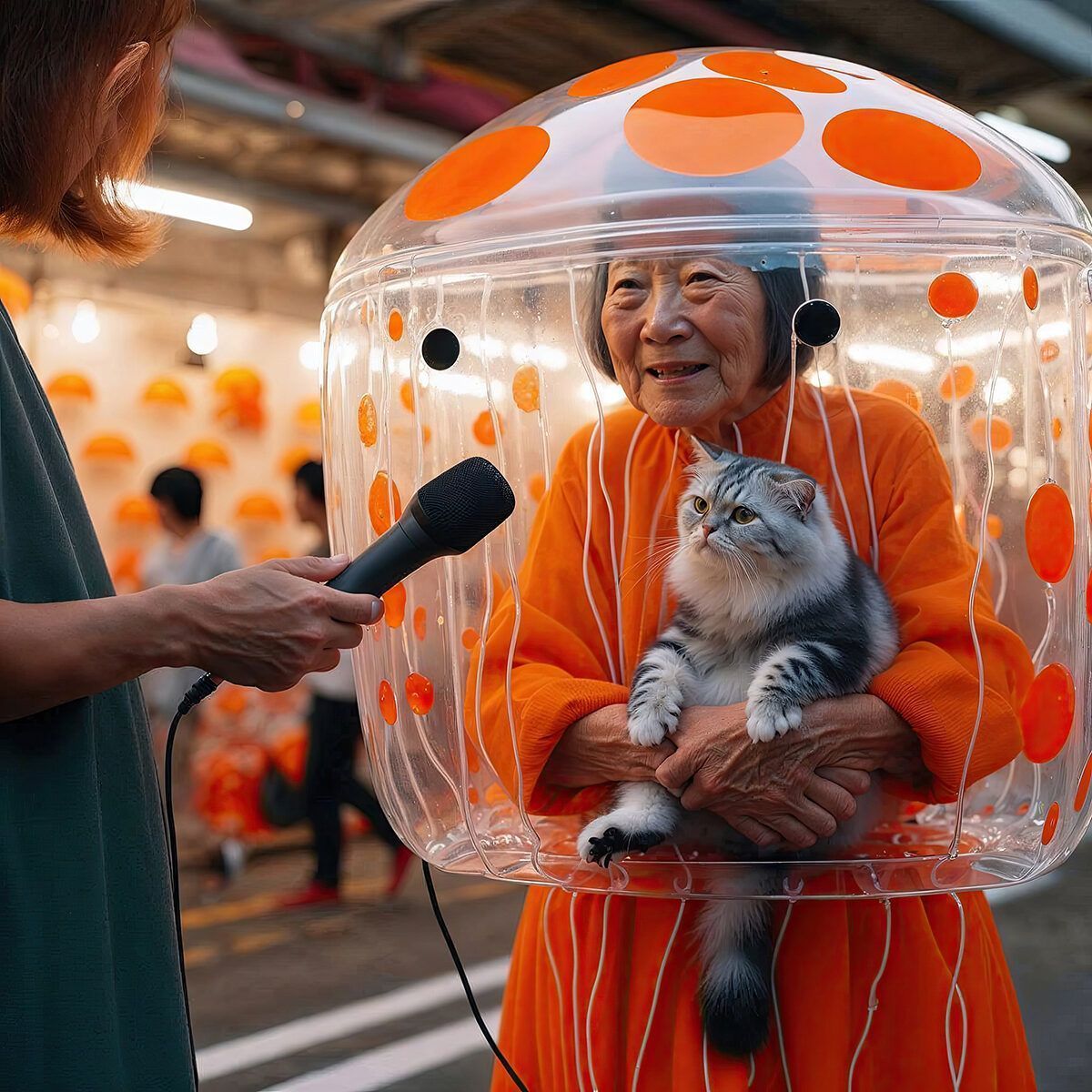
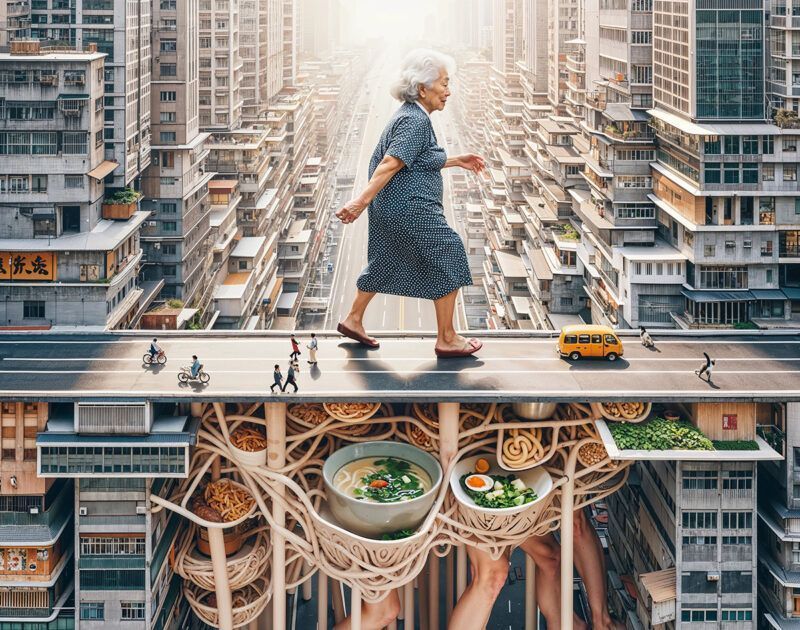
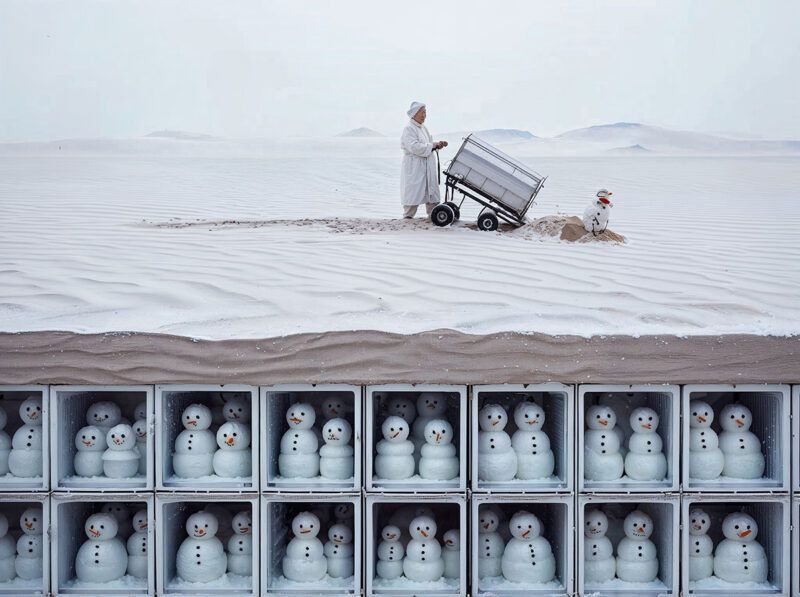
As media partners of OFFF Barcelona, we recently spoke with her about how this project came to life, why the figure of the auntie holds such narrative power, and what role AI-generated art can play in exploring identity, memory and radical tenderness.
How did Niceaunties come to life? Was there a particular spark or moment that gave birth to this powerful, aesthetic and political universe?
Niceaunties was born out of curiosity. In early 2023, I discovered AI and natural language prompting. I began experimenting, and very naturally, I turned to the women around me—the aunties I grew up with. Their behaviours, contradictions, and warmth had shaped so much of my world.
I wanted to explore why the term “auntie” carried such negative connotations where I’m from, and what it would look like to reclaim it—through humour, exaggeration, and tenderness. It started small, but quickly grew into an entire speculative world: Auntieverse.
What do the “Nice Aunties” represent? Why did you decide to focus on this figure, and how has it evolved throughout the project?
The “Niceaunties” represent complexity—strength, absurdity, love, care, stubbornness, resilience. They embody women who were often overlooked, mocked, or reduced to stereotypes. Focusing on aunties allowed me to explore ageing, cultural expectations, and beauty standards in a playful, speculative way.
Over time, the project expanded: aunties went from local figures into global, universal archetypes, navigating environmental collapse, capitalism, technology, and joy—always on their own terms.
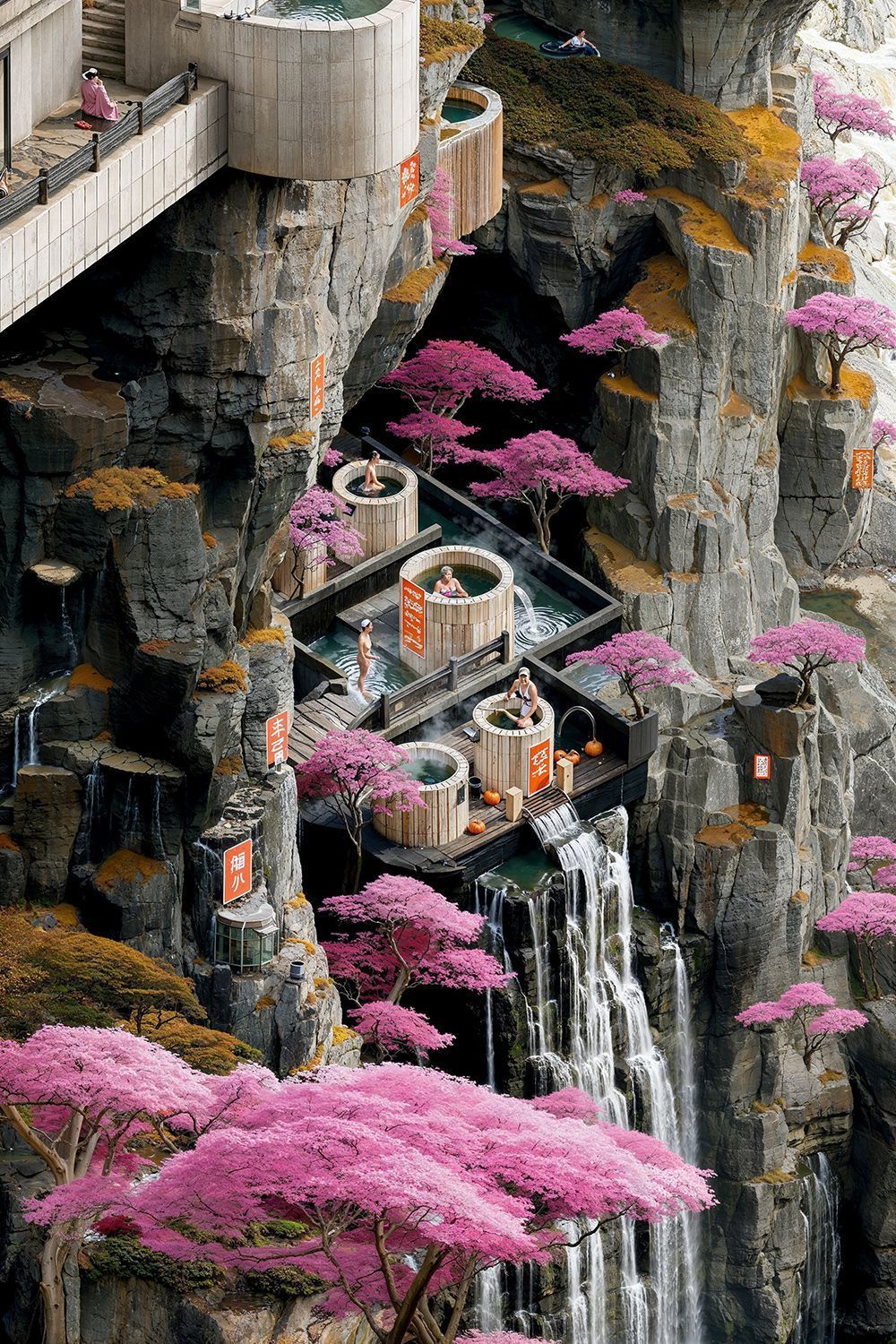
Your work is deeply connected to South Asian culture, the diasporic experience and a collective female imaginary. How do these layers interact within your work?
I grew up surrounded by women shaped by tradition and modernity, duty and dreams. South Asian and Southeast Asian cultures—particularly Chinese diaspora communities—value family, community, and resilience, but also impose expectations on women as they age. These tensions live inside the Auntieverse. The diasporic lens helps me see aunties both from within and from the outside—affectionately, but critically—balancing personal memory with collective myth-making.
Niceaunties is also a sharp and humorous critique of gender stereotypes. What role does humor play in your visual storytelling?
Humour is essential. It opens doors to difficult conversations. It makes critique feel familiar rather than confrontational. Many real aunties are unintentionally hilarious—direct, practical, no-nonsense—and I wanted the work to reflect that tone. Humour also protects tenderness: it lets me critique societal expectations without bitterness, and build narratives where absurdity becomes a tool of survival and agency.
“Humour is essential. It opens doors to difficult conversations.”
How do you approach the creative process when working with AI?
I treat AI like a sketchbook that responds in real-time. I usually have a strong idea before I begin—narratives, visual structures, emotional beats—and I use prompting and iteration as a way of “thinking aloud” with the machine. It’s not automation; it’s collaboration. I curate, edit, and shape the outputs very intentionally, often combining traditional design skills with AI-generated material to craft layered, resonant stories.
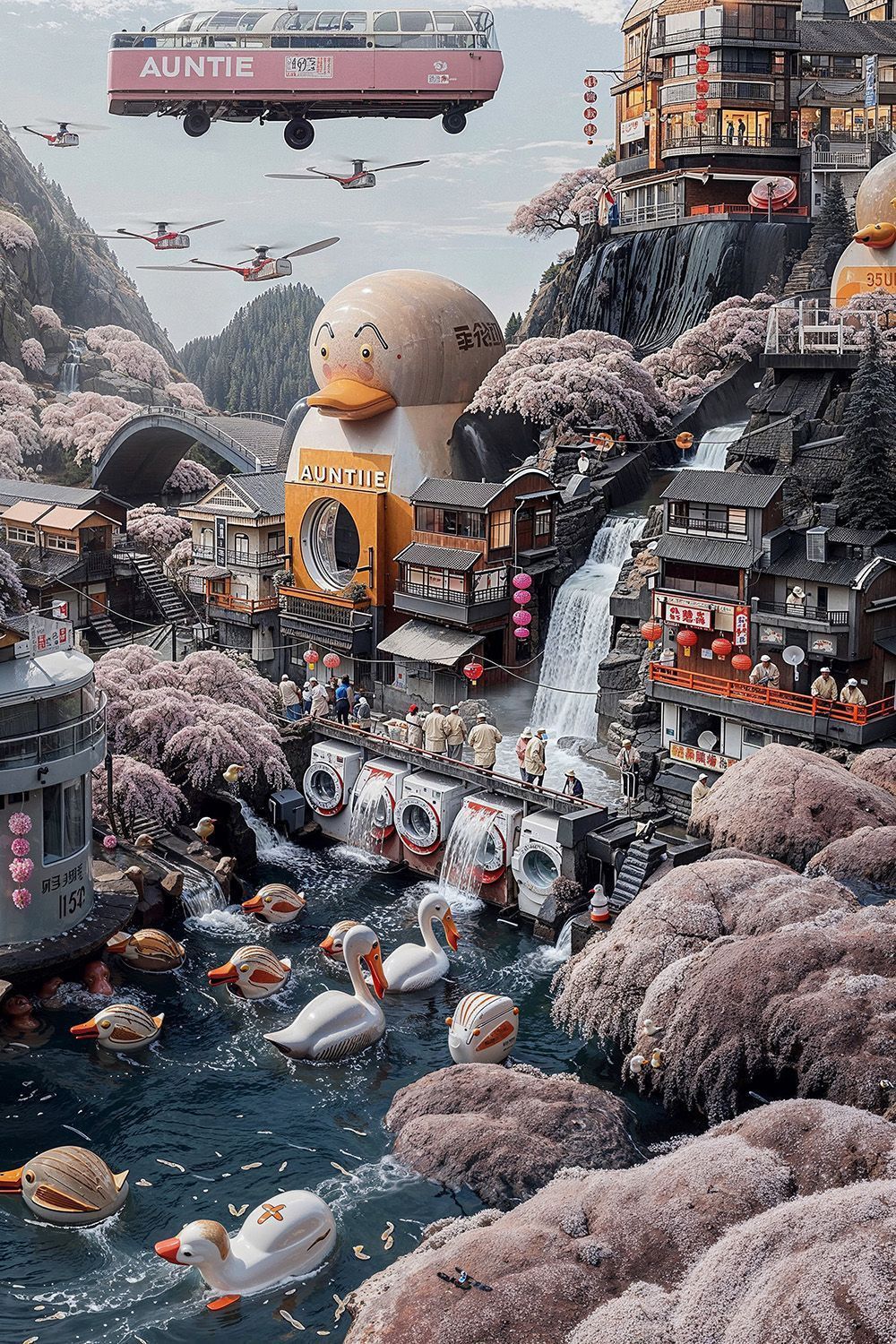
In your view, how can AI-generated art serve as a lens to explore or amplify social issues? Have any of these themes emerged organically in your own creative process?
AI can visualise speculative futures and emotional realities quickly—making it a powerful tool for amplifying underexplored social narratives. Themes like ageing, environmental degradation, gendered labour, and consumerism emerged naturally as I built the Auntieverse. AI allowed me to exaggerate, hybridise, and compress these ideas visually—bringing satire, critique, and tenderness into direct conversation.
“Through AI, I was able to reimagine these intimate, invisible acts of care in ways that feel both universal and surreal.”
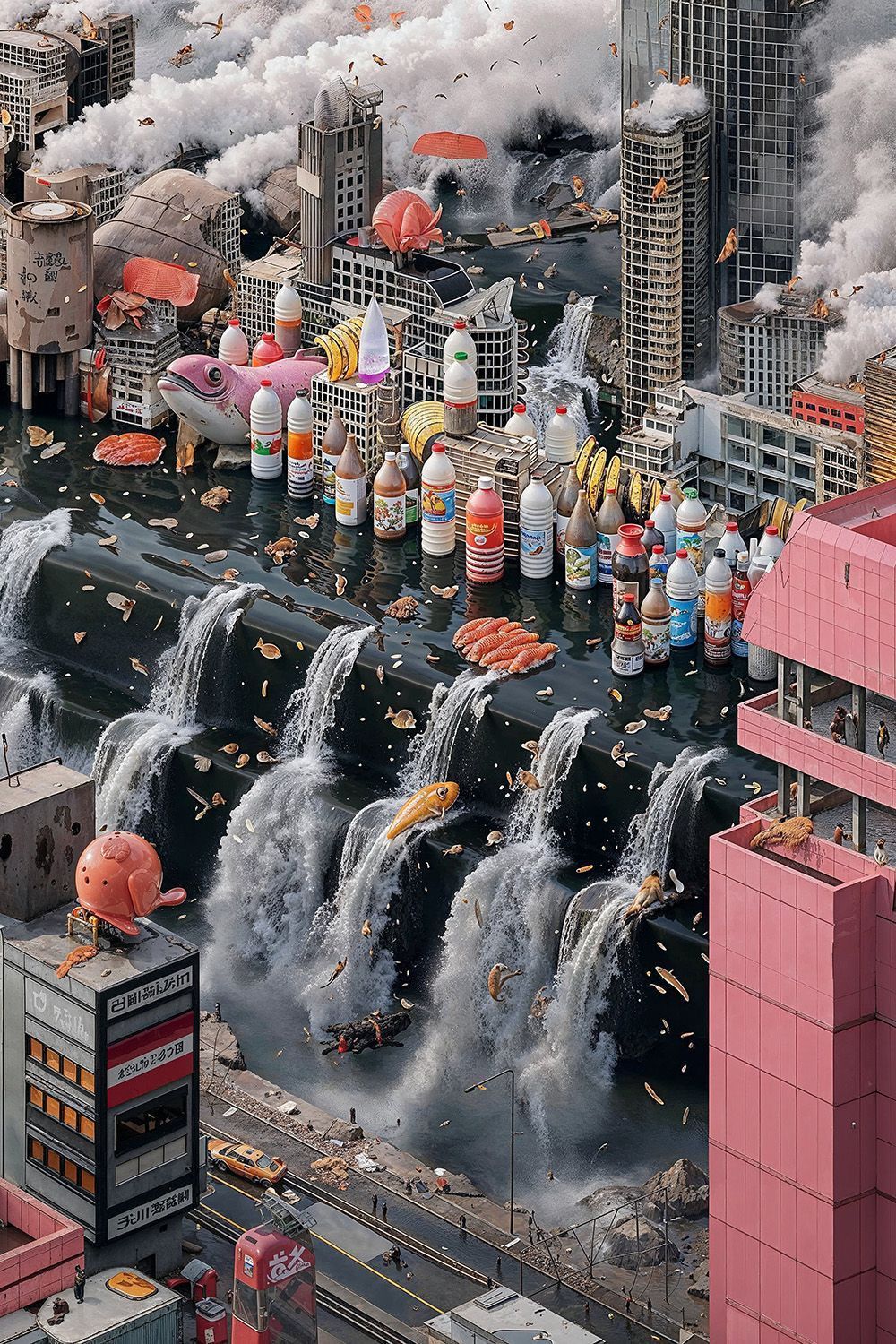
One example is my experience working on Goddess, which began as a personal project to recreate memories of my late grandmother making fishballs—something for which no visual record existed. What started as an act of remembering evolved into a deeper reflection on the everyday labour that family members perform for us, often overlooked, forgotten, or underappreciated. Spiritually, it made me consider how easily people can lose sight of their identity, or fail to see the bigger picture of connection and meaning.
Through AI, I was able to reimagine these intimate, invisible acts of care in ways that feel both universal and surreal. Perhaps the work is not just about appreciation, but also about tracing bonds, memory, and the ongoing search for life’s purpose—especially in a world that often prioritises speed and surface over depth.
Your project has resonated with a diverse global community. What kind of reactions have surprised you the most? And what have you learned from them?
What surprises me most is how universal the figure of the “auntie” is. Across cultures, people see echoes of their own mothers, grandmothers, neighbours.
Some laugh, some cry. I’ve learned that humour and care translate across borders—and that people crave spaces where ageing and everyday life are celebrated, not diminished. It affirmed for me that storytelling, even speculative and absurd storytelling, has deep emotional resonance.
In a digitally saturated world, how do you manage to create such powerful and memorable images? What makes an image “work” for you?
I believe an image “works” when it carries a story within itself—when something about the scene feels alive, even if it’s strange or unreal. In a saturated digital environment, honesty cuts through noise. I focus on emotional clarity, strange juxtapositions, and textures of memory—making sure that every image feels part dream, part documentation, part longing.
“People crave spaces where ageing and everyday life are celebrated, not diminished.”
What inspires you beyond art? Are there books, films, personal experiences or cultural references that nourish your visual universe?
Childhood memories, especially mundane ones. The kitchen tiles in my grandmother’s house. Manga like Doraemon, which taught me that futures could be silly and magical. Environmental documentaries. Old photographs of cities before they were globalised. Storybooks like “The Magic Faraway Tree by Enid Blyton”. Travel, especially moments of displacement and small absurdities. I’m nourished by anything that shows the texture of real life slipping into imagination.
What future direction would you like to explore with Niceaunties? Are you envisioning new formats, collaborations or narrative paths?
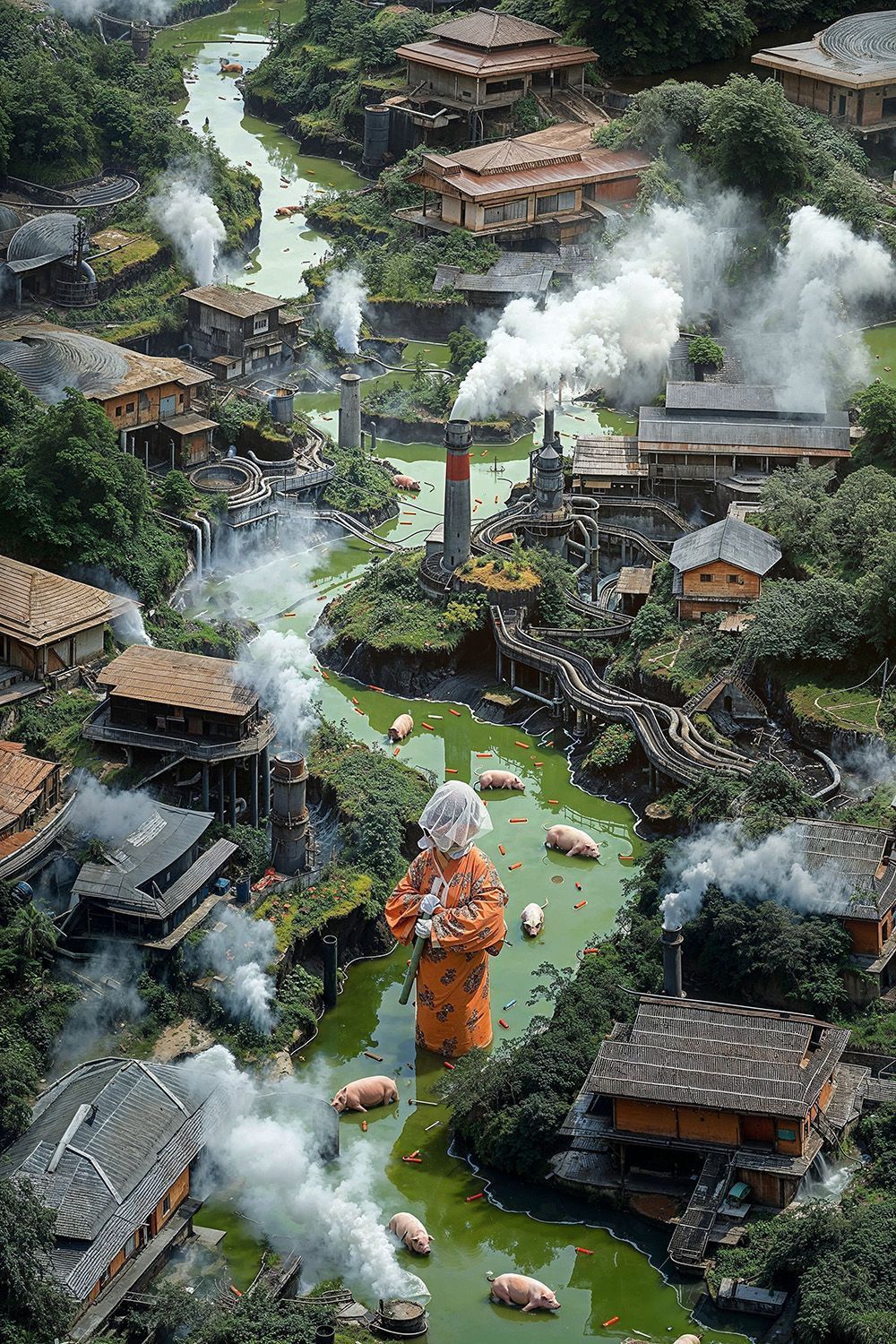
I’m developing NiceJellies, an extension of the Auntieverse into a special project which will be revealed later this year . I’m also exploring real-world installations, performance, and collaborations that bring Auntieverse narratives into shared public spaces. Long term, I’d love to build interactive environments where visitors can walk into auntie worlds—half amusement park, half critical archive.
Lastly, how do you imagine the “auntie” of the future? Is she still nice? Still rebellious?
Absolutely. The auntie of the future is even more rebellious—she’s downloaded herself onto the blockchain, she’s repurposing microplastics into couture, she’s starting intergenerational communes on floating cities. She’s tender and fierce, funny and political, wise and messy. Still nice—but on her own terms. Always.
“The auntie of the future is tender and fierce, funny and political, wise and messy.”
(*) Images provided by Niceaunties.