Copenhagen in Winter: scandinavian charm in all its splendor (1/2)
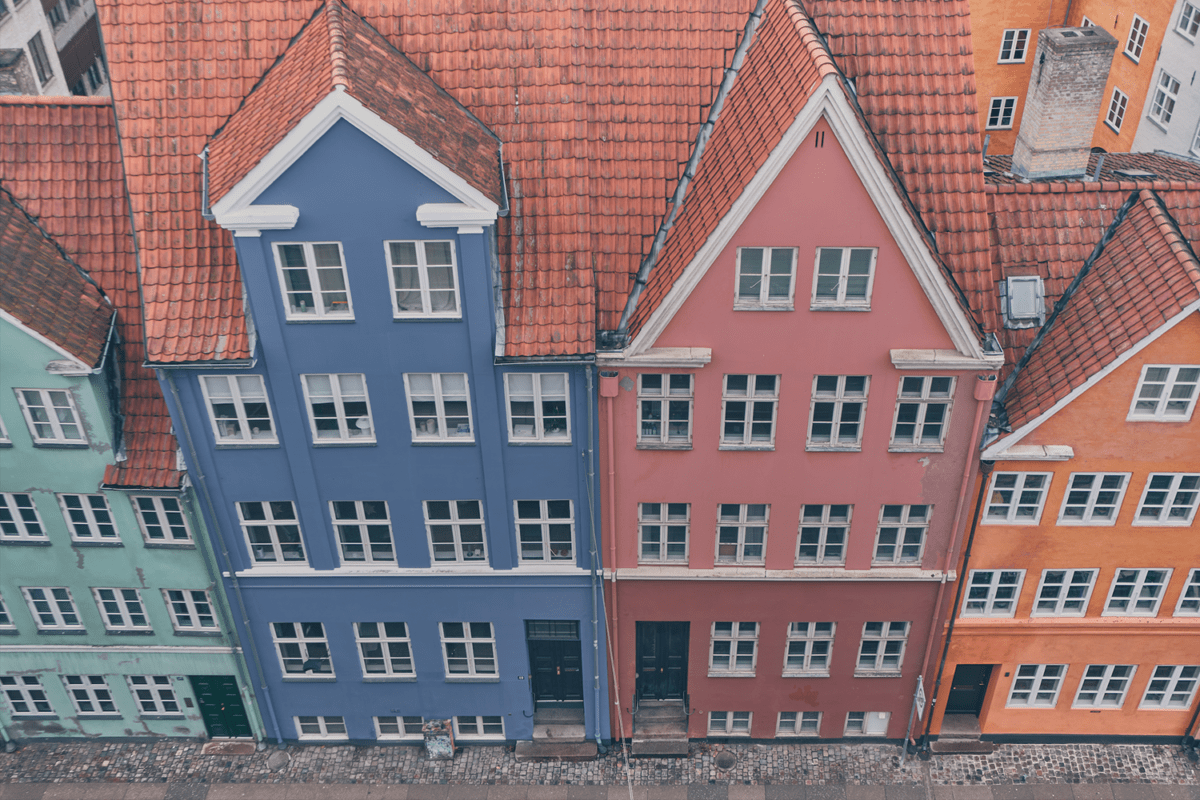
Denmark’s capital is a city that dazzles at any time of year. However, during winter, it transforms into a true Nordic paradise. With its cozy atmosphere, stunning architecture, and vibrant cultural scene, the city offers an unparalleled experience that envelops visitors in a warm embrace, even when the thermometer drops.

The concept of hygge
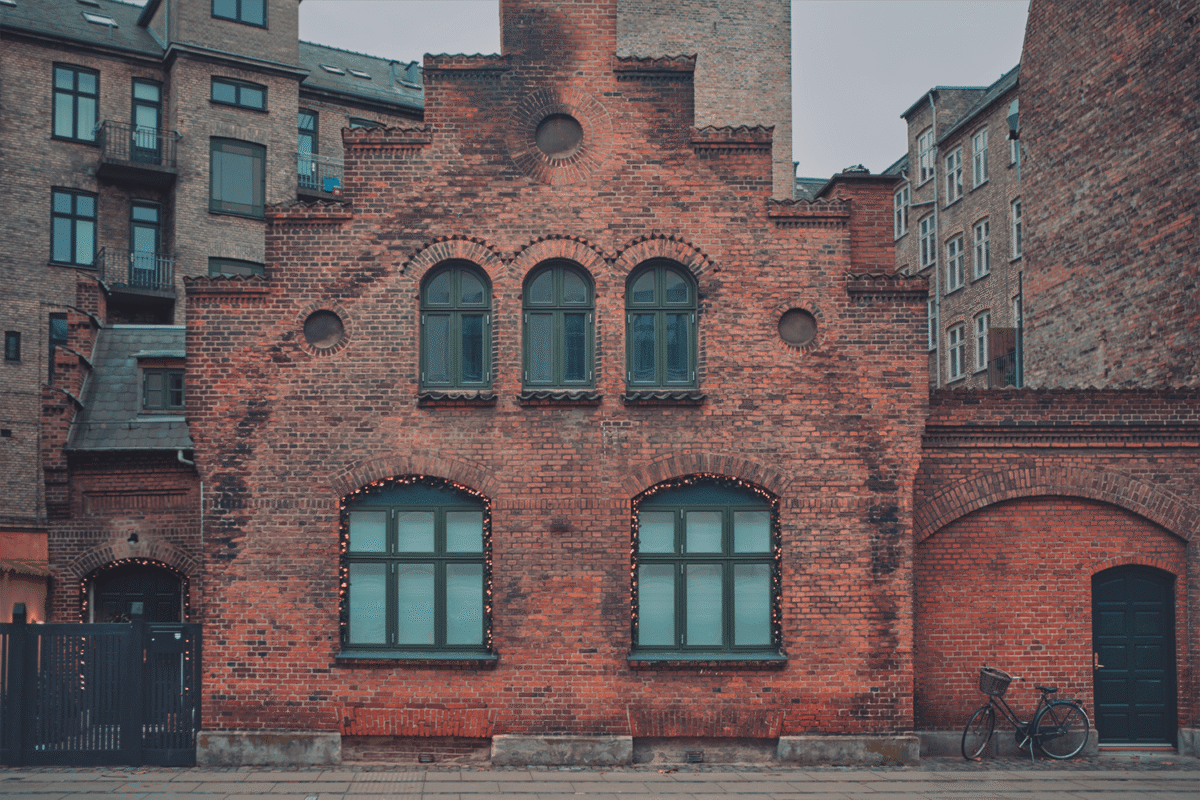
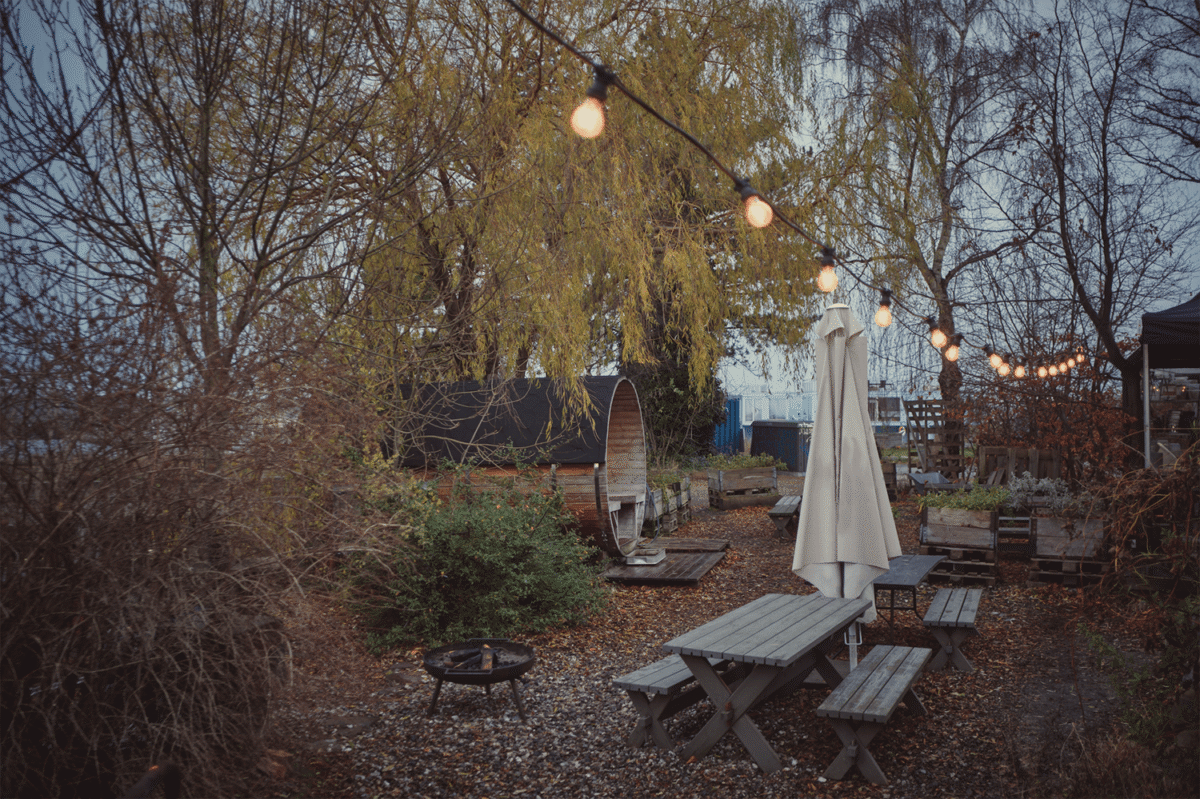
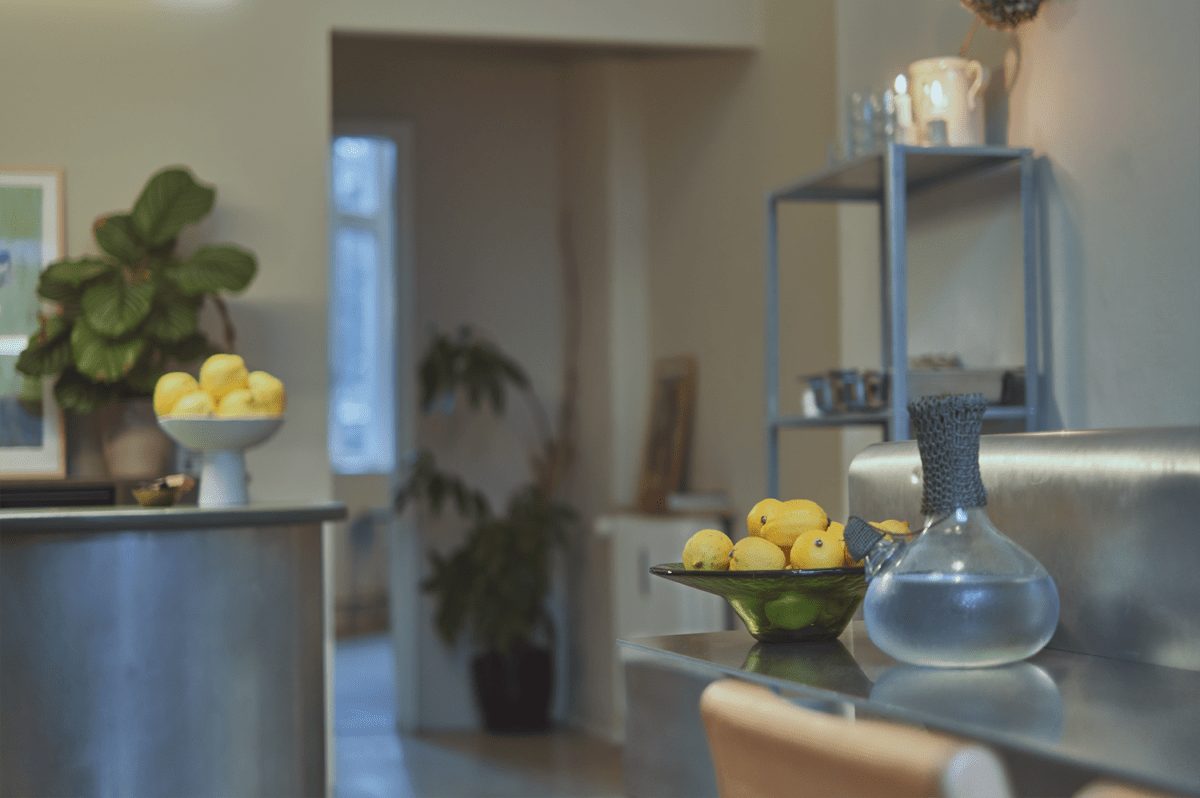
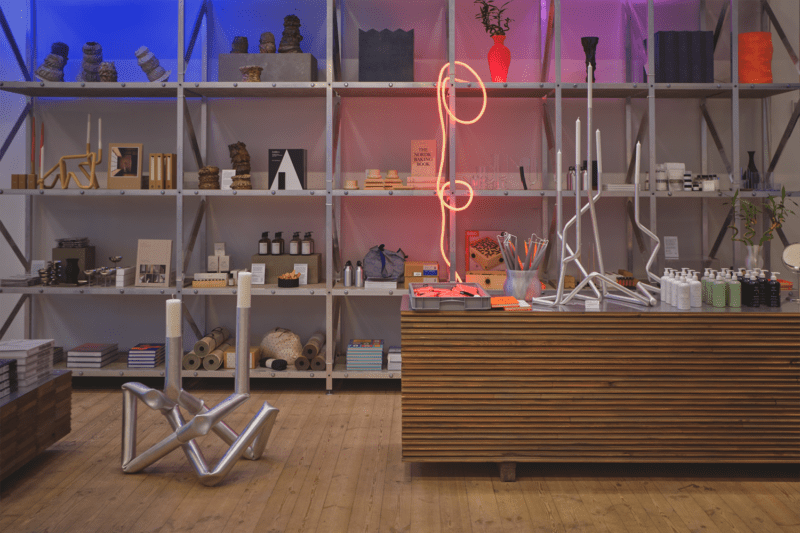
The Danish winter wouldn’t be the same without the concept of hygge, a word that has no direct translation but perfectly captures the art of finding comfort and well-being in the little things. In Copenhagen, hygge can be felt in every corner, from a quiet café overlooking the river to a candle-lit dinner at a restaurant. It’s a feeling that surrounds you, inviting you to enjoy calm, warmth, and good company.
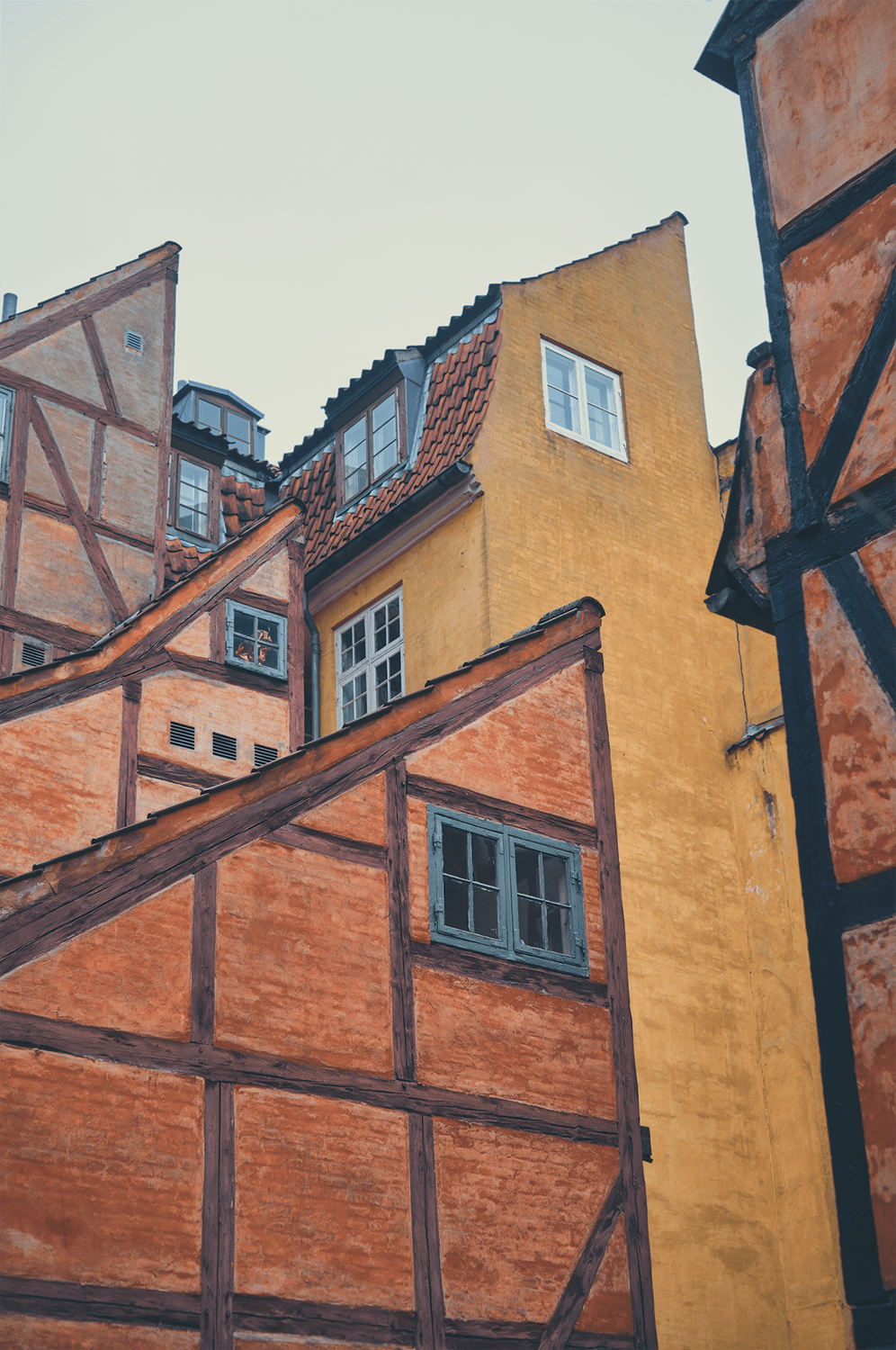
What’s fascinating is that this hygge feeling is present throughout the entire city: in hotels, shops, restaurants, cafés, museums… making the cold seem almost irrelevant. Because, if you’re dressed in thermal layers and well bundled up, the truth is that Copenhagen’s winter temperatures aren’t as extreme as those of New York or Helsinki, for instance.
The Danes have found the formula for enjoying even the coldest season. After all, there’s nothing better than having a positive attitude, appreciating the little things, and focusing on what makes us happy.
Winter baths: the best way to relax in winter
Copenhagen is known for its blend of avant-garde and tradition, where contrasts are found at every corner. One of the most surprising experiences is the tradition of Winter Baths, a Nordic custom that has become a true phenomenon in the city during the colder months of the year. A ritual that may seem challenging to those not accustomed to the cold, but undoubtedly offers one of the most authentic ways to connect with the essence of Copenhagen and its people.
A meeting with nature and the cold
Copenhagen’s Winter Baths are not a passing trend but a deeply rooted tradition in Danish culture that dates back centuries. In the heart of winter, when temperatures can drop below freezing and the Baltic Sea wind bites the skin with its sharp cold, Copenhagen residents have no hesitation in plunging into the frigid waters of their canals or taking a dip in the outdoor thermal baths.
And if you thought that the bathing culture was all about hot water for relaxation in warm countries, you’ll be surprised to discover how in Copenhagen, immersing yourself in cold water is seen as a revitalizing and deeply regenerative practice.
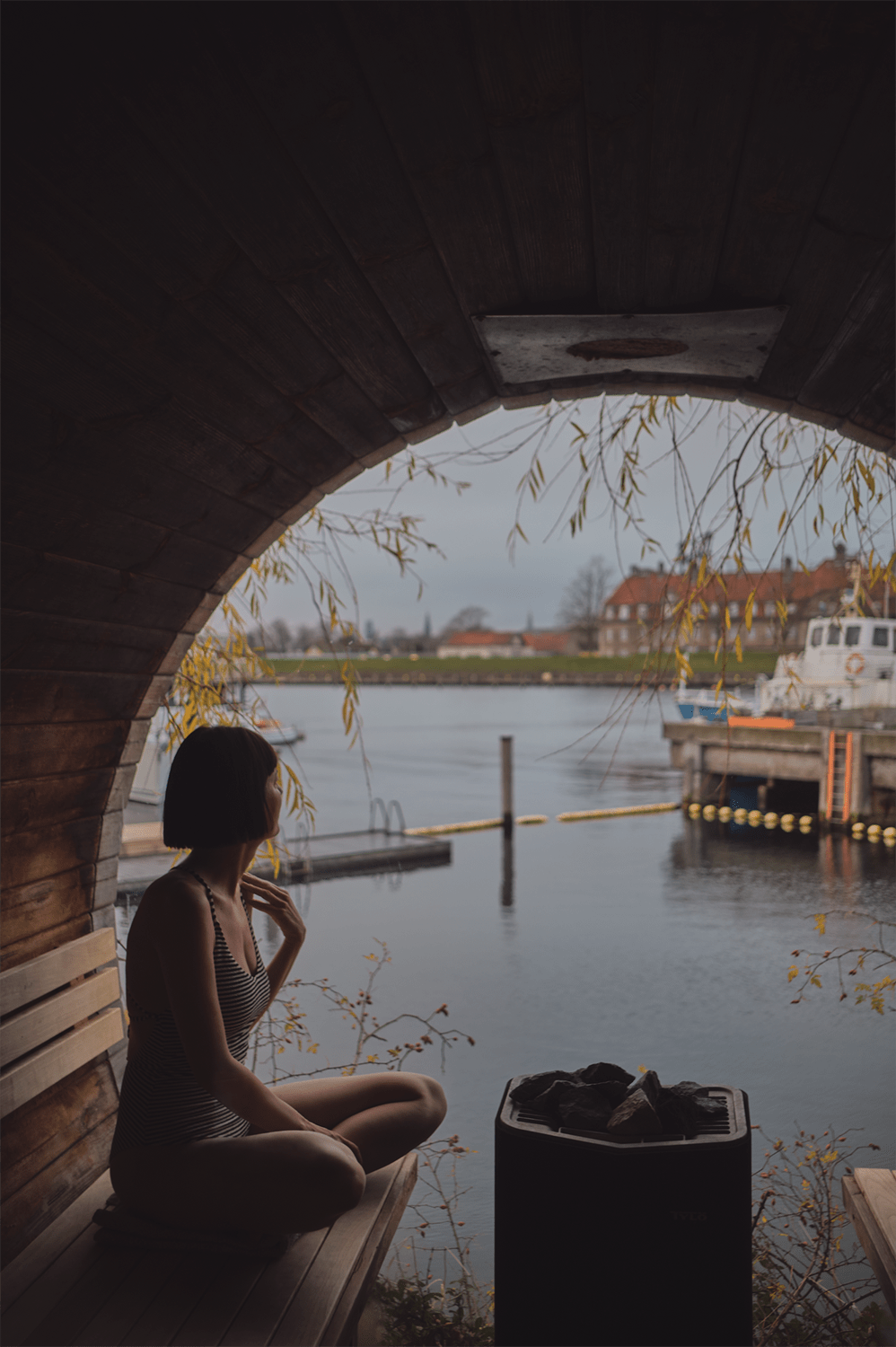
One of the most iconic places to enjoy this experience is La Banchina. Located in Refshaleøen, this idyllic spot allows you to combine a cold dip in the harbor with a hot sauna experience. In addition to being a bathing area year-round, La Banchina features a small and beautiful sauna with a glass wall, offering views of the harbor. The sauna accommodates up to 8 people and can be rented for private sessions.
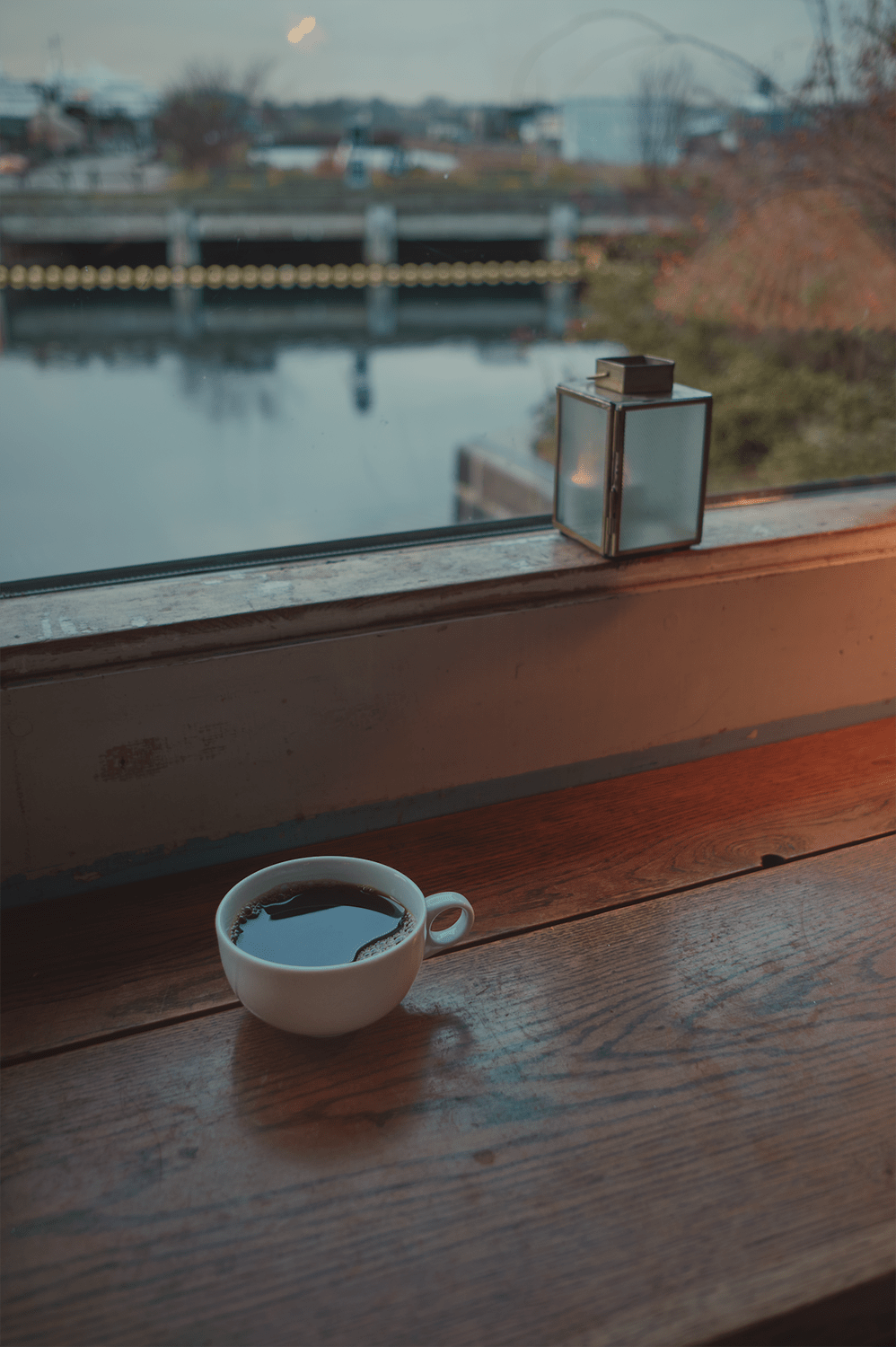
In the small building, which was once a shipyard, La Banchina also has a café and a restaurant, serving delicious pastries, specialty coffee, and seasonal, locally-sourced vegetarian dishes. They also specialize in natural wines.
During the winter months, La Banchina offers a “soup of the day” from Monday to Wednesday and on Sundays; brunch from 10:00 AM to 3:30 PM, and “Dinner Club seatings” from 5:30 PM to 8:30 PM Thursday to Saturday, and all day Sunday. Our perfect plan is to take a cold dip — just entering and exiting the water is enough! — followed by a sauna, and then enjoy a warm bowl of soup.
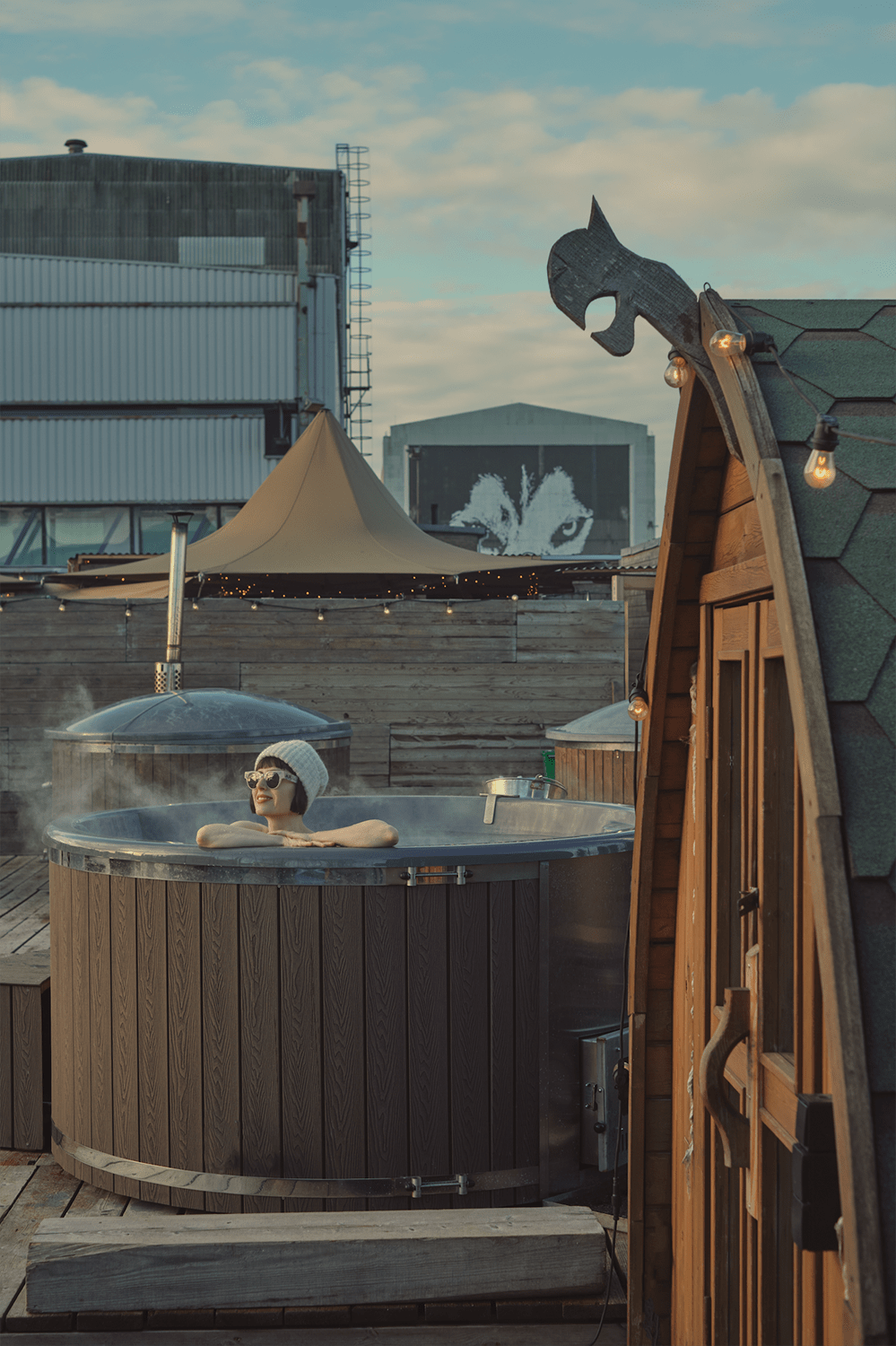
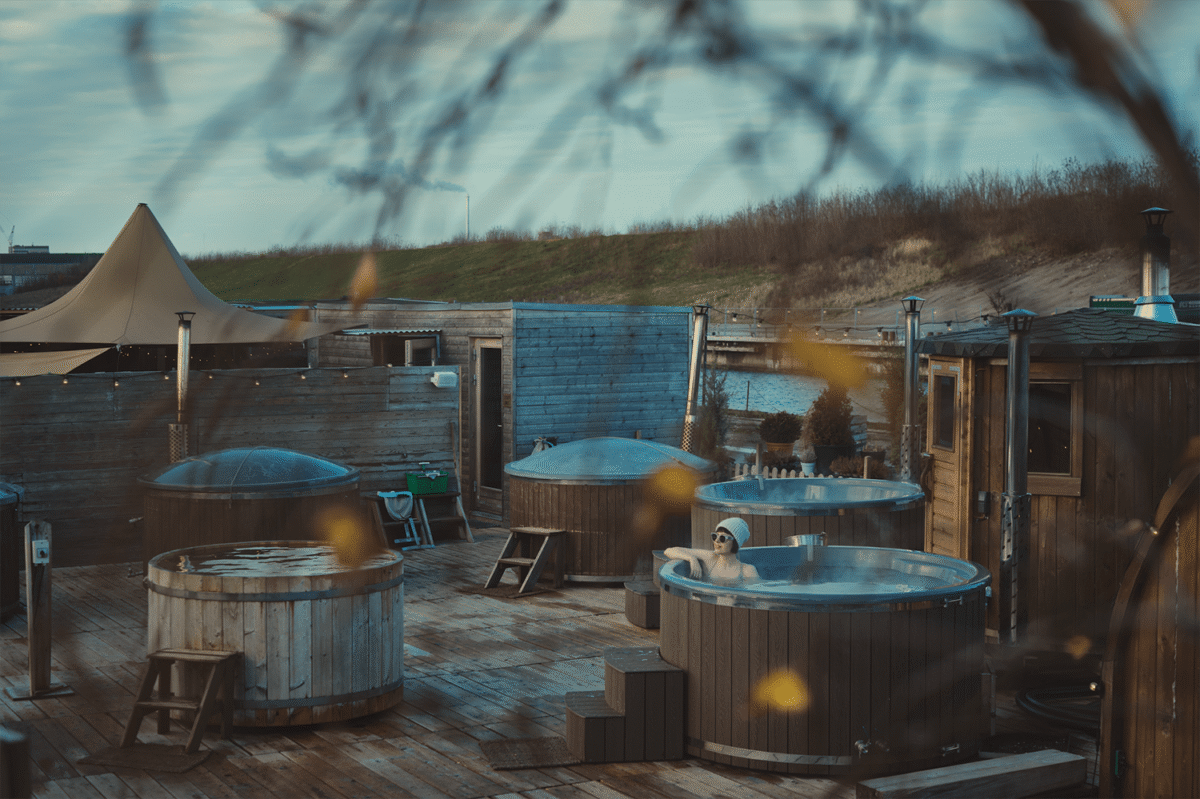
Another highly recommended wellness spot is CopenHot, also located in Refshaleøen. They self-define as “Little Siberia”, as it overlooks the former B&W shipyard, which used to be called Little Siberia because it was the coldest spot on Refshaleøen.
Here, you can enjoy amazing outdoor jacuzzis heated with wood, as well as various saunas and cold immersion baths. Their facilities are booked as private units, and while you enjoy the amenities, the bartender can serve you cold drinks from the bar.
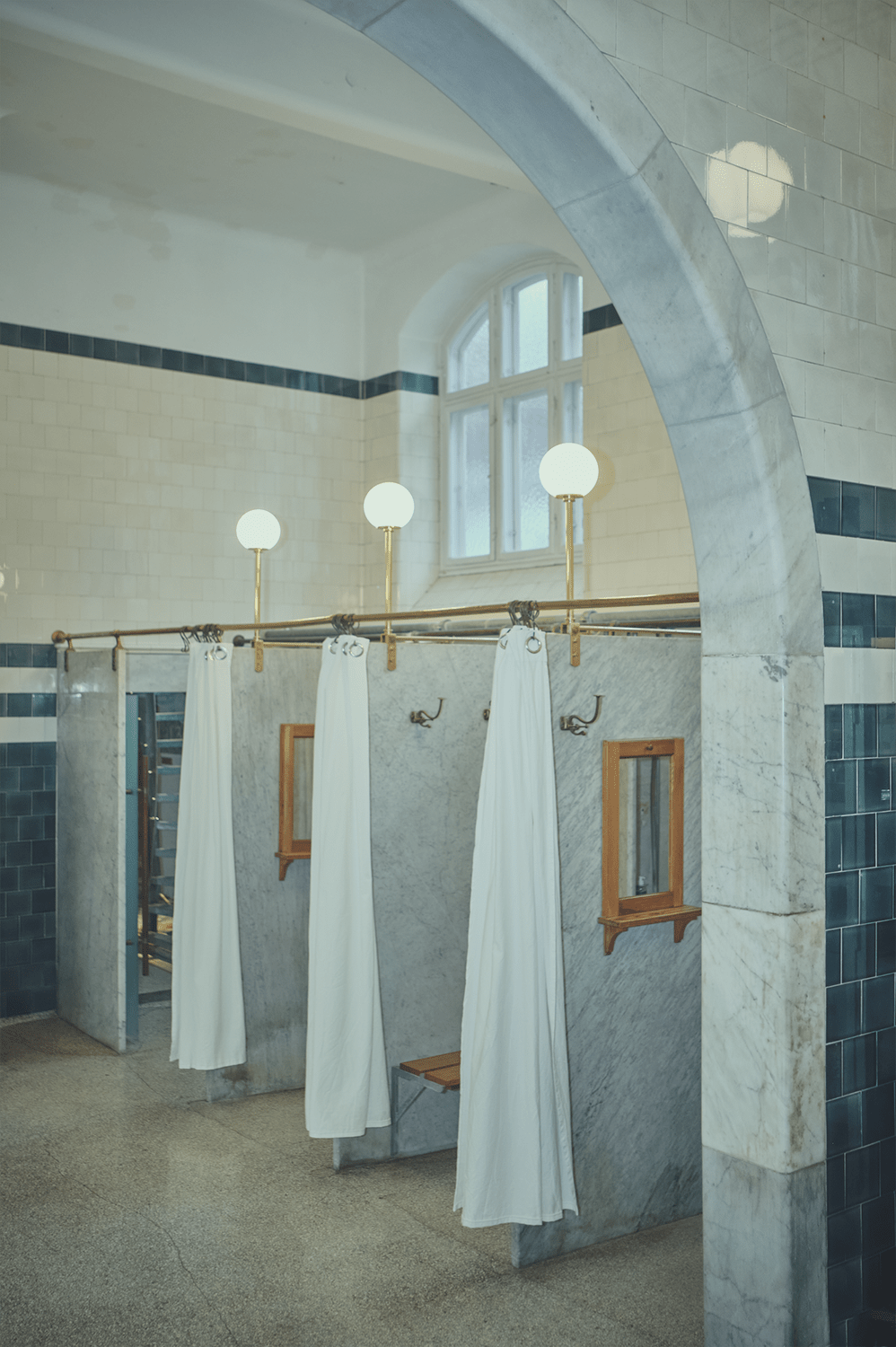
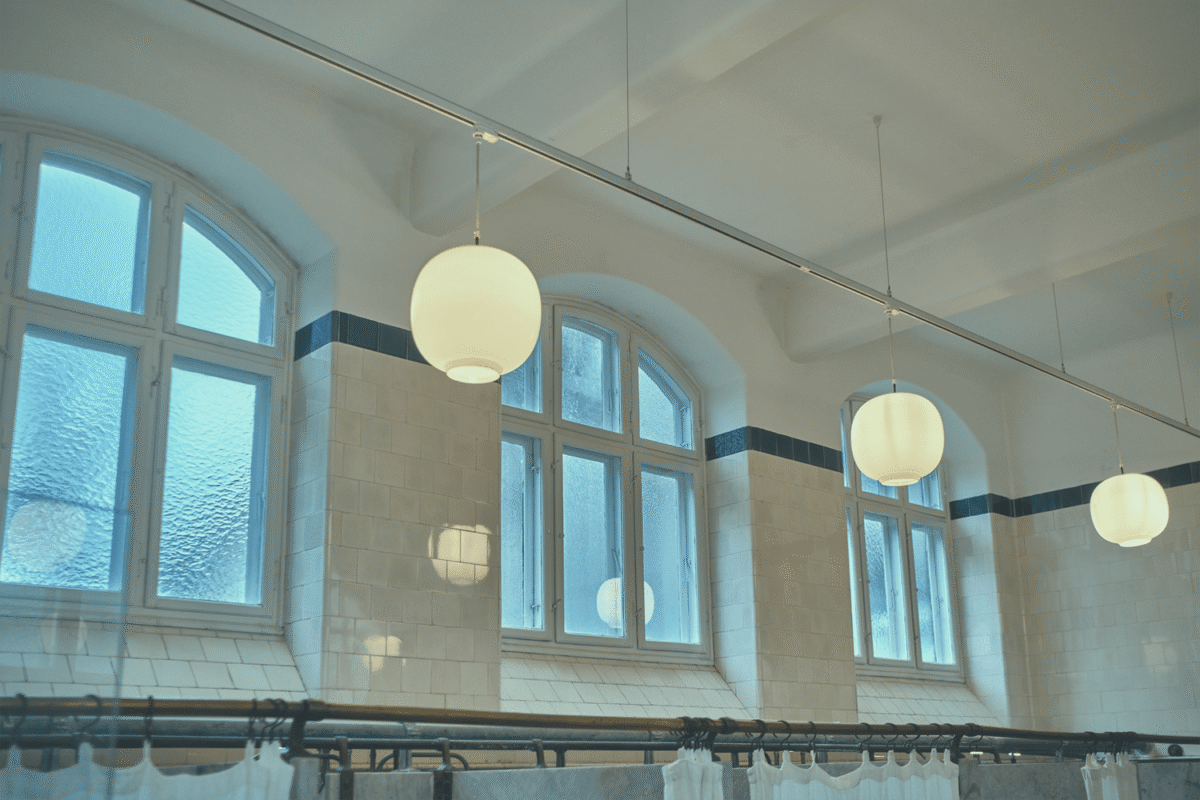
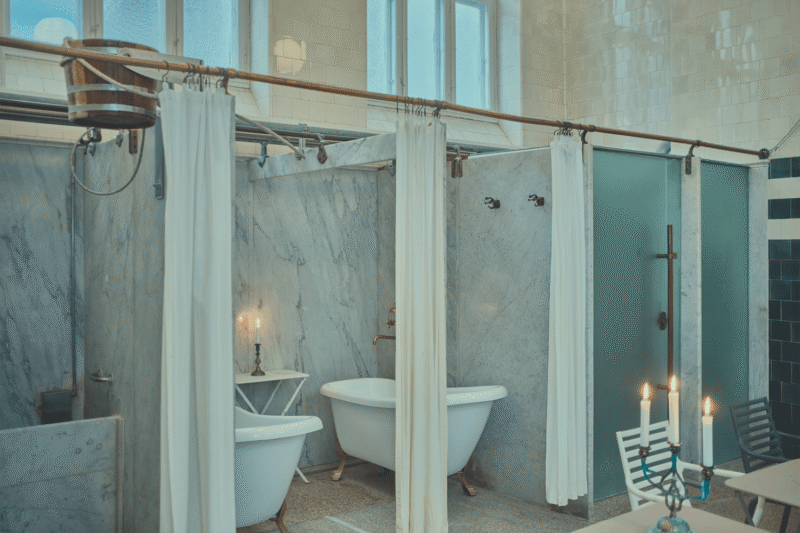
If you’re looking for a more spa-like experience with a touch of history, Sofiebadet is the perfect place. Located in the Christianshavn district, Sofiebadet dates back to 1909. In its day, Sofiebadet was one of Copenhagen’s two public baths where the working class, who still didn’t have bathrooms in their homes, could come to wash.
Though Sofiebadet closed in 1997, the people of Christianshavn fought to restore it as a historical gem. So, in 2000, Sofiebadet reopened, and today, it’s much more than just a place to bathe.
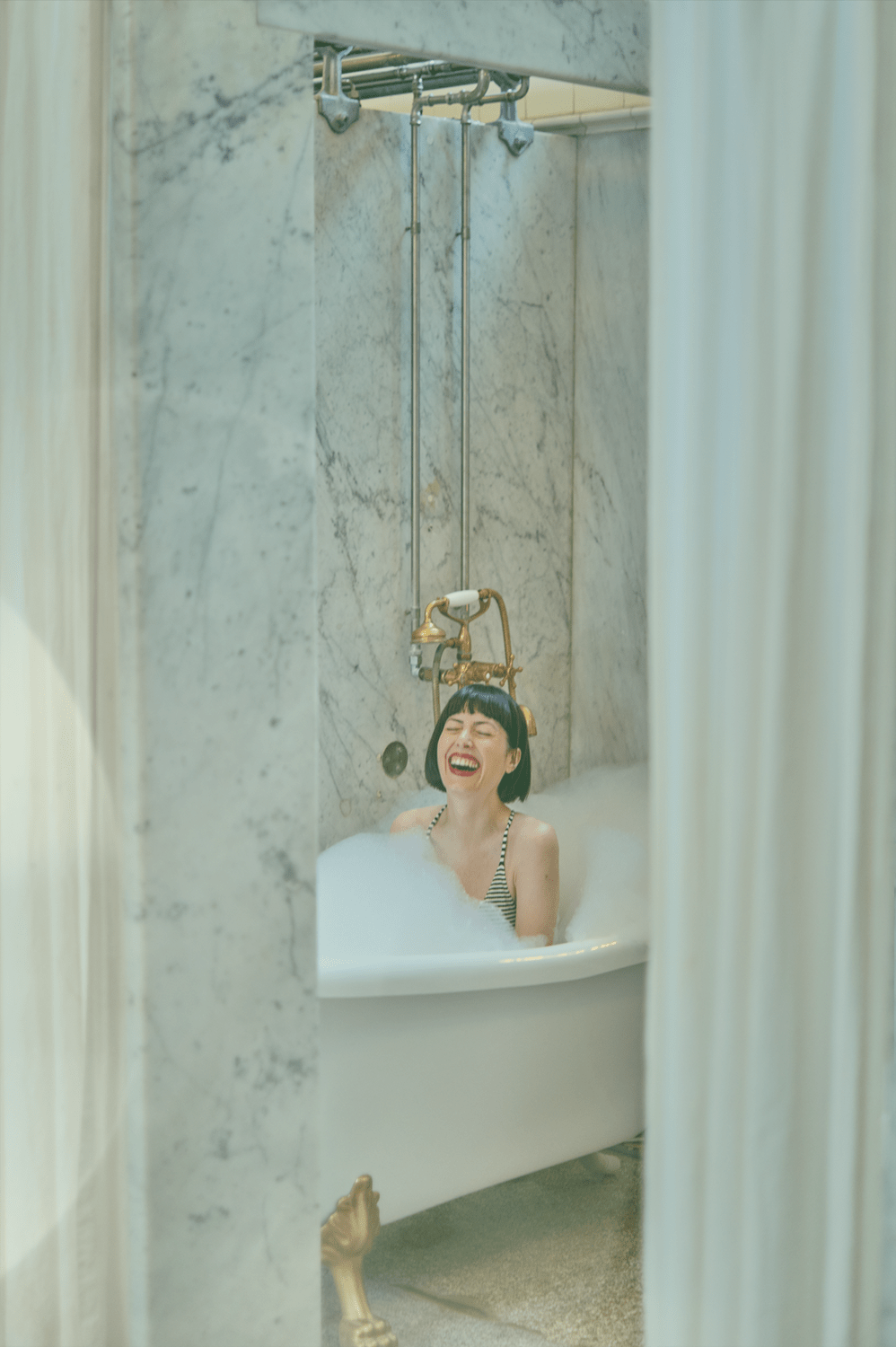
The facilities are well-preserved, and although the space isn’t very large, it has everything needed to enjoy various wellness sessions: from different saunas, a relaxing bath with a glass of cava, a purifying facial mask, body and face treatments, to the popular hammam treatment. It also features a café where you can enjoy a drink or a healthy snack. The service is very friendly.
Winter Baths in Copenhagen are much more than just a wellness experience; they are also a social experience. In the relaxed and friendly atmosphere of the saunas and baths, Danes tend to share laughter, stories, and of course, a revitalizing bath.
The harbor baths in Copenhagen are ideal for this, such as those at Islands Brygge or Kalvebod Bølge, which feature both bathing areas and cold water immersion zones.
A ritual of contrasts
What’s fascinating about the Winter Baths is not only the bravery of plunging into icy waters but the combination of heat and cold that characterizes them. In many of these winter baths, the journey begins with a hot sauna, a tradition in which heat accumulates and allows the body to relax deeply. The next step: the challenging leap into the cold water.
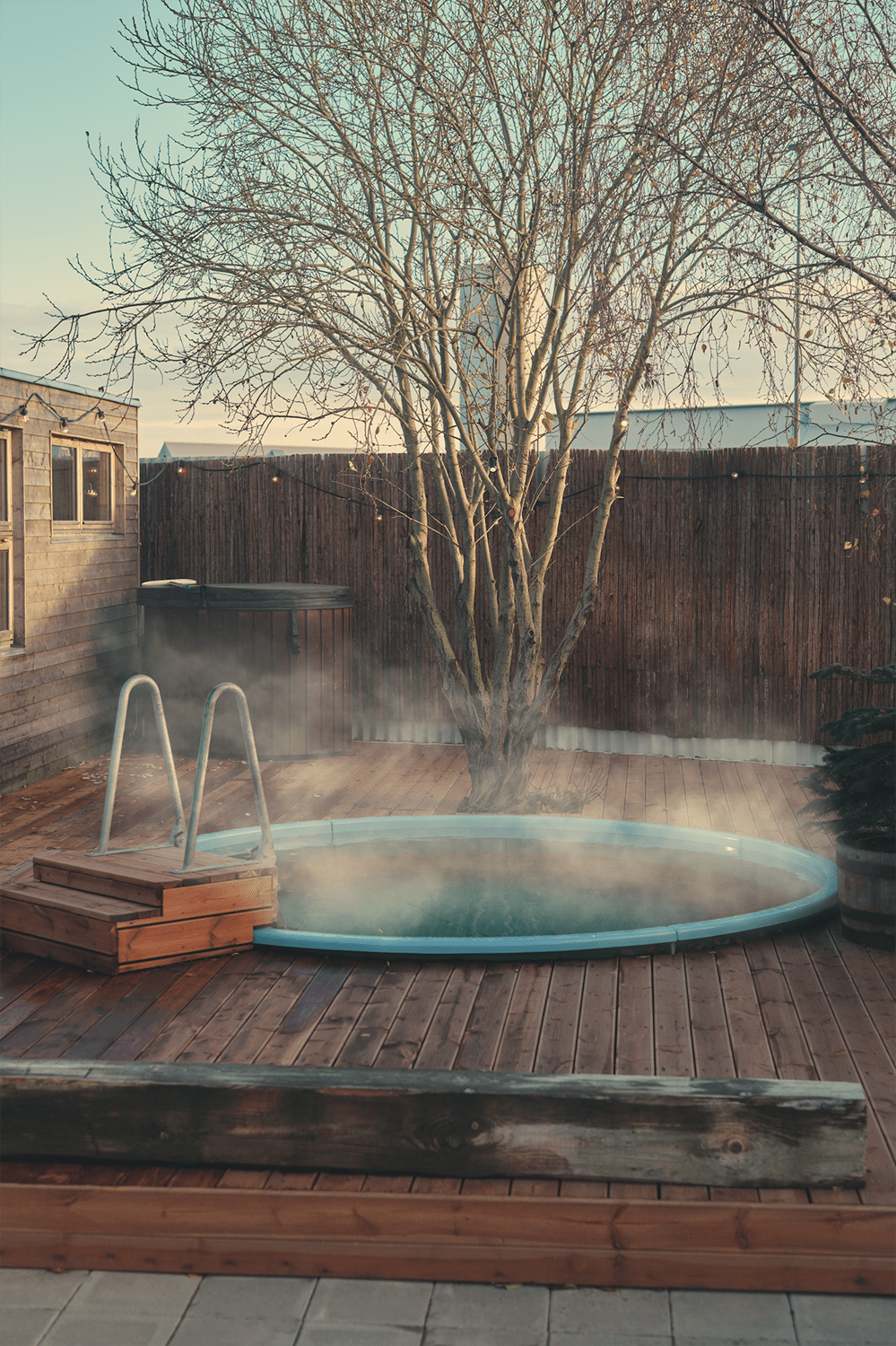
The contrast between the warmth of the sauna and the chill of the water stimulates circulation, revitalizes the body, and provides a sense of well-being and euphoria. Endorphins, known as the “happiness hormones”, are released, and the health benefits are immediate.
From improved circulation to a stronger immune system, as well as reduced stress, the practice of winter bathing is full of physical and mental advantages. In addition to the therapeutic benefits, it’s a ritual of pure connection with nature, the cold, and the water.
“Bathing in the sea in the middle of winter clears the mind and relieves all stress.”
Tip: If you’re not used to cold baths, it’s recommended to gradually immerse yourself rather than jumping in all at once, using the ladder for support. We warn you, it’s incredibly shocking, and in some cases, simply dipping your legs in may be enough.
Saunagus: aromatherapy and heat
Another experience that has become very popular is saunagus, a sauna aromatherapy session. In this practice, a sauna master works with essential oils on hot stones, swinging the aroma and heat throughout the sauna with a towel.
This creates a relaxing and soothing steam, ideal for relieving stress. Typically, a saunagus session also includes a cold bath in the sea or a cold shower if indoors.
In conclusion, Winter Baths in Copenhagen will allow you to discover the true Nordic spirit, one that embraces the cold, nature, and well-being, while immersing yourself in the icy waters of the Danish capital. It’s an unmissable experience!
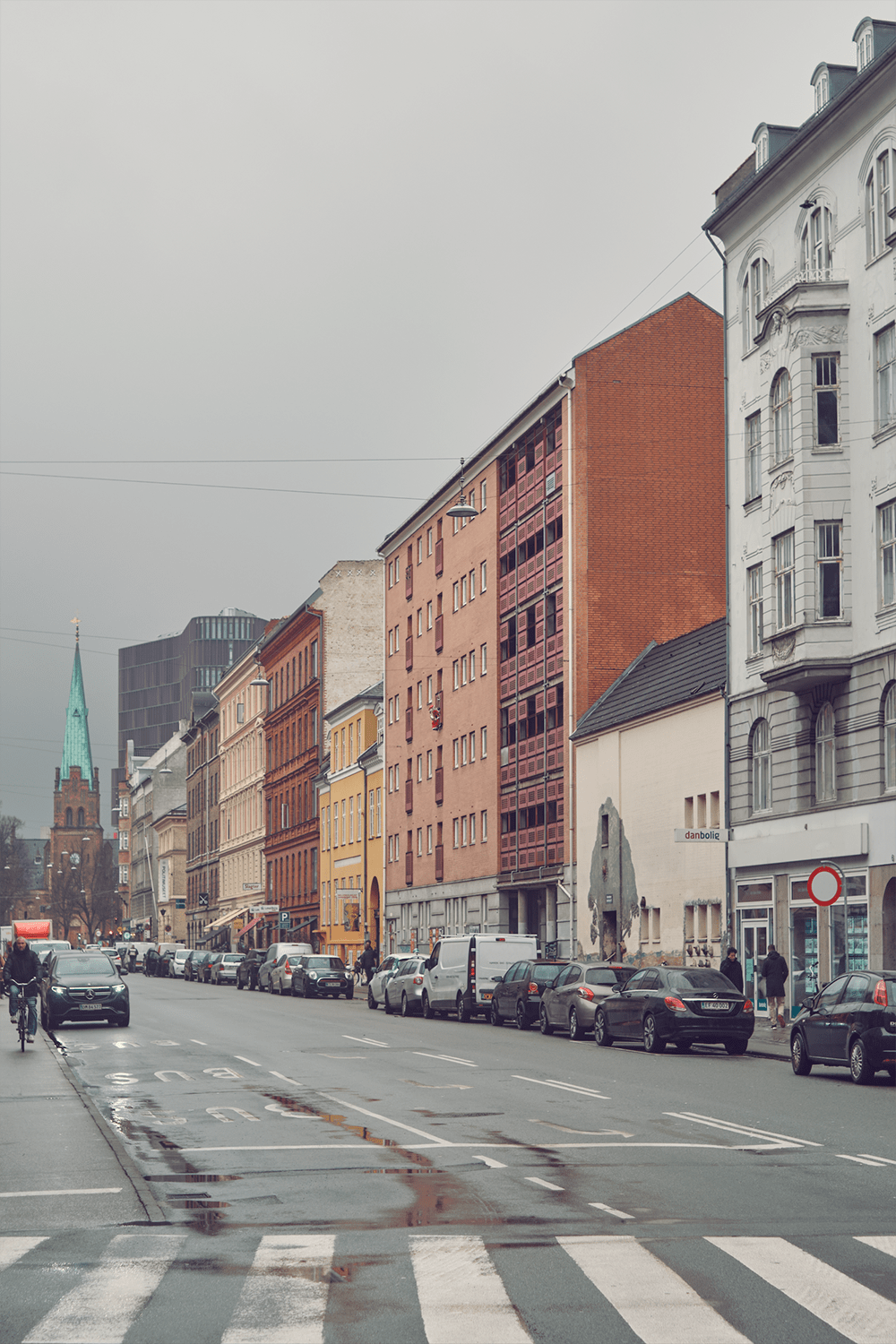
Specialty cafes and the best bakeries
After enjoying one of these wellness sessions, there’s nothing better than savoring a coffee or hot chocolate along with a Danish pastry. The truth is that the level of bakeries and patisseries in Copenhagen is so high that it’s almost impossible not to find something delicious.
Here are our favorites:
Darcy’s Kaffe: A specialty coffee spot offering delicious breakfasts and exquisite pastries in a very cozy space, located near the SUPeR Bookstore.
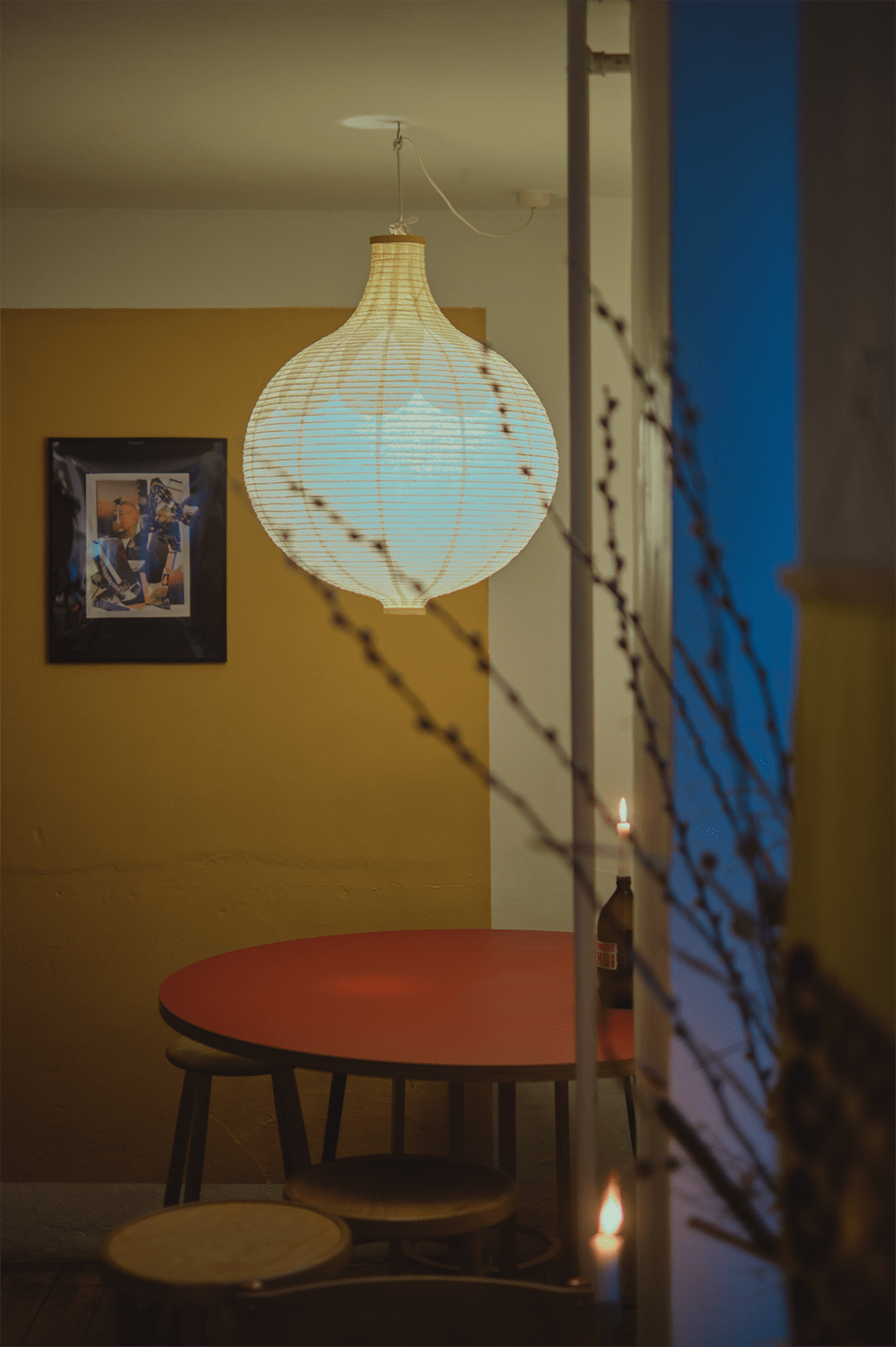
Apotek 57: Located in St. Pauls Apotek, a classic Danish pharmacy from 1878 within the FRAMA Studio store. The chef, Chiara Barla, has created a menu based on homemade recipes made with organic, seasonal, and delicious ingredients. The place is beautiful, and the food is wonderful.
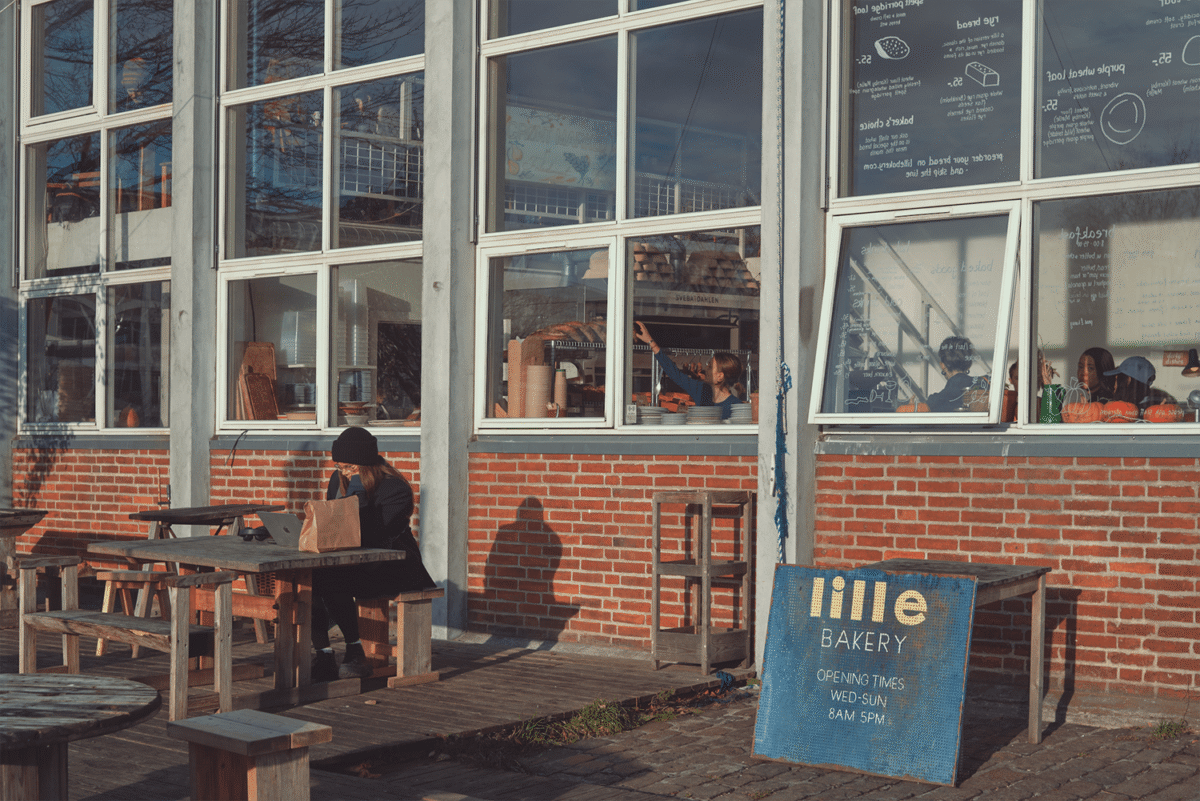
Lille Bakery: One of the best bakeries in Copenhagen. Their doughnuts, sourdough bread, and cinnamon rolls are fantastic. They also offer lunch with daily dishes made from organic and local products. The space, located next to noma projects, is very evocative. We recommend sitting upstairs, where you can watch them prepare their treats.
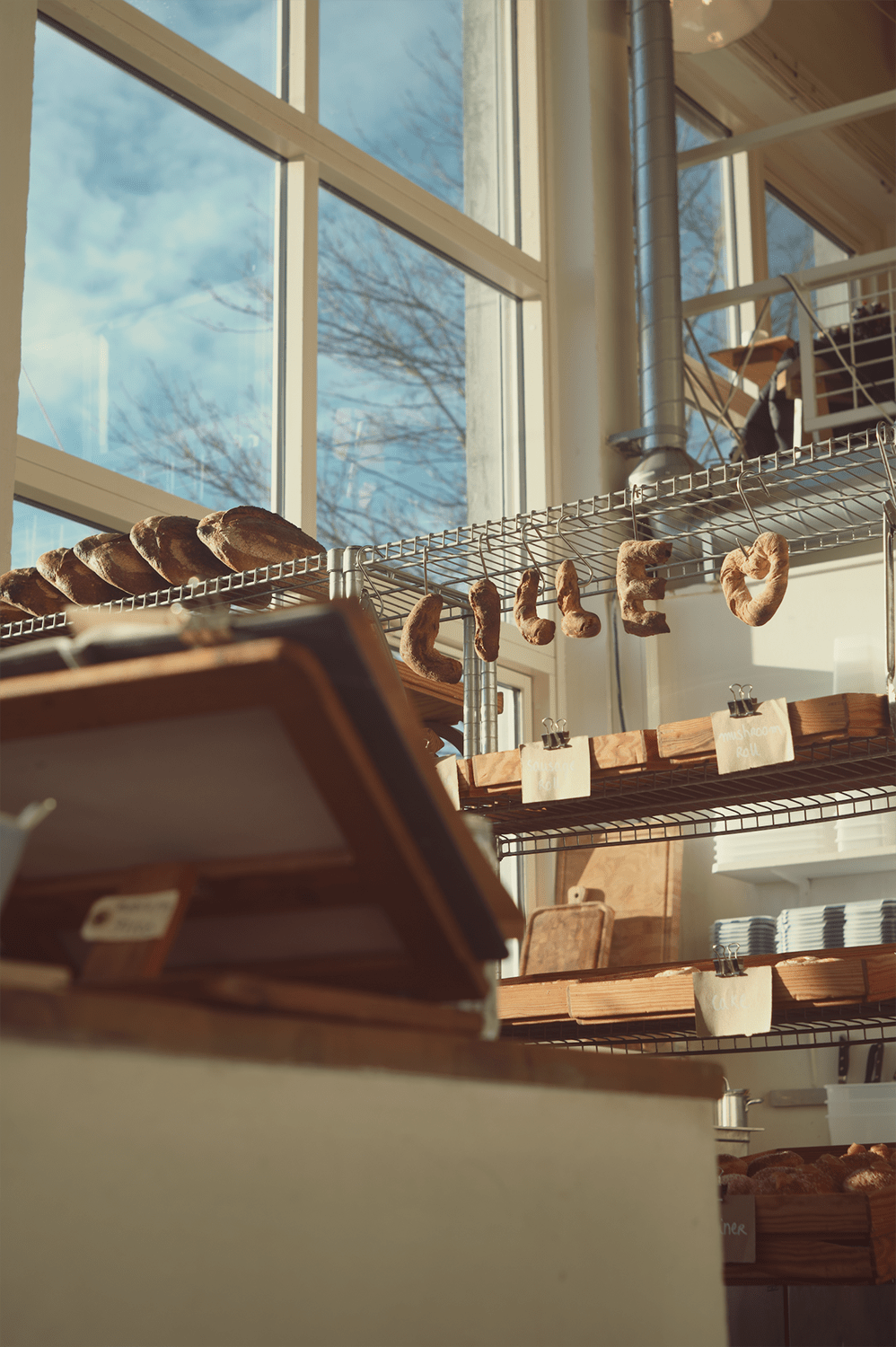
BeitSalma: This new restaurant-café in Nørrebro has already become one of our favorites. Its interior design blends Scandinavian aesthetics with a unique artistic touch. Their Middle Eastern dishes are simply divine. It’s an ideal spot for breakfast, brunch, or lunch.
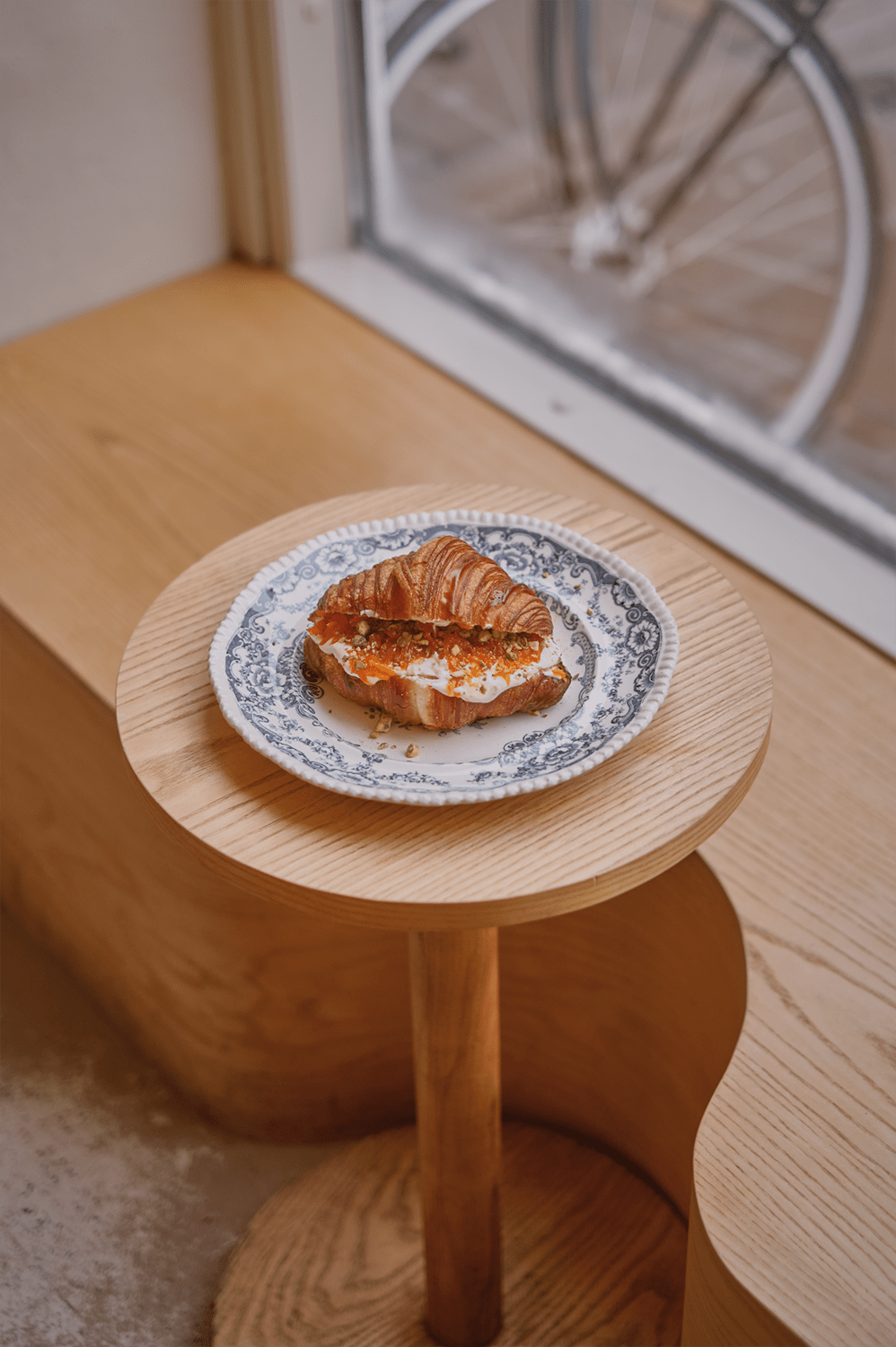
La Cabra: Ranked 5th on this list, their cozy café is located in the same space as the men’s fashion store Another Aspect. Their cardamom buns are irresistible.
Juno the Bakery: Located on Århusgade near Østerbrogade, this is the best bakery in the city, and it’s a project by former noma chef Emil Glaser. Their sourdough bread and freshly baked pastries, made with organic and carefully selected ingredients, are sublime. As you’ll notice, there are often long lines to get a taste. Their cardamom rolls and pistachio croissants are out of this world.
Atelier September: Created by chef Frederik Bille Brahe, this restaurant now has two locations. They serve delicious breakfasts, lunches, and pastries in a stylish space with a warm and welcoming atmosphere. Their whipped butter is a dream, as is their “Morning Plate” and “Avocadomad”.
Coffee Collective: According to Roastful, the subscription service that works with specialty coffee roasters worldwide, Coffee Collective is the second-best roaster in the world. They currently have 8 cafés in Copenhagen and 1 in Aarhus. Since 2008, they have been purchasing coffee directly from farmers, cutting out unnecessary steps in the supply chain. In addition to their excellent specialty coffee, they offer delicious sweets like their famous cinnamon roll, which has a unique shape and exceptional taste.
April: This specialty coffee roaster based in Denmark has several locations. We love the one in Nørrebro. The space is beautiful, featuring a store, a long table to enjoy a good coffee while working, and a Japanese-style sofa area.
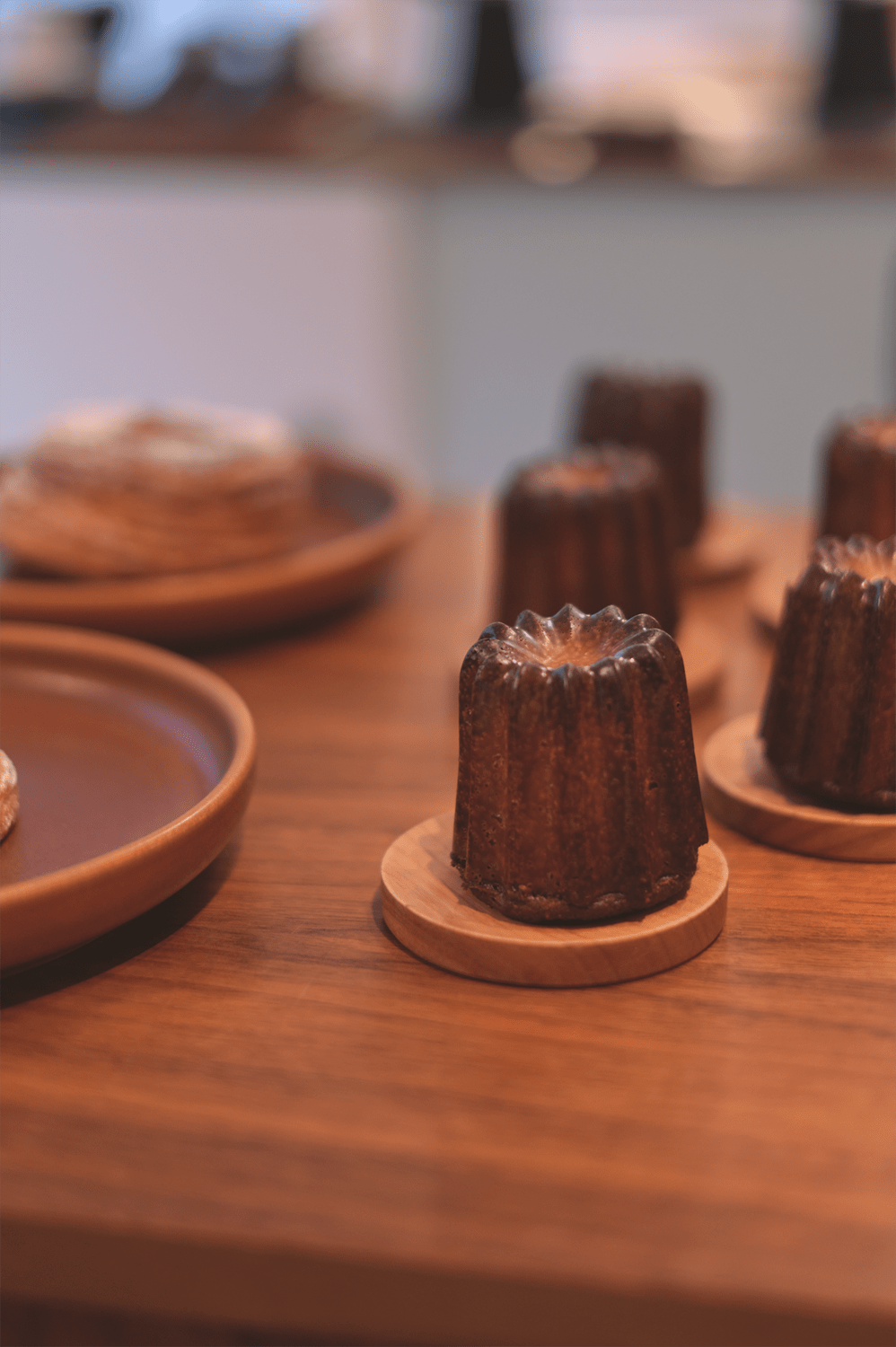
Andersen & Maillard: This artisanal bakery has several locations in Copenhagen. They serve specialty coffee from Prolog, and their excellent products are made by Milton Abel, a pastry chef who used to work in the kitchens of noma and Amass. Their cardamom croissant is a must-try. Mmmm…
Riviera: The new café from chef Chiara Barla. It’s a beautifully decorated space with furniture from FRAMA, where you can enjoy exquisite sweet or savory breakfasts.
Villa Copenhagen: an oasis of sustainable luxury
This time, we stayed at Villa Copenhagen, a luxury retreat that captures the essence of the Danish capital, blending history, modernity, and sustainability in a single space.
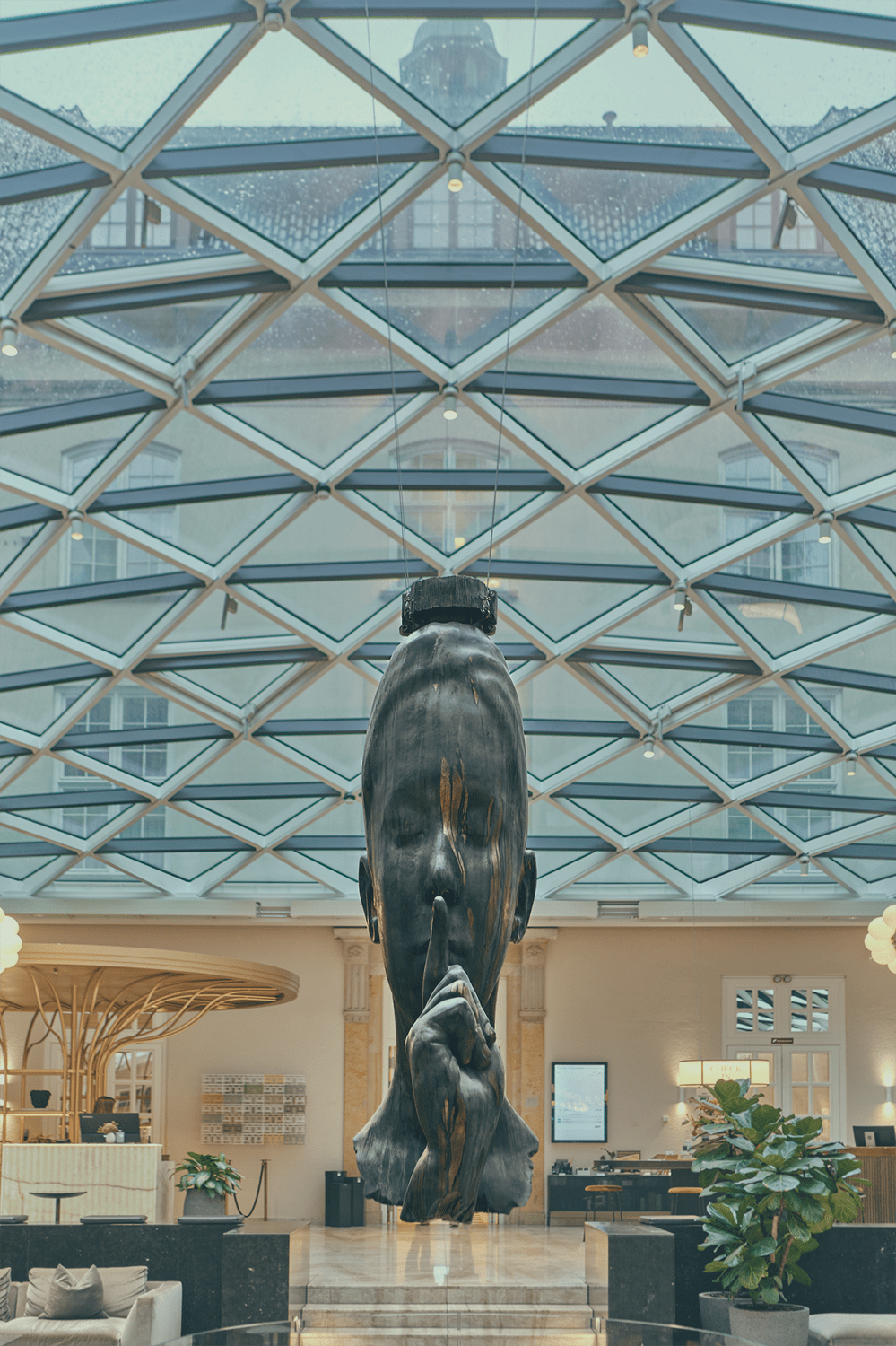
Designed by the renowned Danish architecture studio Lundgaard & Tranberg Architects, the hotel occupies a majestic building that originally housed the former Copenhagen post office.

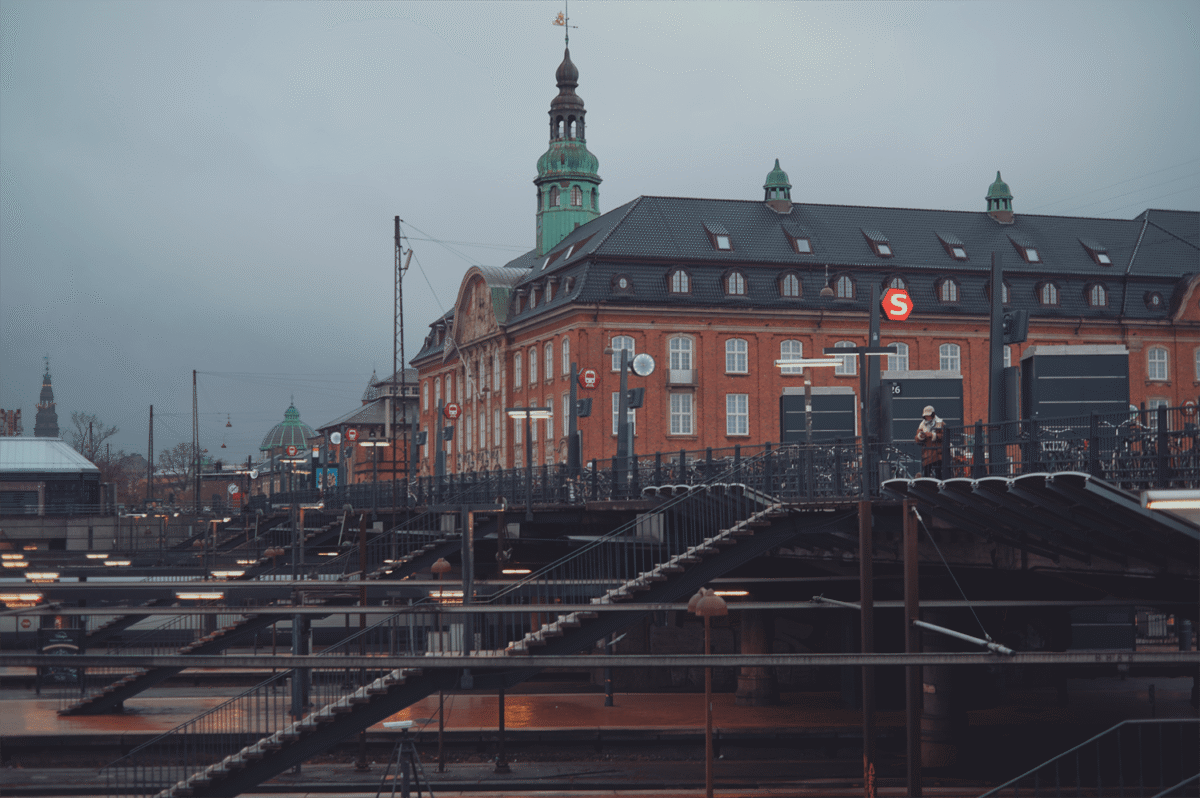
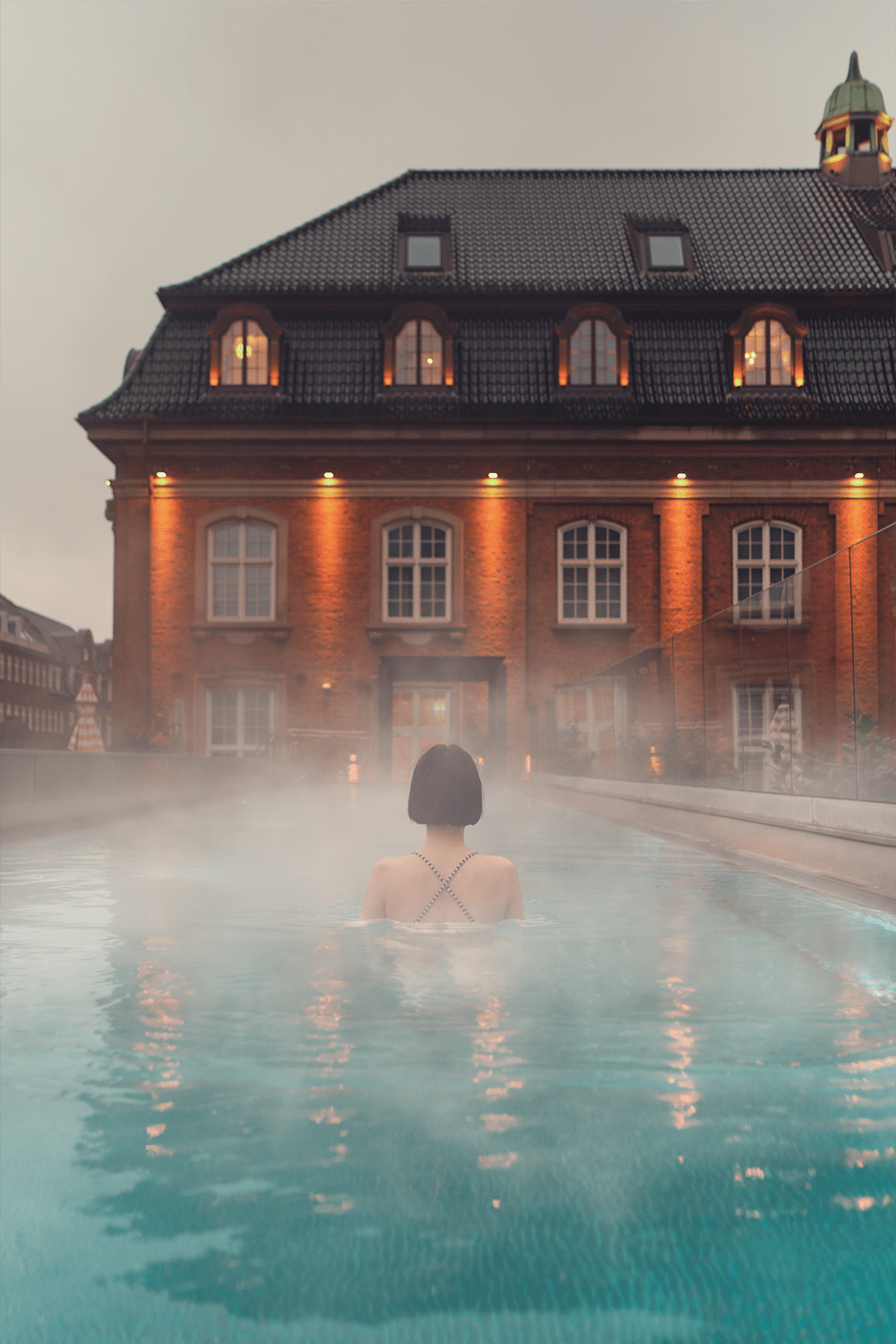
In addition to its prime location, just steps away from the central station and major tourist attractions, this five-star hotel stands out for its 25-meter pool, offering spectacular views of Tivoli Gardens. But what makes it even more special is that it can be enjoyed both in summer and winter, as it is sustainably heated by the excess heat from the hotel’s cooling systems. The pool’s temperature can range between 28°C and 30°C, creating a wonderfully relaxing experience. While temperatures outside may be close to 0°C, under the water, you’ll feel warm and comfortable.
The hotel also features several saunas, a gym, and offers a variety of wellness treatments. Its lobby is equally remarkable, with a magnificent glass ceiling that floods the space with light, complemented by sculptures by Jaume Plensa. To top it off, right next to the lobby is Rug Bakery, a charming and cozy bakery whose name in Danish means “Rye”. Led by former noma chef Gonzalo Guarda, we can confidently say that everything they prepare is absolutely delicious.
Shopping: beyond the Christmas markets
While the winter season includes Christmas festivities and, therefore, Christmas markets, we have to admit that we’re not huge fans of them. However, we did make an exception for Tivoli Gardens.
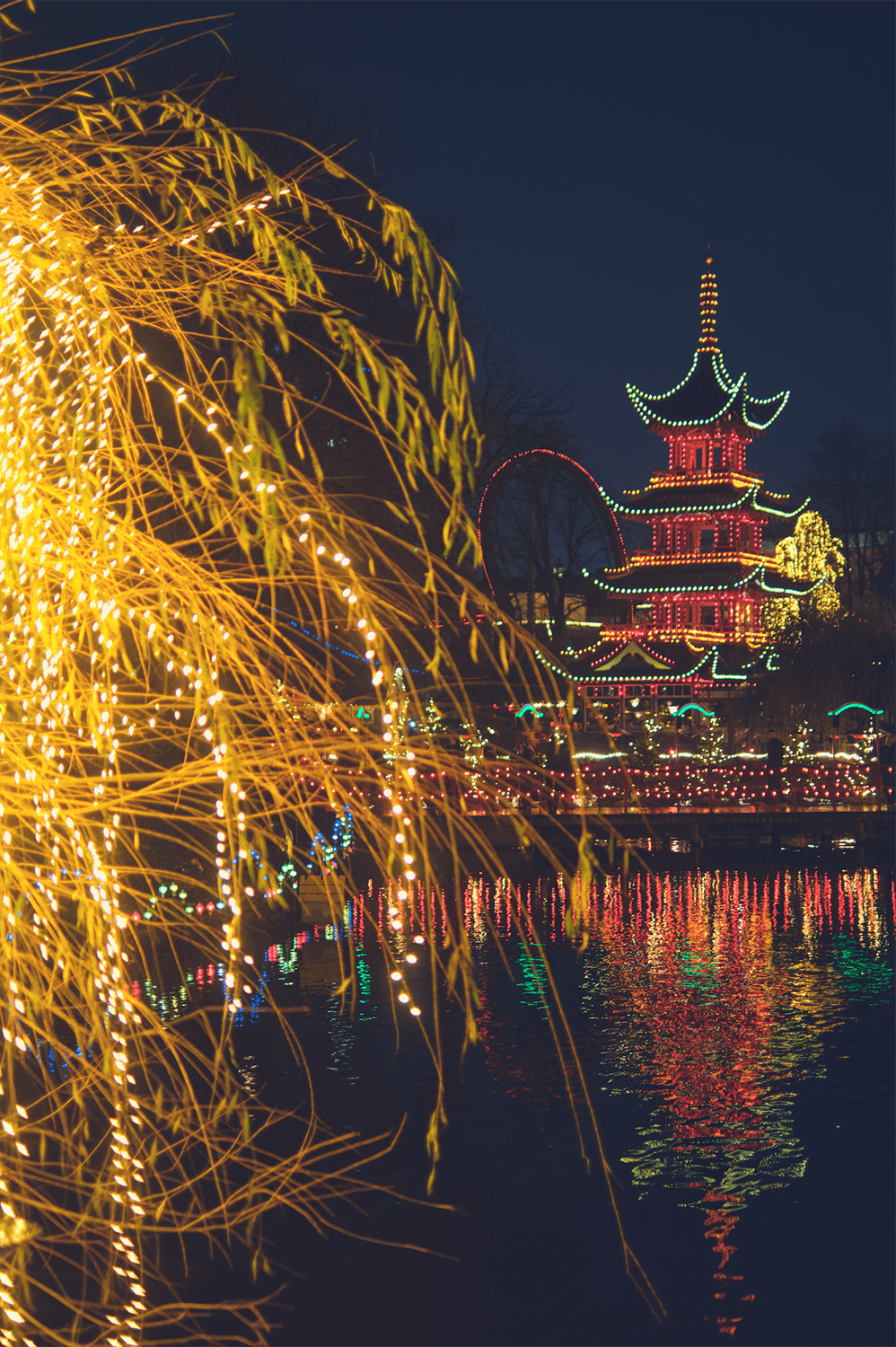
During the holiday season, this historic amusement park transforms into a paradise of twinkling lights and festive decorations. Although it’s packed with people year-round, if you avoid weekends and peak hours, it’s worth taking a stroll through the park, enjoying a ride on one of the attractions, or sipping on a traditional hot wine.
When it comes to shopping, Copenhagen offers an exciting selection of stores, ranging from furniture and design objects to high-quality vintage and fashion. Here are our recommendations:
If you’re looking for women’s fashion stores, Skall Studio is a must. This sustainable brand by Julie and Marie Skall offers a wide variety of high-quality, timeless pieces, all of which are made with a strong commitment to environmental responsibility.
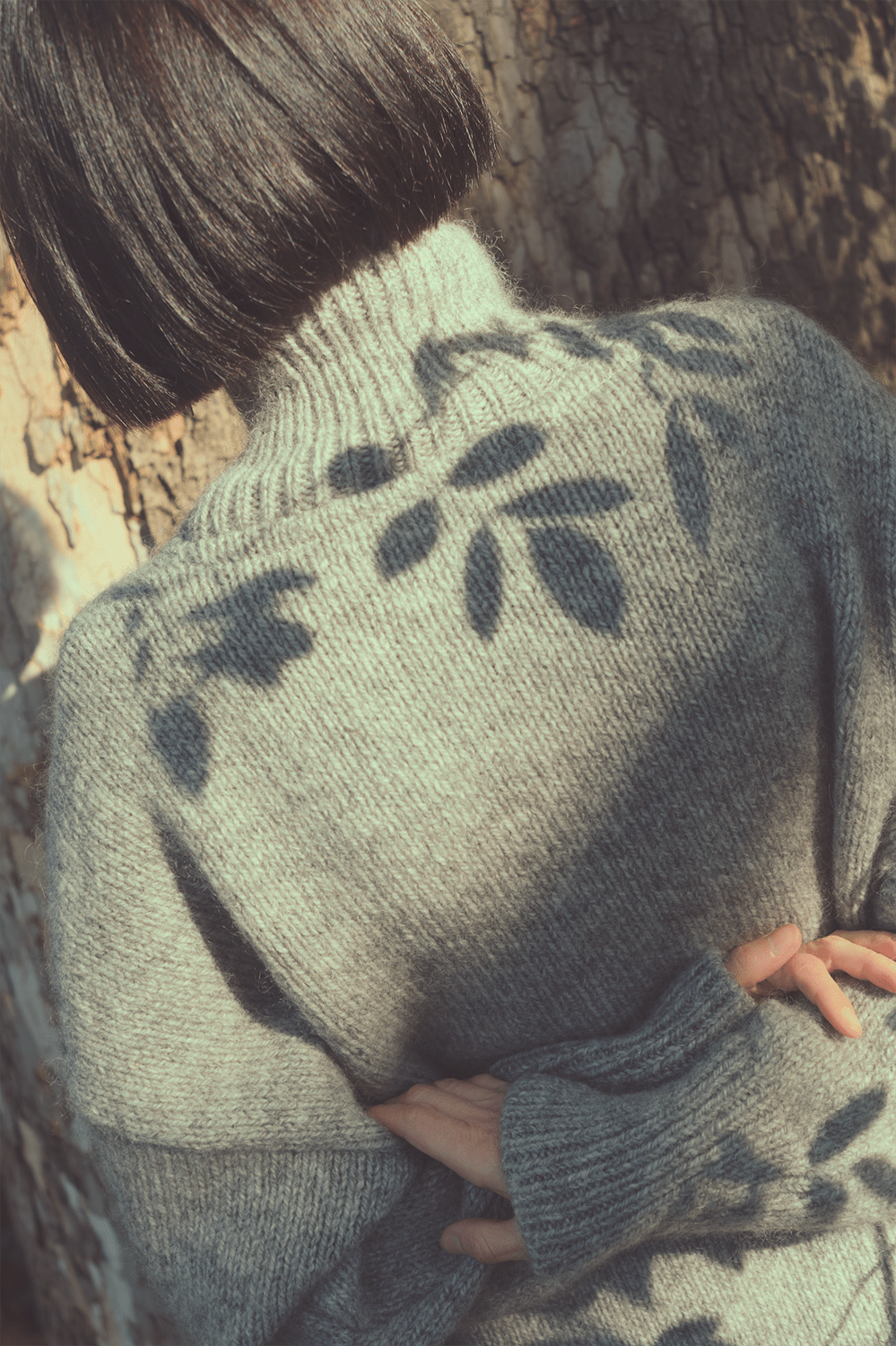
At Artikle, they create unisex garments, handmade in their workshop on Gammel Kongevej 37. We’re particularly enamored with their jackets.
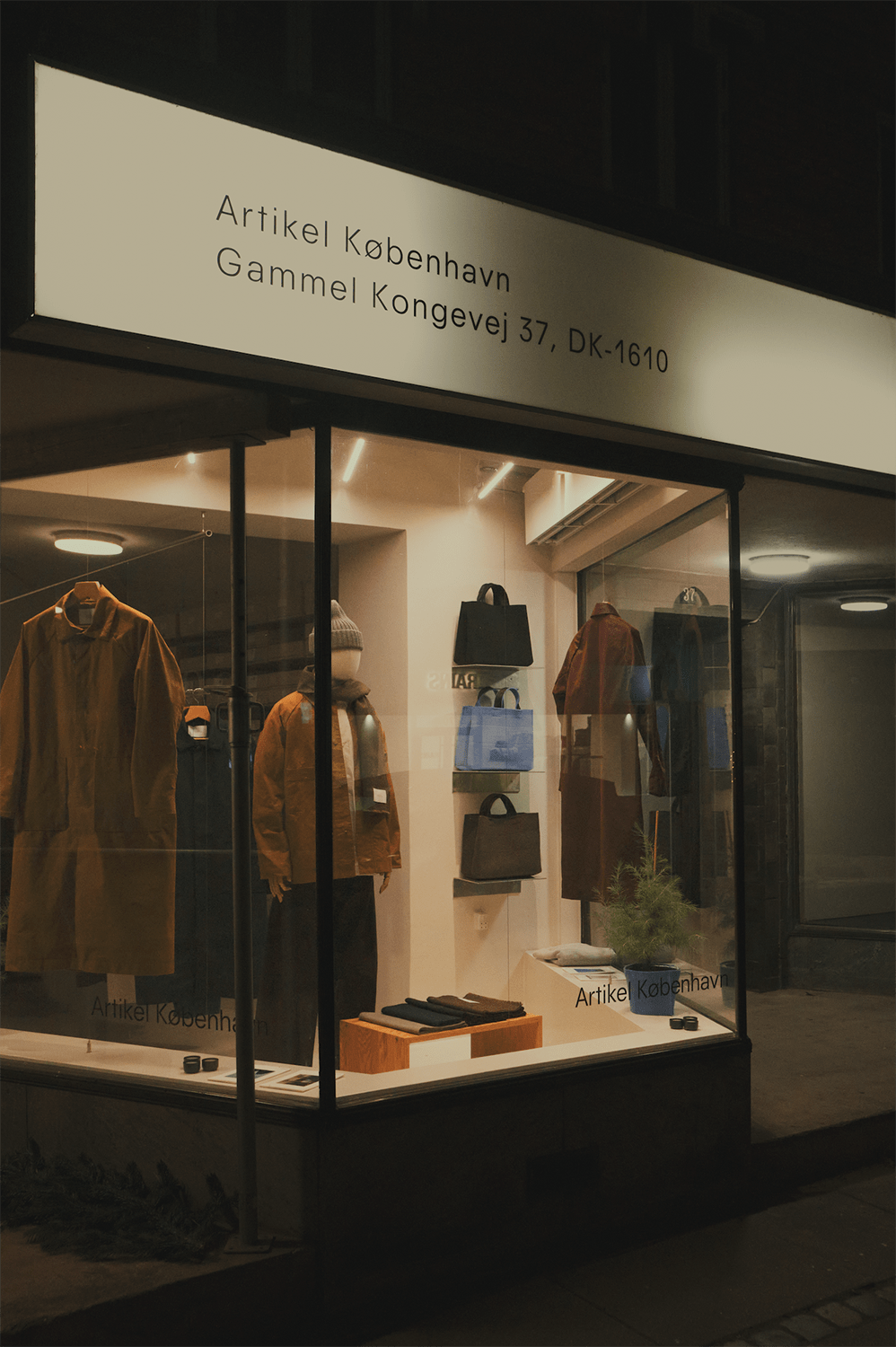
We also recommend Ganni, Arket, Grocery, and Another Aspect, all of which specialize in men’s fashion. NAKED is our favorite store for designer sneakers, and it also houses a beautiful florist inside. Tekla is perfect for high-quality sheets, towels, and pajamas, all crafted with great design.
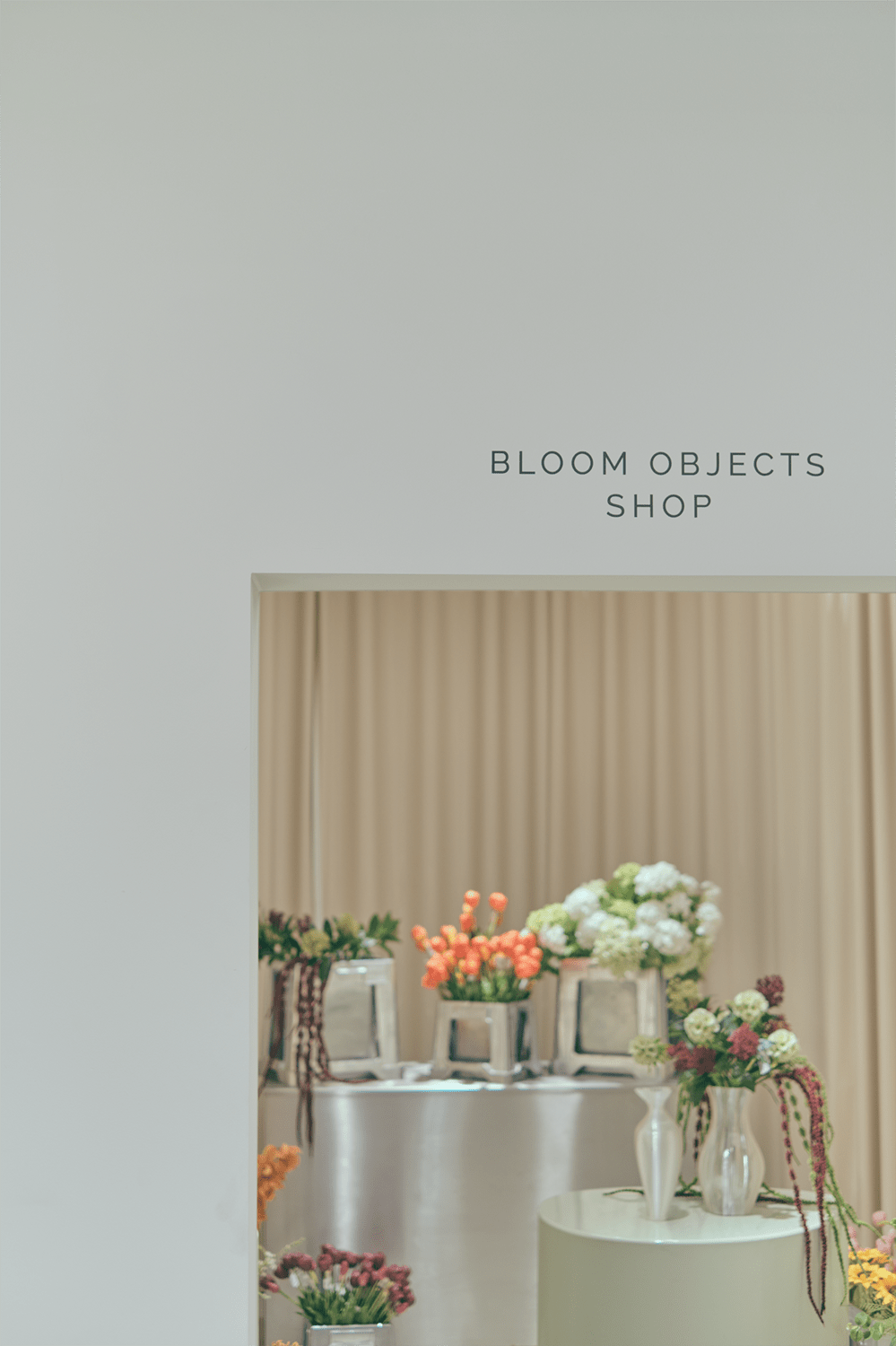
If you, like us, are fans of David Shrigley, then Shrig Shop, located right next to the Hotel Central & Café, will be your Mecca. We warn you: it will be impossible to leave the store without buying something!
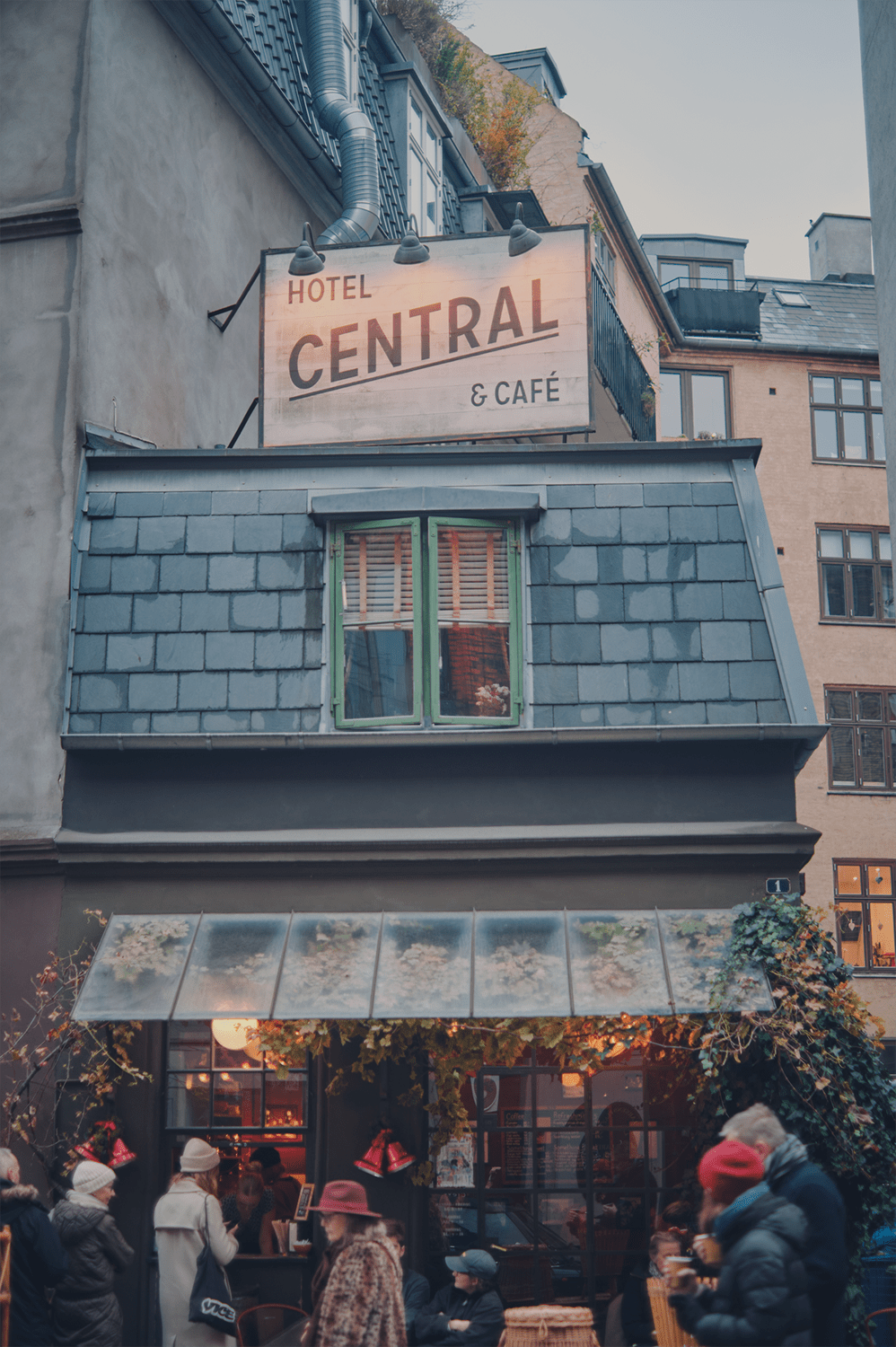
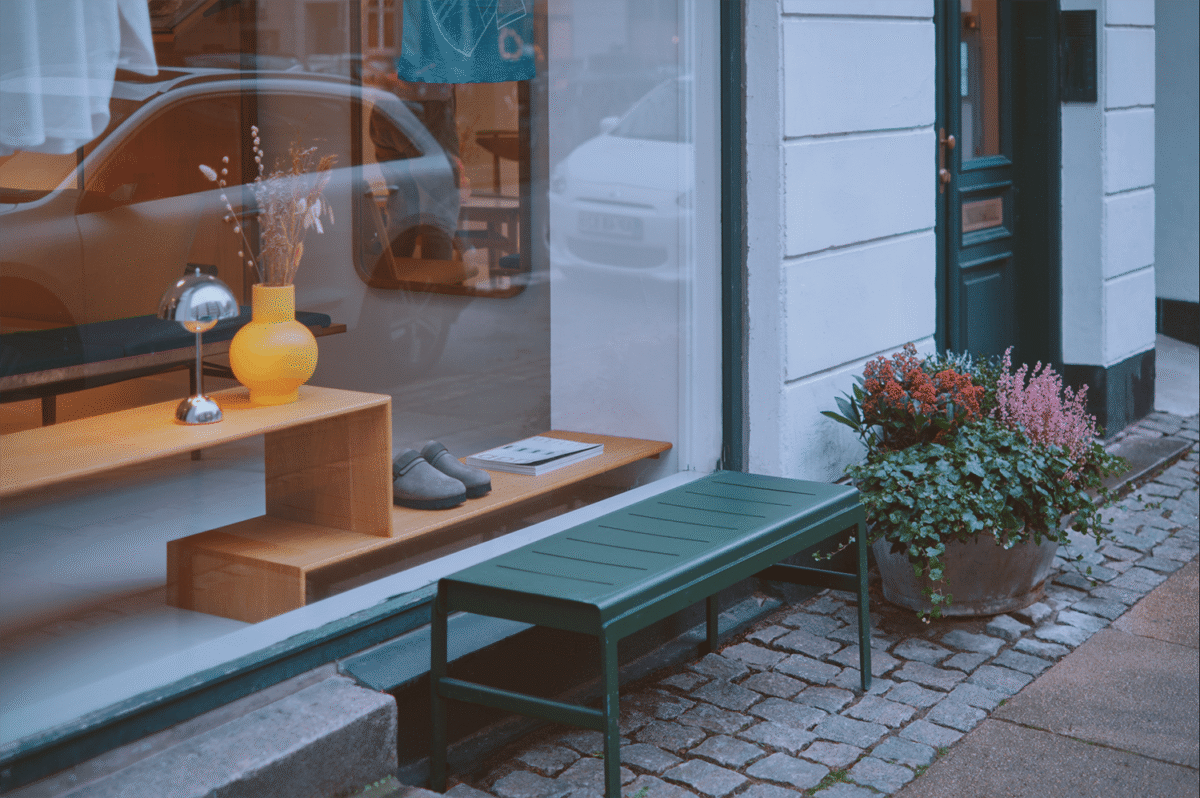
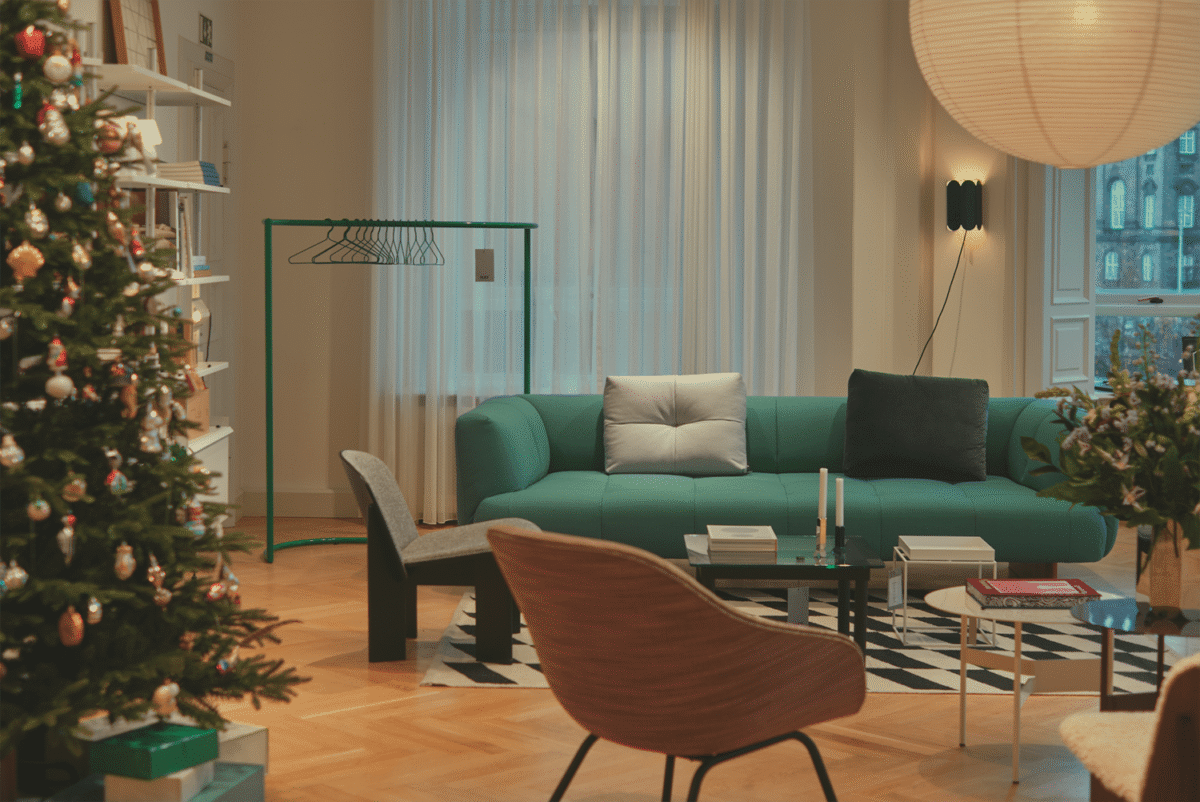
If you’re looking for design objects and furniture, the Danish brand HAY has become an international reference thanks to its fresh and accessible approach to interior design. You’ll fall in love with their beautiful designs displayed across several floors. More than just a store, it’s an experience.
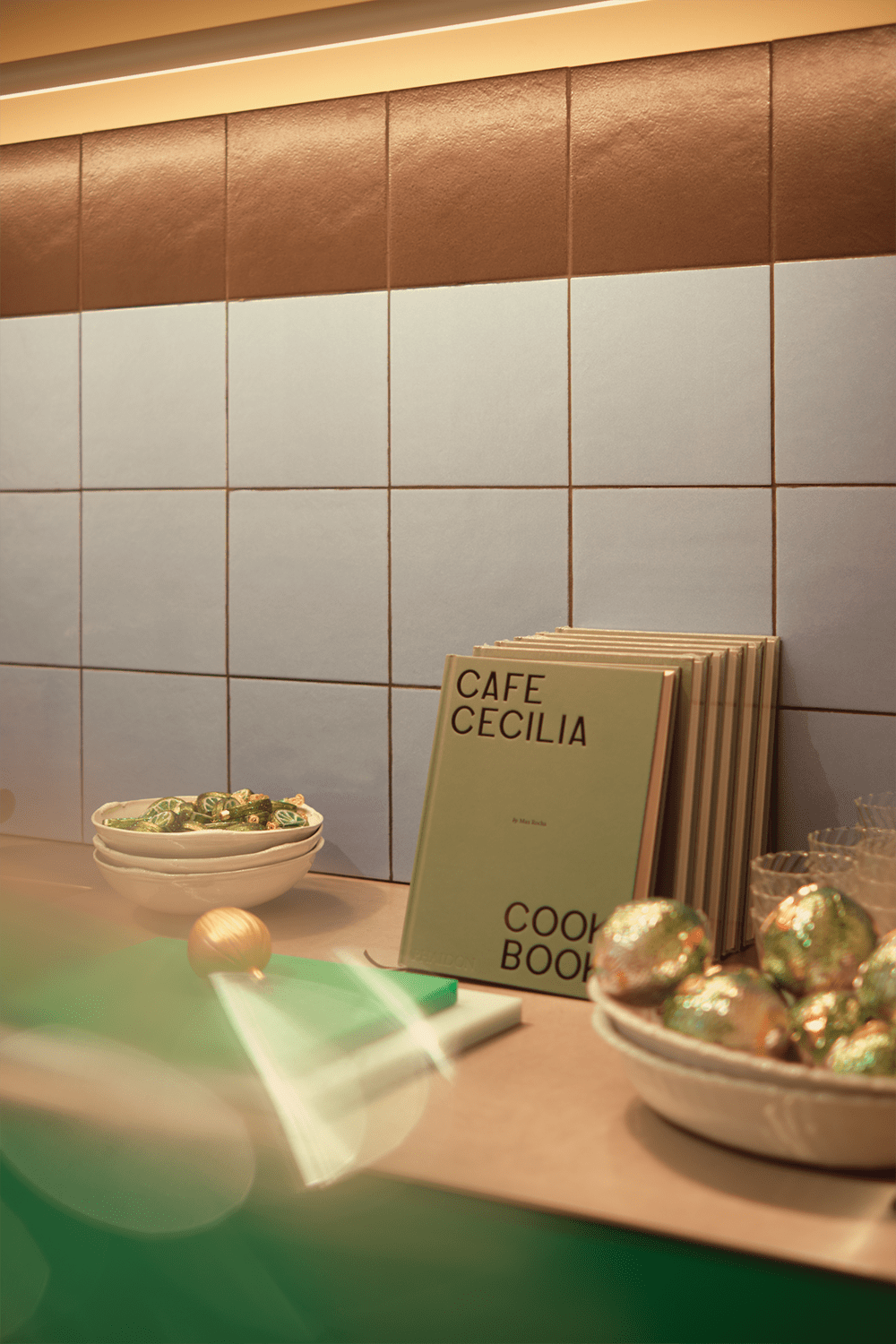
What truly sets HAY apart is not only the beauty of its pieces but the way each product embodies the Scandinavian design mantra: simplicity as ultimate functionality. The Copenhagen store, with its expansive spaces, showcases a minimalist aesthetic that seamlessly blends with practical, everyday usability. Each item—whether it’s a lamp, chair, or even a mug—seems designed not only to please the eye but to enhance daily life. The store is designed so that every customer feels they can take home something useful, yet also a small piece of art that reflects their personality without overwhelming their space.

In one of the liveliest areas of the Danish capital, the Louis Poulsen store stands as a tribute to the luminous, elegant, and functional design that characterizes Denmark. Famous for its iconic lighting designs, the store is not just a retail space but an authentic immersion into the tradition of Scandinavian design, which has elevated light to an art form over the years.
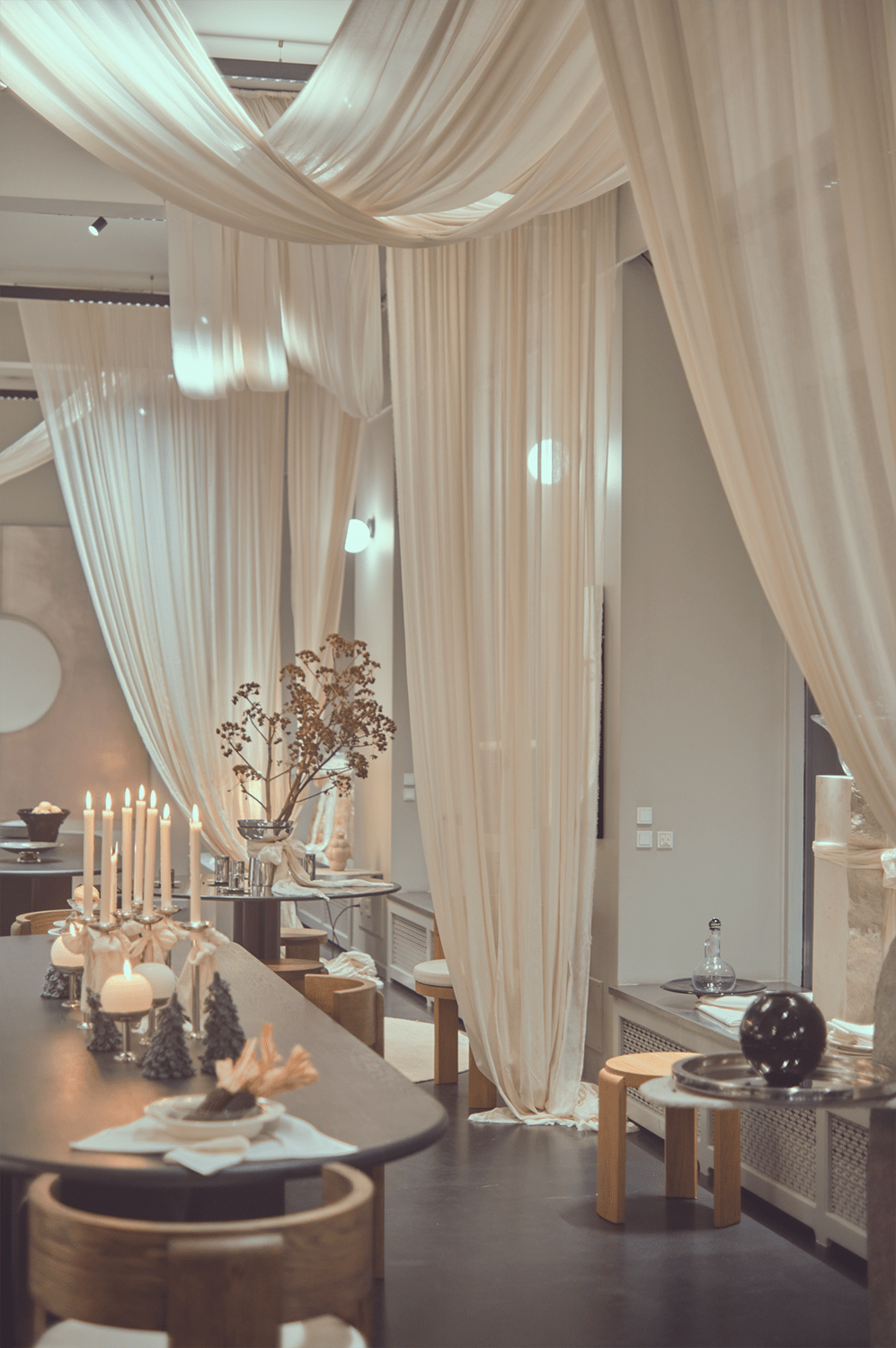
The store’s space, minimalist and meticulously curated, perfectly reflects the brand’s essence: clean lines, functionality, and a refined aesthetic that highlights the use of light as an essential element in interior design. Shopping here goes beyond just picking a lamp; it’s about understanding how each piece interacts with the environment and with light itself. The space also features a tranquil area, which houses a cozy café-restaurant where you can take a break with a sweet treat, one of their healthy juices, or a coffee.
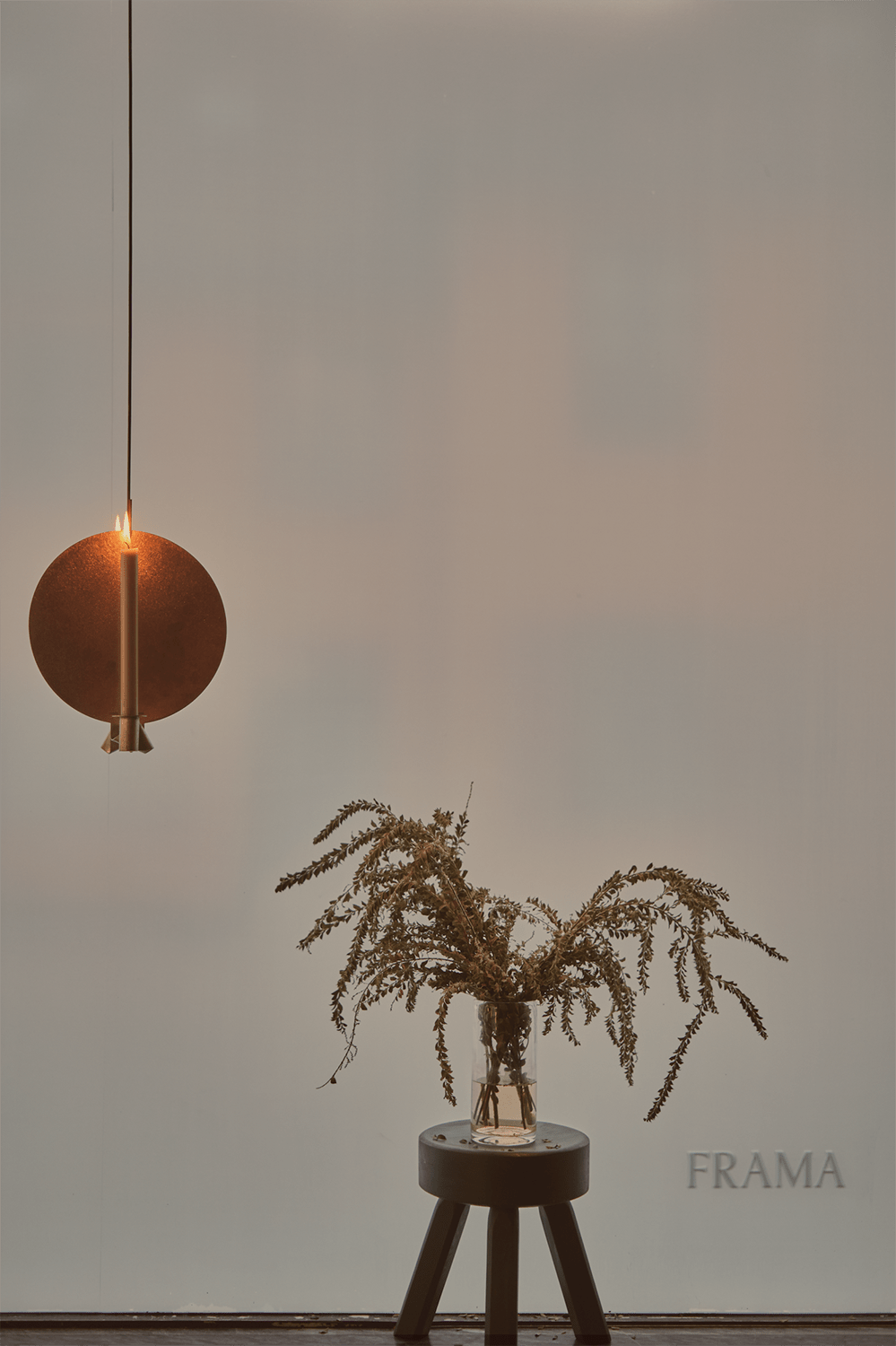
Just like HAY, FRAMA is one of our favorite stores. We love everything about it—not only its space, which is a refuge of contemporary, elegant design faithful to the principles of Scandinavian minimalism, but also its café, Apotek 57, and its products for decorating both the home and our bodies. FRAMA’s approach is clear: to create timeless pieces that harmoniously integrate into any space without relying on the ephemeral or the ostentatious.
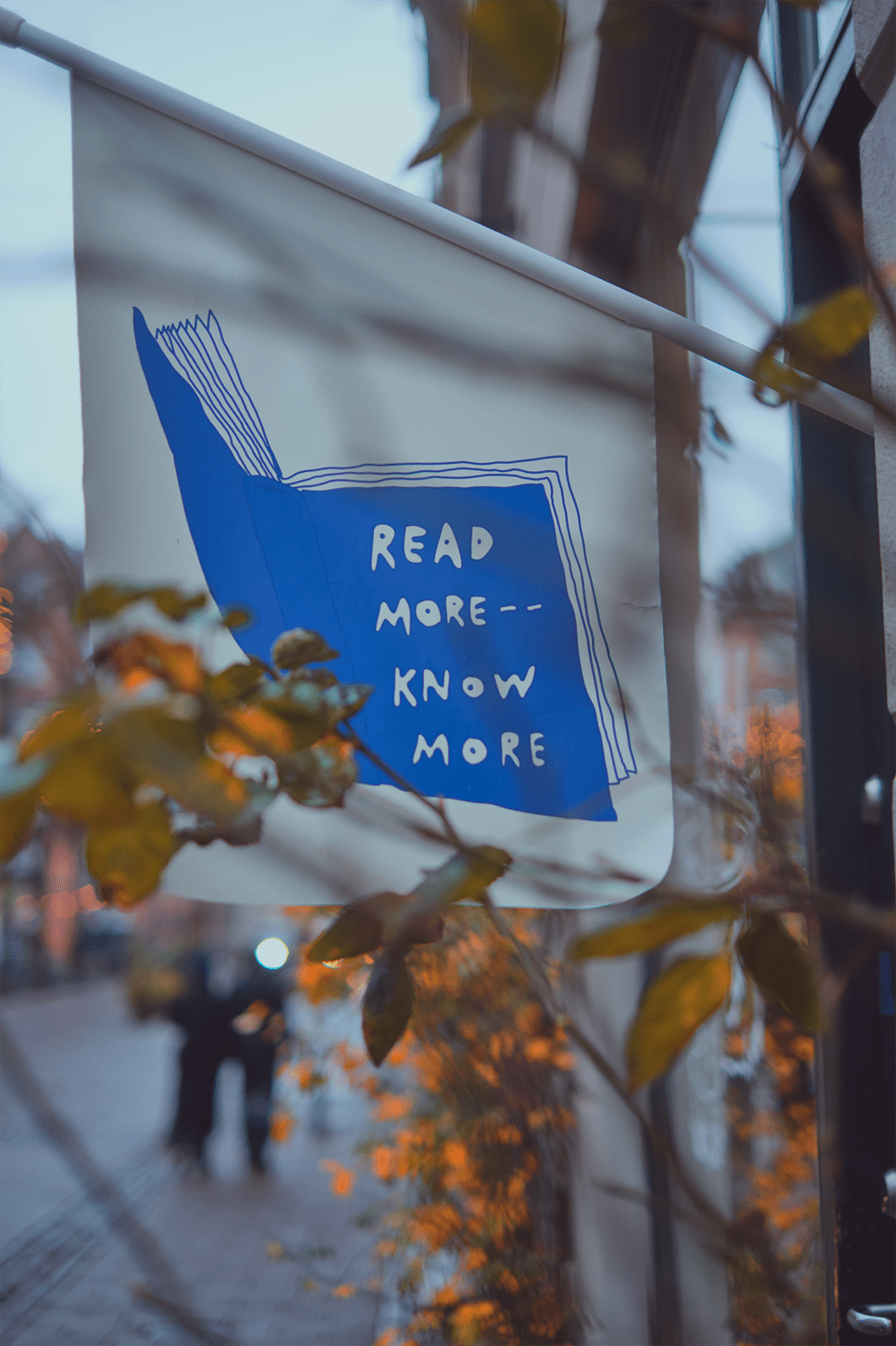
If you’re looking for books and magazines: New Mags is a must-visit. It has an exquisite selection of books and magazines on design, architecture, food, and travel. For a more independent curation, head to Le Petit Voyeur, where you’ll find hard-to-find editions by photographers and artists.
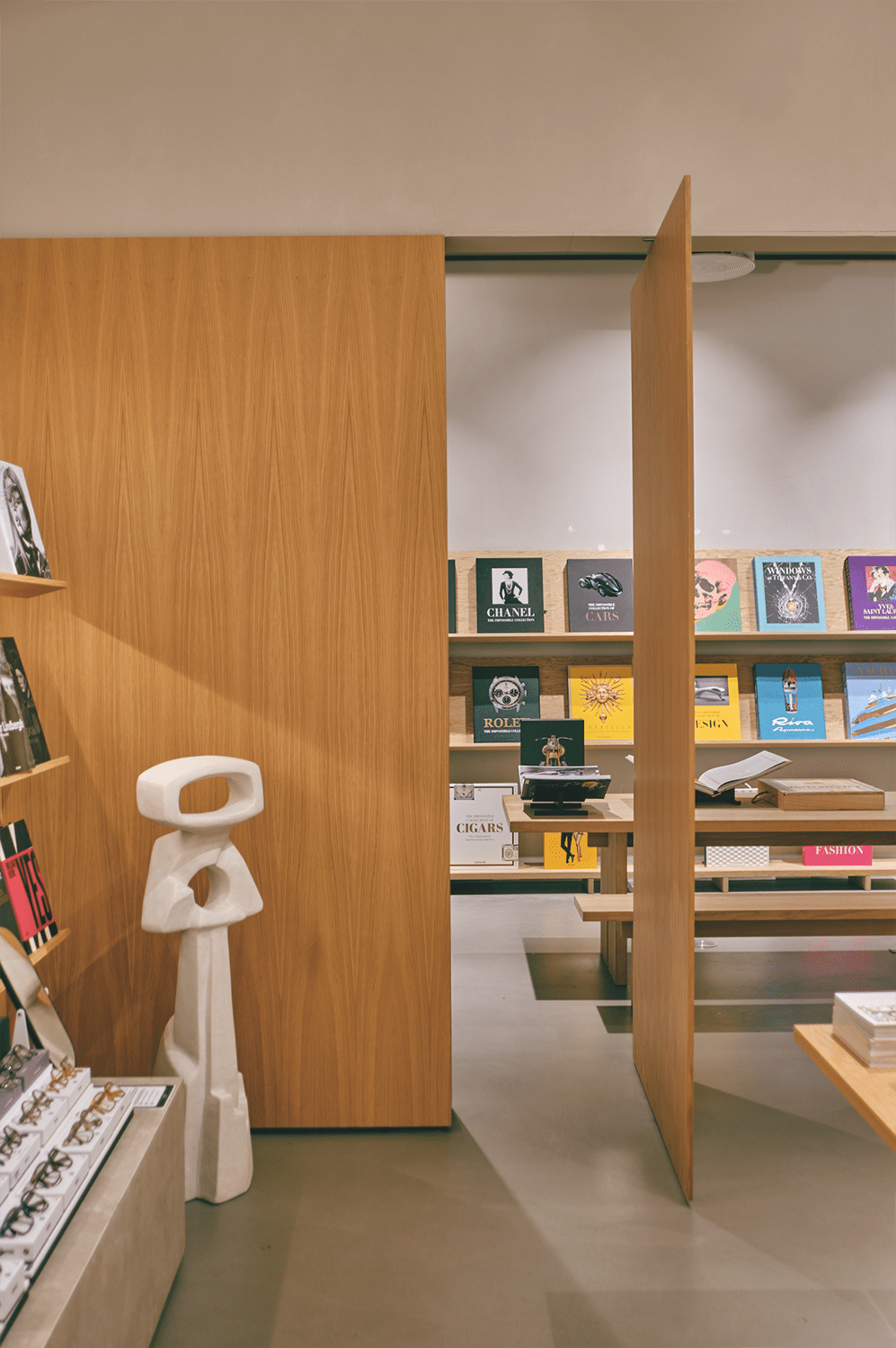
We highly recommend SUPeR Bookstore as well. This small, cozy bookstore located in Nørrebro, very close to Darcy’s Kaffe, is a treasure trove of fascinating literary references. The owner is very curious and enjoys bringing in books and magazines from around the world, many of which are difficult to find in other stores in the sector. Its opening hours are a bit special: Monday to Friday from 3 pm to 6 pm, Saturdays from 12 pm to 6 pm, and Sundays from 12 pm to 3 pm.
For vintage lovers: Don’t miss Rosy Vintage and Paloma Vintage. Both stores have become true landmarks for vintage clothing enthusiasts. Rosy Vintage offers a curated selection of pieces from the 50s, 60s, and 70s, focusing on women’s fashion and a beautiful assortment of accessories that evoke the elegance of bygone eras. Just a short walk away, you’ll find Paloma Vintage, a minimalist space with an excellent selection of unique pieces from across the 20th century, from 80s leather jackets to elegant 40s dresses. Both Rosy Vintage and Paloma Vintage are essential stops for anyone looking to take home a piece of fashion history.
Copenhagen in winter: a love story
And lastly, as we always say, this city has stolen our hearts. While it may seem that winter would make it lose some of its charm, the truth is quite the opposite. Copenhagen in winter is much more than a cold city; it’s a place full of light, culture, and a human warmth that turns even the coldest days into a delightful experience. If you haven’t yet experienced winter in Copenhagen, we guarantee you’ll love it.
(*) Photos by Ely Sánchez & Cecilia Camacho (CC/magazine).




&p[summary]=&p[url]=https://ccmagazine.es/en/copenhagen-in-winter-scandinavian-charm-in-all-its-splendor-part-1&p[images[0]=https://ccmagazine.es/wp-content/uploads/2024/12/Copenhagen_CCmagazine_wintertime5.png)
)