Tracey Emin: a life laid bare at Tate Modern
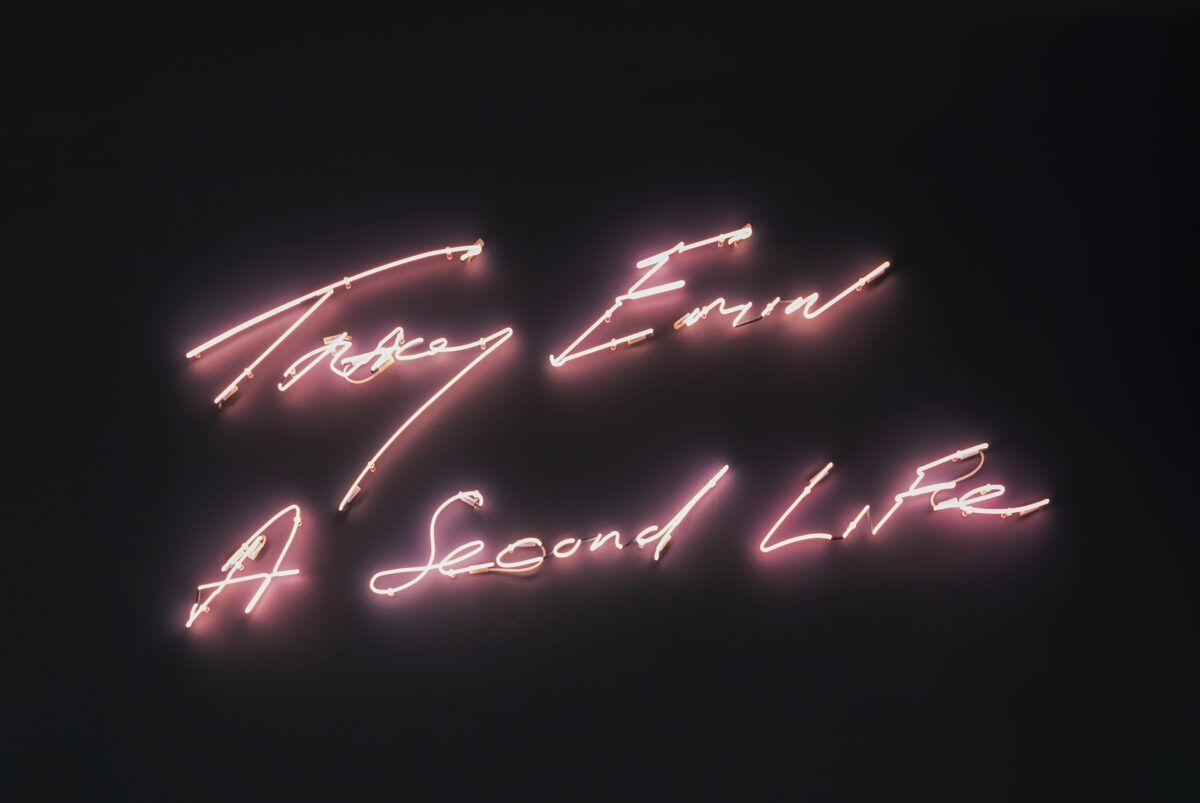
Approaching the work of Tracey Emin requires a certain emotional engagement. Her work is not simply observed — it is confronted. And few institutions could host a survey of this magnitude like Tate Modern, which in 2026 presents the largest exhibition ever dedicated to the British artist.
Under the title “A Second Life”, the exhibition spans more than four decades of artistic production, during which Emin has built a distinctive language that is direct and uncompromising. This is not merely a formal journey, but an emotional biography where the body, trauma, desire and survival become artistic material.


A body of work that reshaped contemporary art
Since the 1990s, Emin has challenged the boundaries of what can be considered art. Her radically autobiographical approach opened up space for intimacy within contemporary discourse, particularly from a female perspective.
“A Second Life brings together more than 90 works, forming a map in which each stage of life finds its reflection.”
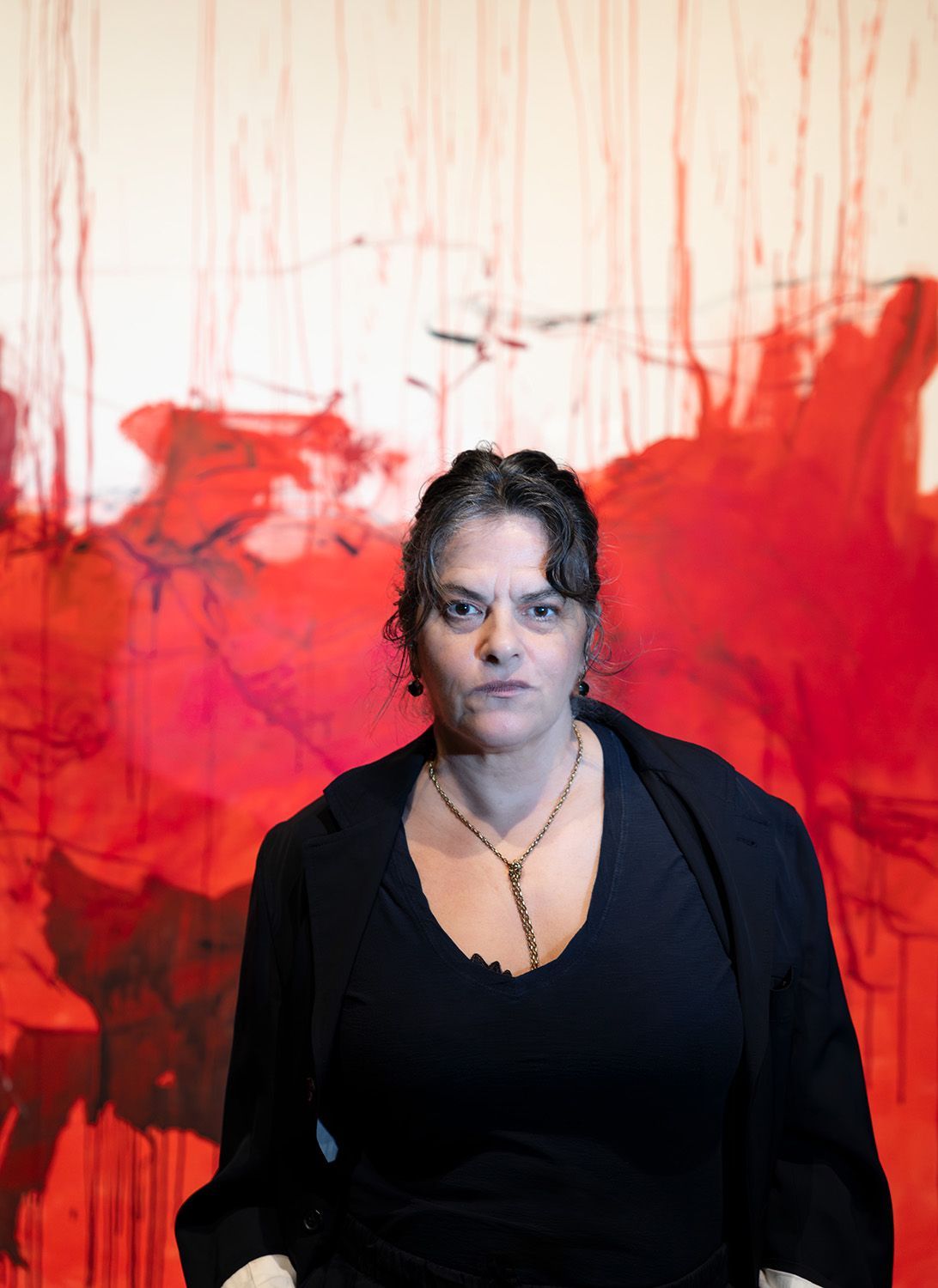
Far removed from artifice, her work is grounded in the direct exposure of experience: love, violence, loss, illness. Elements traditionally kept at the margins of institutional narratives are brought firmly to the centre.
“A Second Life” is not only a retrospective, but a critical re-reading of that trajectory. More than 90 works — spanning painting, video, textile, sculpture, neon and installation — form a map where each stage of life finds its reflection.
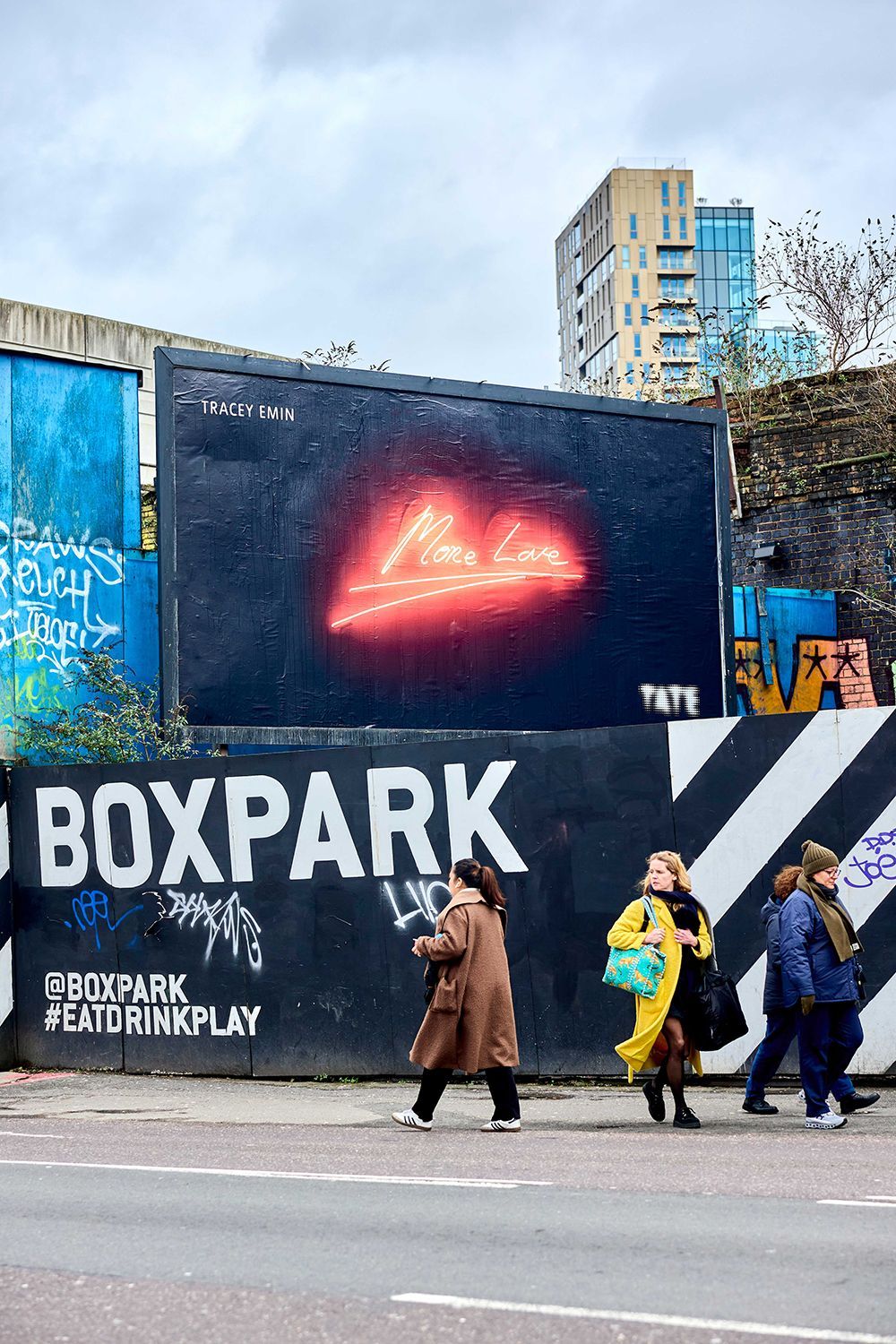
Beginnings: memory, loss and reconstruction
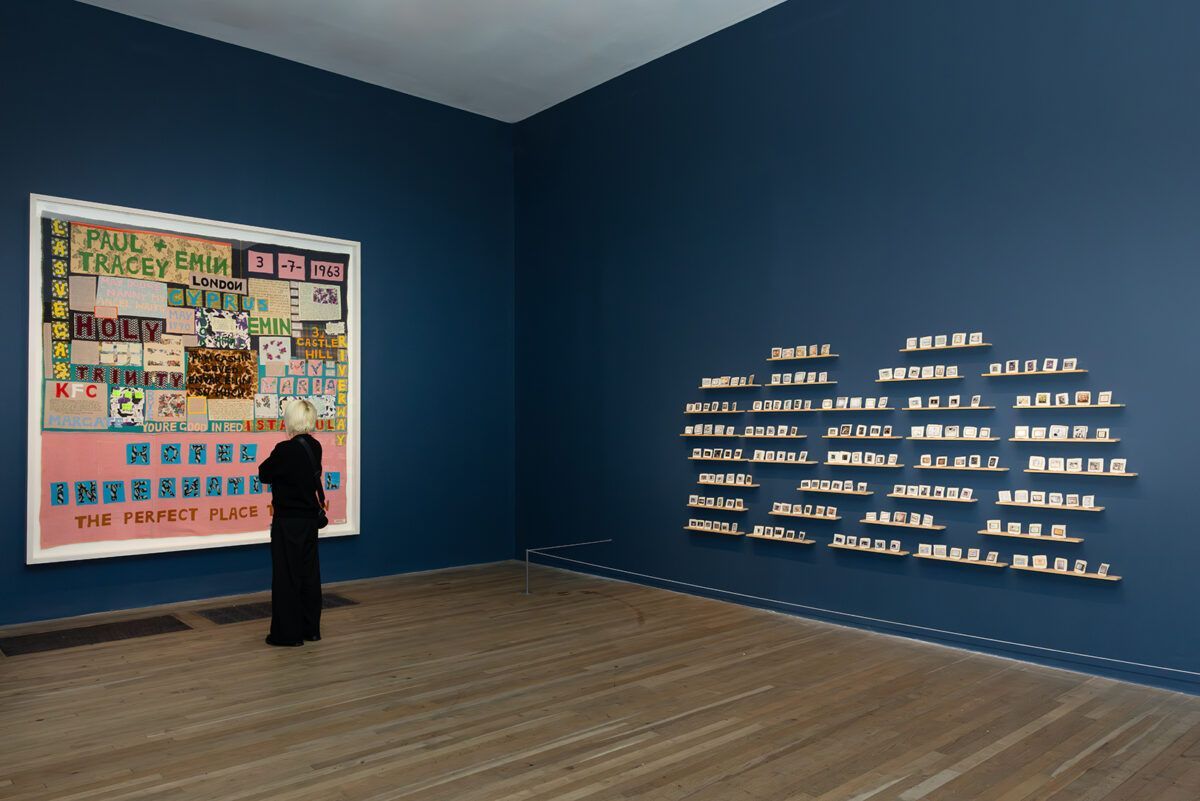
The exhibition opens with a significant gesture. The works that formed her first solo exhibition at White Cube, “My Major Retrospective 1982–93”, appear here as small photographs — images of paintings that Emin herself destroyed during a difficult personal period. This absence — what is no longer there — introduces a constant in her work: the relationship between creation and loss.
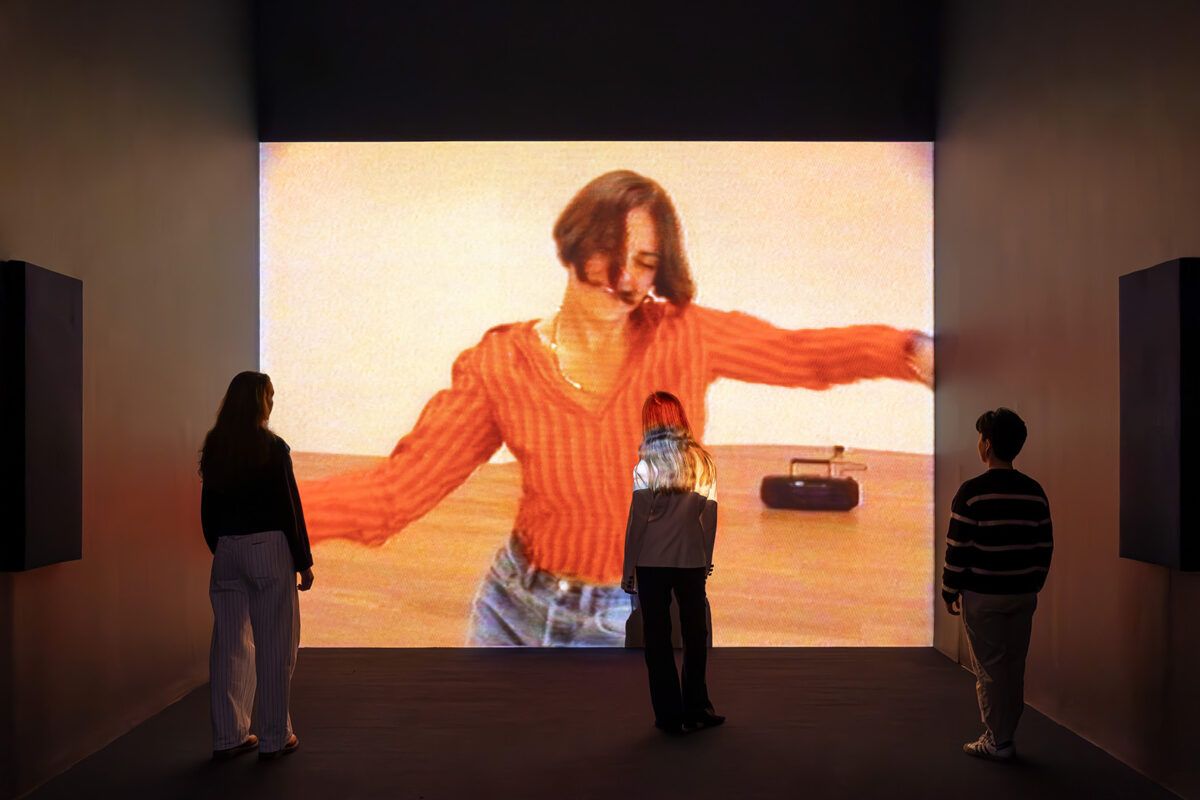
Alongside these, key works such as “Tracey Emin CV” (1995) and the video “Why I Never Became A Dancer” (1995) construct a first-person narrative in which the artist revisits episodes from her adolescence in Margate. There is no distance, no metaphor. Only direct storytelling.
“The coastal town of Margate runs throughout Emin’s work as an emotional territory.”
Margate: origin and return
The coastal town of Margate runs throughout Emin’s work as an emotional territory.
It is where she grew up, where she returned at different points in her life, and where she eventually settled again following her mother’s death in 2016 and her illness in 2020.
In the exhibition, Margate appears both as a site of memory and confrontation. Works such as “Mad Tracey From Margate” (1997) and the sculpture “It’s Not the Way I Want to Die” (2005) translate this bond into images charged with tension. The Dreamland amusement park, for instance, ceases to be a place of leisure and becomes a symbol of vulnerability.
Trauma, the body and unfiltered narrative
One of the most uncomfortable — and necessary — aspects of Emin’s work is her treatment of trauma. The artist does not soften or reinterpret: she exposes.
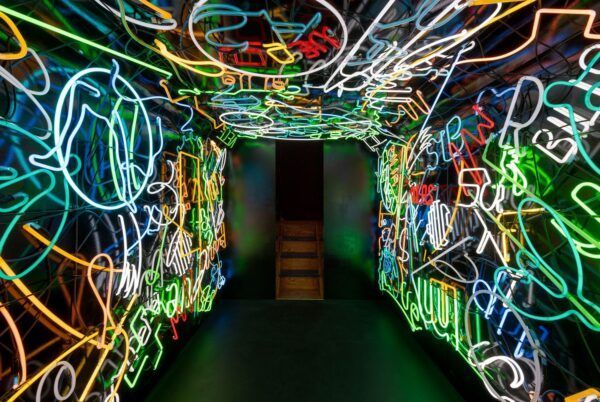
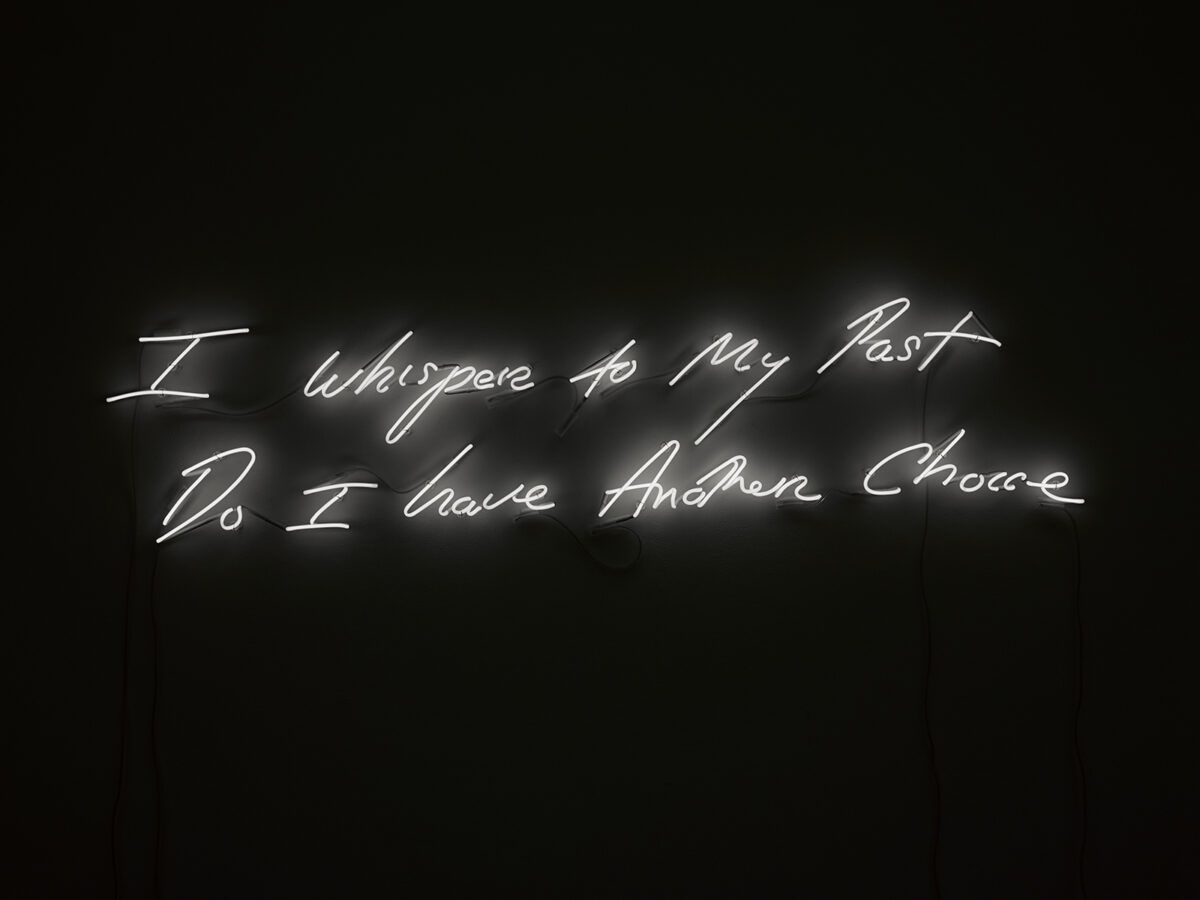
The exhibition directly addresses issues such as sexual violence, abortion and guilt. Works like the neon “I could have Loved my Innocence” (2007) and the textile piece “Is This a Joke” (2009) reveal her commitment to making visible what is rarely spoken.
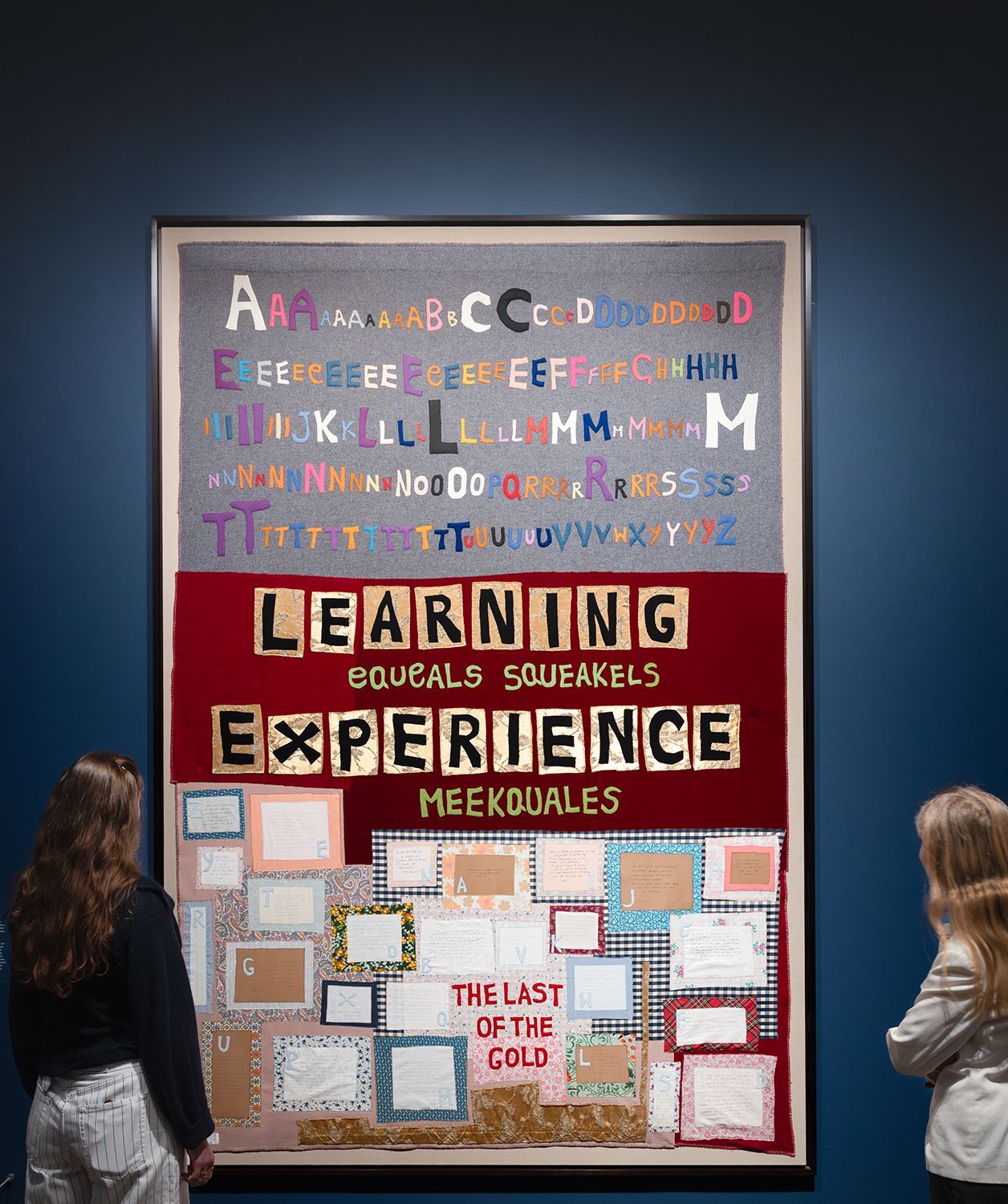
Particularly striking is the video “How It Feels” (1996), in which Emin recounts her experience of a traumatic abortion. More than a confession, it is a position taken against the social and institutional structures surrounding the female body.
Here, art doesn’t function as refuge, but as a tool for confrontation.
Key works: from collapse to reconstruction
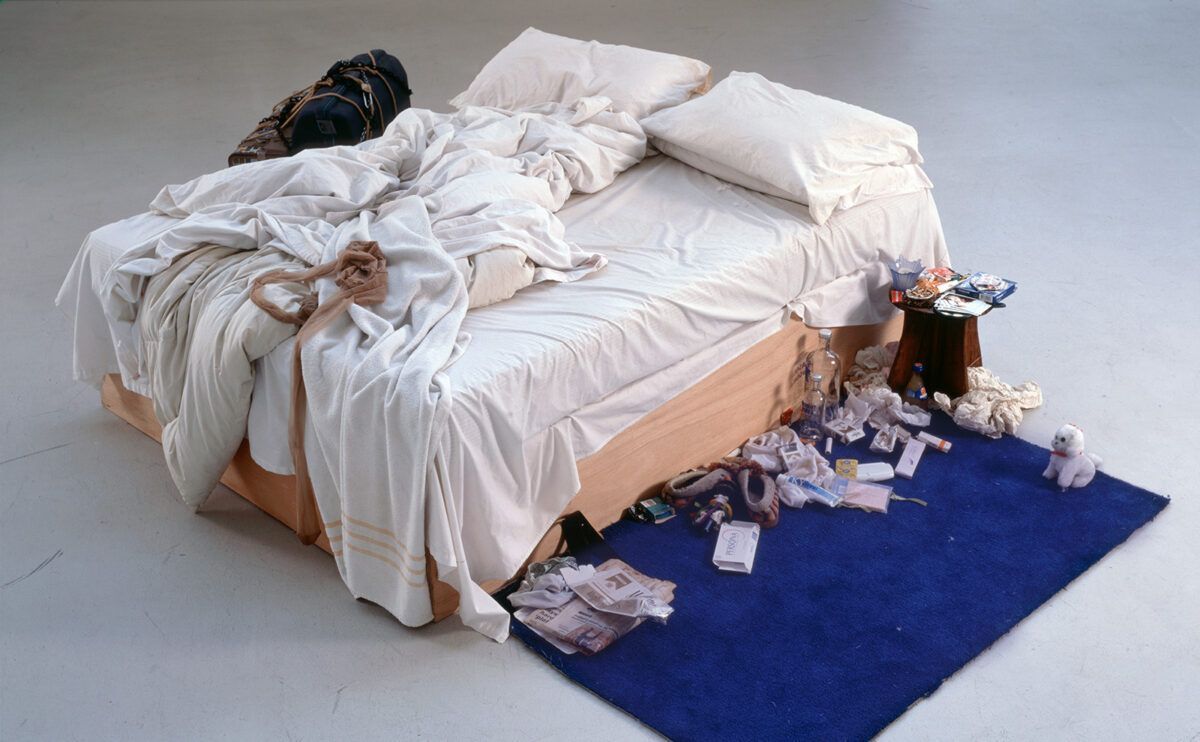
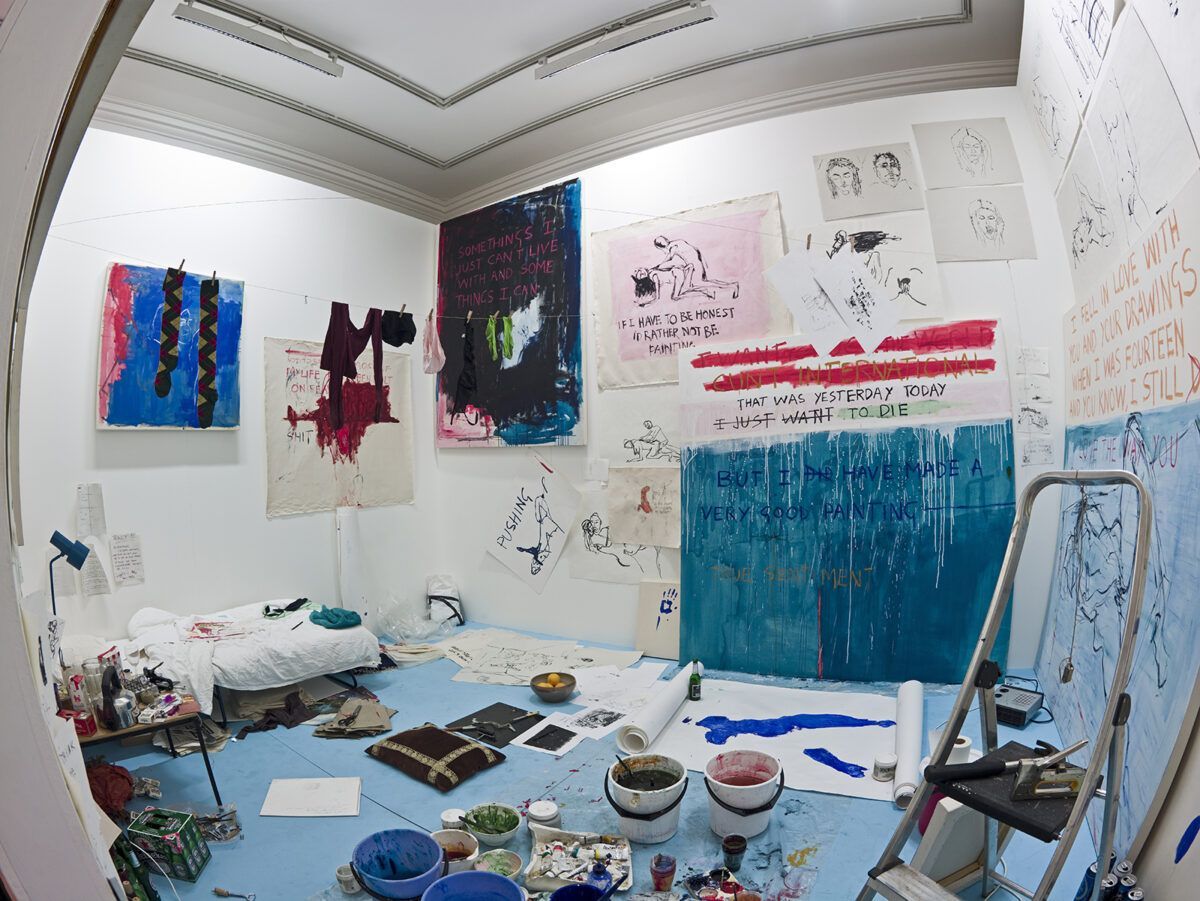
At the core of the exhibition are two of Emin’s most renowned works: “Exorcism of the Last Painting I Ever Made” (1996) and “My Bed” (1998).
The former documents an extreme process: three weeks during which the artist confined herself in a gallery in Stockholm, attempting to rebuild her relationship with painting after years of creative block.
The latter — arguably her most iconic work — presents her bed exactly as it was left after a depressive episode marked by alcohol. No filters, no staging.
Both pieces mark a turning point — not only in her career, but in how contemporary art understands the relationship between life and work.
Illness, the body and a second life
The exhibition’s title finds its full meaning in its final section. After overcoming cancer and undergoing complex surgery, Emin enters a new phase in which the body once again takes centre stage, but from a different perspective.
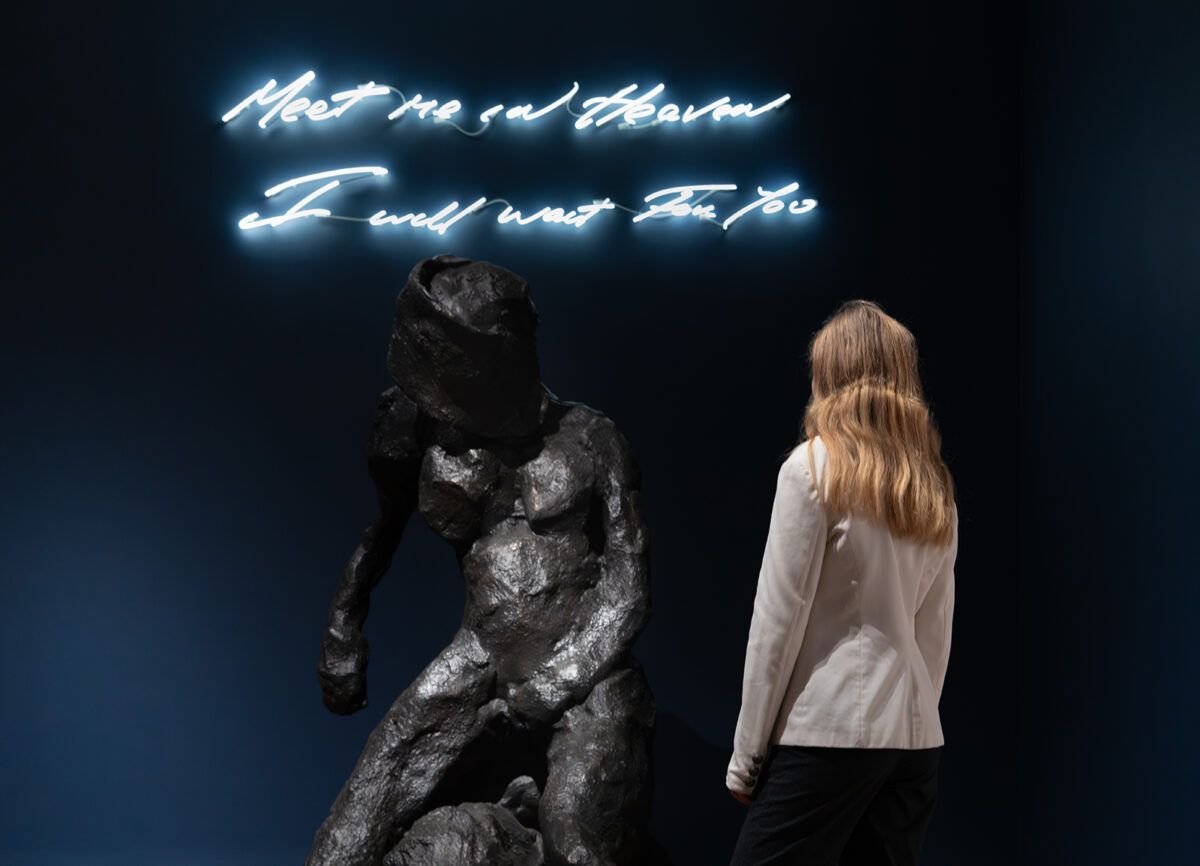
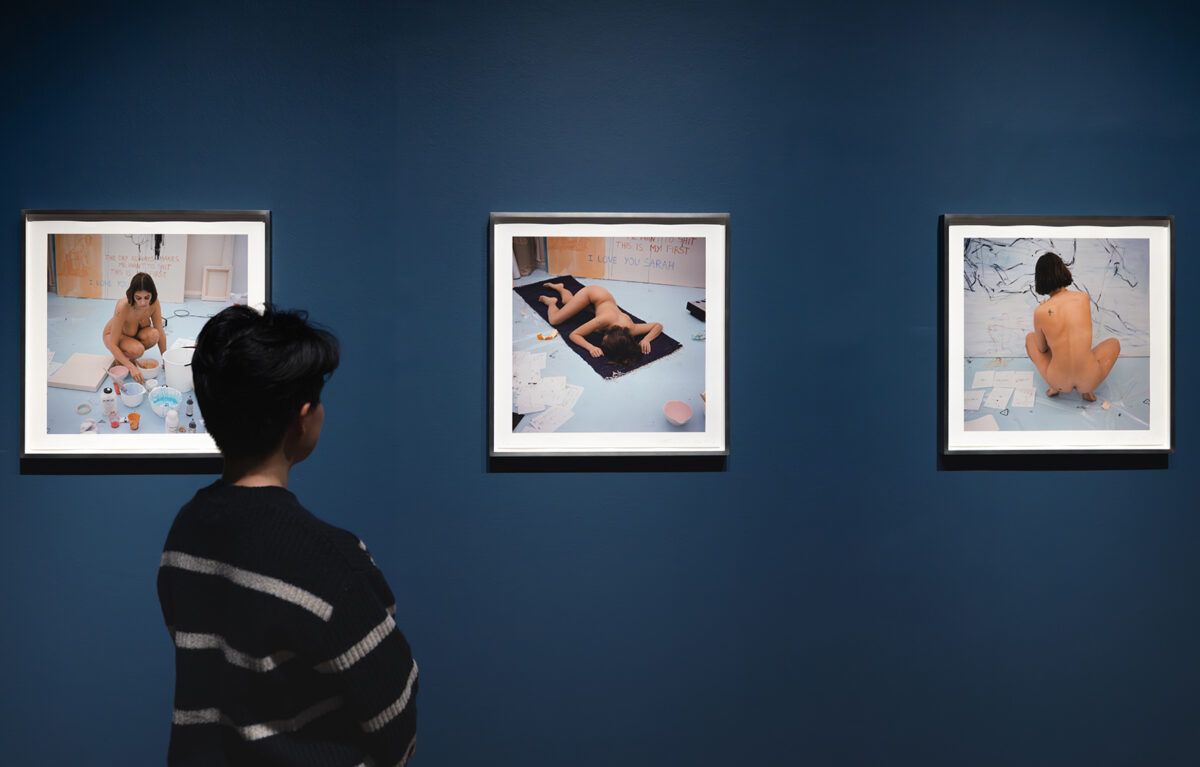
“The sculpture Ascension” (2024) and a series of recent photographs document her current relationship with her body, including the presence of a stoma. Rather than concealing it, she integrates it into her discourse.
These works carry a sense of both fragility and determination. The idea of a “second life” is not framed as an idealised rebirth, but as a conscious continuation.
Painting: a more open energy
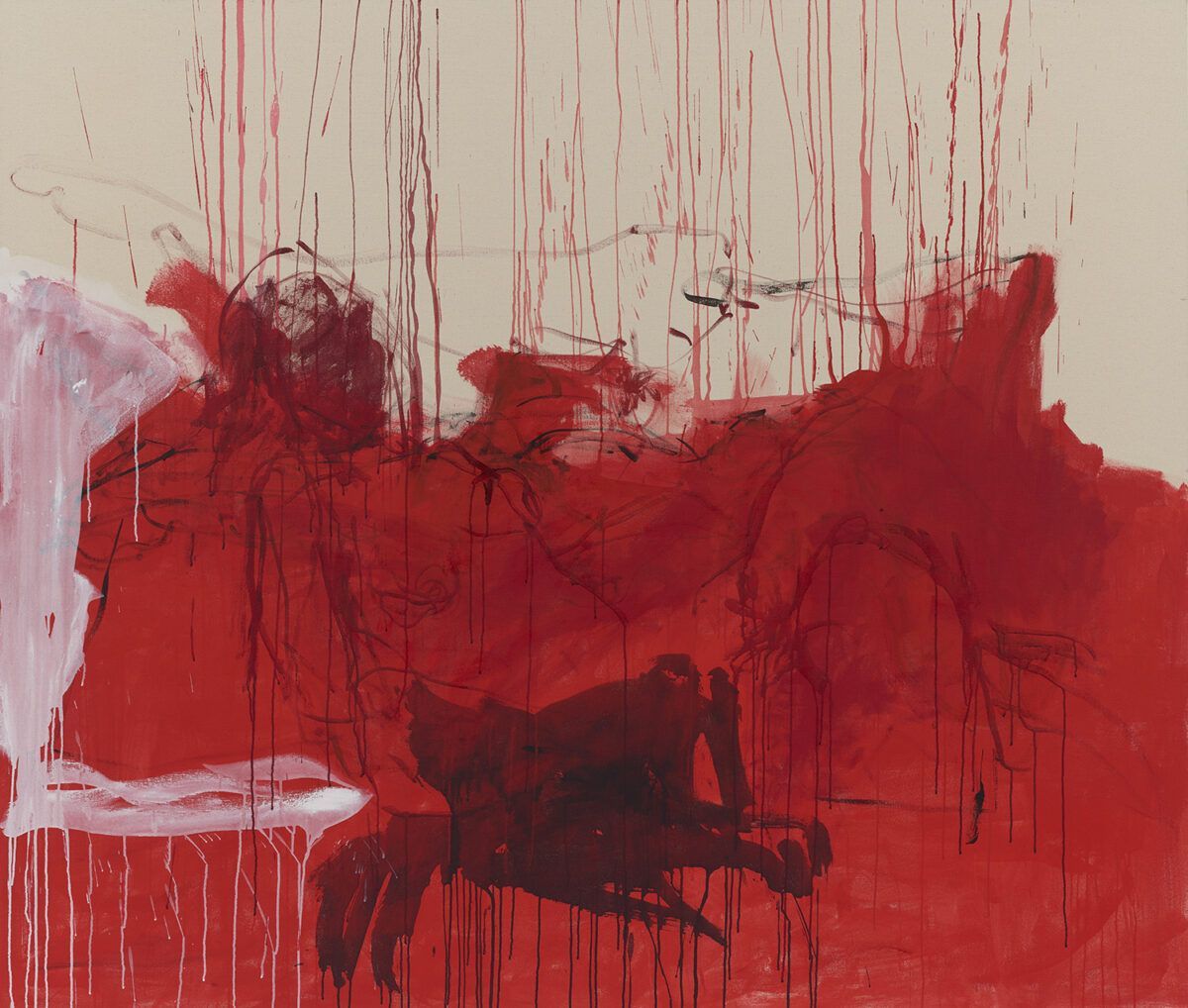
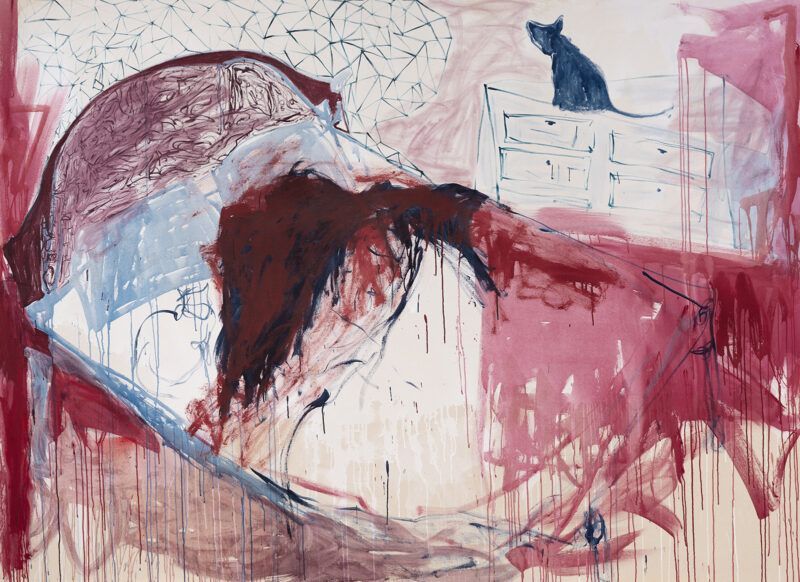
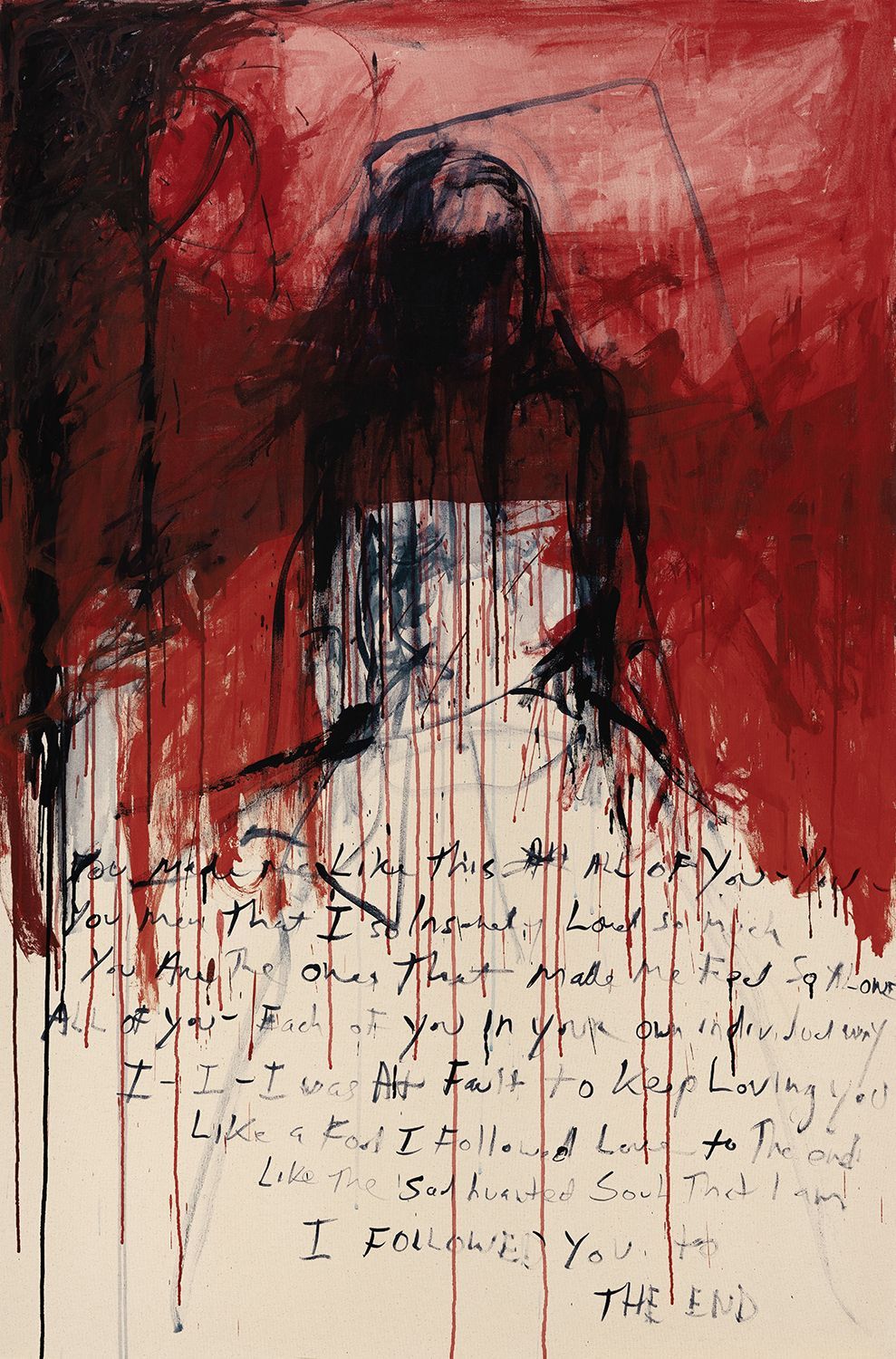
The exhibition culminates in a series of large-scale paintings where the human figure appears fragmented, almost dissolved. Here, the language becomes more open, more gestural. Pain remains present, but it no longer occupies the entire space. There is a subtle spiritual dimension — a form of resistance translated into paint. In contrast, the sculpture “Death Mask” (2002) introduces a darker note, reminding us that Emin’s work never allows for a single reading.
Beyond the museum
The experience extends beyond the interior of the Tate.
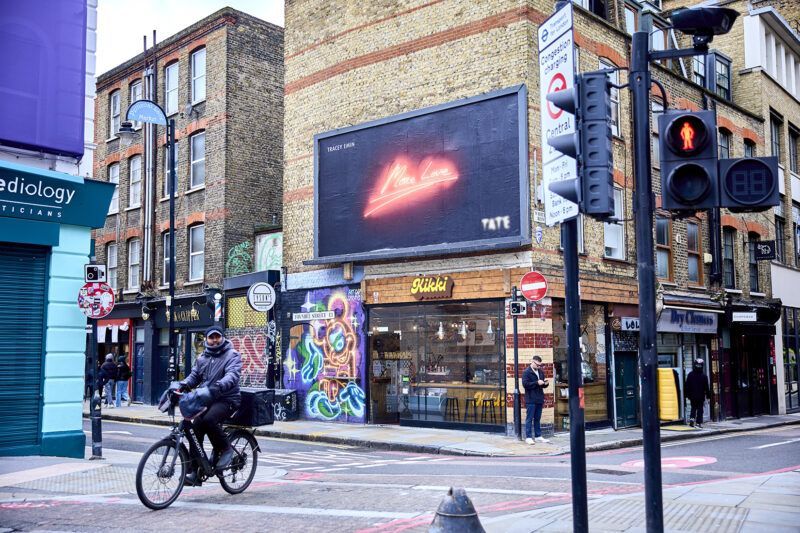
Outside, the monumental sculpture “I Followed You Until The End” (2023) stands as an extension of the project. A piece that engages with the public realm while maintaining the emotional intensity of her work.
An artist who continues to unsettle
Tracey Emin’s relevance lies not only in her trajectory, but in her ability to continue generating friction. In a context where many contemporary practices tend to dissolve into aesthetics, her work insists on the essential: the human experience in all its complexity.
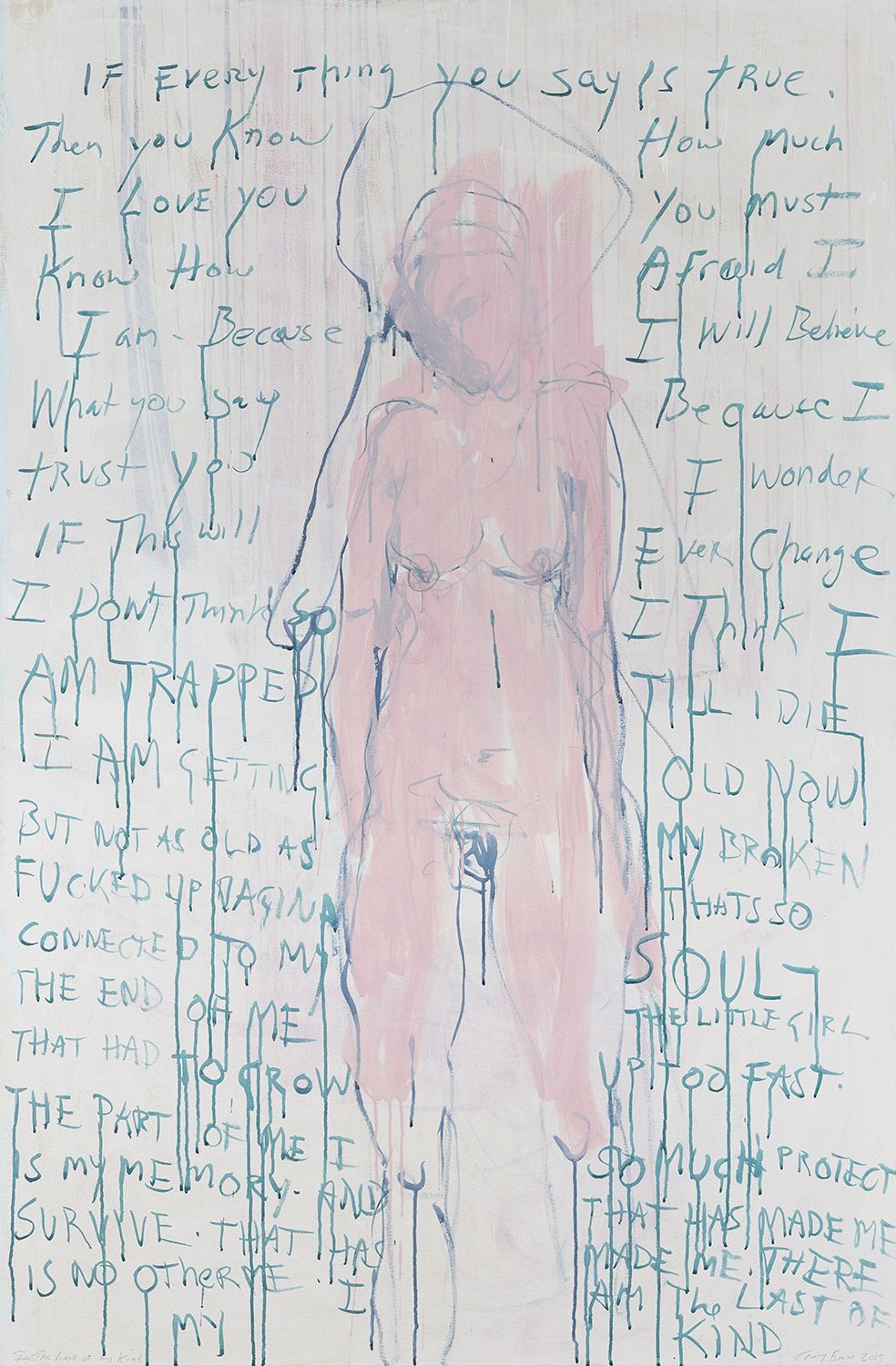
“A Second Life” doesn’t seek to conclude a career, but to mark a turning point: a moment from which to look both backwards and forwards with the same level of honesty.
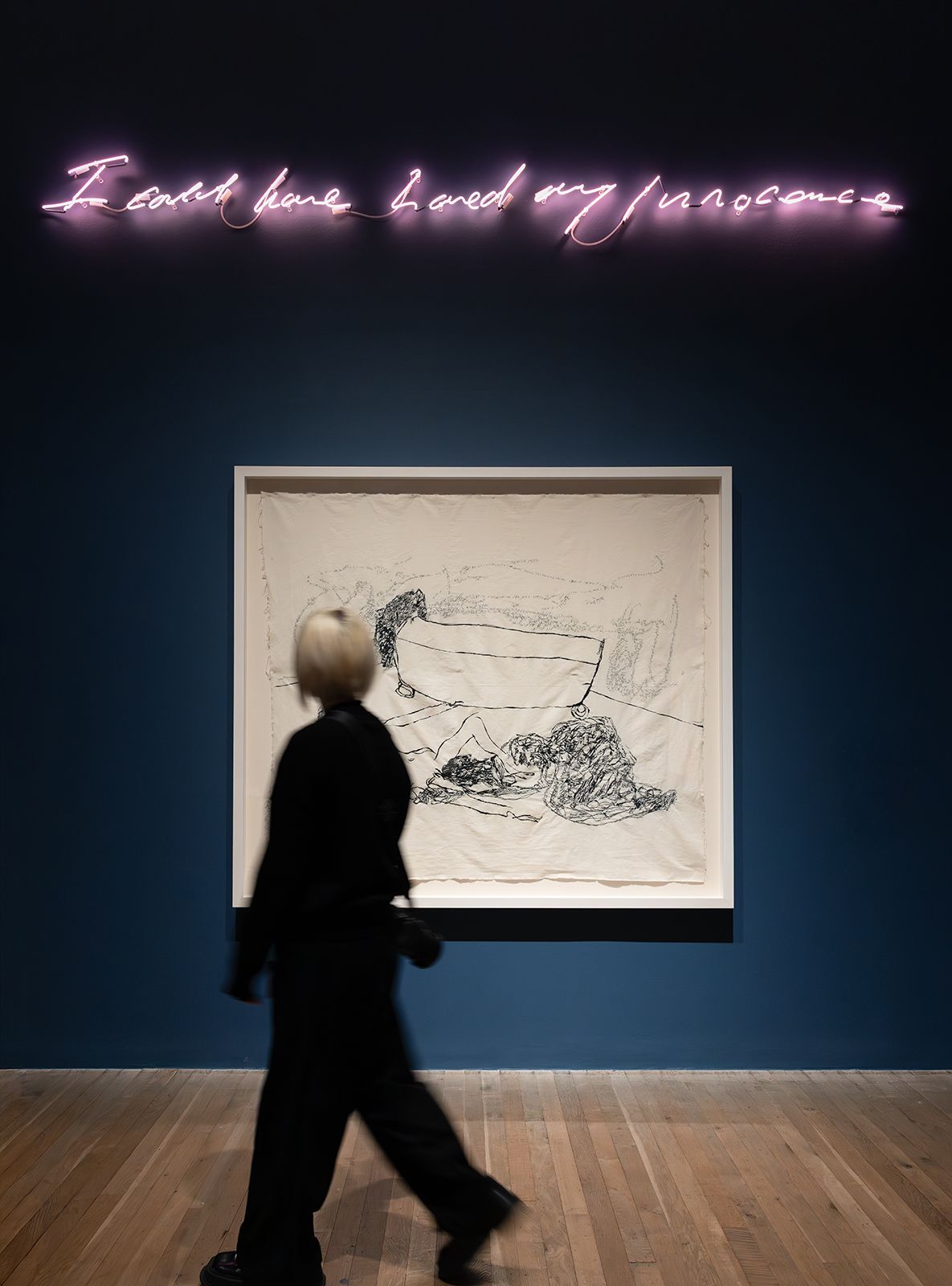
“This exhibition mark a turning point: a moment from which to look both backwards and forwards with the same level of honesty.”
Until 31 August 2026.
(*) Cover: Tracey Emin My Bed 1998 © Tracey Emin. All rights reserved, DACS 2026. Photo credit: Courtesy The Saatchi Gallery, London / Photograph by Prudence Cuming Associates Ltd; Horizontal still 1: Tracey Emin A Second Lifebillboard, Spitalfields Commercial St, February 2026. Image courtesy of Tate and Jack Arts (part of BUILDHOLLYWOOD); Horizontal still 2: Tracey Emin, The End of Love 2024 © Tracey Emin. Tate; Slider image 1: Tracey Emin, I whisper to My Past Do I have Another Choice 2010. © Tracey Emin; Slider image 2: Tracey Emin, Exorcism of the Last Painting I Ever Made 1996 © Tracey Emin; Slider image 3: Tracey Emin A Second Life at Tate Modern, installation view. Photo © Tate (Sonal Bakrania); Slider image 4: Tracey Emin, I Never Asked to Fall in Love – You Made Me Feel Like This 2018 © Tracey Emin; Slider image 5: Tracey Emin A Second Life at Tate Modern, installation view. Photo © Tate (Sonal Bakrania); Slider image 6: Tracey Emin A Second Life at Tate Modern, installation view of Why I Never Became a Dancer (1995). Photo © Tate (Yili Liu); Slider image 7: Tracey Emin A Second Life at Tate Modern, installation view. Photo © Tate (Sonal Bakrania); Slider image 8: Tracey Emin A Second Life at Tate Modern, installation view. Photo © Tate (Sonal Bakrania); Slider image 9: Tracey Emin A Second Life at Tate Modern, installation view. Photo © Tate (Sonal Bakrania); Slider image 10: Tracey Emin A Second Life at Tate Modern. Photo © Tate (Sonal Bakrania); Vertical image 1: Portrait of Tracey Emin, Tate Modern 2026. Photo © Tate (Sonal Bakrania); Vertical image 2: Tracey Emin A Second Life billboard, Shoreditch, February 2026. Image courtesy of Tate and Jack Arts (part of BUILDHOLLYWOOD); Vertical image 3: Tracey Emin A Second Life at Tate Modern, installation view, The Last of the Gold (2002). Photo © Tate (Sonal Bakrania); Vertical image 4: Tracey Emin, I am The Last of my Kind 2019 © Tracey Emin; Vertical image 5: Tracey Emin A Second Life at Tate Modern, installation view. Photo © Tate (Sonal Bakrania).