Where to go in 2026
With each new year comes a renewed desire to explore, to be surprised by corners of the world that inspire us, transform us, and connect us.
That’s why this selection of 26 destinations offers a journey through places that will set the tone for travel this year — not because they’re fashionable, but because of all they have to offer. From cosmopolitan cities to remote natural paradises, this year presents a perfect blend of reinvented classics and the joy of unexpected discovery.
1. Chicago (USA)
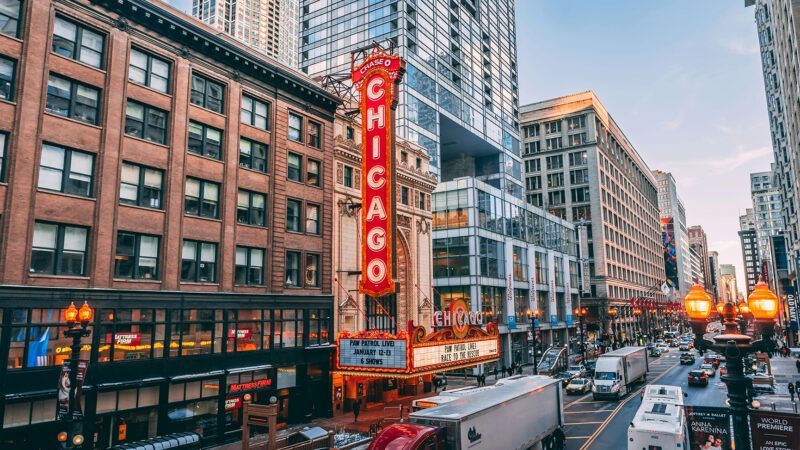
This Midwest metropolis is one of the great cultural capitals of the United States, with a powerful identity blending industrial legacy, urban diversity and creative innovation.
Walking through the Loop is like entering an open-air architecture museum: from the world’s first skyscrapers to contemporary masterpieces by Mies van der Rohe, Jeanne Gang and Frank Lloyd Wright.
Art also spills naturally into public spaces. Sculptures by Alexander Calder, Anish Kapoor (the famous “Bean”) and the Crown Fountain project — designed by Spanish artist Jaume Plensa and created by Krueck and Sexton Architects — turn plazas and parks into vibrant settings. Add to that a network of exceptional museums such as the Art Institute of Chicago — with one of the most important collections in the Americas — the Museum of Contemporary Art and the Field Museum.
But Chicago is also experienced through its flavours: from classics like deep-dish pizza or hot dogs without ketchup to a contemporary food scene awarded Michelin stars and led by chefs committed to sustainability and innovation. All this by the serenity of Lake Michigan, with its urban beaches, bike lanes, summer festivals and sunsets that paint the skyline. With music on every corner — from blues to house — character-filled neighbourhoods and a vibrant cultural life, Chicago is a city that has it all. And best of all: it never stops reinventing itself.
2. Tikal National Park (Guatemala)
In the heart of the Guatemalan jungle lies a city forgotten by time and devoured by nature: Tikal. Its towering Mayan temples, rising above the forest canopy, impress not only for their architecture but for the mystical aura that surrounds them.
Visiting Tikal is an almost spiritual experience. At dawn, mist rests on the structures and the howler monkeys’ call creates a primal symphony. It’s impossible not to feel part of something much greater. This national park is also a sanctuary of biodiversity, home to toucans, jaguars and hundreds of species of flora and fauna.
3. Zürich (Switzerland)
It’s a hub where culture, design and contemporary art coexist with exceptional quality of life. Beyond its flawless façades and restrained air, the city pulses through its museums, repurposed industrial districts and public spaces designed for enjoyment.
The Kunsthaus and Museum für Gestaltung set the tone for institutional art, while places like Museum Haus Konstruktiv, Karma International and the alternative Kulturfolger offer a more experimental and provocative vision. Toni-Areal, a former factory turned university campus for art and design, is now one of the most dynamic creative centres in the city.
But Zürich is also lived on its fringes. Cabaret Voltaire, birthplace of Dadaism, is a historical stop with a rebellious spirit. At Rote Fabrik, a former lakeside factory, concerts, theatre, political art and alternative life come together.
On sunny days, Seebad Enge allows you to swim in the lake with alpine views, while MFO-Park in Oerlikon is a vertical garden of steel and light that exemplifies the Swiss sensitivity to poetic urbanism. The night finds shelter in places like Helsinkiklub or Zukunft, where Swiss electronic music vibrates with underground elegance. Zürich has it all: architecture, art, green awareness and a city rhythm that reveals itself to those who look beyond the postcard.
4. Sainte-Marie (Madagascar)
Sainte-Marie, off Madagascar’s east coast, is a small island that still moves at the rhythm of tides and bicycles. Far from the tourism circuits of the Indian Ocean, it offers an unpolished, soulful version of island life. Coconut palms, wooden houses on stilts, fishing boats coming and going — it’s a place where simplicity becomes luxury.
Between July and September, the channel between Sainte-Marie and the mainland becomes a stage for one of nature’s greatest performances: humpback whales migrating through warm waters, often seen breaching just metres from the shore. Inland, old pirate cemeteries and vanilla plantations coexist with mangroves and coral reefs. Sainte-Marie is not about excess — it’s about slowing down, immersing yourself in nature, and experiencing a more intimate, authentic connection with place.
5. Kagawa (Japan)
Tucked away on the island of Shikoku, Kagawa offers a slower, more introspective vision of Japan. Known as the homeland of Sanuki udon, its culinary heritage is matched by its cultural depth and connection to nature. Here, rice fields meet Shinto shrines, and tradition coexists with contemporary creativity.
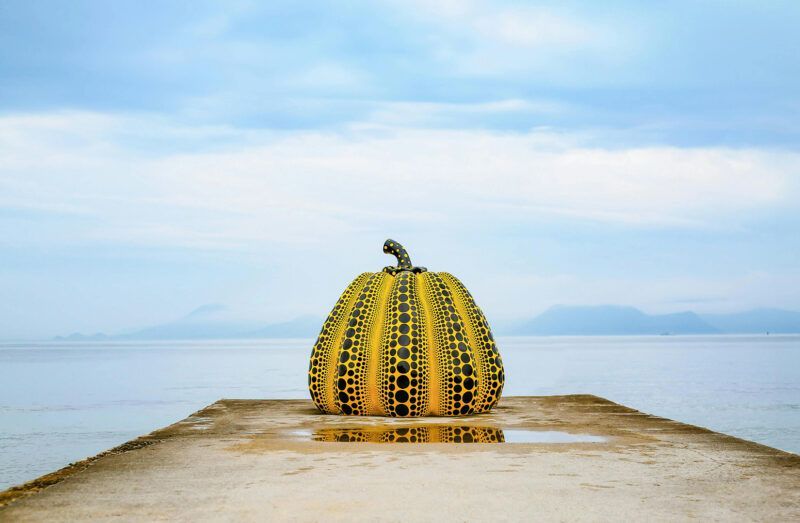
Kagawa also serves as a gateway to the Seto Inland Sea’s art islands — most notably Naoshima, Teshima and Inujima — where museums like the Chichu Art Museum and open-air sculptures by Yayoi Kusama and James Turrell have transformed these once-forgotten landscapes into pilgrimage sites for art lovers.
Whether visiting rural temples, sipping tea in minimalist cafés or cycling along quiet coastal roads, Kagawa offers an experience that’s both deeply Japanese and refreshingly original — ideal for those seeking meaning beyond the mainstream.
6. Seoul (South Korea)
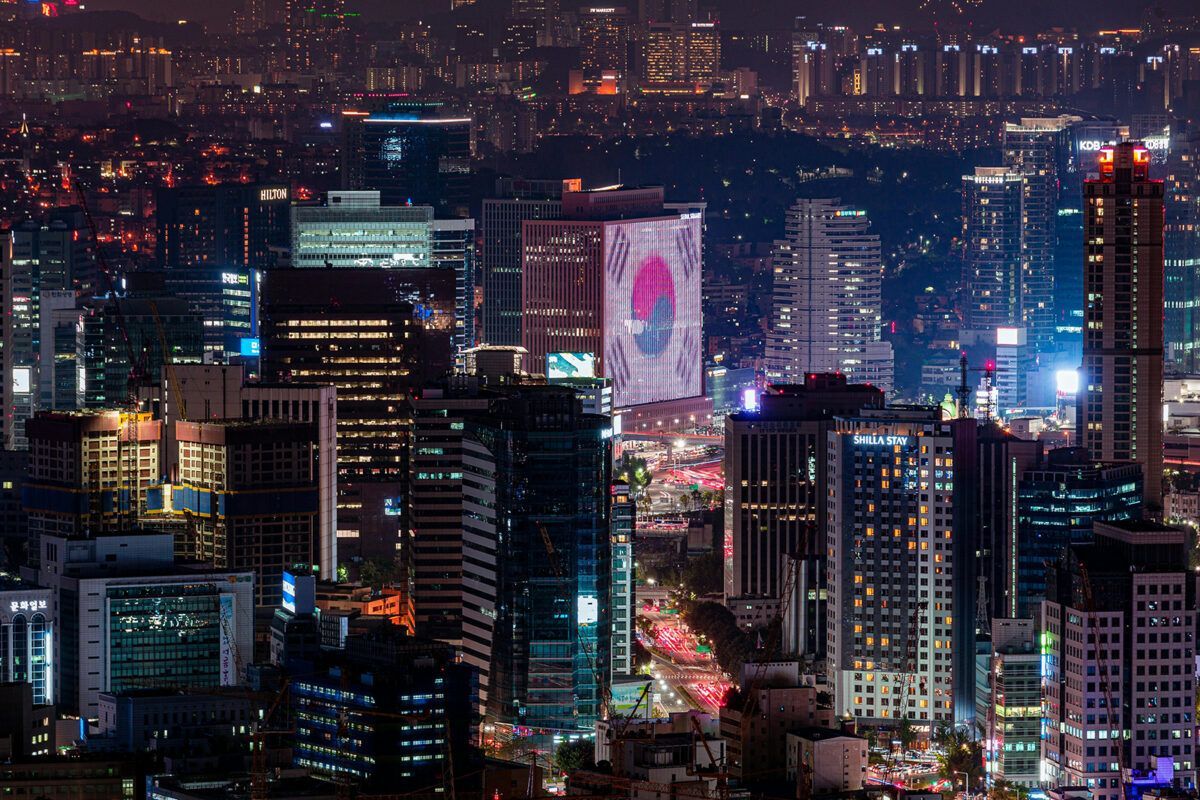
Seoul is a city where the past and future coexist in dazzling harmony. You can begin your day at the ancient Gyeongbokgung Palace, stroll through the historic Bukchon Hanok Village, and end up sipping a matcha latte in a sleek café in the creative neighbourhood of Seongsu-dong.
Markets like Gwangjang offer a taste of Korea’s street food culture, while contemporary art flourishes in places like the Leeum Museum of Art or the Dongdaemun Design Plaza. The Korean Wave (Hallyu) may have brought global attention through K-pop and K-dramas, but Seoul’s allure lies deeper — in its layers of culture, design, and innovation. Whether you’re exploring art galleries, browsing independent bookstores in Yeonnam-dong, or partying in Hongdae or Itaewon, Seoul pulses with energy, confidence, and authenticity.
7. Sydney (Australia)
Sydney is a living postcard. Its iconic Opera House by the harbour, golden beaches, and a lifestyle that blends relaxation with sophistication — everything in this city seems designed for pure enjoyment.
But Sydney is more than its picture-perfect glamour. It’s a cultural melting pot that reflects the diversity of modern Australia. You’ll find it in the food, where Asian fusion meets First Nations ingredients; in the neighbourhoods, from Surry Hills to Newtown, with their galleries, designer shops and creative studios; and in events like the Biennale of Sydney or Vivid Sydney, which turn the city into a canvas of light and ideas. Whether surfing at Bondi, climbing the Harbour Bridge, discovering Aboriginal art, or dancing in a rooftop bar with views of the skyline — Sydney offers a lifestyle that’s vibrant, expressive and open to the world.
8. Vancouver (Canada)
Few cities blur the line between urban living and wild nature like Vancouver. Surrounded by water, mountains and forest, it’s a model for sustainable city living. Stanley Park — a 400-hectare green oasis — is just the start. From kayaking in False Creek to hiking Grouse Mountain or biking the seawall, outdoor adventure is part of daily life.
But Vancouver is also a hotspot of creative energy. Its food scene fuses global traditions with local ingredients. Galleries, indie music venues, and neighbourhoods like Mount Pleasant and Commercial Drive showcase its artistic pulse. With Indigenous culture, eco-conscious design and a strong sense of community, Vancouver offers both serenity and stimulation.
9. Arles (France)
In the heart of Provence, Arles has moved beyond being merely a place associated with the memory of Van Gogh to become one of the most exciting centres for contemporary creation in Europe.
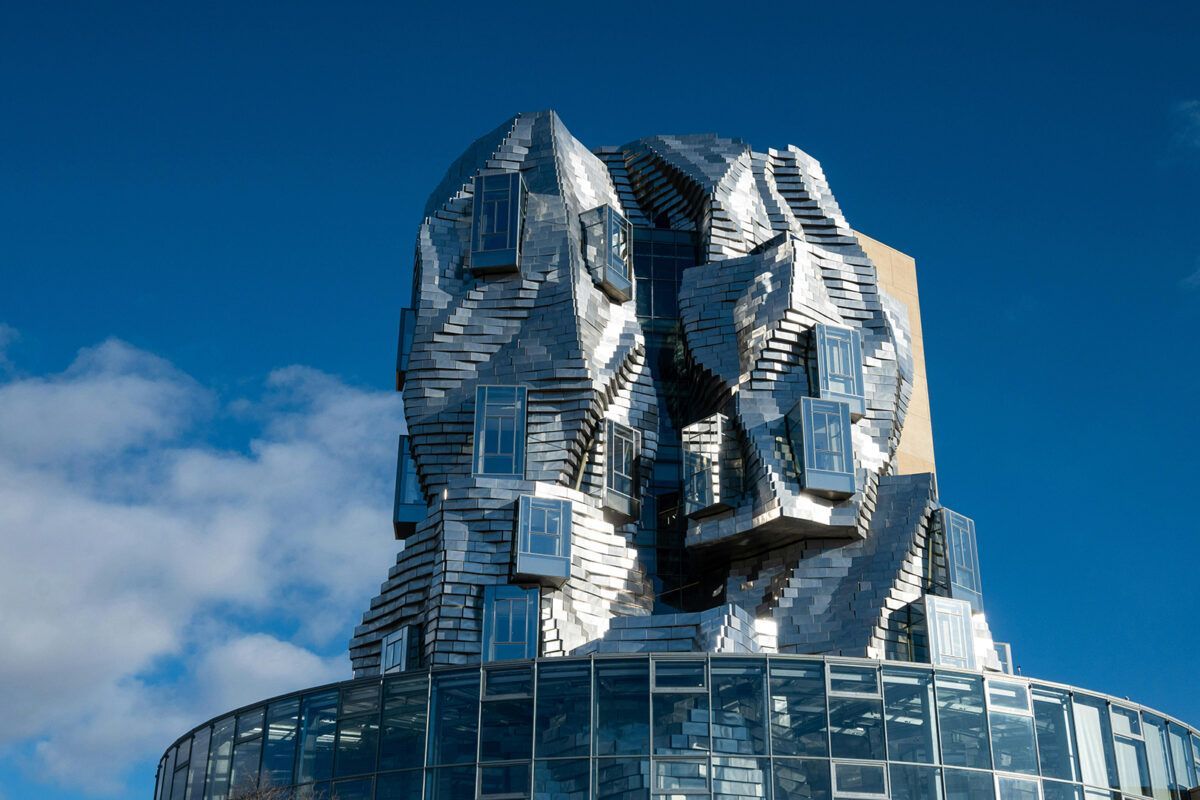
Its most striking landmark is LUMA Arles, the cultural campus designed by Frank Gehry, whose twisted tower resembles an architectural reflection of the Provençal sky. Inside, it hosts exhibitions of contemporary art, photography, design, and sustainability, all in dialogue with the landscape and the city’s historical legacy.
Each summer, Arles also becomes the international capital of photography thanks to the Rencontres d’Arles, a festival that has drawn thousands of visitors and professionals from around the world since 1970. The city, with its blend of Roman ruins, cobbled alleyways, and new creative spaces, offers an experience where time seems to stretch and art fills every corner.
10. Mexico City (Mexico)
Chaotic, immense, fascinating. Mexico City isn’t simply visited — it’s survived, savoured, and felt. This metropolis pulses with the intensity of its millions of inhabitants and the countless layers of history that begin at the Templo Mayor and continue on every street corner.
From the cobbled lanes of Coyoacán to the skyscrapers of Reforma, from the vibrant canals of Xochimilco to the creative bustle of Roma and Condesa, CDMX is a cultural whirlwind that never lets up. Its culinary scene is among the most exciting in the world: street stalls, ancestral recipes, contemporary fusion, and a community of chefs who have propelled tradition into the future without losing their roots.
It is also art and dissent, with museums such as the Tamayo and MUAC, and a nightlife in constant flux. Mexico City is excess, contradiction, beauty — and, above all, truth.
11. A Coruña (Spain)
In the northwestern corner of the Iberian Peninsula, A Coruña gazes out over the Atlantic with seafaring pride and a character all its own. This year, the Galician city becomes one of the best places in Europe to witness the total solar eclipse on 12 August — an astronomical spectacle set to attract scientists, the curious and travellers from all over the world.
The Tower of Hercules, a millennia-old lighthouse, sets the rhythm of a city that blends modernity, tradition and a constantly growing cultural offer. One of its greatest cultural attractions is the new contemporary art museum (Fundación MOP), driven by Marta Ortega, which is already positioning the city as an international reference for modern art. Its gastronomy is reason enough to visit: fresh seafood, homemade empanadas and soulful wines.
12. Manchester (United Kingdom)
Manchester has left its industrial past behind without forgetting it, becoming one of the UK’s major creative hubs. The city vibrates with a unique cultural energy, where music, art, design and urban activism intertwine effortlessly. Its musical legacy — from Joy Division to The Smiths, from Oasis to new electronic scenes — still pulses in venues like the Albert Hall or Victoria Warehouse, and is renewed year after year with festivals that shape the national calendar.
Parklife Festival, in Heaton Park, draws thousands with its powerful line-up of urban and electronic music, while the BBC 6 Music Festival offers a more alternative programme, showcasing the best of indie, rock and emerging scenes. Both events make Manchester unmissable for live music lovers.
To this, add a notable growth in the food scene — with multicultural kitchens, plant-based options and venues that blend art and cuisine — and neighbourhoods like Northern Quarter, brimming with personality, murals, bookshops, soulful cafés and independent shops. Manchester doesn’t try to compete with London: it offers something different, more intimate, rawer and deeply authentic. A city that doesn’t settle for its history — it remixes it with creativity and character.
13. Aarhus (Denmark)
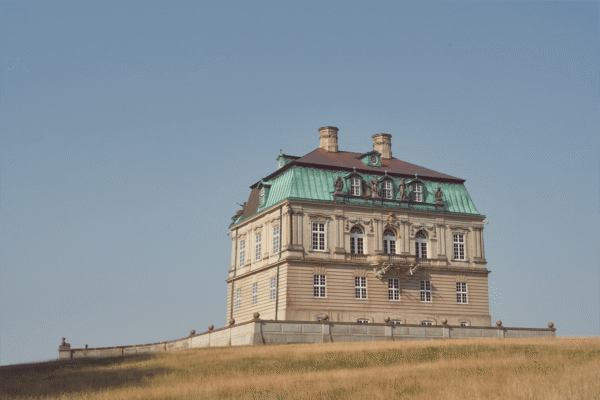
Aarhus is Denmark’s second city, but it leads the way in creativity. It’s young, dynamic and aesthetically impeccable. Its modern architecture coexists with Viking history, and its university life gives it a constant pulse.
In 2026, Aarhus shines brightly: interactive museums, green spaces and a cultural offering that keeps expanding. The standout is the ARoS Aarhus Kunstmuseum, one of Europe’s most innovative contemporary art museums, which from 19 June will host the monumental and immersive installation “As Seen Below” by the legendary artist James Turrell — a Skyspace that transforms the perception of light, space and time. All wrapped in that Scandinavian design sensibility that makes every corner feel like a minimalist postcard.
14. Athens (Greece)
Athens is not just the cradle of Western civilisation: it’s a gritty, fascinating and radically contemporary metropolis. The Acropolis still imposes itself from its sacred hill, but at its feet, a vibrant artistic scene has bloomed with its own momentum. Street art covers entire façades like manifestos, while cultural collectives, artist studios and alternative galleries are transforming neighbourhoods like Exarchia, Metaxourgeio and Koukaki into creative laboratories coexisting with millennia-old ruins.
Here, archaeology and architecture converse without pretence: from the Acropolis Museum, rising with minimalist lines over its classical past, to repurposed industrial spaces hosting performances, screenings and experimental art exhibitions.
Athens is also the birthplace of creators like our much-admired Yorgos Lanthimos, whose cinematic storytelling reflects the ambiguity of his environment, or choreographer Dimitris Papaioannou, a global reference in contemporary dance.
Gastronomically, Greek tradition is freely reinterpreted: updated tavernas, natural wine bars, and rooftop terraces offering unparalleled views of the Parthenon while Balkan jazz or Greek electronica play in the background. Raw, contradictory, seductive and deeply honest, Athens is a city that doesn’t aim to please. It prefers to provoke, move, and stay with you long after you’ve walked its streets.
15. Azores (Portugal)
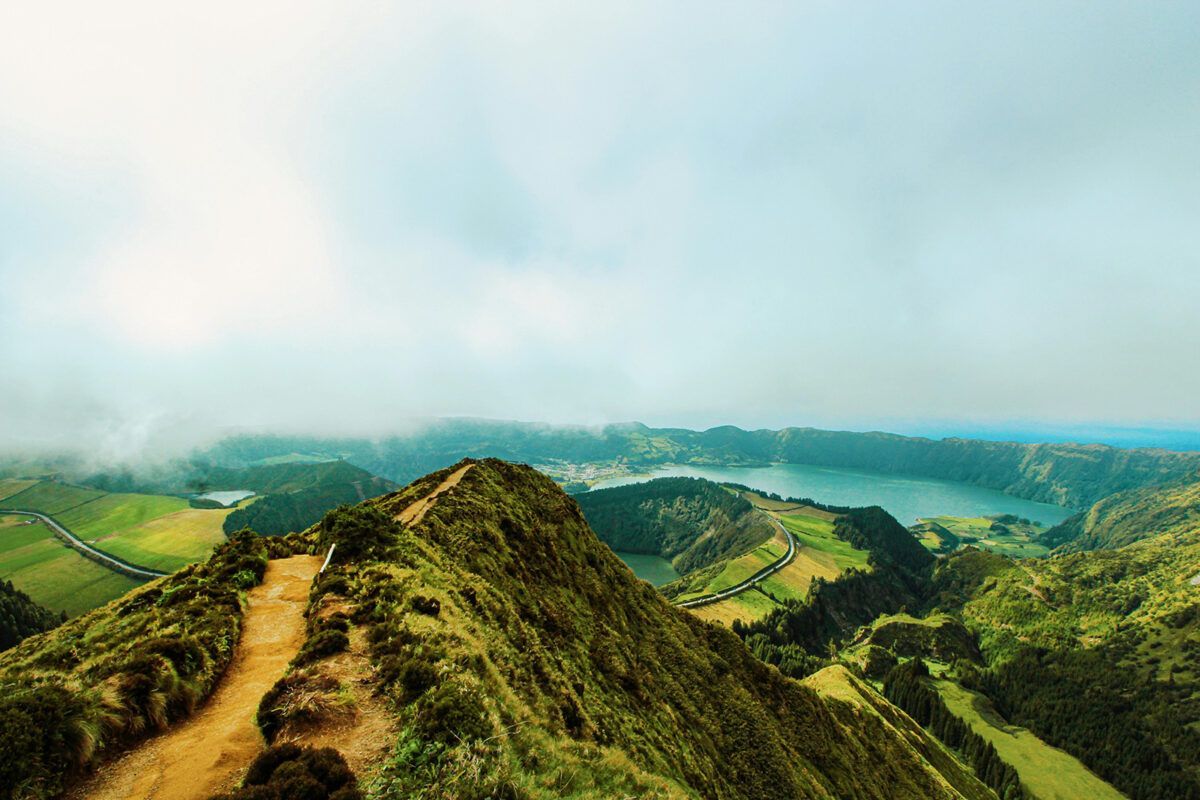
Isolated in the middle of the Atlantic, the Azores are one of Europe’s best-kept secrets. This Portuguese volcanic archipelago offers a constantly shifting natural spectacle: hidden lagoons inside craters, cliffs draped in hydrangeas, thermal pools deep in the jungle and fumaroles rising from cobbled streets. Each island has its own character — from the lushness of São Miguel to the lunar landscape of Pico or the wild coastlines of Flores.
It’s an ideal destination for those seeking a genuine connection with nature without losing touch with local culture. Here, you can hike through ancient calderas, swim in volcanic natural pools like those of Ferraria or Biscoitos, and spot whales and dolphins in total freedom. The Azores don’t just offer extraordinary landscapes: they embody a slower, more conscious and deeply transformative way of travelling.
16. Fuerteventura (Spain)
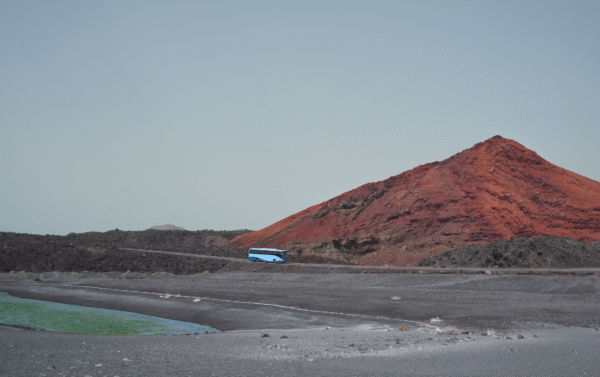
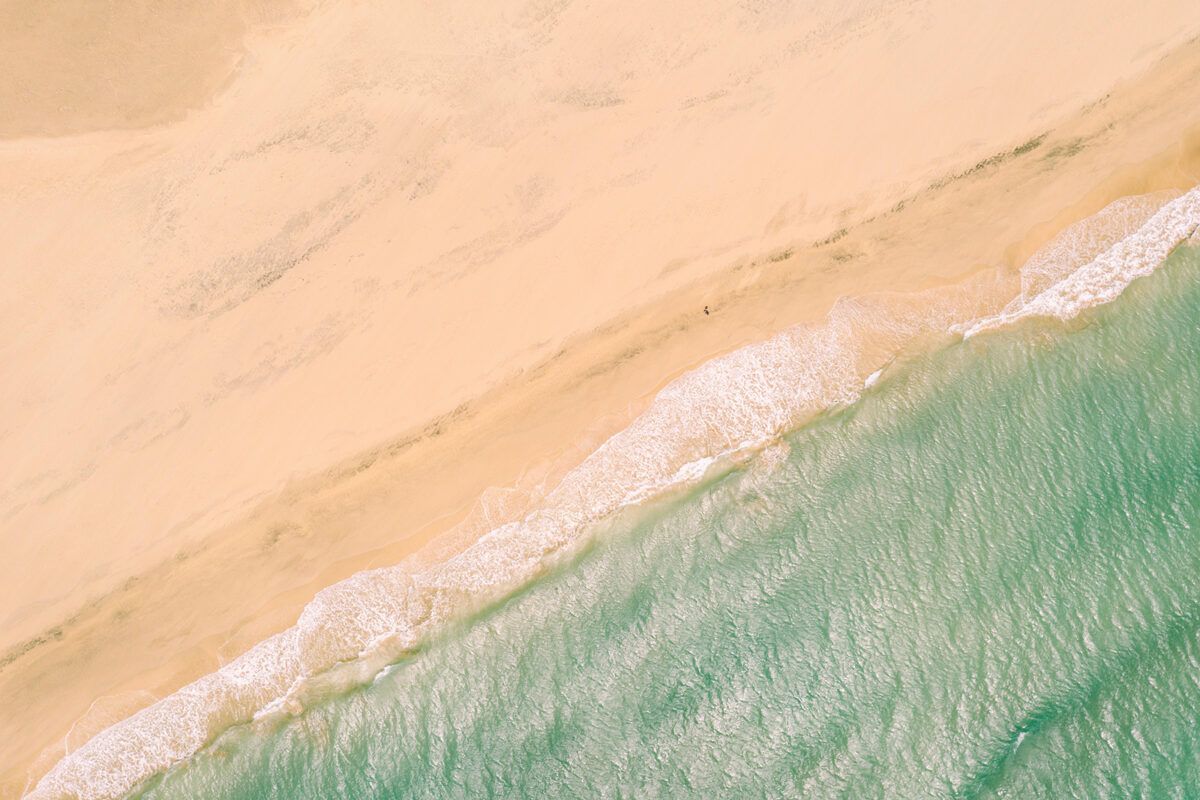
The driest island of the Canary archipelago surprises with the stark beauty of its landscape, where emptiness becomes poetic and the wind a constant companion. Its beaches — wide, wild, endless — invite you to get lost and find a different rhythm. The Corralejo dunes, the Jandía desert, the cliffs of Cofete: everything in Fuerteventura has an almost elemental dimension. For surfers and wind sport lovers, it’s a natural paradise.
But it’s also ideal for those seeking clear skies, villages where time stands still, and a direct connection to the land. Far from mass tourism, Fuerteventura offers an essential kind of luxury: space, silence and authenticity. A destination that doesn’t impose itself, but leaves a lasting mark.
17. Lofoten Islands (Norway)
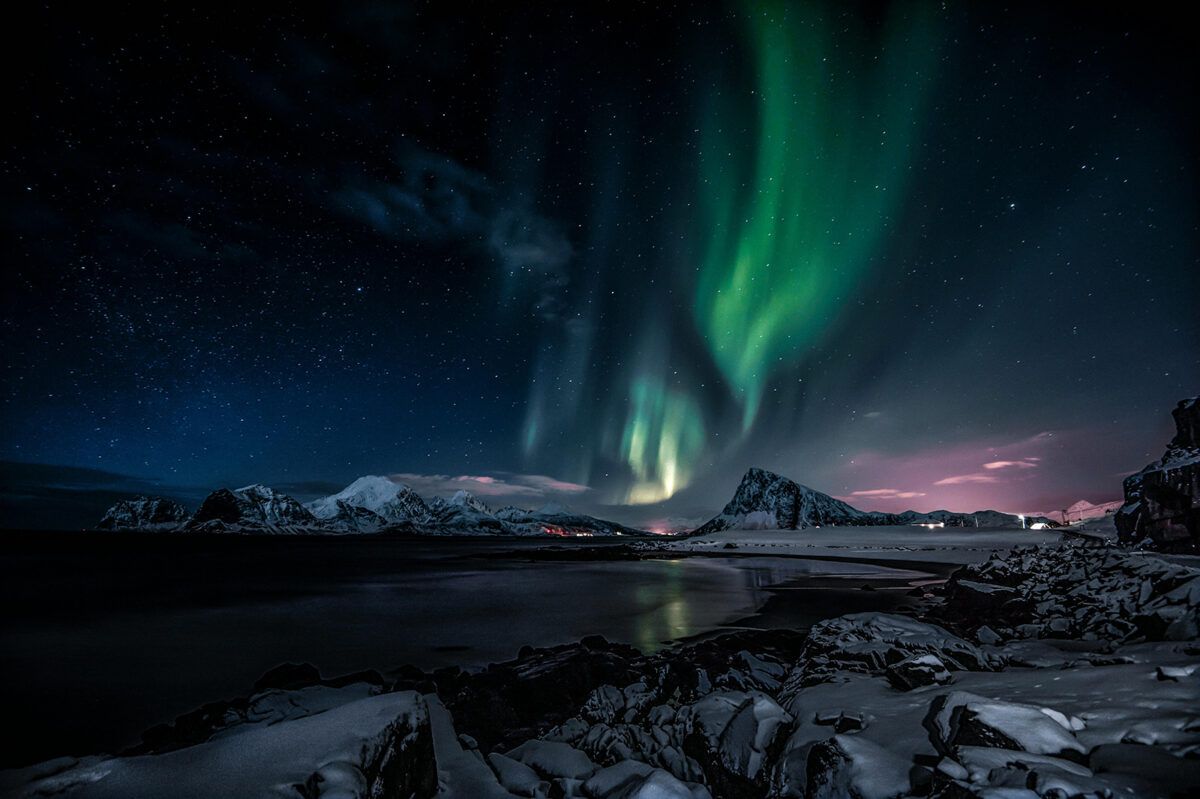
The Lofoten Islands remain a haven for those in search of the essential. This Norwegian archipelago impresses with its jagged mountains rising straight from crystal-clear fjords, its fishing villages frozen in time, and a light that seems to retouch every scene as if it were a painting.
What’s magnetic about Lofoten isn’t just the dramatic geography, but the way it connects to something deeper: the Arctic silence, the murmur of the sea, the warmth of red wooden houses standing against the polar chill. Sleeping beneath the northern lights or cycling alongside whales in the wild turns the journey into something almost mystical.
Here, nature isn’t a spectacle — it’s a truth.
18. Barcelona (Spain)
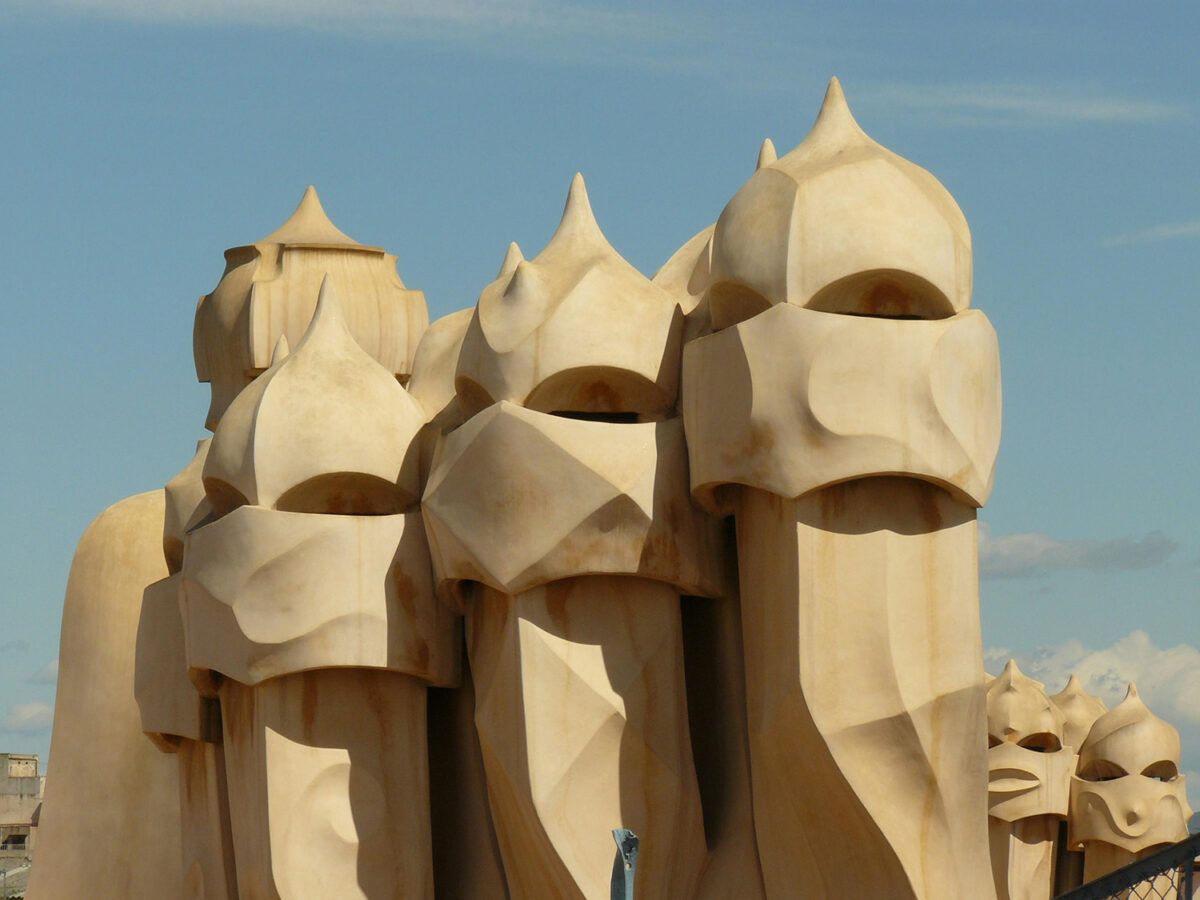
Barcelona has never needed an excuse to be visited, but this year, as it is named World Capital of Architecture by UNESCO-UIA, the city puts even greater value on what makes it unique: extraordinary architecture.
From Gaudí’s modernist treasures to contemporary projects of sustainable urbanism, the Catalan capital reaffirms itself as a model of coexistence between beauty, function and ecological awareness.
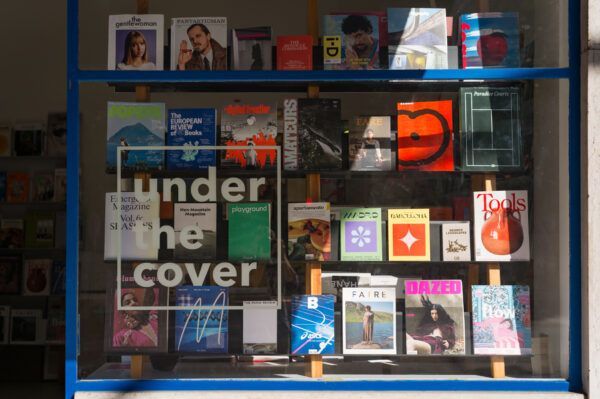
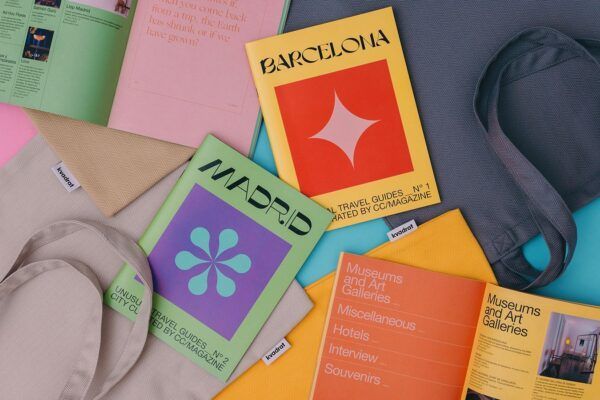
Beyond the icons, Barcelona is a city that reinvents itself through its neighbourhoods, through public spaces that embrace the walker, and through cultural initiatives that begin on the margins and end up transforming the centre. One way to discover all of this is through The Unusual Barcelona, the city magazine-guide edited by CC/magazine, which celebrates the less obvious and more authentic sides of the city: its creators, corners, stories and contradictions.
19. Ljubljana (Slovenia)
Far from being a quiet capital tucked away in the heart of Central Europe, Ljubljana emerges as a vibrant urban laboratory where sustainability, creativity, and historical legacy intertwine with astonishing ease. Surrounded by green hills, crossed by the Ljubljanica River and crowned by a medieval castle, this city is much more than an idyllic postcard—it is the epicentre of a transformation that reinterprets the present through memory and innovation.
On its pedestrian streets, baroque palaces, Roman ruins and architectural masterpieces by Joze Plecnik coexist with alternative cafés, independent bookshops and a thriving cultural scene that opens up to the world without losing its local soul. Ljubljana embraces urban life on a human scale: bicycles, organic markets, public art and a cultural agenda in constant bloom.
Beyond the historic centre, former industrial spaces have become hubs of creative experimentation, such as Metelkova Mesto— a self-managed artistic enclave that blends muralism, music, social critique and counterculture. Contemporary museums, art centres and international residencies are positioning Ljubljana as one of the most exciting cultural capitals in Europe.
20. Jaipur (India)
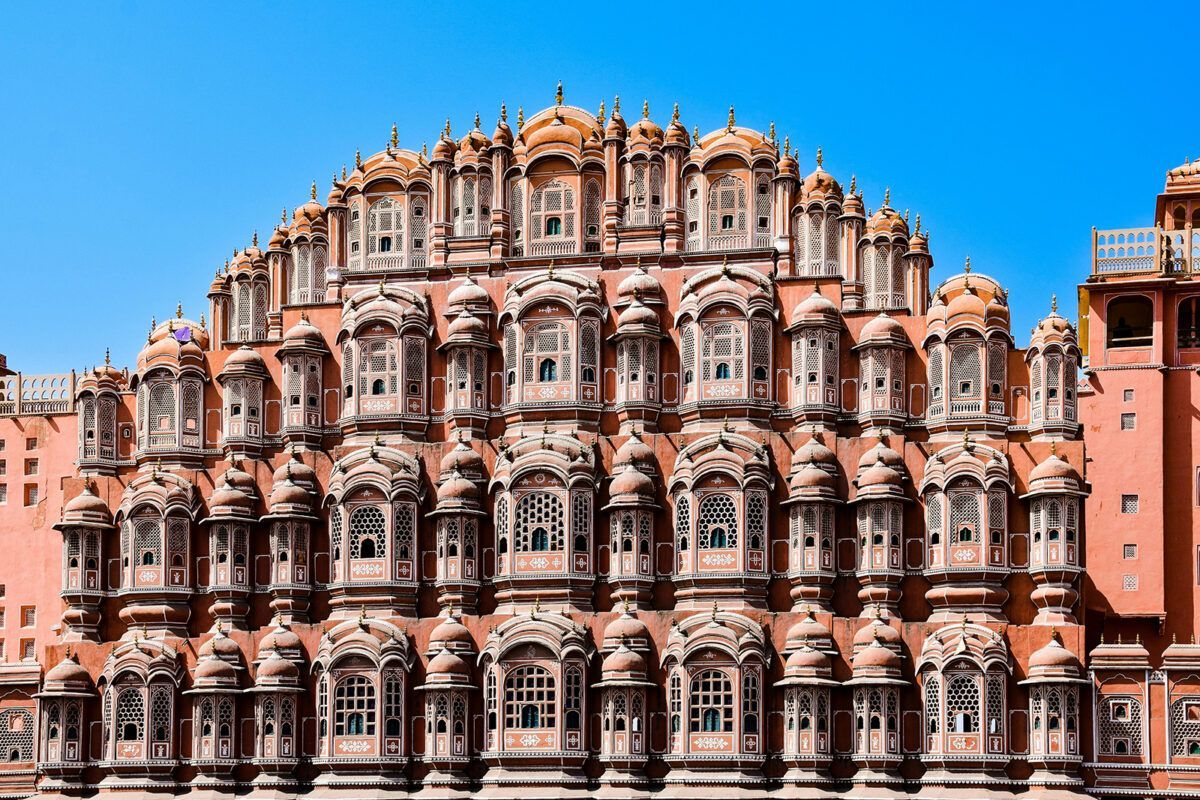
Jaipur, the Pink City, is much more than an exotic postcard: it’s a vibrant city where history intertwines with a creative scene that keeps growing. Its palaces — like the Hawa Mahal or Amber Fort — and its bustling bazaars filled with textiles, jewellery and spices continue to astonish with their aesthetic richness, but what truly defines the capital of Rajasthan today is its ability to reinvent itself without losing its essence.
Projects like Villa Palladio have redefined the concept of local hospitality, merging sophisticated design, traditional craftsmanship and a near-cinematic sensitivity. Jaipur is thus positioning itself as a complete cultural destination — with heritage, gastronomy, art and a new generation reclaiming ancestral techniques and projecting them into the future.
21. Antwerp (Belgium)
Antwerp is one of those cities that surprise through contrast: historic yet avant-garde, discreet yet vibrant. Birthplace of Rubens and of some of Europe’s most influential fashion houses, the Belgian city has cultivated a unique identity that merges its Flemish heritage with a creative present full of quiet confidence. From the Museum aan de Stroom (MAS) to its harbour, now transformed into a cultural zone, Antwerp breathes design, art and architecture with character.
One of the best times to visit is during Us by Night, the nocturnal festival that brings together the best in graphic design, digital art and visual creativity in an immersive and provocative setting. An event that perfectly synthesises what Antwerp represents today: a cultural gem with a contemporary gaze and a soul of its own.
22. Paris (France)
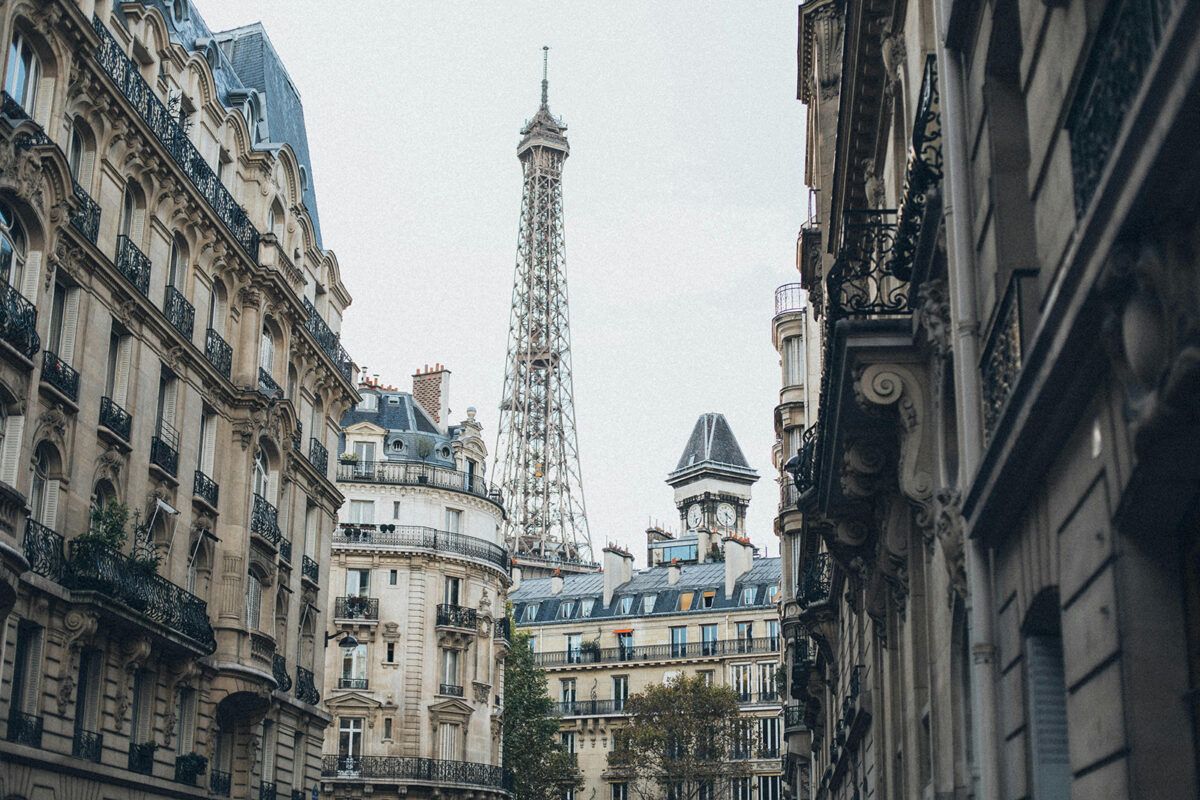
Paris has undergone a quiet yet profound reinvention following the Olympics. The Games didn’t just leave behind improved infrastructure and new green spaces — they also brought a renewed sense of civic pride. Neighbourhoods like South Pigalle have rediscovered their bohemian sparkle, with signature bars, art bookshops and a vibrant nightlife.
The cultural scene remains in full bloom: from the upcoming Alexander Calder retrospective at the Fondation Louis Vuitton to the emerging voices at Palais de Tokyo and the Bourse de Commerce / Pinault Collection. Paris is still a creative epicentre, but now with an energy that feels more intimate, diverse and vital.
23. Tangier (Morocco)
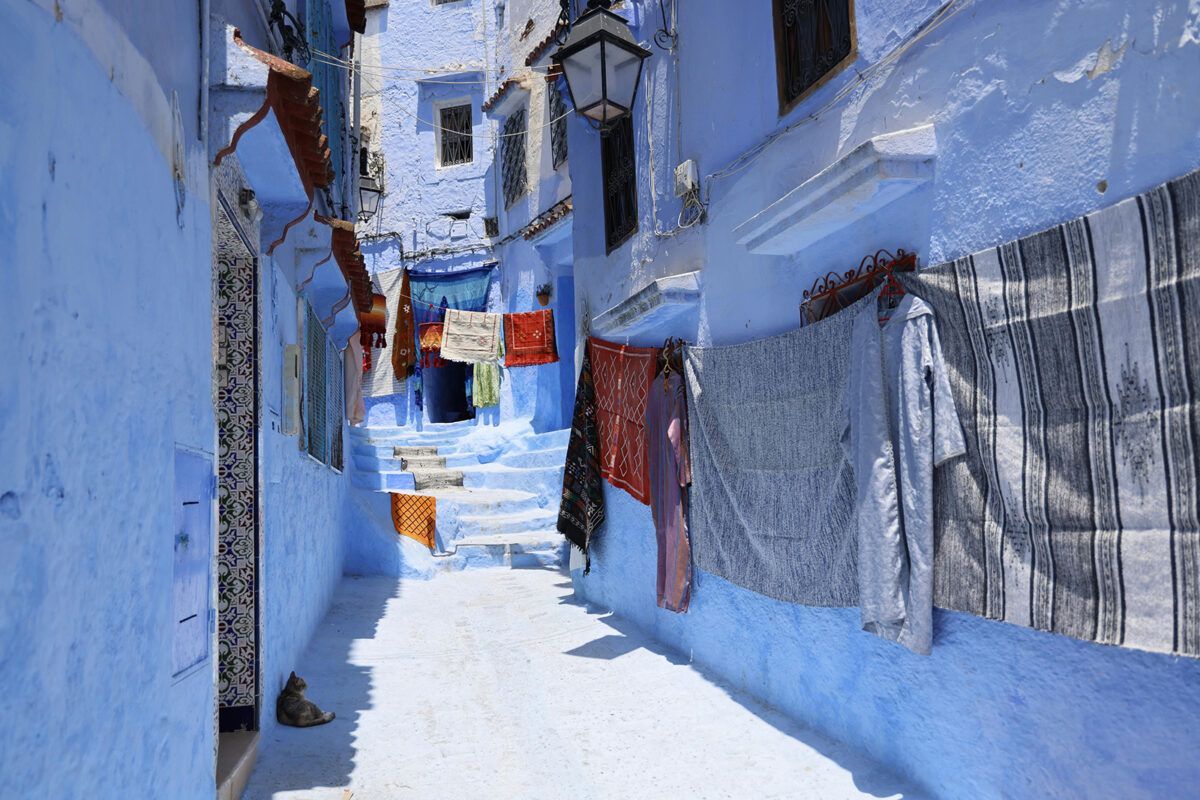
Tangier rises at the meeting point of the Mediterranean and the Atlantic, a city that has long stood at the crossroads of cultures and eras. Historically known as a gateway between Africa and Europe, today its fortified medina — with labyrinthine alleyways and a rich blend of architectural styles — invites you to get lost and uncover layers of history, from Phoenician and Roman rule to the artistic and literary legacy of the 20th century. Neighbourhoods like the Grand Socco or the Kasbah still bear the marks of this past, while viewpoints such as Cape Spartel offer sweeping vistas over the Strait of Gibraltar, suspended between two continents.
Food is an essential part of any stay in Tangier: from traditional stews like couscous and tagine to freshly caught fish and seafood served at seafront restaurants, and historic cafés that once welcomed writers and artists seeking inspiration.
Today, Tangier fuses its ancient heritage with a new wave of local creativity. Galleries, art studios and cultural projects are crafting a fresh narrative that challenges stereotypes and looks towards the future, making the city a must-visit destination for those wishing to experience Morocco beyond clichés and conventional routes.
24. Puglia (Italy)
Puglia needs no embellishment — its charm arises from a slow rhythm, the translucent sea caressing whitewashed villages, and traditions that live on in daily life. The region has attracted designers and creatives who, without altering its essence, have reinterpreted its cultural heritage.
A prime example of this new rural sophistication is Palazzo San Vito, a residence that synthesises the best of local craftsmanship with contemporary aesthetics. But what truly defines Puglia are its simple rituals: wood-fired bread, family grape harvests, and patron saint festivals where the whole village dances. Life here is lived unfiltered.
25. Warsaw (Poland)
For years, Warsaw carried the stigma of post-war reconstruction. Today, that narrative has changed. The Polish capital has blossomed into an unexpected cultural epicentre, where young people drive change from alternative spaces, electronic music clubs, independent bookshops and multidisciplinary festivals like the Warsaw Gallery Weekend.
Its brutalist architecture coexists with new creative hubs such as Centrum Praskie Koneser, and its cafés and restaurants range from reinvented traditional recipes to experimental cuisine. Warsaw pulses with an energy that is authentic, irreverent and resilient — a city that inspires through its bold reinvention.
26. Costa Vicentina, Alentejo (Portugal)
In the southwest of Portugal, the Costa Vicentina stretches like a wild refuge against mass tourism. Rugged cliffs, deserted beaches, hiking routes such as the Rota Vicentina, and whitewashed villages that still move to the rhythm of the tides and farming traditions define this stretch of the Alentejo at its purest.
Here, the Atlantic shapes the character — harsh, honest, immense. It’s a destination for those seeking beauty without embellishment, authenticity without spectacle, and a real connection with the landscape.
Happy travels!
(*) Photos: Pexels.