“Sentimental Value”: Joachim Trier’s most intimate and disarming work
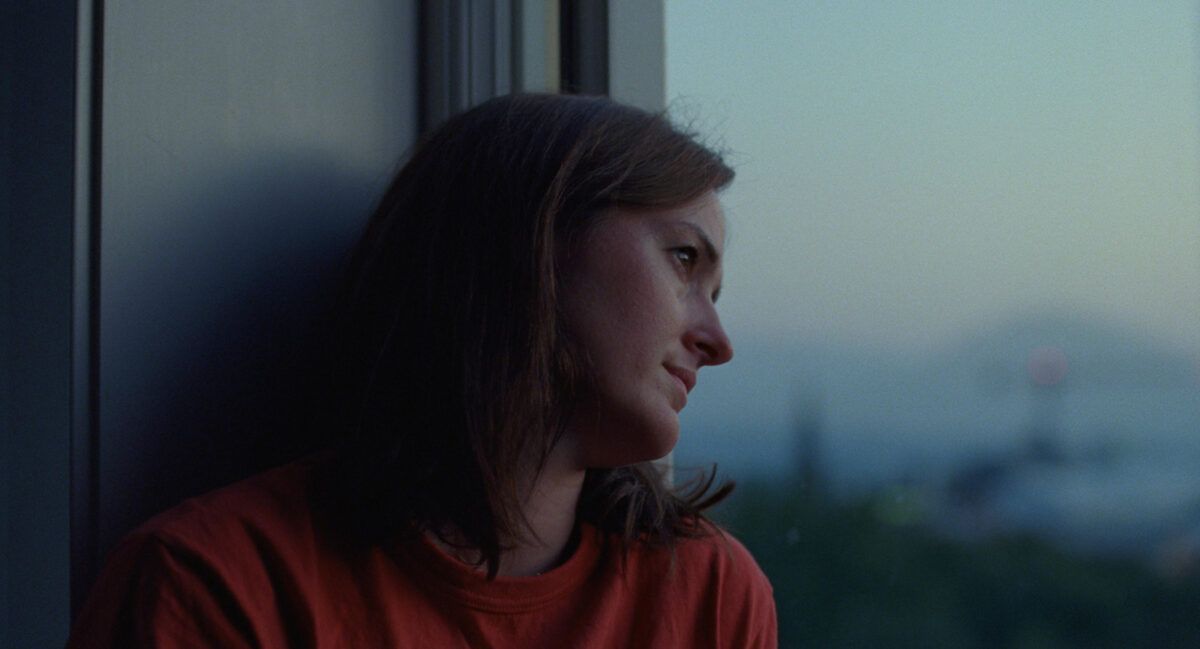
Following the international success of “The Worst Person in the World”, Joachim Trier returns with “Sentimental Value”, a film that doesn’t rely on meta-games or the charm of contemporary romance, but on something far more raw: the deep wounds left by a broken family — and the impossibility of escaping them.
Here, Trier abandons all artifice to dive into emotionally devastating territory. And it is precisely this that makes the film hit so hard.

A fractured family: cinema, grief, and the weight of emotional legacy
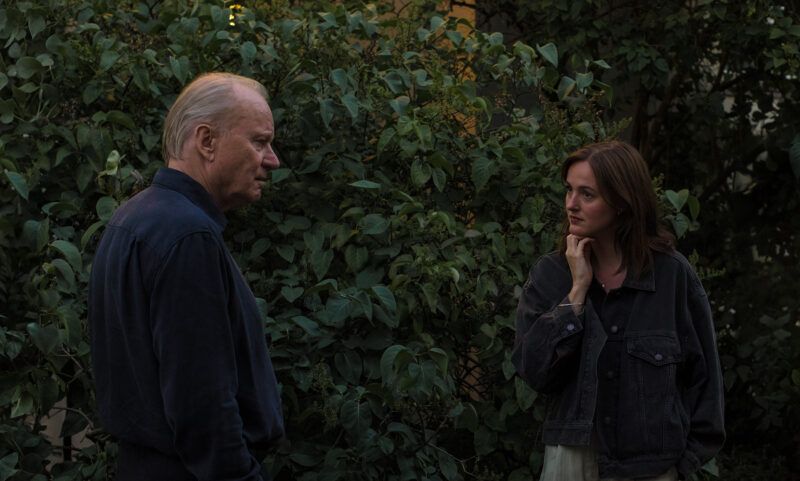
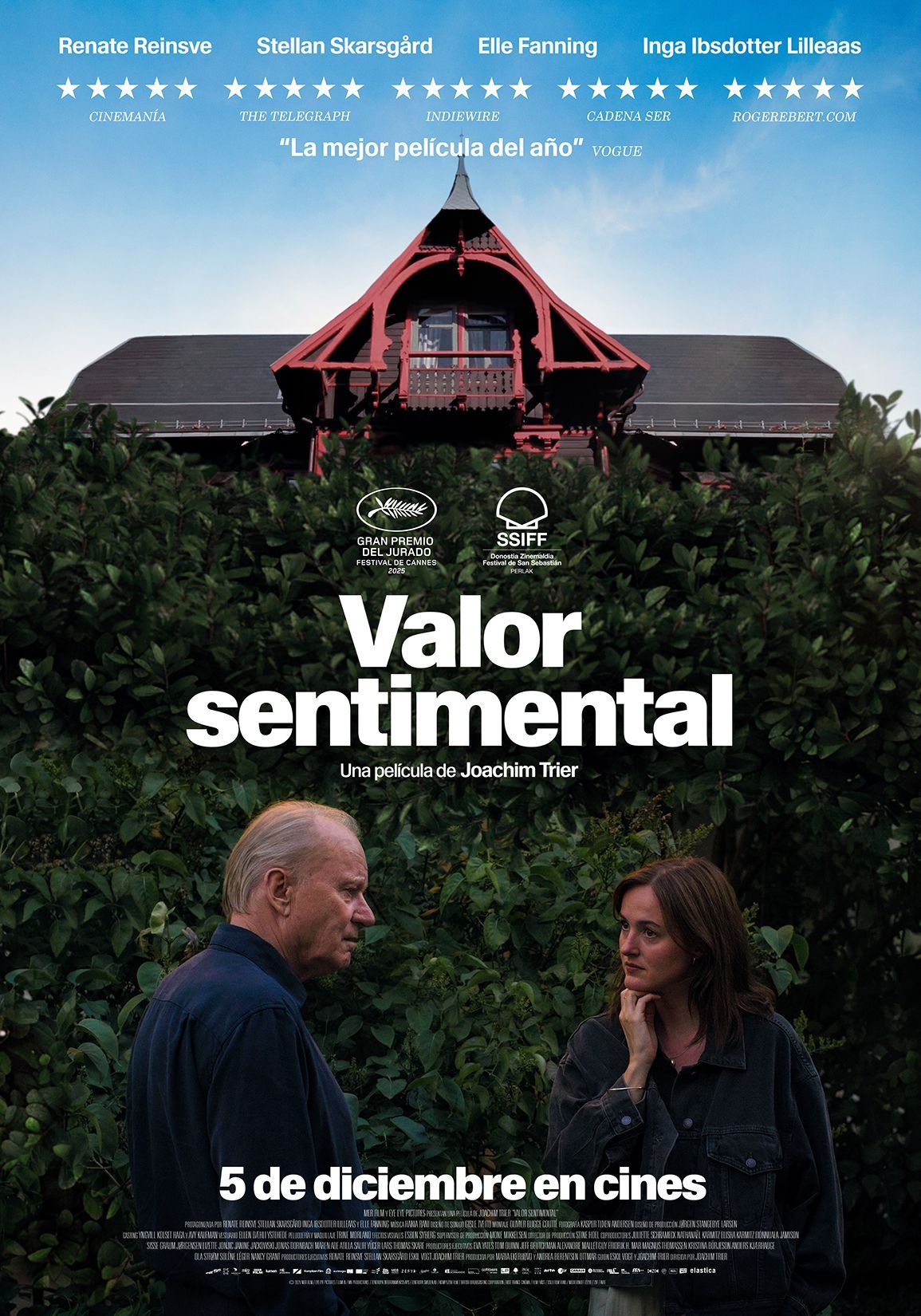
In “Sentimental Value”, we meet a father — a celebrated filmmaker, portrayed with brutal ambivalence by Stellan Skarsgård — who invites his eldest daughter, Nora (a phenomenal Renate Reinsve), to star in his latest film.
The premise may seem simple, but it quickly becomes clear that beneath this seemingly creative gesture lies an emotional rift left unhealed for decades.
The mother has passed away. The father is difficult, egocentric, overbearing. Their marriage was turbulent. The daughters grew up amidst outbursts, silences, and a fragility they learnt to conceal.
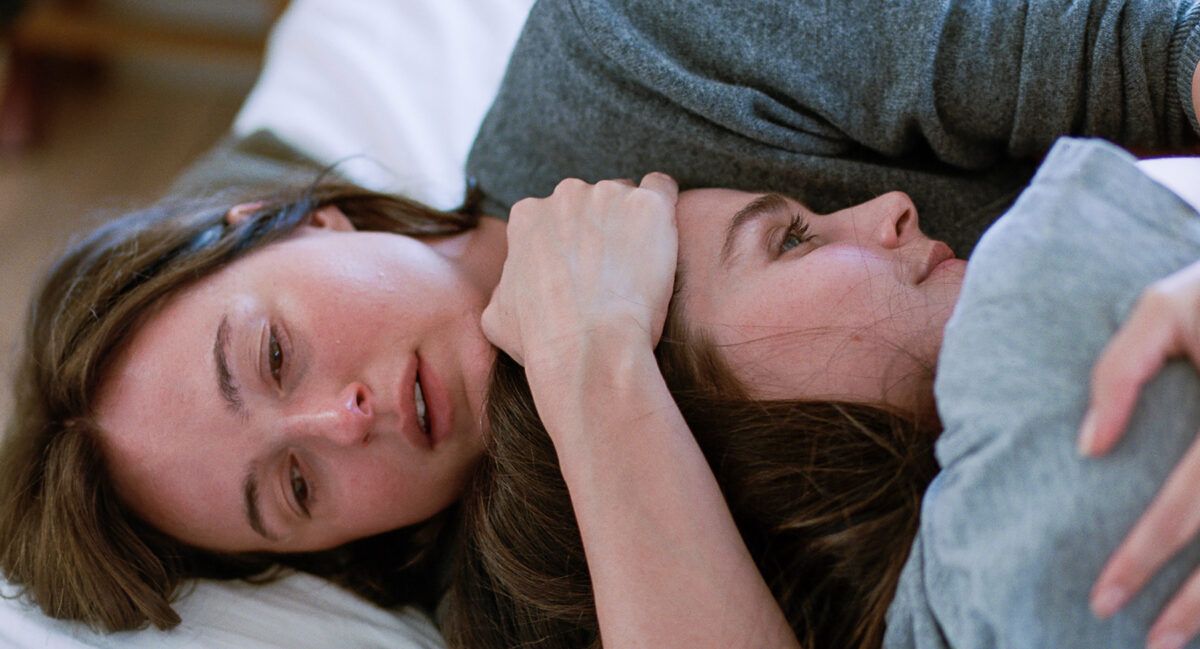
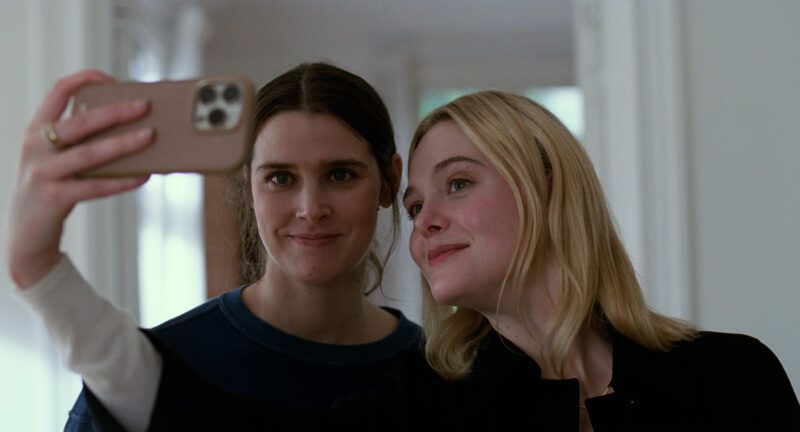
What’s striking is the film’s honesty in portraying the bond between the sisters: not only affection, but a connection forged in pain, in shared trauma, in the anxiety of repeating the same family pattern.
An emotional portrait revealed with surgical precision
As the film unfolds, Trier peels back layers with almost clinical delicacy.
“As the film unfolds, Trier peels back layers with almost clinical delicacy.”
Each character reveals: wounds never spoken aloud, childhood traumas that shaped their personalities, defence mechanisms that act as armour, and an inner loneliness that seeps into every relationship.
And he does so without unnecessary drama. The violence here is emotional — silent, ordinary, everyday.
But the film also dares to venture into particularly sensitive territory: the shadow of suicide.
Trier addresses it without sensationalism, without morbidity, and with the utmost respect, turning it into a pivotal moment that reshapes the viewer’s perception of the family, the past, and emotional responsibility.
Performances that ache: Reinsve and Skarsgård in a state of grace
The cast is flawless, but two performances elevate the entire film:
Renate Reinsve, whose portrayal is exquisite, heart-wrenching, and precise. She breaks you without raising her voice, without grand gestures. Hers is a portrait of adult vulnerability marked by childhood wounds.
And Stellan Skarsgård, who shines in one of the most complex roles of his career — a man who evokes rejection and compassion in equal measure. He unsettles, frustrates, moves you. And it’s precisely there that the power of his performance lies.
“The film also dares to venture into the shadow of suicide.”
A film about what remains unsaid
“Sentimental Value” is profoundly emotional. It speaks of the loneliness that exists even within a family, the lasting impact of childhood trauma in adult life, the impossibility of escaping oneself. It speaks of the family as an institution meant to hold — but which sometimes breaks. Of forgiveness as a bridge. Of self-love as a lifeline. Of blood ties as something that can both wound… and heal.
It’s a film that demands your full presence — and lingers long after the final frame.
Why you should watch it
Because “Sentimental Value” isn’t just another family drama. It’s an honest, uncomfortable, and necessary mirror. A film that confronts what we’d rather not see: what we inherit, what we repeat, what we silence.
Trier has perhaps signed his most mature work yet — an intimate and painful journey that, nonetheless, leaves room for the possibility of forgiveness. Incomplete, fragile, human. But still a way to survive.
“Sentimental Value is profoundly emotional.”
In UK cinemas from 5 December. Check local listings.