Le Pigalle: the most authentic (and coolest) Design Hotel in Paris
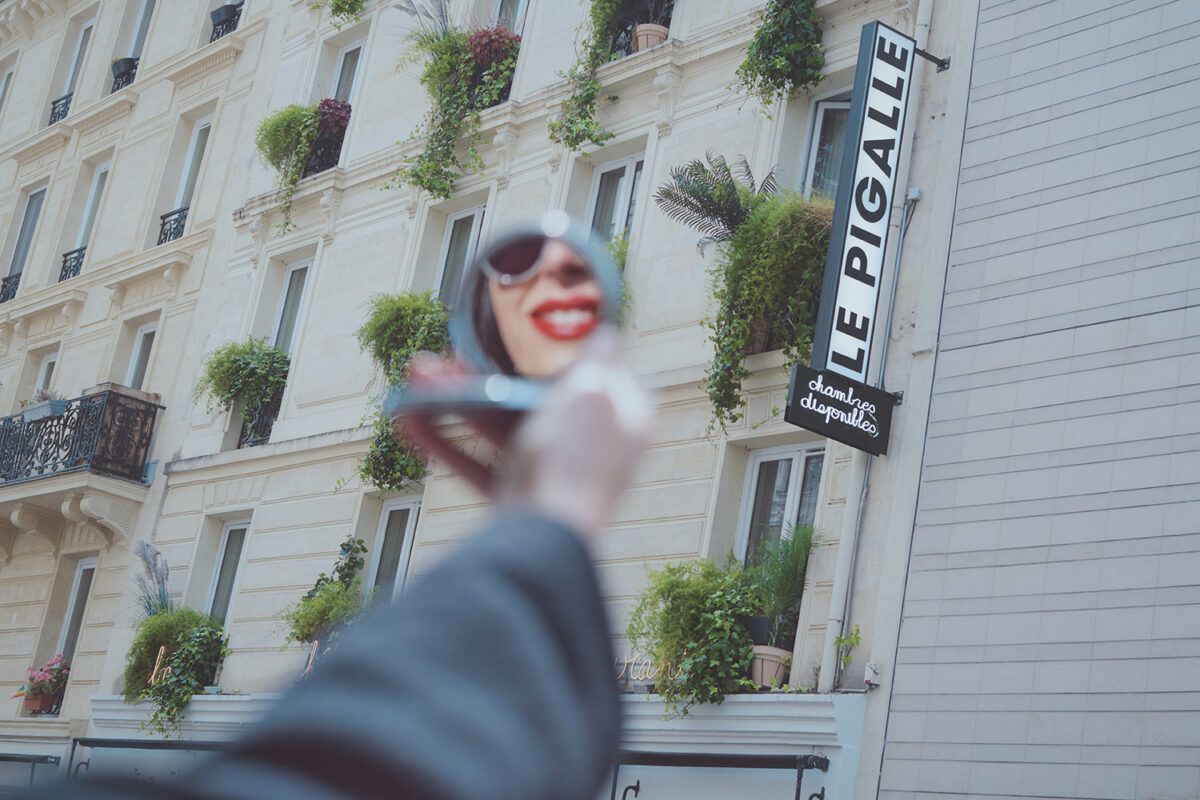
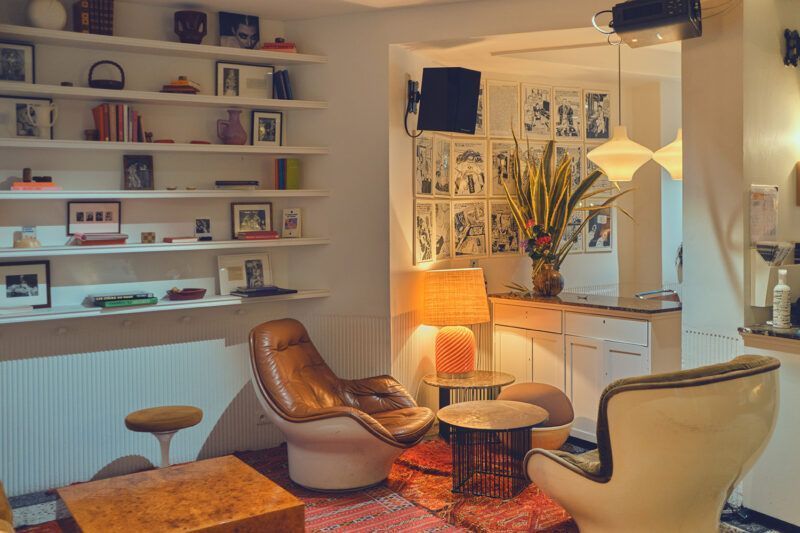
Le Pigalle is a cosy Design Hotel with local soul, creative spirit, and an aesthetic that celebrates the free and vibrant heart of southern Montmartre.
Where it all begins: the neighbourhood
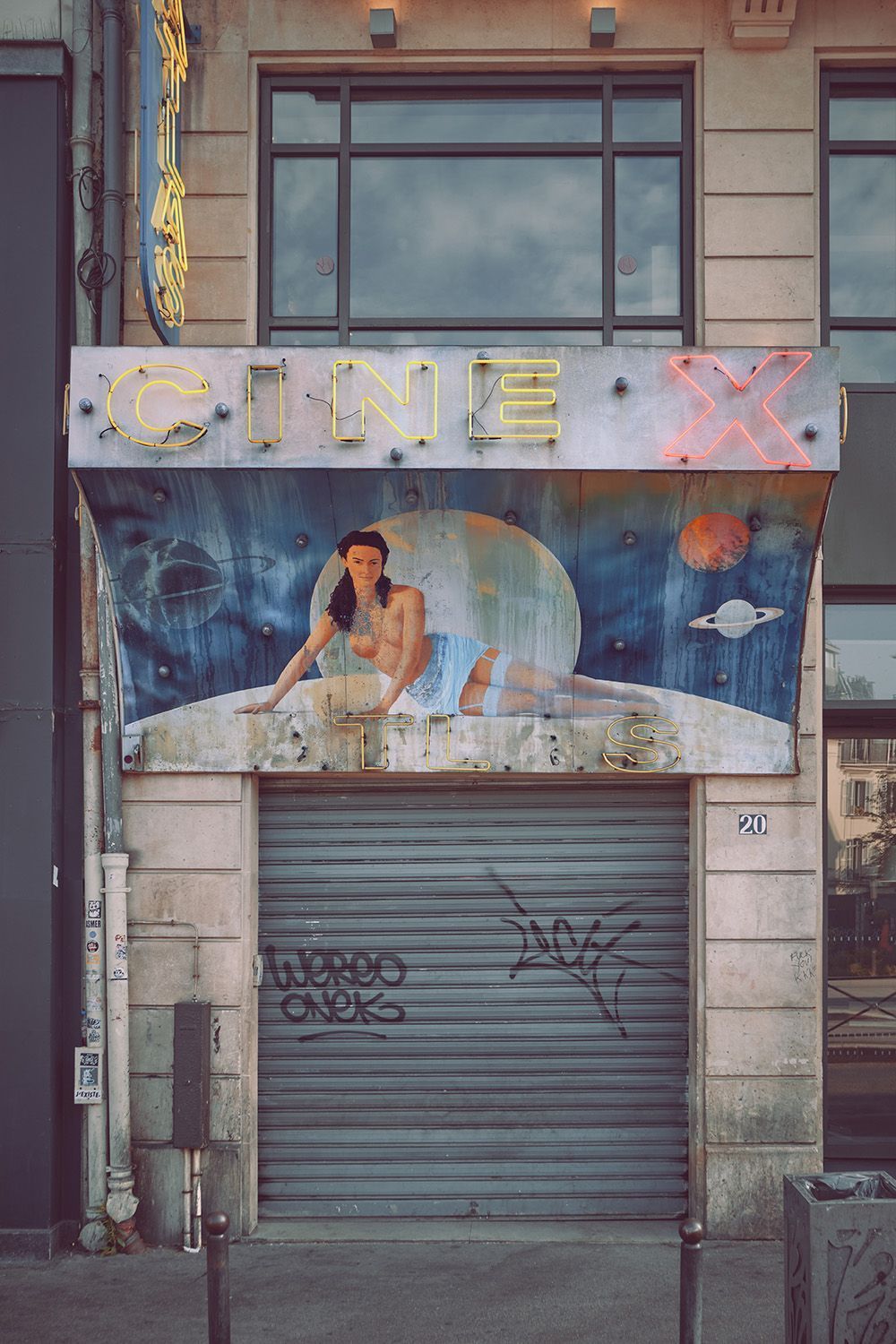
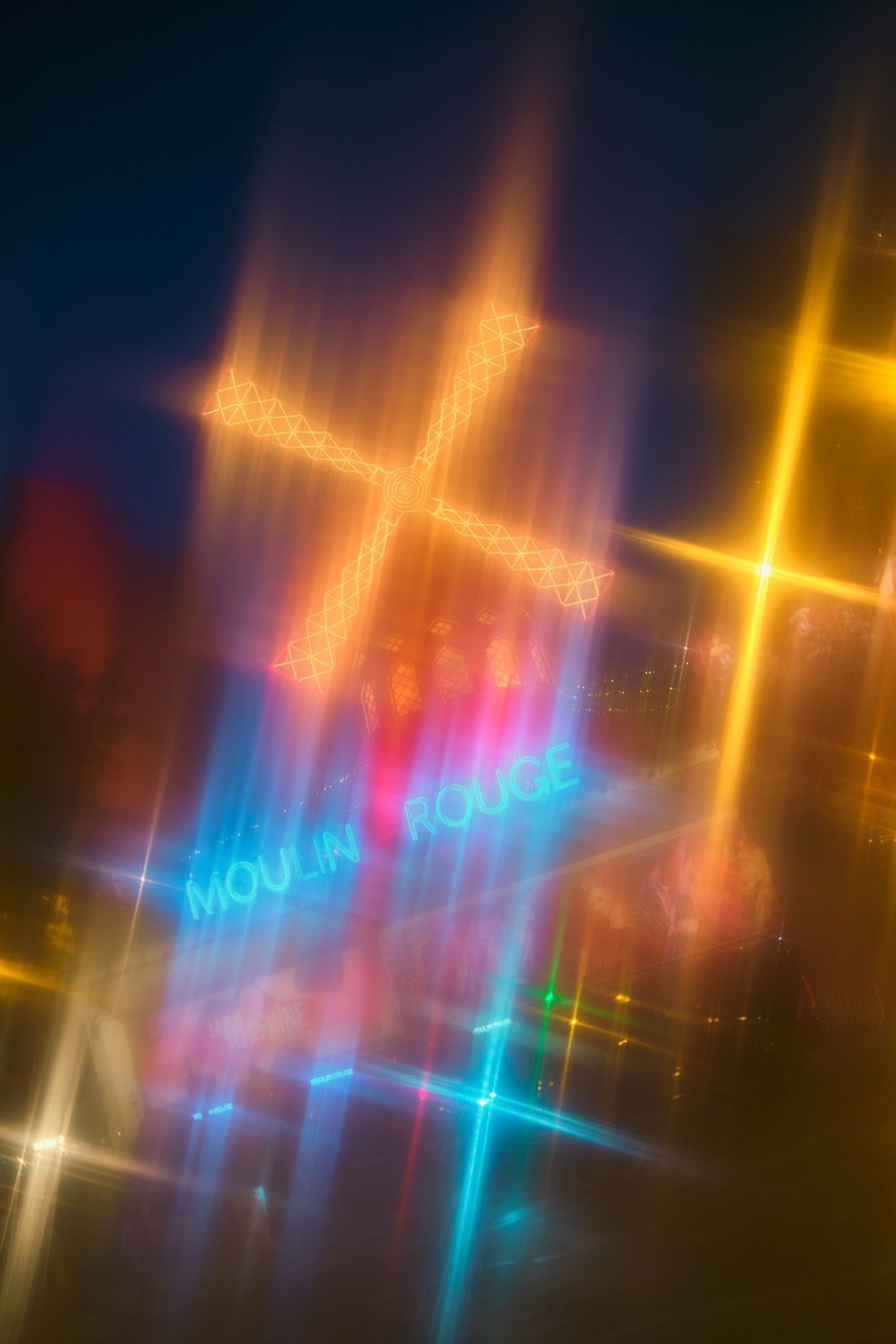
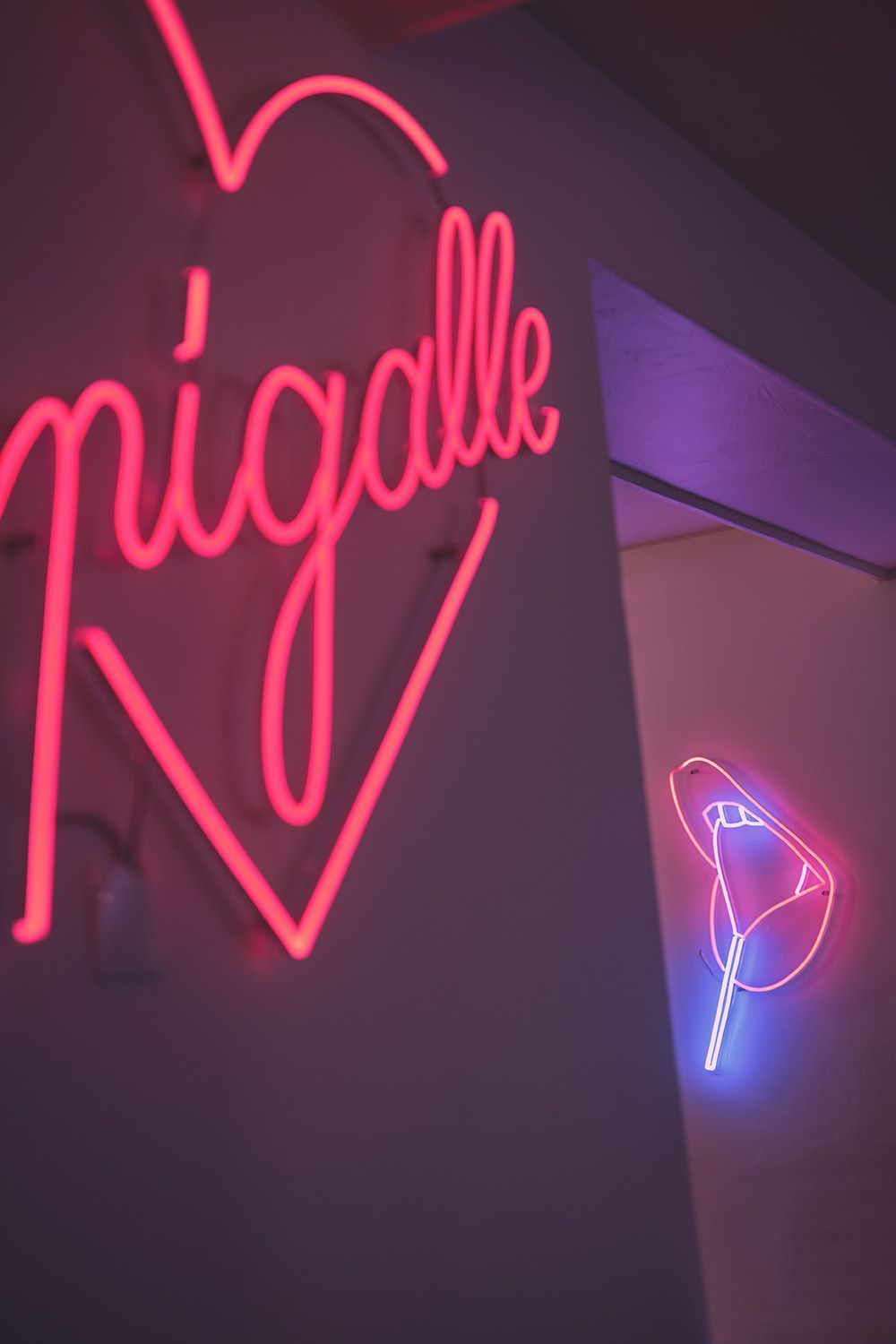
Some places don’t need monuments to be unforgettable. Le Pigalle is one of them. Located in Paris’s 9th arrondissement, between Montmartre and the bustling Place de Clichy, this neighbourhood has long been a hub for nightlife, art and counterculture. Pigalle is the flickering neon in the Parisian night, the soundtrack of a smoky bar, the echo of late-night laughter climbing cobbled streets.
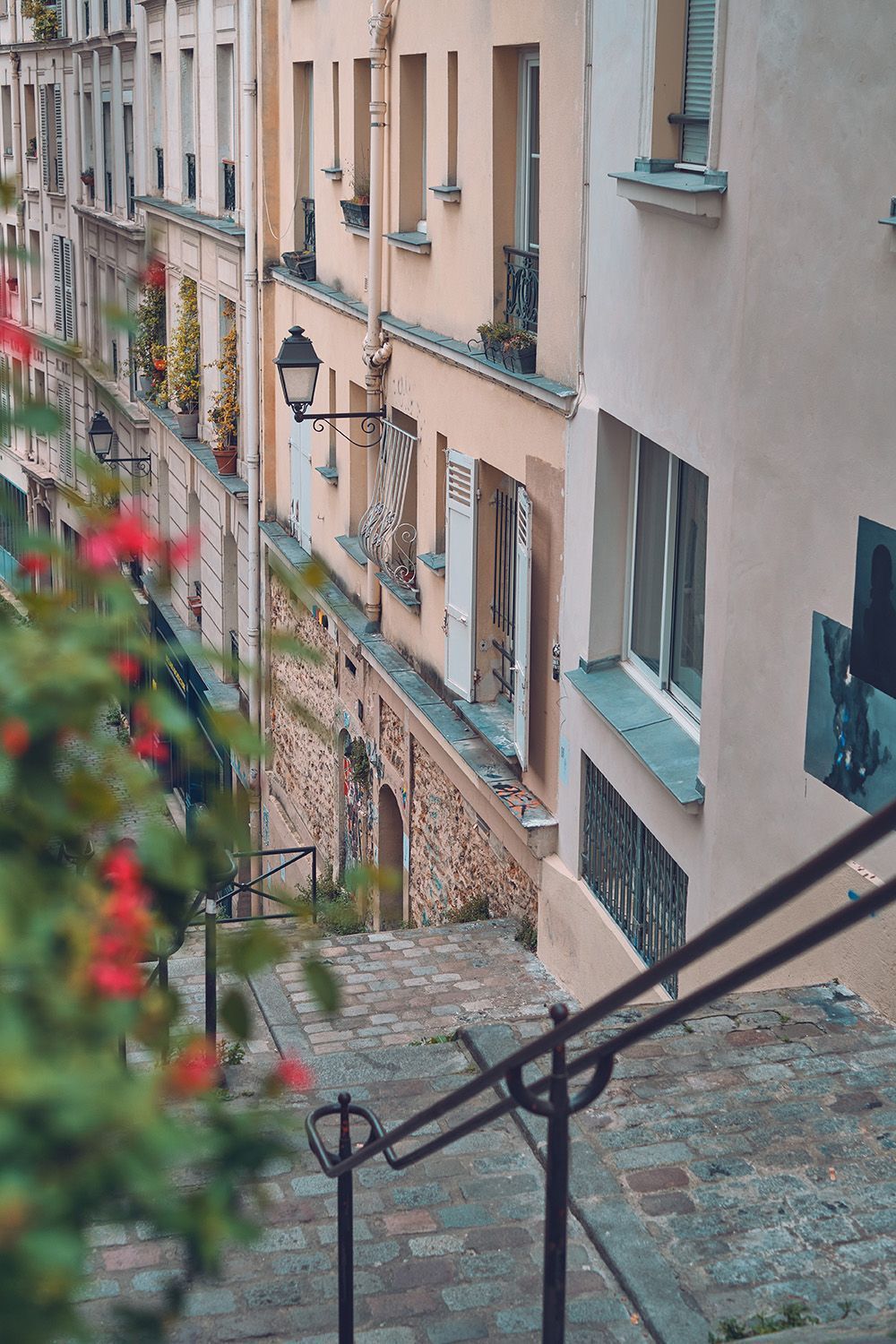
Today, SoPi (South Pigalle) is being reborn as a new cultural and gastronomic hotspot. Specialty coffee shops, artisan bakeries, concept stores, independent bookshops and signature cocktail bars are reshaping the area without erasing its past.
“Today, SoPi is being reborn as a new cultural and gastronomic hotspot.”
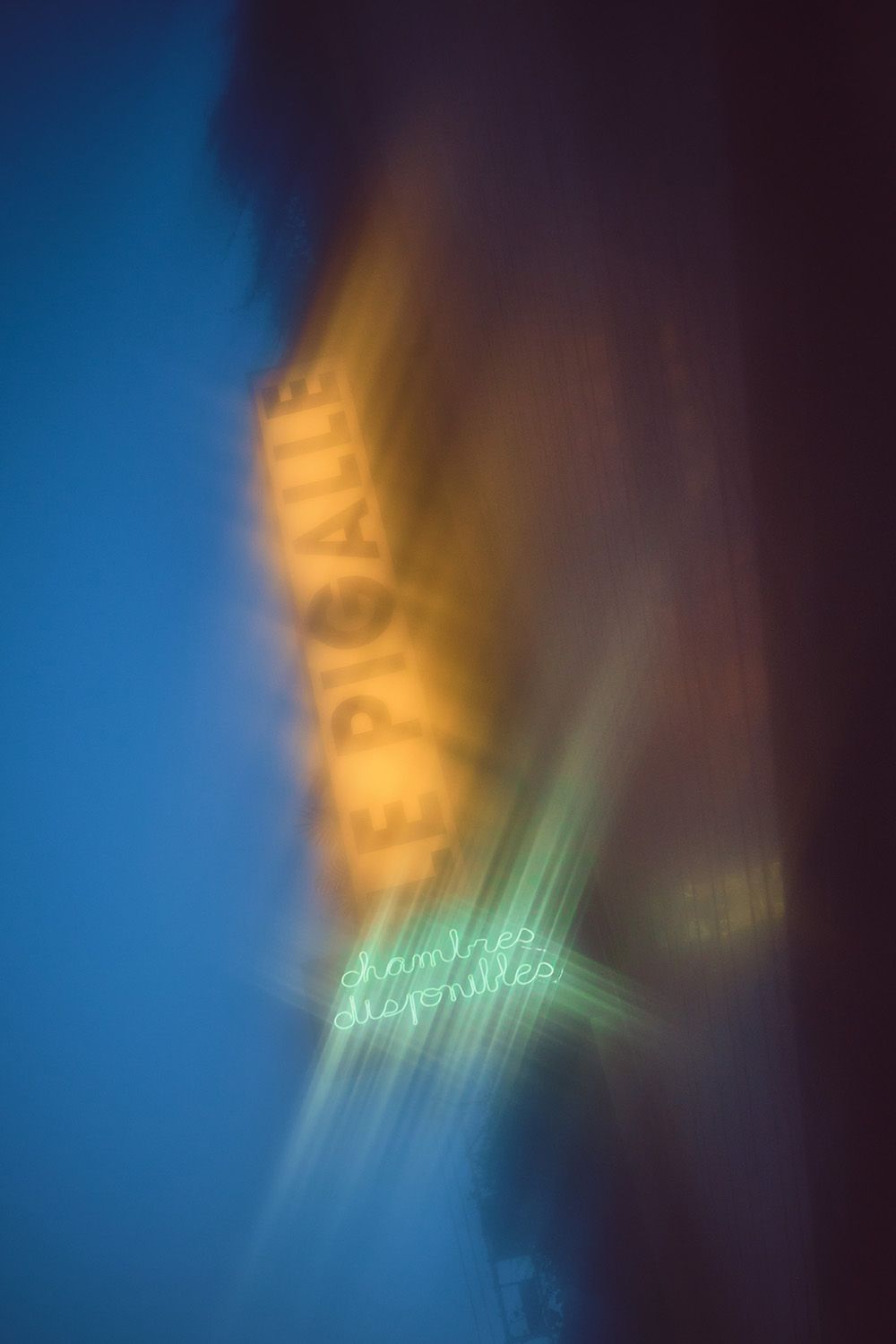
In the middle of it all, Le Pigalle stands as a living manifesto of the neighbourhood — not just a hotel, but a creative hub, local meeting point, and mirror of a truly electric district.
“Le Pigalle stands as a living manifesto of the neighbourhood.”
A hotel with local DNA
Le Pigalle was born with a clear mission: to embody the identity of the neighbourhood. To do so, it involved those who know it best — its own residents. From the baker who makes the croissants to the DJ who curates the vinyl collection, the florist, the bookseller, the photographer and the antique dealer — all have shaped this symphony of creativity that flows through every corner of the hotel.
“Some come from the other side of the world. Others from just around the corner. But no one comes to Le Pigalle just to sleep”, reads one of their manifestos. And it’s no exaggeration. This hotel, open to the street, connects travellers with locals, the global with the intimate, calm with chaos.
A space that listens
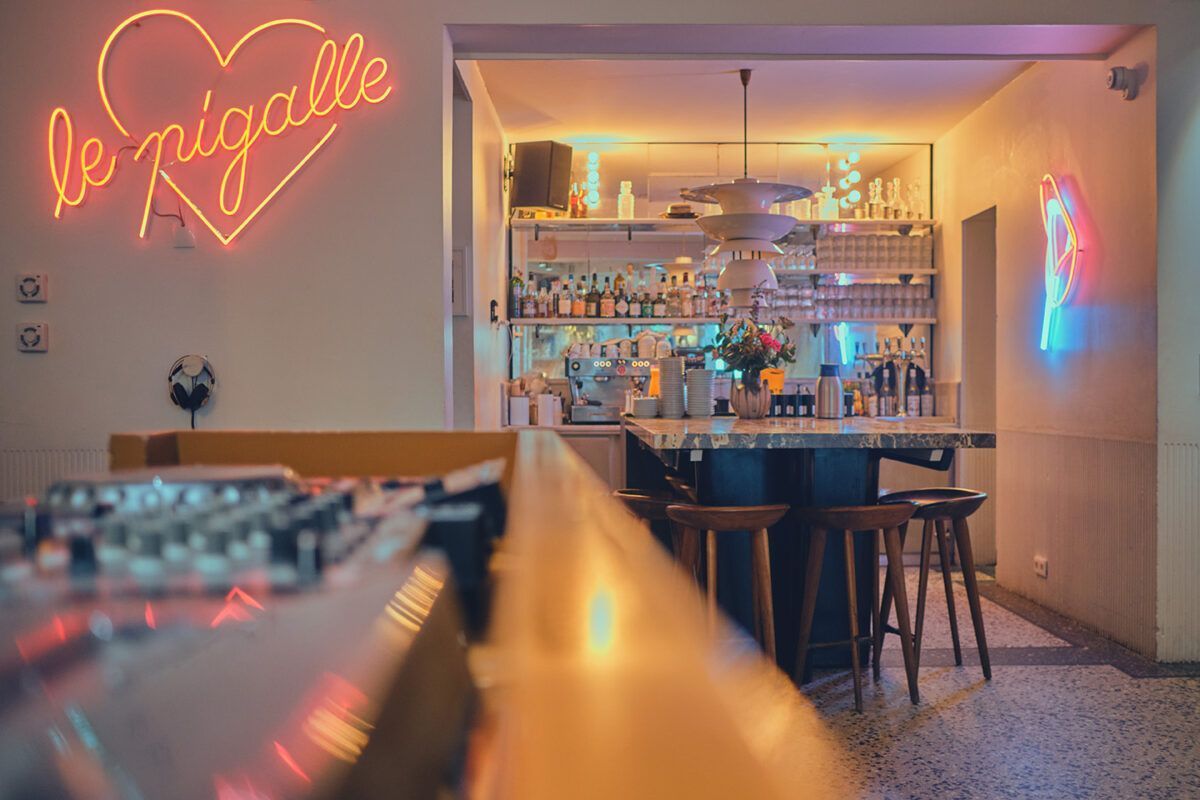
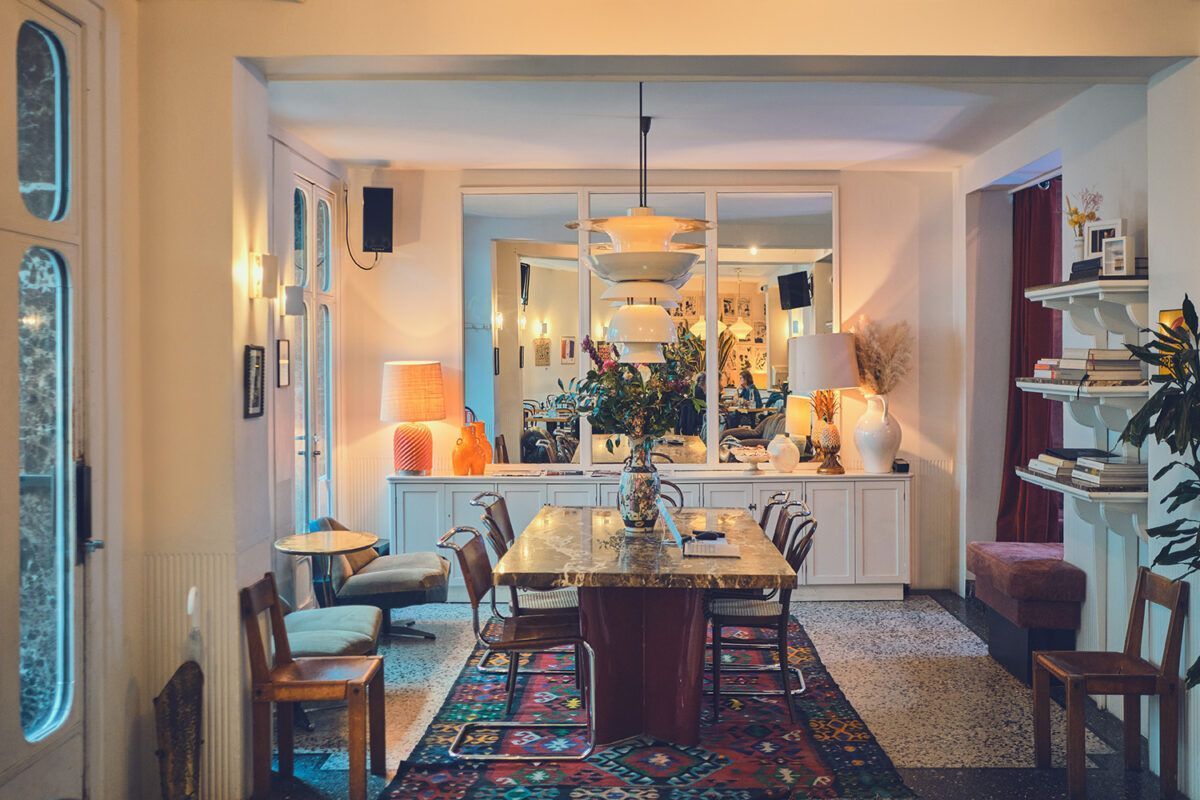
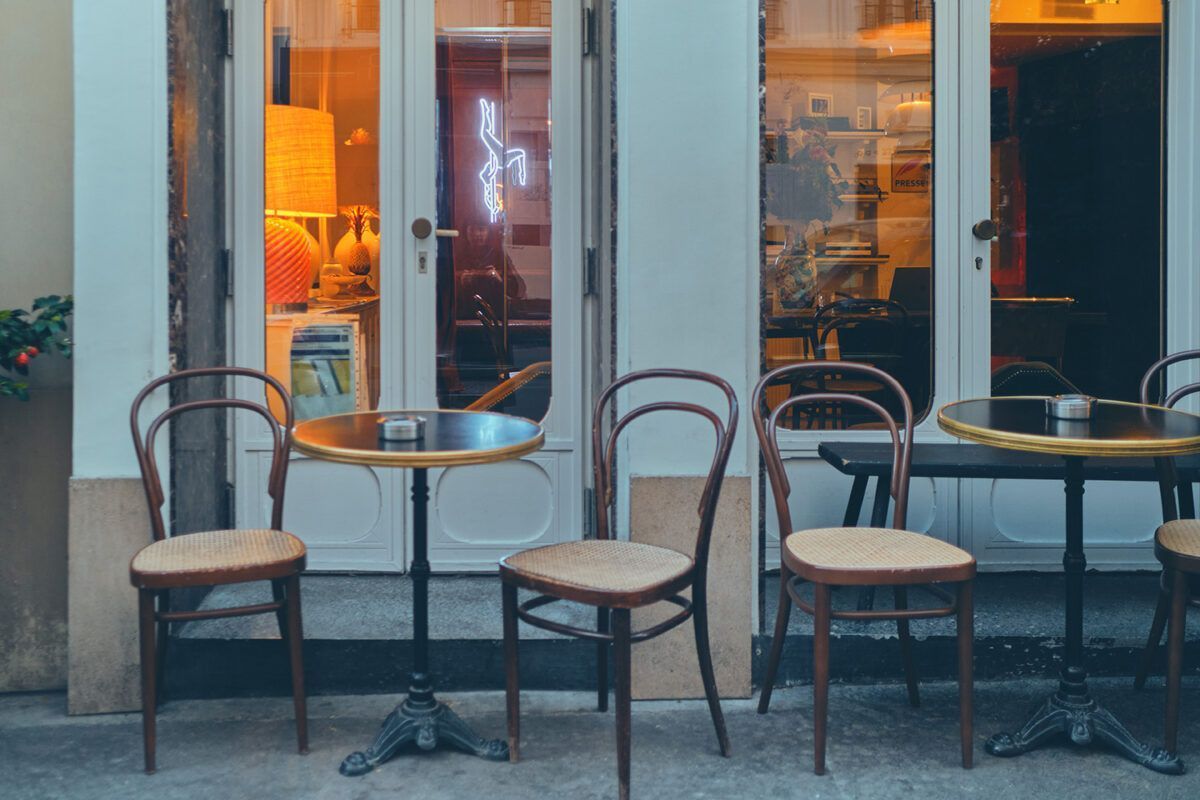
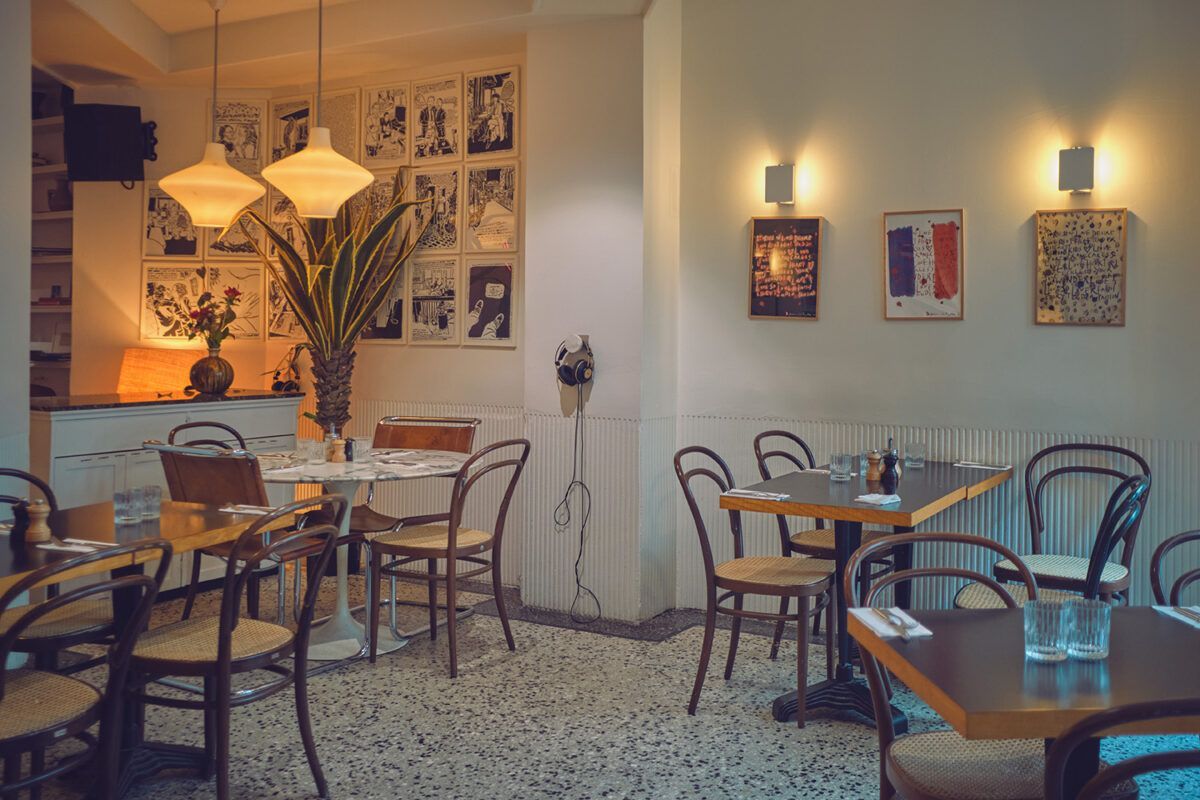
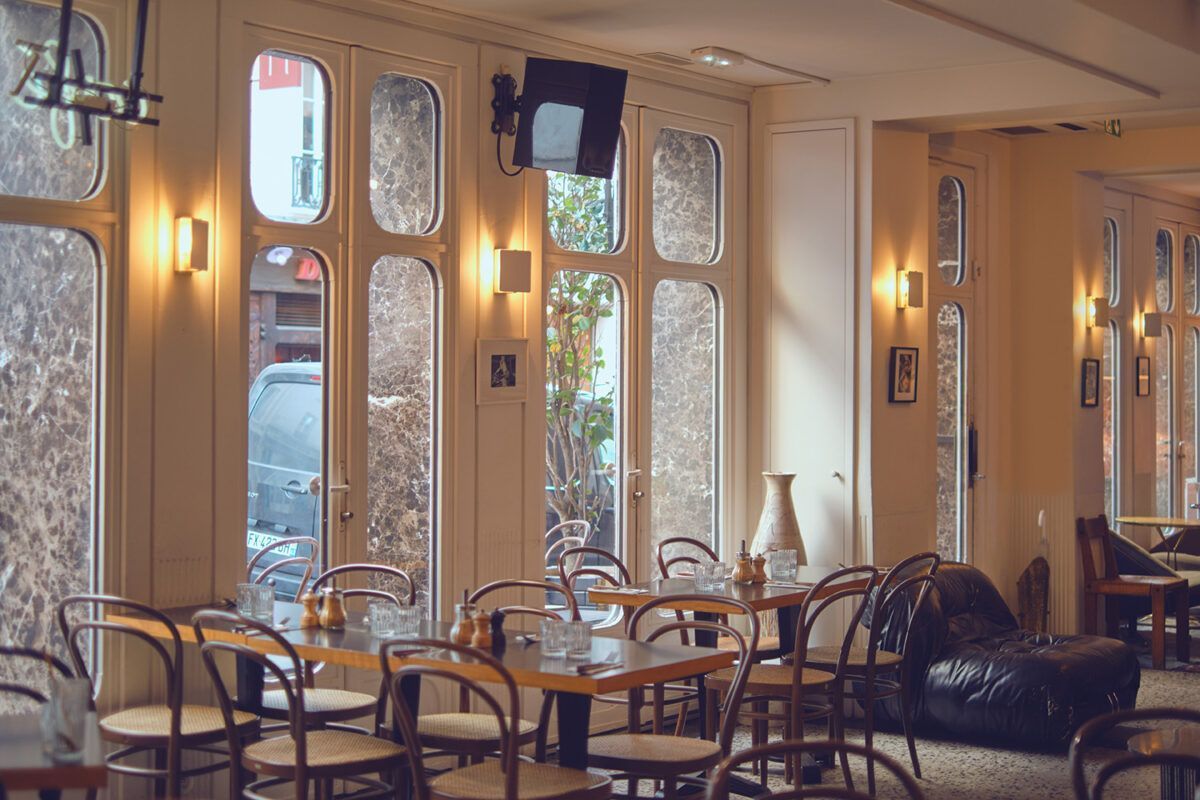
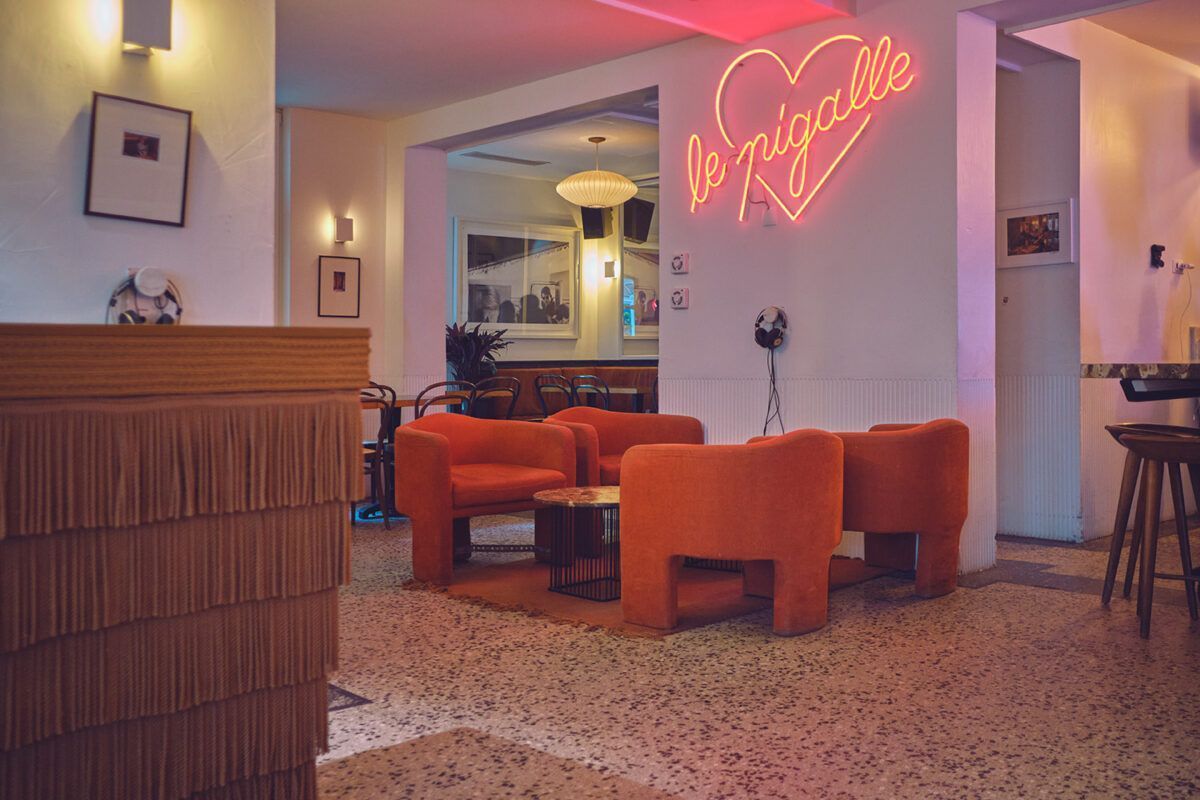
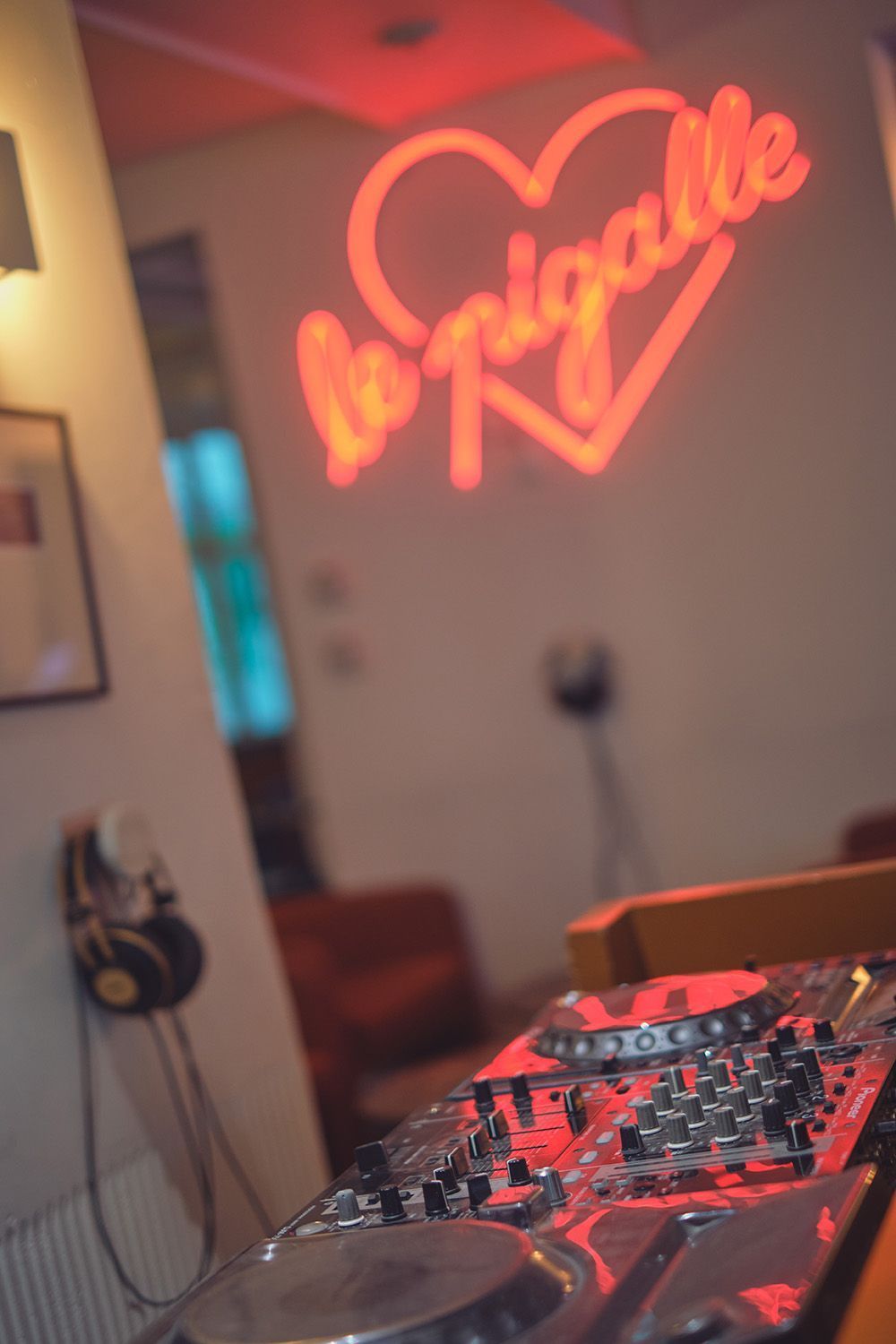
At the heart of Le Pigalle is the ground floor — an eclectic, warm, lively space that houses a café, bar, restaurant, vinyl library and a small newsstand-bookshop. It’s all run by people as vibrant and singular as the neighbourhood itself. There are no poses, but plenty of attitude. Here, people dance on tables, spin curated DJ sets, flick through independent magazines with ‘70s jazz in the background, and share drinks with strangers. It’s a raw, free, magnetic distillation of everything that makes Le Pigalle truly one-of-a-kind.
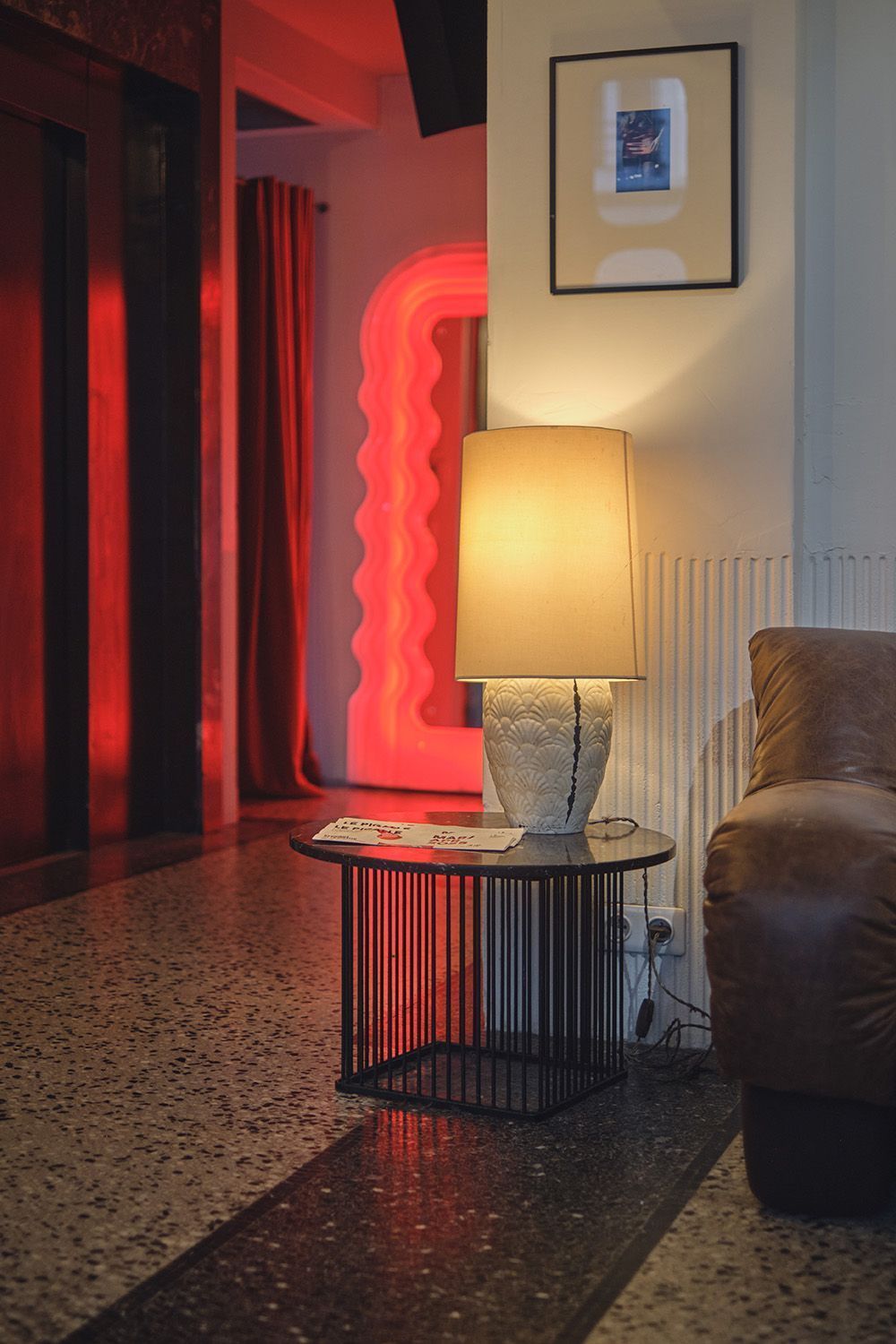
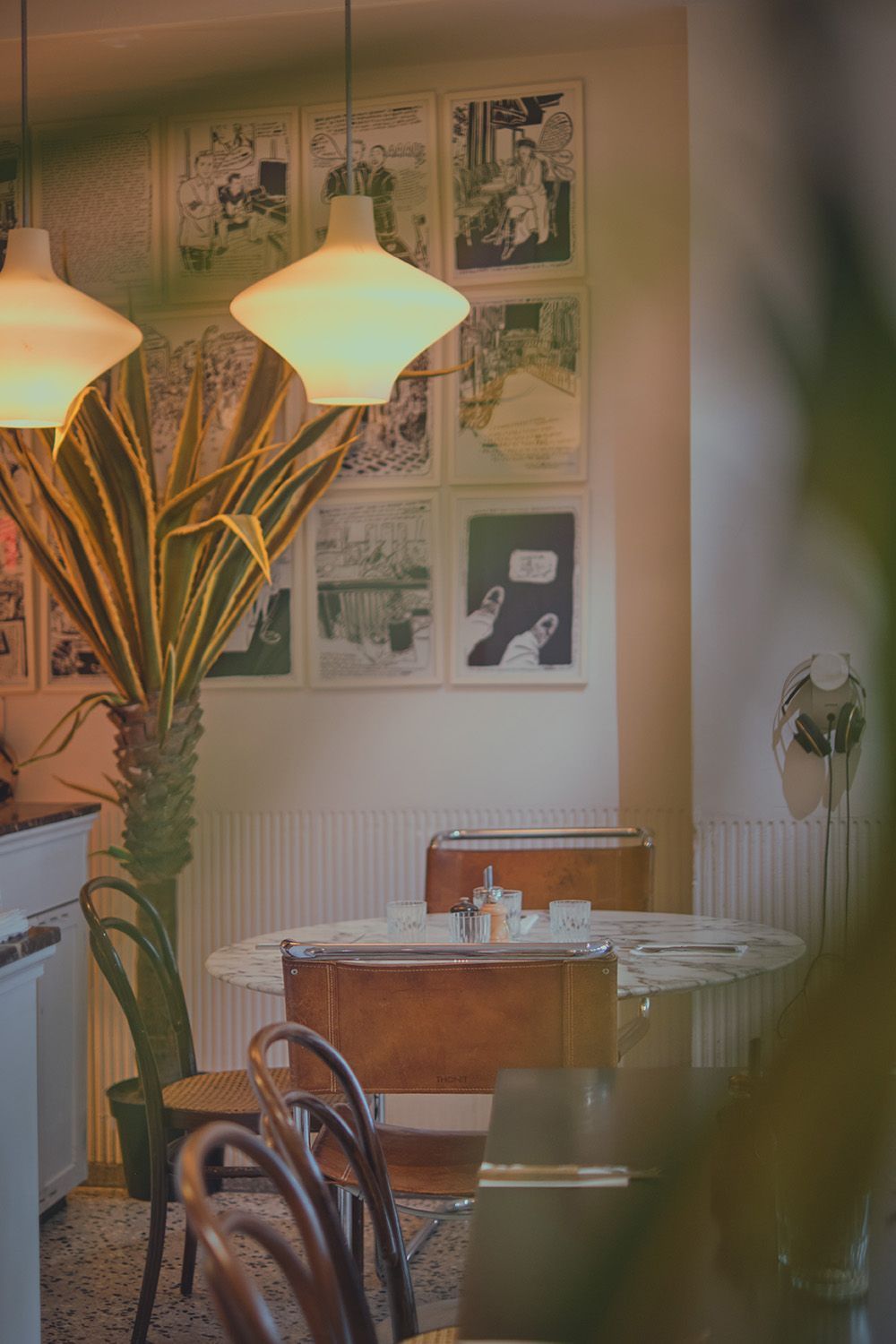
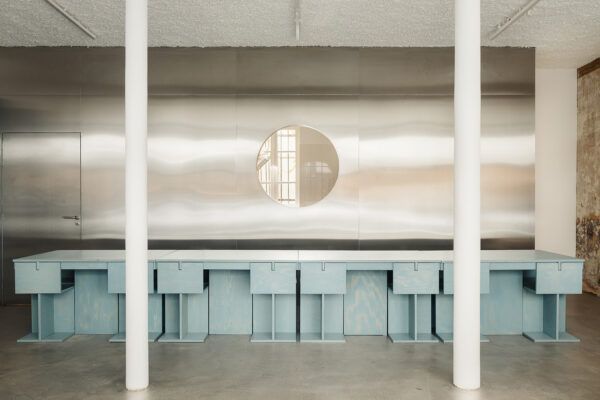
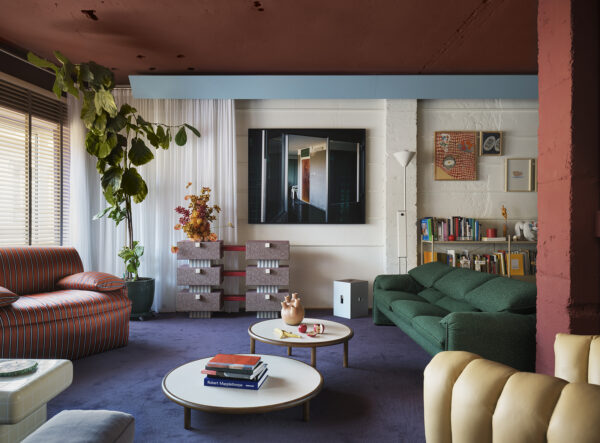
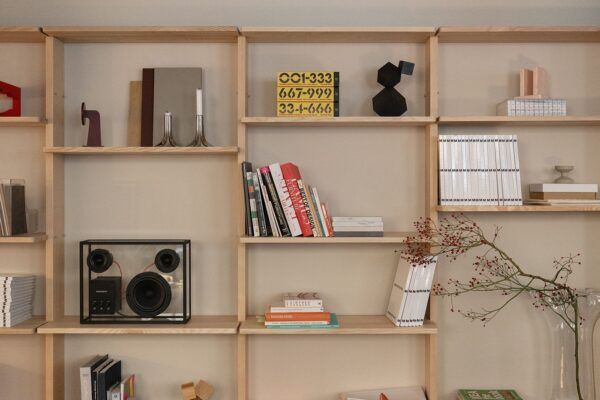
The design, by Charlotte de Tonnac and Hugo Sauzay (Festen Architecture), pays homage to the building’s history — respecting the neoclassical style of the Nouvelle Athènes neighbourhood and combining it with vintage furniture, natural light and noble materials. The result is a space that feels authentic and sensual, where past and present speak fluently.
“This relaxed, welcoming atmosphere immediately frees you from traditional hotel expectations.”
As soon as you enter the hotel, you walk straight into the lounge, where check-in happens. There’s no formal reception desk, no uniforms, no stiff counters — everything flows naturally, almost like stepping into a friend’s house with impeccable style. A house with no rules, but plenty of character. This relaxed, welcoming atmosphere immediately frees you from traditional hotel expectations.
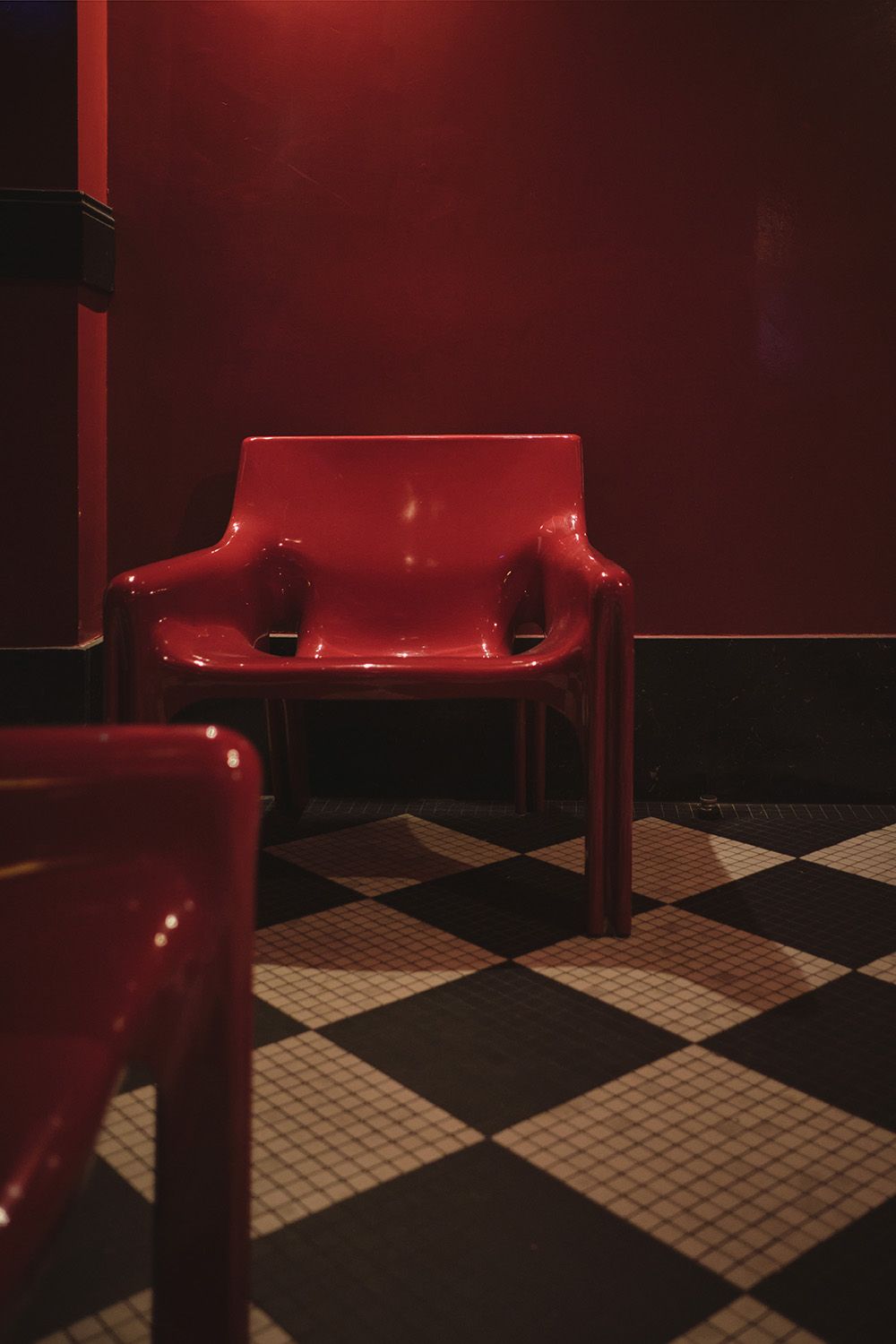
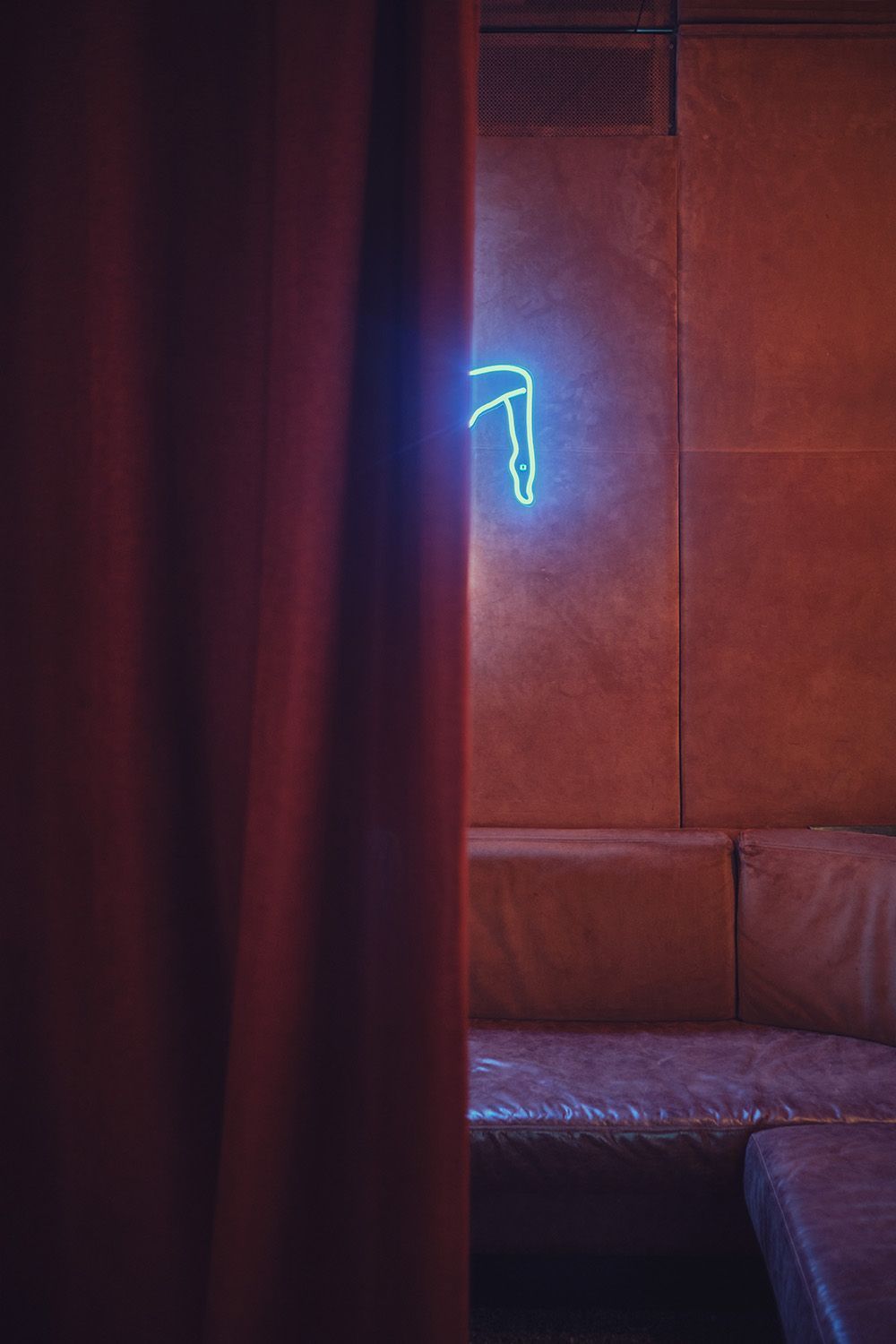
Downstairs, the hotel’s bathrooms deserve a special mention: a sensual, unexpected space with red walls and lighting, a chequerboard floor, and a vintage Pac-Man arcade machine, making even a quick visit to the loo feel playfully surreal.
No two rooms are alike
Le Pigalle has 40 rooms ranging from 12 to 35 square metres. But don’t expect cookie-cutter design or hotel-standard layouts. Each room feels like a Parisian friend’s bedroom — personal, inviting, full of charm.
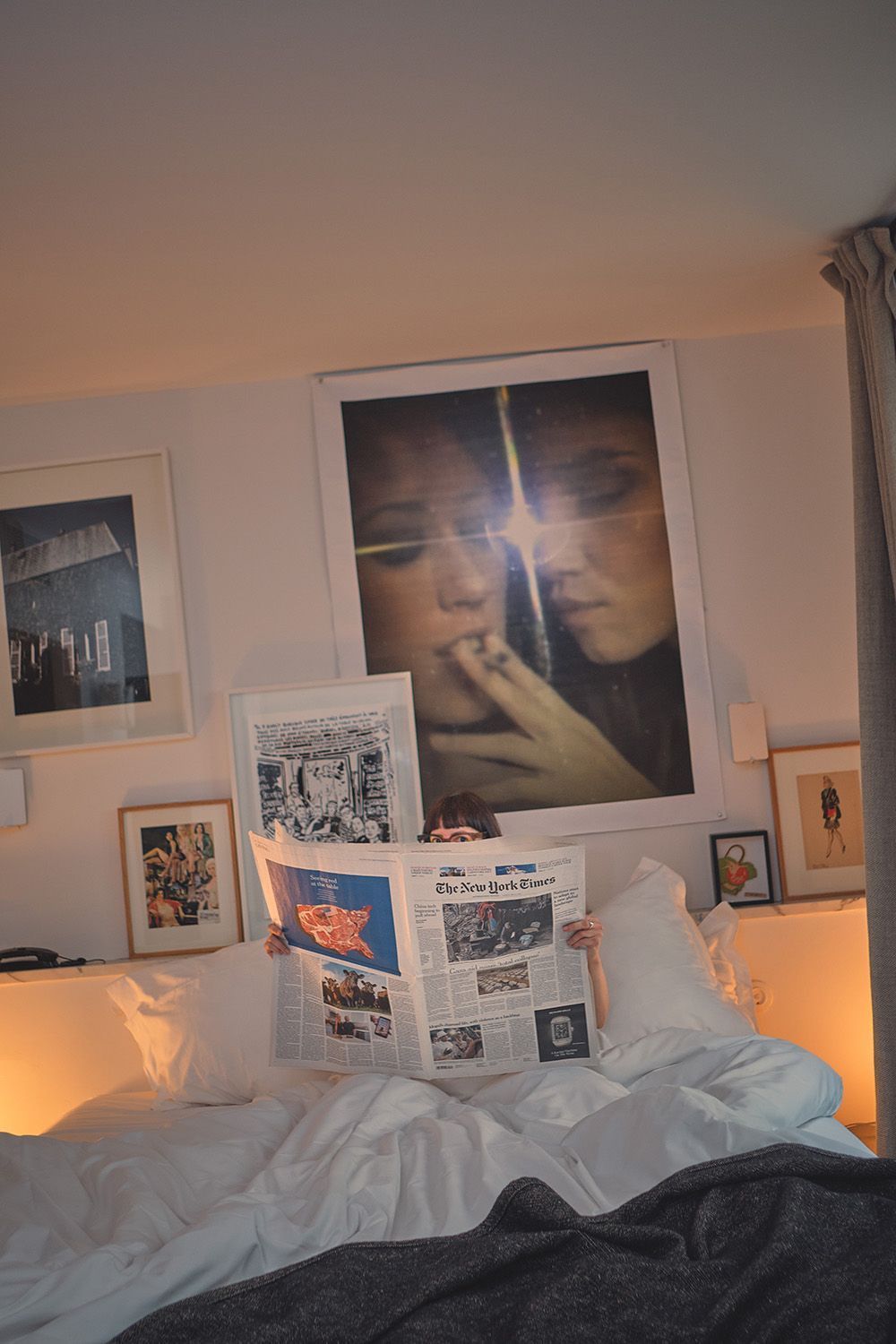
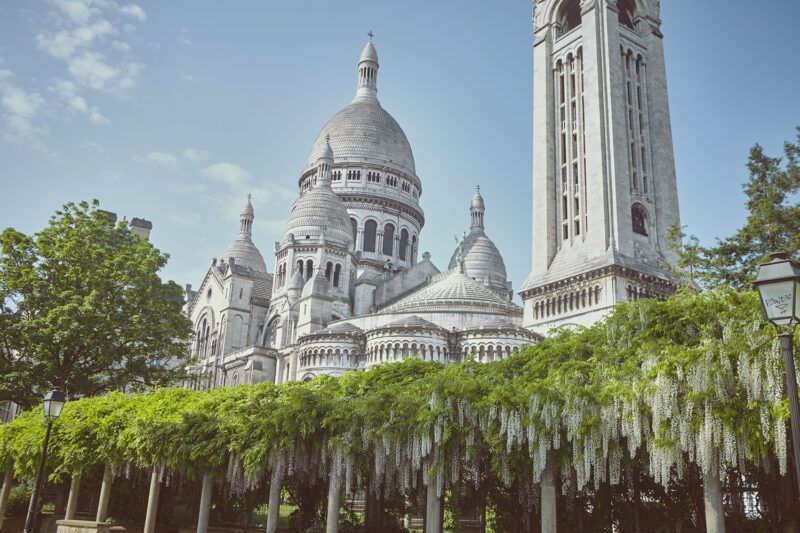
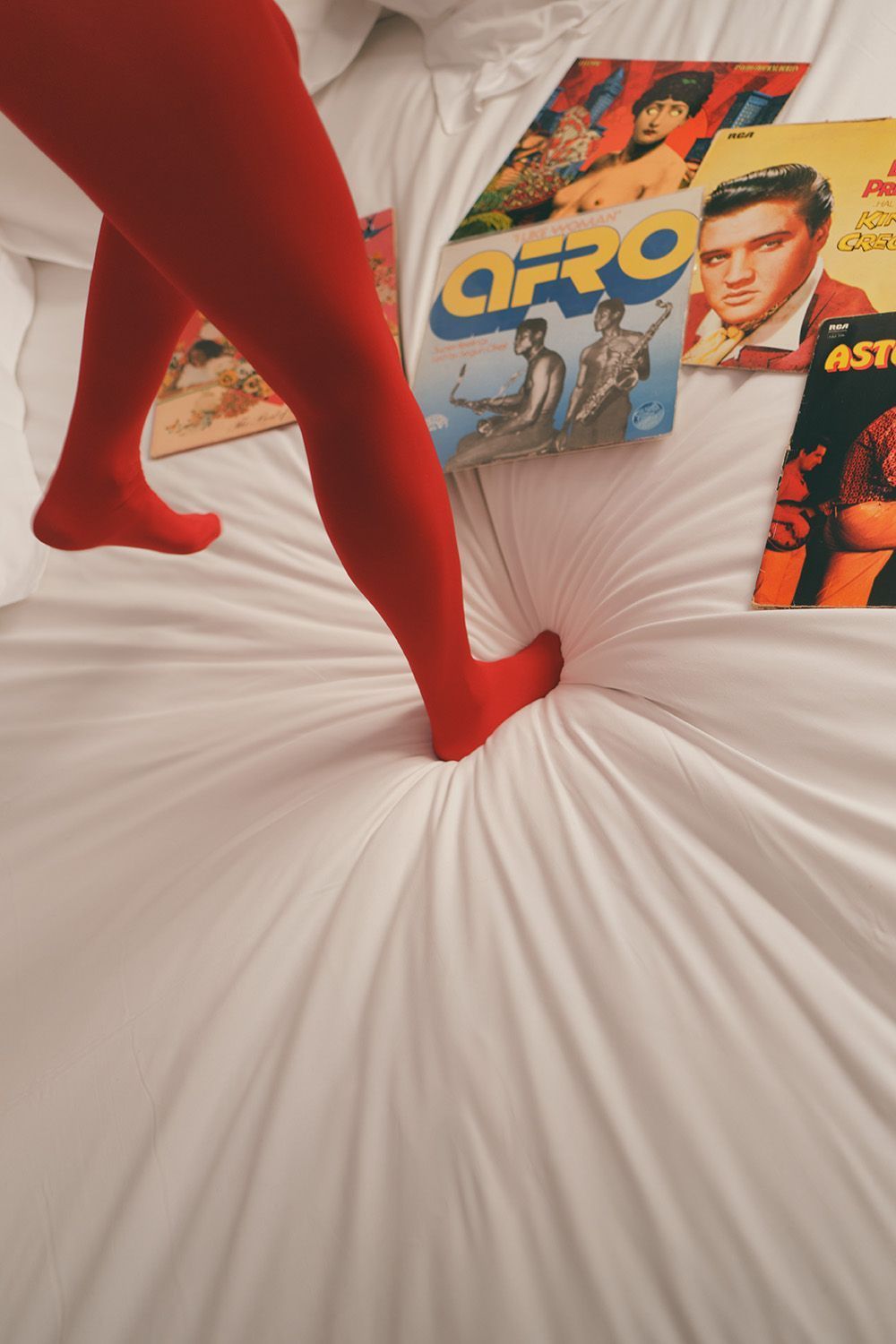
Decorated with second-hand furniture, handpicked books, vinyl selected by a local DJ, and photography by neighbourhood artists, the rooms have real soul. Some feature freestanding bathtubs and others have views of the Sacré-Cœur. All of them, without exception, echo the multicultural, musical, slightly decadent spirit of Pigalle.
The Culinary Concept
From breakfast (served well into the afternoon) to late-night bites, the kitchen at Le Pigalle is an extension of the neighbourhood itself: diverse, unrestrained, and refreshingly label-free. The restaurant menu is short but thoughtful, with seasonal dishes that favour intuitive combinations over showy technique. Expect fresh scallops, roasted vegetables, and French-inspired plates with a distinctly contemporary flair.
The wine list focuses on natural wines, and the cocktails reimagine the classics using French spirits. Occasionally, guest chefs take over the kitchen for one-off dinners that reflect the space’s ephemeral and experimental spirit.
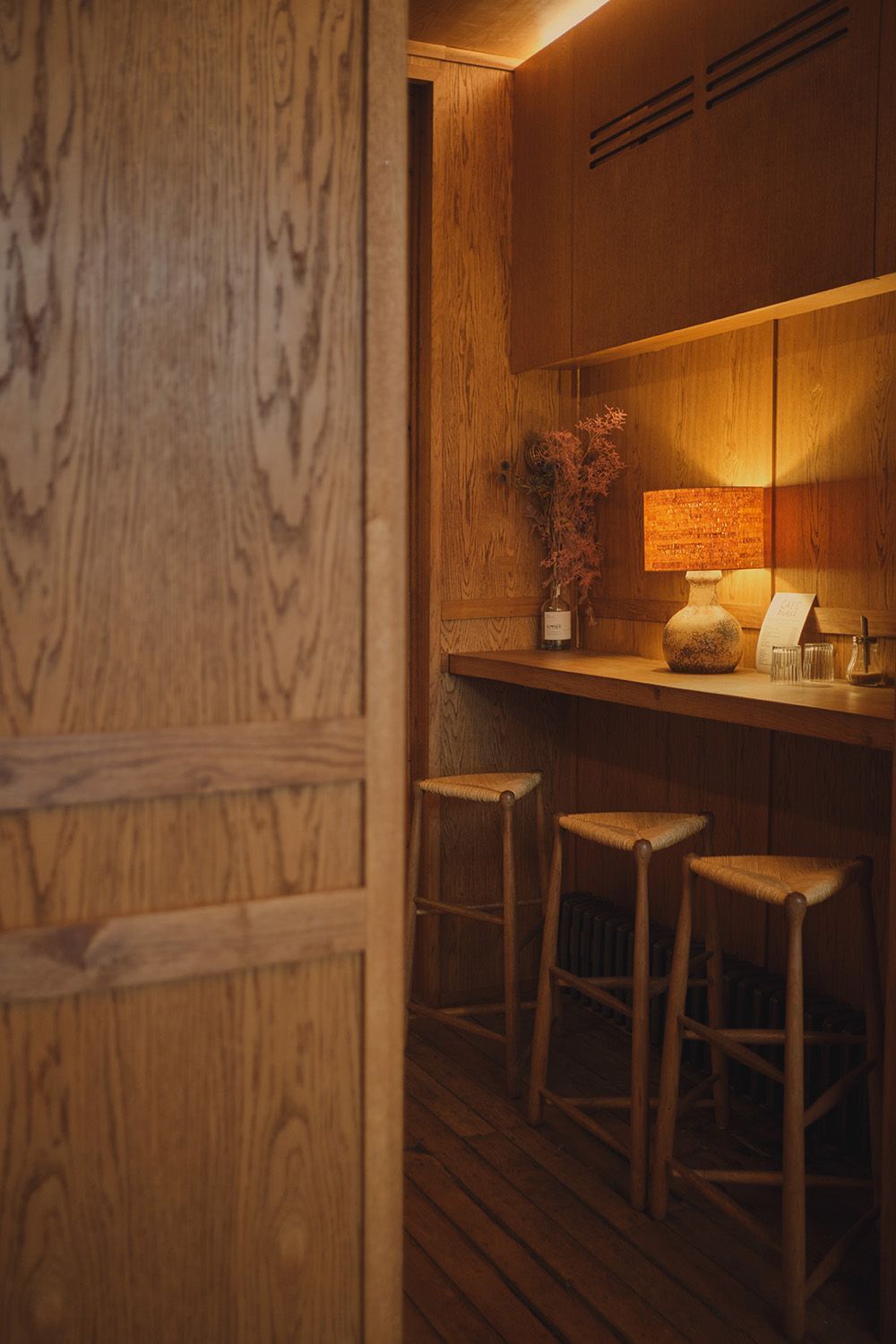
If you’re in the mood for something more casual, Café Pigalle is the perfect spot for an espresso and croissant, a quick lunch or a homemade dessert. Independent yet adjoining the hotel, the café also hides a secret room at the back — ideal for private dinners or discreet gatherings.
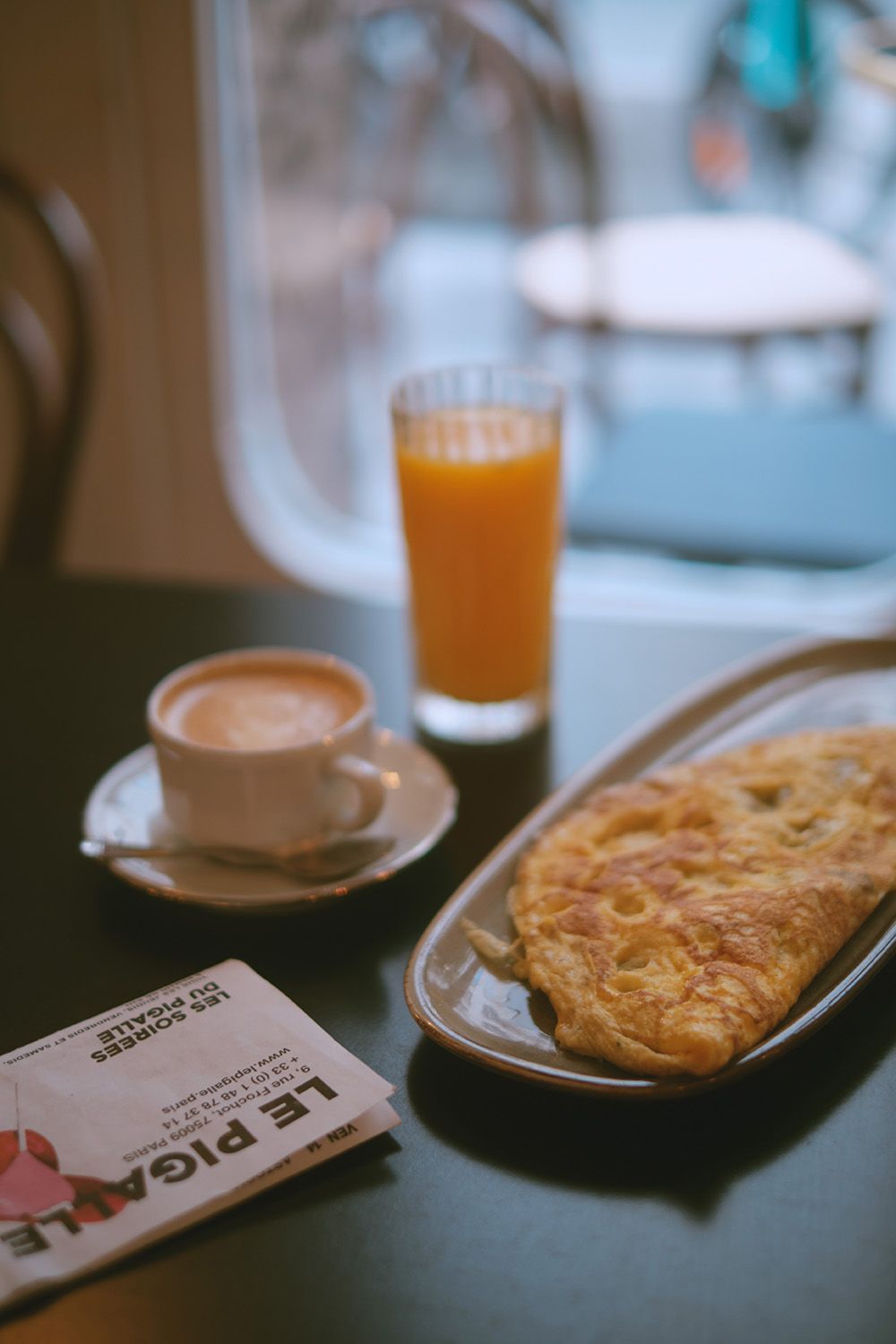
The offering is rounded out by a carefully curated selection of local producers, each adding flavour and authenticity to the project: Goutte d’Or, the 18th arrondissement brewery, created Le Petit Pigalle just for them; Lomi, a local artisan coffee favourite, provides their daily brew; the minibar snacks are mostly sourced from Sébastien Gaudard’s bakery just down the street; fresh bread arrives every morning by bike, delivered by Thierry Breton; and cheese is brought straight from Fromagerie Crèmerie Frescolet – Pigalle.
Everything — absolutely everything — tastes of place, of proximity, of truth.
The Collaborators of Le Pigalle
Le Pigalle is not just a hotel: it’s a creative ecosystem woven from many artistic sensibilities. From interior design — by Festen, for whom this was their first hotel project — to the smallest details like the books in the bedrooms or the music on the turntables, everything has been curated with soul and character.
“From interior design to the most intimate details, everything has been curated with soul and character.”
Alexandre Guillemain brings his eye as a vintage design collector; local tattoo artist Jean-André signs the hotel’s visual identity with logos that embody the spirit of the neighbourhood; and Saint-Lazare shapes the hotel’s graphic and artistic world, present in both guest rooms and shared spaces.
Through the lenses of Antoine Legrand and Benoît Linero, the hotel has developed its own unique visual narrative, while Artus de Lavilléon leaves his unmistakable mark in a series of illustrations that wind through the ground floor.
Completing this constellation of talent are Les Arpenteurs, the local bookshop that curates the hotel’s literary selection, and Victor Kiswell, the music selector behind the original playlists and exquisite vinyl collection that set the tone throughout your stay.
This singular hotel, celebrating its 10th anniversary this year, is ultimately a collective creation — a project where every contributor has left an authentic and sensitive trace.
“Local tattoo artist Jean-André signs the visual identity with logos that capture the neighbourhood’s spirit.”
Pigalle, today
Pigalle is the rebellious sibling of the glamorous 9th arrondissement. Caught somewhere between postcard and reality, between the rouge of cabarets and the blue haze of smoky bars, the neighbourhood holds an energy that defies labels.
Its revival hasn’t erased its soul — it’s remixed it.
What used to be hostess bars are now cocktail lounges. Former brothels have become galleries or concept shops. But that irreverent attitude, the mix of classes, cultures, languages and eras remains intact. And Le Pigalle, with its commitment to the community and aesthetic sensitivity, has become the meeting place the neighbourhood needed — but never had.
An experience you can feel
Staying at Le Pigalle isn’t just being in Paris. It’s being inside its most human and creative pulse. It’s letting yourself drift with the music, striking up a conversation at the bar, stumbling across a spontaneous exhibition in the café, reading a book found by chance in the library, or simply watching the street unfold from the window.
Because more than offering services, Le Pigalle offers experiences. It’s not a place for tourists, but for curious travellers — for those who understand that the best way to get to know a city is to live it from the inside.
“It’s not a place for tourists, but for curious travellers.”
A walk around the neighbourhood
During our stay at Le Pigalle, we took the chance to dive fully into the charm of SoPi (South Pigalle) — one of the most vibrant, creative and eclectic neighbourhoods in Paris. If you’re staying in the area, don’t miss breakfast at Simple, a beautiful specialty coffee shop with an equally lovely morning menu.
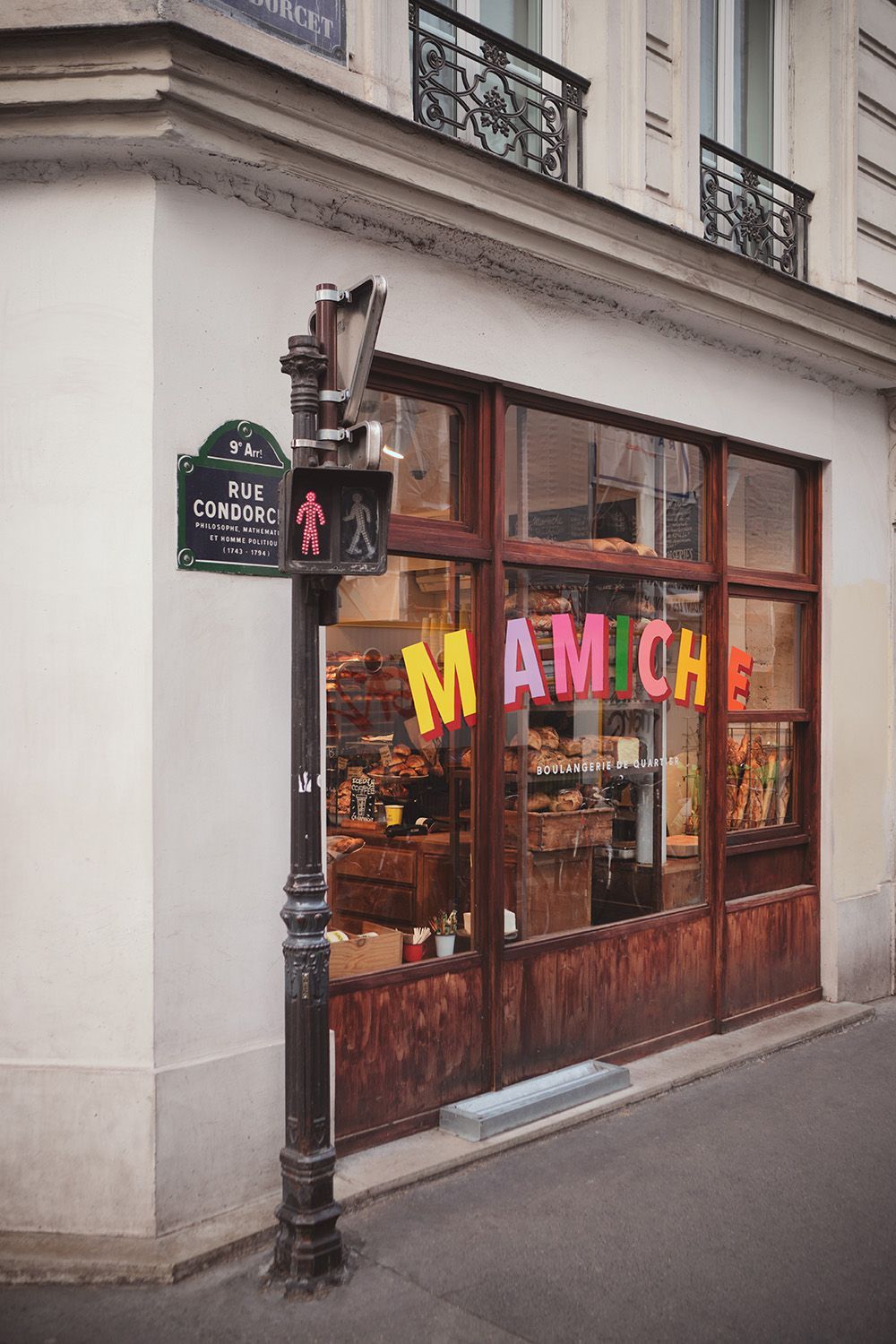
For bread lovers (and anyone with a sweet tooth), Mamiche is a must — the cinnamon bun is unforgettable, and the baguette is a true delight.
Just behind the hotel, you’ll find Dumbo, a simple but delicious take-away smash burger spot that won us over at first bite.
Another tasty stop is La Meringaie Martyrs, with cakes as beautiful as they are delicious.
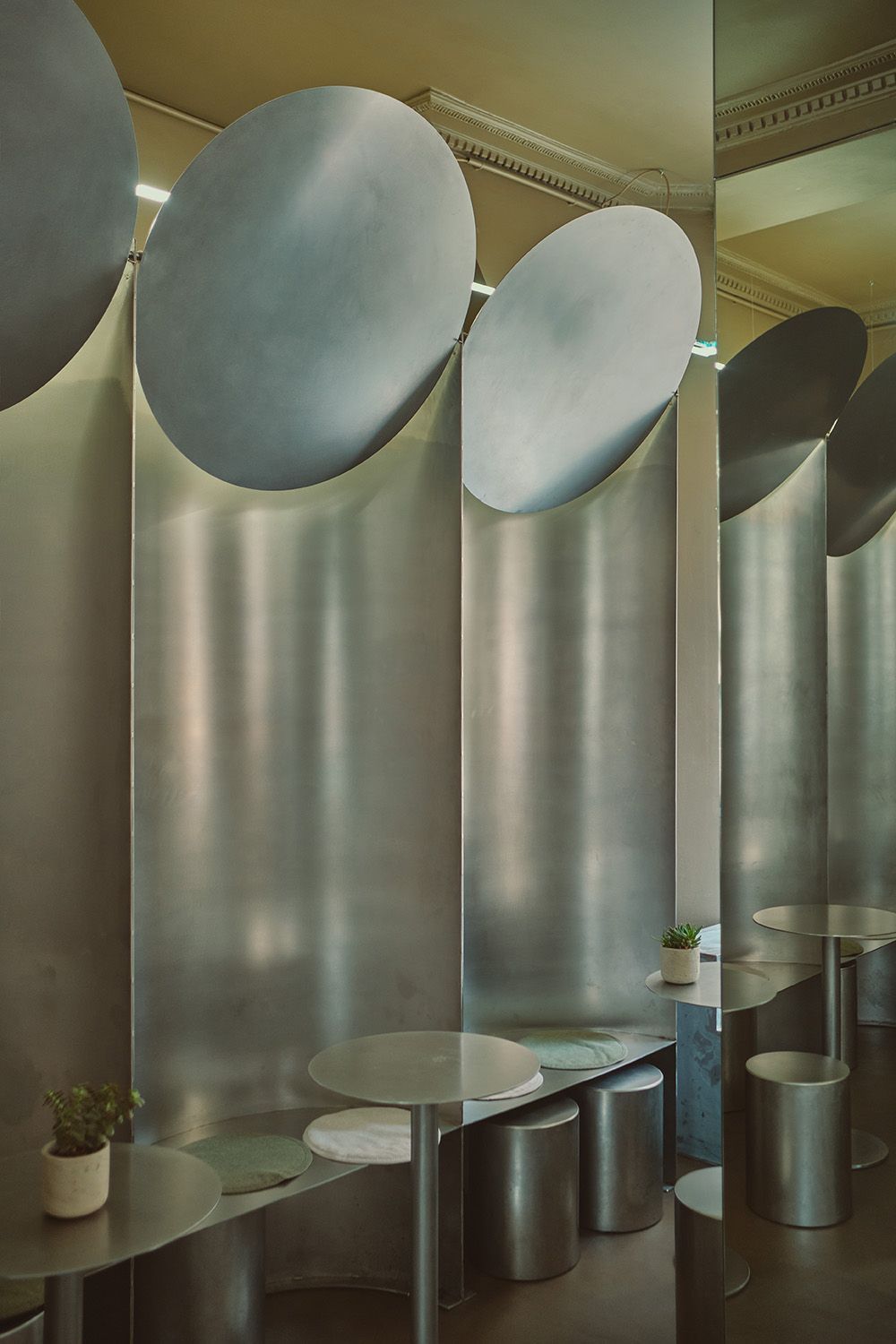
For something more global, DokiDoki serves amazing handrolls beneath the soft glow of Santa & Cole’s Tekiò lamps.
If you’re after something more serene, Komorebi Café offers excellent matcha lattes paired with Japanese sweets like black sesame sponge cake.
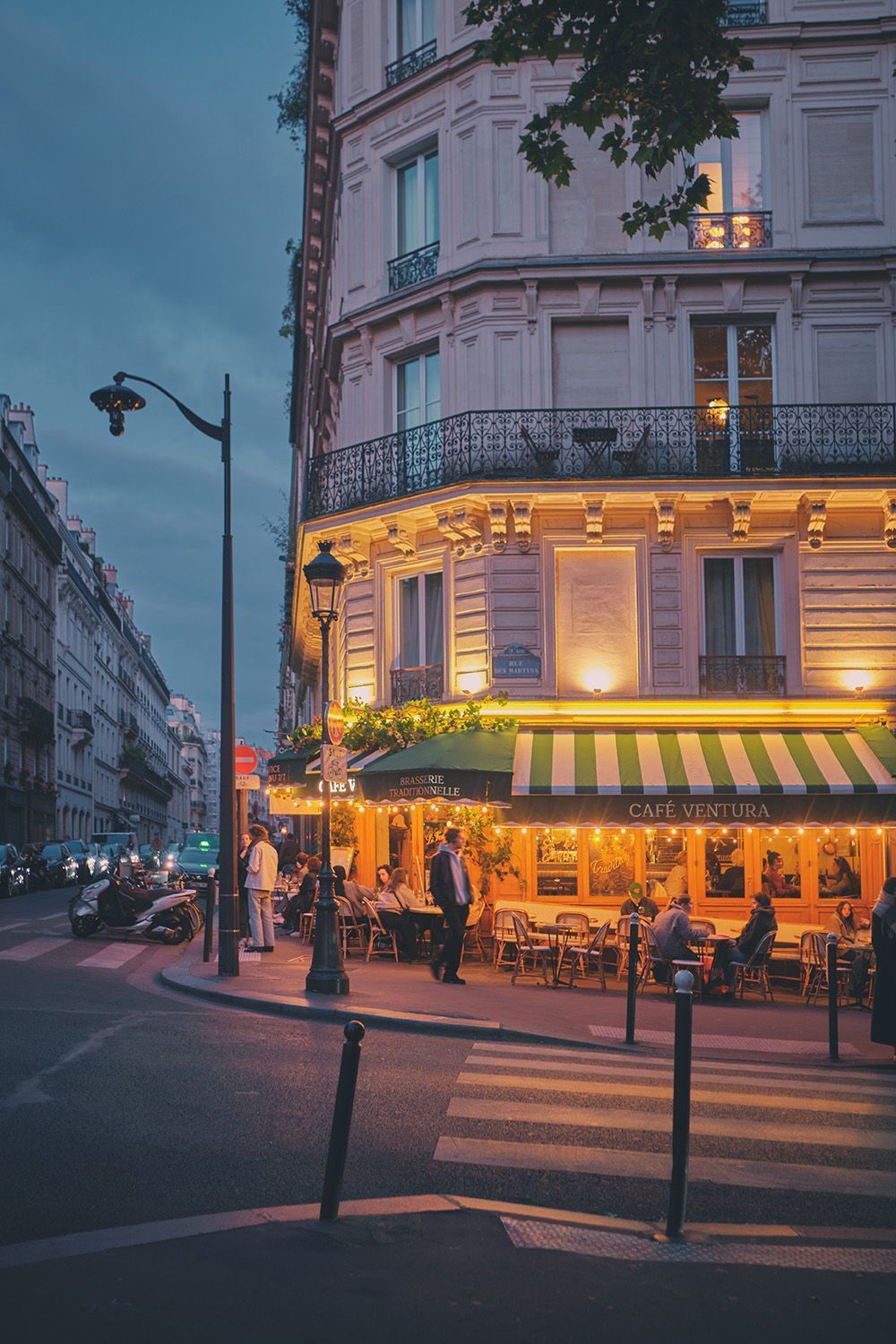
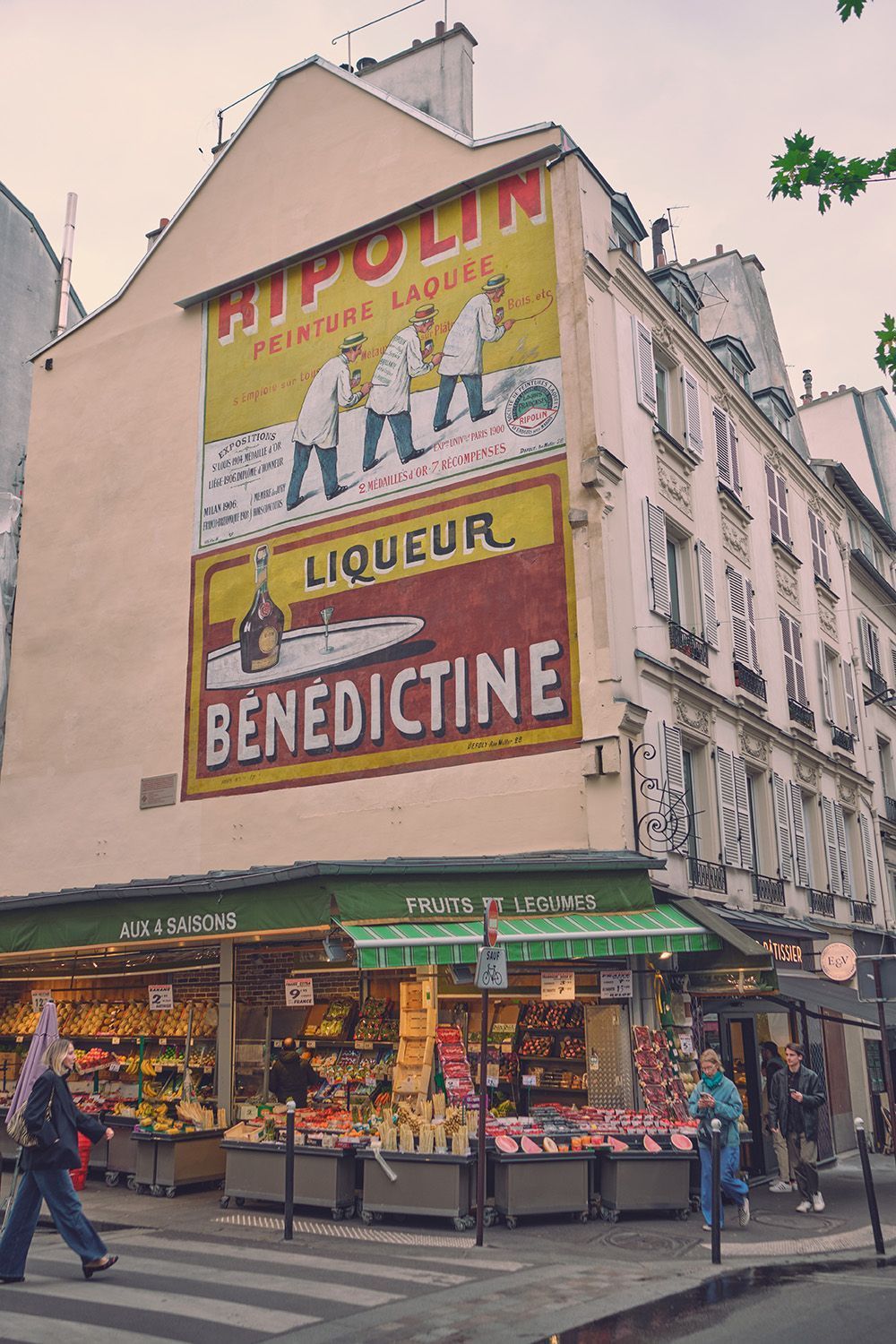
Strolling along Rue des Martyrs is almost mandatory — full of charming cafés, characterful shops and a vibrant street life.
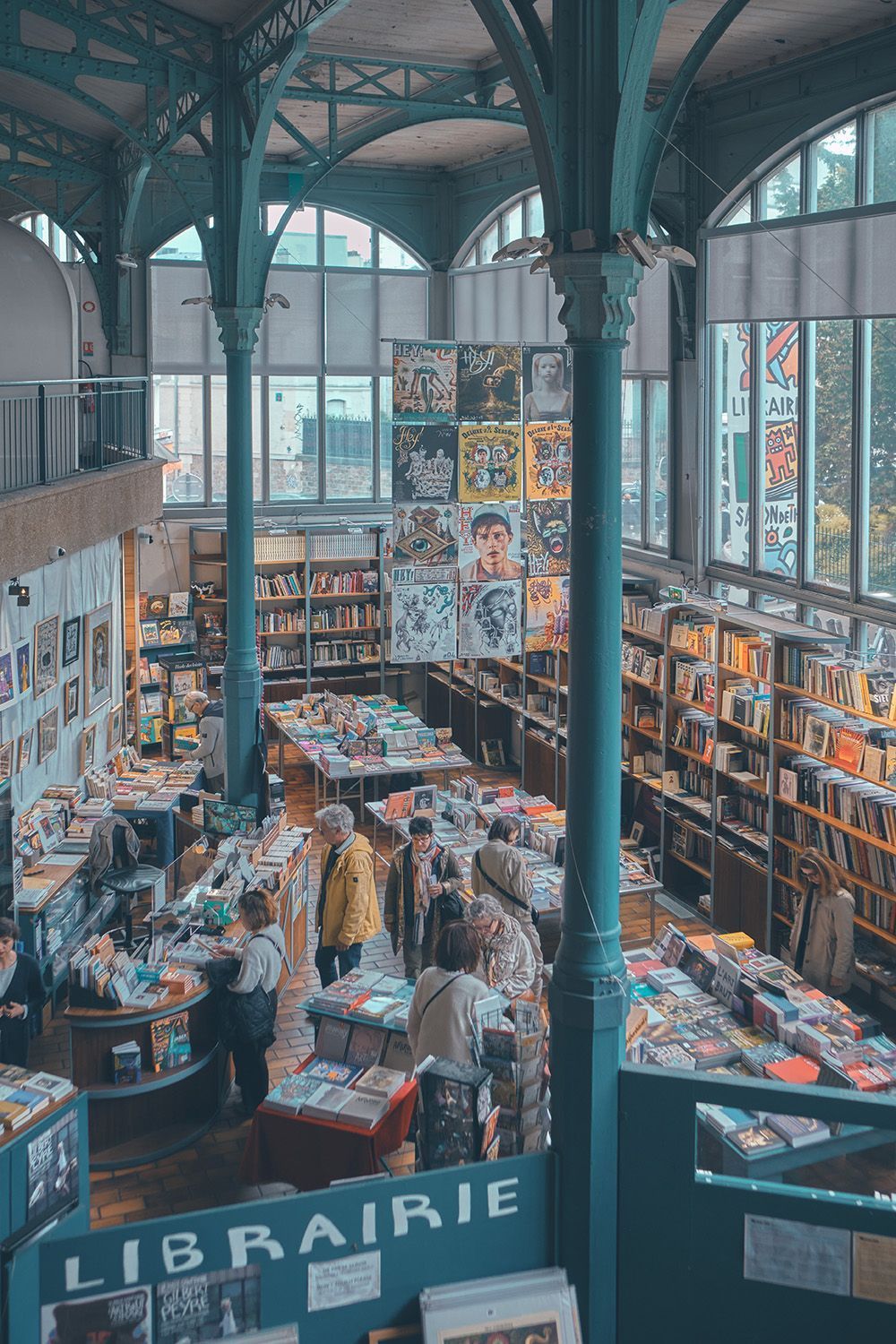
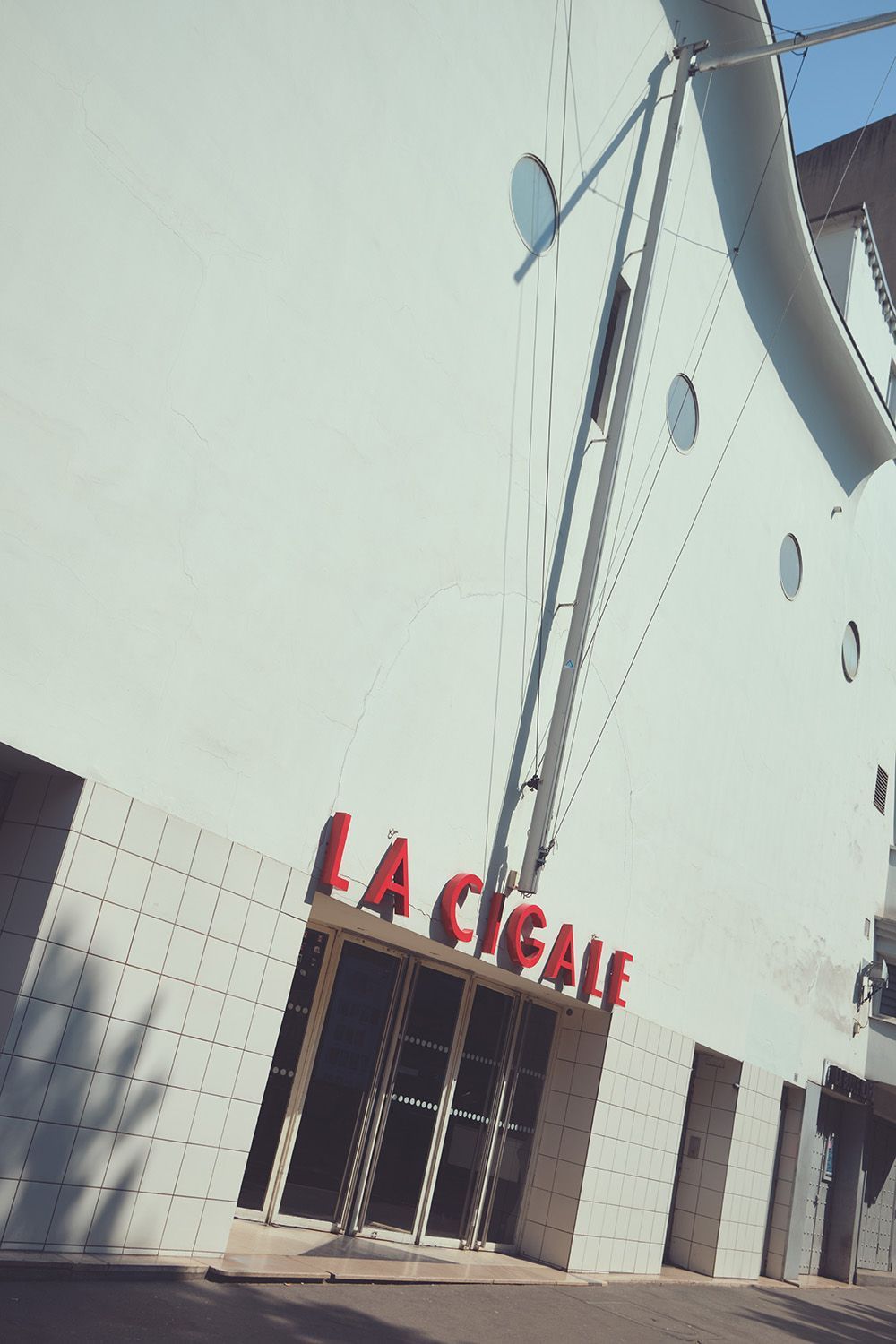
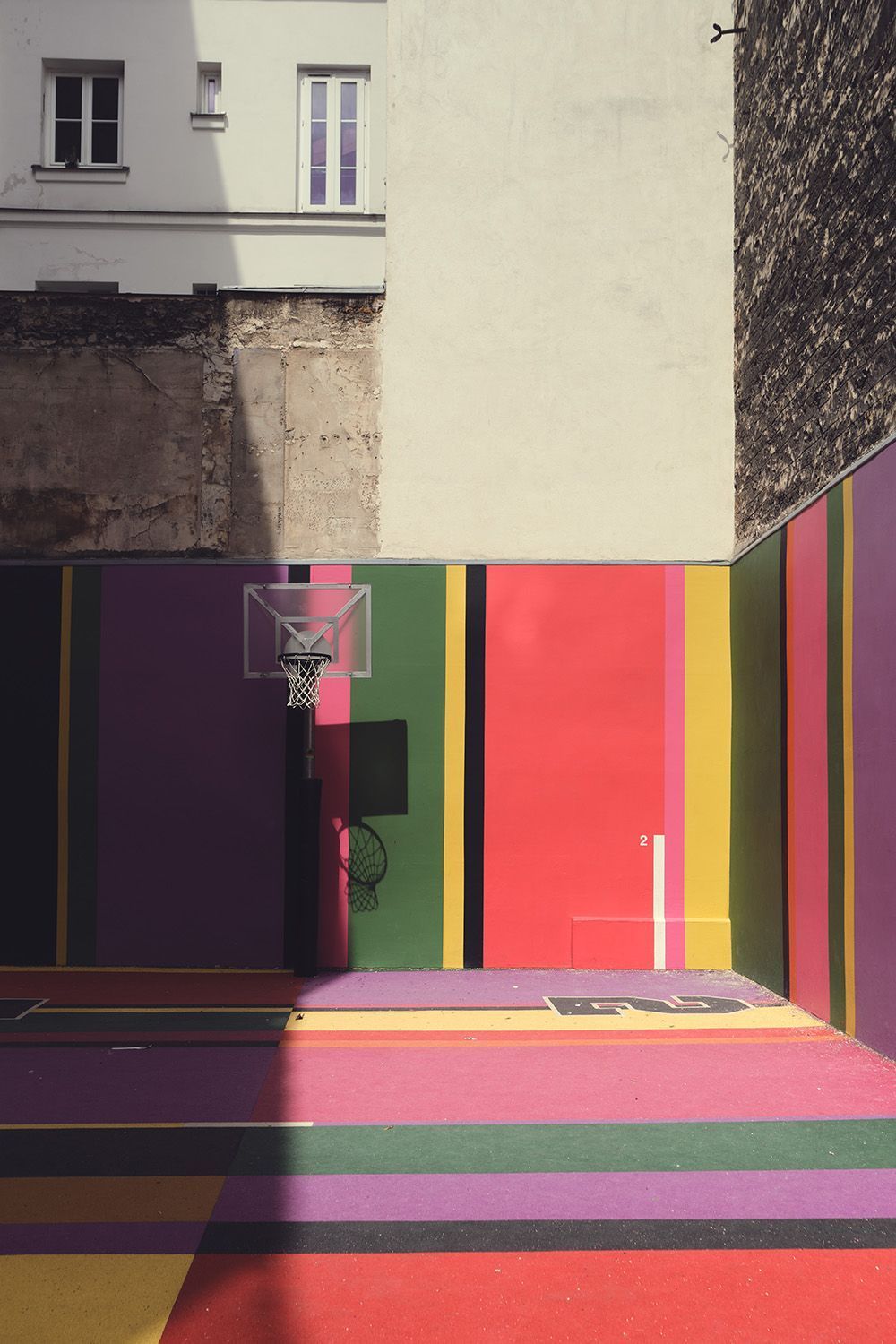
Nearby Rue Condorcet is home to local favourites like A.P.C. and Maison Kitsuné. Keep walking and you’ll discover gems like the colourful Pigalle basketball court (redesigned annually), the legendary La Cigale concert hall, or the fascinating Halle Saint-Pierre, a bookshop-gallery hybrid that we fell in love with.
A few steps away is the iconic Le Louxor cinema, a stunning architectural landmark still going strong.
And since Paris always invites you to cross neighbourhoods, we also ventured back into Le Marais — one of our favourite districts — and returned to Le Palais de Tokyo, an essential stop for contemporary art lovers.
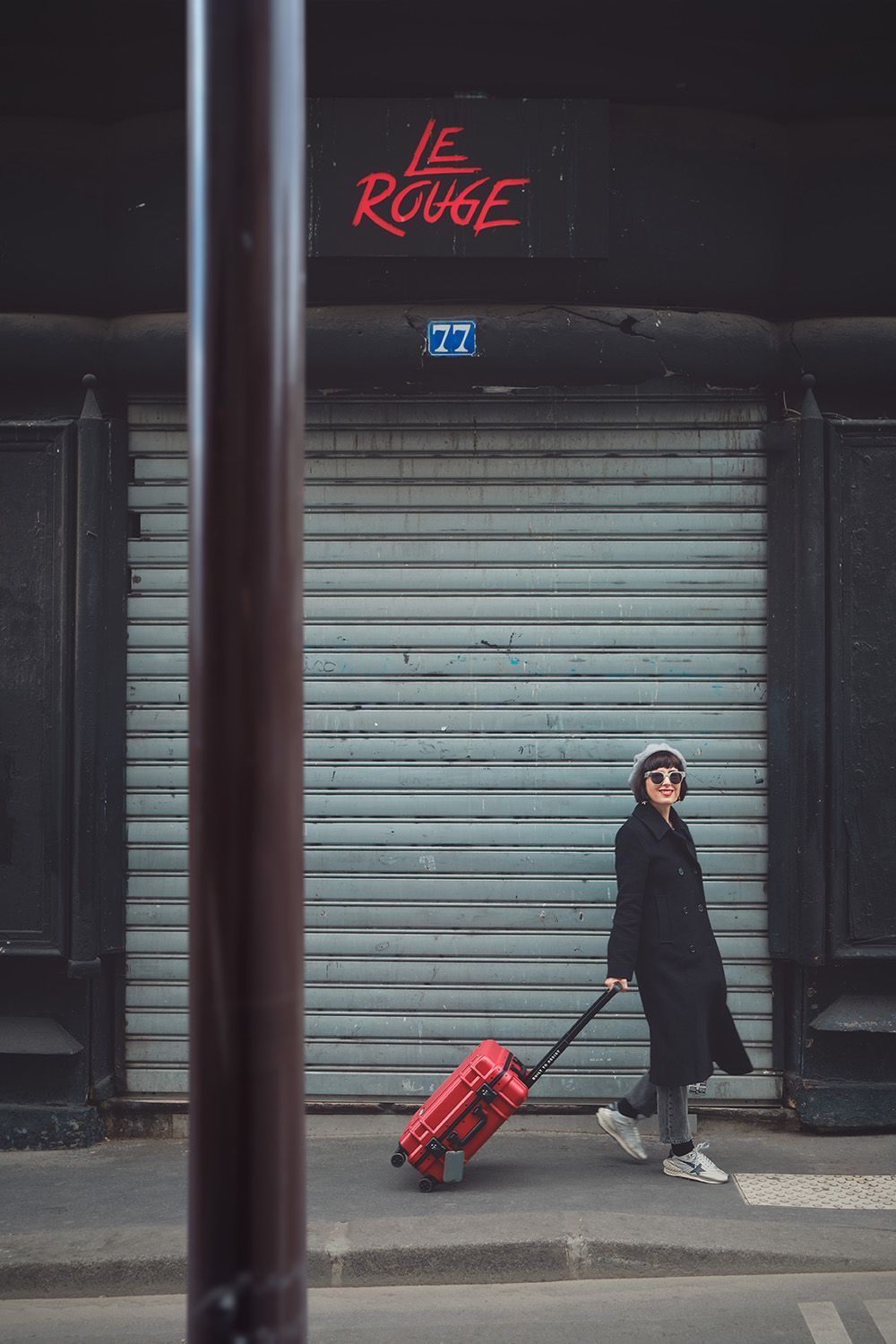
To sum up — even though we’ve visited Paris many times, this trip was different. Not just because we discovered this truly unique hotel, which we highly recommend, but because we got to explore SoPi and rediscover Montmartre in a new light. It’s always a gift when reality exceeds even the unconscious expectations you didn’t know you had.
(*) Photos: CC/magazine. Maleta RESIST’R CASE S de Eastpak.


 Design Hotel in Paris&p[summary]=&p[url]=https://ccmagazine.es/en/le-pigalle-the-most-authentic-and-coolest-design-hotel-in-paris&p[images[0]=https://ccmagazine.es/wp-content/uploads/2025/05/LePigalle_CCmag1.jpg)
 Design Hotel in Paris)