The key highlights of 3daysofdesign 2026
The Danish festival unveils an edition shaped by shared experiences, new creative districts and an urgent reflection on how we live, design and relate to objects.
Every June, Copenhagen transforms itself. For a few days, the city ceases to be merely one of Europe’s leading references for Scandinavian design and becomes a living laboratory where historic brands, emerging talents, immersive installations, experimental architecture and conversations about the future of creativity coexist. But the 2026 edition of 3daysofdesign (10-12 June) appears determined to go one step further.
Under the theme “Make This Moment Matter”, this year’s Danish festival proposes an edition less focused on visual spectacle and more centred on the value of shared experiences, the present moment and the ability of design to generate genuine human connection in an era defined by digital saturation, constant noise and relentless speed.
The concept runs through almost the entire programme: from the new Long Table Dinners to urban routes through creative neighbourhoods, as well as exhibitions reflecting on desire, nature, craftsmanship and new ways of inhabiting space.
3daysofdesign no longer simply wants to showcase beautiful objects — it wants to ask questions. And that is precisely why the festival has become one of the most significant gatherings for contemporary design in Europe.
“Make This Moment Matter”: A Theme About Presence and Connection
Far removed from the overly grandiose discourse that often accompanies these kinds of events, the concept chosen for the 2026 edition feels surprisingly human.
“Make This Moment Matter functions almost like an invitation to pause.”
At a time when creativity seems trapped between algorithms, infinite productivity and fleeting trends, 3daysofdesign reclaims the value of physical presence, slow conversation and experiences that exist beyond the screen.
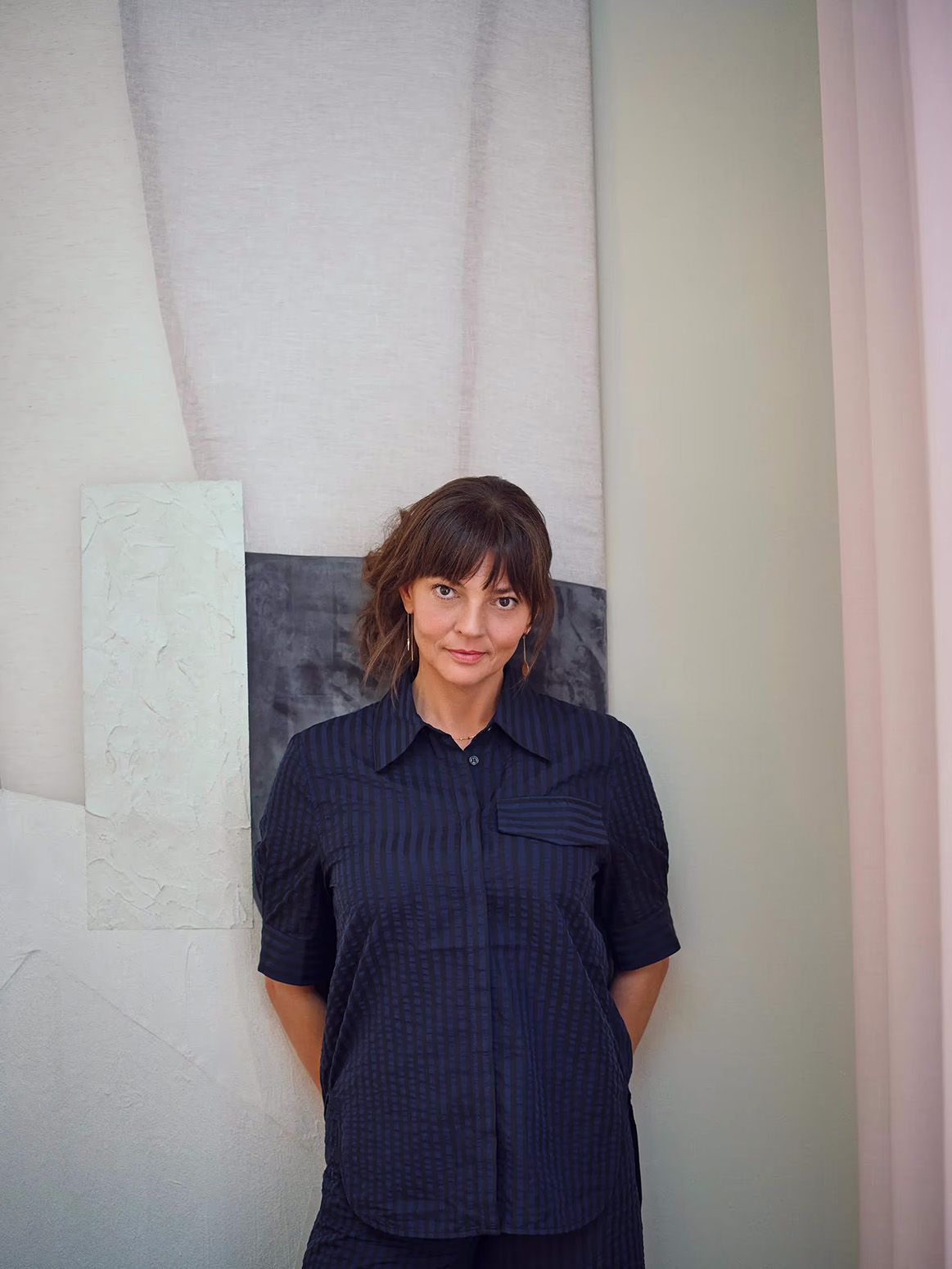
Festival director Signe Byrdal Terenziani explains in the official statement that the intention is not simply to celebrate design as an aesthetic discipline, but to explore how it can help us live more consciously and meaningfully.
The idea is also reflected in the way the festival expands throughout the city. There is no isolated trade fair venue disconnected from its surroundings here.
Copenhagen itself becomes the stage: showrooms, galleries, courtyards, cafés, museums and historic buildings all take part in a programme designed to encourage visitors to wander slowly, discover unexpected spaces and allow themselves to be surprised.
Long Table Dinners: design, gastronomy and real conversations
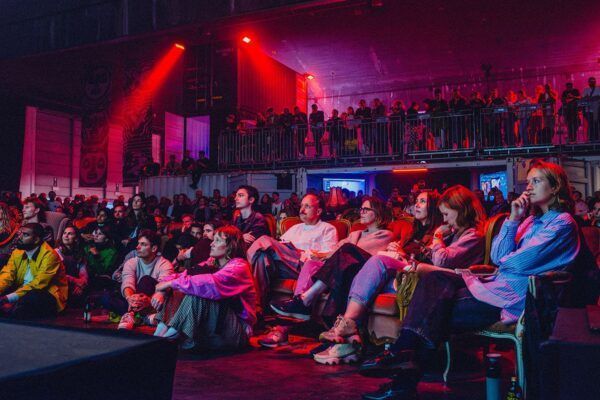
One of the most interesting additions this year is the introduction of the Long Table Dinners — collective dining experiences where design merges with hospitality, gastronomy and conversation.
The concept perfectly reflects the Scandinavian spirit of the festival: less ostentation, more community. Rather than simply presenting collections or installations, several venues will host large communal tables where designers, brands, journalists and visitors can sit together. There is something particularly appealing about this idea in a context where many creative events have become spaces of accelerated networking and superficial encounters.
The Long Table Dinners seek precisely the opposite: to reclaim the experience of gathering around a table to exchange ideas, create genuine connections and enjoy shared time.
They also introduce a powerful emotional and sensory dimension into the festival. Because contemporary design is no longer limited solely to objects. It is equally about how we inhabit spaces, share time and build community.
New creative districts and a city in transformation
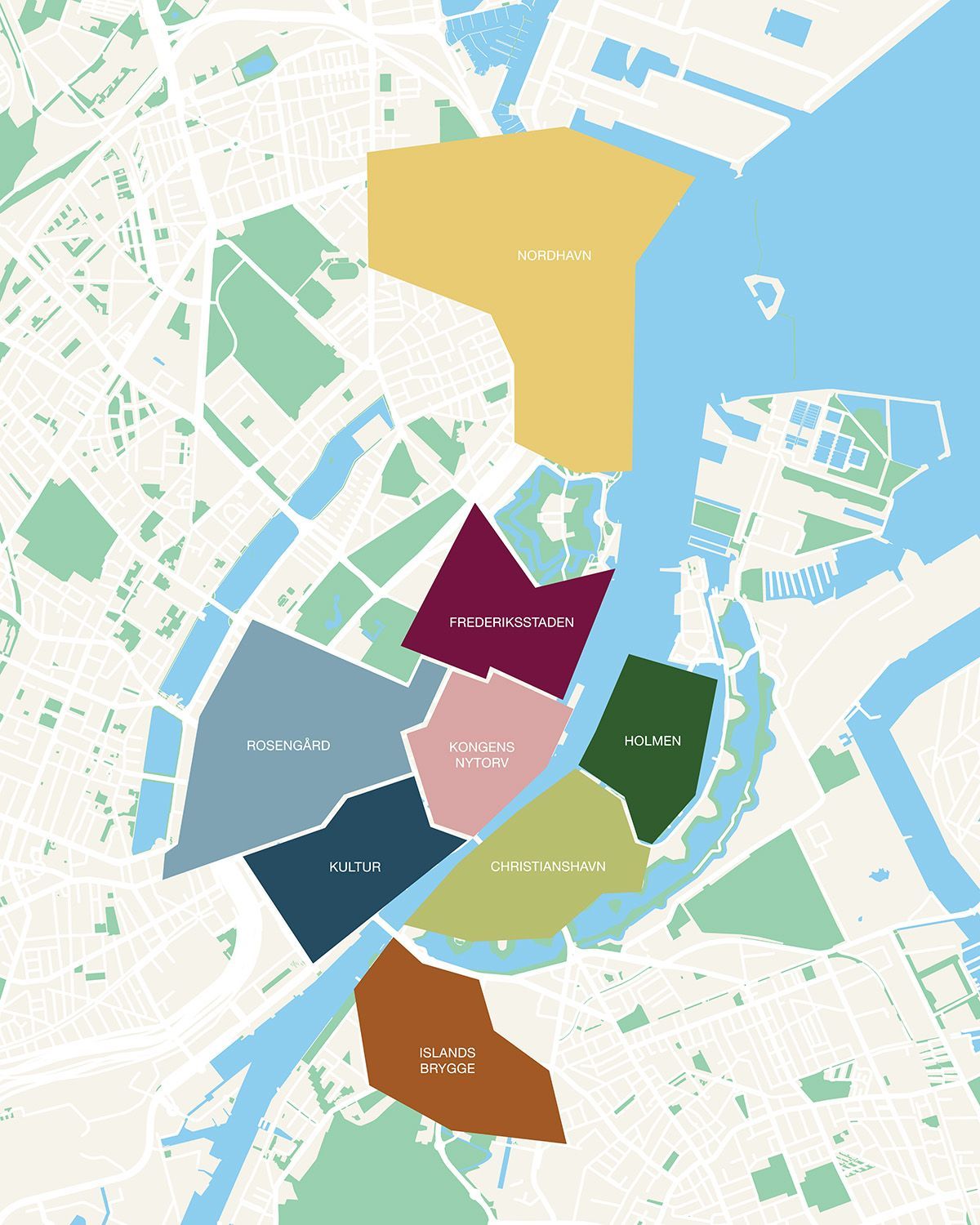
One of 3daysofdesign’s greatest strengths has always been its ability to use the city itself as a fundamental part of the experience. In 2026, the festival expands its creative map even further with the addition of Islands Brygge as a new official district.
Located by the waterfront and known for its blend of contemporary architecture, cultural life and relaxed atmosphere, Islands Brygge perfectly represents Copenhagen’s evolution in recent years: a city where design, sustainability and quality of life belong to the same conversation.
The inclusion of the district not only extends the festival route but also allows visitors to discover spaces still relatively unknown internationally. This matters because one of 3daysofdesign’s greatest attractions remains precisely that sense of urban exploration.
Unlike other large-scale fairs that feel closed and corporate, there is still room here for spontaneous discovery. And that balance between established global brands and emerging creative scenes remains central to its identity.
Design Walks: the city as an immersive experience
The Design Walks once again become one of the festival’s central attractions. More than simple themed routes, they function as curated journeys through studios, galleries, architectural spaces and exhibitions spread across different neighbourhoods.
The experience is particularly compelling because it transforms the way design is consumed. Visitors are not simply entering and exiting showrooms taking quick photographs. Instead, they wander through streets, courtyards and hidden cafés while gaining a deeper understanding of the relationship between design and everyday life in Copenhagen. That connection between urbanism, architecture and creativity is precisely one of the reasons why the festival has gained such strong international relevance over recent years.
“Entering the Now”: rethinking the present through design
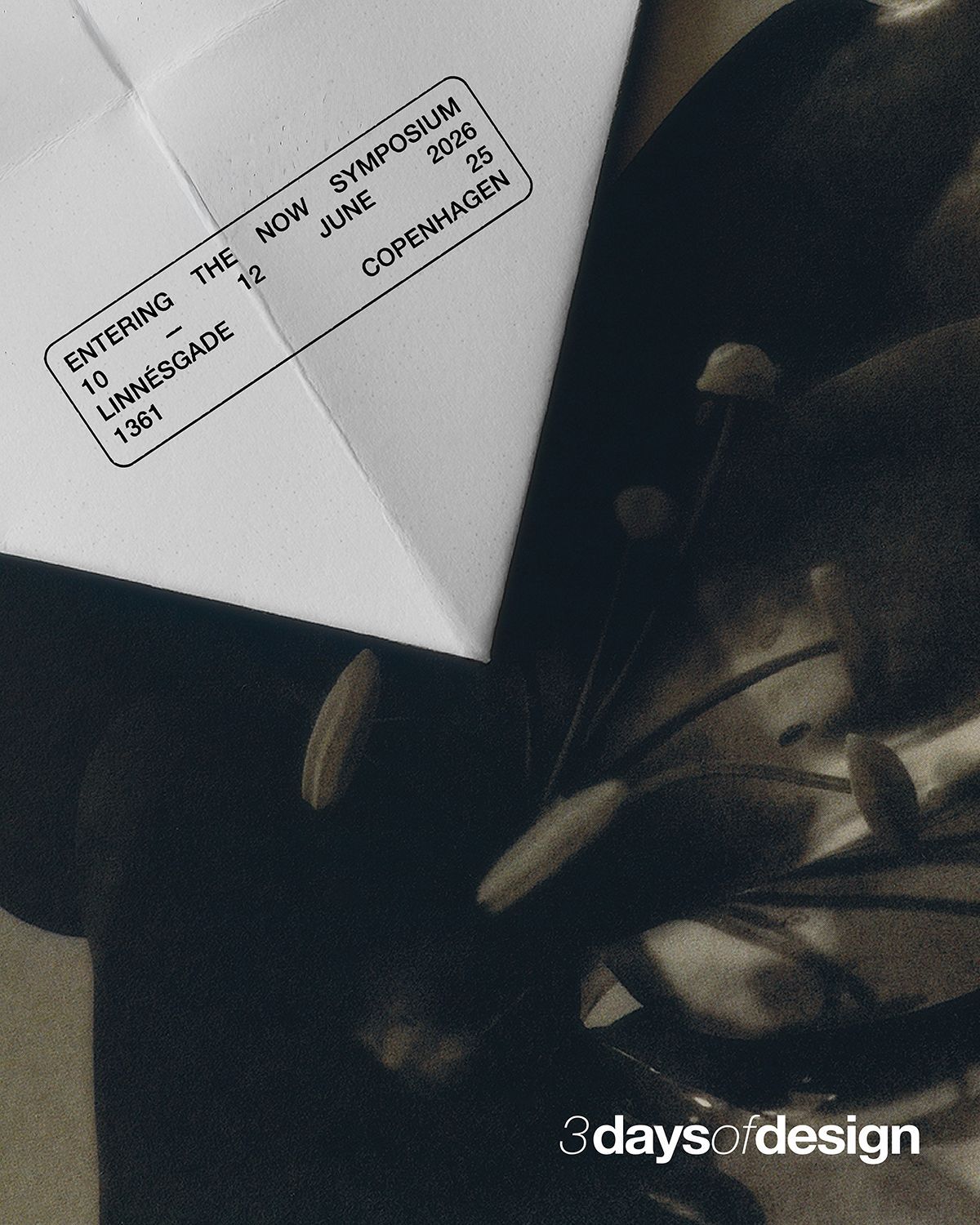
This symposium promises to become one of the intellectual highlights of this edition. With an especially strong line-up of guests, the event will address some of the most urgent questions facing contemporary design: sustainability, technology, cultural identity, consumption, urban futures and new forms of creativity.
What makes the programme particularly interesting is that its approach seems to move away from the superficial techno-optimism dominating many current conversations. Instead, the curatorial direction proposes a more critical, human and cultural reflection on the present moment.
At a time when artificial intelligence, automation and hyperproduction are rapidly transforming the creative industries, the symposium raises an especially relevant conversation — not only about how we will design in the future, but about what kind of world we actually want to build.
The exhibitions not to miss
Beyond its major conceptual conversations, 3daysofdesign remains a profoundly visual festival. And the 2026 edition arrives packed with particularly compelling exhibitions.
Objects of Desire
One of the programme’s most promising exhibitions, Objects of Desire explores the emotional relationship we establish with objects and how design shapes our desires, aspirations and modes of consumption.
The exhibition raises fascinating questions about contemporary luxury, material fetishism and the way certain objects ultimately construct identity.
Ukurant
With a far more experimental approach, Ukurant appears to focus on hybrid pieces and less conventional visual languages.
It is precisely this kind of proposal that reveals where emerging European design is heading: less obsessed with formal perfection and increasingly interested in narrative, process and material experimentation.
Summer Nights
The Nordic summer has always possessed something cinematic. Summer Nights embraces precisely that atmosphere to create an exhibition where light, colour and space interact in a deeply sensory way.
The exhibition promises to become one of those spaces likely to flood Instagram during the festival, although its appeal clearly extends far beyond simple photogenic aesthetics.
Sestra
Among the most intimate and emotional exhibitions of this edition is Sestra, a project centred on human connection, memory and shared spaces.
Rather than understanding design purely as functionality, the exhibition introduces a far more emotional and narrative dimension.
Raaw Alchemy
Danish brand Raaw Alchemy presents a proposal where beauty, ritual and wellbeing constantly intersect.
The exhibition reflects one of contemporary design’s most prominent tendencies: the search for sensory experiences combining aesthetics, self-care and everyday spirituality.
Belgium is Design
Belgium once again demonstrates why it possesses one of Europe’s most exciting creative scenes.
The exhibition will bring together diverse voices from contemporary Belgian design, characterised by a particularly compelling combination of minimalism, humour, craftsmanship and conceptual experimentation.
This is not a Forest
Presented by the Danish Architecture Center and Archival, the exhibition reflects on our relationship with nature, artificial environments and contemporary representations of landscape.
Homo Faber Fellowship
Craftsmanship also occupies an important place within the programme.
Homo Faber Fellowship celebrates the value of skilled craft, knowledge transmission and the importance of preserving traditional techniques in the digital age. Yet it does so without falling into nostalgia, instead exploring how craftsmanship can continue engaging with contemporary design in innovative and relevant ways.
Why 3daysofdesign has become the festival everyone wants to visit
In recent years, the Danish festival has achieved something very few international events manage to sustain: balance.
Balance between established brands and emerging talent. Between industry and experimentation. Between commercial design and cultural reflection.
While many other fairs have gradually become enormous corporate showcases, 3daysofdesign still preserves a certain feeling of discovery and intimacy.
Copenhagen itself also works enormously in its favour. The city functions almost like a natural extension of the festival.
Its architecture, relationship with water, sustainable mobility, café culture, public spaces and the importance it places on design in everyday life create the perfect setting for this kind of experience.
Design as a way of imagining another rhythm of life
Beyond trends, materials or launches, the 2026 edition seems determined to insist on one central idea: design isn’t only useful for producing beautiful objects. It can also help us imagine different ways of living.
“The 2026 edition insists on one idea: design is not only about creating beautiful objects.”
The communal tables, slow conversations, urban explorations, exhibitions centred on human experience and the importance of the present moment all form part of the same narrative.
A narrative that feels especially relevant today, encouraging us to rediscover spaces where experiences can still feel genuinely real. Spaces capable of reminding us that inhabiting does not simply mean occupying a place, but also constructing a particular relationship with time, objects and one another.
Save the date!