VETRO: Murano glass through a scandinavian sensibility
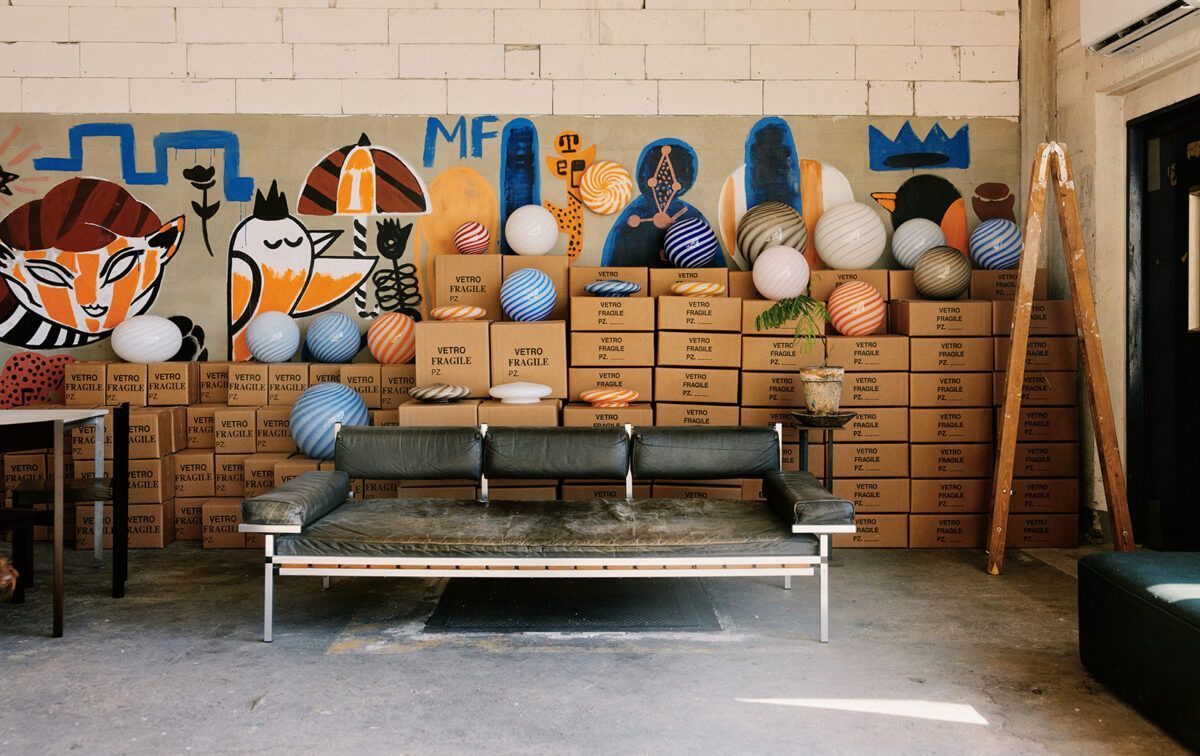
We recently discovered VETRO and, from the very first moment, what caught our attention was the way its lamps manage to balance sculptural strength with material sensitivity. Founded by Simone Voigt, the brand revives a complex Murano glass technique that had almost disappeared since the 1960s and 70s, reinterpreting it through a contemporary and deeply Scandinavian lens.
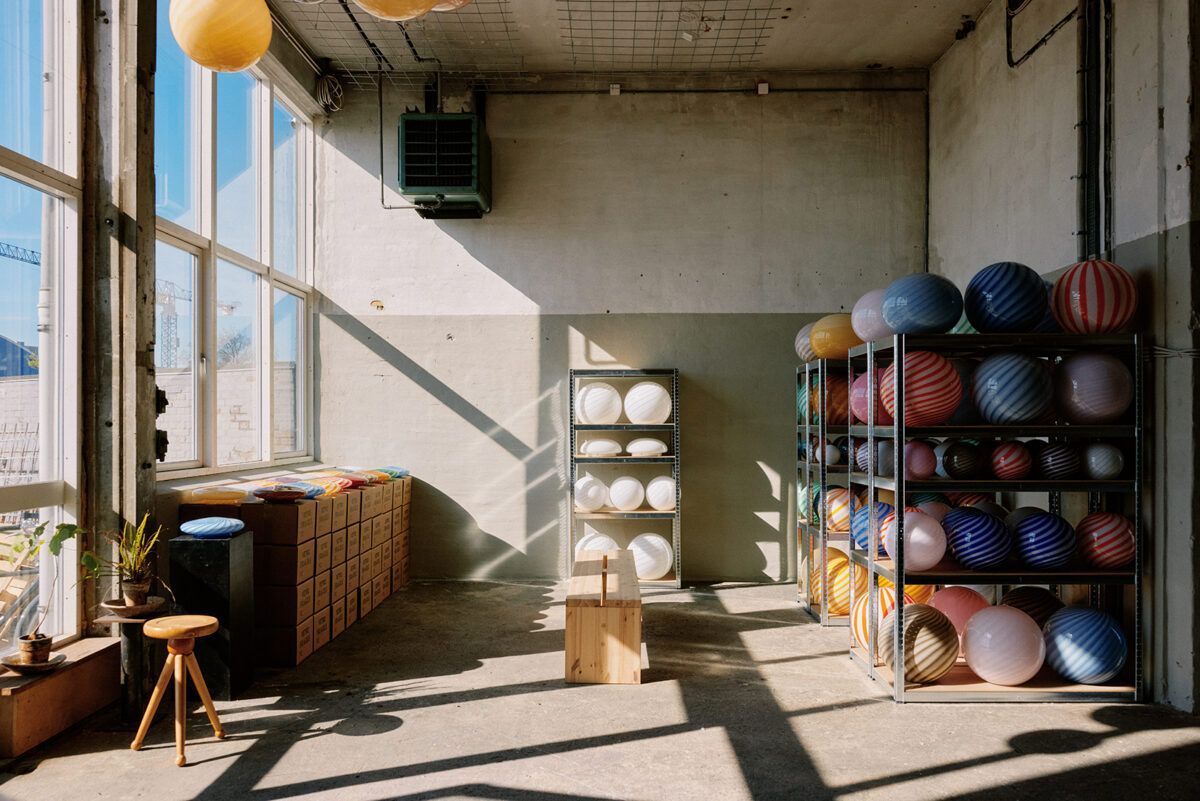
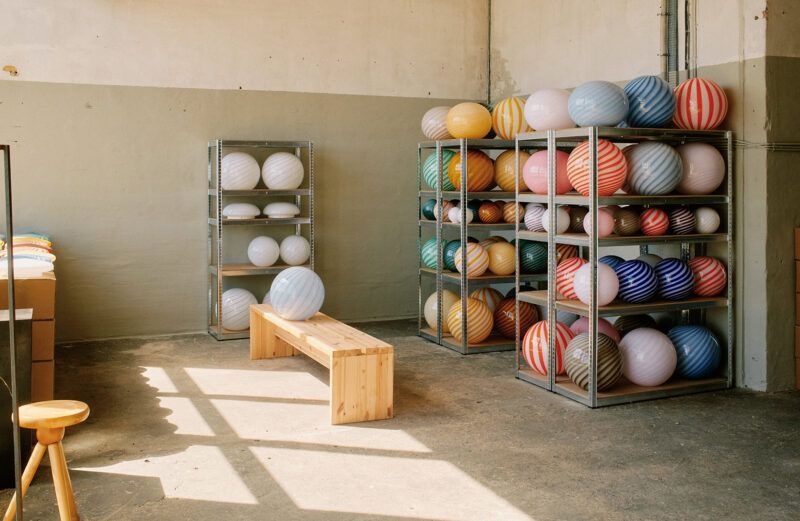
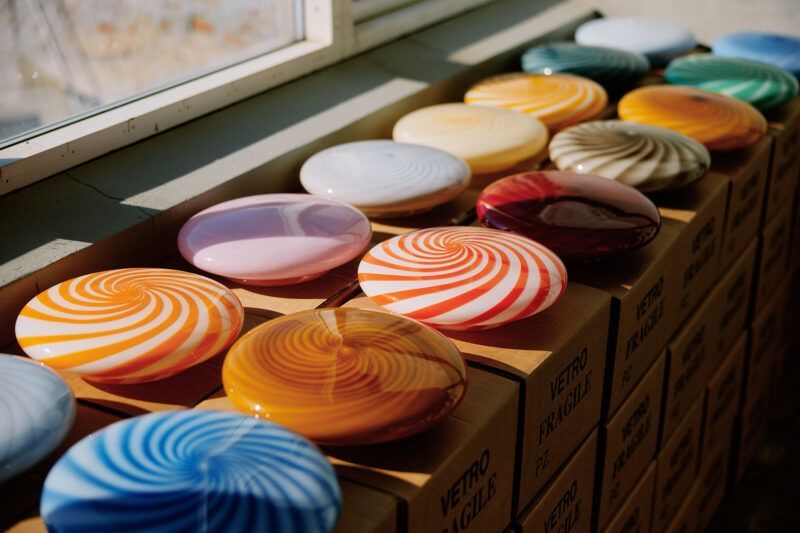
What emerge is a collection of pieces that exist between art and functionality, where every lamp retains the visible traces of its handcrafted process. More than simply lighting objects, VETRO explores how glass can transform the atmosphere of a space through texture, colour and its relationship with light.
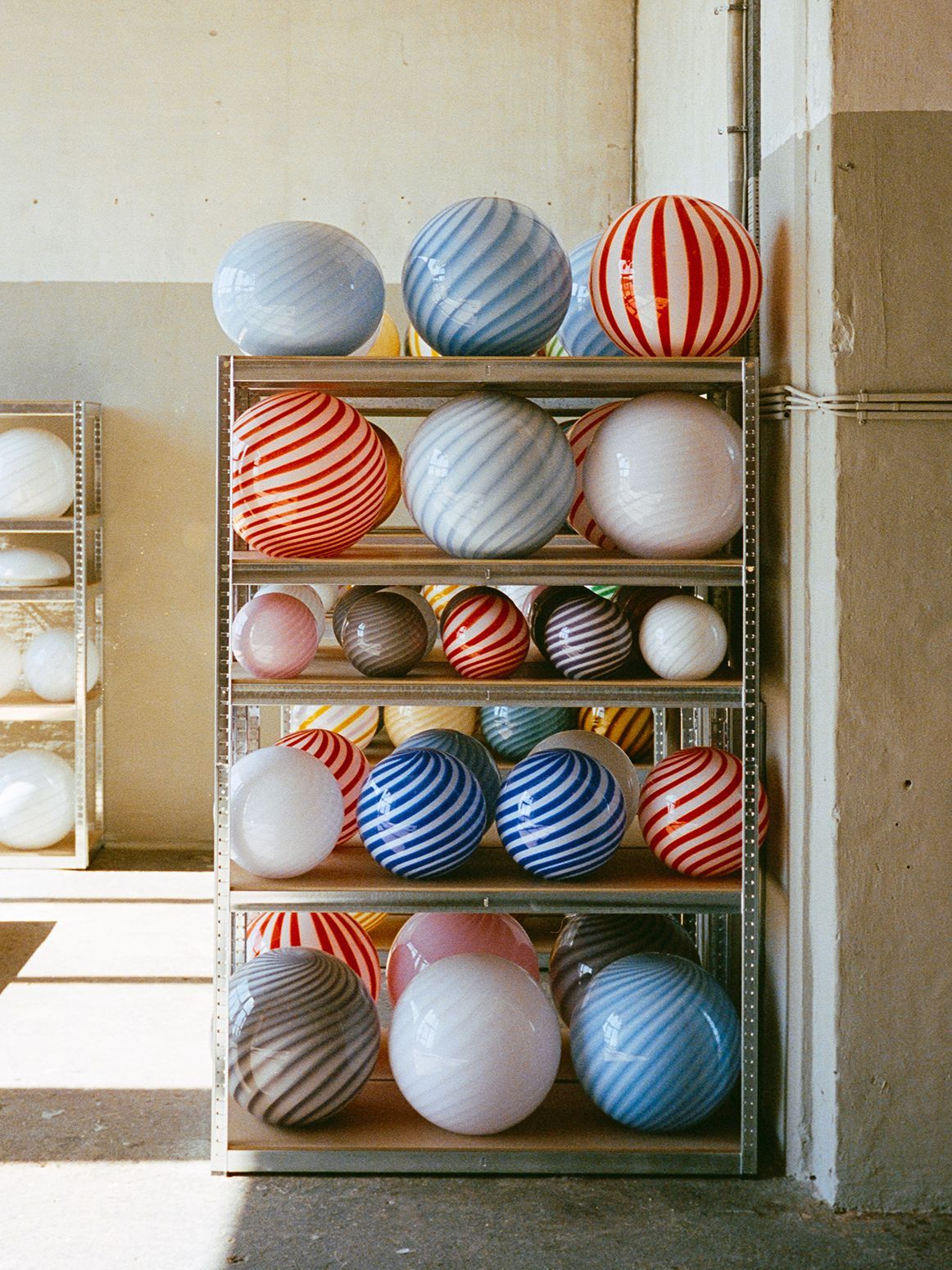
We spoke with Simone Voigt about tradition, authenticity and the challenge of bringing a forgotten technique back to life.
Simone Voigt’s relationship with Murano glass began almost intuitively, after purchasing an antique vase at an auction. That object sparked an immediate fascination with the material depth and expressive quality of handcrafted blown glass.
“What fascinated me was the way you could almost read the process within the object itself: the artisan’s hand, the movement of the glass and the subtle variations that made it unique. It felt alive.”
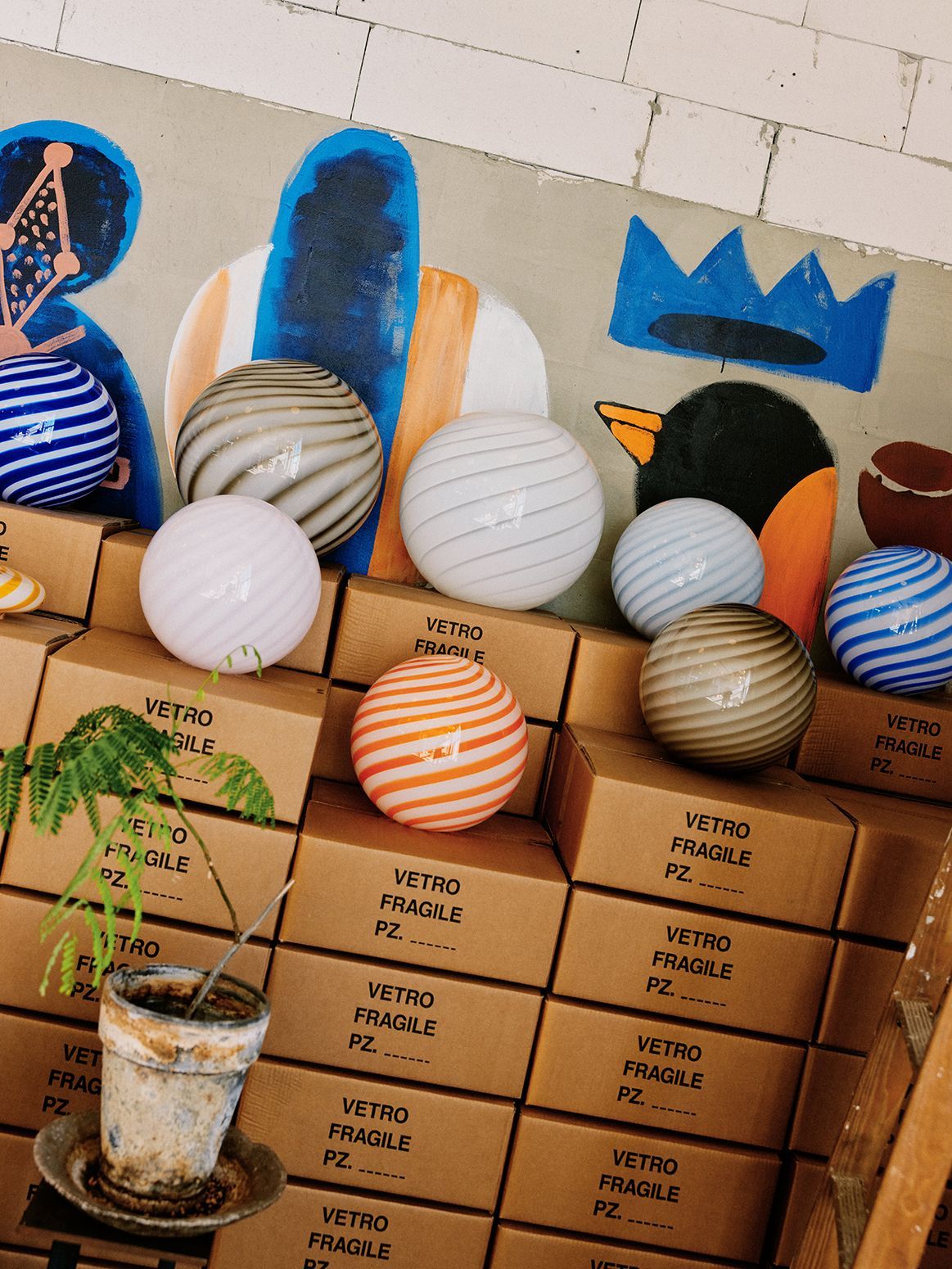
That experience ultimately became the starting point for VETRO. However, the goal was never to nostalgically recreate the past.
“I don’t see tradition as something to be copied, but something to be understood. The true value lies in the knowledge, the process and the sensitivity behind the maker’s hand.”
Reviving a disappeared technique
The research process behind VETRO took years. Simone travelled repeatedly to Italy searching for workshops capable of working with an experimental technique developed mainly during the 1960s and 70s, which had virtually disappeared following the collapse of many Venetian workshops during the 1980s.
“Many of the workshops working with this language disappeared or went bankrupt during the 1980s, and today most glassblowers in Venice are trained in other classical Venetian techniques.”
The search wasn’t only about finding makers with the necessary technical knowledge, but also about recovering a deeply artisanal way of working with glass, where every piece retains slight variations, imperfections and nuances impossible to reproduce industrially. That constant dialogue between historical research, material experimentation and traditional craftsmanship eventually became one of the project’s most distinctive elements.
“The true value lies in the knowledge, the process and the sensitivity behind the maker’s hand.”
After countless tests and collaborations, Simone finally found the right artisan to bring the original process back to life. Today, the lamps are still produced using historical moulds and tools from that era.
“Thanks to them, we’re able to work very closely to the original technique, while still reinterpreting the final result in our own way.”
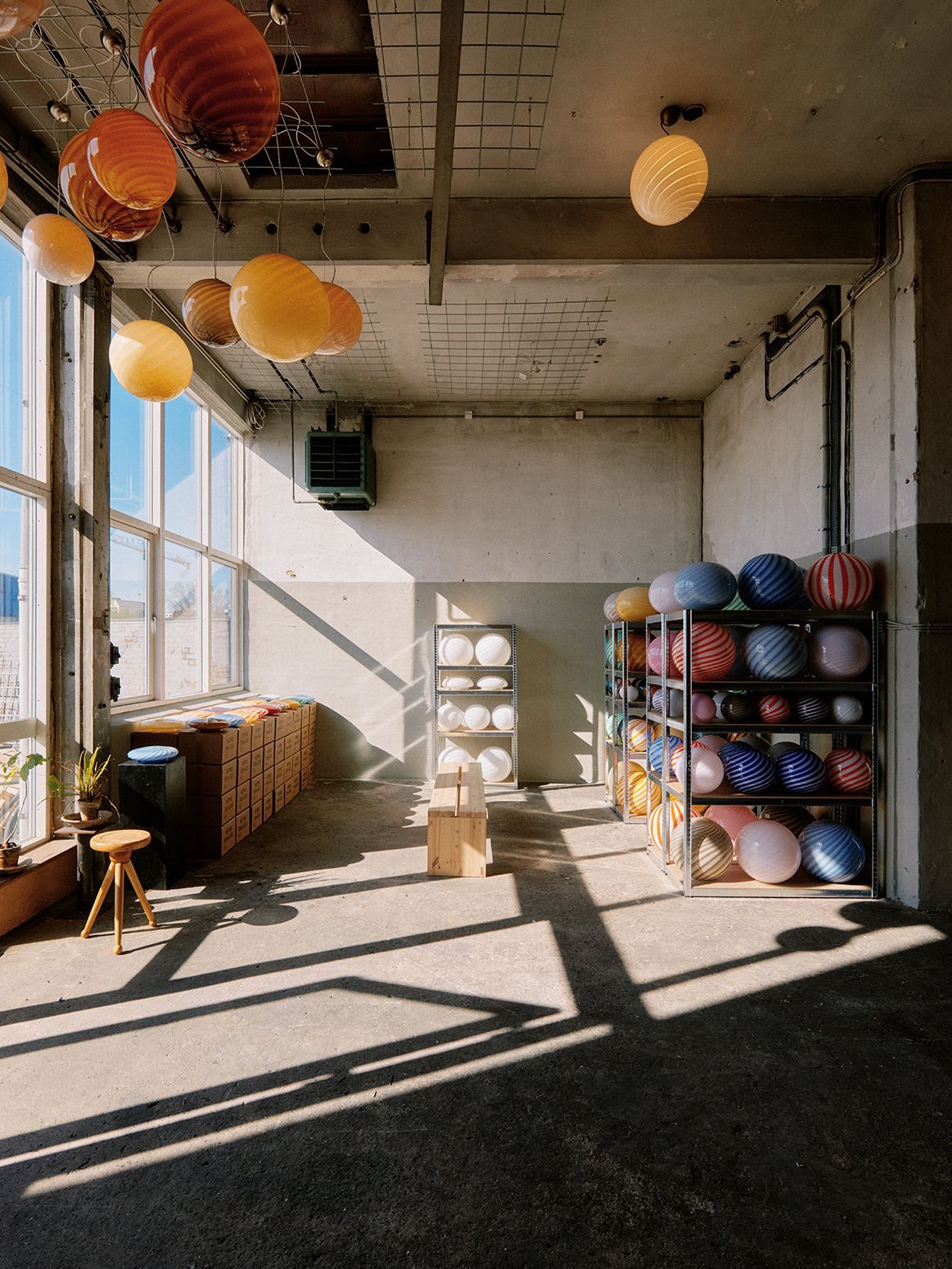
Between italian emotion and scandinavian calm
One of the most fascinating aspects of VETRO is the coexistence of two seemingly opposing sensibilities: the emotional, sculptural richness of Italian glass and the refined simplicity of Scandinavian design.
“Italian tradition brings depth, emotion and material richness, while the Scandinavian perspective introduces restraint, functionality and a natural relationship with the home.”
The pieces retain Murano’s expressive character and chromatic intensity, although reinterpreted through a calmer and more contemporary aesthetic.
These pieces integrate naturally into contemporary interiors while preserving the sculptural presence of handcrafted glass.
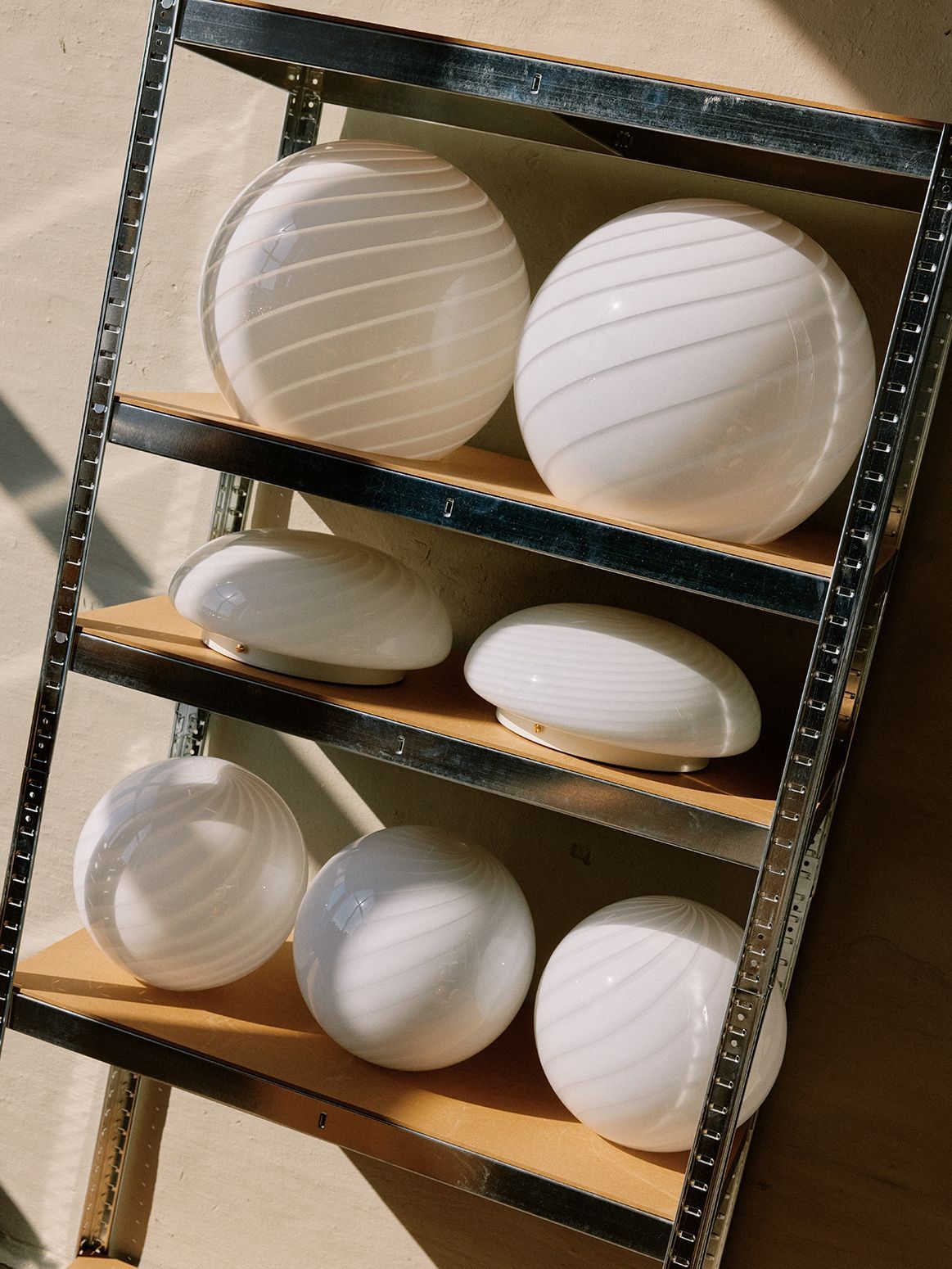
Objects that transform space
More than simple lamps, VETRO’s pieces function as sensory objects capable of altering the perception of a room.
The Candy collection — probably the brand’s most recognisable series — explores precisely that tension between artistic object and functional design.
“For me, the most interesting pieces are those where sculptural quality and function become inseparable.”
Each lamp presents subtle variations in colour, texture and finish resulting from the handmade process. Rather than treating them as imperfections, VETRO embraces them as an essential part of each piece’s identity.
“These variations are not flaws, but traces of the process: of the hand, the heat, the movement of the glass and the exact moment each lamp came into being.”
That singularity makes every object almost impossible to replicate exactly, where artisanal gestures and the unpredictable behaviour of the material become part of the final result. Rather than pursuing homogeneous perfection, the collection celebrates precisely what allows glass to retain a human, tactile and deeply material dimension.
Authenticity as a starting point
In an industry where much contemporary design tends towards uniformity, VETRO proposes a far more process-driven approach, closely connected to craftsmanship and the time required to work with the material.
For Simone Voigt, authenticity has little to do with constructing narratives around objects, and everything to do with how they are made.
“Authenticity is not something you can simply claim; it has to be reflected in the way you work. It means staying close to the material, the process and the people involved in creating each piece.”
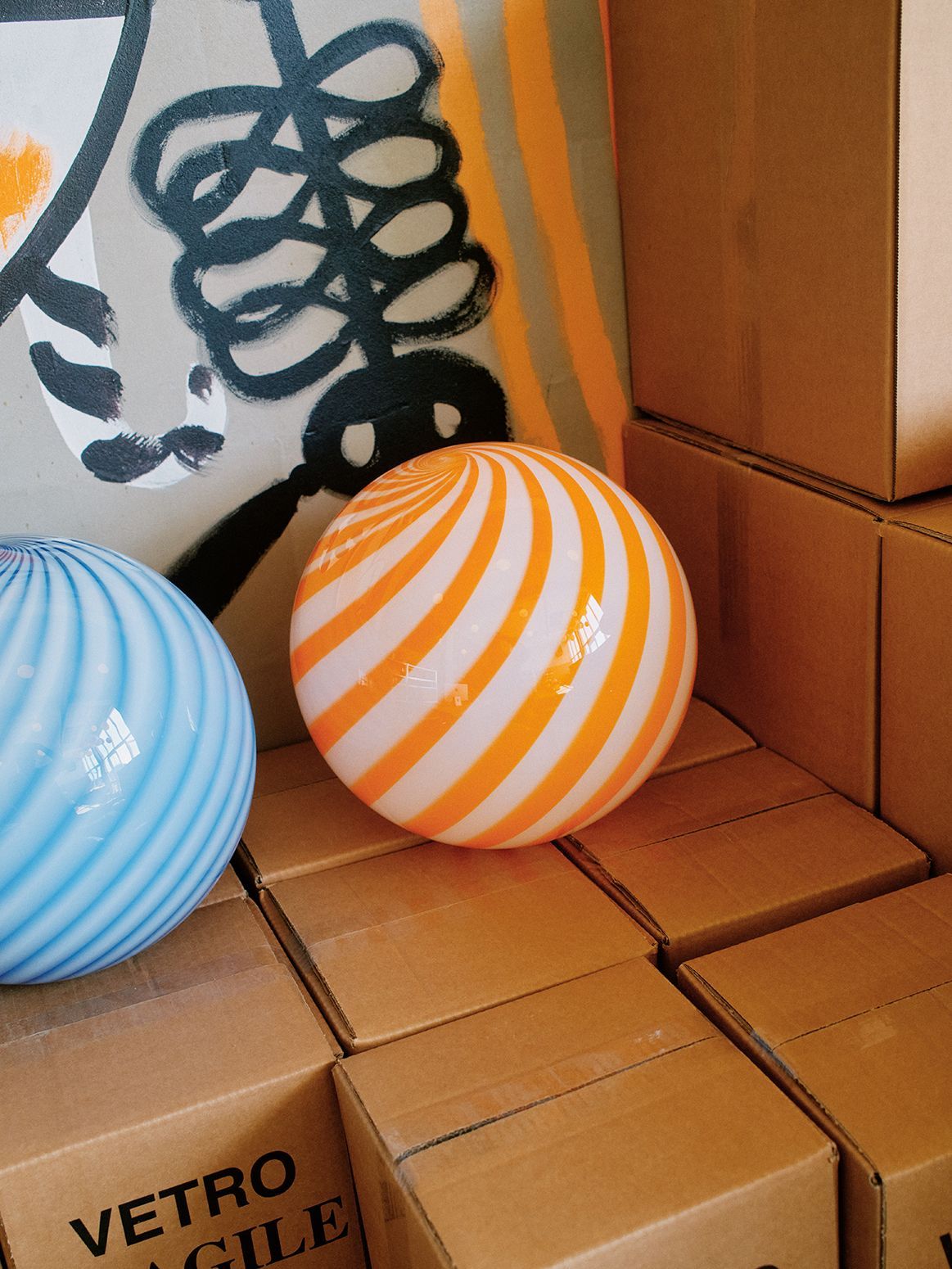
From its showroom in Copenhagen, the brand continues to develop new pieces and explore how glass can alter the perception of light and space, while always maintaining a direct connection with Murano’s artisanal heritage.
“Authenticity means staying close to the material, the process and the people involved in creating each piece.”
Beyond trends, VETRO’s project feels especially compelling because of the way it explores the expressive possibilities of glass through a contemporary lens, without losing sight of the technical and human knowledge embedded within every piece.
(*) Photos courtesy of VETRO.