Interview with David Pujol about Génesis, the series that tells the story of elBulli
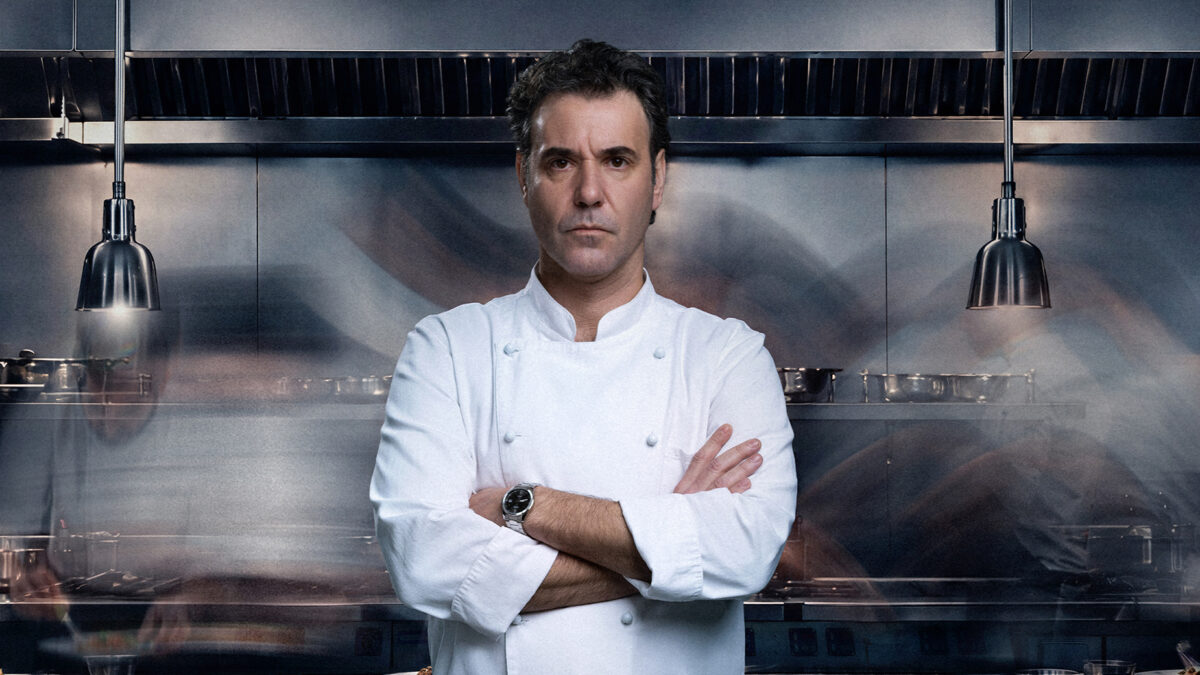
On 26 March 2009, shortly before accepting the Chef of the Year award from the Culinary Institute of America in New York, Ferran Adrià made a curious observation for someone about to receive such an honour. “What we still need to do is believe it ourselves, believe that our food is among the best in the world. But we have to believe it with humility”, he told the press. By then, half the world already believed it. What is hard to remember today is that there was a time when even in Cala Montjoi no one knew how far that restaurant might go. That is where David Pujol sets Gènesi (Génesis in Spanish).
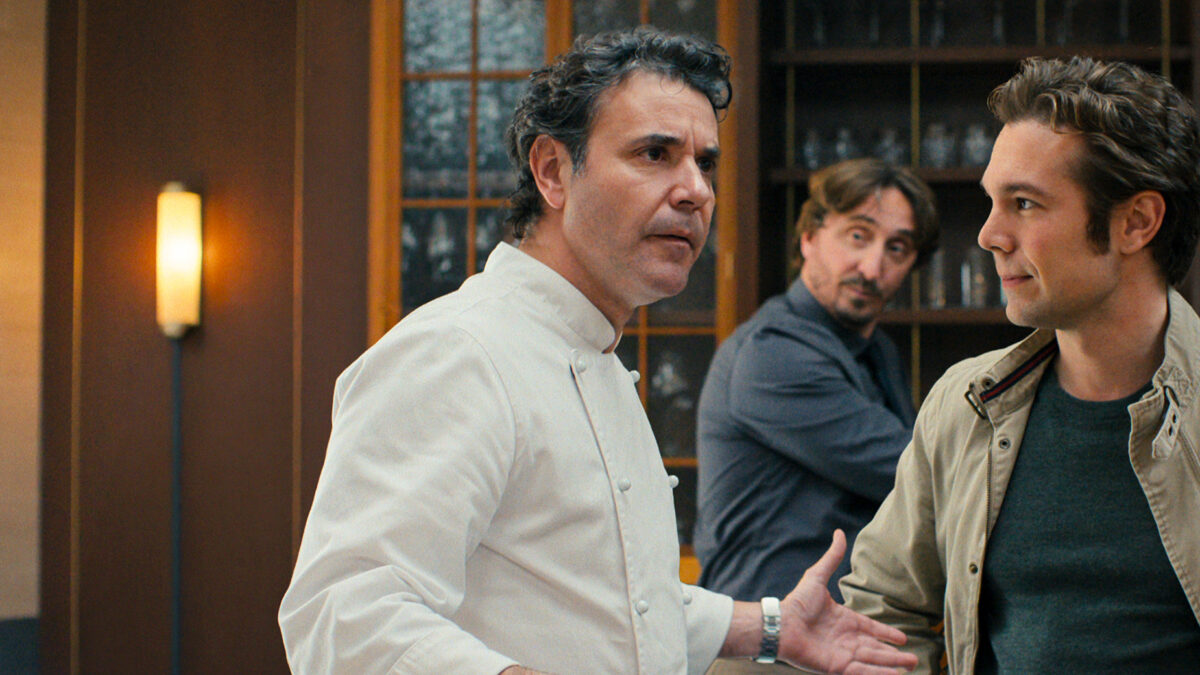
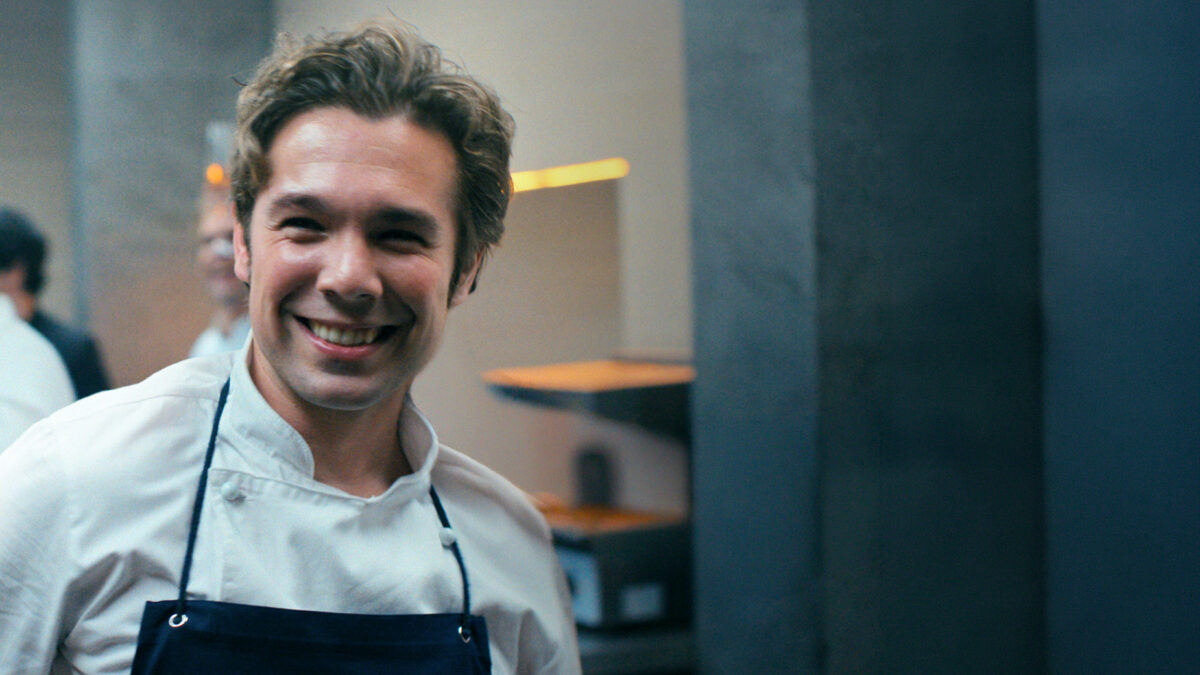
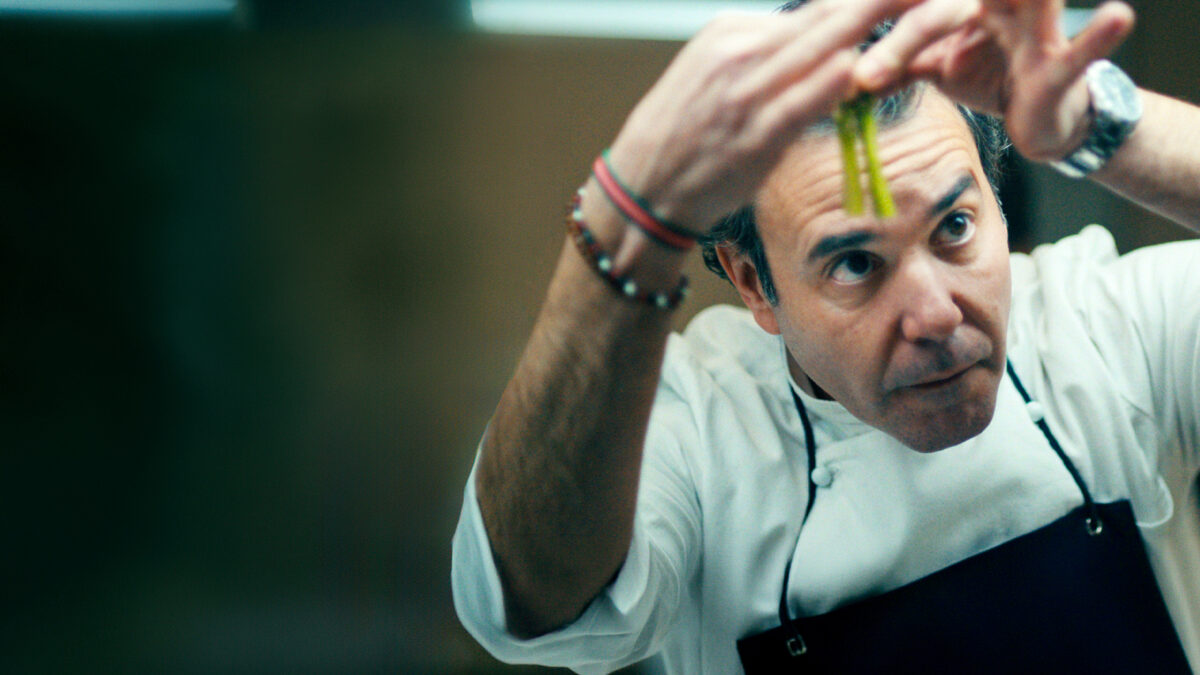
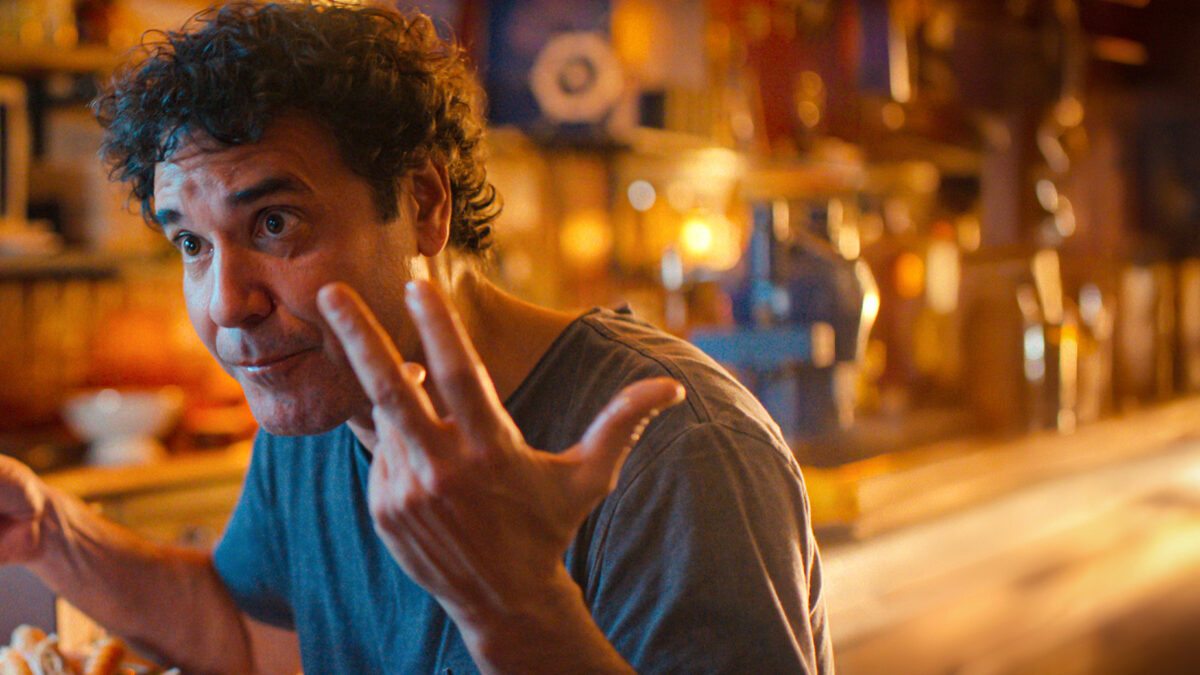
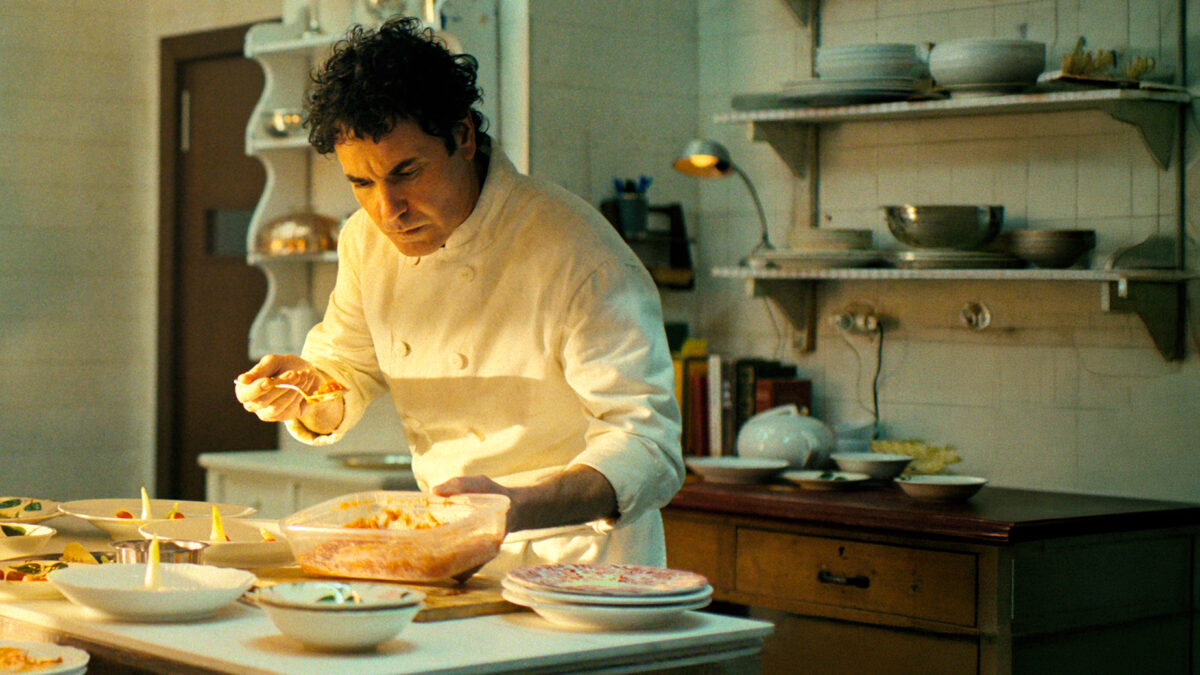
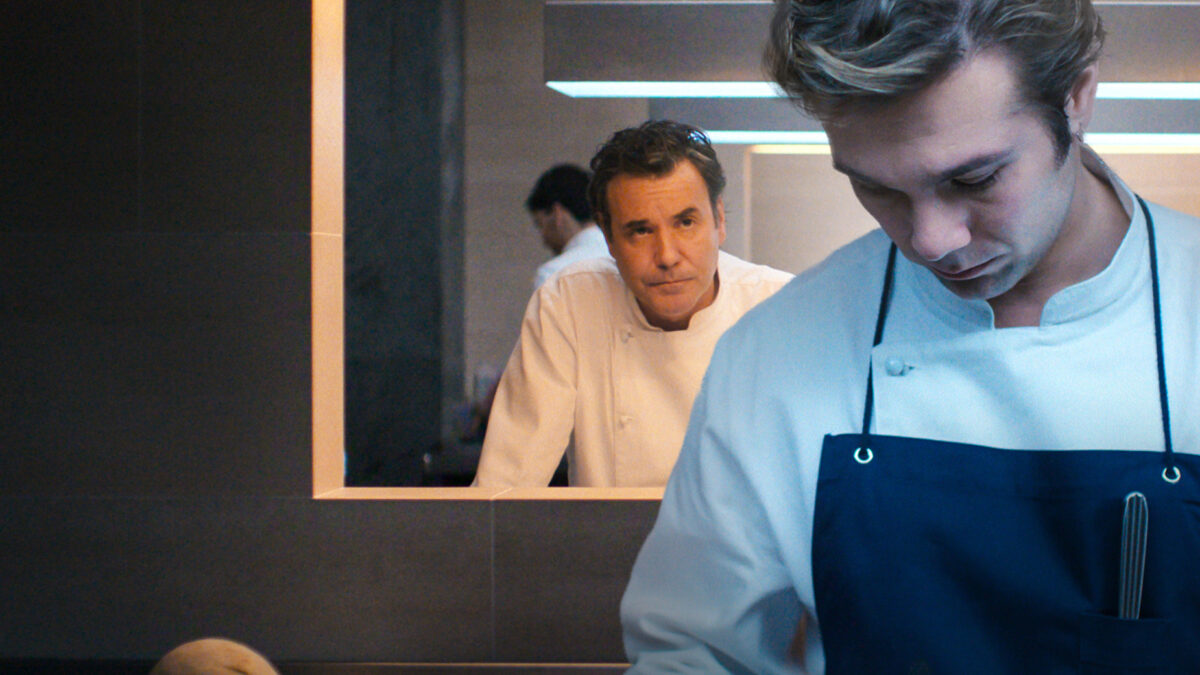
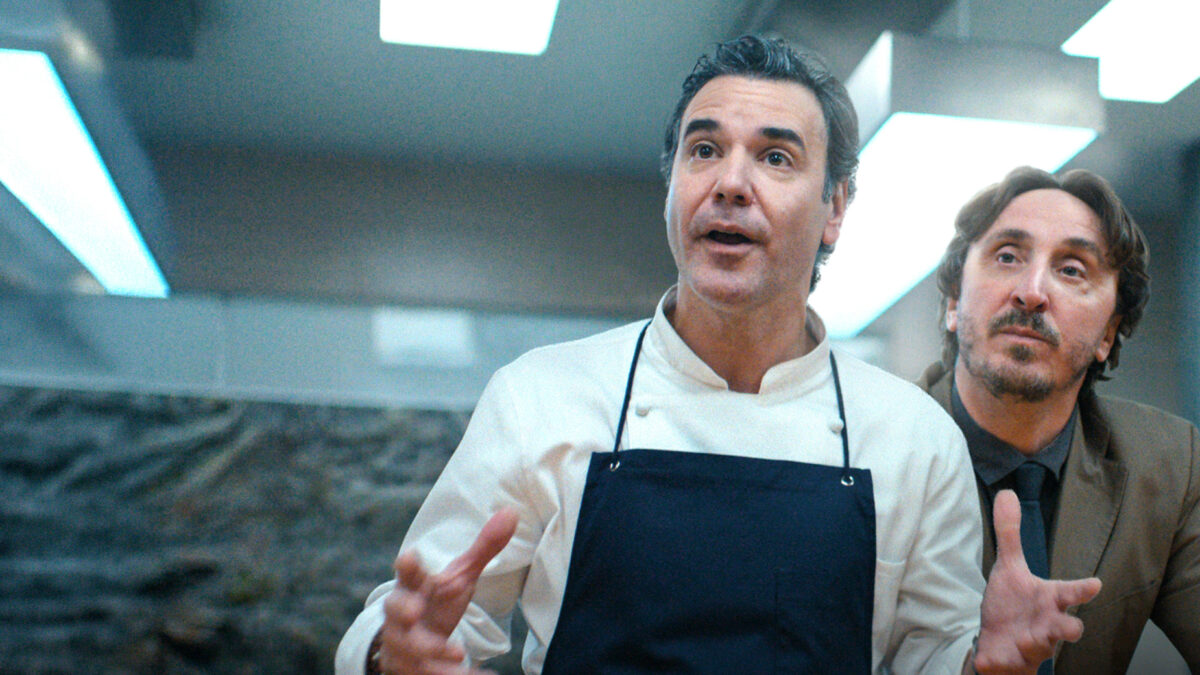
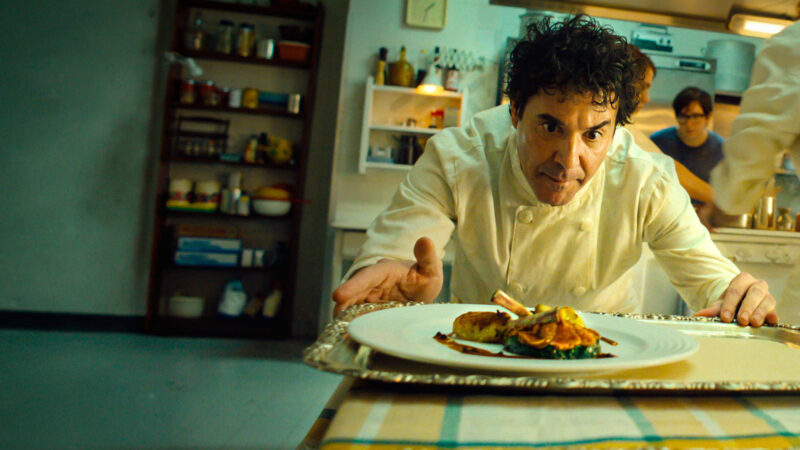
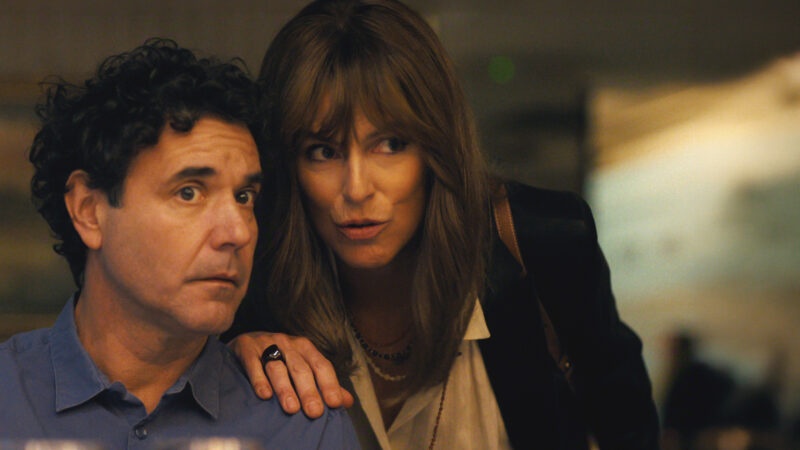
Ferran Adrià deserved a drama series, if only for the pleasure of seeing him surrounded by people who felt perfectly at ease disagreeing with him. His brother Albert, for one. Miquel Fernández and Carlos Cuevas are superb. You only have to see them together to recognise that particular ease between brothers that lets one tell the other he isn’t convinced by his idea, then go back to turning it over together a little later. Another close bond the series captures is the one between Ferran and Juli Soler, played by Iván Massagué. Juli believed in Ferran’s ideas from the start and shared the risk of putting them into practice. One of the loveliest things Pujol manages to do is keep us wondering what will happen to the three of them, even though we know how their story ends.
David Pujol spent years documenting the history of elBulli. Much later, the opportunity arose to tell it through fiction. He had complete creative freedom and chose not to watch other series, for fear they might influence the way he told the story. To recreate the restaurant’s kitchen, he drew on the expertise of Ferran Adrià and elBullifoundation. From elBulli’s 1,846 culinary creations, Pujol and Adrià together chose the ones that best suited each moment in the story. Former members of the team, among them Marc Cuspinera, Alain Devahive and Eduard Bosch, then made more than seventy of them all over again for the shoot. What an undertaking!
Another of Gènesi’s achievements has been to rekindle Bullimania. And what a joy that is! All six episodes are available on 3Cat and, since 20 November, on Netflix too, under the title Génesis. At CC/magazine, we’ve been recommending it for days. It moved us, and it left us feeling enormously inspired.
We recently had the pleasure of talking to David Pujol, who feels as intensely about cinema as Ferran Adrià does about cooking. They share a mantra – emotion, passion and obsession – and a desire to move the person on the other side, whether of the table or the screen. The best thing of all is how wonderfully they succeed. Read on.
You first came to elBulli intending to make a fifty-minute documentary and ended up telling its story across the fifteen episodes of “elBulli: història d’un somni”. How did your relationship with Ferran Adrià and Juli Soler begin, and what drew you back to that story so many years later to tell it through fiction, this time with Glòria and Lola as your guides?
Francesc Guillamet, the photographer who documented elBulli’s dishes for its General Catalogue, was a friend of mine and had very close ties to the people at elBulli. I told him that my brother and I wanted to make a documentary about the history of the restaurant. There had been other documentaries, but they all focused on what was happening there at the time. None of them looked at the history or the process. I live in Roses, right by elBulli, I knew a lot of the team and I was very aware of everything that had happened. I’d just made a documentary about Cadaqués and I wanted to tell the story of the impact elBulli had had around the world.
Francesc introduced me to Juli Soler in Barcelona. I already had a producer backing me on the fifty-minute documentary, so I told Juli what I had in mind. We hit it off straight away. Juli would have made a great casting director. He had such wisdom, such intuition. He was quite a character. To tell you the truth, I was a bit in awe of him when we met. He liked the idea. I’d already emailed Ferran several times, on the other hand, and the answer had always been no. He was incredibly busy. Everyone wanted a piece of him… So Juli gave me the go-ahead and I told him we’d make the documentary without Ferran. Everyone would talk about him, we’d use photographs of him, but he wouldn’t take part. I wasn’t entirely happy with that, but I agreed.
Guillamet helped me put the script together and we made a list of the people who had played an important part in elBulli’s history. There was Marketta Schilling, who was still alive then. There was Ferran’s family, the chefs who’d worked with him, the chefs he looked up to… Joël Robuchon, Michel Guérard, Pierre Gagnaire, Michel Bras. They all wanted to take part. We went to France to film, then came back to elBulli to shoot some footage. It got to the point where even his brother was involved. I said to him, “Look, Ferran, everyone’s taking part, even your brother, but if you feel we’re invading your home, we’ll stop”.
Then he asked to see what we’d done. And he was incredibly enthusiastic. He was moved to see that we’d gone looking for the story of what had happened even before he arrived, and to see the chefs he looked up to talking about him… All of that made a real impression on him. And he said to me, “David, it’s wonderful. I’m in. But this isn’t enough. You can’t tell the story of elBulli in fifty minutes”. Of course, what I’d agreed with the producer was a fifty-minute documentary, a format that TV3 could broadcast, and I ended up telling the story in fifteen episodes!
I spent three years with them as part of the elBulli family. We worked seven days a week, but it didn’t matter. We were all so enthusiastic and so happy to be part of it. It brought us very close. The series became a point of reference. It opened a lot of doors for me, and Ferran had a comprehensive record of every step they’d taken. In fact, he bought the project from me. For me, that was incredible.
“I spent three years with them as part of the elBulli family. We worked seven days a week, but it didn’t matter. We were all so enthusiastic and so happy to be part of it.”
What happened as I was making the documentary was that I could already see a feature film in it. There was an epic story there. We were already being approached by Americans who were interested in making it, but the focus was always on what was happening at that particular moment. By then, after fifteen episodes and three years immersed in elBulli, I knew the story inside out. But I had to wait fifteen years for the opportunity to come along.
Nearly two years ago, I got a call from Roger Corbi, my producer on Waiting for Dalí. The Catalan government, through TV3, had put out a call for proposals for a drama series about the world of gastronomy. Some very big production companies were putting in bids, but it seemed strange to me to talk about gastronomy in Catalonia and overlook the fact that a restaurant in Roses had changed the way people understood cooking all over the world. I suggested to Roger that we join forces with Minoria Absoluta. We put in a joint proposal and we won!
The Catalan government and TV3 did ask us, though, to weave in a storyline that reflected Catalonia today, alongside the story of elBulli. The elBulli story belonged to the past, and they wanted a connection to the present. That got me thinking about the tension there’s always been between tradition and the avant-garde, even though the two have always coexisted, because neither can live without the other. It also struck me that the story of elBulli was a very male one. There were women, of course, but it was a different time.
And since, thankfully, that’s changed, I wanted women to be the protagonists in the present day. That’s where Glòria and Lola came from. They represent tradition in the present-day storyline, while Ferran and Albert represent the avant-garde in the storyline set in the past. It was that interplay that interested us as a way of exploring elBulli’s legacy.
I started developing the project with the screenwriters Eva Mor, Albert Val and Eva Baeza. Once we had all six scripts, I started working with Ferran. There were things we simply couldn’t get quite right without him and elBullifoundation, right down to the way people speak in a kitchen. I got him to read all six scripts and we realised there was a lot to correct on the culinary side. Ferran got involved and worked with me to get all those details right.
Then I brought in Manel Martínez as second unit director. Building on the work Ferran had done to make the cooking feel true to elBulli, Manel and I went through the scripts again until they were ready to shoot. The thing is, once you get on set, you rewrite them. And then, because I’m an editor too, I find myself doing it all over again in the edit. Making films is a matter of writing and rubbing things out, over and over again.
Génesis makes the case for Catalan cuisine’s place in the history of contemporary gastronomy and reminds us that, in Cala Montjoi, a group of visionaries changed the way we cook and eat for good. Why did you choose that title?
It took us ages to settle on the title. In fact, we went for months without finding one we were happy with. The working title was Els Bullis. Then one day Oriol Sala-Patau from TV3 rang us and suggested Gènesi. And I loved it. It sums up what the series is about so well. A new beginning. It was a great suggestion from TV3, and absolutely the right choice.
I think the cast is brilliant. You also get the sense that something really clicked for the whole team who brought the series to life. You can see it, for instance, in the extraordinary chemistry between Miquel Fernández, Carlos Cuevas and Iván Massagué as Ferran Adrià, Albert Adrià and Juli Soler. Did you have all three actors in mind from the start?
There’s a lot of pressure when you work as a team, but leading a team is basically about empowering the people in it. People want to be involved in things that are worth doing, and I want everyone to go home feeling they’re part of something special and that their contribution is part of what makes it special. That’s my main job as a director, really, bringing the team together and making sure everyone feels part of it. That went for TV3 as well. They took a lot of initiative, and I think people do that when you make them feel that what they’re doing matters. The writers put their heart and soul into it. So did Ferran Adrià. And Manel Martínez, Román Martínez de Bujo, our director of photography, and Xavi Mas, our sound director, all showed just how brilliant they are.
“One of my obsessions is working with actors, because it’s so important. Casting is the crux of the whole thing.”
One of my obsessions is working with actors, because it’s so important. Casting is the crux of the whole thing. In a biopic, there are all sorts of things you can get wrong, but you can’t get the casting wrong. I knew I didn’t want viewers to have to make an effort to imagine the actor as Ferran Adrià. Everyone recognises him. He has a very particular way of behaving and speaking. That gave us a lot of sleepless nights. It really wasn’t easy. Our casting director, Alejandro Gil, put an enormous amount into it.
The truth is, I originally wanted Miquel Fernández to play Santi Santamaría, but Francesc Escribano suggested I try him out as Ferran Adrià. When he finished his audition, the room fell completely silent. That was when we knew we’d found our Ferran.
“I knew from the outset that I was going to work with Iván Massagué.”
I knew from the outset that I was going to work with Iván Massagué. He’s my go-to actor. We have a very special relationship. I’d already worked with him on Waiting for Dalí, and I want him in my future projects. He’s enormously talented and he’s got what I call duende. Juli Soler had it too. With his natural energy and his sensitivity, Iván was the perfect person to play him.
As for Carlos Cuevas, that was the producers’ suggestion. I think they’d been talking to TV3, and they put his name to me to see what I thought. Carlos is very intelligent, he has a particular sensitivity and he’s had a very interesting career. He was a good fit for Albert Adrià and for the other two leads. It wasn’t easy because his diary was packed, but he was so excited about it that he did everything he could to make it work. And it did.
I’m really happy with the entire cast. That goes for the extras as much as the leads. They’re all equally important to me and, in this case, every single performance is excellent.
We thought Román Martínez de Bujo’s cinematography and Xavi Mas’s sound design were wonderful. What was it like working with Román and Xavi?
For me, cinematography and sound are essential, and it’s something I’d like to talk about at industry events. The Americans and the French have always taken sound design very seriously. It doesn’t get quite the same attention here. I have enormous admiration for both Román and Xavi.
I’m an editor myself, and it’s in the edit that you realise that without good sound design, sound that can tell the story, the whole thing has no soul. It’s a dead fish. I worked with two extraordinary editors on this, Jordi Muñoz and Anaïs Urraca. I can’t understand how sound design gets overlooked on so many projects when, for me, it’s a priority.
Having said that, every department is essential. Mireia Cusó, our art director, and her team did an absolutely magnificent job of recreating elBulli on the set in Terrassa. Her passion and sensitivity are off the scale. There were days when we’d finish filming and I’d think I was at elBulli and, since I live just down the road, all I had to do was hop on my motorbike and go home [laughs]. Imagine how real it felt, what Mireia and her team managed to do. Even Ferran Adrià was amazed.
Ana Güell’s work on the costumes is astonishing too, as is the work of all the other teams. I’ve been really lucky to work with such talented, passionate people. I also think the admiration we had for one another is part of why it turned out so brilliantly. We all admired each other, we were completely committed and we wanted to give it our all.
“For me, cinematography and sound are essential. Román Martínez de Bujo and Xavi Mas showed just how brilliant they are.”
There’s an epic quality to the series, and it’s deeply moving. The characters’ stories really touched us, and we felt proud of what Ferran Adrià, Juli Soler and everyone who came through elBulli achieved. What surprised me most was that we came away from every episode feeling inspired and itching to create something ourselves. When you were writing the scripts, were you already thinking about how to pass that enthusiasm on to the audience?
My job is to move people. An actor and an actress get into a boat that’s drifting. If you’re the director and you don’t take the tiller, they don’t know which way to go. They bring you ideas, of course, but the director has to set the course. And actors are very disciplined people. They help you get there. They find it in themselves to bring out all the emotion I’m asking of them.
Everything you see in the series was already there inside me, in the sense that I knew at every point what emotions I wanted to build towards. And I think that’s why it works. I lived the story of elBulli alongside the people at the heart of it, and what I’ve tried to capture in emotional terms is my understanding of what happened, even if it didn’t necessarily happen quite that way. What I’ve done is portray it from an emotional point of view.
“My job is to move people.”
For instance, when Xavier Sagristà, who had been head chef at elBulli, left with Toni Gerez, then head of front of house, to take over Mas Pau, I wanted to capture the essence of what happened, how that moment felt. I was also lucky enough to spend a lot of time with Xavi in private, and that helped me tell it the way you see it in the series.
Carlos Cuevas has said that Albert was one of the few people who dared say no to Ferran. How did you work with Carlos and Miquel to convey that particular trust between two brothers who could question each other’s ideas and carry on shaping them together?
A lot of people are surprised that, as brothers, they lasted as long as they did working together at elBulli. And Ferran has a lovely answer to that. He always says it was because they admired one another. It was the same with Oriol Castro. If a relationship is built on respect and admiration, however much pressure you’re under, that already counts for a great deal.
There are seven years between Albert and Ferran. Albert was fifteen when he arrived at elBulli, and Ferran was twenty-two. It’s mad. My sense is that even as a young man, Ferran was very mature and that somehow, without either of them realising it, their relationship gradually became almost like that of a father and son. But Albert has a personality all his own, and he’s very different from Ferran. Albert is a passionate sceptic. He’s very cultured, he loves cinema, literature and music, but he’s a sceptic. Ferran is very passionate too, and at the same time very introspective. He knows exactly what he wants.
Albert was so deeply involved in the creative process that he questioned both the techniques and how they were put into practice. And questioning things matters, even if it brings you down to earth a bit. It makes you think. Working that way brought a creative balance to what they did together. They fed off each other and brought out the best in one another.
You recreated more than seventy original elBulli dishes with chefs who knew them first-hand. Some were so delicate that there was barely time for a second take. How did you coordinate everything so you could film each dish at just the right moment?
You’ve no idea! But once again, I have to say we had some wonderful people working with us. Ferran oversaw the team’s work. We had Marc Cuspinera, who’s in charge of the elBullifoundation archive and was the culinary coordinator on Génesis, and Eduard Bosch, who had been head chef at elBulli and culinary adviser on Waiting for Dalí. There was also Alain Devahive, who had worked as a chef at elBulli, and Andrés Huarcaya. They set up a sort of small outbuilding outside the studio, and that’s where they cooked the original dishes using the real ingredients. You could actually eat what they’d made afterwards.
Román Martínez de Bujo’s skill was crucial there, as was, of course, Xavi Mas’s work on the sound. And there was one thing I was obsessed with. I wanted to bring elBulli back to life. I wanted the magic of filmmaking to give me that feeling, when I walked onto the set, that I was back at elBulli. That’s easy enough to say, but it wasn’t easy to do. And again, I have to say it was all the teams working together that made it possible.
The people at elBulli and elBullifoundation understood how much the project mattered. They gave us advice and became part of our team. That was incredible, and I think you can see it in the result.
“Crear es no copiar” has also been released to coincide with the arrival of Génesis on Netflix. How do the two projects speak to each other?
It’s a condensed version of “elBulli: història d’un somni”, the fifteen-part documentary series you can watch on the elBullifoundation website. It works as a kind of mirror to the drama and serves to remind viewers of the significance of elBulli and the impact it had around the world.
“Mireia Cusó, our art director, did an absolutely magnificent job of recreating elBulli on the set in Terrassa.”
By the way, at what point did Netflix come on board?
They saw the project as a good fit right from the start. First they bought the rights for Spain and Latin America, then they extended the deal to the United States and Europe. They’ve dubbed the series into English and also into Portuguese for Brazil, which is a hugely important market for them. And a major international distributor, New Regency, has come on board to cover all the territories and release windows that Netflix doesn’t cover. So between Netflix and New Regency, the series is going to have an extraordinary reach. It’ll reach Asian markets too. We’re very happy.
Of all the anecdotes you’ve taken away from making the series, is there one that particularly sticks in your mind?
When I sent Ferran the episodes, he sat down to watch the series at home. At one point his wife called out to him, “What did you say? I didn’t catch that!” And Ferran told her he hadn’t said anything. It was the actor in the series [laughs].
You’re from Roses, and two figures with such close ties to the Costa Brava, Salvador Dalí and Ferran Adrià, have come to occupy an important place in your work as a filmmaker. How much of that was chance and how much did you seek out? What mark have they each left on your own creative process?
I feel very privileged. I was the one who sought them out. Here were two people who, from the part of the world I call home, had influenced the world at large. I felt the need to tell a story, through the way they behaved and the kind of people they were, about something that goes far beyond either of them, something that transcends them both.
In cinema, we look for personalities, whether they’re real or fictional. They’re wonderful material for communicating and sharing things that are extraordinary and unique. How you do that is up to you. The way those personalities come across to you, and how you then choose to convey them to the world, has to do with the way you work.
On a personal level, this project brings a chapter to a close for me. I want to carry on filming in the area I come from, to keep using it as a location. As far as elBulli and Dalí are concerned, I feel I’ve closed both those chapters. Now I want to be open to projects that are entirely fictional and take me further afield, whether for television or film.
What are you working on at the moment?
I’m working on several projects at once. On the international ones I’m working with my producer, Roger Corbi. On the Spanish ones I’m working with Roger and Paco Escribano, one of the producers of Gènesi at Minoria Absoluta. I’d be very happy to work in the same way again with TV3. They’re the broadcaster that put their trust in me, and we’ve worked very well together. I’d also like to work with streaming platforms in Madrid.
(*) Images courtesy of Fishcorb.