HAHA Studio: lighting design between object, material and sustainability
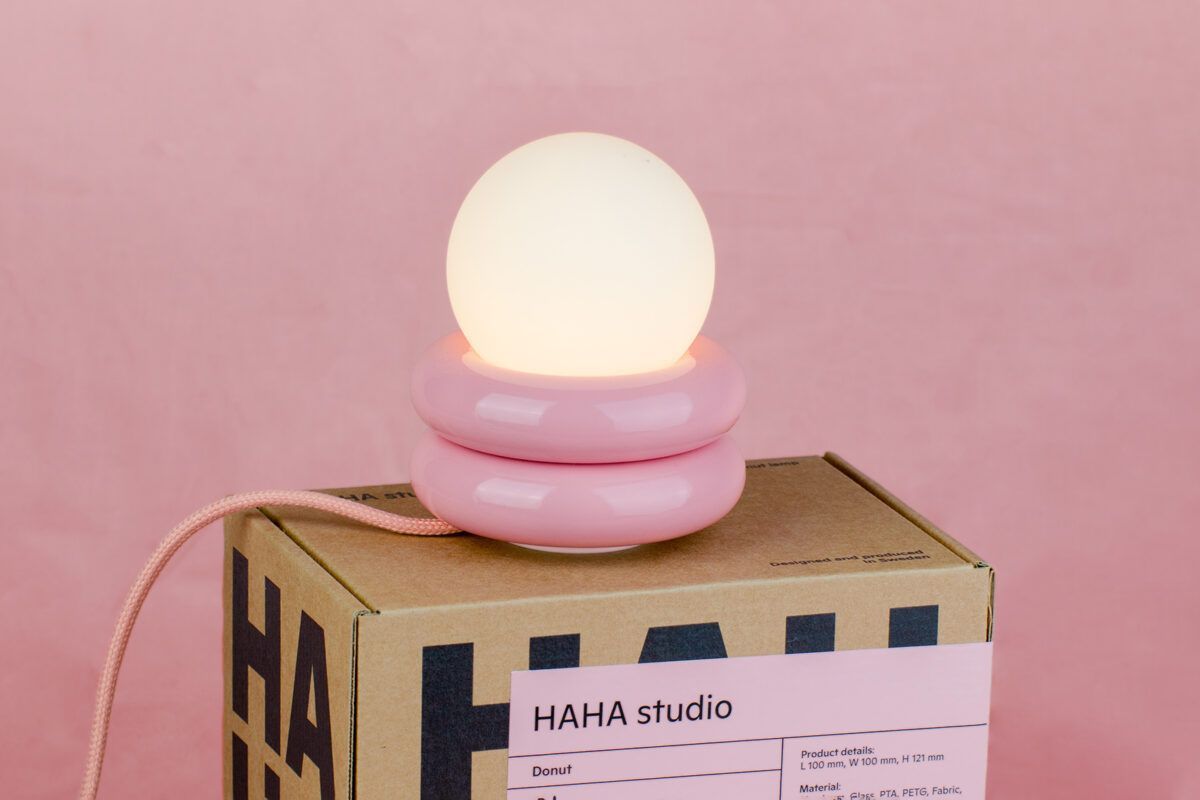
From Stockholm, HAHA Studio develops an approach to lighting where industrial design, local production and sustainability are integrated from the very first sketch. Founded in 2016, the Swedish studio has built its own design language based on elemental geometries, precise industrial processes and a direct relationship with materials.
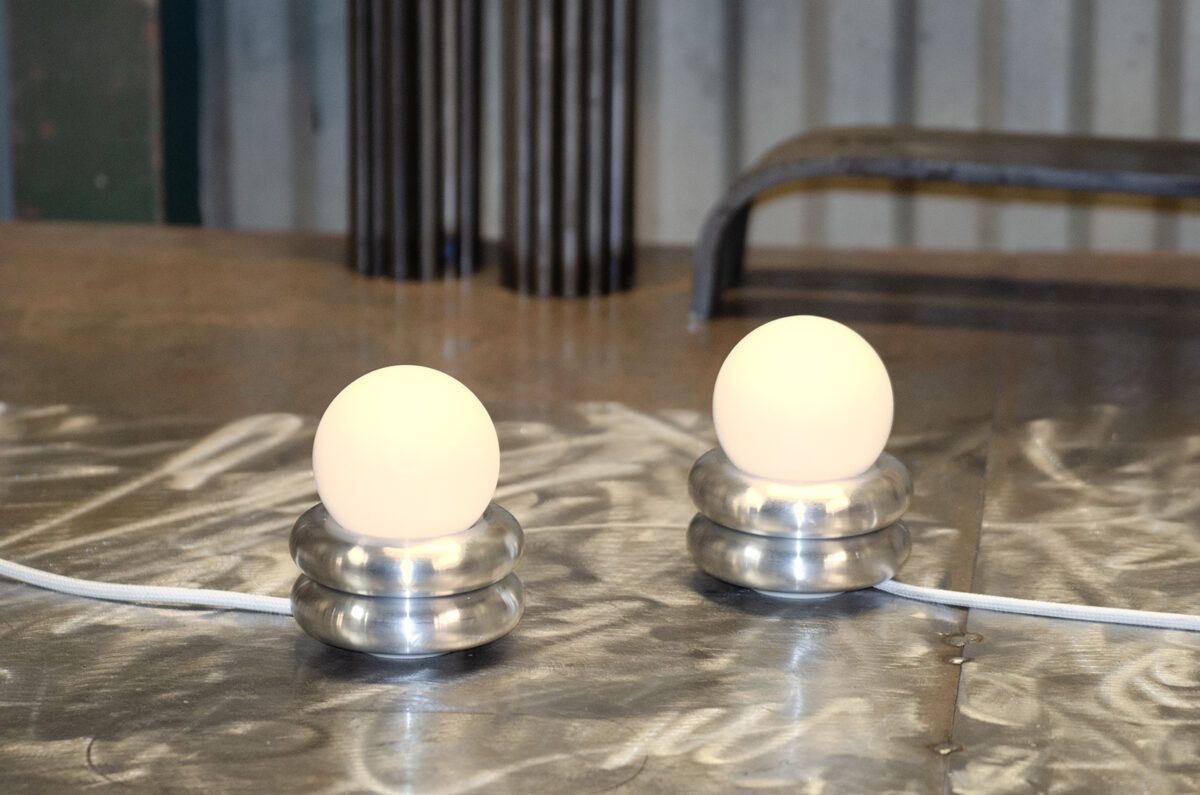
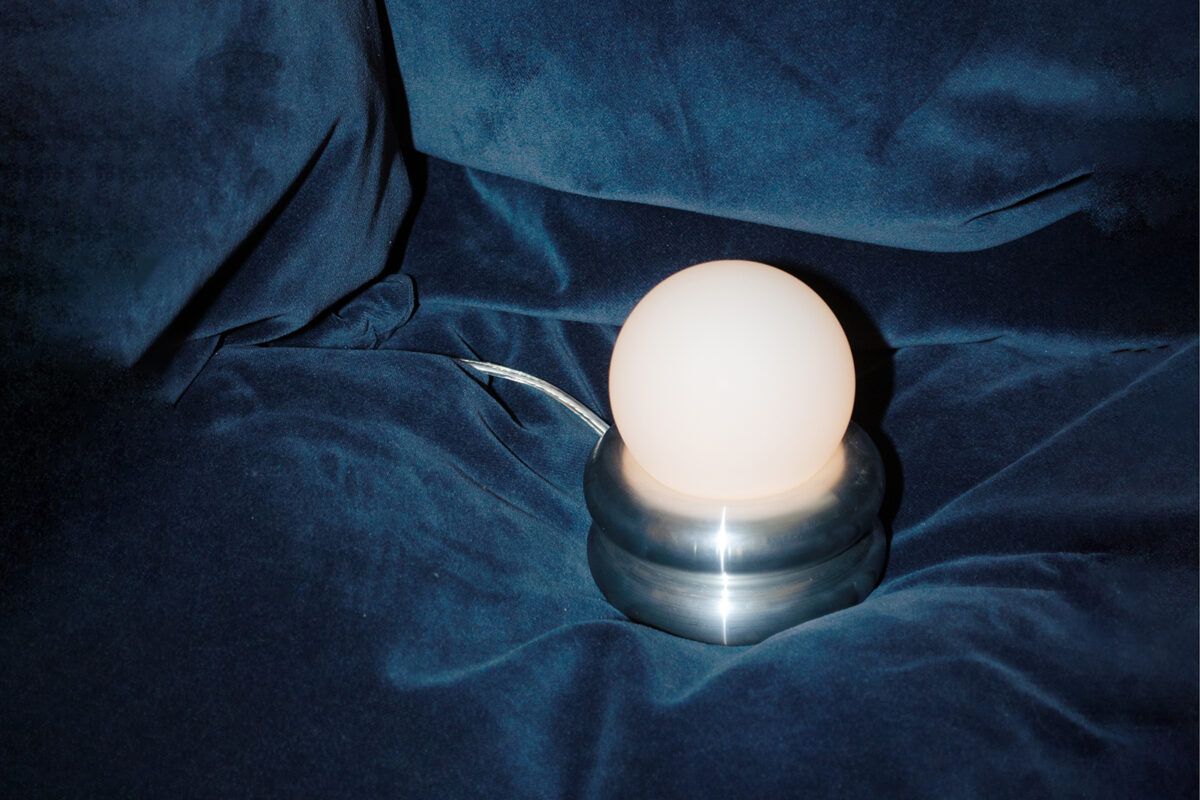
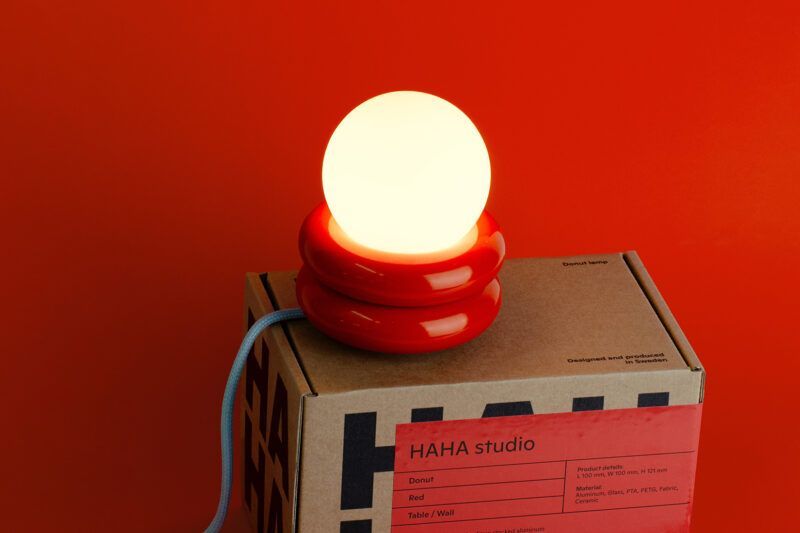
Unlike many contemporary brands that prioritise the final aesthetic over the process, HAHA Studio understands each lamp as the result of an ongoing dialogue between form, production and spatial context. Aluminium, one of their preferred materials, appears repeatedly in their pieces not only for its visual and tactile qualities, but also for its technical properties and recyclability.
The studio’s philosophy revolves around three pillars: design, production and sustainability. A clear example is their application of the design for disassembly principle, which allows every product to be taken apart using simple tools, making repair or recycling easier at the end of its life cycle.

Beyond its objects, HAHA Studio also works with architects, hotels and restaurants, developing lighting projects specifically designed for each space. A practice that reinforces their vision of light not only as an object, but also as a tool for shaping atmosphere.
To better understand their approach, we recently spoke with Arash Eskafi, co-founder and CEO of HAHA Studio, about the studio’s design philosophy, the role of materials and the place of Scandinavian design today.
HAHA Studio operates at the intersection of object, space and concept. How would you define the studio’s core philosophy today?
I would describe HAHA Studio as a lighting design brand operating at the intersection of object and space. From the beginning we have placed great emphasis on understanding and refining the manufacturing process. At our core we are industrial designers, and that way of thinking will always remain part of the company’s DNA.
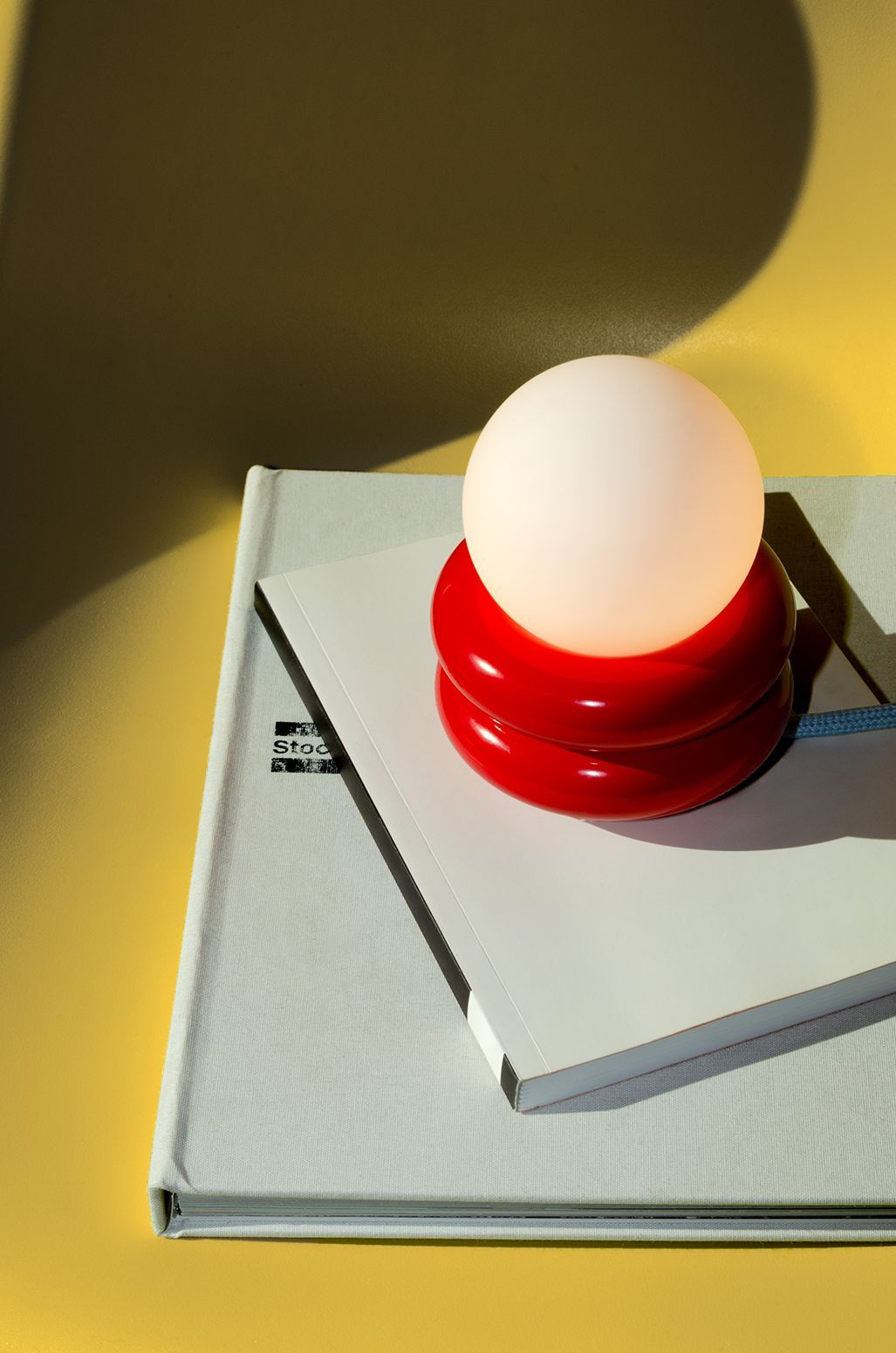
Production, sustainability and design are the three pillars of our philosophy today, and they constantly influence one another. One example is the principle we follow called Design for Disassembly.
This means that every product we create can be taken apart using simple tools. It allows for easy repair, long-term use and straightforward recycling at the end of a product’s life.
“We follow the principle of Design for Disassembly, and every product we create can be taken apart using simple tools.”
Nothing is glued, heat-bonded or produced using harmful chemicals. This mindset — where the production process and the design process continuously inform one another — is a good example of how we work and how we think about design.
Your work often feels sculptural yet functional. How do you balance expressive form with everyday usability?
We are trained industrial designers, and I think that technical background always reveals itself in one way or another.
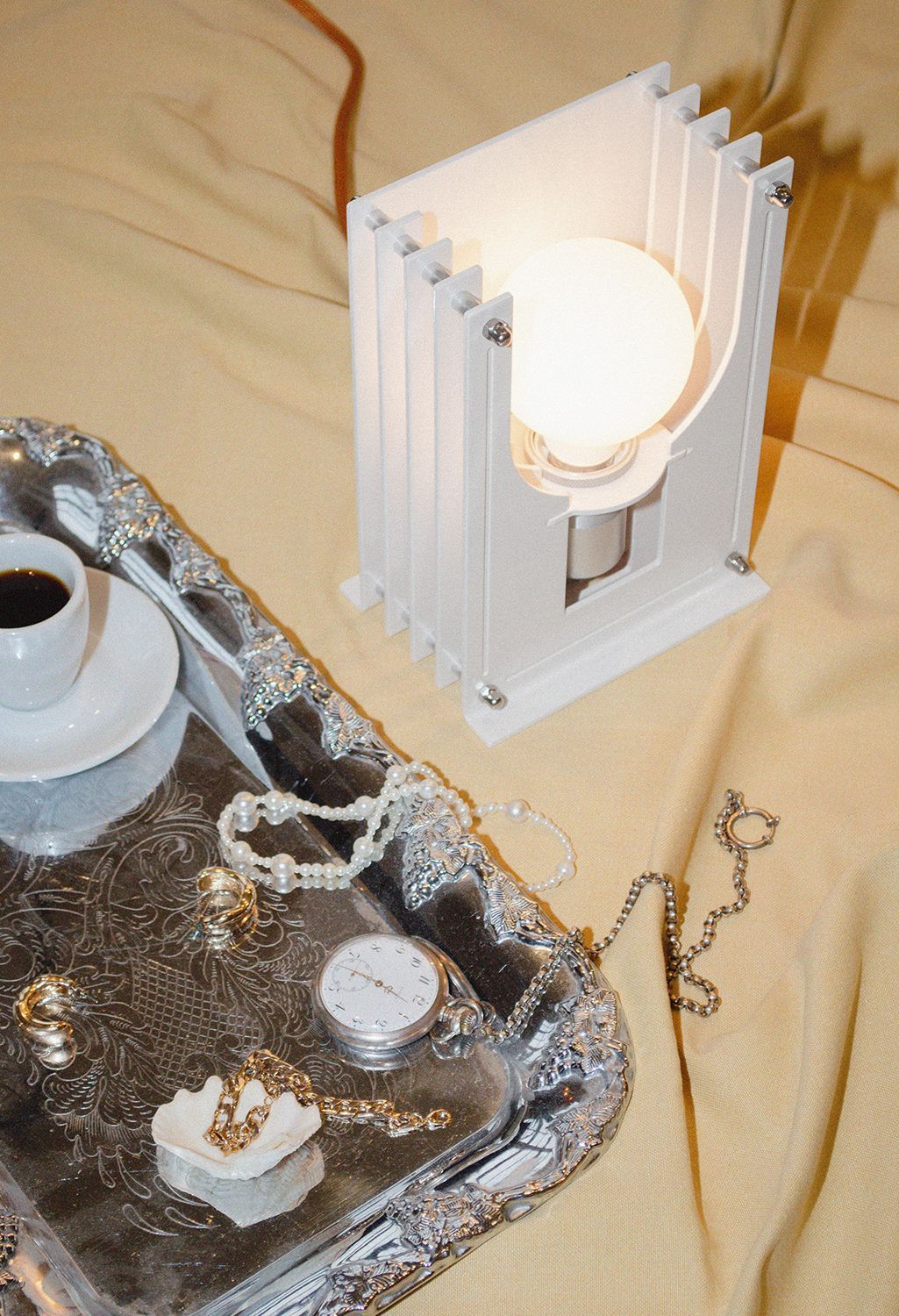
When approaching a project we usually think about form and usability simultaneously, allowing them to evolve in parallel from the very beginning. For us, usability refers both to how a product is manufactured and to how it will ultimately be used or approached by the user.
Our knowledge of manufacturing processes — how things are produced, how complex a method might be or what it costs — is something we constantly consider. Form and usability carry equal weight for us, and we try not to compromise on either.
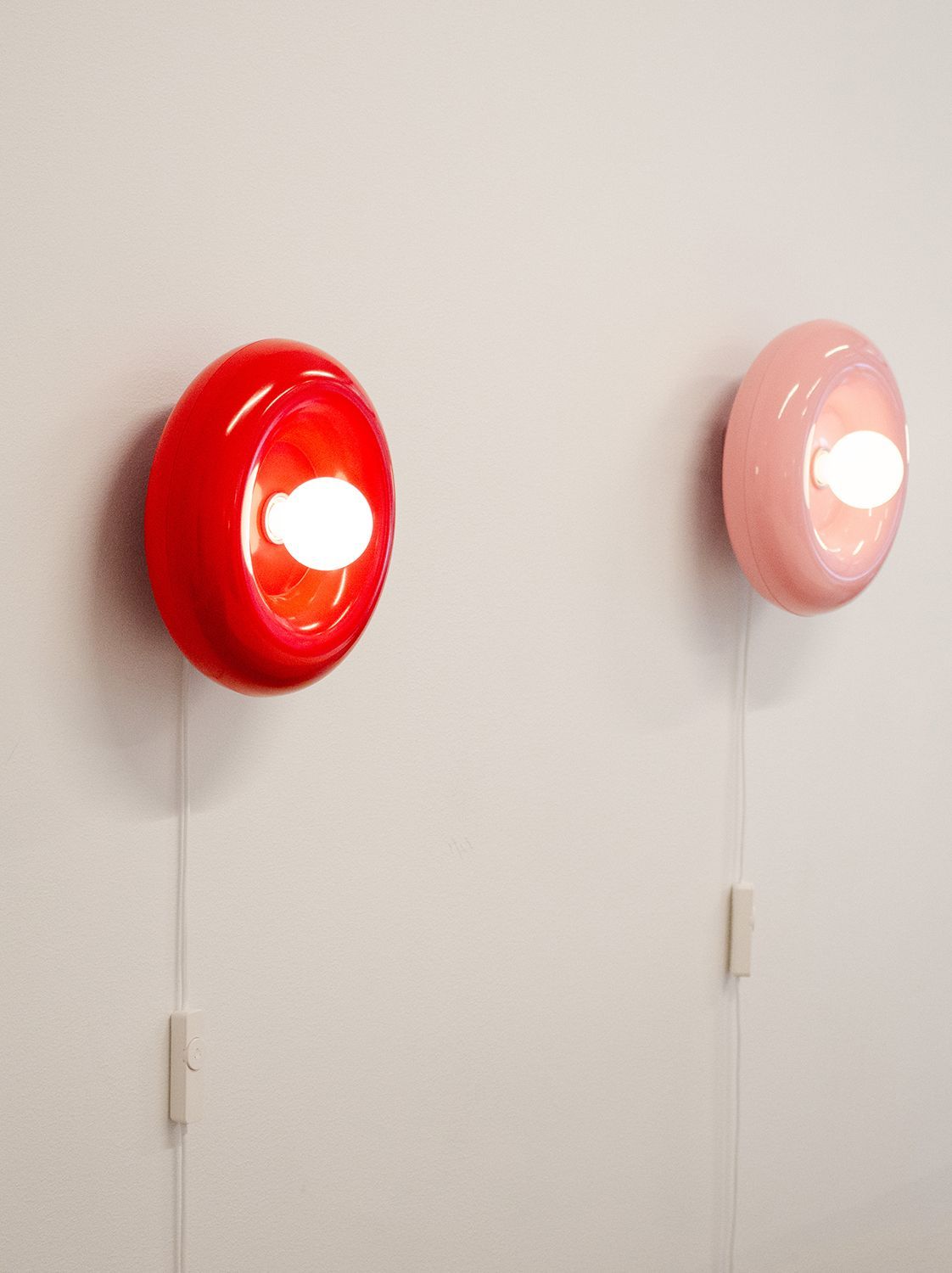
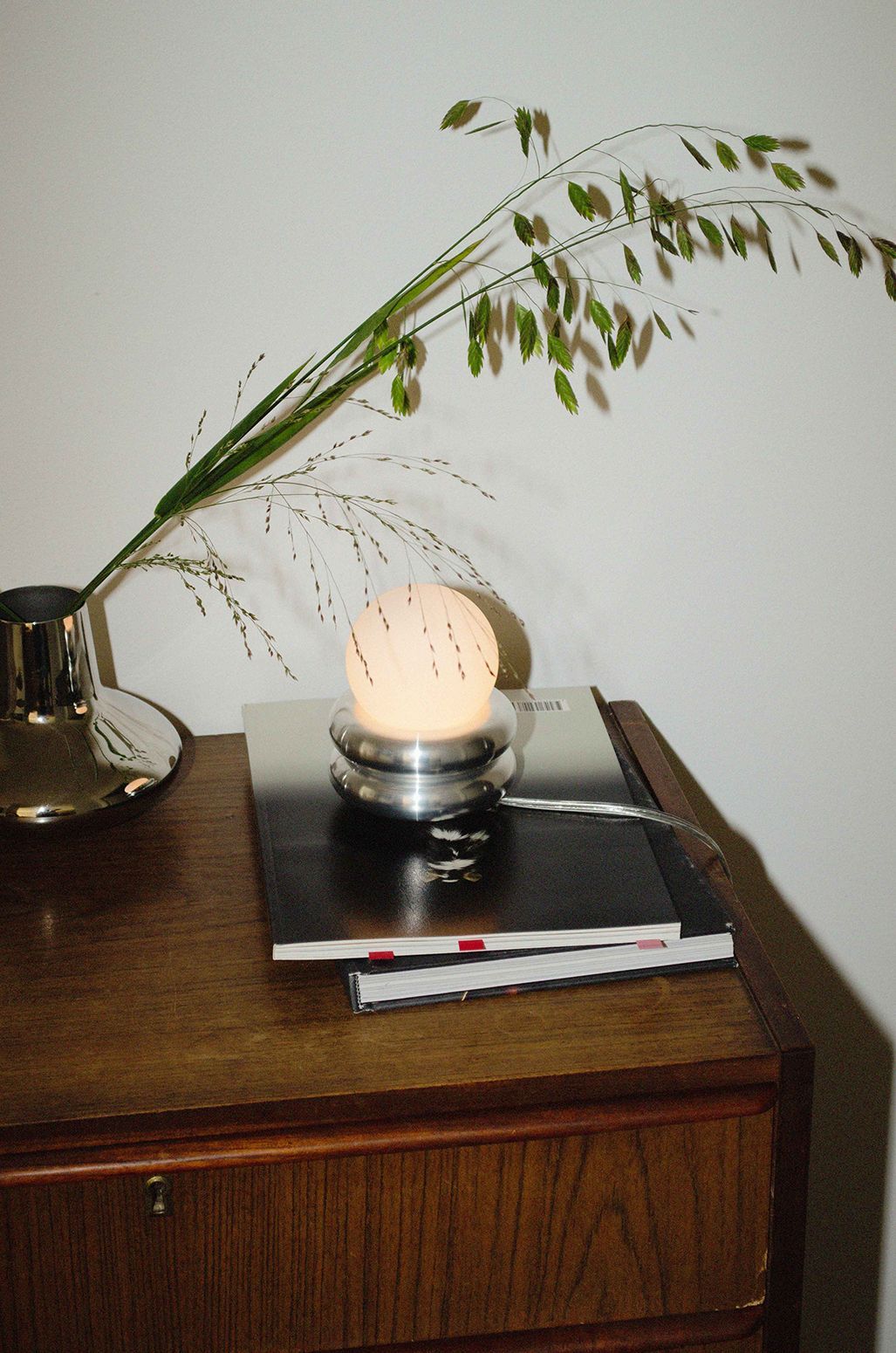
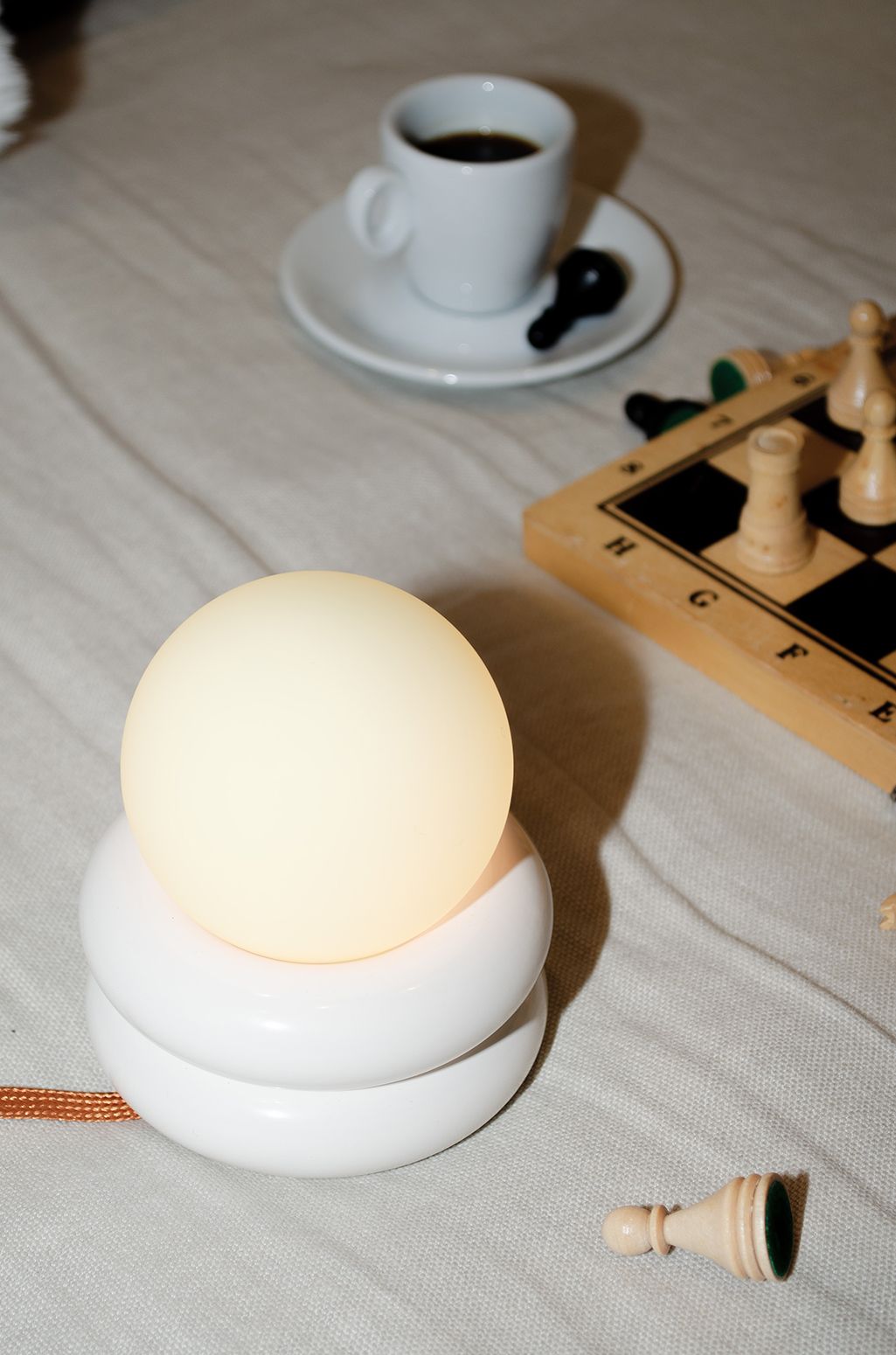
The Donut Table Lamp has become one of your most recognisable pieces. What was the original idea behind its circular geometry and how did it evolve from concept to final object?
Geometrical shapes have always fascinated us. We see them as the foundation — or perhaps the “grandparents” — of form, something we constantly return to.
Another quality we appreciate is the strong, almost chunky presence that objects can have. The Donut lamp emerged from the combination of these two ideas.
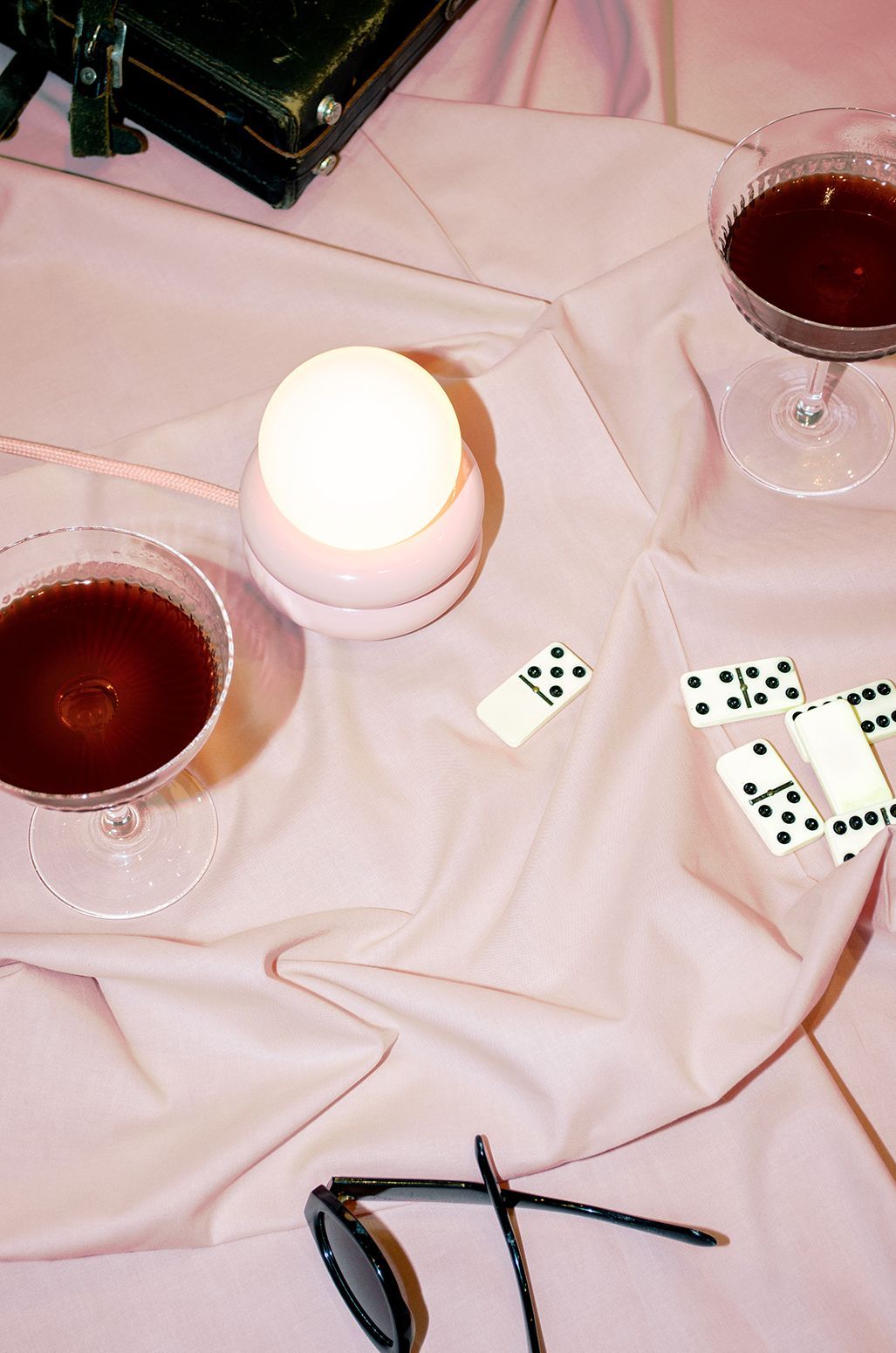
The original seed of Donut actually came from a bespoke project we developed for a restaurant interior in Stockholm.
“We work extensively with B2B clients, and sometimes those projects become the starting point for future ideas.”
We work extensively with B2B clients — architects, hotels and restaurants — and sometimes those projects become the starting point for ideas that we later refine further.
Donut initially began as a pendant lamp with three rings. Over time it was simplified to two rings and eventually evolved into the table lamp that exists today.
Donut feels both playful and architectural. How do you ensure such a strong formal gesture remains timeless rather than trend-driven?
The simplicity of the Donut’s form is central to its longevity. We deliberately return to geometrical shapes that feel universally recognisable. In that sense, the form is almost prehistoric rather than trend-driven.
Secondly, we try to focus on colour selections that represent both the product and ourselves. Keeping finishes in raw aluminium or choosing an off-white colour are decisions intended to last over time rather than follow the colour trends of the year.
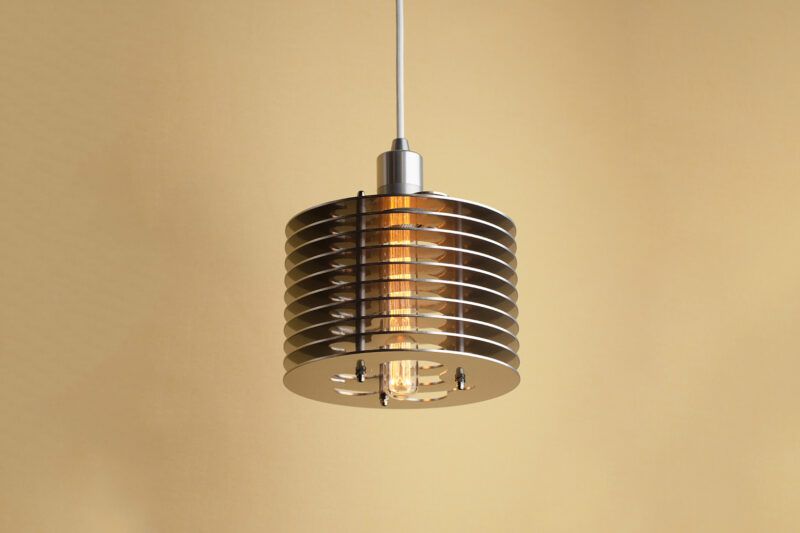
The Spin Wall Lamp introduces movement and interaction. What role does tactility and user engagement play in your lighting design?
We are very much a material-driven studio. One of our core strengths lies in allowing materials to speak for themselves. Many of our lamps are designed so that traces of both the material and the machine remain visible in the final object.
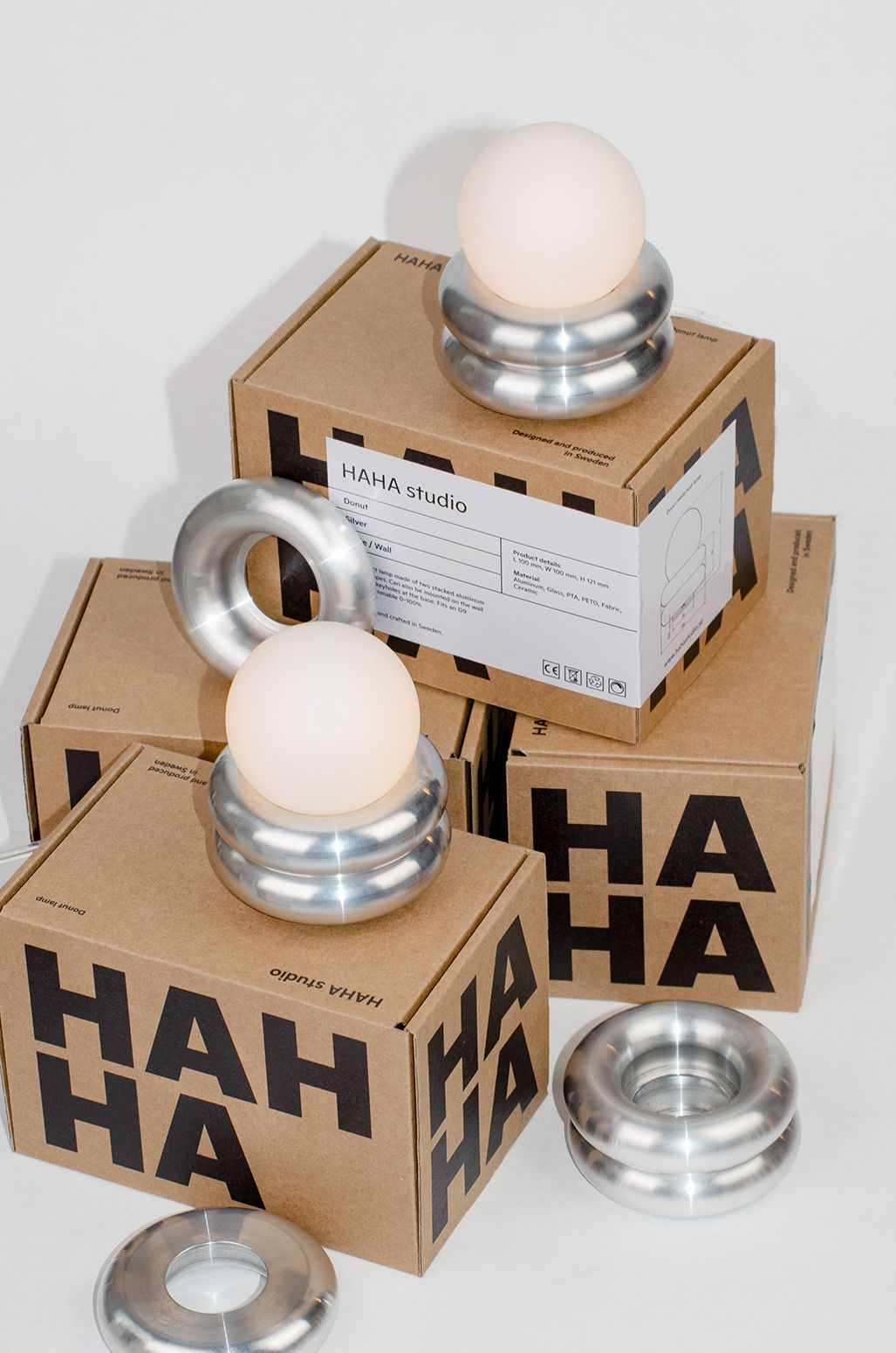
“One of the most important aspects is always the quality of light and the way it spreads.”
With that mindset, questions of tactility inevitably arise. But because we work with lighting, one of the most important aspects is always the quality of light and the way it spreads.
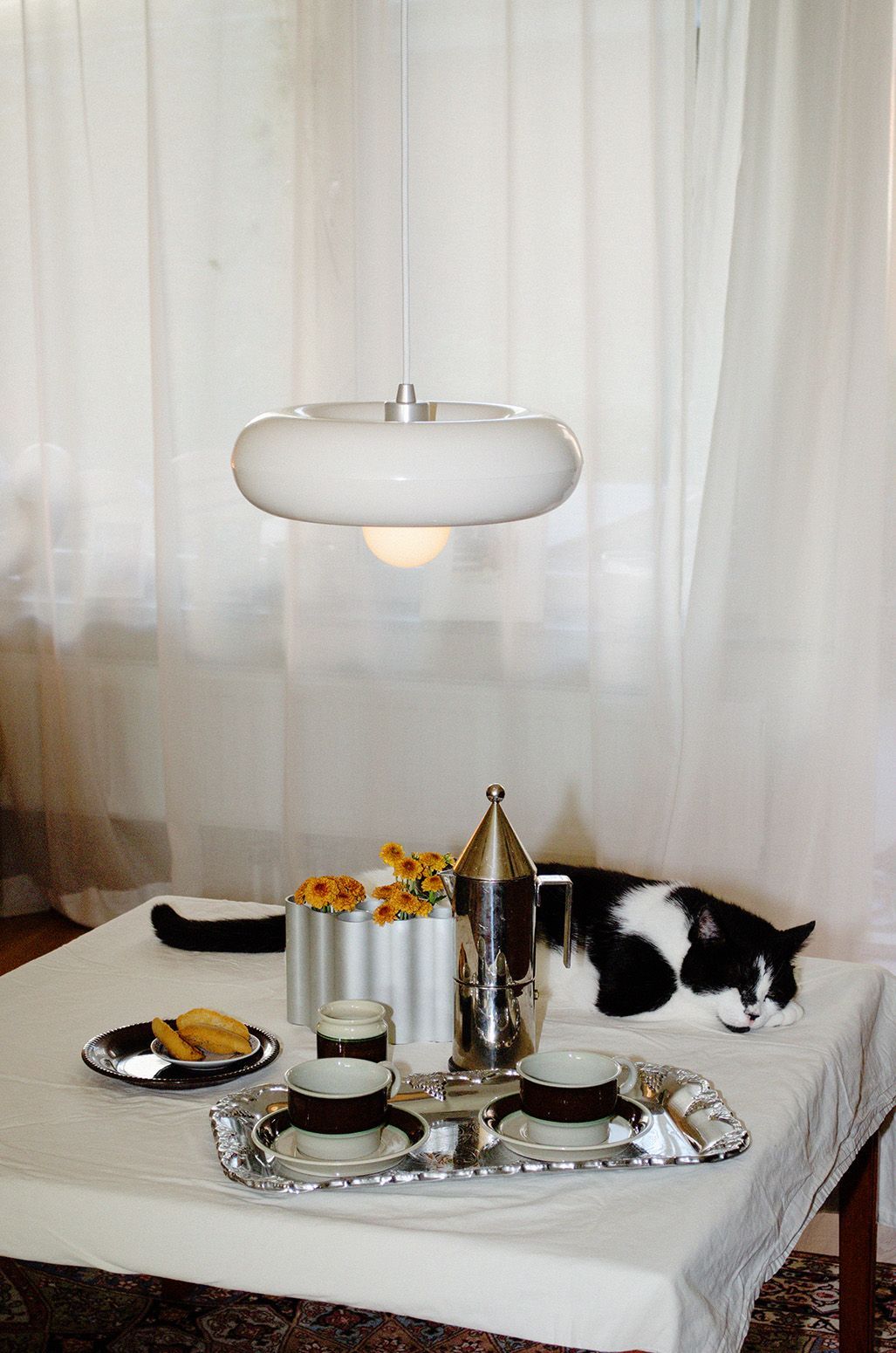
A lamp cannot be considered successful if it does not perform its function. At the same time, we are not designing purely technical lighting like spotlights. Atmospheric lighting still needs to function as a lamp while also existing as an interesting object within a space.
Both Donut and Spin have a strong spatial presence. Do you design your lighting as objects first, or as tools to shape atmosphere within a space?
It really depends on the project. When working on site-specific commissions, the spatial context often becomes the starting point. We spend a great deal of time understanding the architecture and the atmosphere the lighting should create.
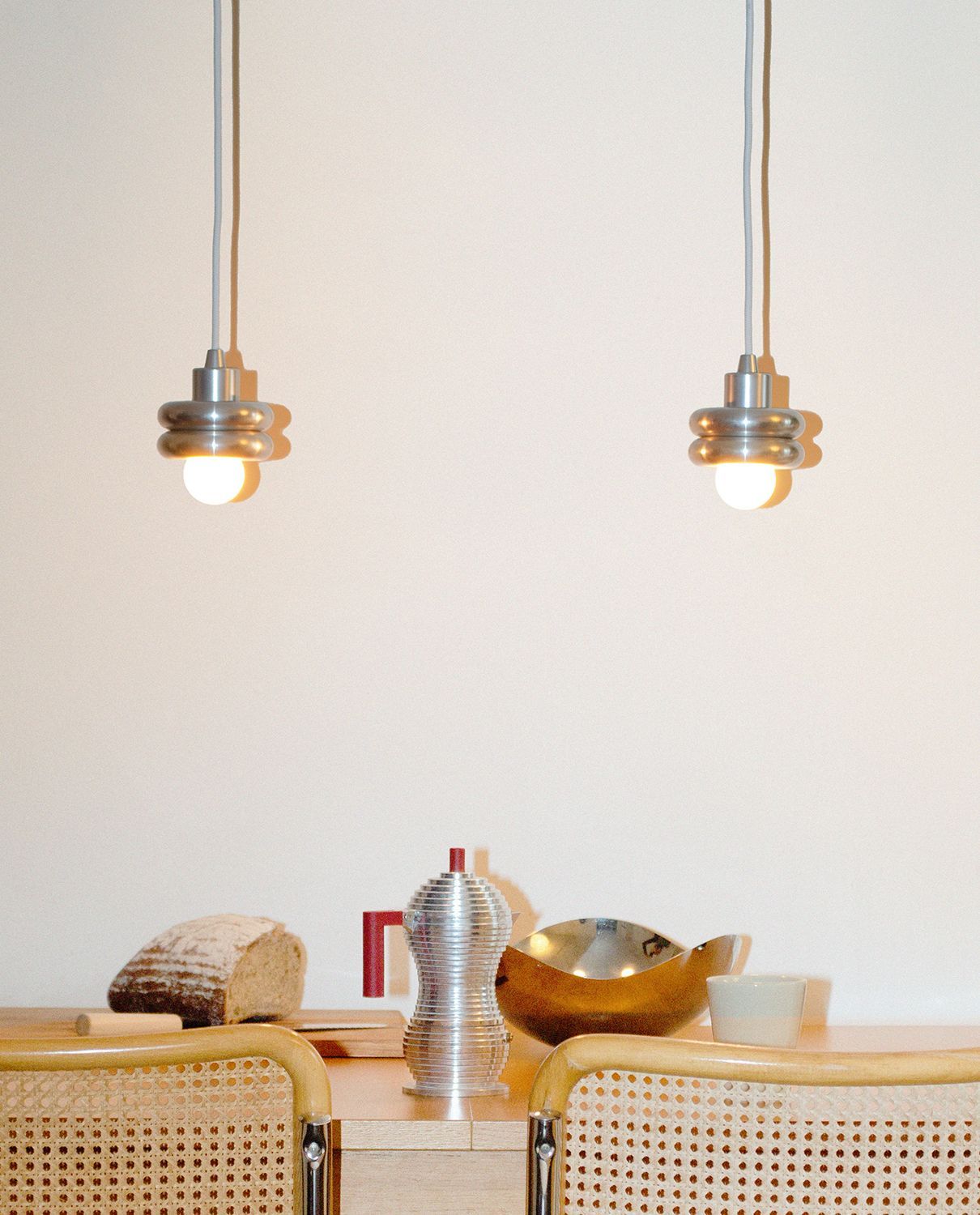
In other cases we begin by exploring a particular shape or object that interests us. From that initial form we then build the technical aspects of the lighting into the design.
Sustainability appears as an embedded principle rather than a separate strategy. At what stage of the design process does sustainability enter the conversation?
Sustainability is present from the very first sketch. After an initial idea is drawn, the next natural question we ask ourselves is: “What material should this be made from?”
“Sustainability is present from the very first sketch.”
That question already opens the conversation around sustainability. Production methods also play a major role. Where are the different components produced? Can we use the same facilities for several parts?
These considerations arise very early in the design process, and they all influence how sustainable a product can ultimately be.
For us sustainability is not a separate step. It is something woven into the entire process.
How do you approach material selection beyond aesthetics? What technical or ethical criteria guide your decisions?
We are great lovers of all things metal, aluminium in particular. It is the primary material in many of our products, not only because of its visual and tactile qualities but also because it is 100% recyclable.
“We love aluminium for its visual and tactile qualities, and because it is 100% recyclable.”
Sustainability therefore becomes a natural part of the conversation. We are also drawn to materials such as wood and glass.
However, beyond aesthetics we carefully examine material properties. If we want to achieve a specific light diffusion or a particular tactile quality, we select the material best suited to that purpose.
In short, our choices are guided by a combination of sustainability and material performance.
From a production perspective, how do you ensure durability while maintaining a refined and minimal expression?
For us durability equals quality, and quality is defined by how something is made.
Today we increasingly see how fast fashion and rapid consumption normalise products with very short lifespans. We believe this approach is fundamentally wrong. A well-made product should last for generations, or at least be repairable when necessary.
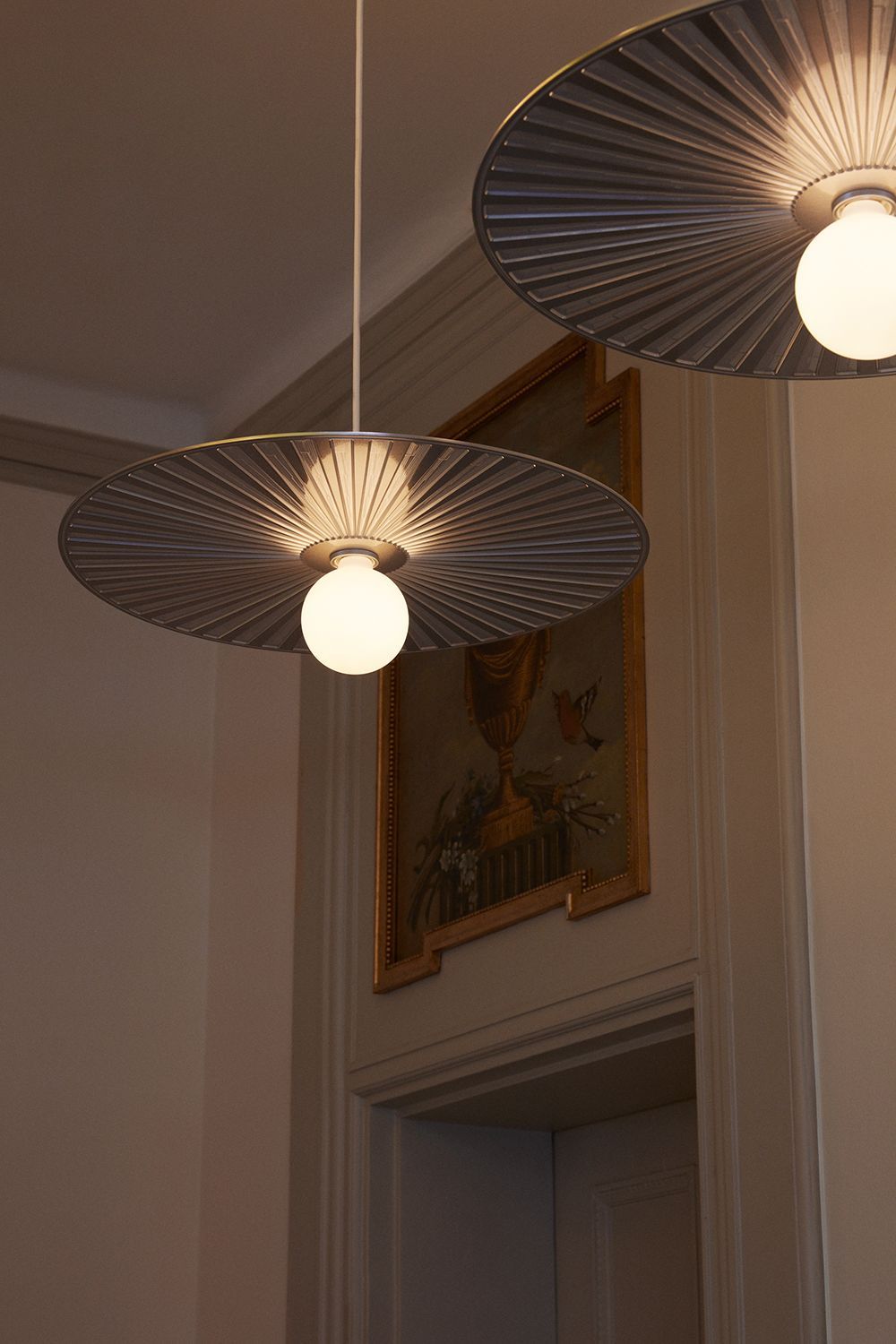
For that reason we place great care in choosing who produces HAHA Studio’s products. The people behind our production become long-term collaborators, almost like an extended family.
Through frequent visits and close dialogue we build relationships and share knowledge. These craftsmen and women possess an incredible amount of production expertise.
By working closely with them we are able to understand their processes and translate that knowledge into the designs we develop.
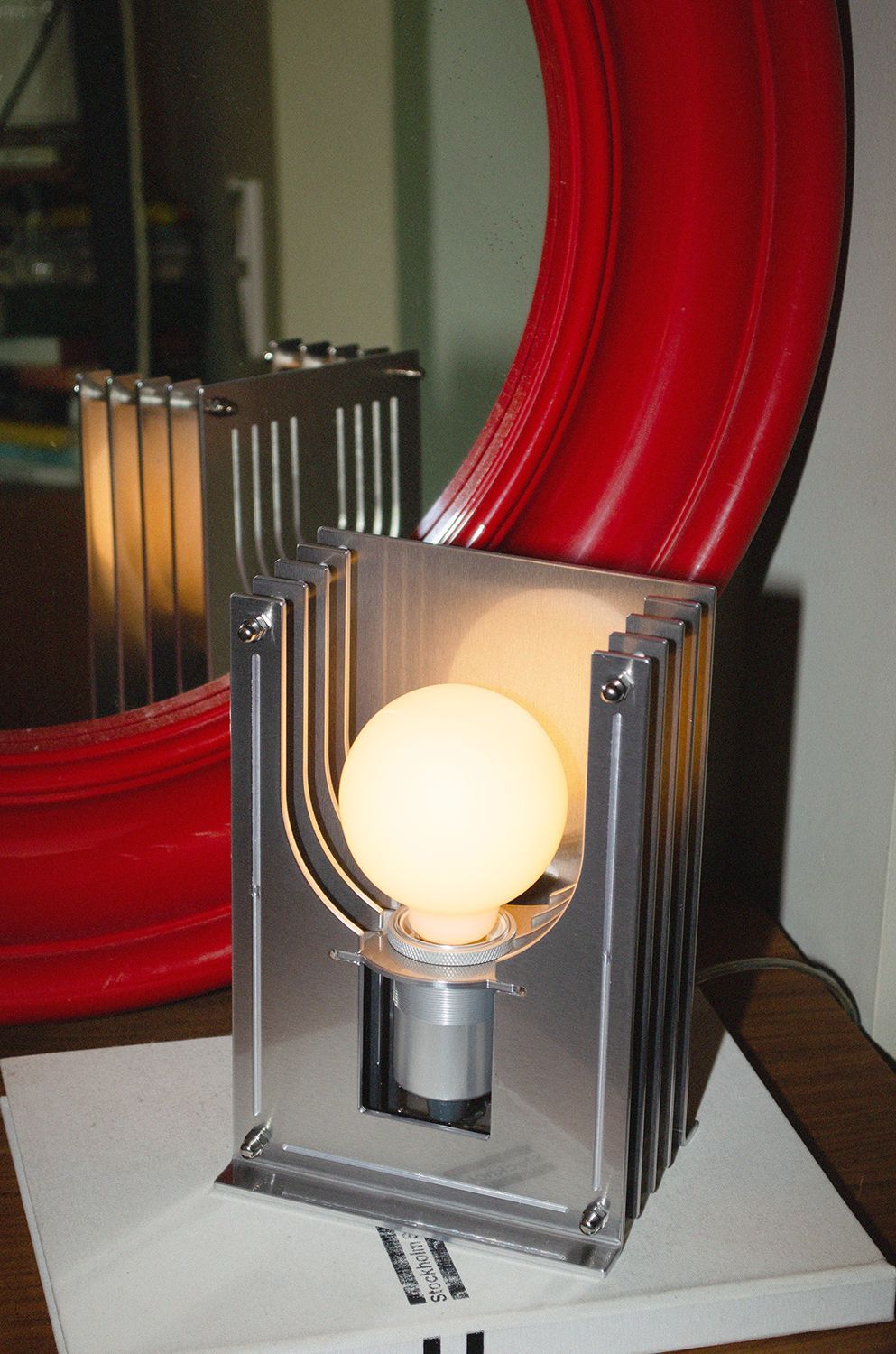
How does designing a collectible lighting piece differ from working on a spatial or site-specific project?
Working on a site-specific project is a very different process.
First of all, there is usually a defined budget, which introduces certain limitations. But that can actually be positive, as it forces us to think creatively about how to achieve specific forms or ideas in an efficient way.
Site-specific projects also involve more stakeholders. The design typically needs approval from the client or other decision-makers before production begins.
From a design perspective the space becomes central. For these projects we develop bespoke lighting, which involves site visits and close collaboration with the client to understand how the space will be used and what atmosphere the lighting should create.
What does Scandinavian design mean to you today? Do you feel aligned with that tradition, or are you consciously redefining it?
That’s an interesting question. People outside Scandinavia often seem fascinated by the idea of Scandinavian design. The word “minimalism” is used very frequently, although it is not something we necessarily like to rely on.

For us Scandinavian design is more about values such as quality, simplicity and functionality. There has always been a strong tradition of doing things properly and avoiding shortcuts.
In that sense I believe HAHA Studio still follows that tradition. From a purely aesthetic perspective, however, the situation is different today. With digital culture and global exchange we are constantly influenced by people and ideas from all over the world.
Design cannot remain exactly as it was fifty or sixty years ago.
But if we look beneath the surface — craftsmanship, functionality and ease of use — then I believe we still operate within that Scandinavian philosophy.
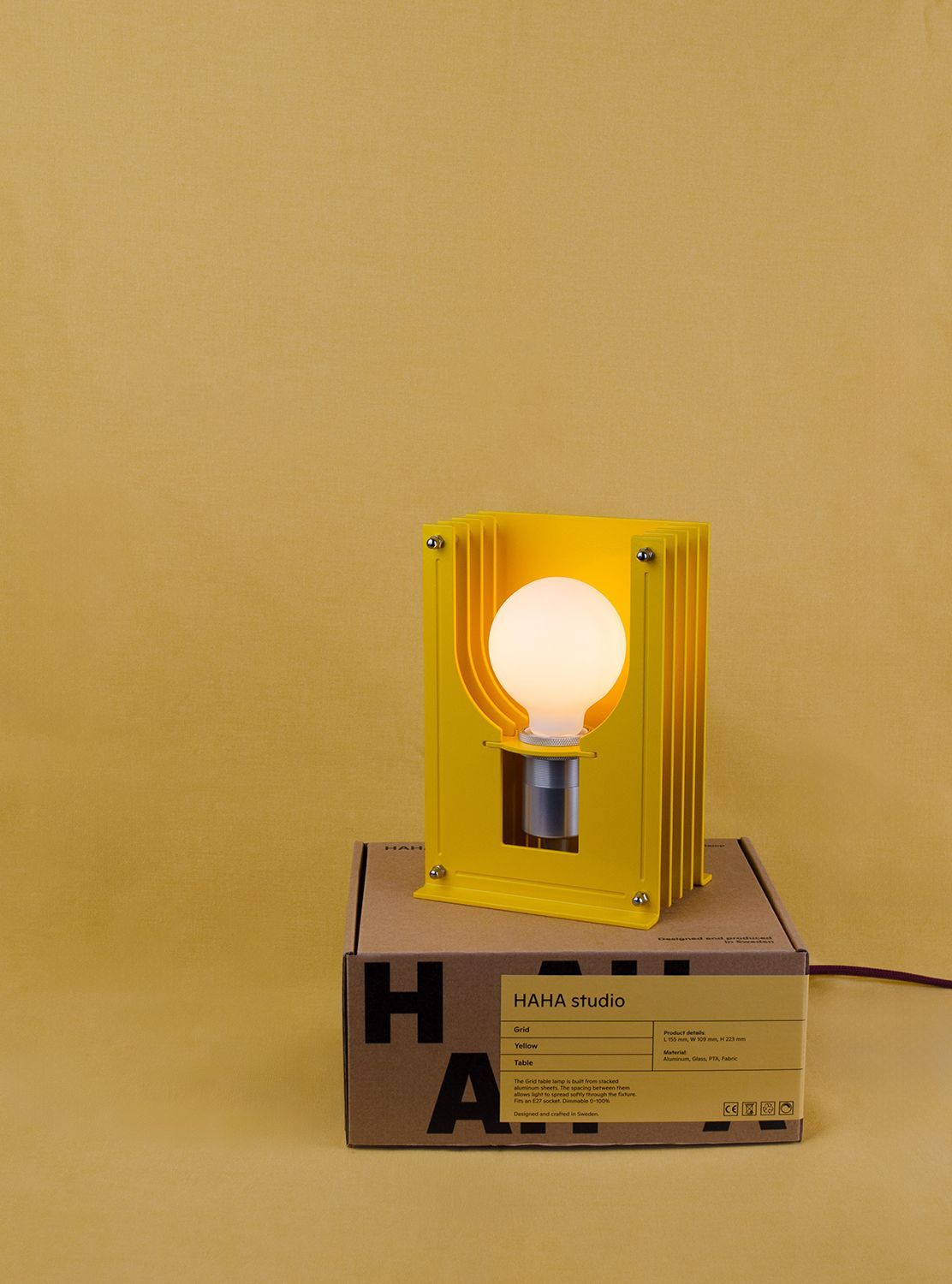
As a growing studio, how do you decide which collaborations or commissions to pursue?
It is often difficult to know from the beginning whether a project will be the right one.
Sometimes a project looks excellent on paper but proves more challenging once it begins. Other times the opposite happens — a project you were initially uncertain about turns out to be very rewarding.
Ultimately it often comes down to the people involved. If you collaborate with thoughtful and respectful individuals, the process becomes far more enjoyable.
As a growing studio you do not always have the luxury of being overly selective. You try to make the most of each opportunity.
That said, projects where the client understands who we are and approaches us for a specific reason usually start on the right footing. If a client has taken the time to understand our work in a similar way, the chances are that the collaboration will be a good fit.
If you had to define HAHA Studio’s contribution to contemporary design in one sentence, what would it be?
Quality-driven design with a sense of playfulness.
Designing to last
Durability plays a central role in HAHA Studio’s philosophy. In a context dominated by fast consumption, the studio defends a simple idea: a well-designed object should accompany its users for decades — or at least be easily repairable.
This vision is also reflected in their production model. The workshops that manufacture HAHA Studio’s pieces maintain a close relationship with the studio and form part of a collaborative network based on shared knowledge and the continuous improvement of processes.
Scandinavian tradition in a global context
Although their work is rooted in the tradition of Scandinavian design, the studio’s founders prefer to speak about values rather than style. Quality, simplicity and functionality remain fundamental principles.
Yet today’s context is very different from that of half a century ago. Digital culture and the global exchange of ideas have dramatically expanded the horizons of contemporary design. It is precisely within that balance between tradition and international openness that HAHA Studio’s practice sits today.
A vision of contemporary design
If their contribution to today’s design landscape had to be summarised in one sentence, they put it quite clearly: quality-driven design with a playful sense of form. A way of understanding design in which production, material and light become part of the same creative process.
(*) Photographs courtesy of HAHA Studio.