Copenhagen: the perfect city (Part 1)
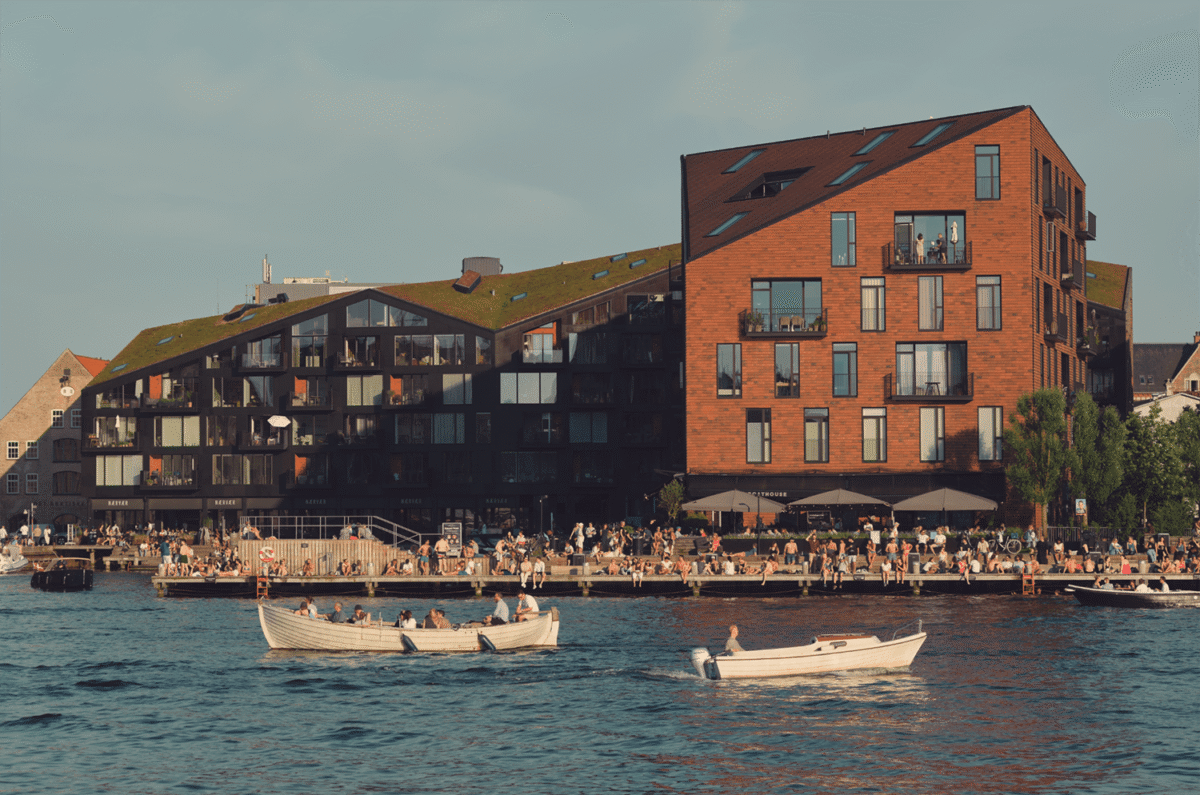
Copenhagen is a city we absolutely adore and would love to live in. There are countless reasons why this place is so inspiring and a dream destination for us, despite the bad weather in winter, which we know is a drawback for many, but not for us, as we love this season.
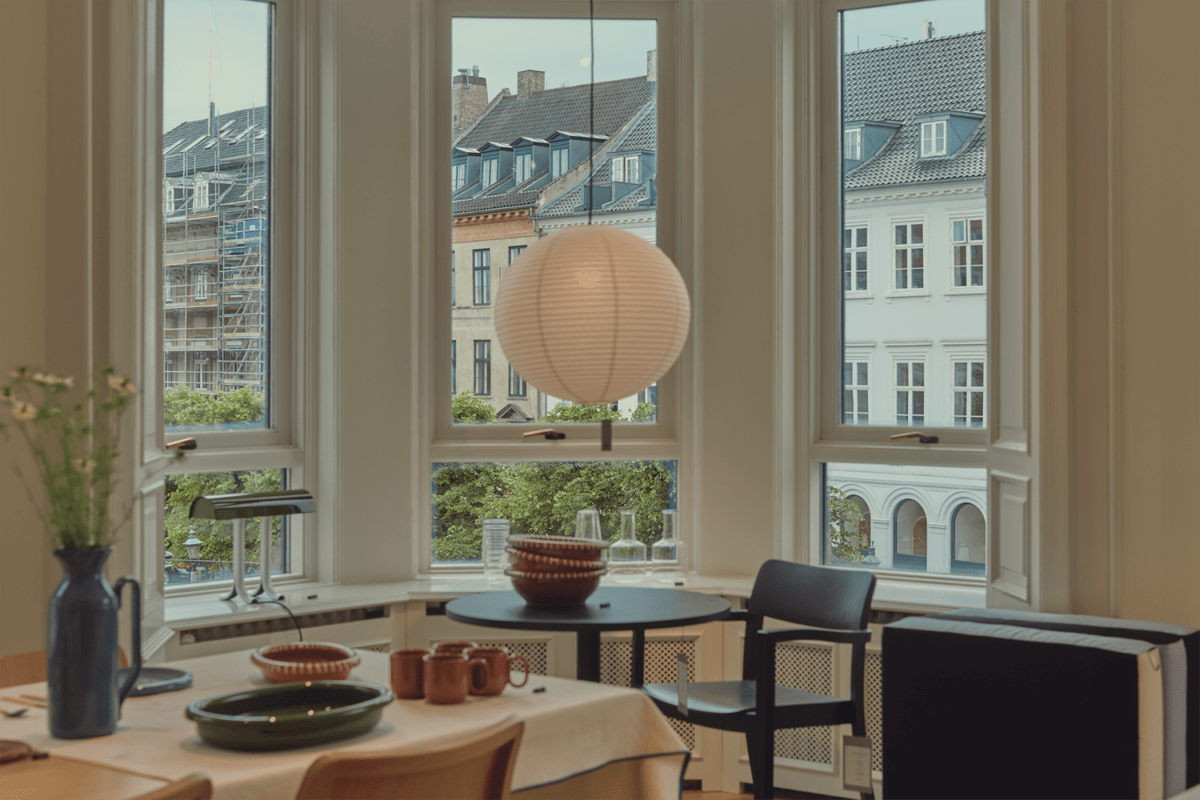
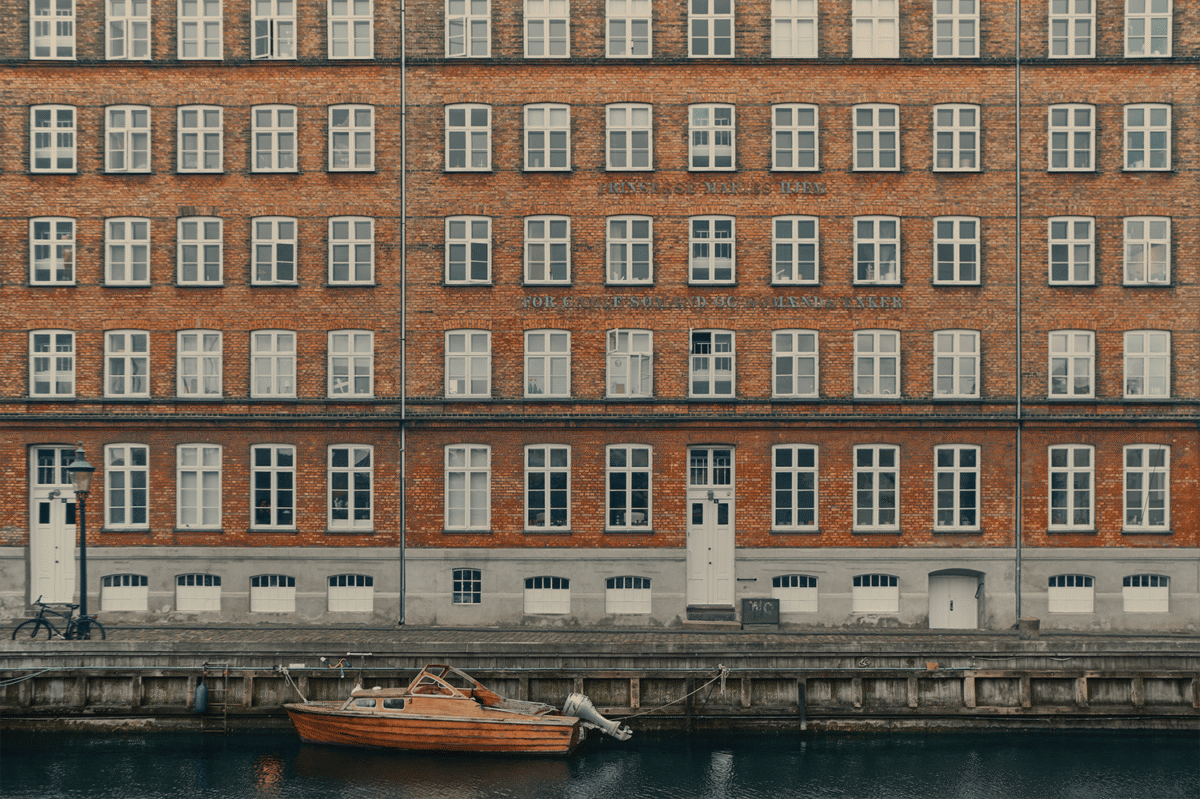
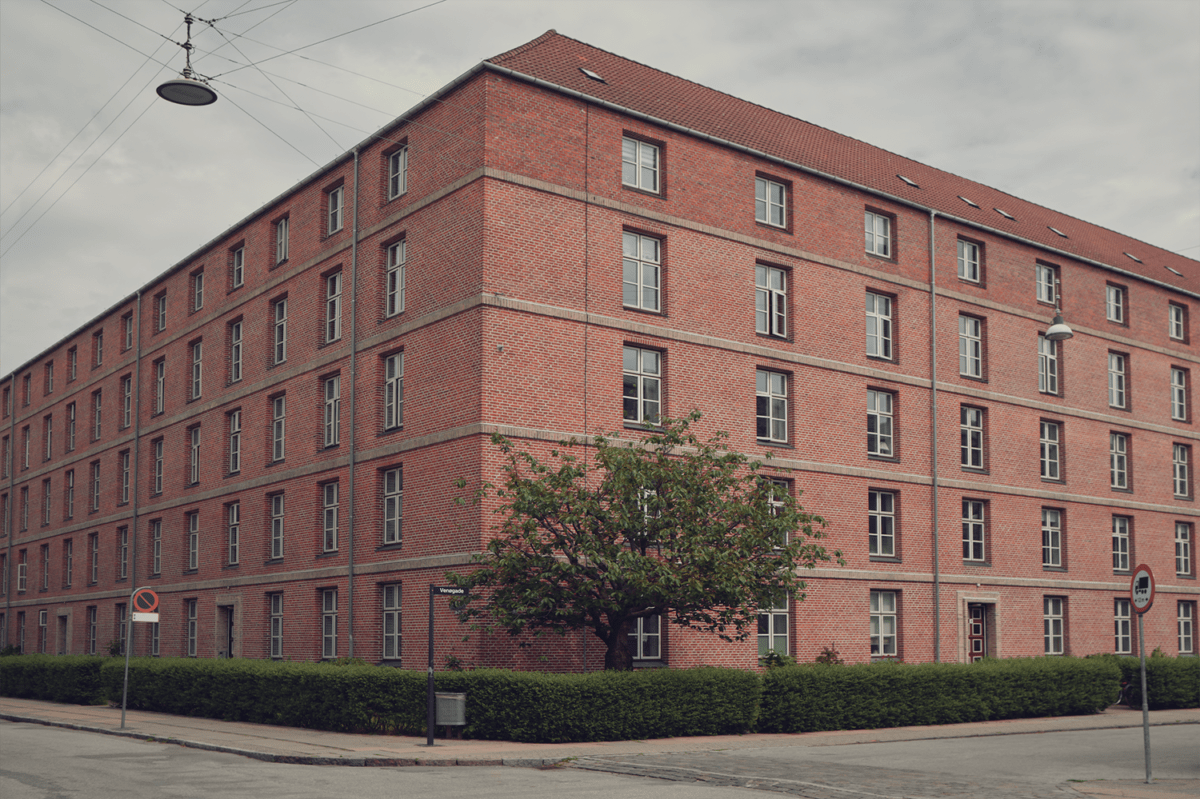
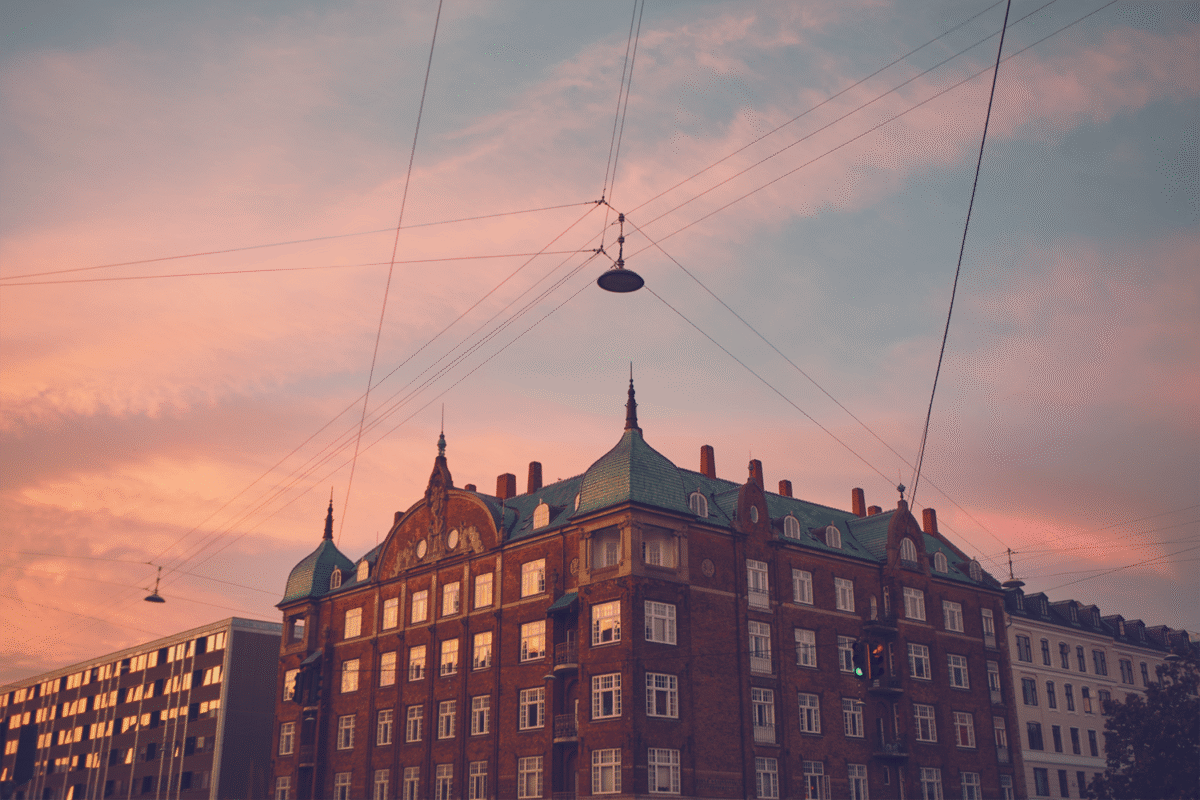
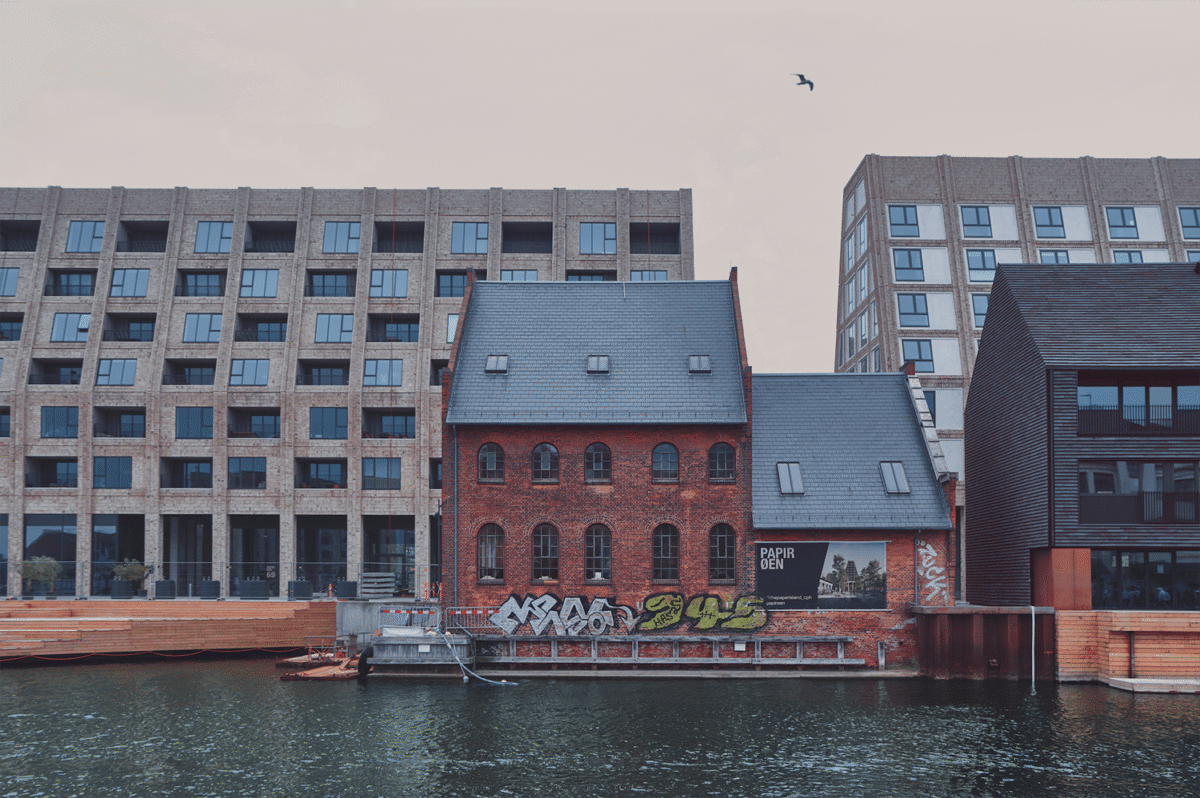
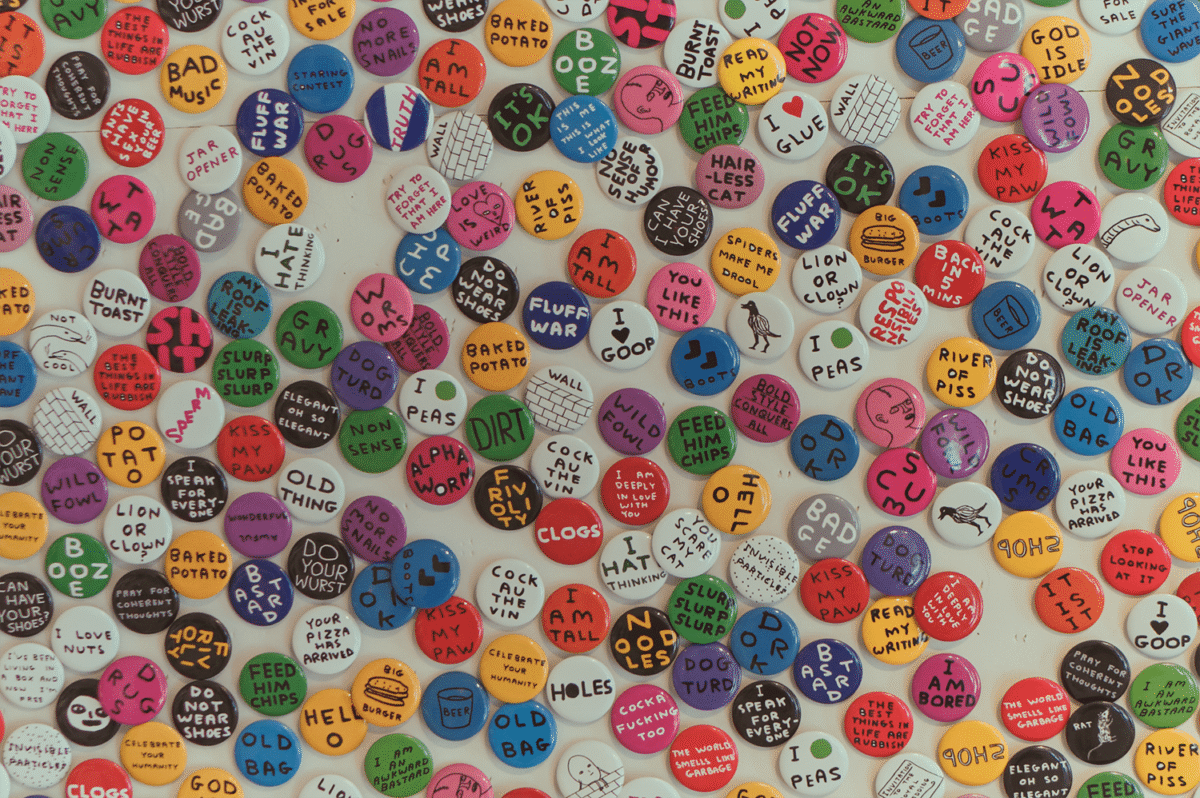
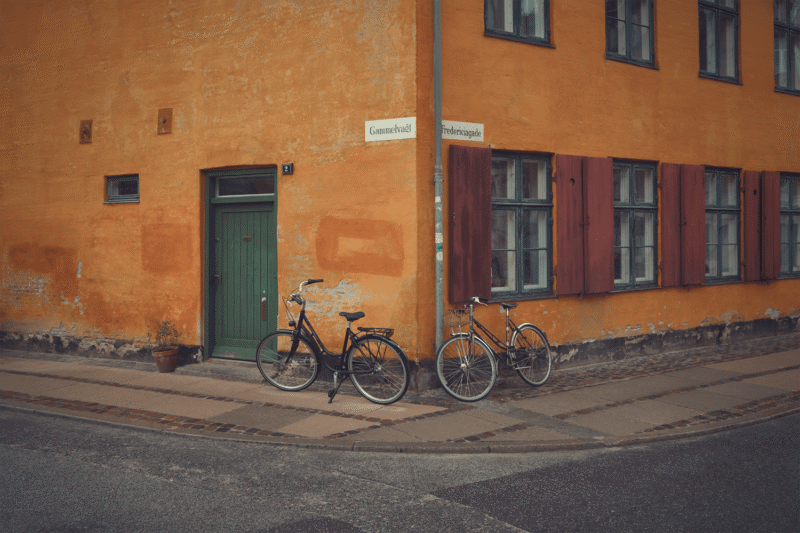
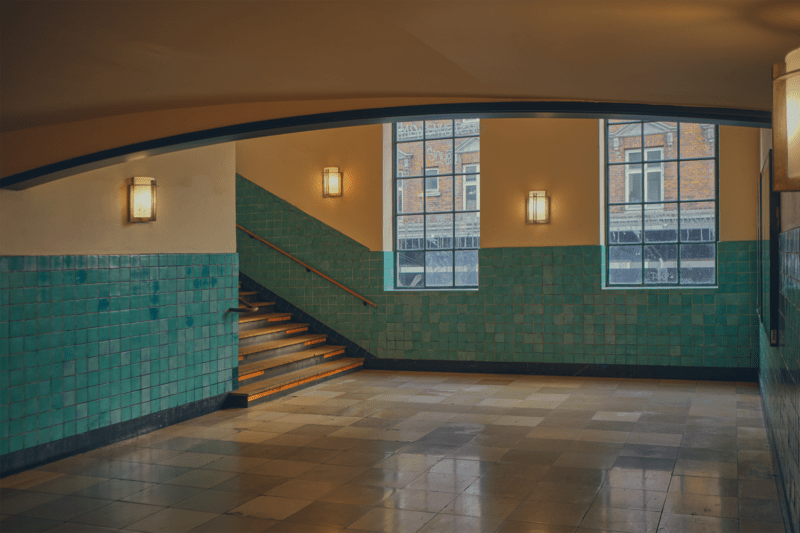
Having said that, and considering Copenhagen has so much to offer, we have created three articles where you will find a selection of cultural, artistic, design, gastronomic, and miscellaneous recommendations.
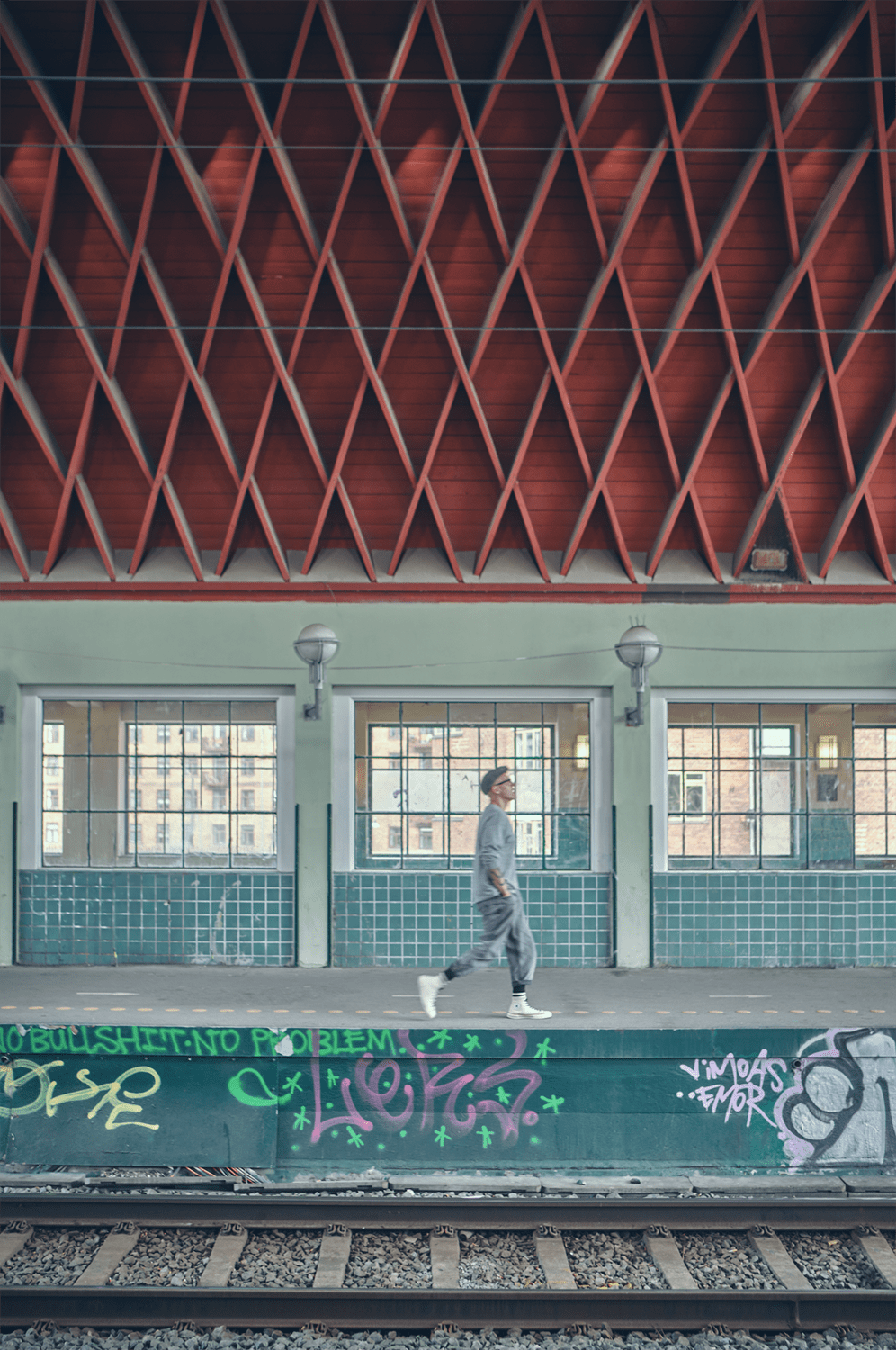
Practical Information
This city is designed to be enjoyed by bike, but also for walking or using public transport. The distances are not very large, and since the population density is low, it is very convenient to get around.
We highly recommend getting the Copenhagen Card, which will allow you to travel around the city without having to buy tickets each time you take the metro, bus, or boat. Additionally, it grants you access to the best museums and attractions. It’s very practical and will make your trip incredibly comfortable.
Likewise, as we mentioned earlier, it is true that “the perfect city” has somewhat unpredictable weather, although it tends to be milder than in the rest of Denmark. In the summer months, between June and August, the days are longer and the temperatures much more pleasant, with an average temperature of 20°C, though it can reach up to 35°C. Winters are long, very cold, windy, and mostly cloudy.
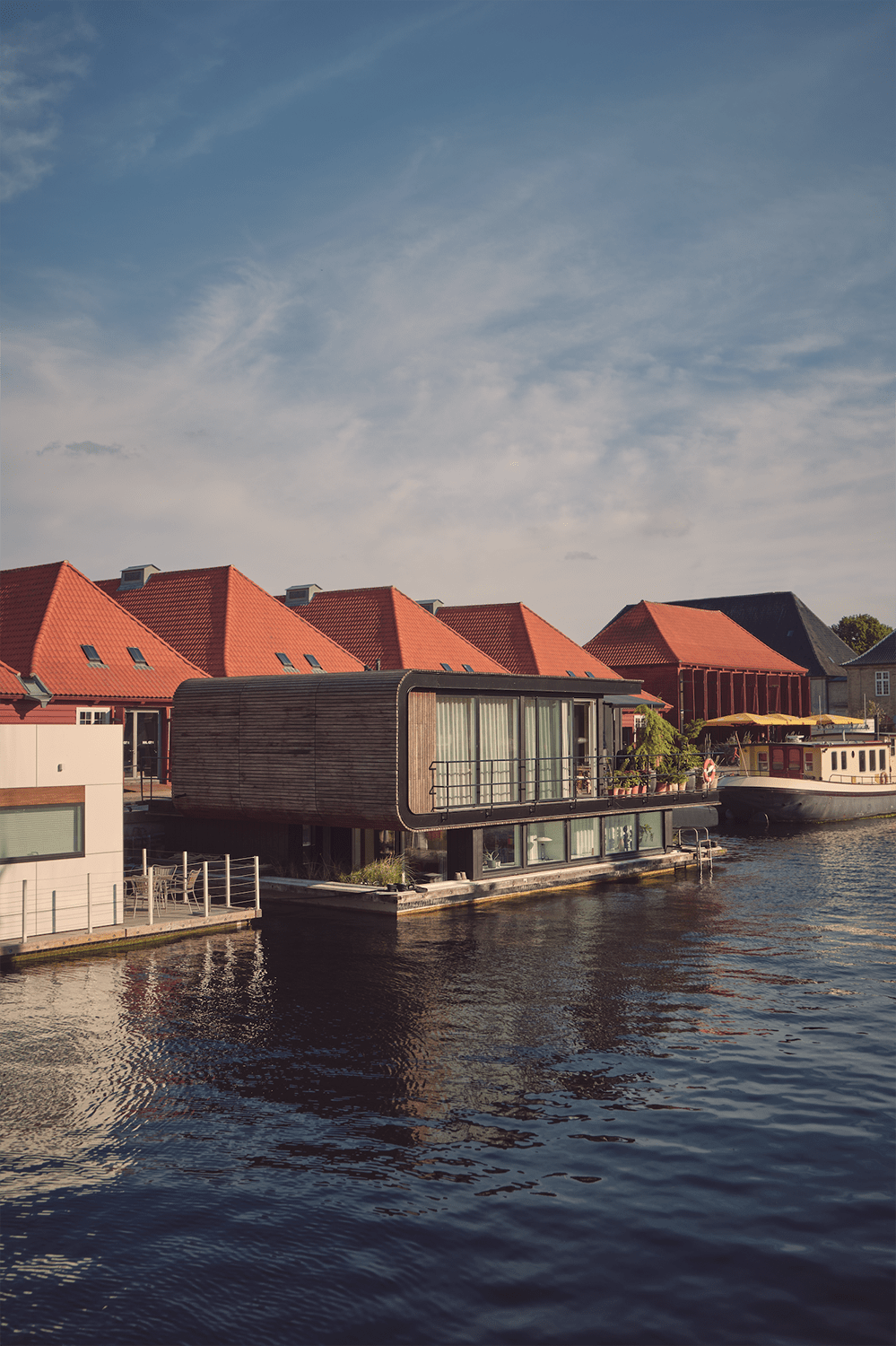
In fact, February is generally the coldest month with an average temperature of 2°C, although it is true that there can be occasional rain and some wind throughout the year. Therefore, we recommend that you come prepared for any occasion. This means including an umbrella, a raincoat, a sweater, comfortable shoes, a scarf, and a cap in your suitcase. Of course, we advise checking the weather forecast before packing.
That said, the city is very well-prepared, and the interiors are so pleasant that even if you’re not used to this type of climate, there is so much beauty that it makes up for it.
Hygge for Happiness
For the Danes, hygge is their philosophy of happiness. This term comes from Old Norse and refers to the idea of well-being. Through it, they define an ideal of happiness based on comfort, tranquility, calm, good company, and other small everyday things that make our lives more pleasant. For example, the pleasure of curling up on the sofa in the warmth of home, listening to music, spending quality time with friends, enjoying a good homemade meal, relaxing… In short, it’s about enjoying the here and now, without stress.
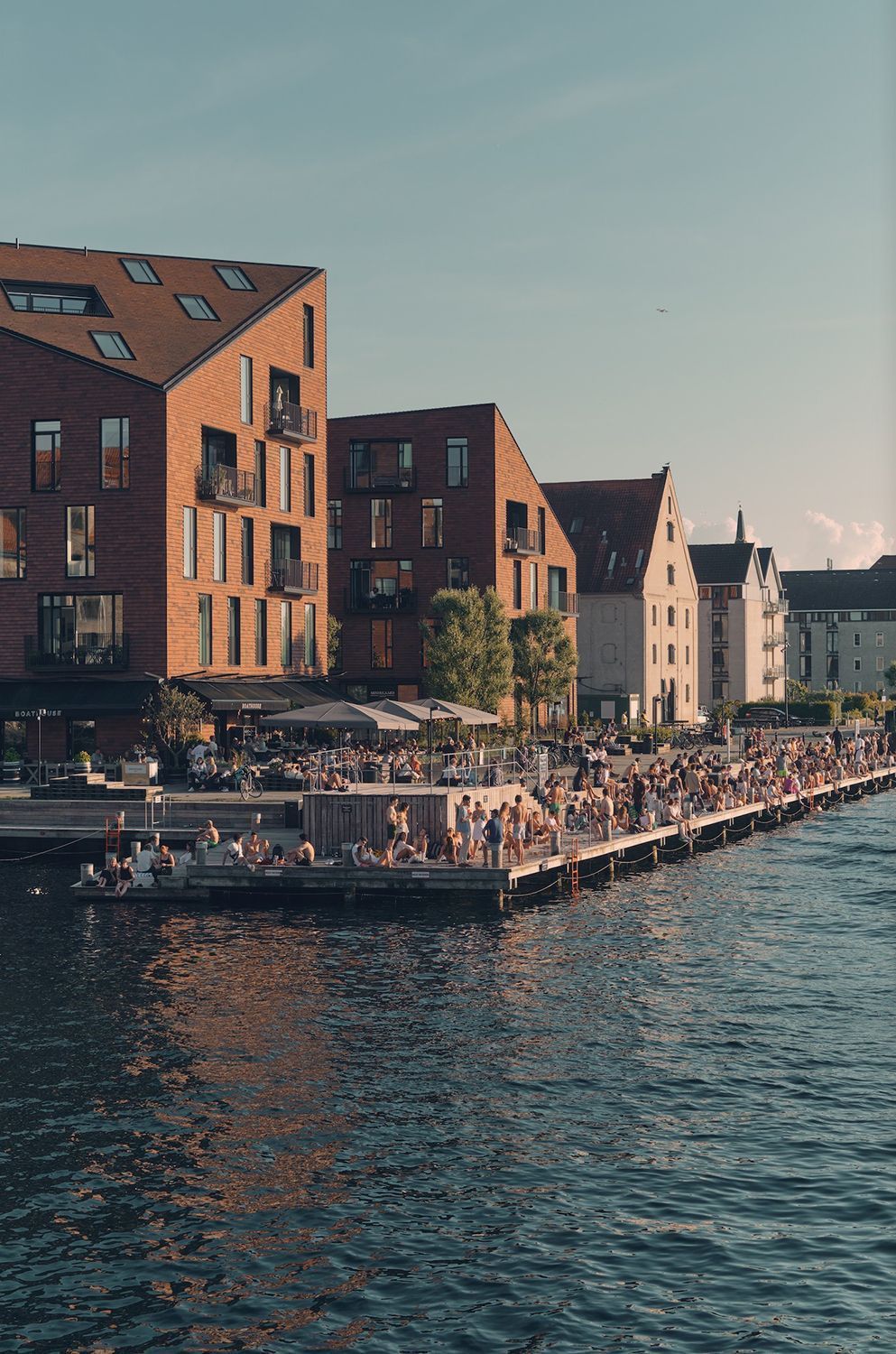
“Hygge is a lifestyle and a way of enjoying the little things.”
Moreover, this concept doesn’t imply making great material efforts. Instead, it’s about creating a cozy environment where we feel comfortable, at ease, and calm. The truth is, we are very much in line with this Danish idea of the good life.
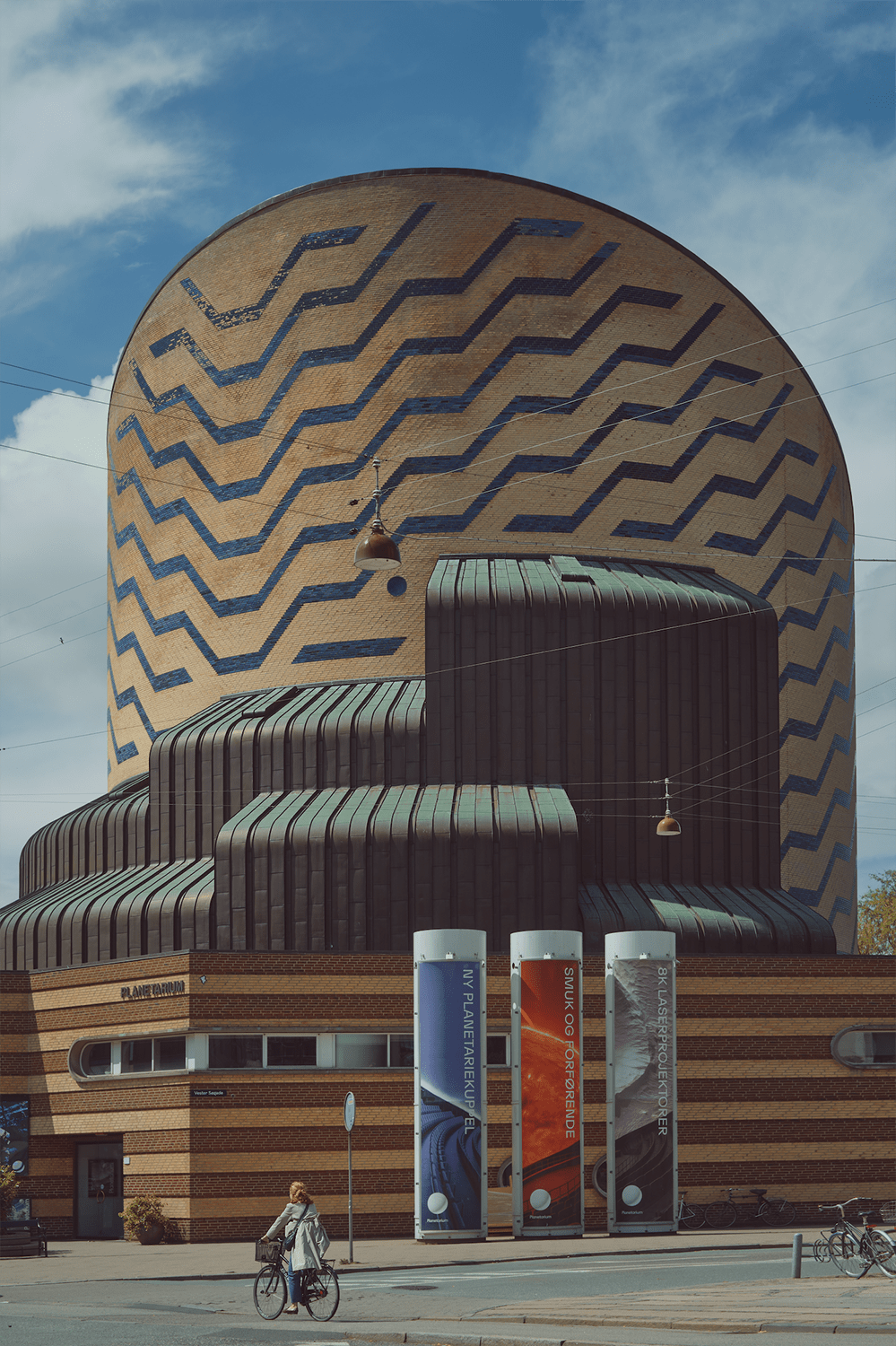
Copenhagen is synonymous with the best design
Danish design is a style of functional design and architecture that developed from the mid-20th century. Influenced by the German Bauhaus school, many Danish designers used new industrial technologies, combining them with concepts such as simplicity and functionalism to design buildings, furniture, and household objects, many of which have become design icons and are still used and produced today. Some notable examples are the Egg Chair (by Arne Jacobsen), PH lamps (by Poul Henningsen), and the Sydney Opera House (by Jørn Utzon).
Among the most successful designers associated with this concept are Kaare Klint, Børge Mogensen, Finn Juhl, Hans Wegner, Arne Jacobsen, Poul Kjærholm, Poul Henningsen, and Verner Panton. Kristian Solmer Vedel in industrial design, Jens Harald Quistgaard in furniture and kitchen utensils, Gertrud Vasegaard in ceramics, and Ole Wanscher with his classical vision of furniture design.
Danish design is rooted in the principles of simplicity, minimalism, and craftsmanship. And some Danish brands like HAY, Ferm Living, Muuto, Gubi, &Tradition, Flos, Carl Hansen, Louis Poulsen & Son, and Fritz Hansen have become a phenomenon in furniture and interior design.
In fact, every year a festival takes place in this city around design, art, creativity, and interior design called 3daysofdesign, where both Danish and Nordic brands participate, showcasing their latest innovations.
These are some stores and showrooms we recommend visiting:
Regarding interior design brands, we recommend: Ferm Living, Audo, Frama, House of Finn Juhl, Louise Roe, Normann, and HAY. Their spaces and, of course, their designs are extraordinary.
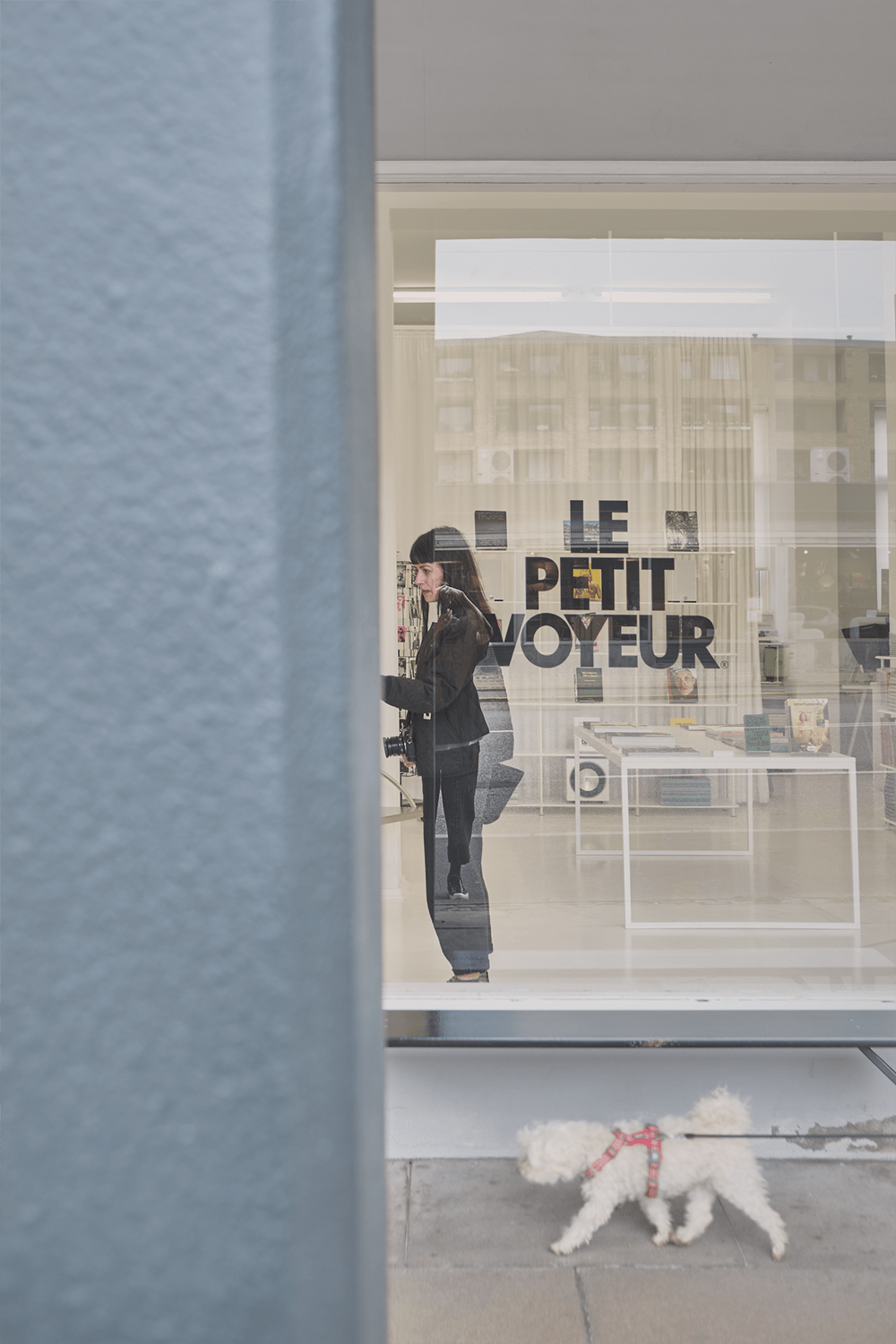
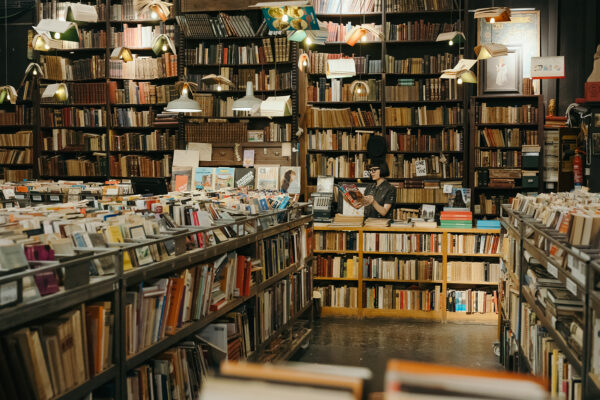
If you like magazines, you must visit Le Petit Voyeur and New Mags. Soon you will be able to find the 3rd edition of The Unusual Travel Guides Madrid and Barcelona at both stores!
And if you are looking for fashion or other types of more unclassifiable stores, we recommend Another Aspect, Etta, Tekla, Shrig Shop (the store of the great David Shrigley), or the record store CAN. Anyway, there are many more, and that’s why there’s nothing better than wandering around and discovering them.
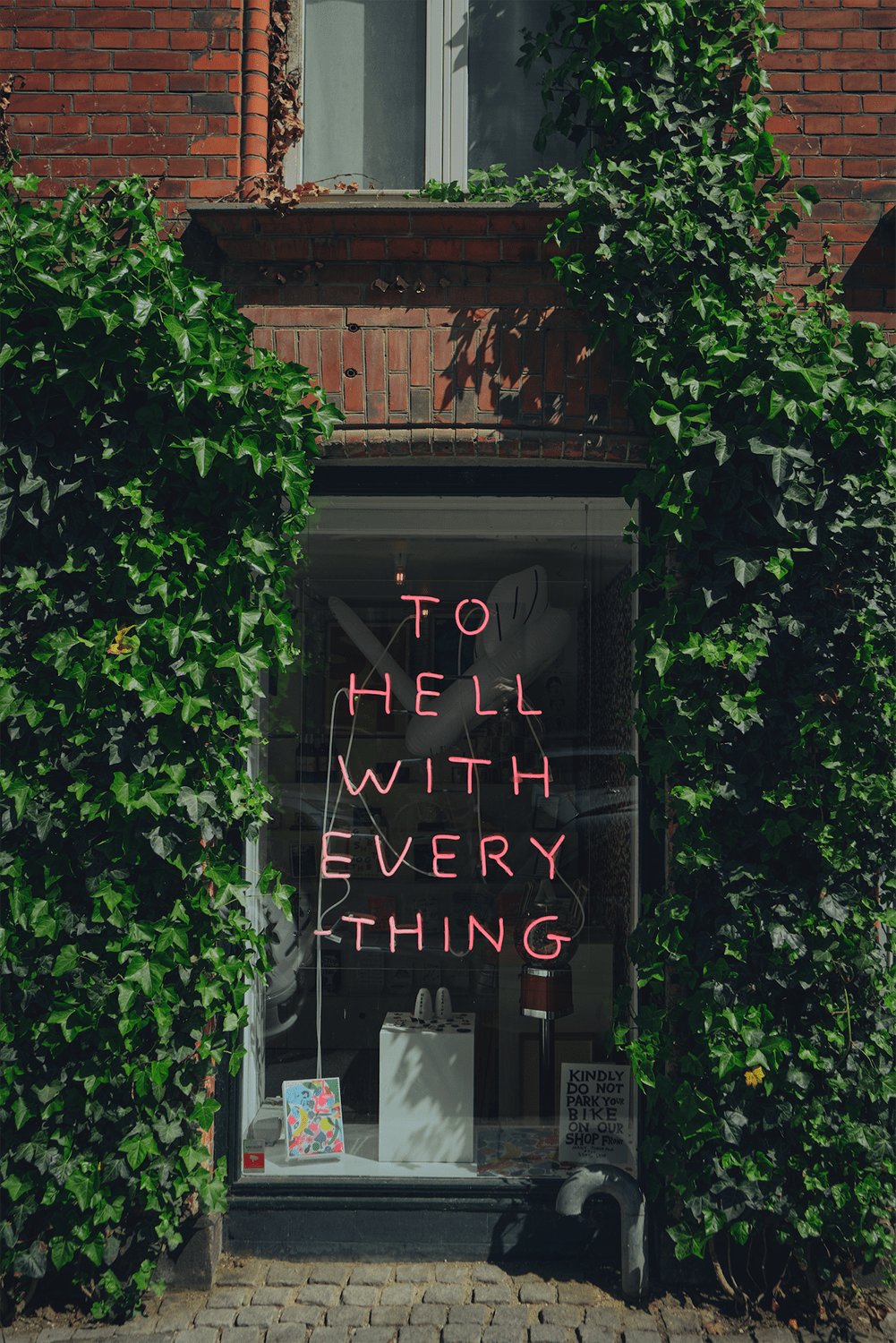
Copenhagen is Gastronomy
Copenhagen is GASTRONOMY. Yes, in capital letters. What a delight! The offerings are very diverse, and there are options for all budgets. We enjoyed some very interesting proposals, and these are some of our favorites:
Ramen to Bíiru Vertebro: For ramen lovers. They have several locations, and besides being delicious, they offer good value for money.
Cadence: Excellent healthy breakfasts, lunches, and brunches in the Carlsberg Byen neighborhood. On weekends, it tends to be very crowded.
Popl Burger: From a pop-up organized by chef René Redzepi (three Michelin stars) of noma, voted the best restaurant in the world five times, a business concept called Popl emerged in 2020. It is a burger joint located in the old harbor of Copenhagen, where they serve exquisite burgers at reasonable prices, considering it’s a noma project – between €20 and €30 -. The meat they use is organic and comes from Danish farms where the cattle roam and graze freely.
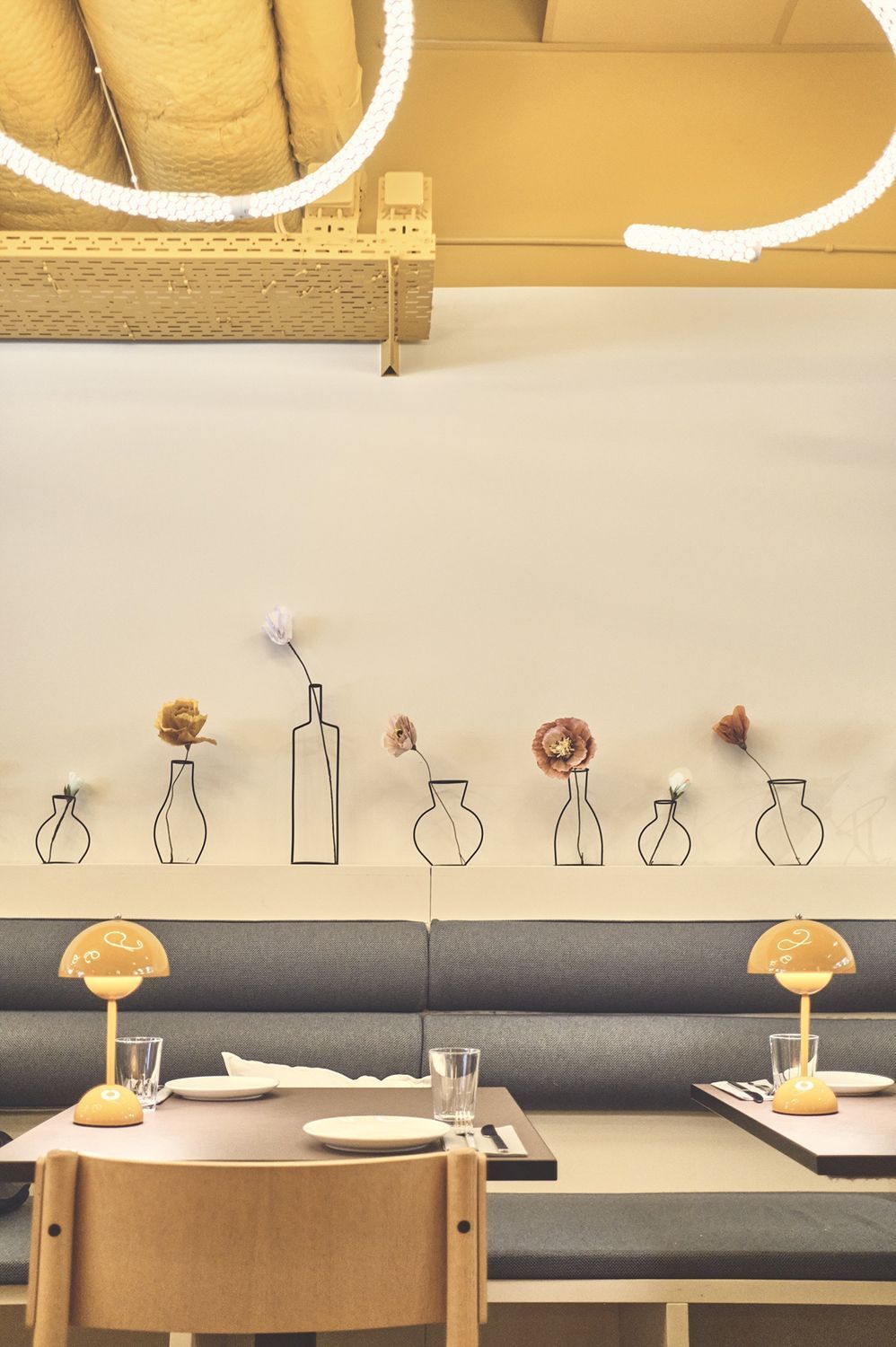
Beyla: This was one of our favorites. Located in Carlsberg Byen, it is a casual bar-restaurant developed by the team behind Ark and Lupa. In this vegan restaurant they serve delicious, honest, organic plant-based recipes in a relaxing and very cozy atmosphere. The ingredients come from their own production at Funga Farm. Their burgers, mushrooms, and gnocchi are absolutely to die for.
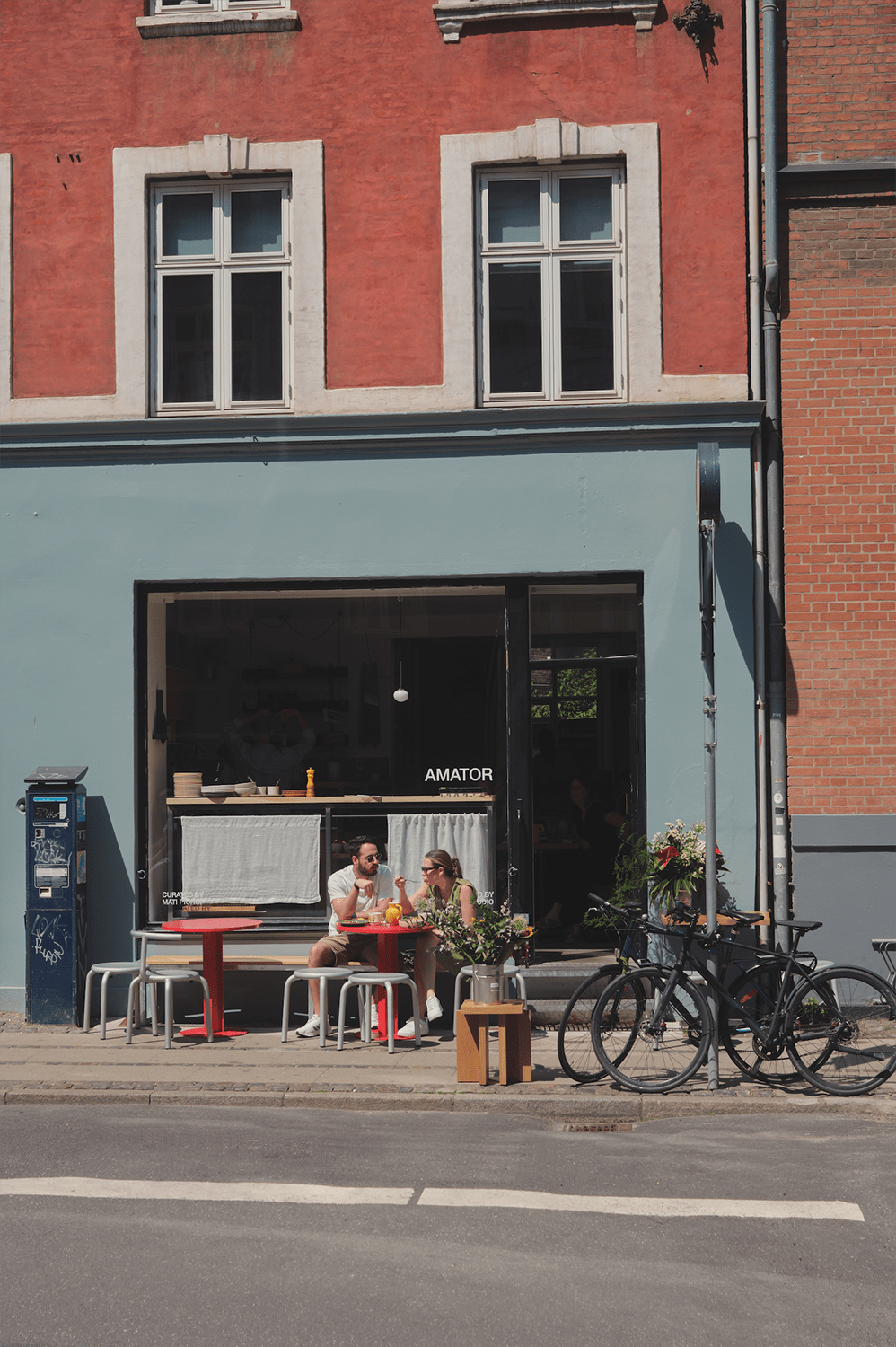
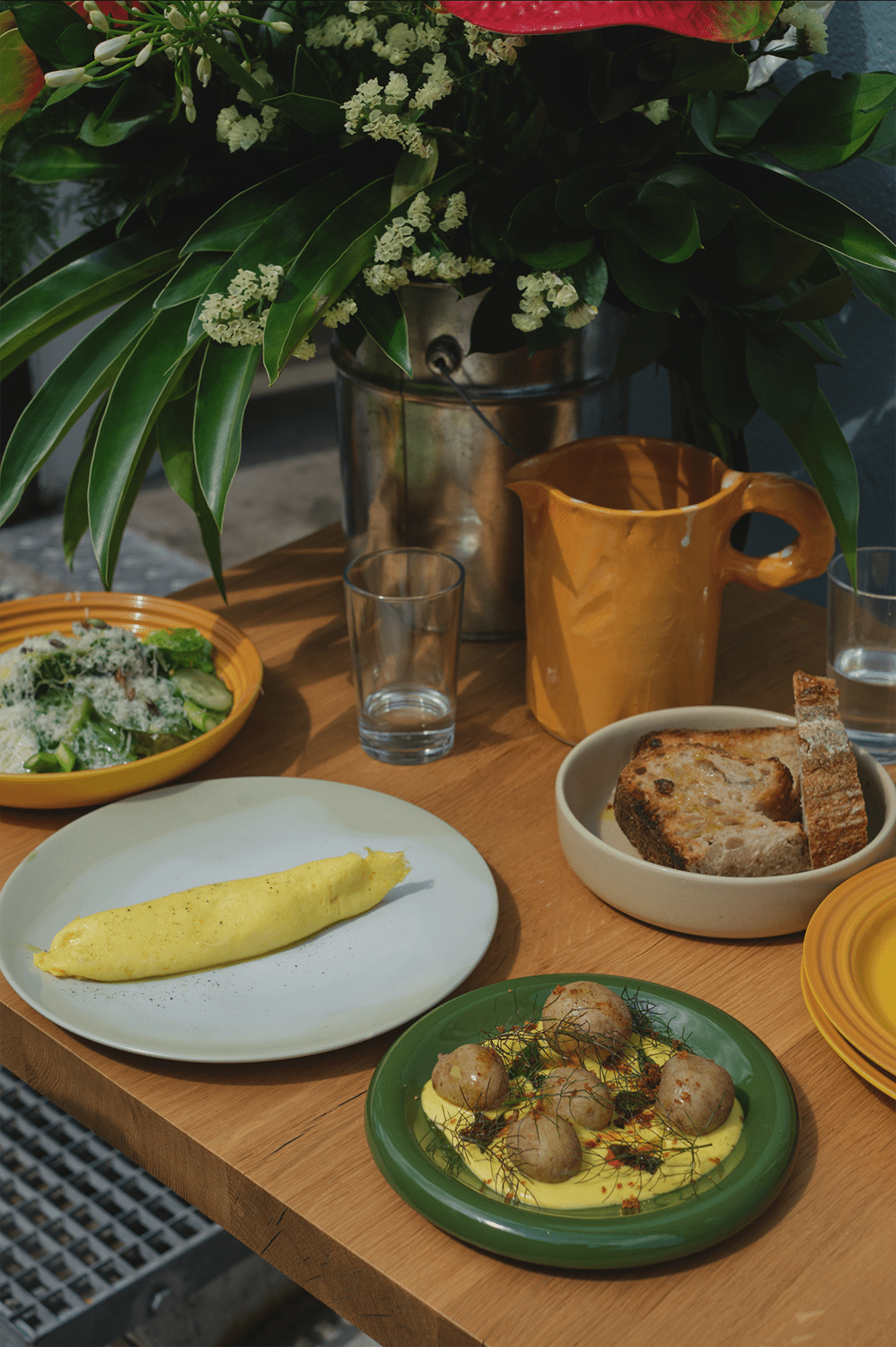
Amator: A must-visit place run by Mati Pichci, a chef known for working at noma, Atelier September, and Psyche Cafe. Amator‘s specialties are the omelets – they are amazing! – and the lemon tart. The space is small but has a lot of character, and their vinyl record collection is excellent. Great atmosphere and service.
Gasoline Grill: A few weeks ago, we talked about these burgers, currently considered one of the best in the world (ranked 23rd in the World’s Best Burgers).
They are specialized in preparing delicious smash burgers made with organic ingredients. The Butter Burger is one of our favorites. We recommend going to their first location situated in an old gas station. It’s worth it!
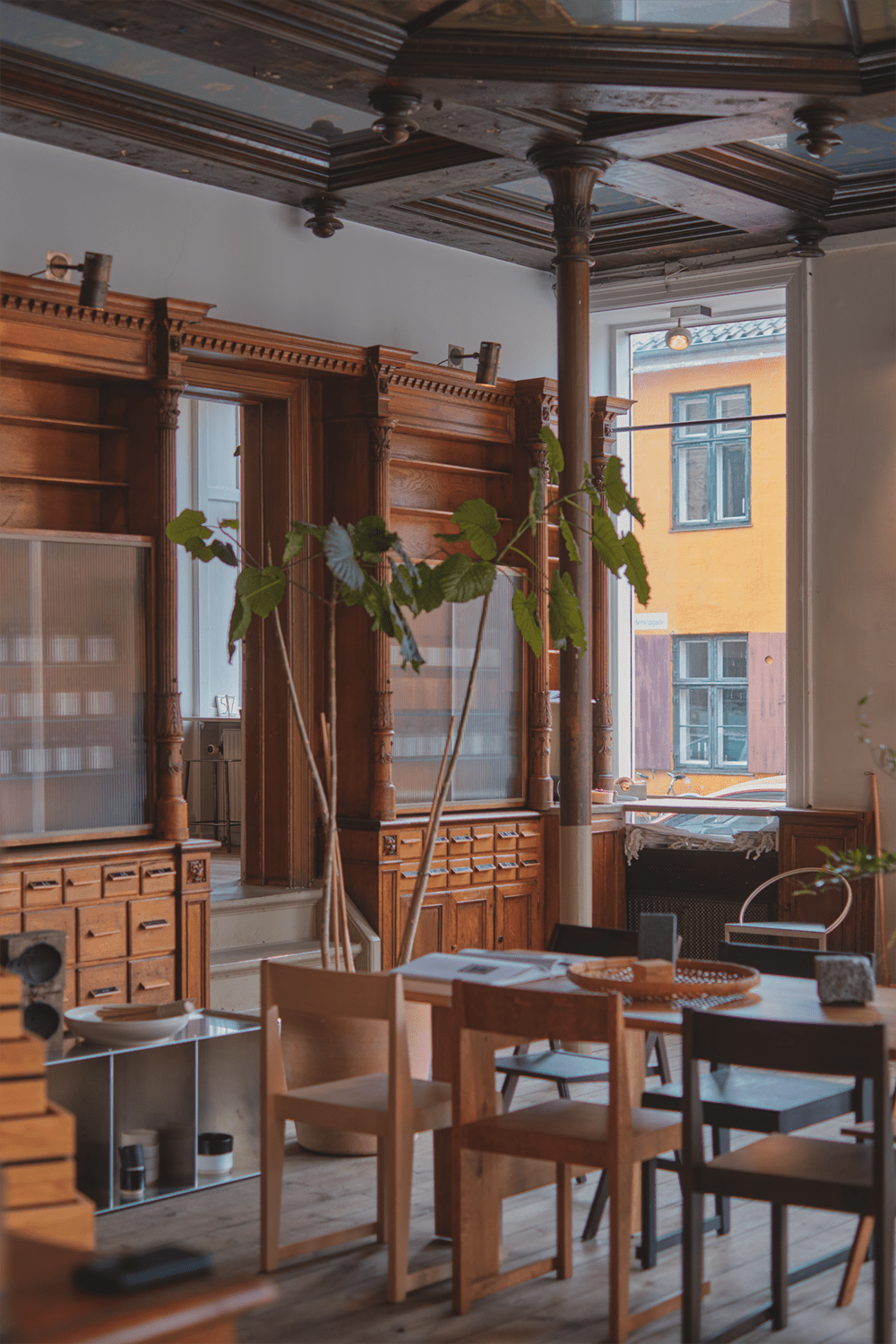
Apotek 57: Located in St. Pauls Apotek, a classic Danish pharmacy from 1878, within the FRAMA Studio Store. The chef in charge is Chiara Barla, who has created a menu based on homemade recipes made with organic, seasonal, and delicious ingredients. The place is beautiful, and the food is fantastic.
Studio x Kitchen: This cafe is very close to FRAMA and Apotek 57. It serves delicious breakfasts, lunches, and artisanal sweets like the black sesame cookie, thanks to the talent of Stephannie Liu, who previously worked at Apollo.
Andersen & Maillard: This artisanal bakery is irresistible, with several locations in Copenhagen. They serve specialty coffee from Prolog, and their excellent products are made by Milton Abel, a pastry chef who used to roam the kitchens of noma and Amass. Their cardamom croissant is amazing.
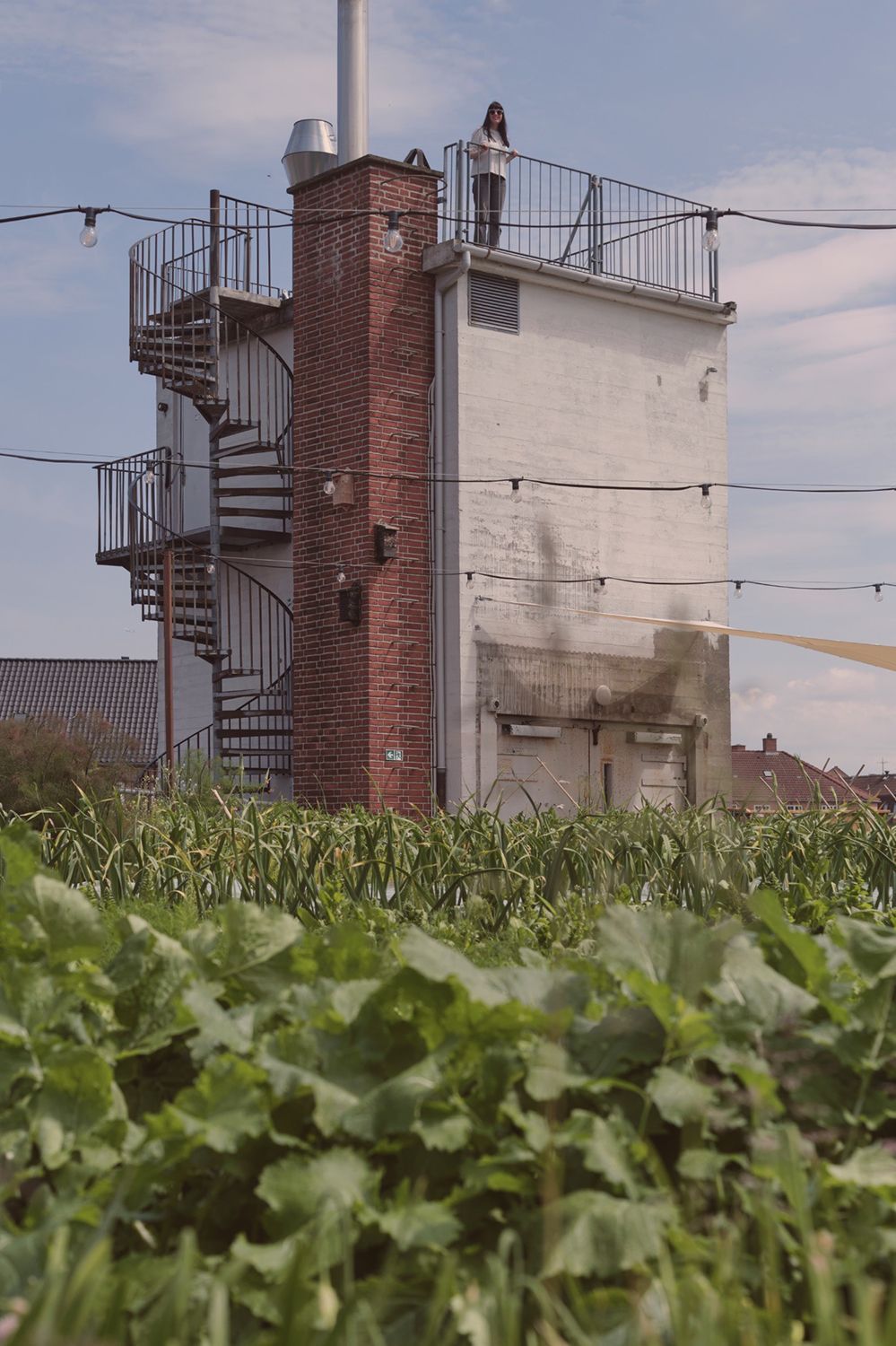
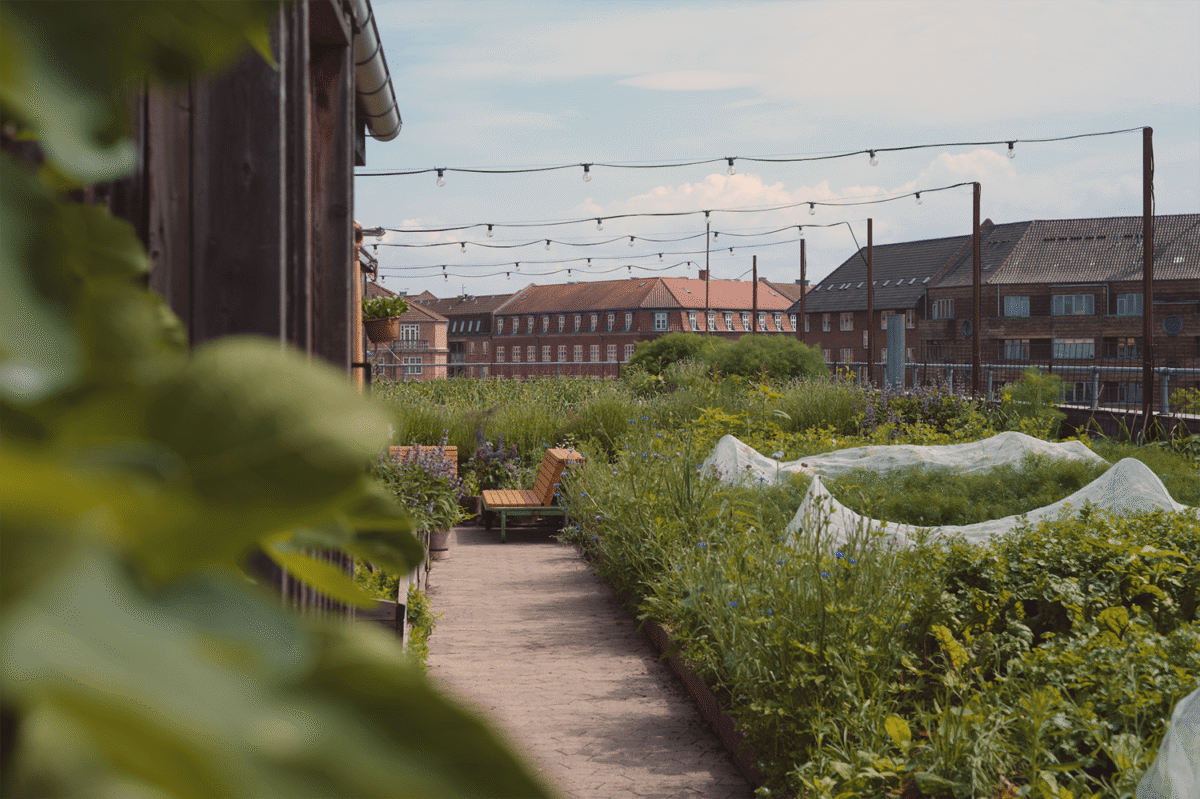
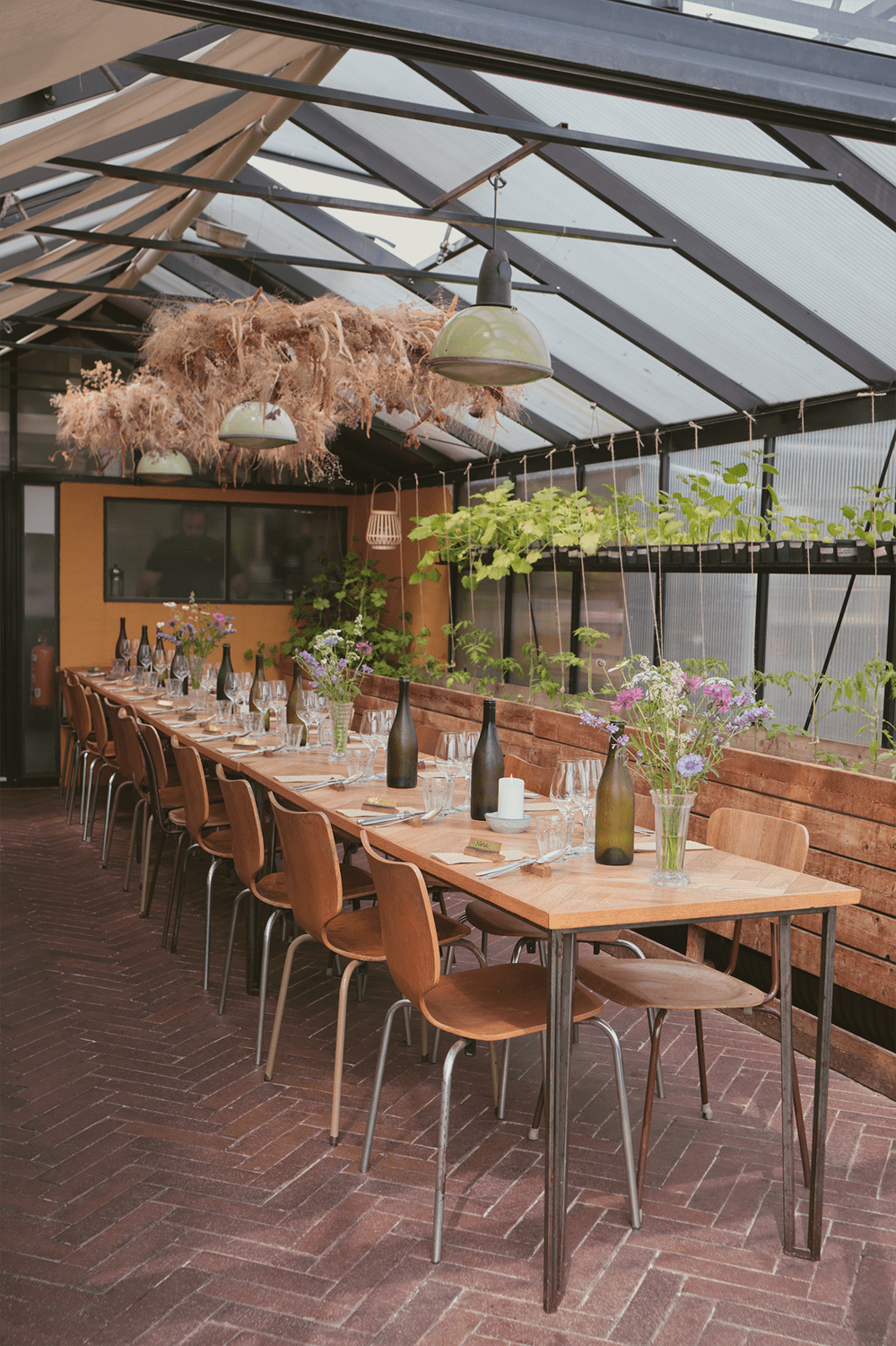
Gro Spiseri: This place is one of a kind. We didn’t know it was owned by the same people behind Brooklyn Grange, an amazing greenhouse located on the rooftop of a building in Brooklyn. The experience they offer is exquisite, from the space to the food and service. We were able to enjoy it on a very sunny day, which made for a perfect experience. The menu is set and surprises, and reservations are required.
Juno the Bakery: Located on Århusgade, near Østerbrogade, this bakery was created by Emil Glaser, the former noma chef, and is the best in the city. Its sourdough breads and freshly baked sweets made with organic and carefully selected ingredients are sublime. Their cardamom rolls and pistachio croissants are out of this world. As you can imagine, there are often lines to try them.
Apollo Bar: This charming bar-restaurant is located next to the Charlottenborg Kunsthal museum. During the summer months, enjoying their terrace is fantastic. We love their interior design as well as the menu crafted by chef Frederik Bille Brahe. For breakfast, we recommend their goat cheese omelette and their bread with butter and Comté; for lunch, their famous artichokes; and for dinner, the grilled Nordic redfish sashimi.
Funky Eatery & Deli: After their three locations in Barcelona, the creators of Funky have decided to land in Copenhagen, specifically in Nordhavn. Their space offers breakfasts, lunches, and dinners, and is known for its delicious Turkish and Nordic recipes. They also have a shop and a wonderful selection of natural wines.
Bæst: Former noma chef Christian Puglisi is behind this pizzeria, which received the award for the second-best pizza in Europe at the Top 50 Pizza last year. Their incredible sourdough pizzas are made daily with organic and sustainable methods and with their own high-quality cheeses and cured meats. They are truly irresistible!
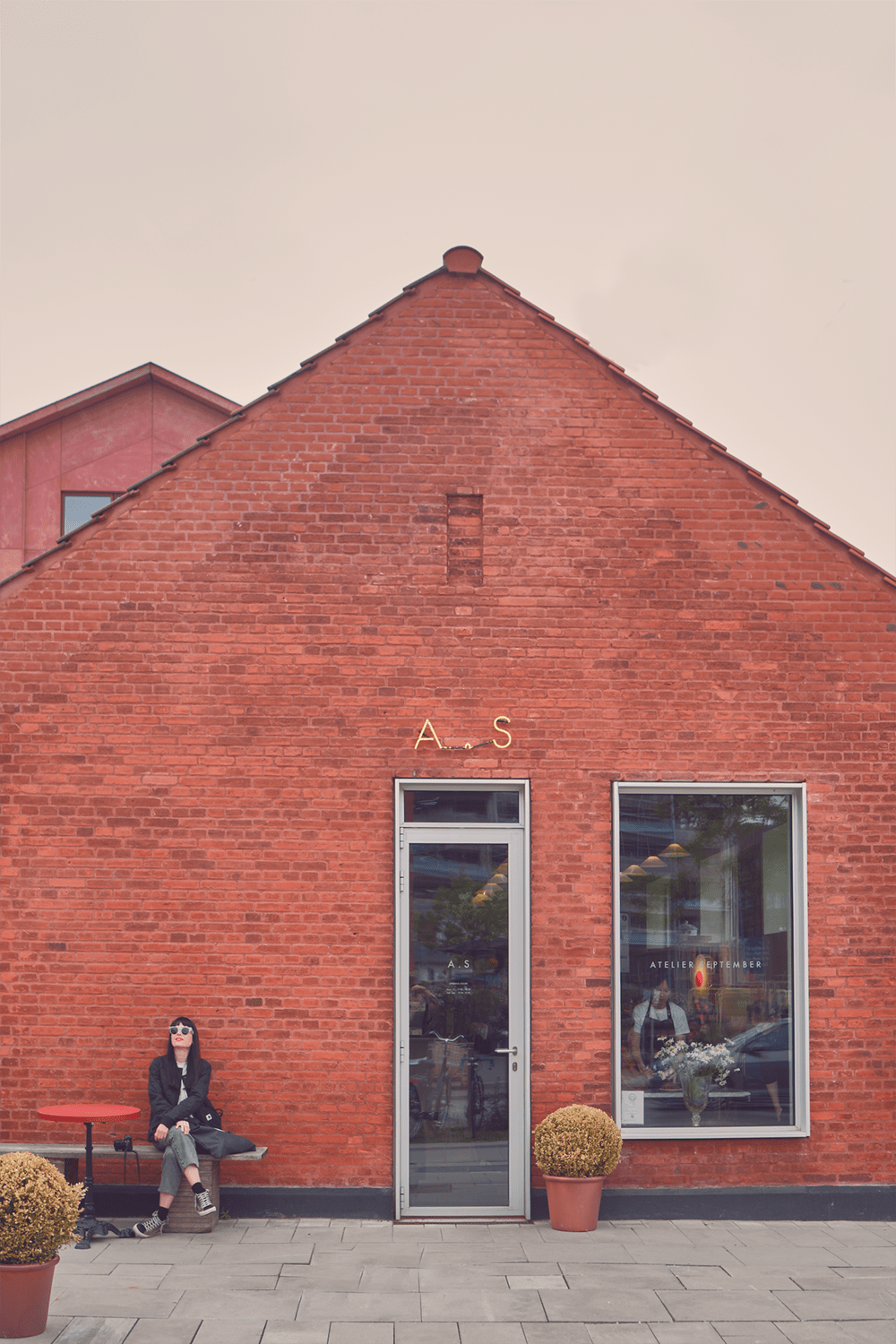
Atelier September: Chef Frederik Bille Brahe created this restaurant, which now has two locations. They serve delicious breakfasts, lunches, and pastries in a stylish and warm space. Their whipped butter is a dream, as are their “Morning Plate” and “Avocadomad”.
Copenhagen is the Temple of Specialty Coffee
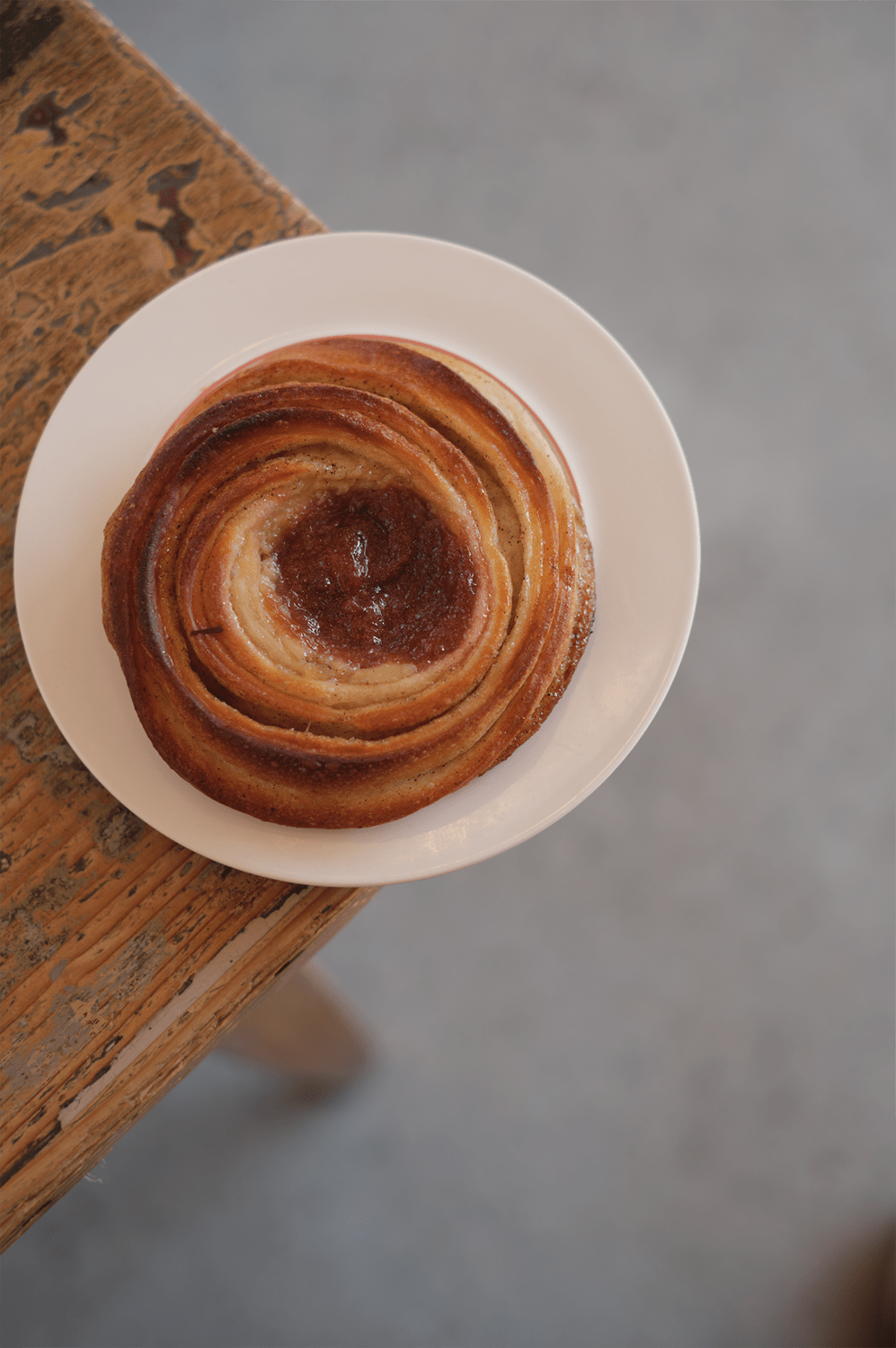
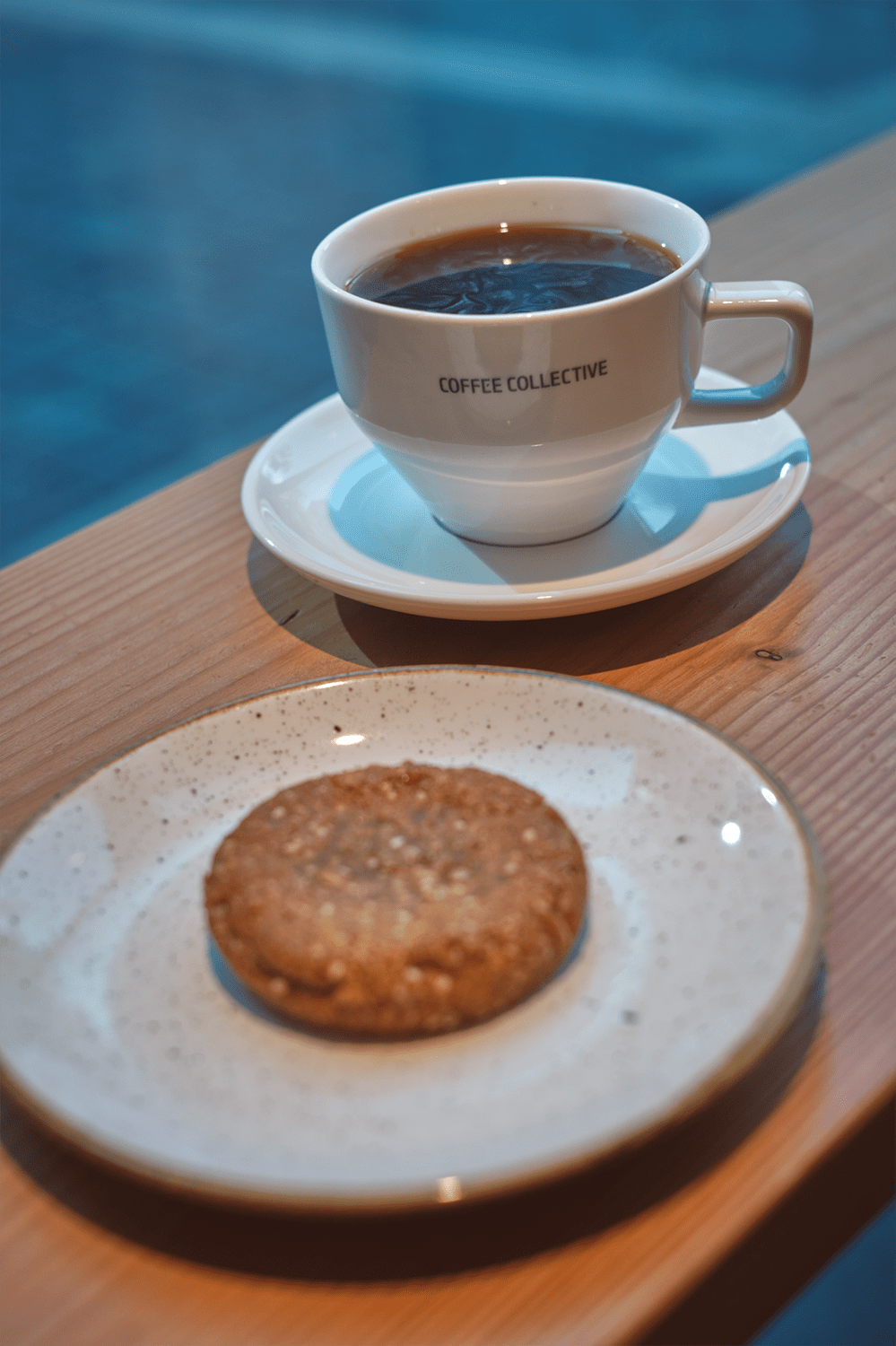
Copenhagen is the temple of specialty coffee, and a prime example is The Coffee Collective, who, according to Roastful, the subscription service that works with specialty coffees from international roasters, is the 2nd best roaster in the world. They currently have 8 cafés in Copenhagen and 1 in Aarhus. Since its inception in 2008, they have been buying coffee directly from farmers, eliminating unnecessary steps in the supply chain. In addition to their excellent specialty coffee, they offer delicious pastries like their famous cinnamon roll, which has a unique shape and exceptional flavor.
Another top spot is La Cabra, which ranks 5th on the same list and also boasts fabulous coffee. In Copenhagen, they are located in the same space as the men’s fashion store Another Aspect.
Lastly, Prolog Coffee, which also has a couple of locations. The first is in the heart of the bustling Meatpacking District in Vesterbro. They roast their own beans in the emerging neighborhood of Refshaleøen. Their croissants and pastries are masterfully made at Il Buco in Islands Brygge.
We hope you enjoyed it. In the next article we publish, we will talk about art and other incredible places in the city. Stay tuned!
(*) Photos by Ely Sánchez & Cecilia Camacho (CC/magazine).

&p[summary]=&p[url]=https://ccmagazine.es/en/copenhagen-the-perfect-city-part-1&p[images[0]=https://ccmagazine.es/wp-content/uploads/2024/07/CCmagazinexCopenhague10.png)
)