Sant Jordi 2026: the books we want to give
23 April is, without question, one of the most beautiful days in Catalonia. Barcelona fills with books, roses, and an energy that is hard to replicate at any other time of year. The streets become a continuous sequence of stalls, signings and encounters, where the city is experienced differently.
Beyond the tradition, what matters is what it activates: a different way of relating to reading. More physical, more direct. Choosing a book, giving it as a gift, recommending it. Returning to a simple gesture that, over time, has become almost exceptional.
With that in mind, we have brought together a selection of titles that feel relevant right now. Books that engage with the present, that unsettle, that accompany — or simply entertain.
Reading for Sant Jordi 2026
1. How to Listen — Thich Nhat Hanh (Editorial Kairós)
In a context saturated with noise, this book proposes something almost radical: learning to truly listen. From a simple yet deeply mindful perspective, Thich Nhat Hanh understands listening as a tool for real connection, both with others and with oneself. There is no complex theory, only practice and presence. It is a short text, but with a remarkable transformative capacity. Ideal for those looking to introduce a lucid pause into the rhythm of everyday life.
2. Reliquia — Pol Guasch (Editorial Anagrama)
A novel that confirms Pol Guasch as one of the most singular voices in the current literary landscape. His restrained and precise writing builds an emotional atmosphere where every word seems measured. “Reliquia” approaches suicide from an unusual place: without excessive dramatisation, but with a depth that unsettles and forces the reader to pause.
It doesn’t seek major twists, but rather a sustained intensity that runs through the reader and confronts them with difficult questions. It is a book that moves naturally between the intimate and the political, leaving a deep and lasting impression.
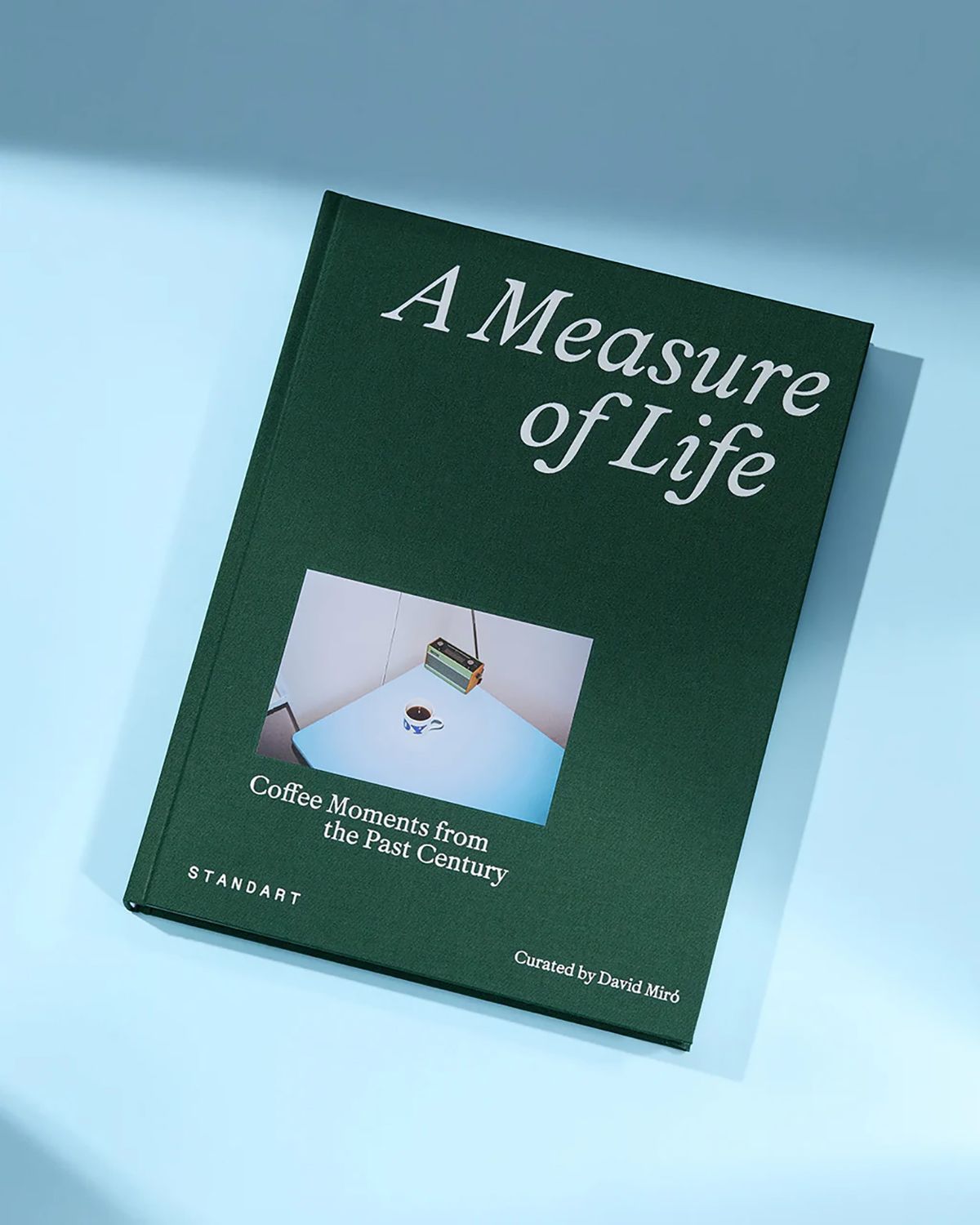
3. A Measure of Life — Curated by David Miró (Standart Magazine)
A book that turns the everyday into a visual narrative. Published by Standart Magazine, “A Measure of Life” brings together 185 archival photographs spanning a century of coffee culture, understood as a quiet but deeply meaningful ritual. Through three chapters — patience, pleasure and calm — the book builds a narrative that connects intimate moments, shared spaces and repeated gestures.
The presence of figures such as David Bowie or Chloë Sevigny fades in favour of something more universal: shared experience. More than a collection of images, it is an invitation to look slowly and to find meaning in what appears ordinary.
4. Monsters — Claire Dederer (Hodder & Stoughton)
Claire Dederer raises an uncomfortable question: can we separate the work from the artist? Through controversial figures, the book explores the limits of admiration and ethics. Its approach is intelligent, honest and deeply contemporary. It does not offer easy answers, but it does open a necessary debate. A reading that unsettles, and precisely for that reason, proves essential.
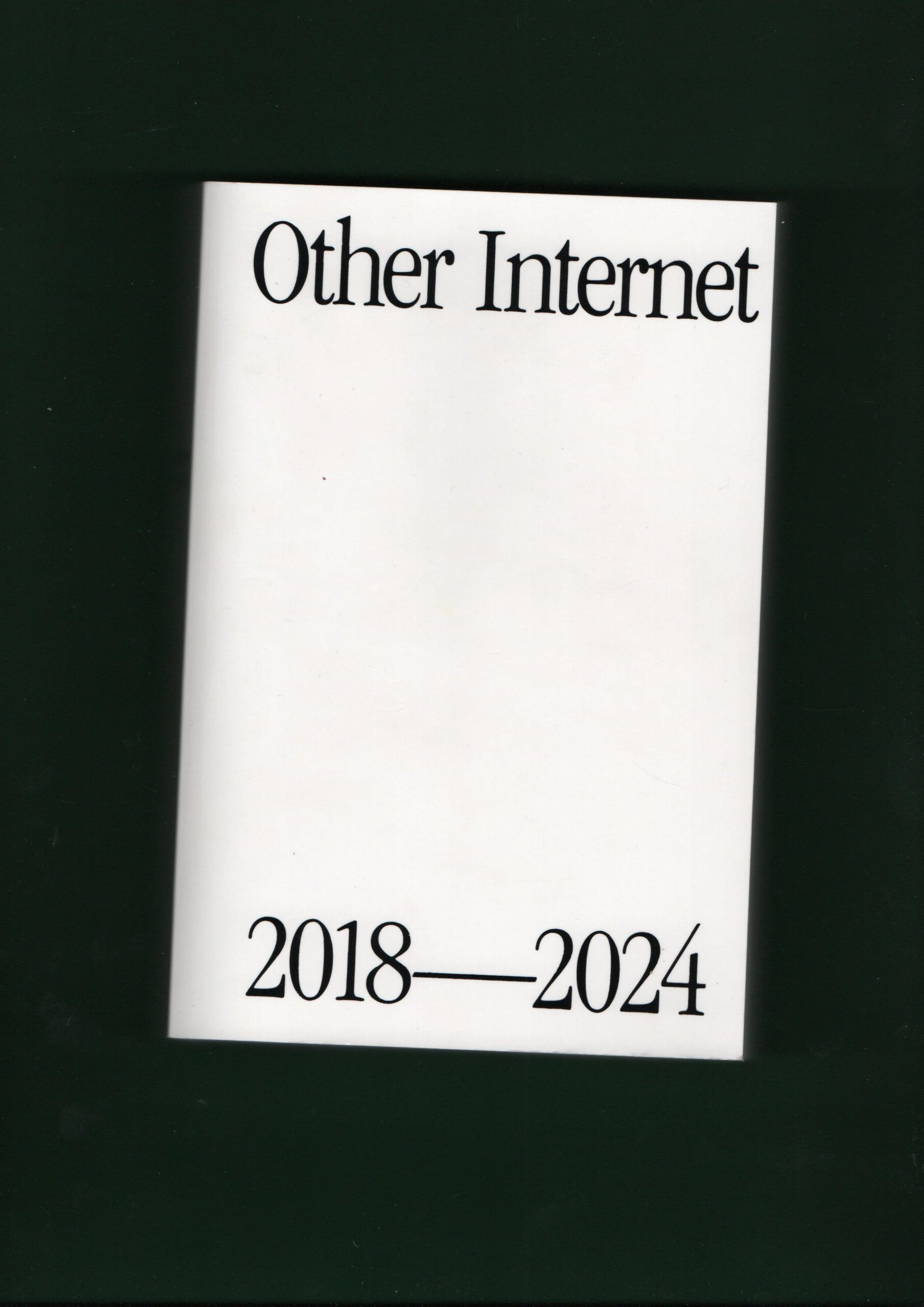
5. Other Internet 2018–2024 — Various authors (Metalabel)
This book proposes an alternative reading of the digital environment, far removed from hyperexposure and speed. Through a calmer perspective, it reclaims solitude as a space for thought and creation.
It is not about disconnecting, but about inhabiting the internet in a different way. Its approach feels especially relevant in the current moment. A quiet but necessary reflection.
6. 1984 & Animal Farm — George Orwell (Debolsillo)
There are authors who do not only write about their time, but anticipate ours. George Orwell is one of them. “1984” and “Animal Farm”, read together, function almost as a single critical body: two different ways of addressing power, manipulation and mechanisms of control. While 1984 presents a suffocating scenario where surveillance and language become tools of domination, “Animal Farm” uses fable to expose, with apparent simplicity, the distortions of collective power.
Both texts share a rare quality: they do not age, but become more uncomfortable over time. Reading them today is not only a literary exercise, but also a political one. In a context marked by over-information and the construction of narrative, their relevance is evident. Their reading is further amplified when connected to the documentary “Orwell 2+2=5″, which explores how his thought continues to shape contemporary culture.
7. Matar un bar — Carles Armengol (Col & Col)
More than a book, “Matar un bar” is a statement. Carles Armengol, author of “Collado: La maldición de una casa de comidas”, combines autobiography, costumbrista chronicle and political essay to analyse how many bars have lost their essence, caught between labour precarity and a form of gentrification disguised as modernity. The result is a portrait that connects directly with the transformation of cities and the disappearance of everyday spaces, especially in contexts such as Barcelona.
With a lucid, sharp and ironic style, the author not only describes this shift, but points to responsibilities and questions the current model of hospitality. There is nostalgia, but also analysis; a perspective that is both intimate and collective. A text that functions as mourning, but also as necessary critique and reflection on what could still be.
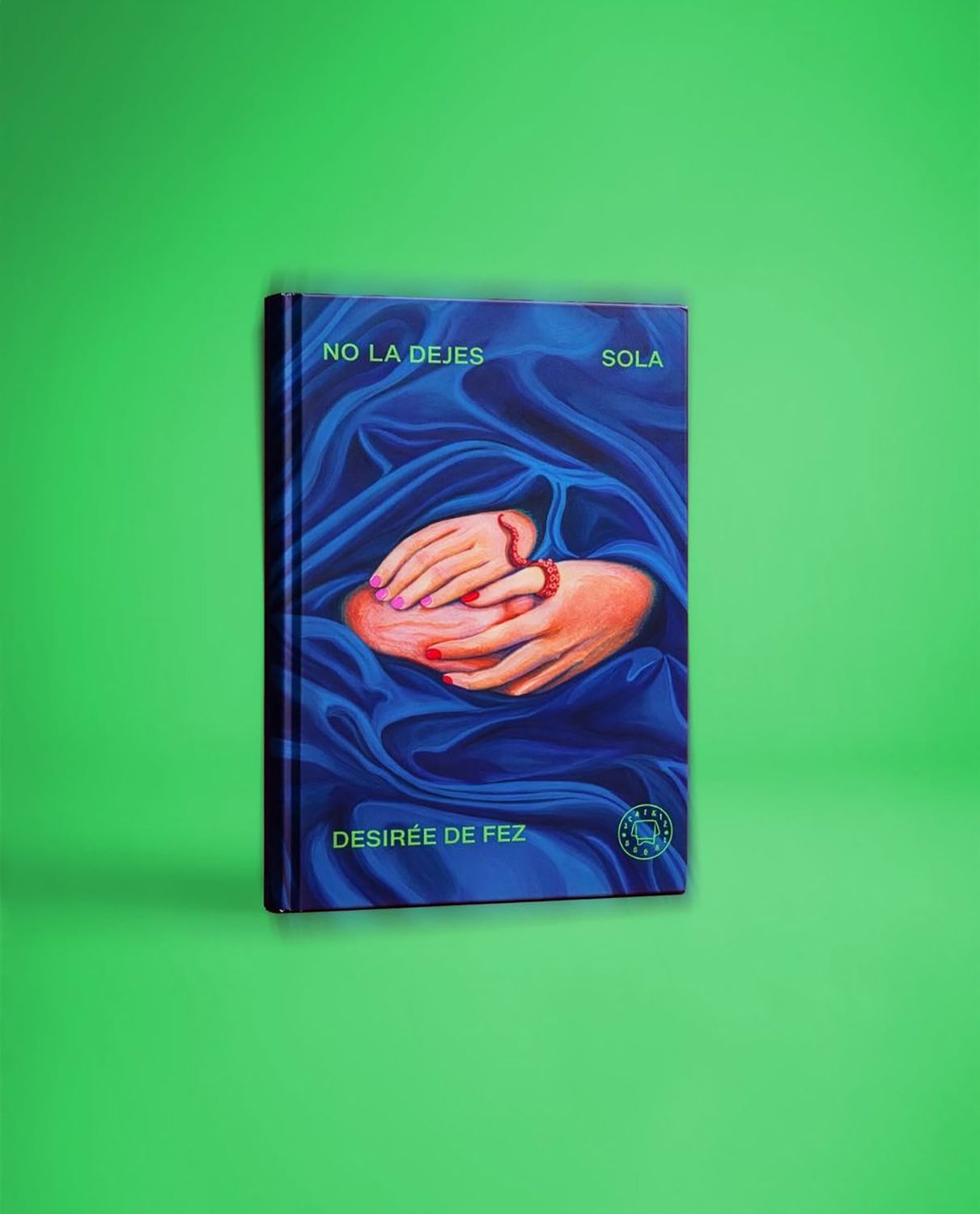
8. No la dejes sola — Desirée de Fez (Blackie Books)
Desirée de Fez, also author of the essay “Reina del grito. Un viaje por los miedos femeninos” (Blackie Books, 2020), sets this story in Cornellà de Llobregat to build a narrative in which the everyday gradually fills with tension. Through Alba — a woman marked by a deep fear of being left alone — the novel explores how that fear infiltrates family life, repeated gestures and an apparent normality that begins to crack.
Costumbrismo operates here as a foundation, but also as a trap: the more recognisable the setting, the more unsettling what unfolds becomes. Being locked inside a shopping centre on Christmas Eve acts as a trigger, forcing everything that has been repressed to surface without filter. A story that connects fear, family and memory from an uncomfortable and very close perspective.
9. What’s Wrong with Baum? — Woody Allen (Alianza Editorial)
Woody Allen returns to his most recognisable territory with a novel that combines neurosis, humour and a sharp look at New York’s cultural life. Through Asher Baum — a blocked, insecure writer permanently in crisis — the story explores failure, vanity and family tensions through a tone that is as absurd as it is lucid.
New York appears not only as a setting, but as a state of mind, reinforcing that sense of sophisticated chaos so characteristic of his universe. Between failing marriages, literary egos and unexpected revelations, the story unfolds with an agile rhythm full of irony. A book that works as satire, but also as an uncomfortable portrait of certain contemporary aspirations.
10. Seis mil — Laura C. Vela (niños gratis*)
In “Seis mil”, Laura C. Vela enters a territory where language, memory and identity appear fragmented and unstable. The novel begins with a rupture — with the past, with one’s own narrative — and moves forward without the need to close or organise, accepting disorientation as form. Through scattered images, thoughts and scenes that do not always align, a story of personal reconstruction emerges: that of someone trying to understand what remains when the thread is lost.
There is a constant reflection on words — on what is said and what is withheld — and on how fear of naming things can become embedded. Rather than explaining, the book points, circles, insists. And in that gesture, it builds an honest way of approaching pain, without dramatising or simplifying it.
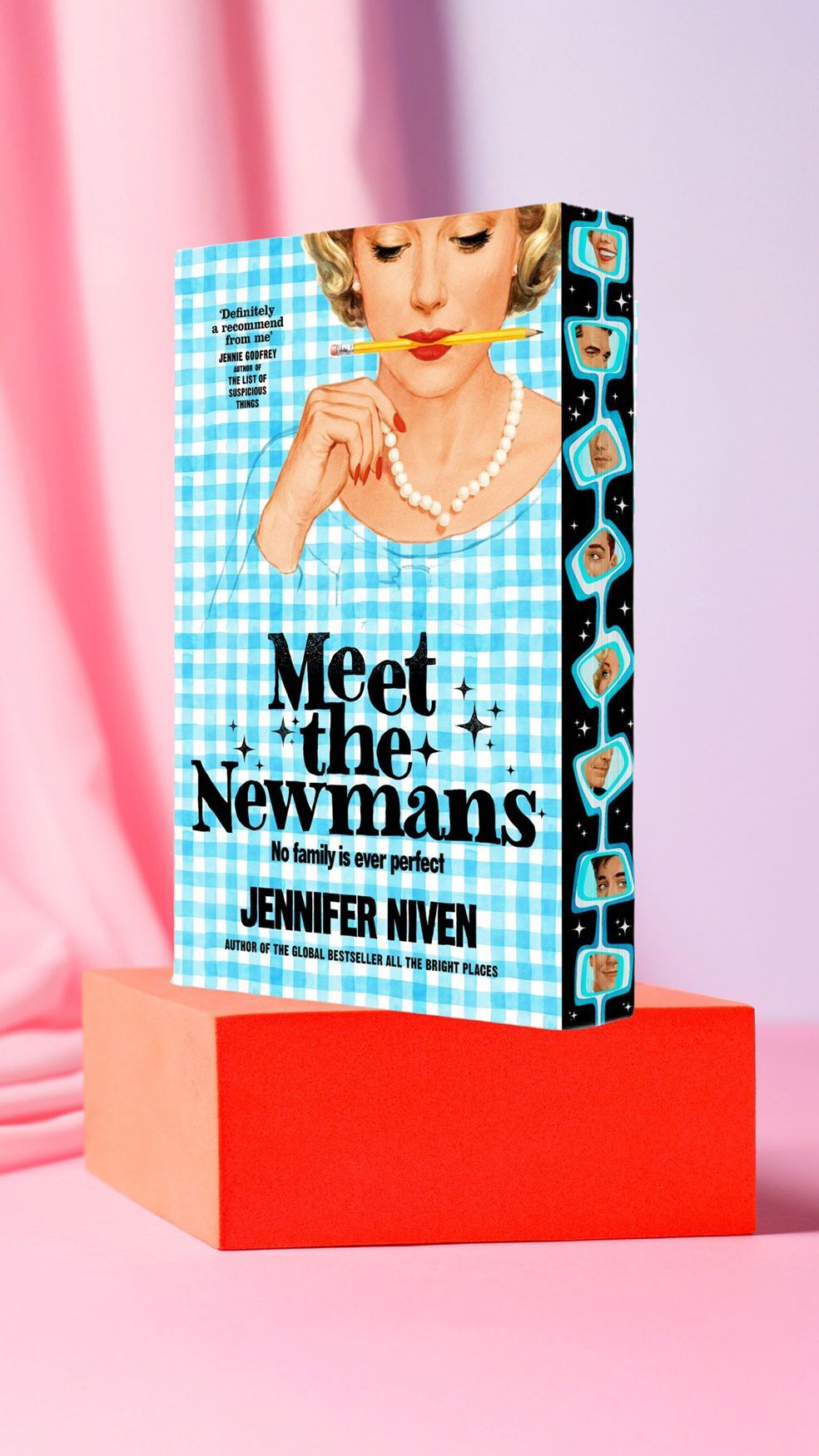
11. Meet the Newmans — Jennifer Niven (Pan Macmillan)
Set in 1960s America, “Meet the Newmans” begins with a premise that is as recognisable as it is unsettling: the distance between public image and real life. Through a family turned into a television icon, Jennifer Niven builds a narrative where perfection is merely a façade. As ratings fall, so does the internal balance of the characters, revealing secrets, tensions and contradictions.
The introduction of a young journalist brings a critical perspective on the role of women and the idea of family at a time of social change. With an agile, emotional tone full of nuance, the novel works both as a portrait of its era and as a reflection of dynamics that remain relevant today.
12. All Fours — Miranda July (Random House)
In “All Fours”, Miranda July begins with a minimal gesture — leaving the motorway, stopping in an anonymous motel — to open a crack in the life of her protagonist. What was meant to be a physical journey from Los Angeles to New York quickly becomes something else: an obsessive, uncomfortable and deeply lucid exploration of desire, identity and the idea of freedom in midlife.
July writes from a space that is difficult to classify, where the intimate and the strange coexist without hierarchy. Her protagonist rethinks her marriage, her body and her way of being in the world with a mix of humour, vulnerability and almost radical curiosity. There is something unsettling in this process, but also an unusual honesty in addressing sexuality, frustration and the need to reinvent oneself.
The novel moves forward without asking permission, shifting between the absurd and the emotional with a very distinctive cadence. Rather than offering answers, it displaces questions into unexpected places, challenging what we understand by stability, desire or fulfilment.
13. Oxígeno — Marta Jiménez Serrano (Alfaguara)
“Oxígeno” begins with a limit experience — a domestic accident that almost cost the author and her partner their lives — to construct a narrative that goes far beyond the event itself. Marta Jiménez Serrano writes from that uncomfortable place where life is abruptly interrupted, but does so without falling into dramatism, combining lucidity, irony and a finely tuned awareness of language.
The book doesn’t simply recount what happened, but expands that moment backwards and forwards: falling in love, building a shared life, the months following the accident and how everything is redefined. There is a constant tension between fragility and celebration, between the proximity of death and the astonishment of still being here.
With precise and emotional writing, the author turns that “blink” between life and death into a broader reflection on time, love and vulnerability.
14. Things in Nature Simply Grow — Yiyun Li (Chai Editora)
“There is no good way to set out these facts”. That is how a book begins which does not attempt to soften what cannot be repaired. Yiyun Li writes from the loss of her two sons, both of whom died by suicide, and she does so without resorting to consolation, structure or closure. What appears in these pages is not a narrative of recovery, but the acceptance of a broken time, of a reality that can no longer be put back together.
Far removed from any form of sentimentalism, the text is sustained by a radical honesty. The author does not seek to explain or justify, nor to translate pain into something comprehensible. Rather, she confronts the limits of language, that which cannot be fully said. Here, being a mother ceases to be a recognisable identity and becomes an experience for which there are no precedents or references.
There is in the book a form of thought that moves forward without certainties, but with relentless clarity. A kind of writing that offers no answers, yet allows the reader to inhabit — if only for moments — that space where life and death no longer stand in simple opposition. A difficult book, but a profoundly necessary one.
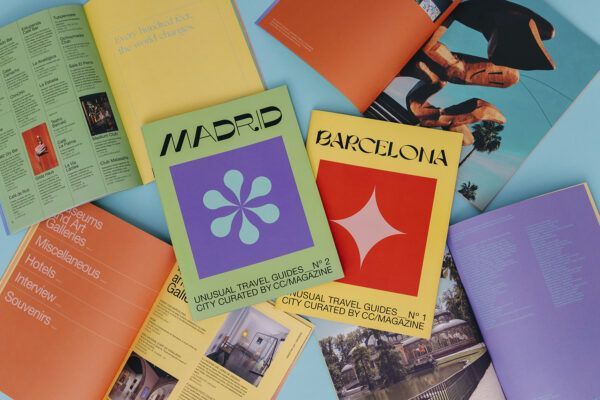
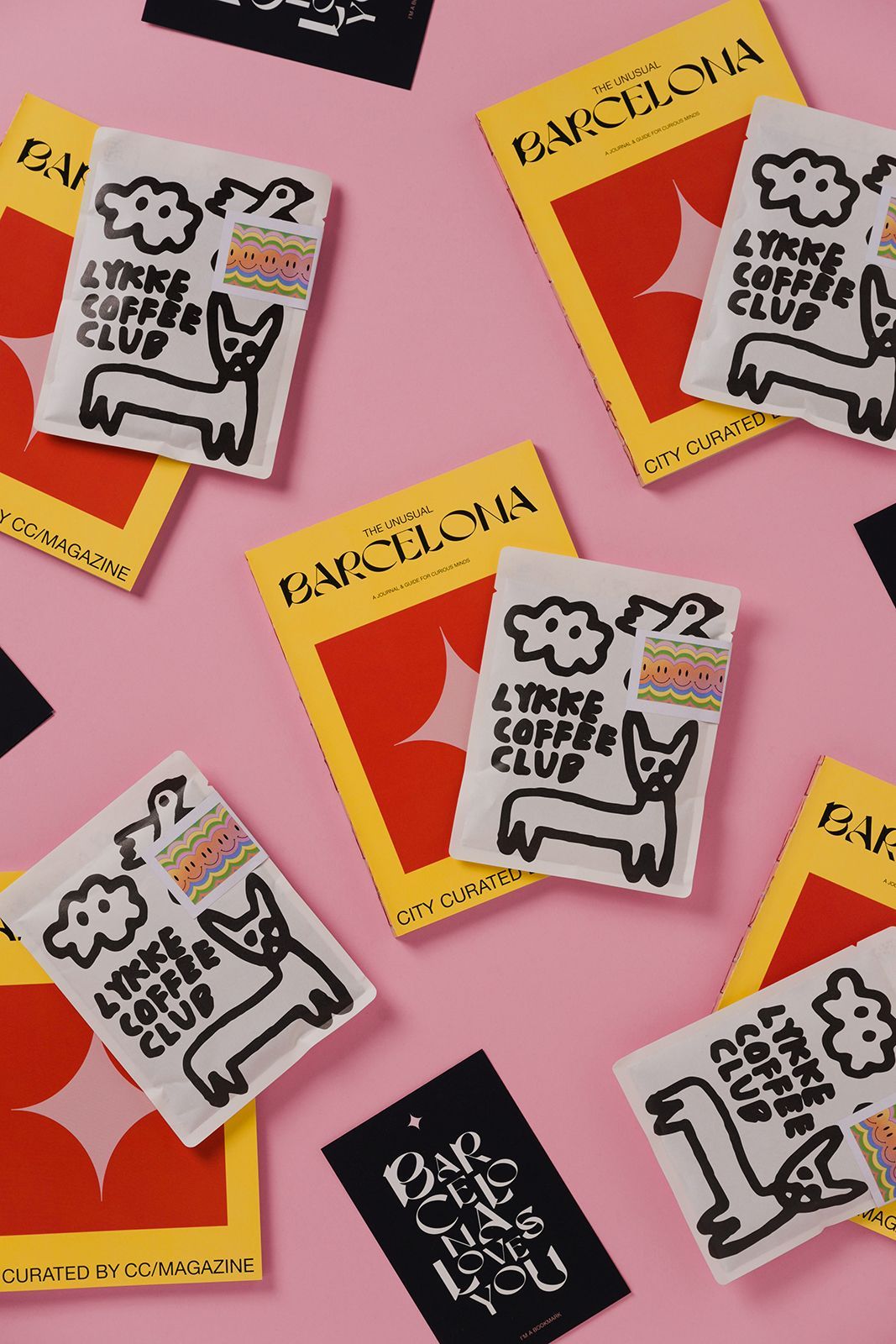
15. The Unusual Barcelona (4th edition) — CC/Magazine
More than a guide, it is an invitation to rediscover the city from a different perspective. This new edition expands its selection of unique spaces and addresses with history. The approach combines curation, design and narrative. It is a publication intended for both locals and visitors. And a perfect tool for exploring Barcelona with discernment. In Barcelona, you will be able to find it at these points of sale.
16. On the Calculation of Volume I — Solvej Balle (New Directions)
The premise is as simple as it is unsettling: Tara Selter wakes up every day on the same date, 18 November. Time doesn’t move forward, it does not accumulate, it leaves no trace for anyone else. Only for her. While the world repeats that day for the first time again and again, Tara is the only one who carries the memory of what has been lived, confronting a reality that becomes increasingly strange and difficult to endure.
Solvej Balle thus constructs a narrative that revolves not around action, but around perception. The passing of the days — identical in appearance — becomes an exercise in close observation: the light, the gestures, the sounds, the small variations that begin to acquire an unexpected weight. The everyday ceases to be neutral and becomes a structure that imprisons.
As the “same” days accumulate, a deeper question emerges: what does it mean to live when time loses its direction? Without dramatism or artifice, the novel sets out an unsettling reflection on repetition, consciousness and the possibility — or impossibility — of escaping a reality closed in on itself. A proposal as hypnotic as it is demanding, one that settles in slowly and does not disappear easily.
Back to essentials
Beyond any list, what really matters remains quite simple: walking into a bookshop, picking up a book and thinking of someone specific. No automated recommendations or algorithms involved. Just that direct gesture that connects reading with everyday life.
This selection comes from there. From the pleasure of reading, sharing and recommending from personal experience. We read a lot and, above all, we enjoy it. That is why the titles included here do not respond to trends or commitments, but to books that have resonated with us in one way or another.
Sant Jordi works precisely because of this. It does not need to reinvent itself or be overexplained. The city comes alive, books take over the streets and, for a few hours, everything revolves around something as simple as sharing stories.
23 April is just around the corner, and we are really looking forward to celebrating it. We hope you enjoy these recommendations as much as we did reading them.
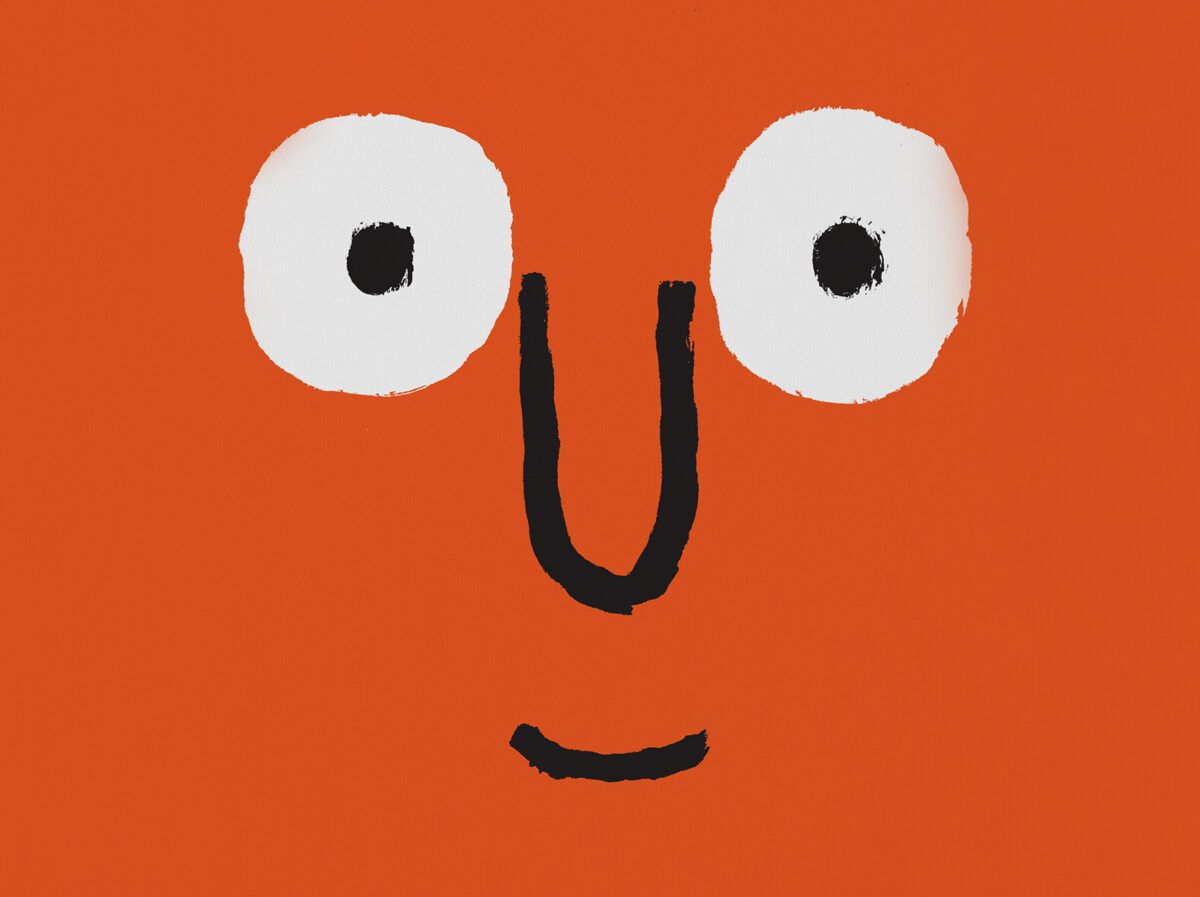
(*) Cover image: Jean Jullien.