“No other choice”: Park Chan-wook and the invisible drama of the middle class
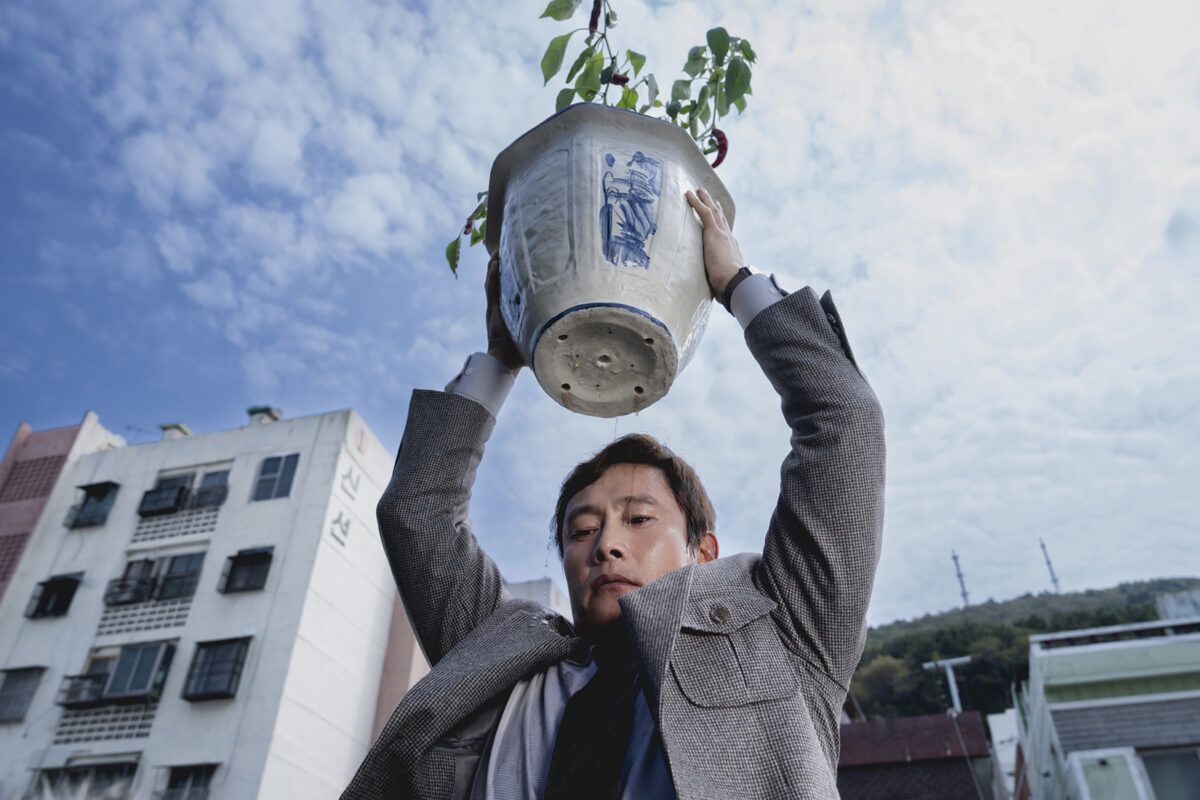
South Korean director Park Chan-wook is known for his intense, visually striking, and emotionally extreme narratives. From “Oldboy” to “Decision to Leave”, he has consistently explored the darkest corners of desire, revenge, and human vulnerability. But in “No Other Choice”, his latest film, Park turns his gaze to a different kind of violence — the quiet, internalised suffering of the middle class when the system lets them fall.
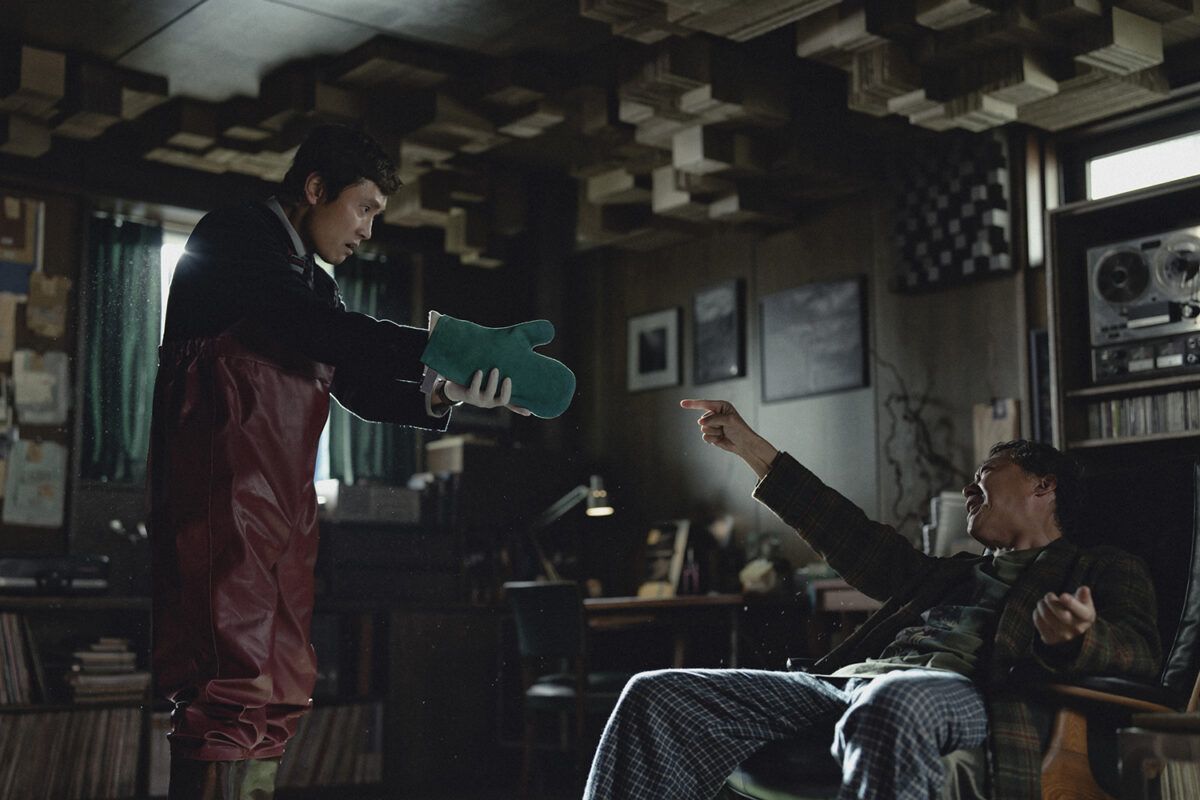
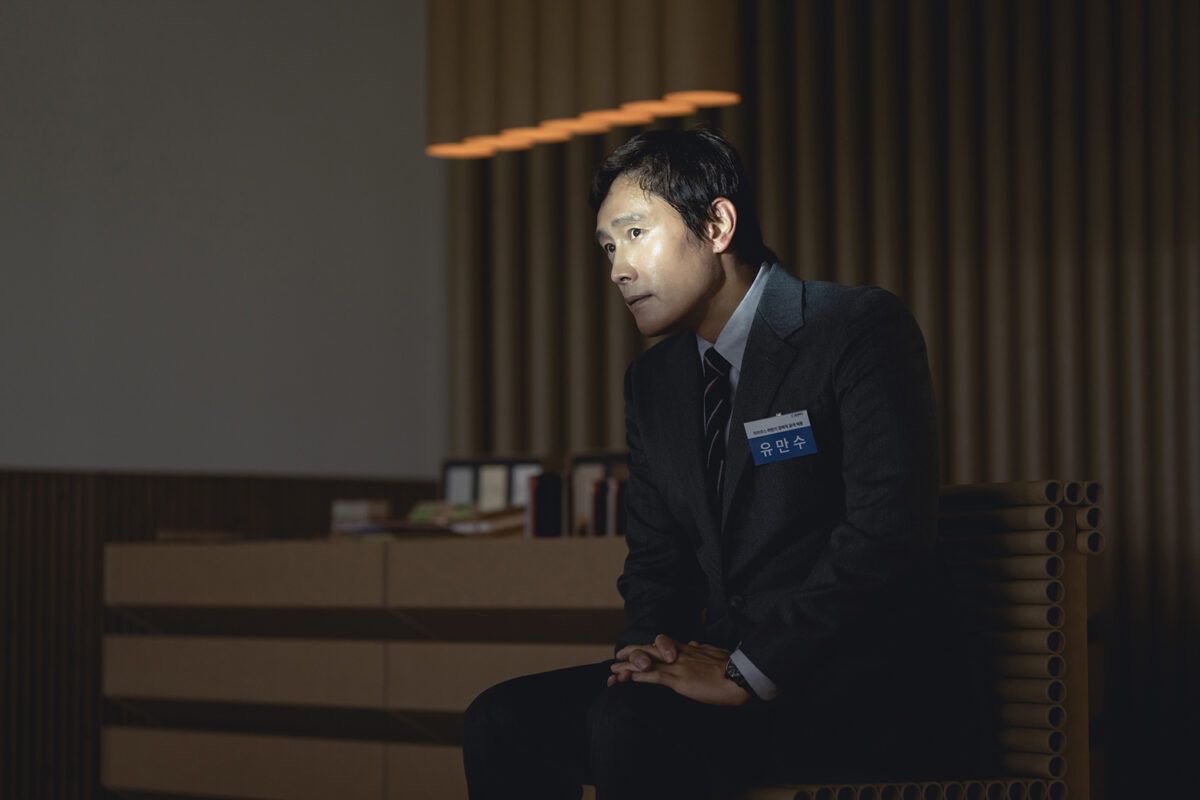

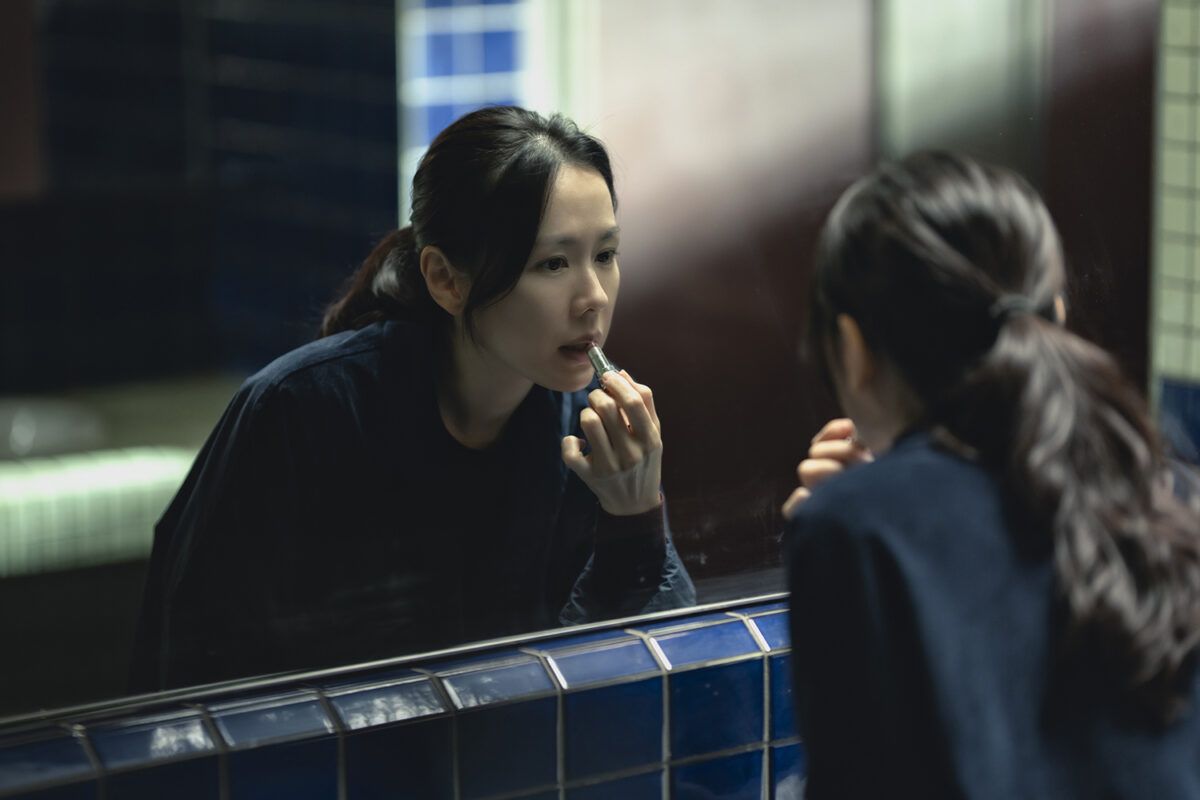
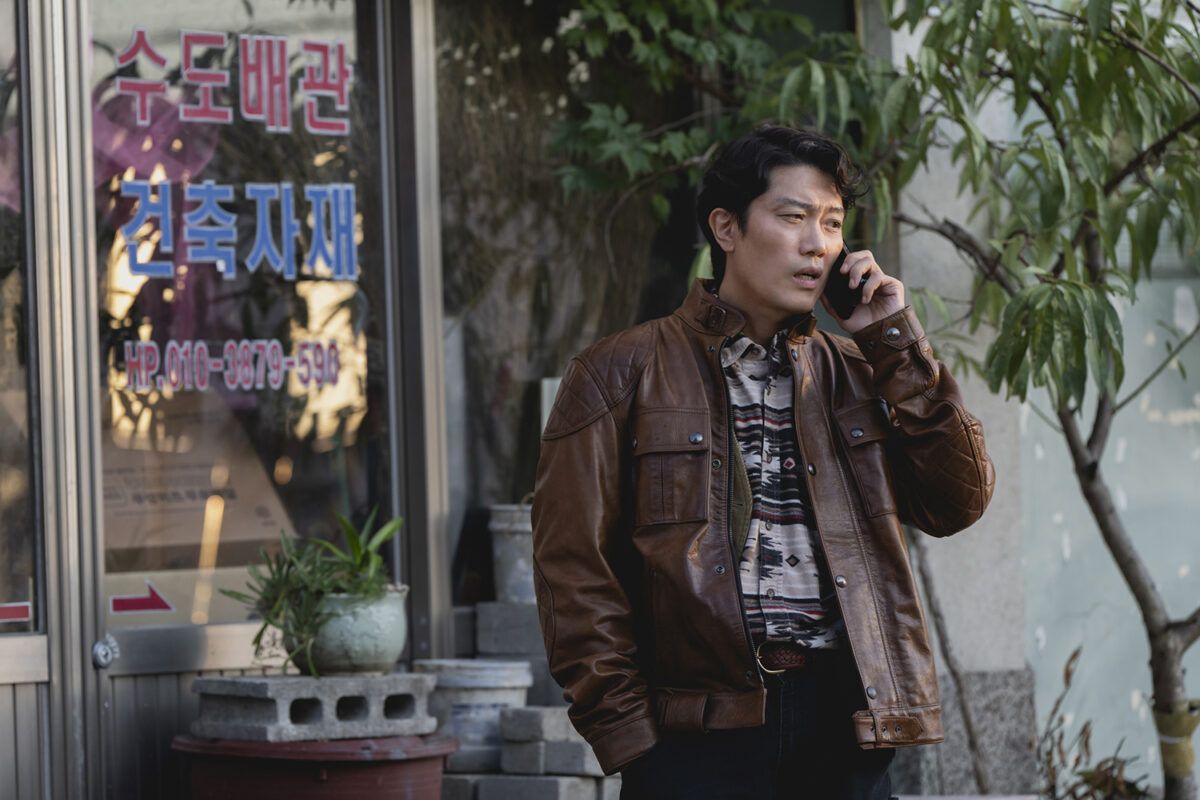
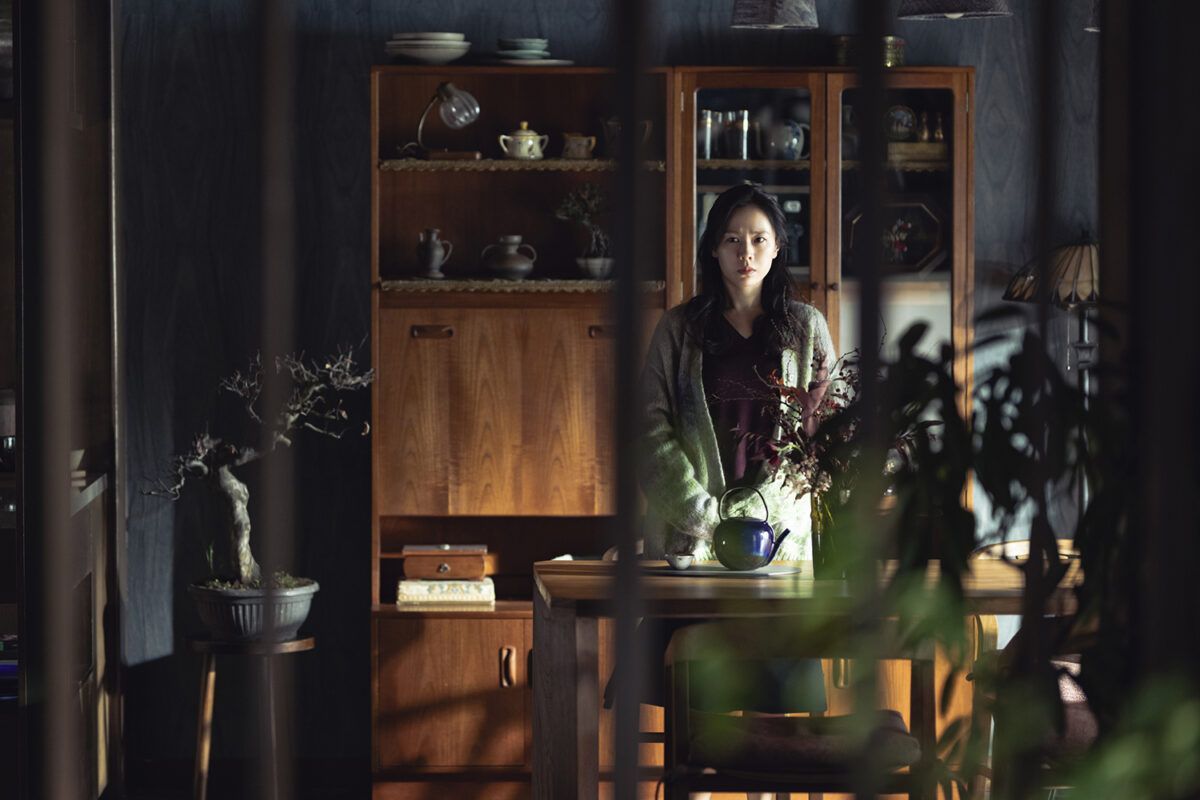
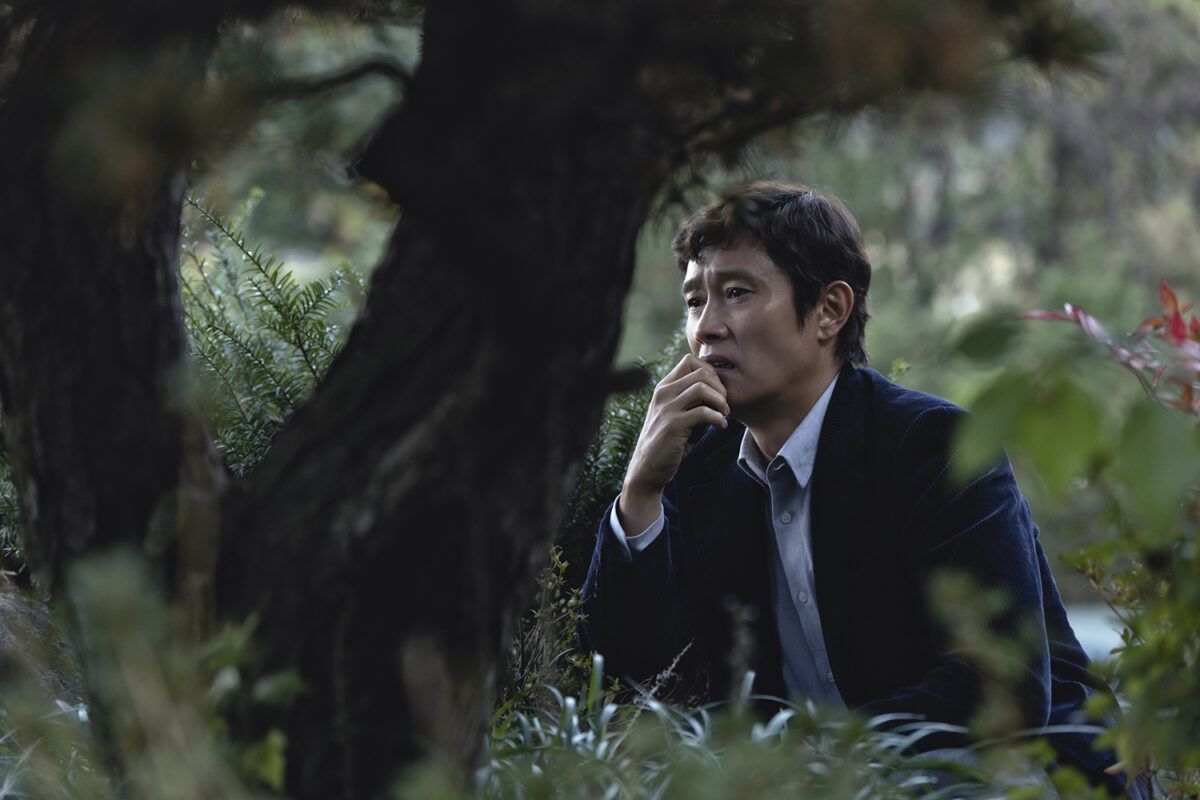
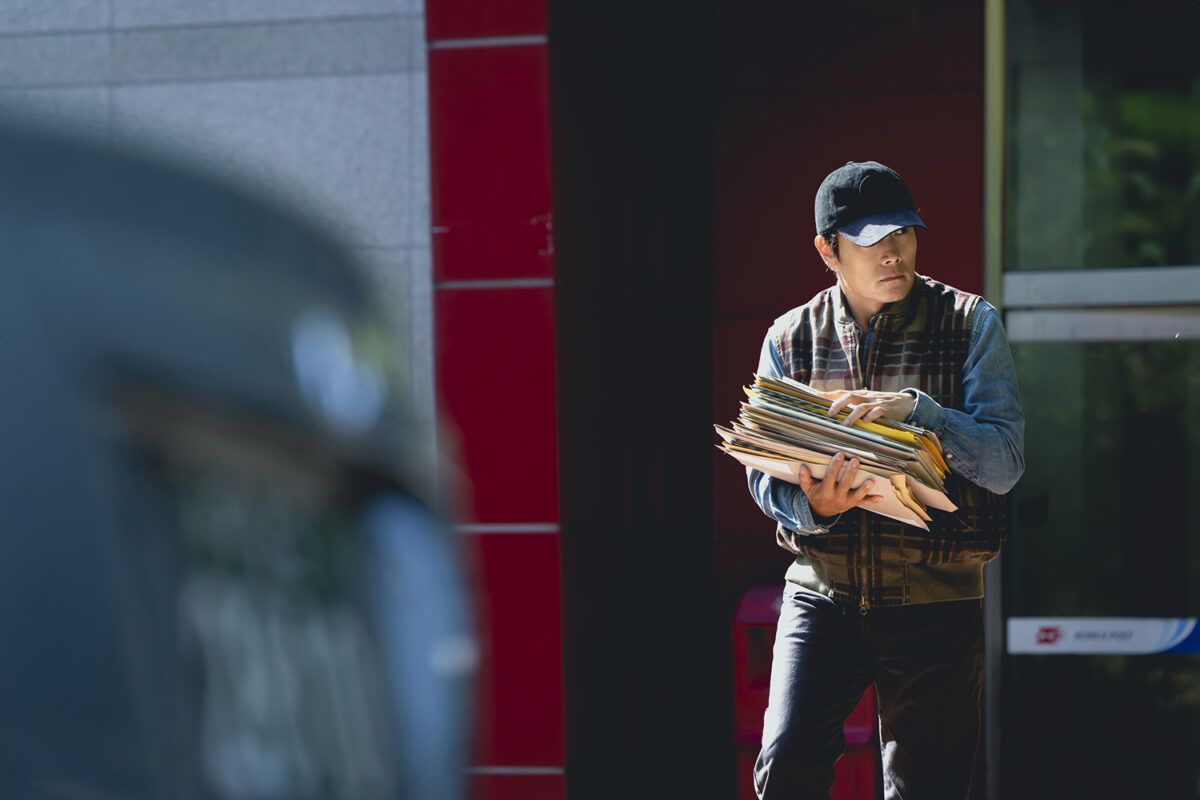
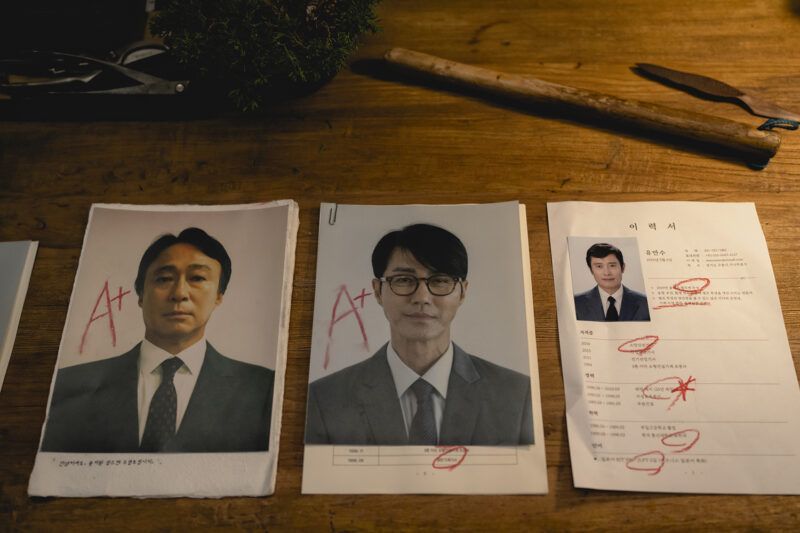
Starring Lee Byung Hun, Son Yejin, and Park Hee Soon, this is a restrained, everyday drama — one that feels more intimate and piercing than many of Park’s previous works. The story of Man-su, a man who has devoted his life to his work only to be dismissed without convincing explanation, becomes a mirror for a generation trapped between the promises of progress and the ever-looming threat of personal collapse.
A stripped-back protagonist
Man-su has spent 25 years working in the paper industry. He’s proud of his career, content with his life, his family, and his material achievements. But everything falls apart when his company coldly tells him, “there’s no other choice” — they no longer need him.
What follows is a slow-motion downfall: failed job interviews, unstable employment, the growing fear of losing the family home. But it’s also the start of an inner transformation. Man-su moves from quiet pride to desperation cloaked in dignity. The film explores his vulnerability without melodrama, building tension as he convinces himself that if no job is available, he’ll have to create one.
“The story of Man-su becomes a mirror for a generation trapped between the promises of progress.”
Park Chan-wook’s style applied to the everyday
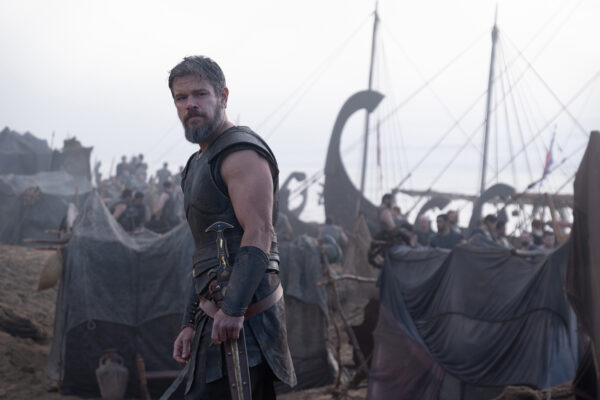
Although the film steps away from explicit violence or non-linear storytelling, Park’s signature remains. The camera is precise, elegant — transforming even a bland supermarket aisle into a space thick with unease. The colour palette mirrors Man-su’s emotional deterioration, and silences weigh as heavily as the dialogue.
Cinematographer Kim Woo-hyung excels here: he captures Man-su’s anguish from within, while also allowing viewers to observe with critical distance. This dual strategy produces a layered emotional experience that resists easy identification, prompting us to reflect on our own perceptions of success, failure, and modern masculinity.
Characters bearing the weight of the system
One of the film’s greatest achievements lies in its ensemble cast. While Man-su remains central, the surrounding world is just as compelling.
His wife Miri, played by Son Yejin, is far more than a supporting figure — she faces the crisis with strength and clarity, unafraid to take control when the family’s stability is threatened.
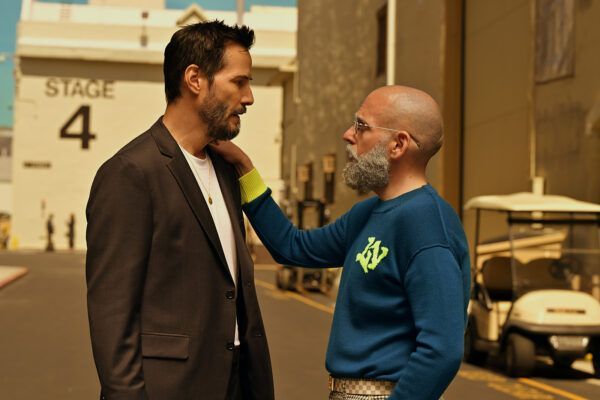
The symbolic antagonist, Sun-chul (Park Hee Soon), embodies the contradictions of the corporate world: successful yet unstable, charismatic yet deeply uncertain. Secondary characters like Bummo and Sijo reflect the diverse ways in which men process the loss of work and identity.
A silent war
The plan Man-su devises to get hired isn’t revealed through a dramatic twist, but rather as a series of small, desperate acts. Here we find Park Chan-wook’s characteristic irony: scenes that verge on the pathetic, the awkwardness of the protagonist, the way even so-called “victories” are loaded with ambiguity. There’s no catharsis — but there is resonance.
A film about what isn’t said
“No Other Choice” also delves into the invisible: social pressure, unspoken anxiety, the loss of identity when work is no longer a source of validation. In South Korea — a society where professional success is often equated with personal worth — such a fall becomes an existential threat.
In a country where modernity has been built on extreme competitiveness and a devotion to performance, being shut out of the workforce isn’t just an economic setback — it’s symbolic erasure. Park Chan-wook approaches his protagonist’s psychology with a sensitivity that avoids both judgement and condescension. He reveals Man-su’s contradictions, tenderness, and shadows — and, above all, the vast silence that surrounds failure in societies where one is always expected to have “an option”.
The technical team as narrative extension
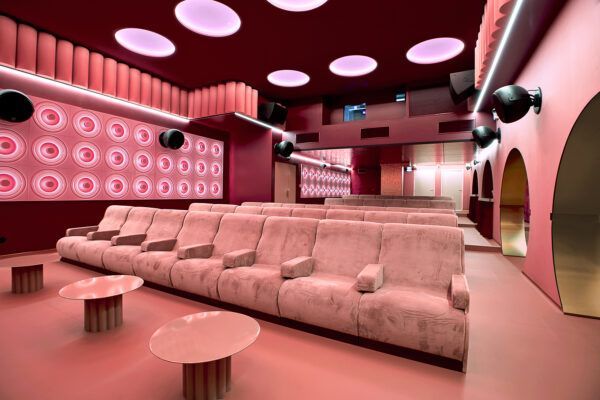
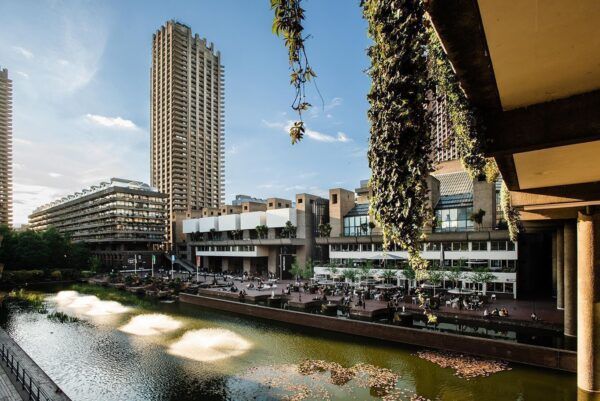
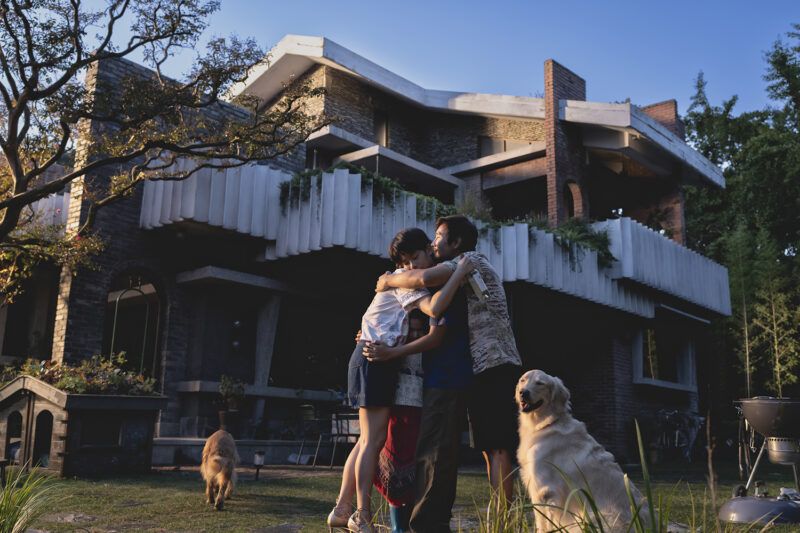
The creative team’s contribution is essential to the film’s tone. Ryu Seong-hie’s production design gives life to symbolic spaces — such as Man-su’s home, which blends brutalism with nods to 1970s French architecture. Every object, every corner speaks to the character’s inner world.
Cho Young-wuk’s music, recorded with the London Contemporary Orchestra at Abbey Road Studios, adds emotional layers ranging from comic to tragic to melancholic. The collaboration with cellist Jean-Guihen Queyras is a masterstroke — his rendition of Le Badinage leaves a lasting emotional impression.
A brilliant cast
Lee Byung Hun delivers one of the subtlest performances of his career. His Man-su is vulnerable without self-pity, methodical yet chaotic — deeply human.
Son Yejin brings emotional strength and equilibrium as Miri, while Park Hee Soon portrays a compelling Sun-chul, avoiding the trope of the ruthless boss in favour of a nuanced character also trapped by the system’s façades.
Supporting actors such as Yeom Hye Ran and Cha Seung Won enrich the narrative and broaden the emotional and thematic range of the film.
Final thoughts
In one of the film’s opening scenes, Man-su embraces his family in the garden and says: “I feel like I have everything”. That moment encapsulates not only his satisfaction, but his fragility — having invested everything in a specific vision of success and stability. When that structure collapses, Man-su is unable to imagine alternatives. He can’t conceive of another profession, another home, another way of living beyond the one he worked so hard to build.
Meanwhile, his wife Miri takes a more pragmatic approach: sell the house, cut expenses, adapt. For her, the setback is an inconvenience. For him, a tragedy. Man-su’s crisis is not merely about losing a job — it’s about losing the role of provider, pillar, and functional man. His very identity is shaken.
Park Chan-wook’s film is a powerful reminder that life is constantly shifting, and clinging to a single definition of stability can become a trap. Discomfort is hard to accept — but sooner or later, it arrives. Learning to move within uncertainty might just be our most radical form of resistance.
“Park Chan-wook’s film is a powerful reminder that life is constantly shifting.”
“No Other Choice” is a quiet masterpiece — not because it aims to shock or provide easy answers, but because it invites us, with grace and precision, to question the rigidity with which we live our lives. Because sometimes, holding on to one option at all costs blinds us to the many ways we might still move forward.
Highly recommended.
(*) Images from the film courtesy of MUBI.