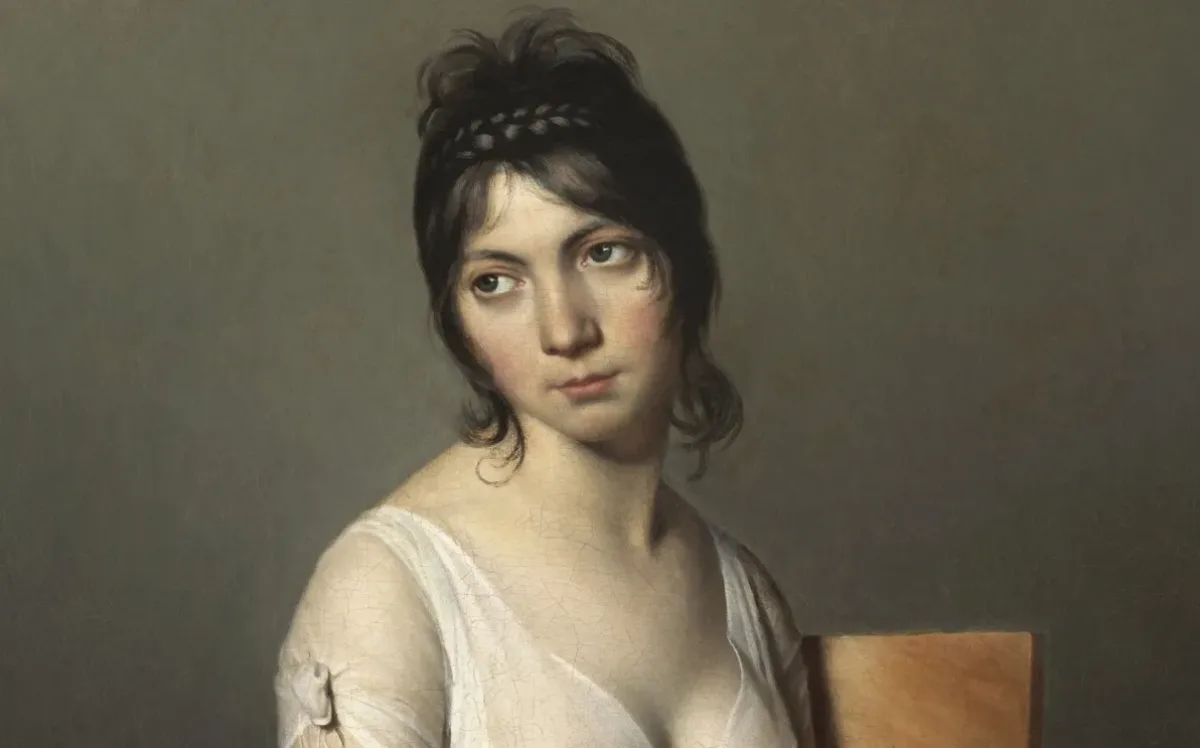
“My year of rest and relaxation”, by Ottessa Moshfegh
“My Year of Rest and Relaxation” by Ottessa Moshfegh is a novel that challenges narrative conventions and explores the limits of isolation and self-destruction as forms of searching for meaning in a world saturated with superficiality and social expectations.
An unnamed protagonist in search of nothingness
The narrator, a 26-year-old New Yorker, embarks on a radical experiment: to spend an entire year sleeping, disconnecting from reality through a cocktail of medication and self-imposed isolation. This voluntary hibernation is her answer to a life that, despite being filled with privilege, feels hollow and devoid of purpose.
Her decision to withdraw from the world can be seen as a sharp critique of productivity culture and the relentless pursuit of success and external validation. By choosing inactivity and sleep, she challenges the social norms that prioritise achievement over personal wellbeing and introspection.
“I can’t point to any specific event that led me to hibernate. At first, I just wanted some sleeping pills to quiet my thoughts and judgments, because the constant flood made it hard not to hate everything and everyone.”
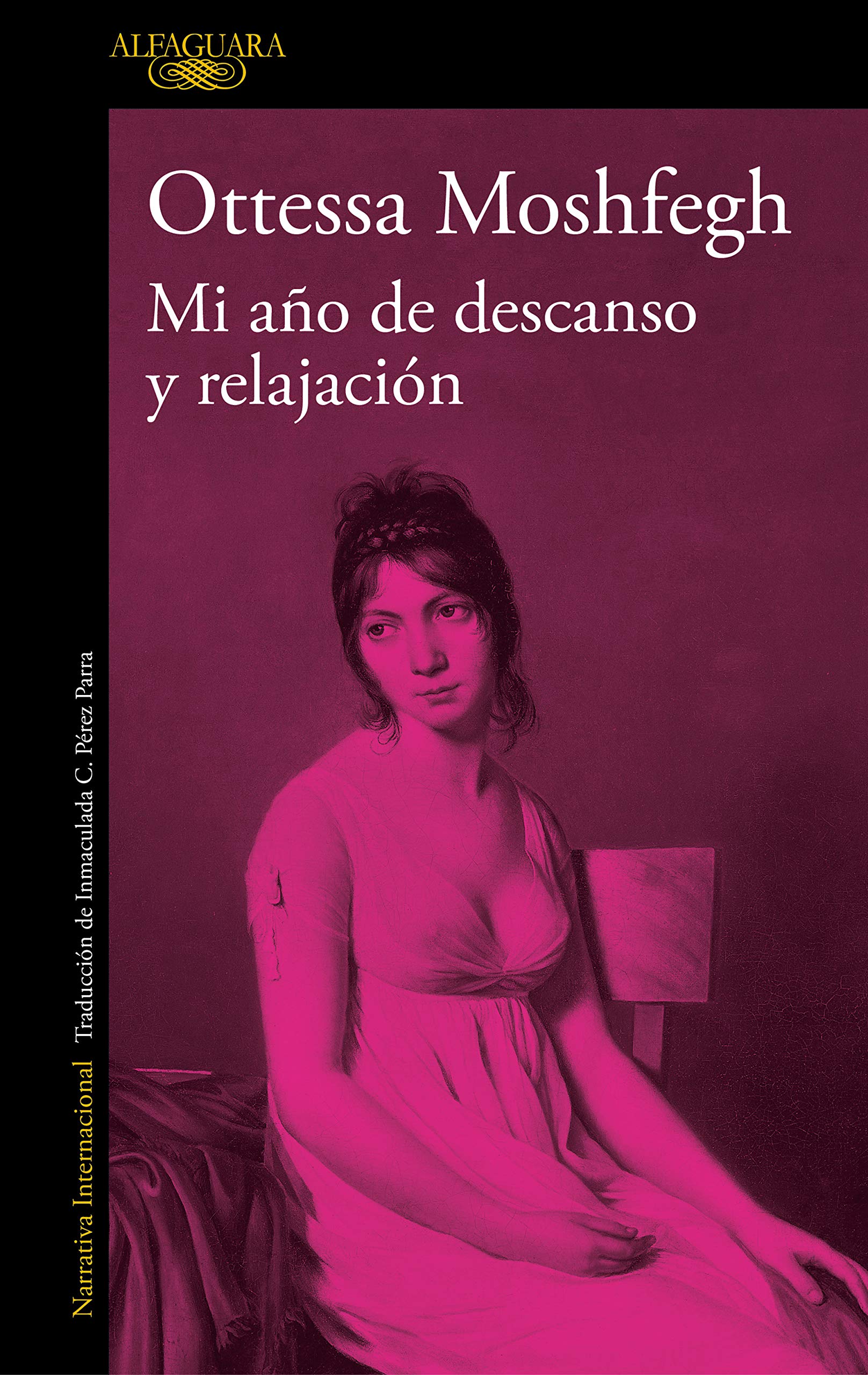
A portrait of contemporary alienation
Set in New York City in the year 2000, the novel captures the pervasive sense of restlessness and disconnection that defines modern urban life. Despite her beauty, intelligence, and financial resources, the protagonist feels deeply unsatisfied and alienated.
Her only friend, Reva, represents the kind of superficial relationships and lack of genuine connection often found in competitive, image-driven environments. Moshfegh’s narrative is sharp and often satirical, employing dark humour to explore themes of depression, loneliness, and the desperate desire to escape reality.
The author offers no easy resolutions, no neat redemptions — only the raw and honest portrait of a woman searching for meaning through total disconnection.
“Each time I lay down […] I fell straight into blackness, the void of an infinite space. […] I had no visions. No ideas. […] It was peace. […] And yet I was aware of the nothingness.”
A scathing critique of art and superficiality
Through the protagonist’s experience working at an art gallery, Moshfegh delivers a biting critique of the contemporary art world, where image and commercial value often trump authenticity and genuine expression.
This setting mirrors the superficiality and emptiness that the narrator perceives in broader society, reinforcing her decision to withdraw entirely from it.
“The art world turned out to be like the stock market — a reflection of political trends and capitalist convictions, fuelled by greed and gossip and cocaine.”
A bold and unsettling narrative style
Moshfegh’s style is deliberately provocative, using direct, often uncomfortable prose to immerse the reader in the protagonist’s disaffected psyche. The absence of a traditional plot arc and conventional character development may be challenging to some readers, but this too serves a purpose.
It offers a unique literary experience — one that invites deep reflection on the nature of existence and the human search for meaning.
“I learned to stay afloat thanks to the easy affections that were born of other people’s insecurities.”
A novel that demands introspection
“My Year of Rest and Relaxation” doesn’t aim to please the reader. Instead, it confronts us with difficult questions about modern life, authenticity, and the temptation to escape an unfulfilling reality.
Through her narrator, Moshfegh explores the extremes of self-destruction as a form of existential searching, delivering a story that is as disturbing as it is profoundly human.
“I avoided anything that might awaken my intellect or make me envious or anxious.”
This is a must-read for those interested in pushing the boundaries of contemporary fiction and delving into the psychological complexity of the human condition in a world that often values image over authenticity.
Highly recommended.