5 design books that will change the way you see the world
Between visual identities, iconic typefaces, creative accidents and new ways of learning, these five books offer a particularly insightful snapshot of contemporary design.
When we talk about design, our minds almost automatically turn to beautiful objects, flawless visual identities or carefully crafted spaces. Yet design is far more than an aesthetic exercise. It is a tool for interpreting the world, a way of organising information, a means of relating to others and, in many cases, a language capable of shaping behaviours, emotions and experiences. Perhaps that is why the best books on design are not necessarily those that showcase the most spectacular projects, but those that succeed in broadening our perspective. The ones that challenge preconceived ideas, encourage us to rethink creative processes or reveal unexpected connections between seemingly unrelated disciplines.
In an age defined by speed, algorithms and the relentless consumption of images, taking the time to read about design has become something of an intellectual act of resistance. It is a way of reclaiming context, depth and critical thinking.
This selection brings together five very different titles, united by a shared quality: their ability to help us better understand how contemporary creativity works and how design influences almost every aspect of our daily lives.
The Elements of Brand Design: when brands become culture
For decades, branding was understood as a discipline centred on logos, corporate colours and visual identity guidelines. Today, we know that a brand is something far more complex.

Published by Taschen, The Elements of Brand Design offers an extraordinarily broad perspective on the construction of contemporary brands and the role design plays in creating narratives capable of establishing emotional connections with people.
What makes the book particularly interesting is that it goes far beyond presenting successful case studies. It examines how visual identities operate within wider cultural systems shaped by psychology, communication, user experience and collective perception.
“A brand is an amalgamation of everything that is related to a specific product or thing.” Paula Scher
As brands increasingly compete to create relevance rather than simply achieve visibility, this publication becomes an especially valuable resource for designers, creatives, entrepreneurs and marketing professionals.
Helvetica Forever: the story of a typeface that changed the world
Few examples in the history of design have transcended their original function to become cultural symbols. Helvetica is one of them.
Published by Lars Müller Publishers, Helvetica Forever explores the fascinating story of a typeface that, more than half a century after its creation, remains present in cities, companies, institutions and communication systems around the globe.
The true value of the book lies in the way it uses Helvetica to explain much broader transformations related to modernity, globalisation, visual communication and the construction of trust through design. Through interviews, historical documents and real-world applications, the book demonstrates how an apparently technical decision can ultimately shape the visual culture of entire generations.
It is also a fascinating read for anyone interested in understanding how typefaces do more than communicate information.
How to Do Nothing with Nobody All Alone by Yourself: creativity, boredom and free time
At first glance, this title may seem like the unexpected guest on this list. Yet few publications connect so directly with one of contemporary creativity’s greatest challenges: our inability to stop.
Originally published by writer and artist Karen Finley, How to Do Nothing with Nobody All Alone by Yourself champions something both simple and radical: the importance of being alone, embracing boredom and reclaiming moments of reflection away from constant stimulation.
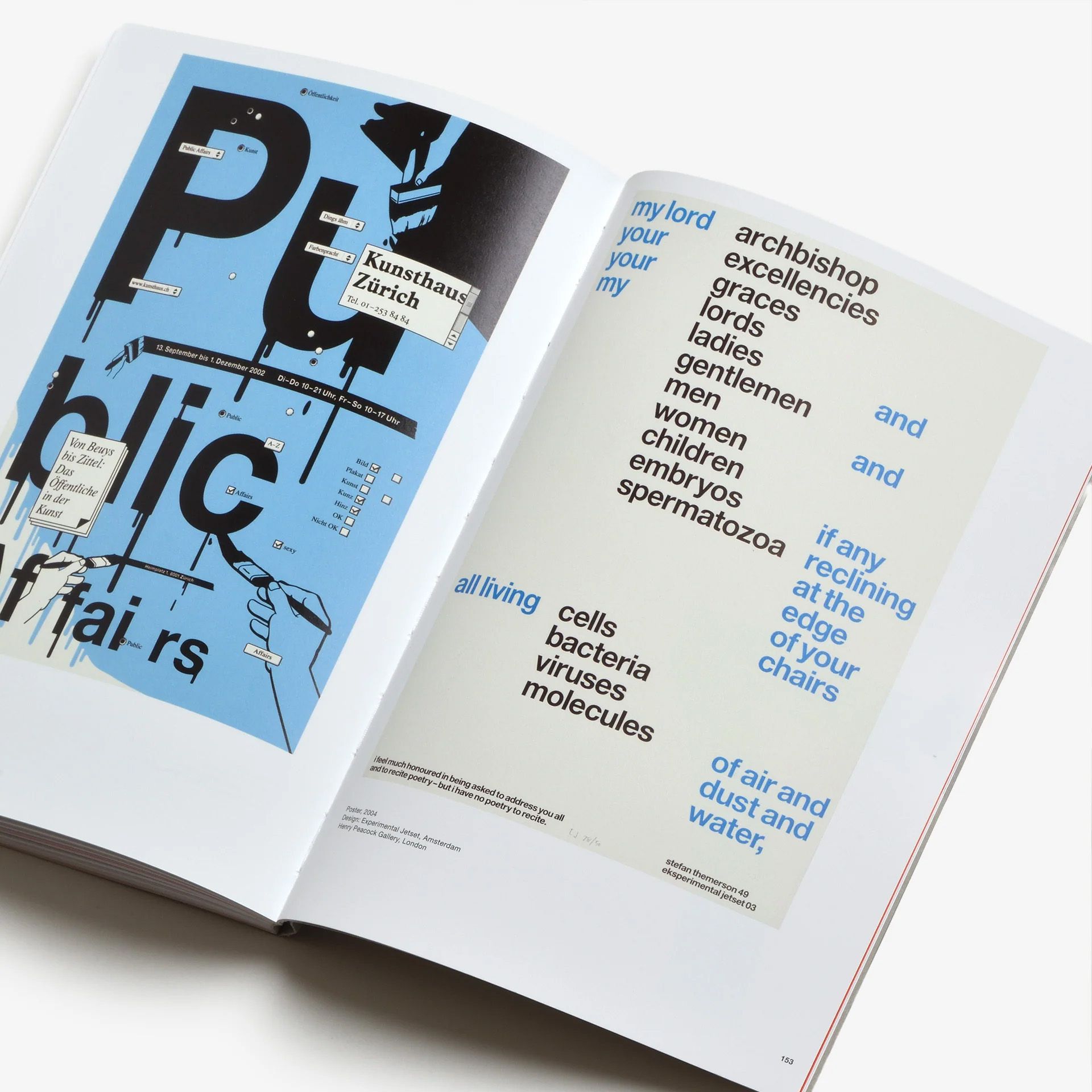
“The Beatles are the Helvetica of pop; just like Helvetica is The Beatles of typefaces.” Experimental Jetset
Although it is not strictly a design book, it is remarkably relevant for anyone working in a creative field. The best ideas rarely emerge during endless meetings or while responding to notifications. They tend to appear during moments of pause, observation and disconnection.
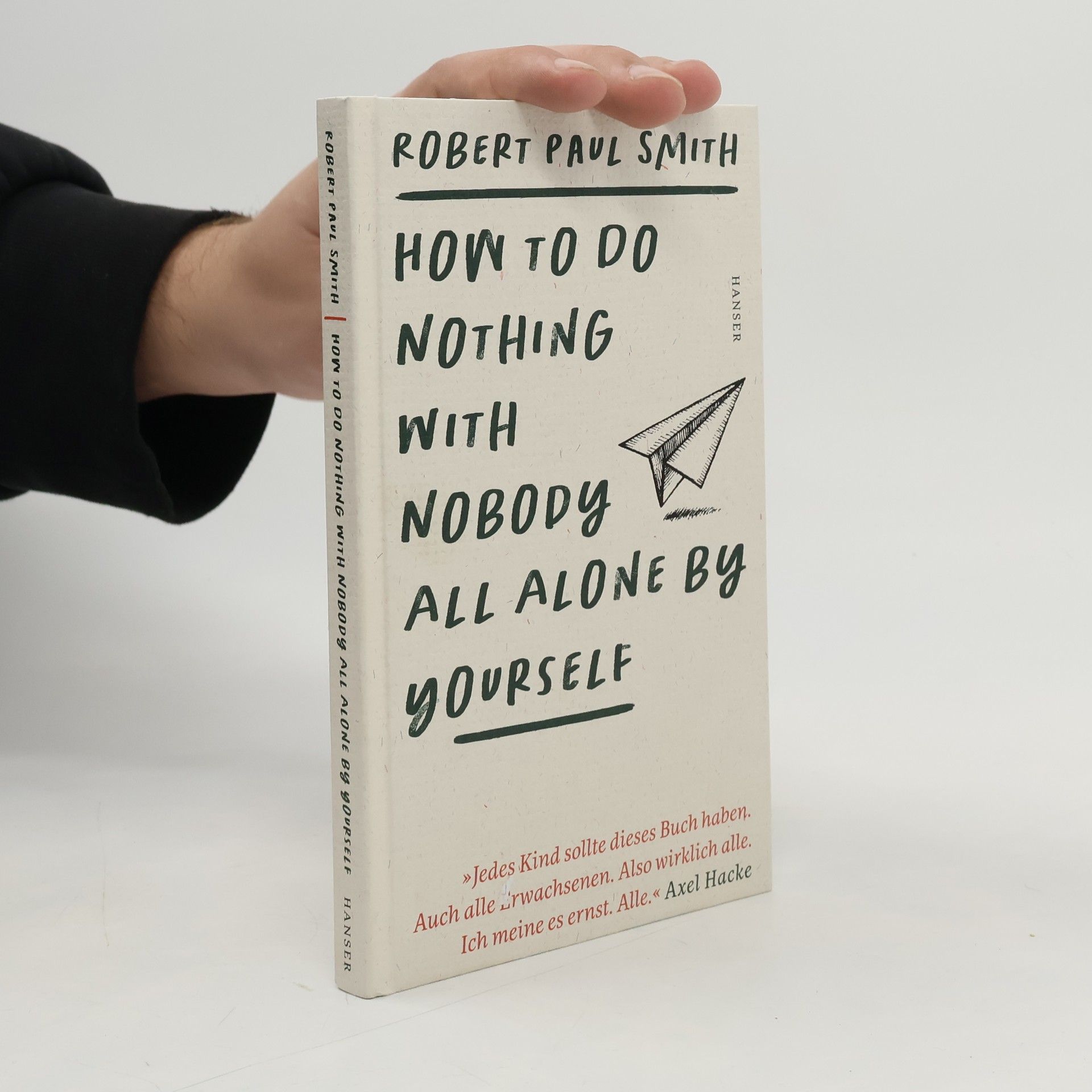
The book serves as an invitation to reconsider our relationship with time, productivity and creativity.
In a culture obsessed with efficiency, remembering the value of silence may be one of the most important lessons any designer can learn.
“A ‘mistake’ is beside the point, for once anything happens it authentically is.” John Cage
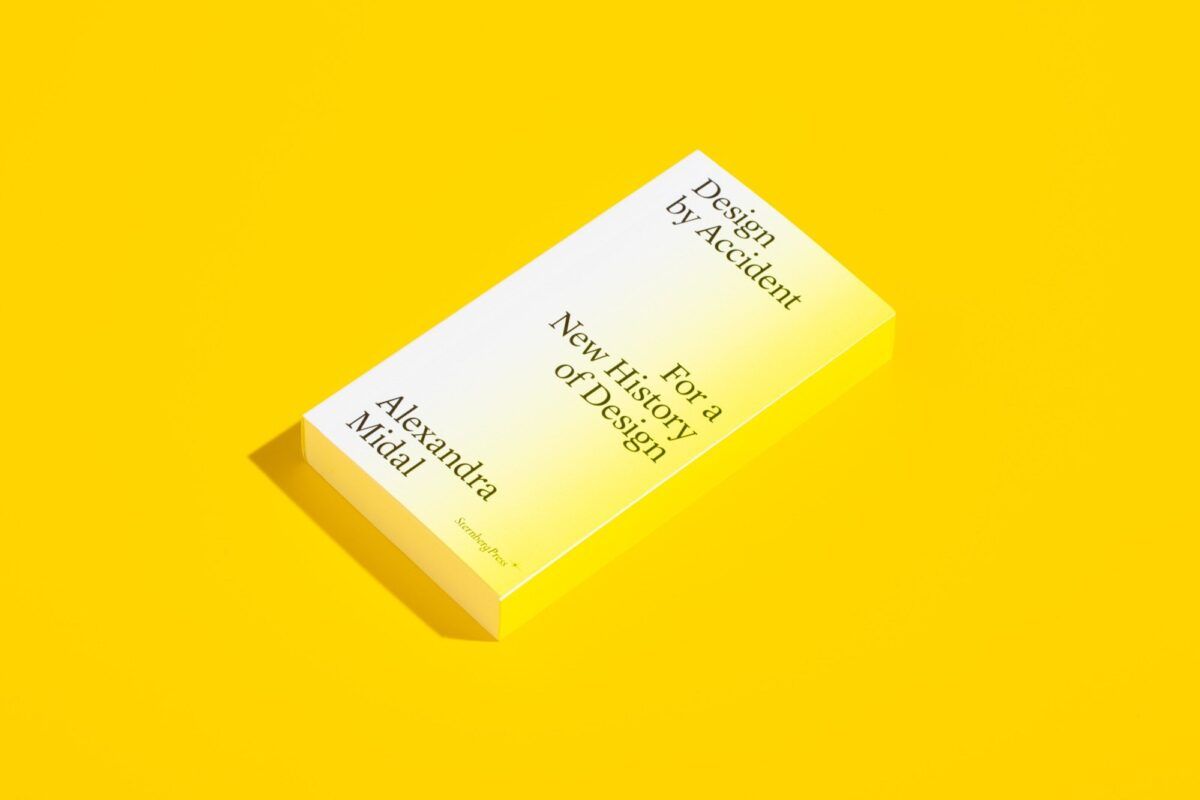
Design by Accident: when mistakes become opportunities
The history of design is often told as a succession of brilliant decisions and perfectly controlled processes. Reality is rather different.
Many of the most interesting discoveries emerge from accidents, mistakes, improvisation and unexpected situations. It is precisely around this idea that Design by Accident, published by Sternberg Press, is built.
The book explores the role of chance within creative processes and challenges the traditional view of design as a wholly rational and carefully planned discipline.
Through essays, research and practical examples, it demonstrates that innovation does not always emerge from complete control. Sometimes it appears when we are capable of paying close attention to what was never intended to happen.
This perspective feels particularly relevant at a time when artificial intelligence, automation and predictive systems seem increasingly geared towards reducing uncertainty.
Design by Accident reminds us of something fundamental: creativity still needs room for surprise.
Wicked Arts Assignments: learning through experimentation
Creative education is undergoing a profound transformation. As rigid models and outcome-driven approaches are increasingly questioned, new frameworks continue to emerge that champion experimentation, play and divergent thinking.
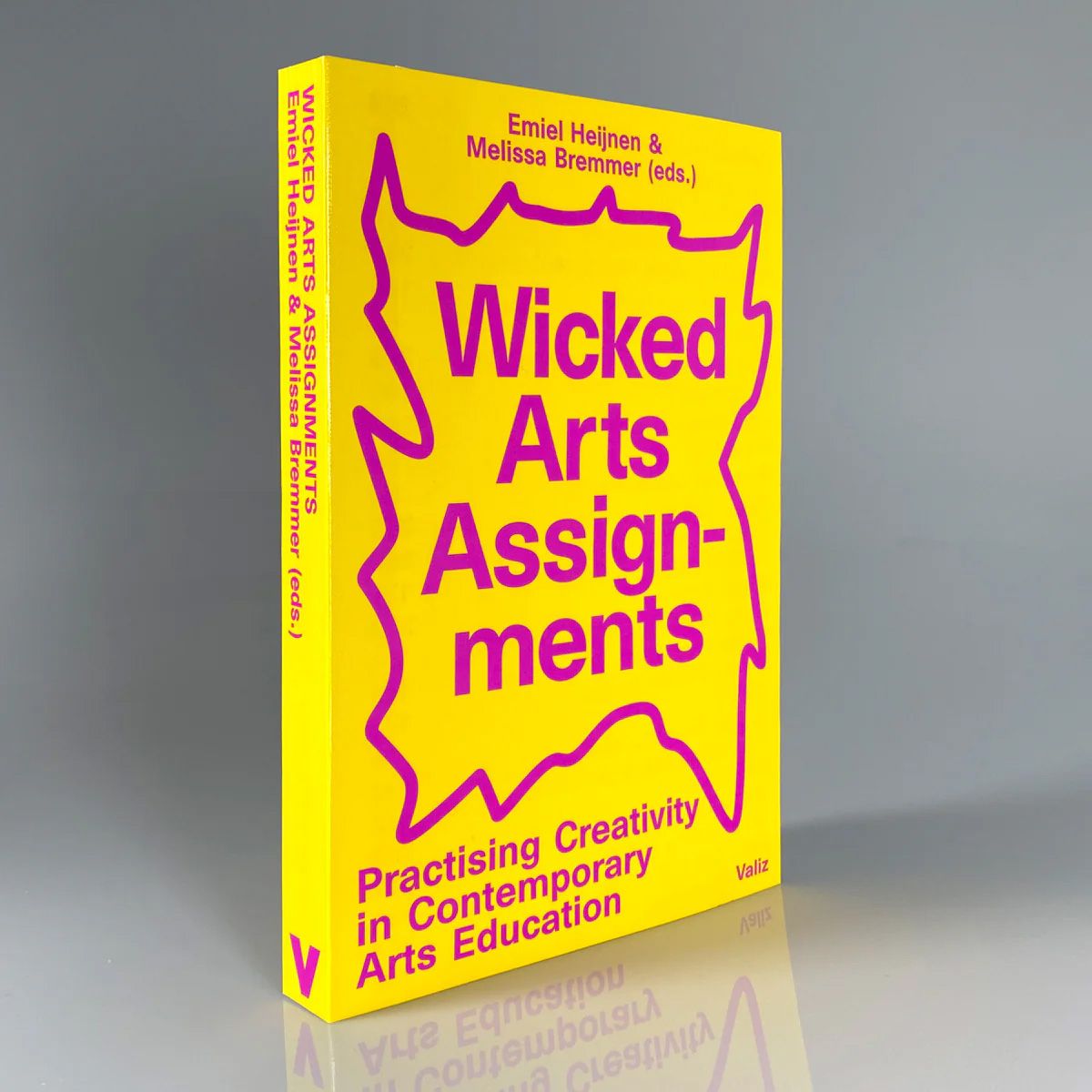
Wicked Arts Assignments belongs to this new generation of educational resources that understand creativity as an open and constantly evolving practice.
“Wicked Arts Assignments are bold, unusual, contrary, funny, poetical, inspiring and socially committed.”
Rather than functioning as a conventional manual, it presents a collection of exercises, challenges and provocations designed to stimulate new ways of thinking and making.
Its approach is particularly compelling because it shifts attention away from the final outcome and towards the process itself. The goal is not simply to create better projects. It is to develop a mindset that is more flexible, more curious and more open to exploration.
In a context where many technological tools can automate technical tasks, the ability to formulate original questions becomes more valuable than ever.
Designing is also learning to see
There is a common thread connecting all five titles in this selection. None of them understands design merely as a discipline dedicated to producing objects, images or visual identities. Instead, they share a much broader perspective.
They speak about perception, culture, behaviour, education, communication and creativity. In doing so, they remind us that designing requires observation. It requires interpreting relationships, recognising patterns, questioning assumptions and exploring possibilities.
At a time when artificial intelligence can generate images, texts and visual solutions in a matter of seconds, the ability to cultivate critical thinking, cultural sensitivity and an independent perspective becomes extraordinarily valuable.
Perhaps that is why these books still deserve a place in every creative library. Not because they explain trends or promise formulas for success, but because they help develop something far more difficult to acquire: judgement.
(*) Images courtesy of the featured books.