Dragør and Amagerbro: coastal charm and creative life in Copenhagen
Copenhagen never ceases to surprise. While the Danish capital is world-renowned for its passion for design, its sustainable lifestyle and its vibrant food scene, there are lesser-known corners that reveal other facets of the city. August is, without doubt, one of the best months to discover them: the weather invites you to wander through its neighbourhoods, swim at its urban beaches and enjoy a cultural calendar filled with exhibitions, concerts and open-air experiences.
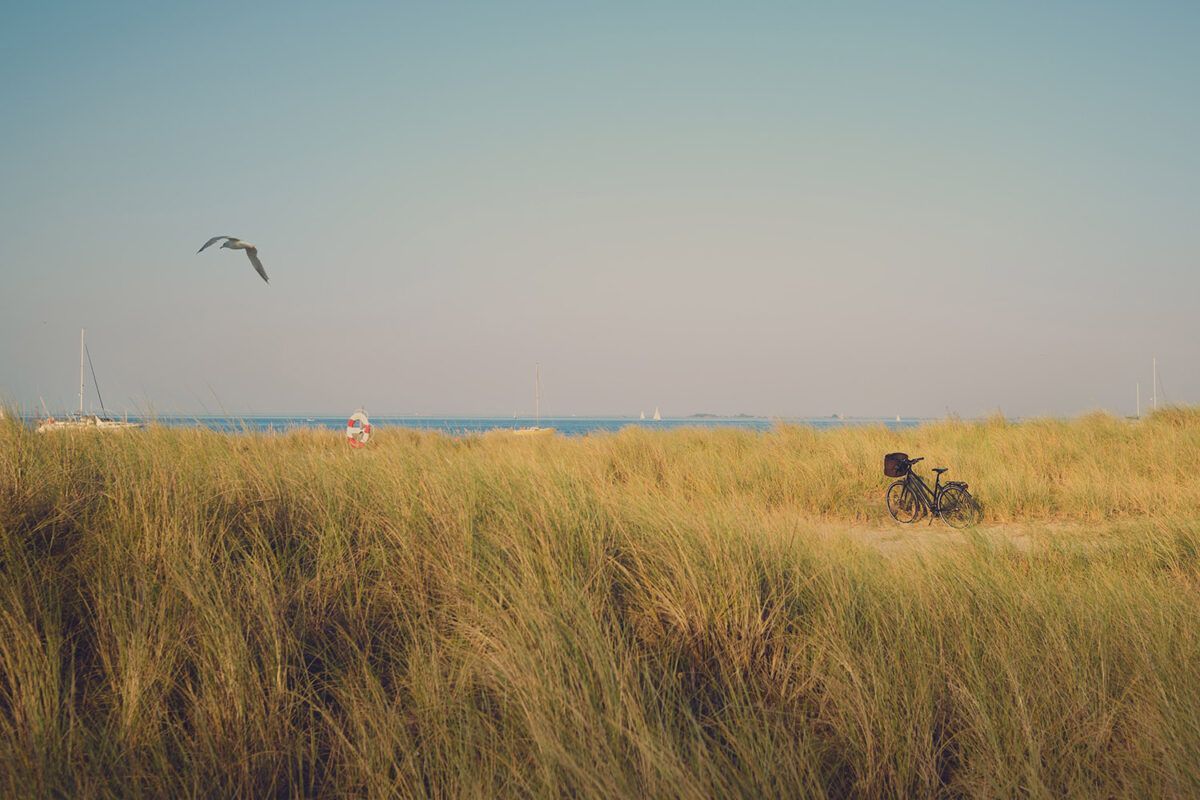


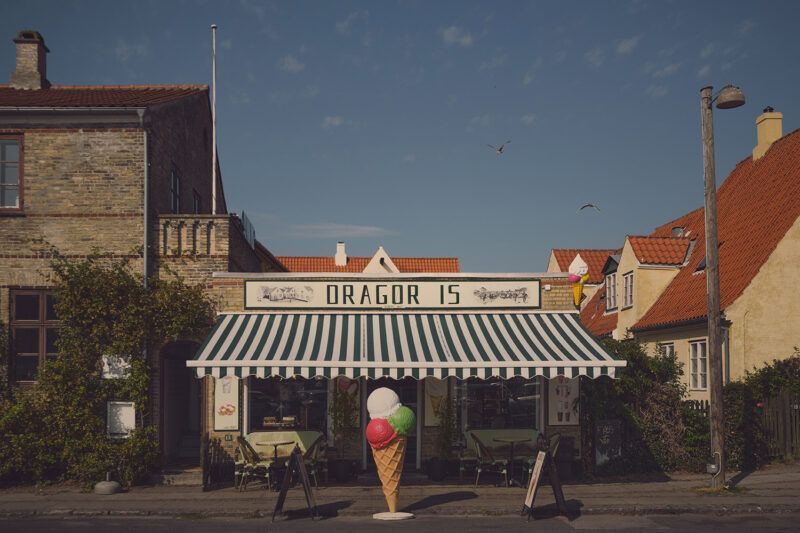
In this feature we take you to Dragør, a picturesque fishing village with centuries of history, and to Amagerbro, a lively district that combines nature, contemporary architecture and a youthful, relaxed atmosphere. Two complementary destinations that reflect the very essence of Copenhagen: tradition and modernity in perfect harmony.
Dragør and Amagerbro are two complementary destinations that reflect the essence of Copenhagen.
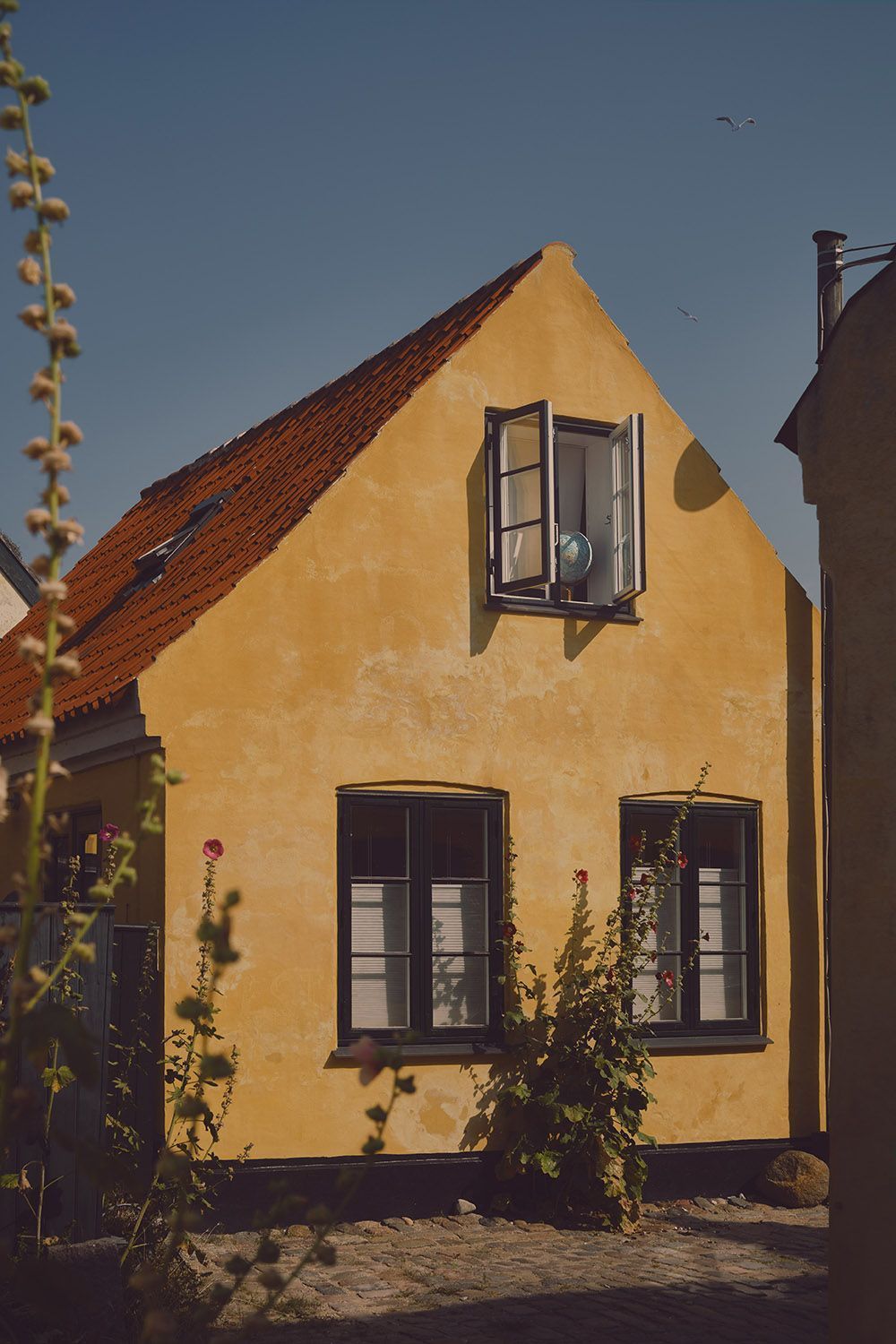
Dragør: historic charm by the sea
Just 12 kilometres from the centre of Copenhagen (around 30–40 minutes by bus 350S from Amagerbro) lies Dragør, a small seaside village that has preserved the charm of a bygone era.
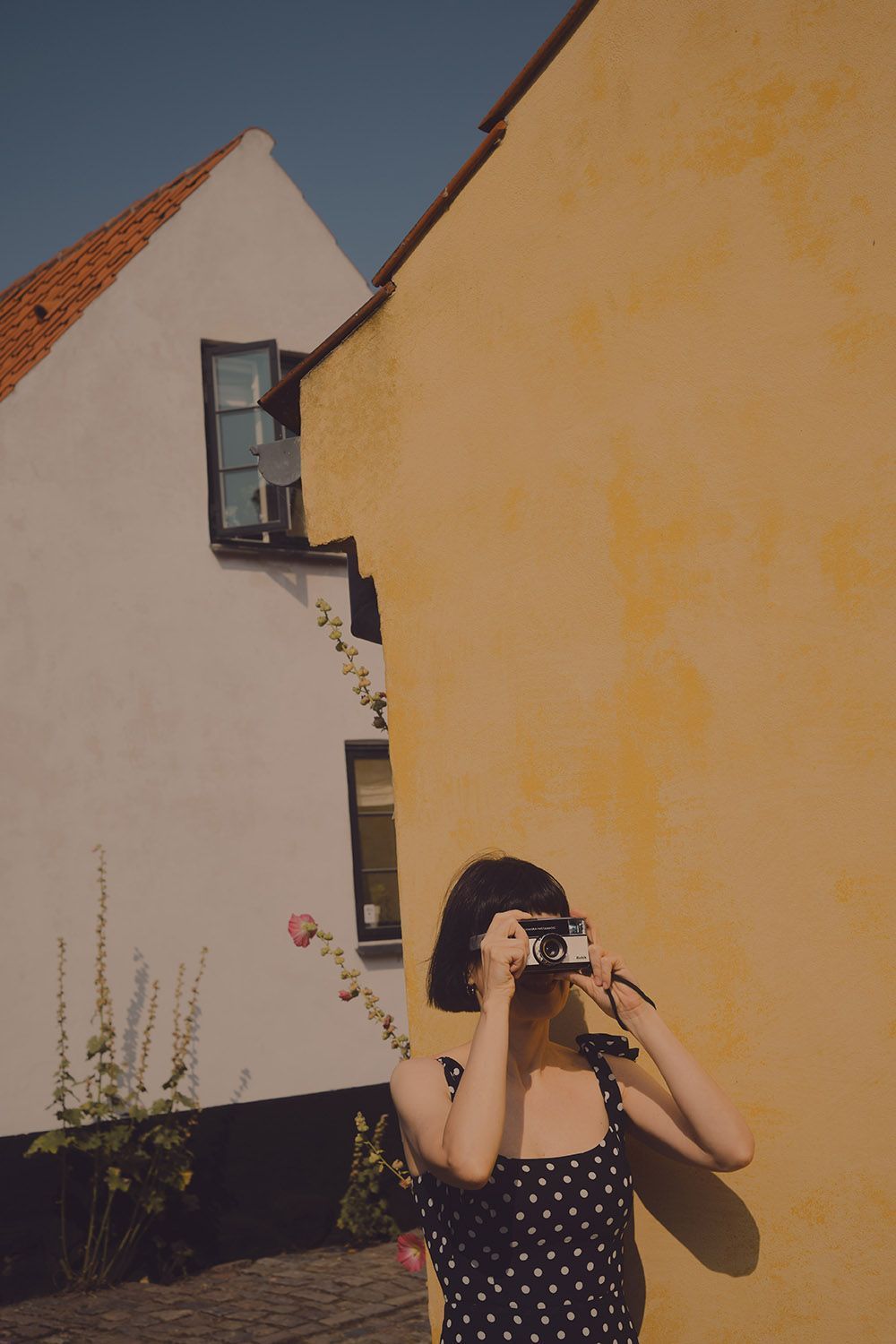
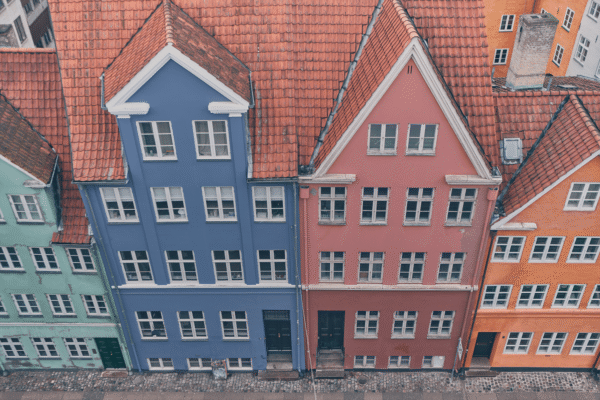
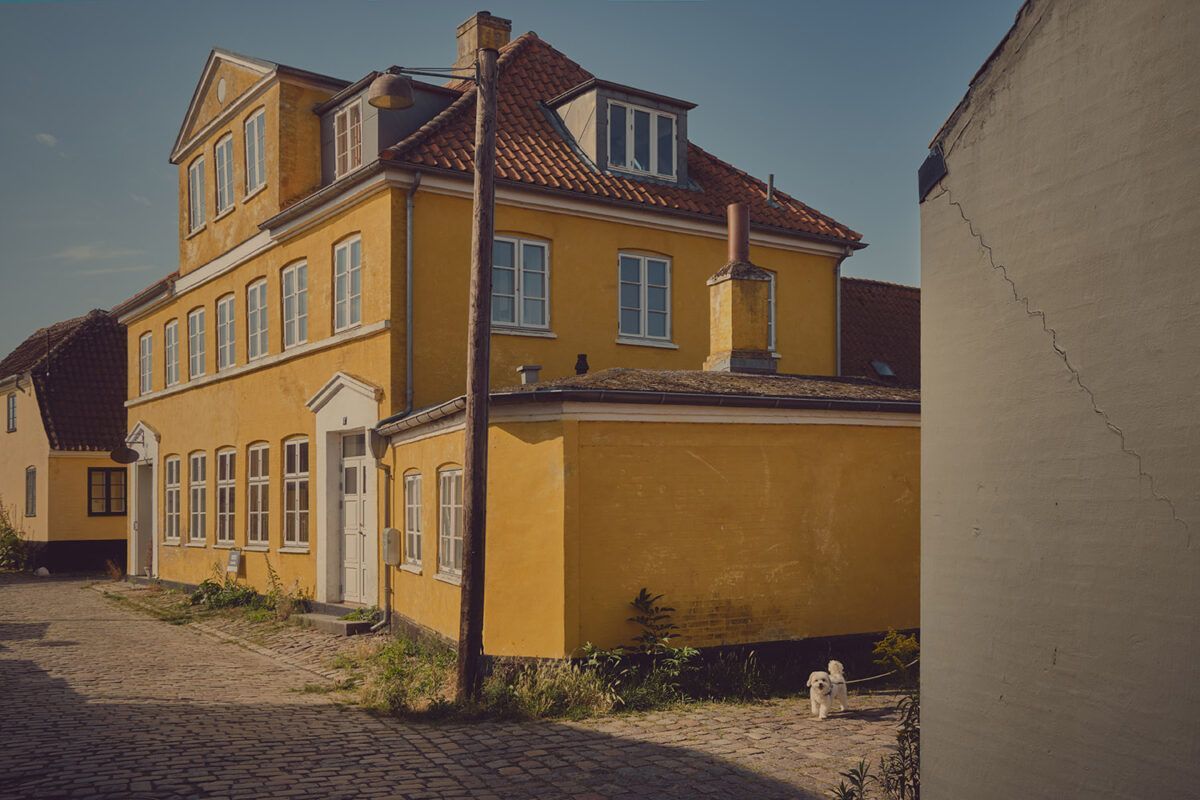
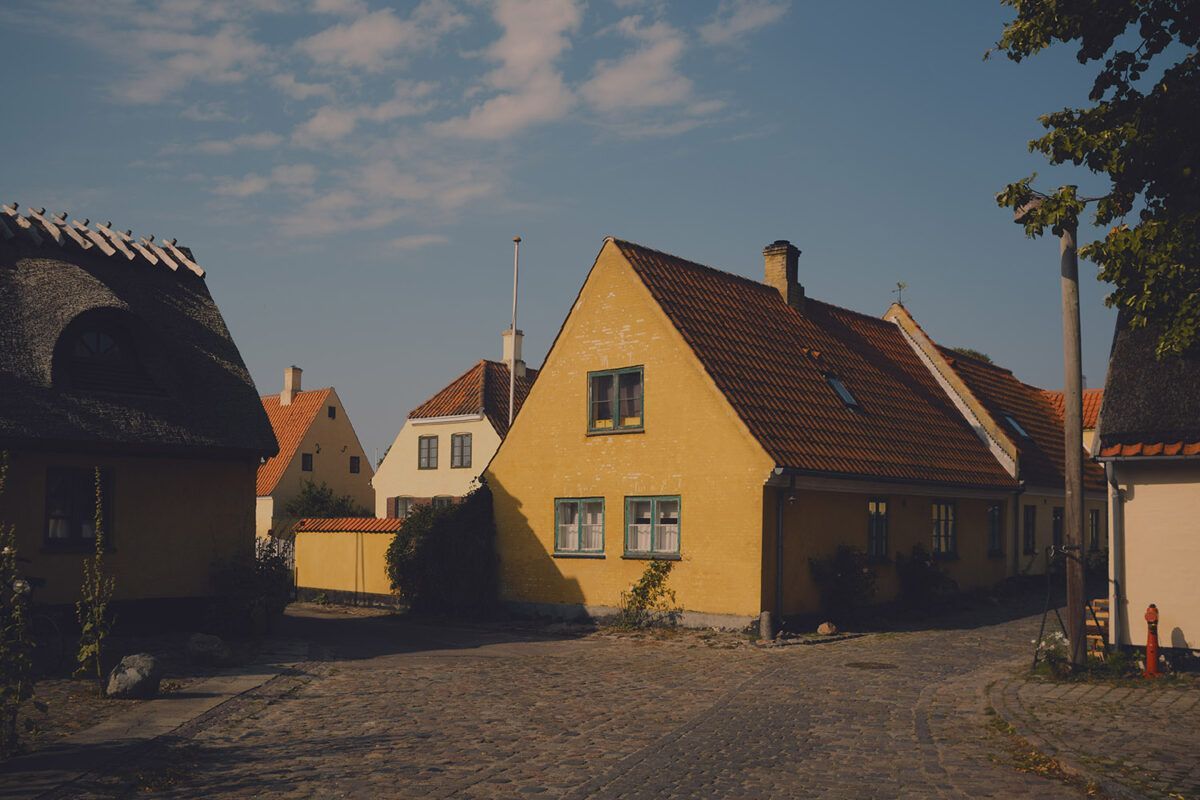
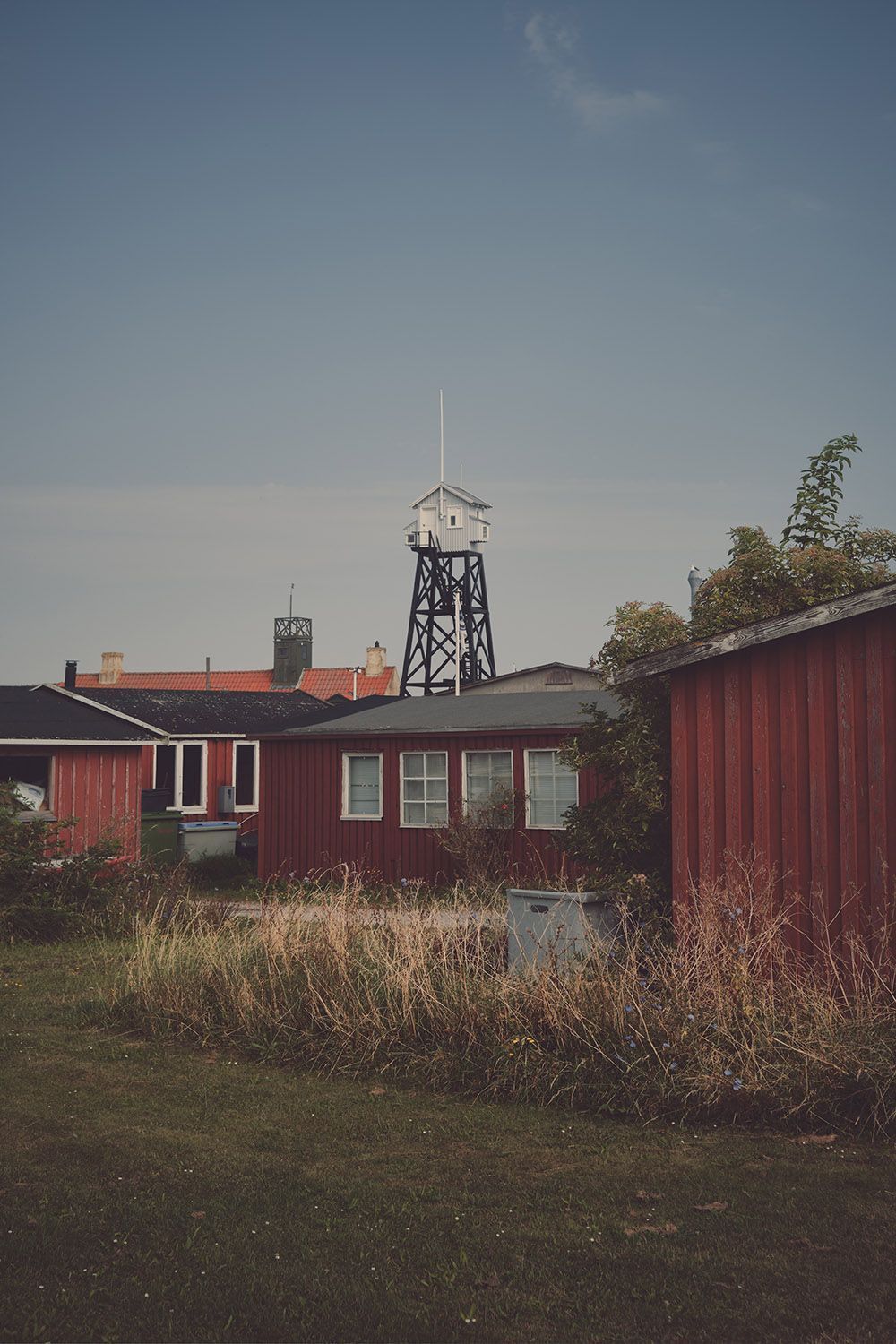
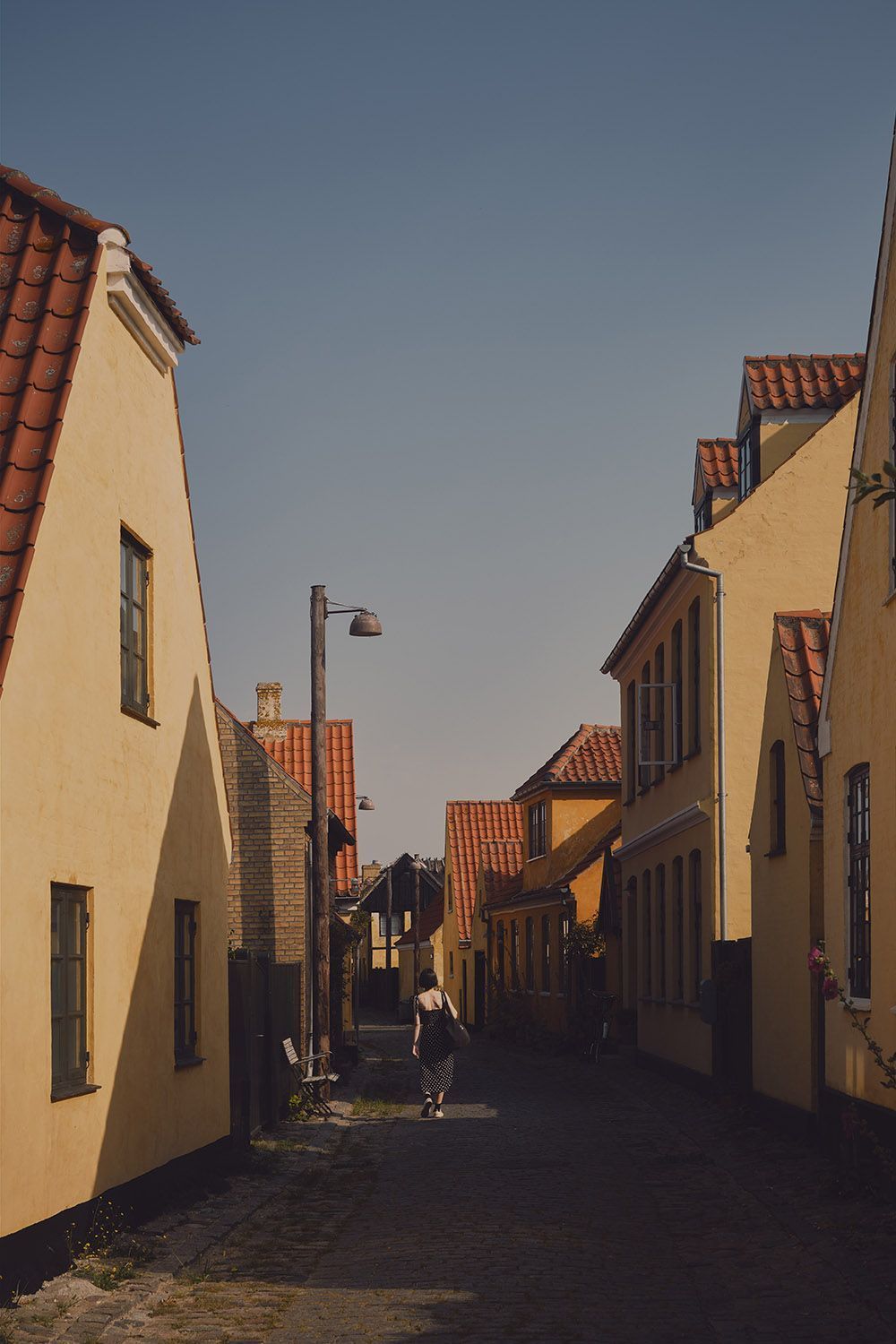
Its cobbled streets wind between rows of yellow houses with red-tiled roofs and brightly painted wooden doors, creating a landscape that looks like it has stepped straight out of a 19th-century Danish painting.
Dragør was once one of Denmark’s most important fishing centres.
The harbour, still the beating heart of the community today, preserves the seafaring spirit that gave birth to the village: it was here, in the Middle Ages, that herring fishermen transformed Dragør into one of Denmark’s leading fishing hubs.
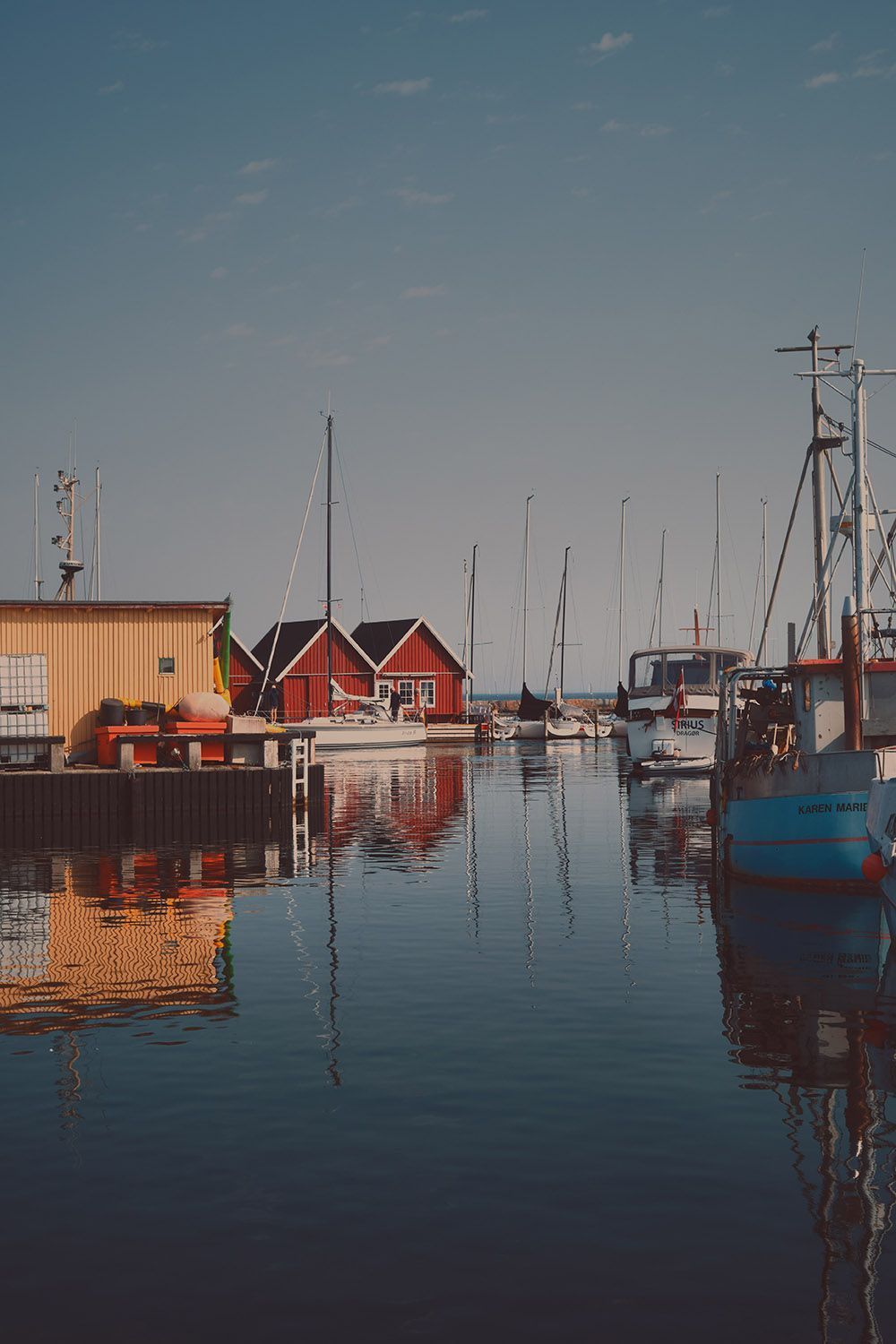
Likewise, it was in the 16th century, when Queen Margaret I encouraged Dutch families to settle in the area, bringing with them expertise in agriculture and trade that contributed to the town’s prosperity. That blend of local fishing traditions and Dutch influence still lives on in Dragør’s identity, both in its architecture and its customs. For centuries, this enclave was also a strategic trading point on the Øresund Strait, making it a place of great economic and cultural relevance.
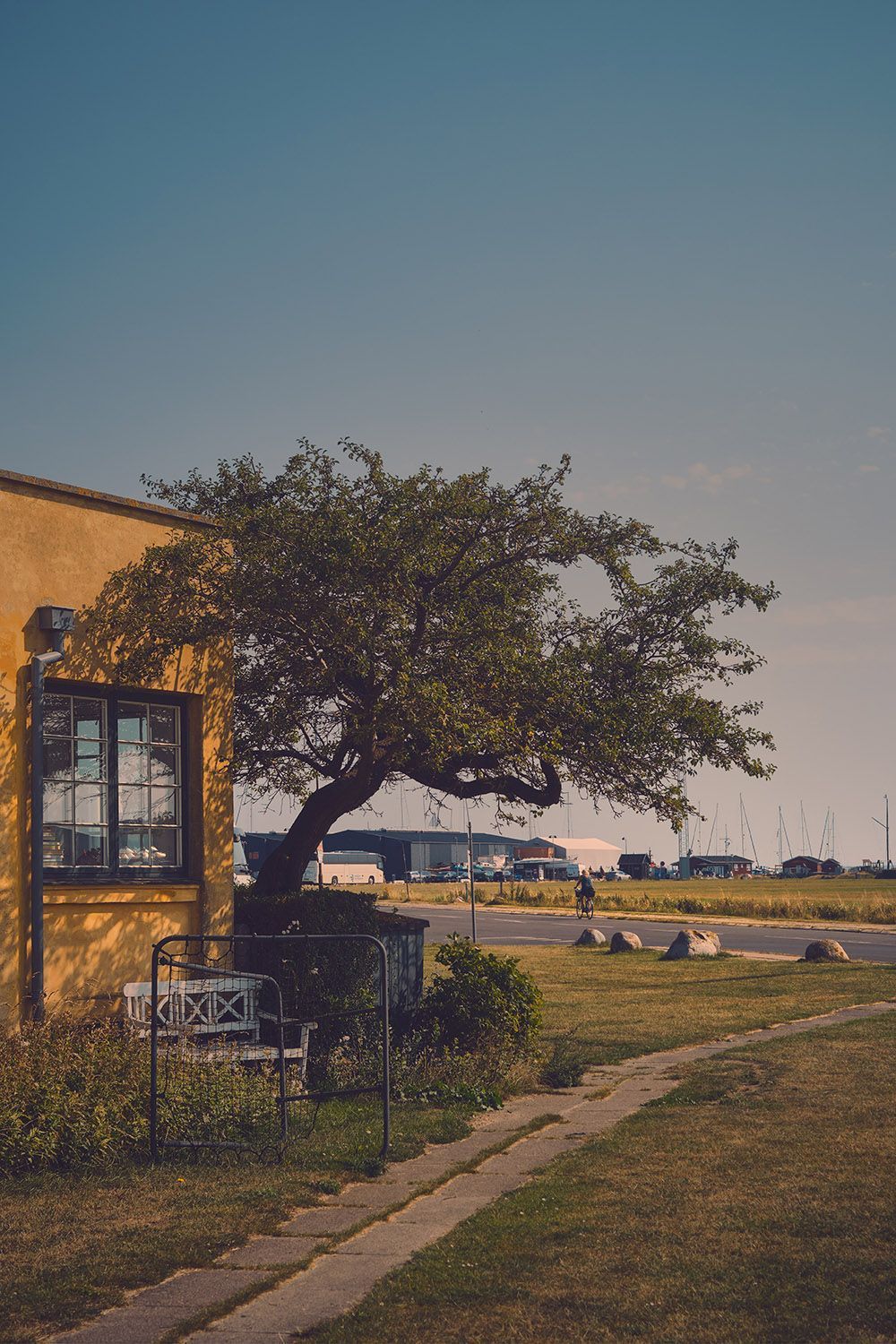
Today, strolling through Dragør feels like travelling back in time: its 18th- and 19th-century houses are carefully preserved, and the historic atmosphere lingers on every corner. The town has also managed to retain its authenticity in the face of tourism, maintaining a slow pace of life and an intimate ambience that makes it one of Denmark’s best-kept secrets.
Dragør Havn: a harbour with a seafaring soul
Dragør Harbour is not just a picturesque spot for a walk, but also a living stage for Denmark’s fishing tradition. Even today you can see small boats returning with the catch of the day, while cafés and restaurants serve herring, prawns and other seafood specialities.
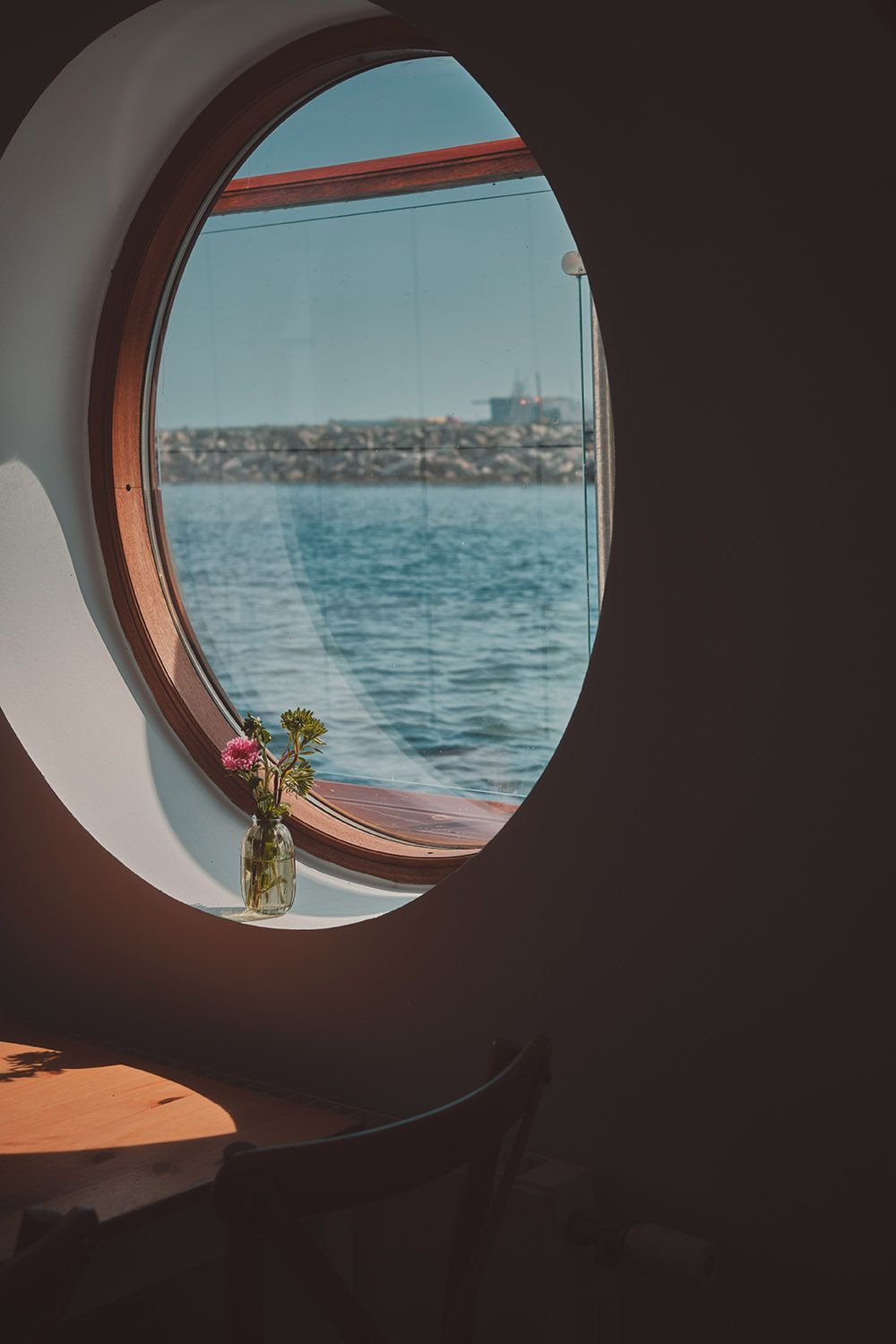
Highlights include Dragør Røgeri, a traditional smokehouse where herring and salmon are still prepared using artisanal wood-fired techniques, producing flavours as intense as they are authentic. The maritime experience continues with places such as the restaurant Beghuset Dragør, housed in an 18th-century inn that once welcomed traders and fishermen, or Gabriel Jensens Traktørsted, a charming Scandinavian beach bar facing the Øresund — perfect for breakfast or lunch with direct views of the sea, Dragør’s beach and lake.
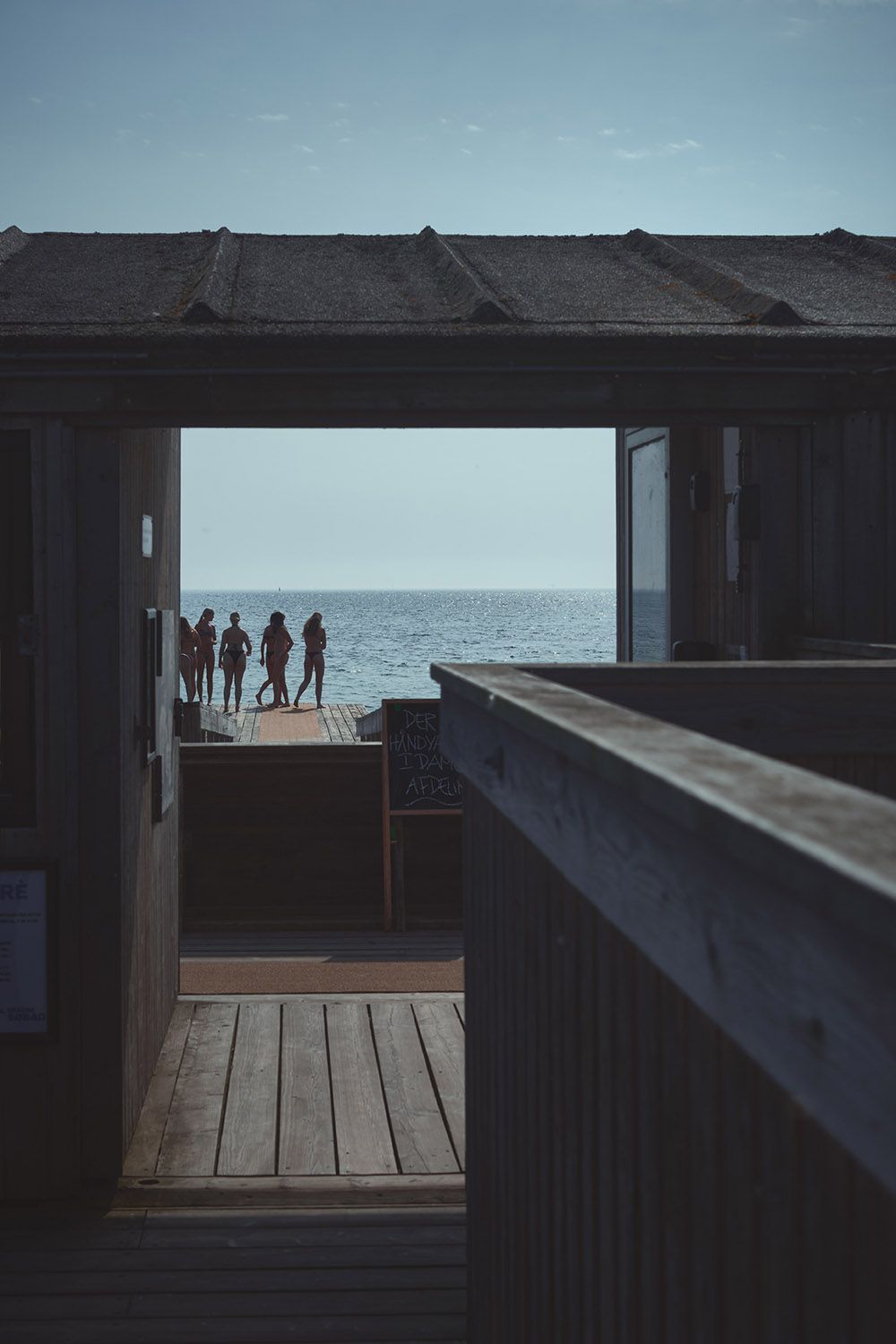
In addition to good food and coffee, Gabriel Jensens embodies a special sensitivity towards the surrounding nature, with sustainable initiatives aimed at protecting the environment. It also often hosts small events and cultural activities, giving it a vibrant community feel.
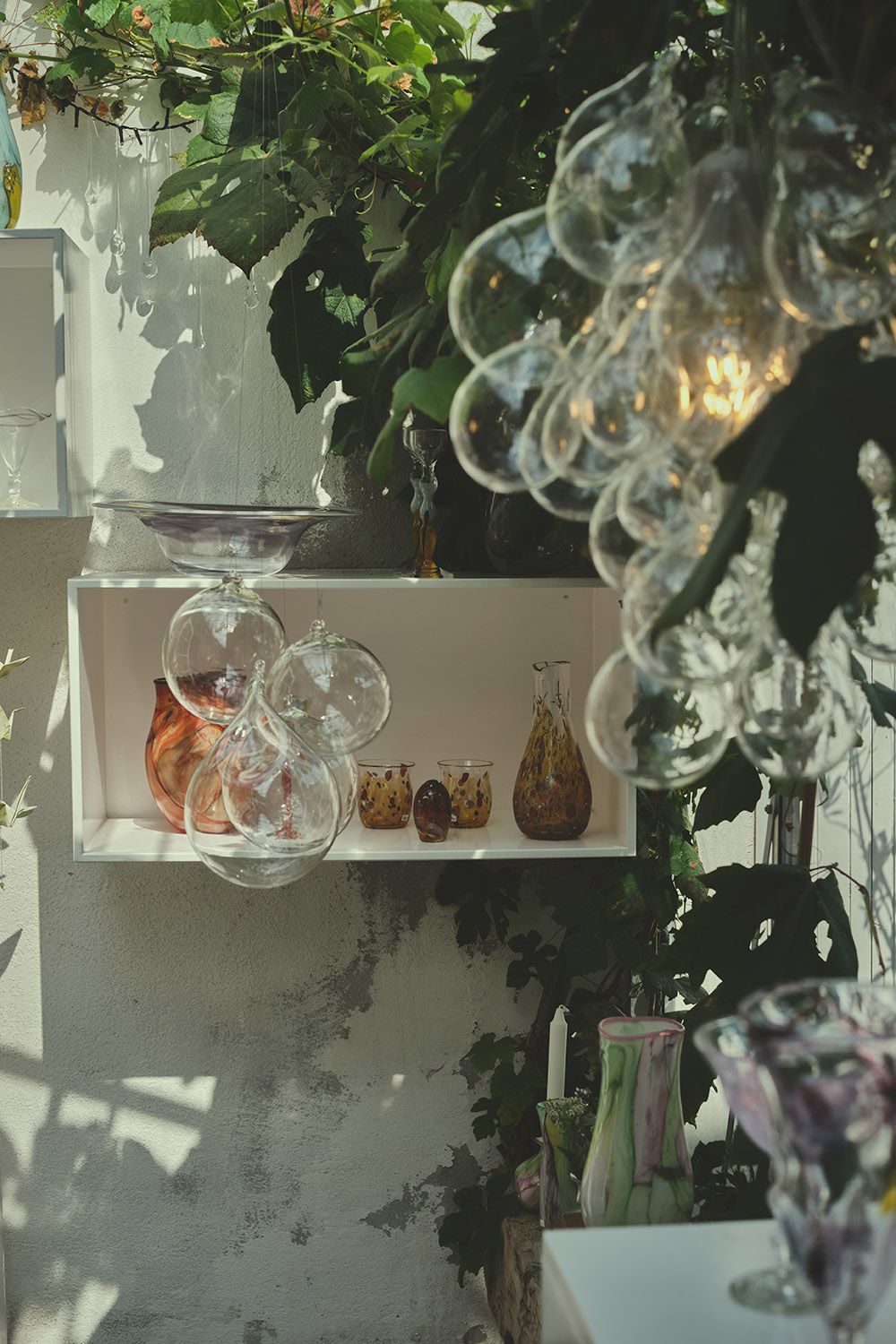
Additionally, in the cobbled lanes around the harbour you will also find Glasseriet, the workshop-boutique of artisan Rikke Bruzelius, where glass is transformed into unique handmade pieces that blend tradition with contemporary creativity.
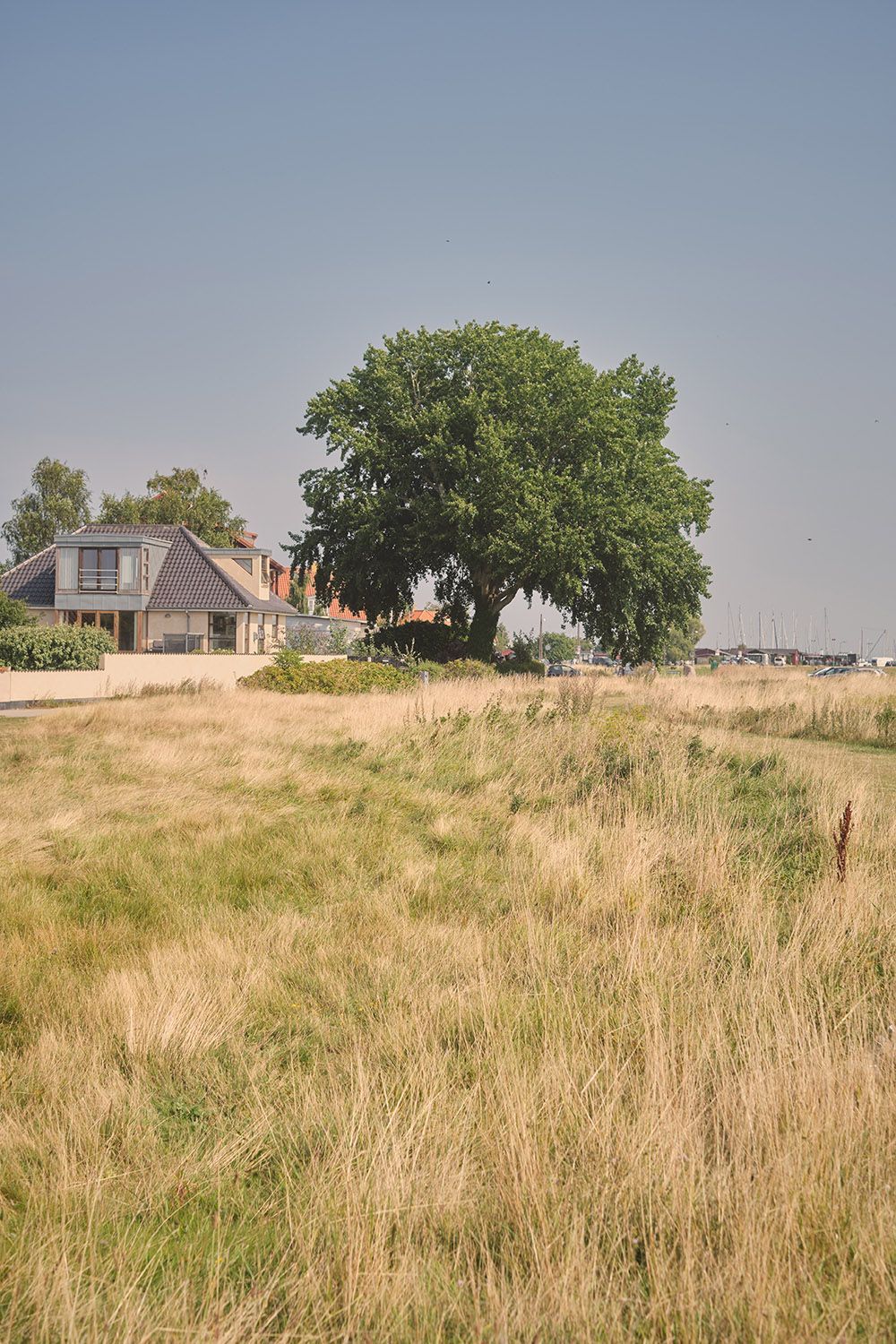
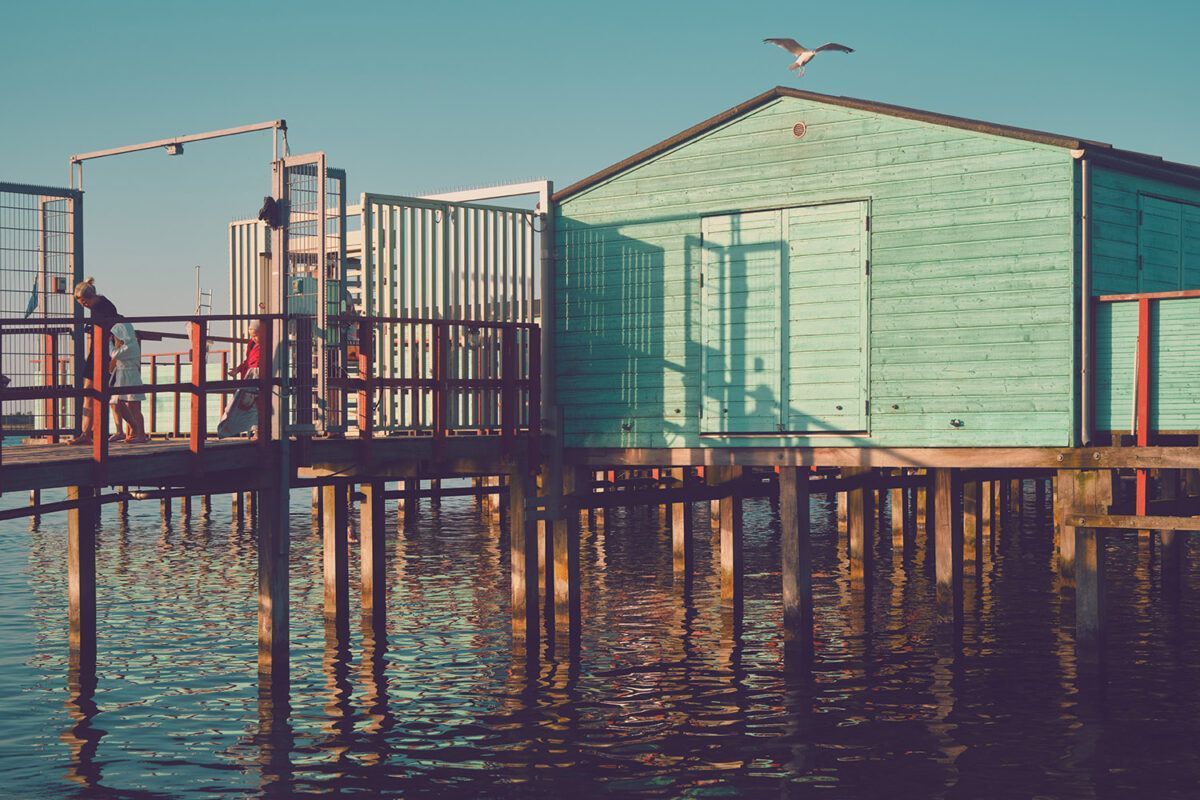
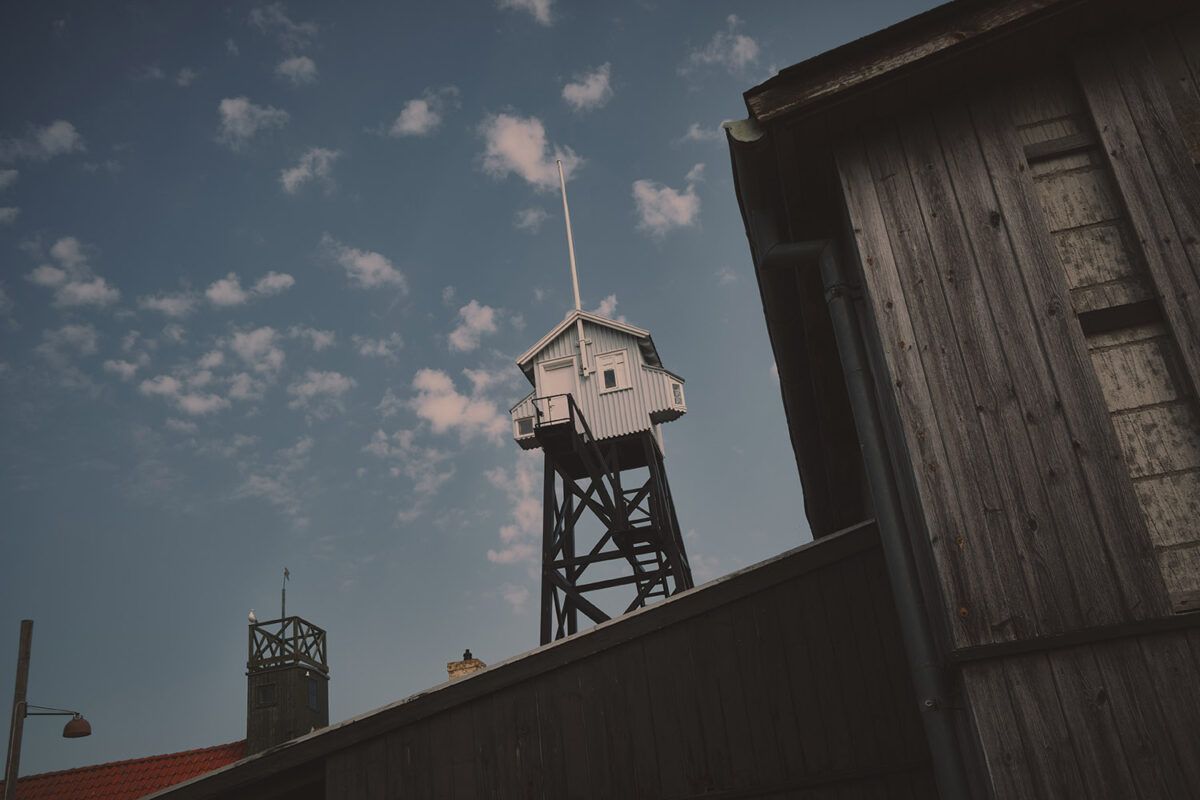
Not far from Gabriel Jensens are some of the town’s most distinctive spots: 1) the Gåserepublikken (Goose Republic), which recalls the time when locals raised ducks and geese in outdoor pens. Today, it is a natural area of meadows and marshland, perfect for walking, birdwatching or practising the much-needed dolce far niente; 2) The historic Dragør Søbad (Badeanstalt), opened in 1928 with its wooden boardwalks and traditional architecture, is part of the local heritage and offers a unique experience: swimming with views of ships crossing towards Sweden. And 3) Mormostranden, the so-called “grandmother’s beach”, is an intimate, family-friendly spot where you can immerse yourself in the calm waters of the strait.
The historic Dragør Søbad offers a swim with views of ships crossing to Sweden.
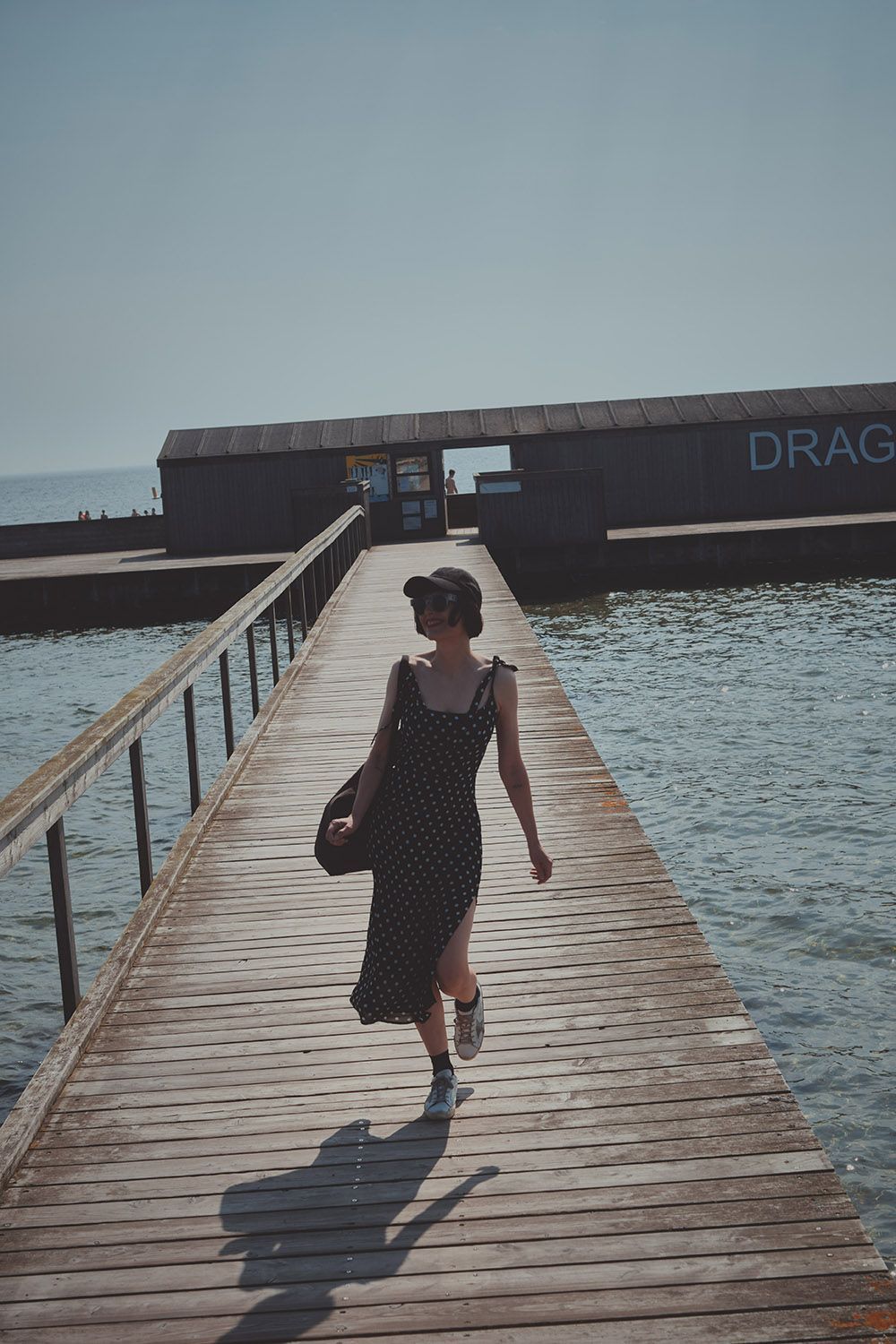
The truth is that in summer, few experiences are as authentic as visiting Dragør: a place where history and tranquillity are present at every turn, and where nature and everyday life intertwine in an atmosphere that feels quintessentially Danish.
Amagerbro: a youthful, green and vibrant district
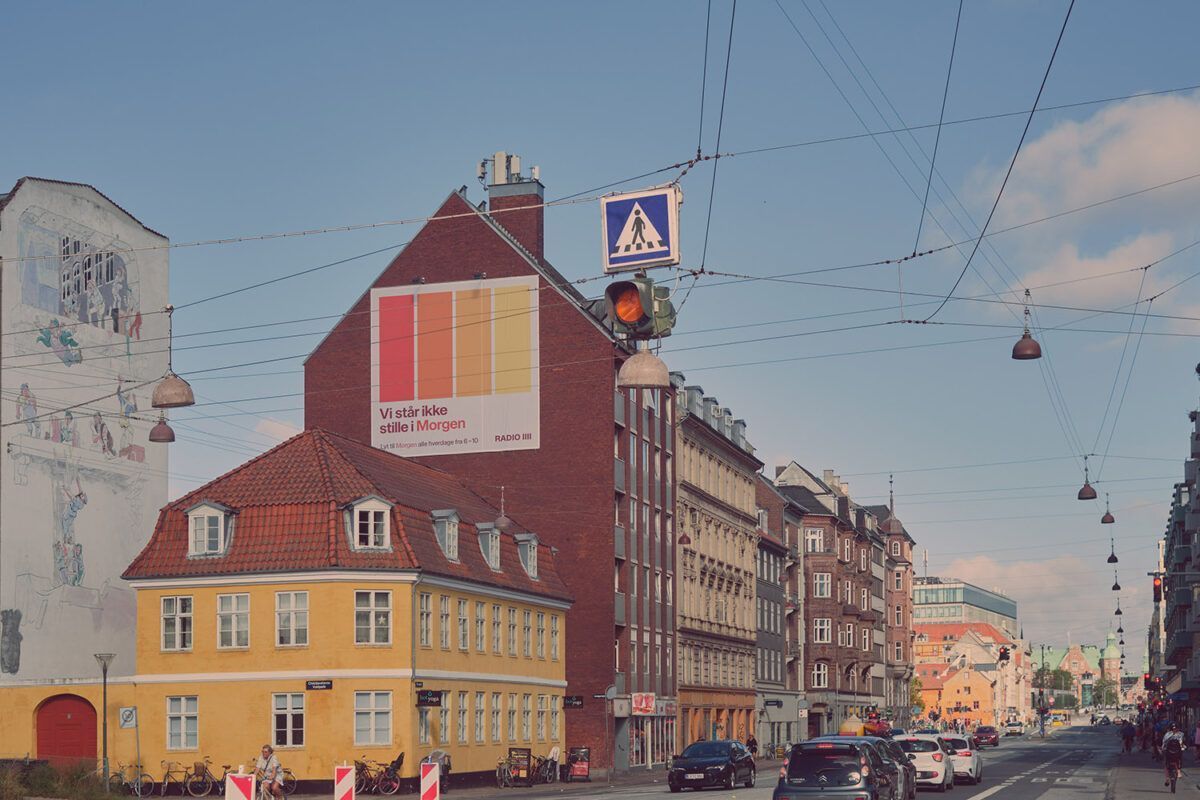
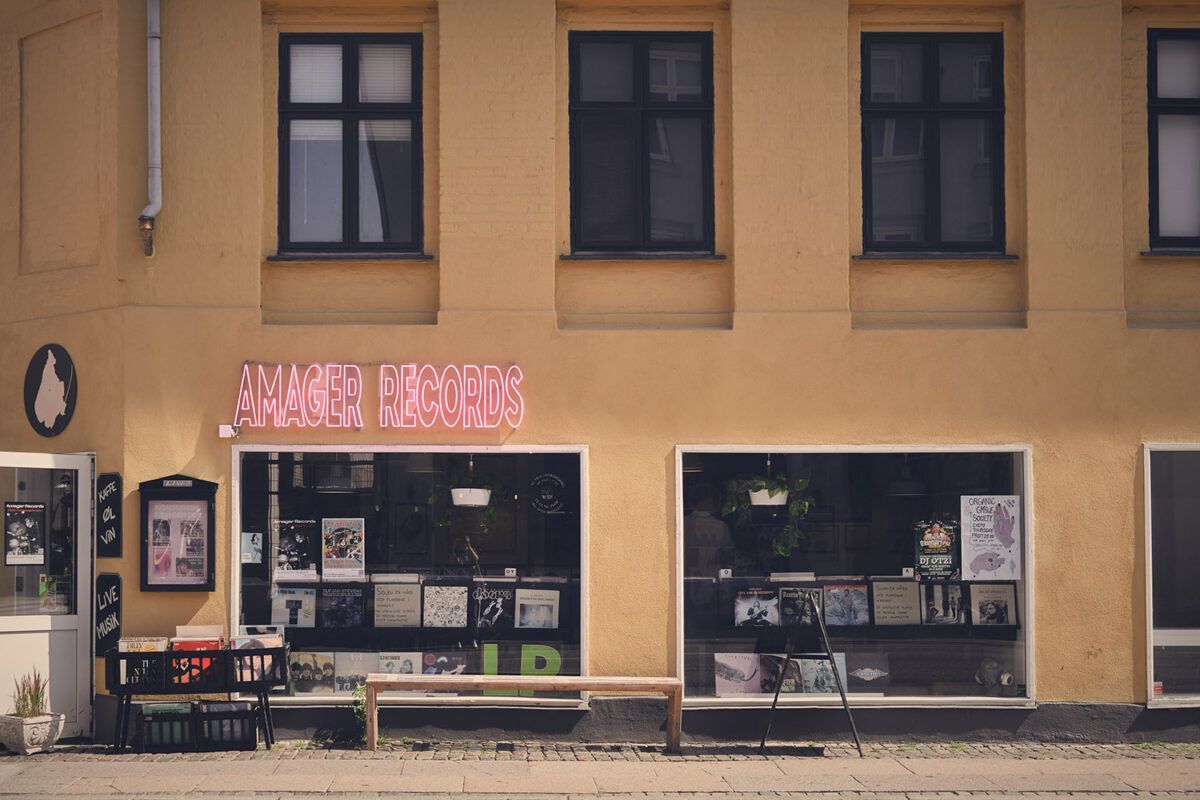
On the other side of the urban spectrum lies Amagerbro, a neighbourhood that encapsulates Copenhagen’s contemporary transformation. Less touristy than the city centre, yet full of vitality, this district has become a clear example of how the Danish capital blends tradition and modernity. Its quiet, residential streets coexist with a flourishing cultural scene, creative workshops, galleries and hybrid spaces that merge art, design and community life.
Amagerbro is a destination to explore, where local authenticity can be felt on every corner.
Innovative architecture is evident in sustainable new developments and buildings that embrace green urbanism, while its gastronomic offer surprises with its diversity: from natural wine bars and signature restaurants to artisanal bakeries and laid-back neighbourhood cafés. Amagerbro is not only a place to live, but also a destination to explore, where local authenticity can be felt on every corner.
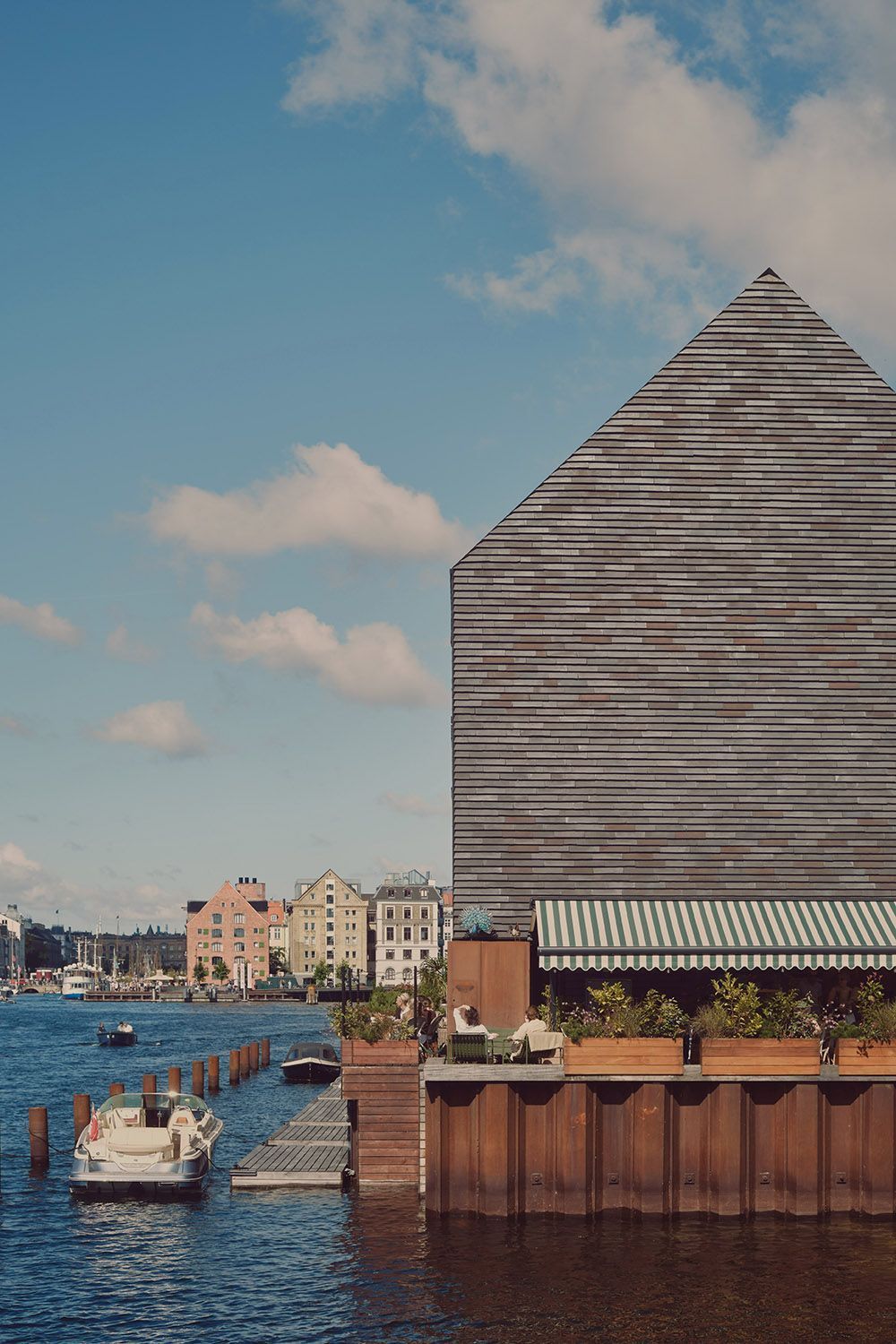
Amager Fælled: nature in its purest form
One of Amagerbro’s greatest treasures is Amager Fælled, a vast natural area of forests, meadows and wetlands just a short bike ride from the city centre. Here you can run, walk, birdwatch or simply disconnect from the urban bustle. It is one of Copenhagen’s most important green lungs and a perfect example of how the city seamlessly integrates nature into everyday life.
Koncerthuset: architecture and music
Designed by Jean Nouvel, the Koncerthuset is one of Amagerbro’s cultural gems. With its striking blue façade and impeccable acoustics, it hosts everything from classical music concerts to experimental performances. August, with its summer programme, is the perfect time to experience the thrill of listening to music in one of Scandinavia’s most prestigious concert halls.

CPH Village and Filip’s Kirke
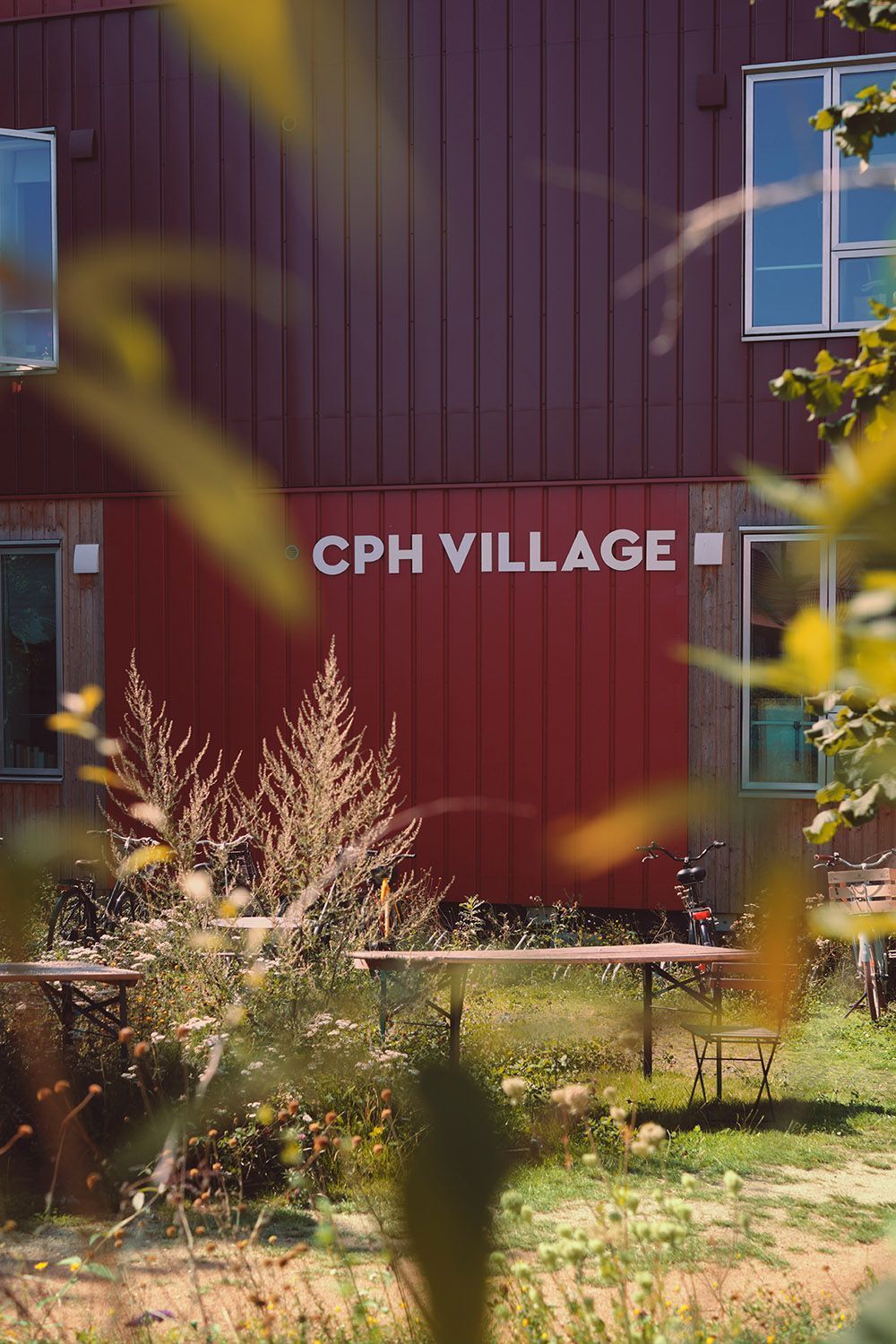
Amagerbro also beats to the rhythm of its communities. In CPH Village Amagerbro, a housing complex made from repurposed shipping containers, creativity, student life and an international atmosphere are ever present.
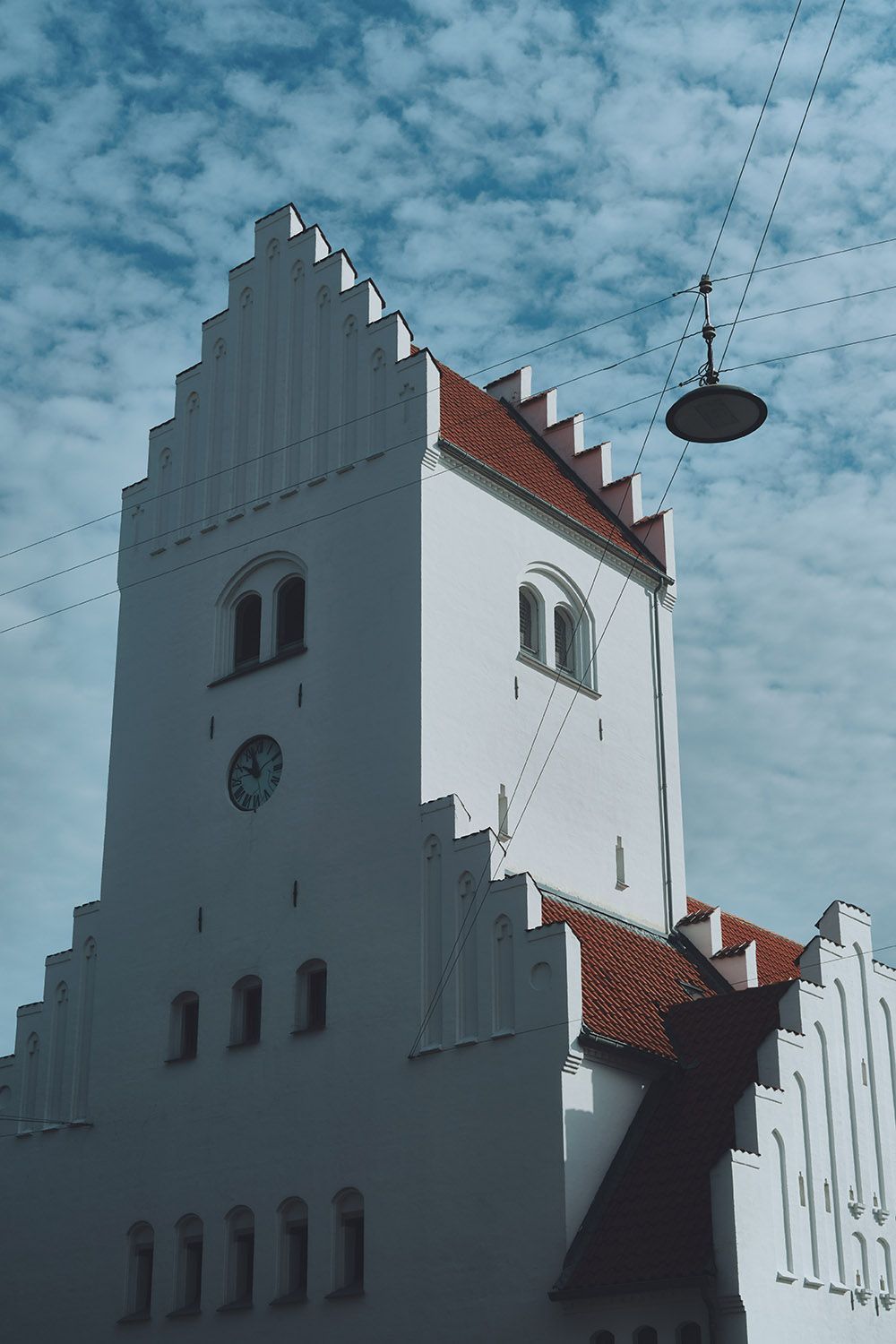
And although we are not religious, we love to explore the architecture of certain churches, and Filip’s Kirke is a fine example. Its minimalist design and tranquil atmosphere make it an interesting place to understand how sacred architecture can also be part of everyday life.
Gastronomy with local character
Gastronomy in Amagerbro deserves a chapter of its own. The neighbourhood combines relaxed proposals — from minimalist cafés serving impeccable coffee to small cantinas with a youthful, experimental spirit — with more sophisticated spots that focus on local produce and refined aesthetics. Always, however, with a friendly, authentic atmosphere, where gourmet never feels pretentious and creativity blends naturally with everyday warmth. In Amagerbro, you can move effortlessly from a laid-back brunch to fine dining without ever losing the sense of being in a genuinely local place.
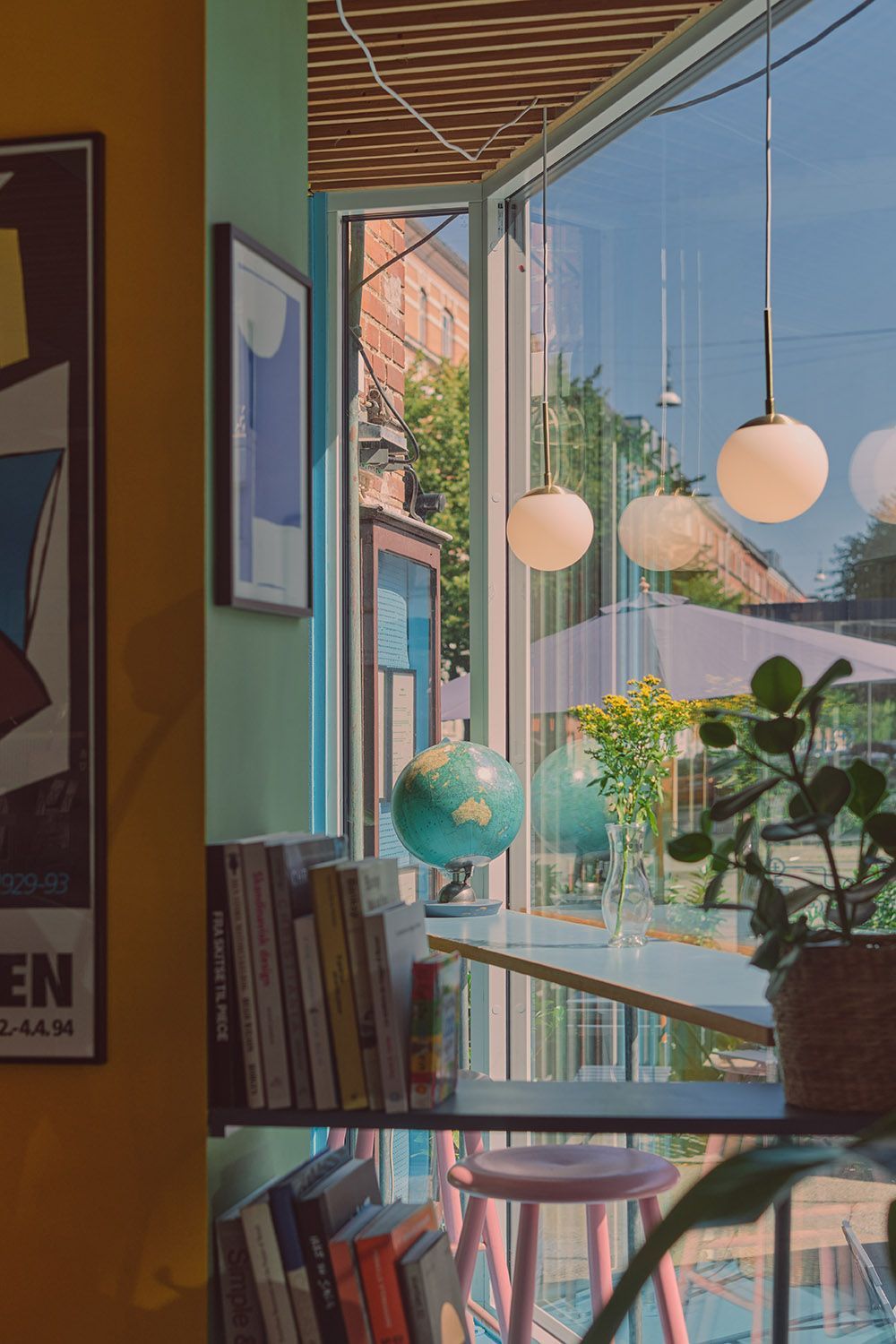
Among the must-visits is Bingo156, a café and restaurant that surprises with its creative yet unpretentious cuisine, where every dish plays with technique, flavour and freshness, all within an intimate, relaxed and tastefully decorated setting.
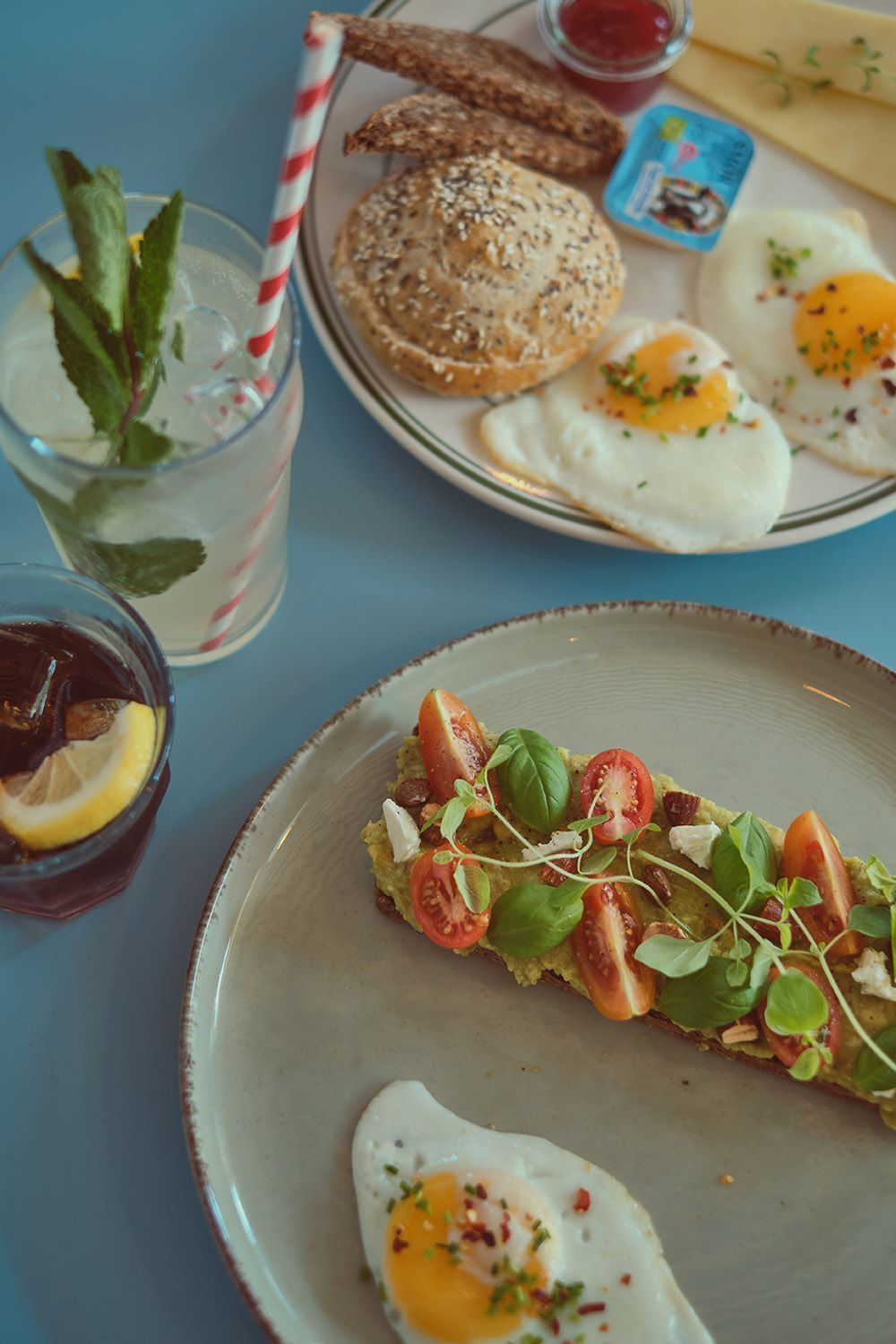
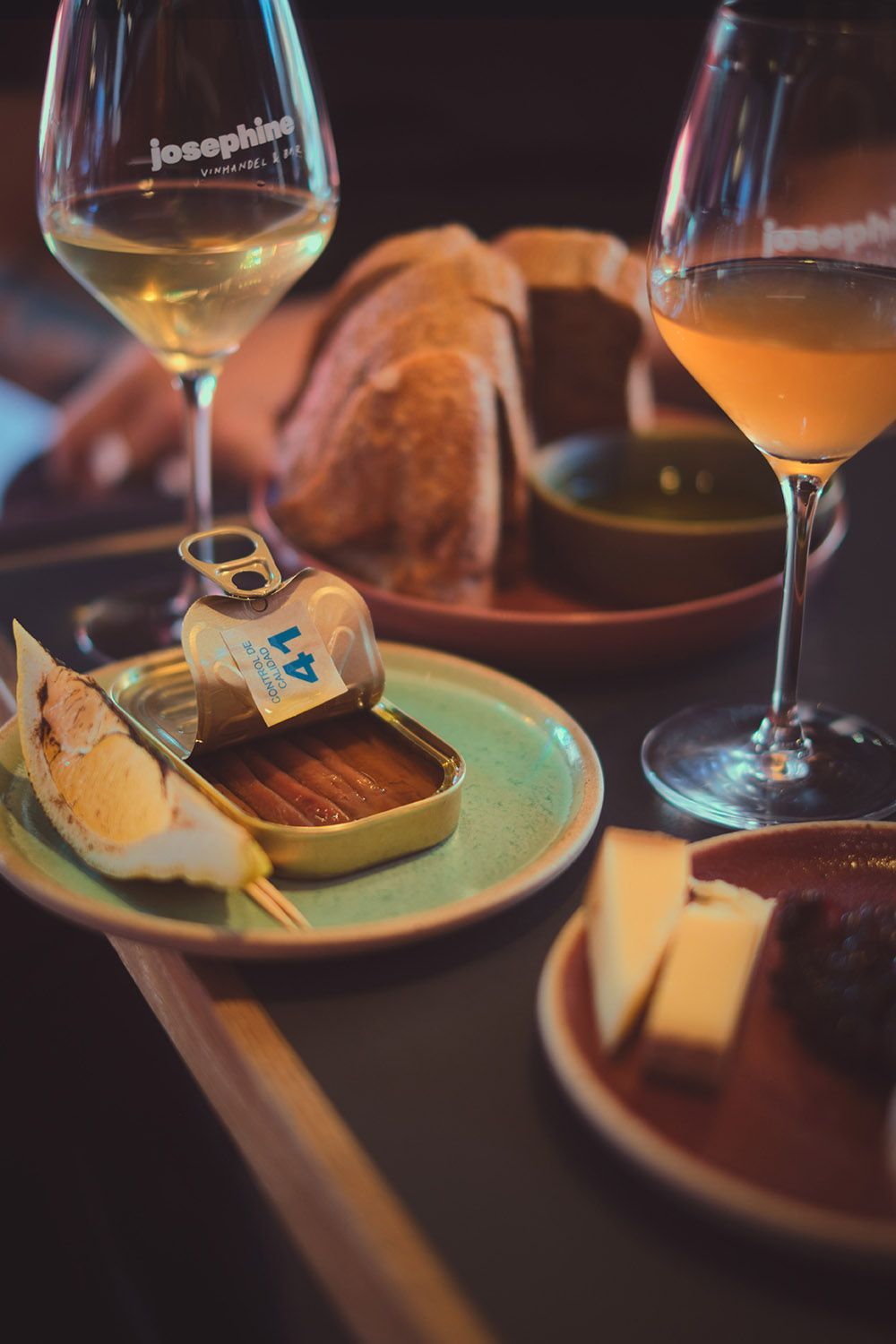
Also Josephine Wine Bar, a small temple for natural wine lovers, which won us over not only with its carefully curated selection of labels, but also with the warmth of the space and the sense of being among friends while sharing glasses and conversations. The bar is unique, intimate and cosy, with a relaxed atmosphere that makes you want to linger longer than planned, as wine flows between candlelight and wooden tables.
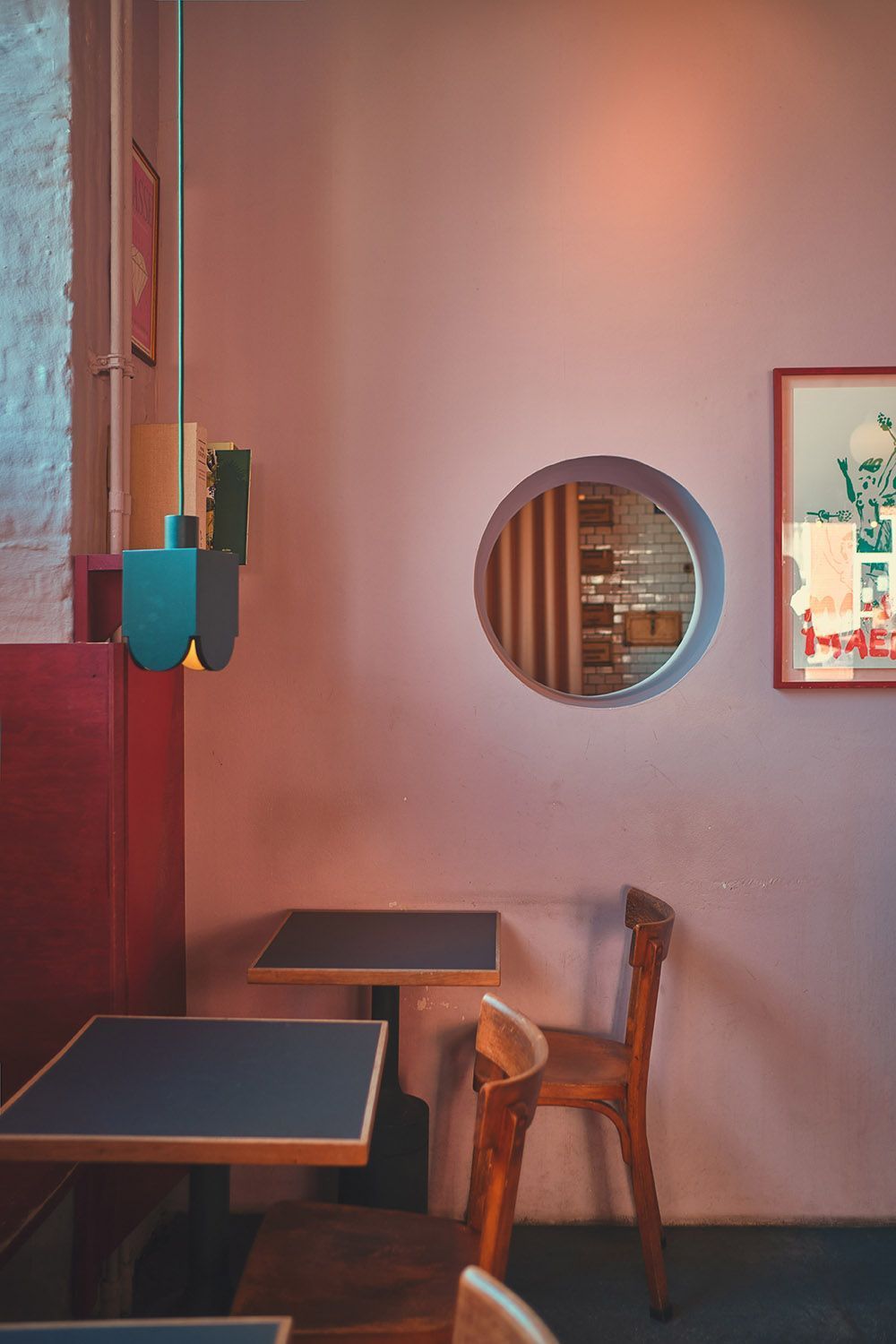
Its wines are as special as the place itself: distinctive bottles, many of them hard to find, reflecting the character of passionate small producers. And here, it’s not just about drinking well — it’s also about eating. Every glass is worth pairing with an artisanal cheese board, their delicious marinated olives, or any of their tasty sharing plates. Josephine, in short, is one of those places where the experience goes beyond gastronomy and becomes a ritual of unhurried enjoyment.
The neighbourhood’s wine scene continues with Vinfar and Pirlo Vinbar, two unmissable addresses where, in addition to drinking excellent wines, we also enjoyed memorable dinners. Both spaces embody the best of Copenhagen’s new natural wine culture: carefully curated lists that encourage exploration, knowledgeable and passionate service that guides without pretension, and food that delights with its refined simplicity.
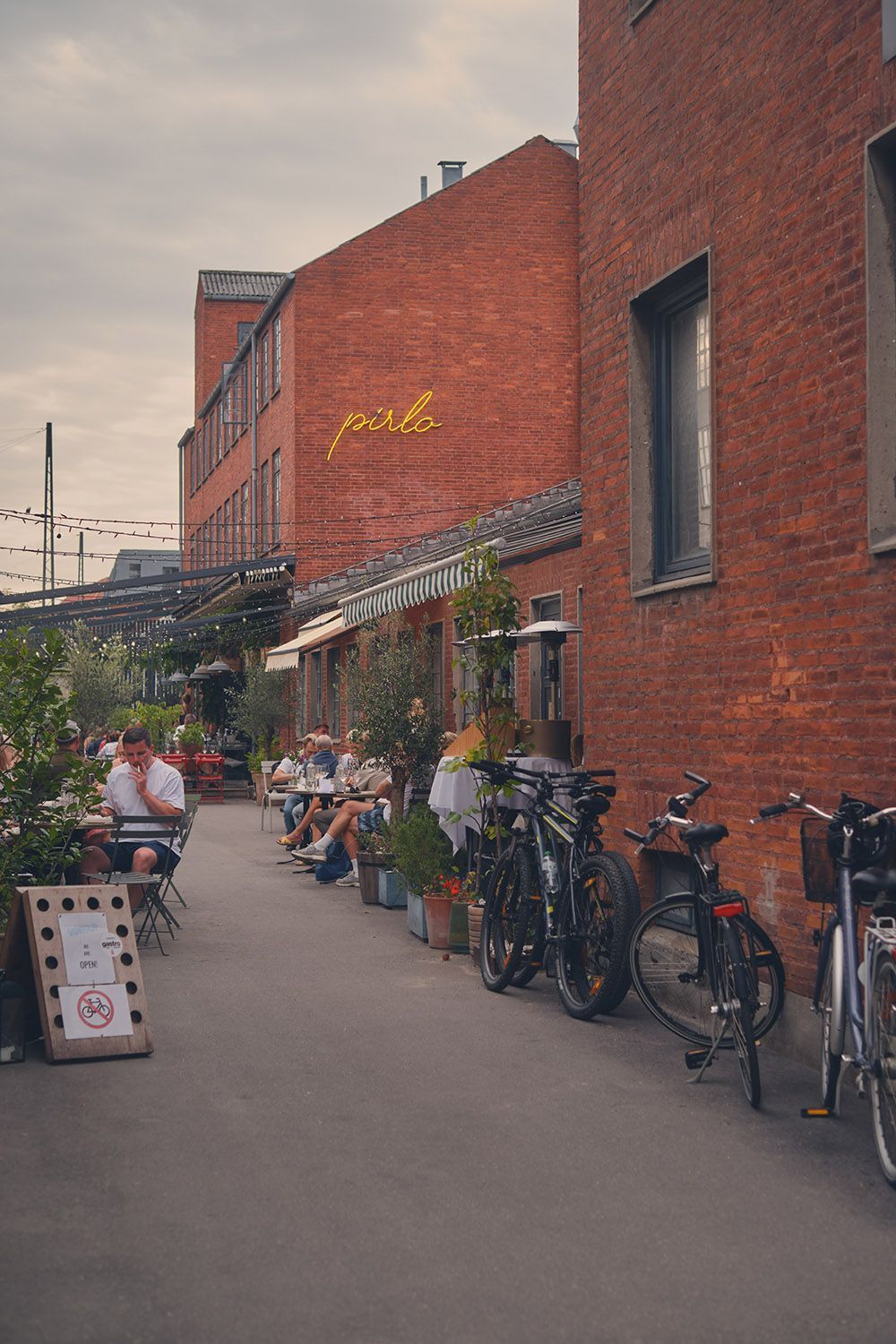
At Pirlo, the stracciatella ravioli are simply unforgettable — a dish that justifies the visit on its own. Vinfar, on the other hand, offers a more intimate atmosphere, ideal for discovering new wines in peace, glass in hand, and trusting the house recommendations like the toasted sourdough focaccia with mushroom ragout and chervil. Both are tucked away in a quiet alley, making them almost secret refuges where time seems to stand still and the experience becomes all the more special.
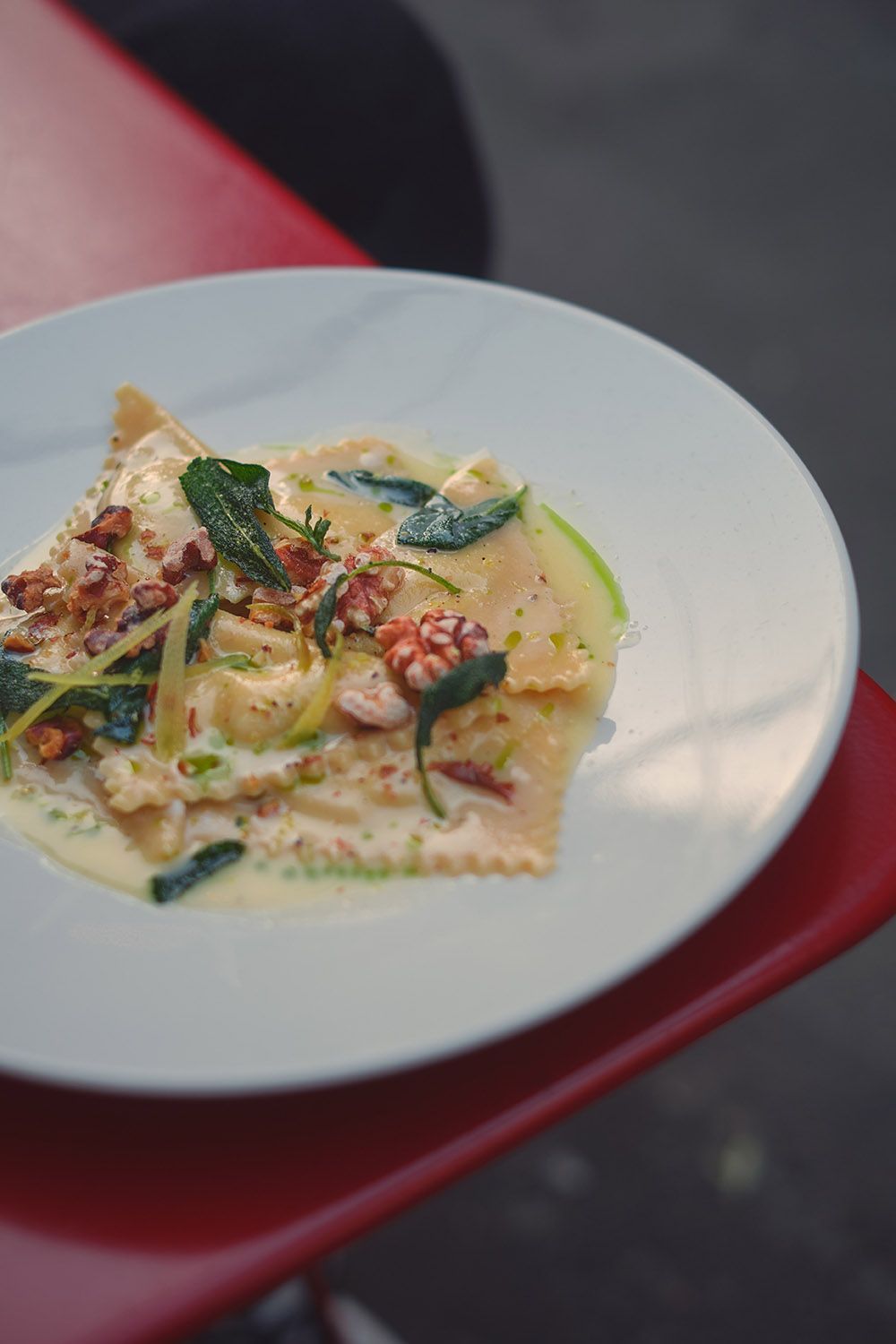
But Amagerbro also knows how to be sweet and indulgent. For us, Alice Ice Cream & Coffee is the best bakery and patisserie in the city: its butter croissants are outstanding, and its vanilla cookies, cardamom buns and ice creams are pure fantasy. The milk, olive oil and salt ice cream, served in a handmade cone, is one of the best we’ve ever tasted.
Meanwhile, Ismageriet draws families and foodies alike with its creamy, original combinations — and the long queues outside are proof of its popularity. For bread lovers, Meyers Bageri is a must: a bakery that offers pastries and artisanal loaves that are an irresistible temptation at any time of day.

Their exquisite cardamom buns with jam sit alongside sourdough loaves with crisp crusts and soft, fragrant crumbs that speak of tradition and patience. The bakery’s philosophy — based on premium ingredients and artisanal techniques — is evident in every bite, making Meyers a place where bread is not just nourishment, but also culture and everyday pleasure.
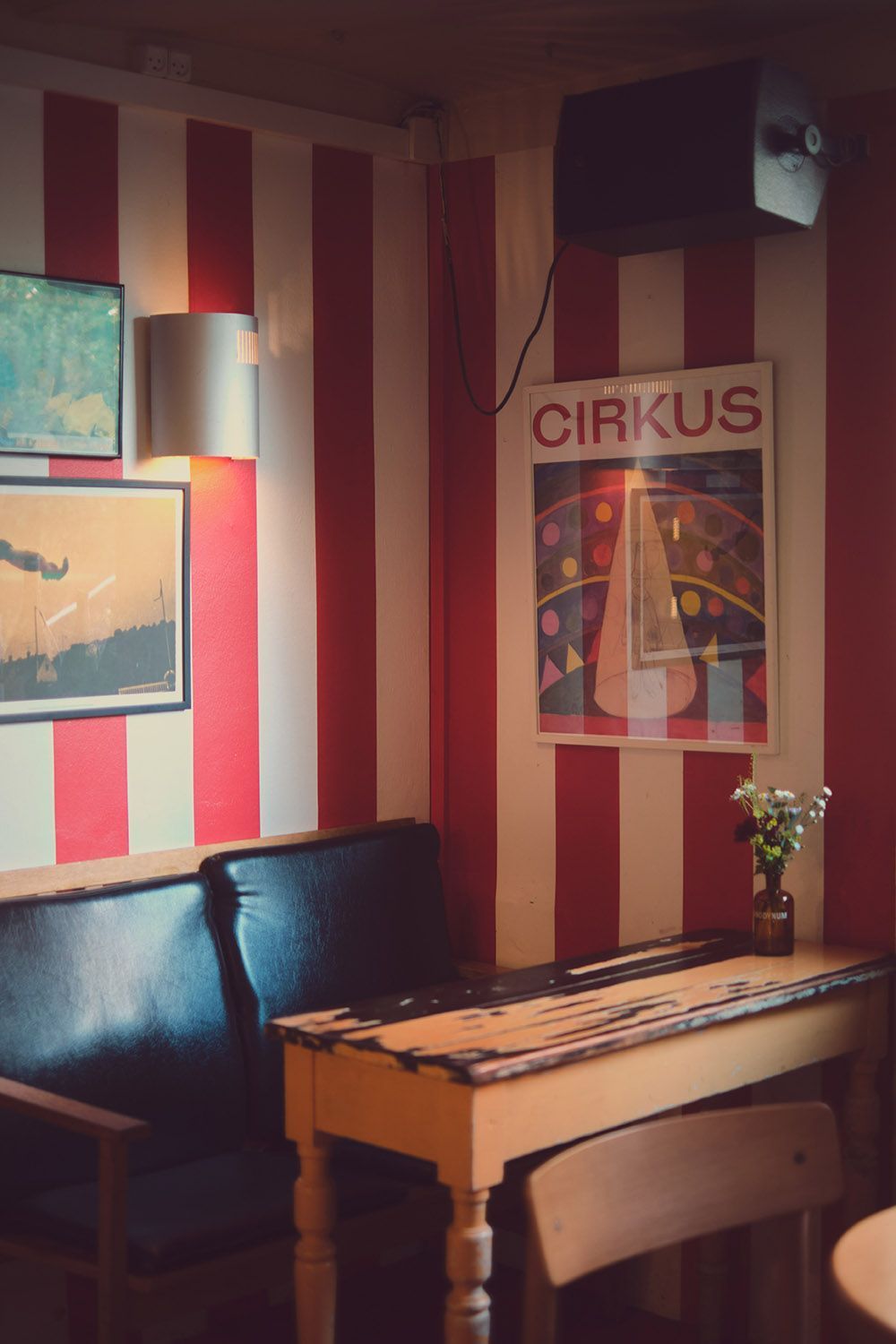
And if what you’re looking for is a café with true neighbourhood soul, Ingolf’s Kaffebar is the place to be: a historic spot with a bohemian spirit and a circus-like aesthetic that has managed to retain its unique character over the years. Its walls, filled with quirky objects and vibrant colours, give the impression of a space that is alive, constantly in motion.
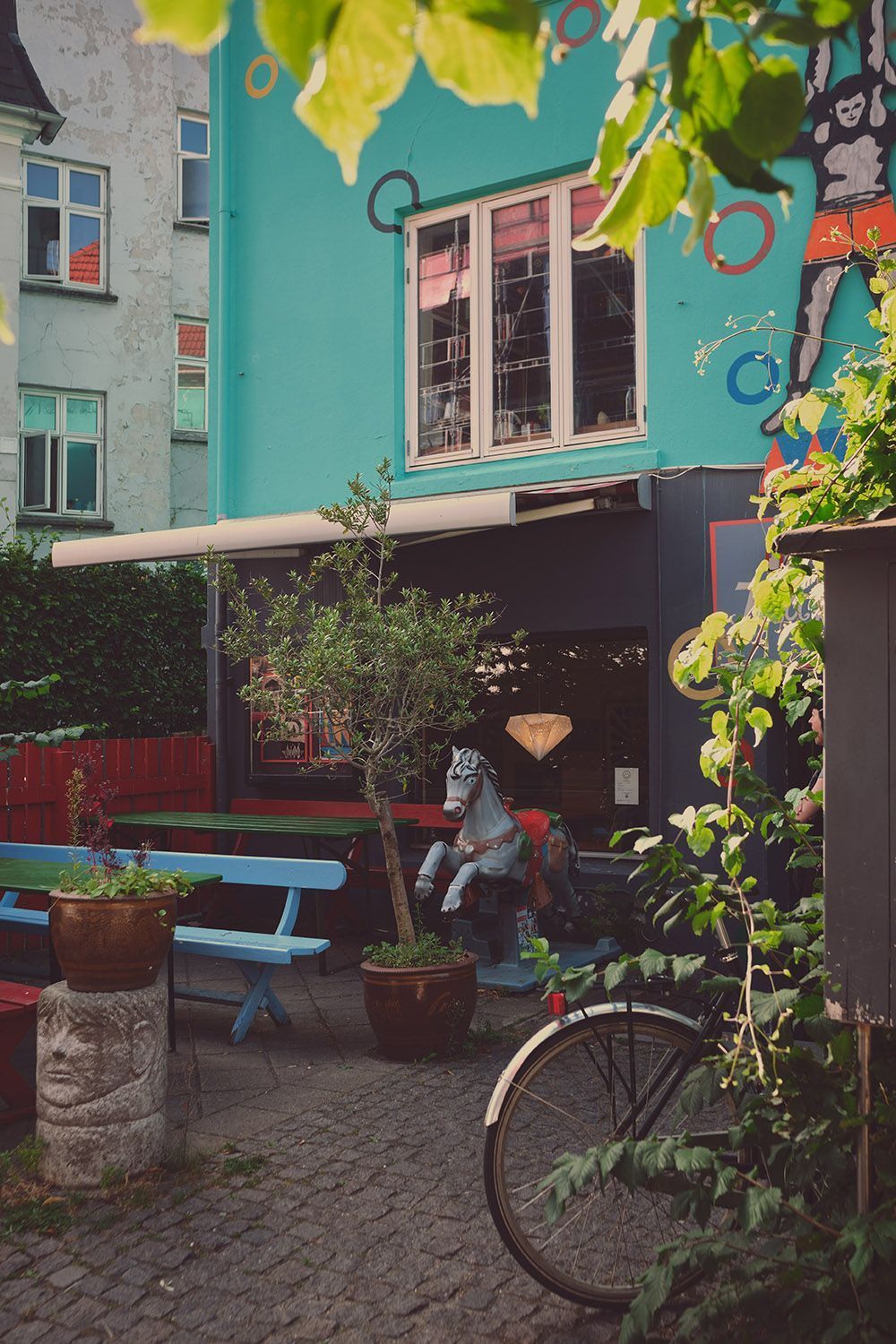
Beyond good coffee and simple yet tasty food, what makes it truly special is its cultural programming: intimate concerts, poetry nights, improvised theatre or DJ sets that have turned it into a genuine local meeting point. It’s the kind of place you can visit for a slow breakfast on a sunny morning, or return to in the evening to experience Copenhagen’s creative energy in full swing.

Spaces for swimming and leisure
This neighbourhood does not turn its back on the water.
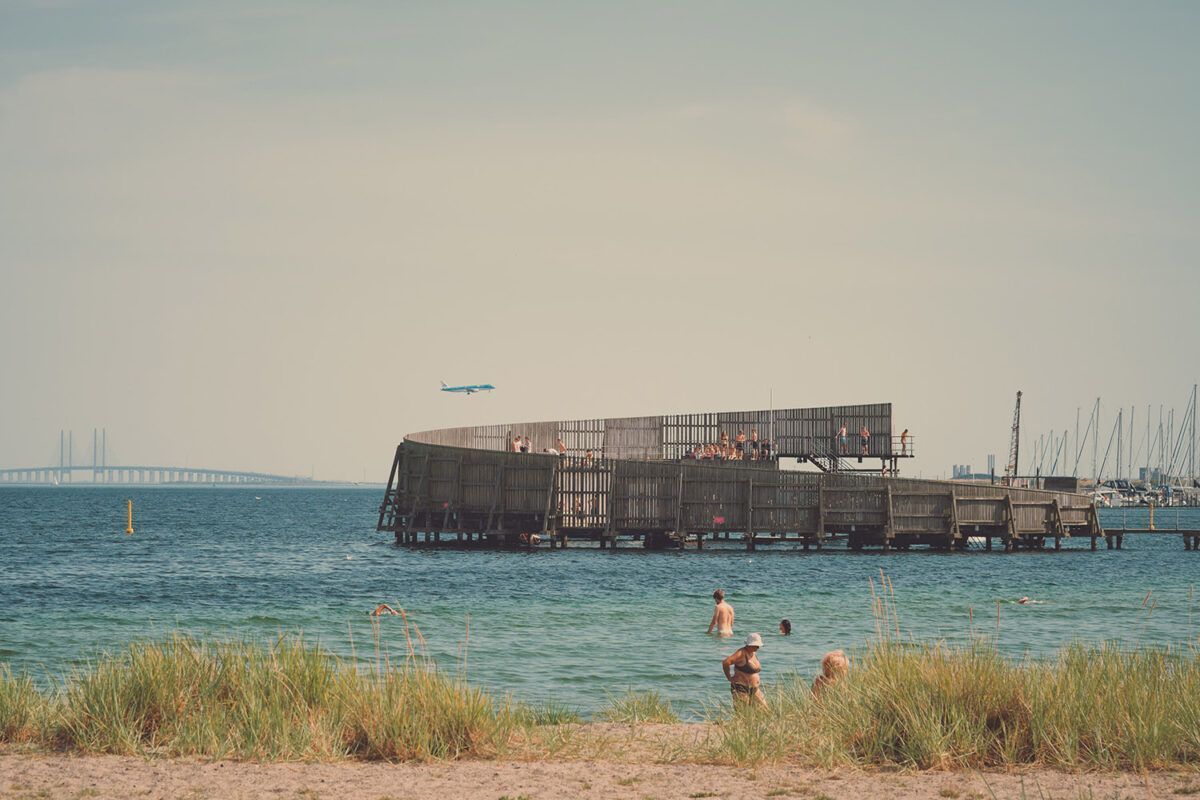
Places like Kastrup Søbad, popularly known as The Snail for its spectacular circular wooden structure that stretches out into the sea, have become true icons of urban bathing in Denmark. More than just a jetty, it is an architectural space designed to enjoy the sea in all its forms: swimming in crystal-clear waters, diving from its springboard, sunbathing on the warm wood, or gazing out at the ever-changing Øresund horizon.
Both in summer, when families, youngsters and regular swimmers bring it to life, and in winter, when the brave practise the ritual of ice bathing, Kastrup Søbad perfectly embodies Copenhagen’s unique relationship with water: everyday, open, and deeply tied to its cultural identity.

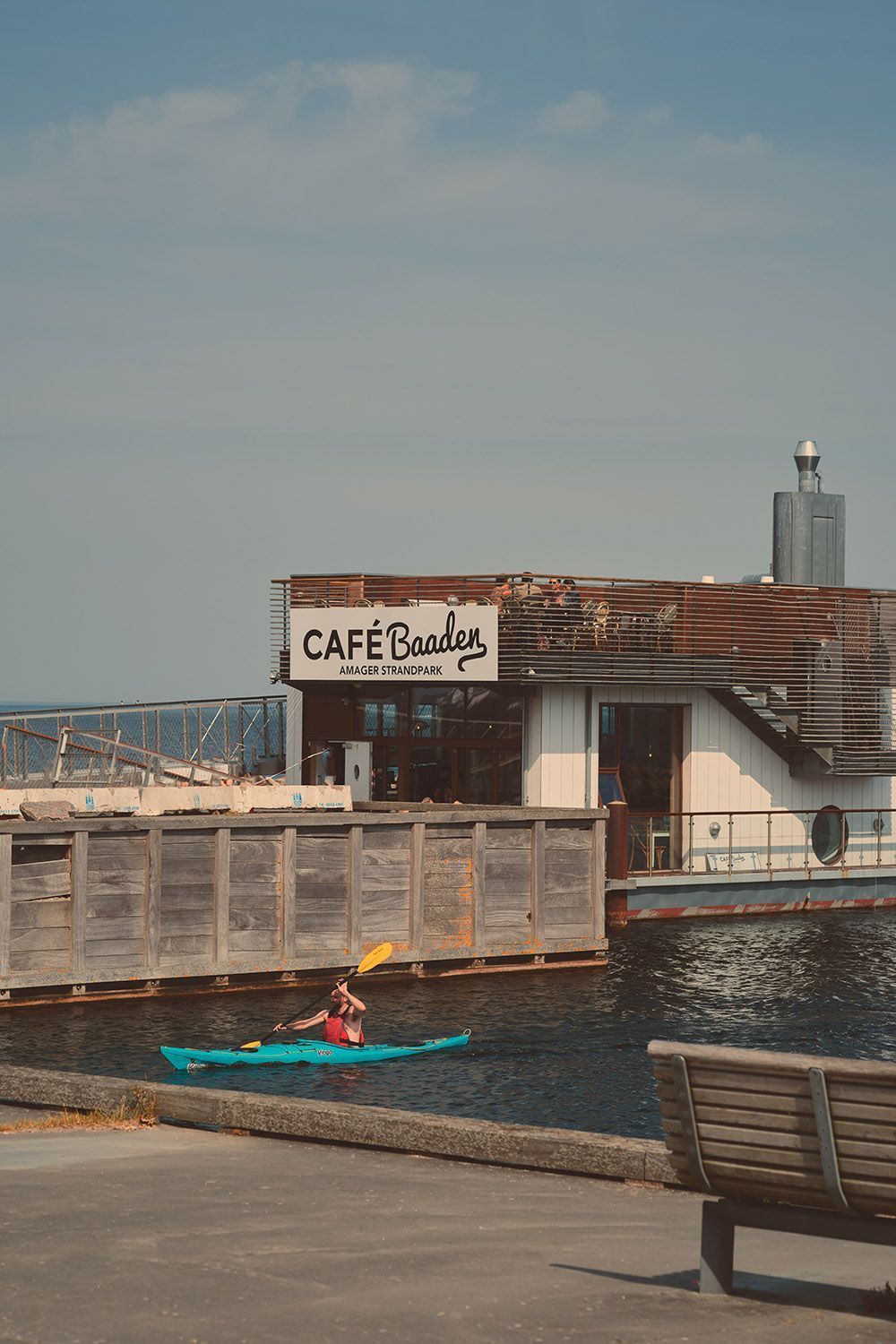
Inaugurated in 2005 and designed by architects White Arkitekter, this floating pavilion is not only a place for swimming but also an observation deck, a meeting point and even an improvised stage for the more daring who leap from its platforms. Its open structure, with walkways and multiple levels, creates a welcoming environment for those seeking a quiet swim as well as for those who come to soak up the sun and the views over the Øresund. In winter, it becomes a favourite spot for winter swimming clubs, keeping alive the Nordic tradition of cold-water bathing as a ritual of wellbeing.
Kastrup Søbad is an architectural space designed to enjoy the sea in all its forms.
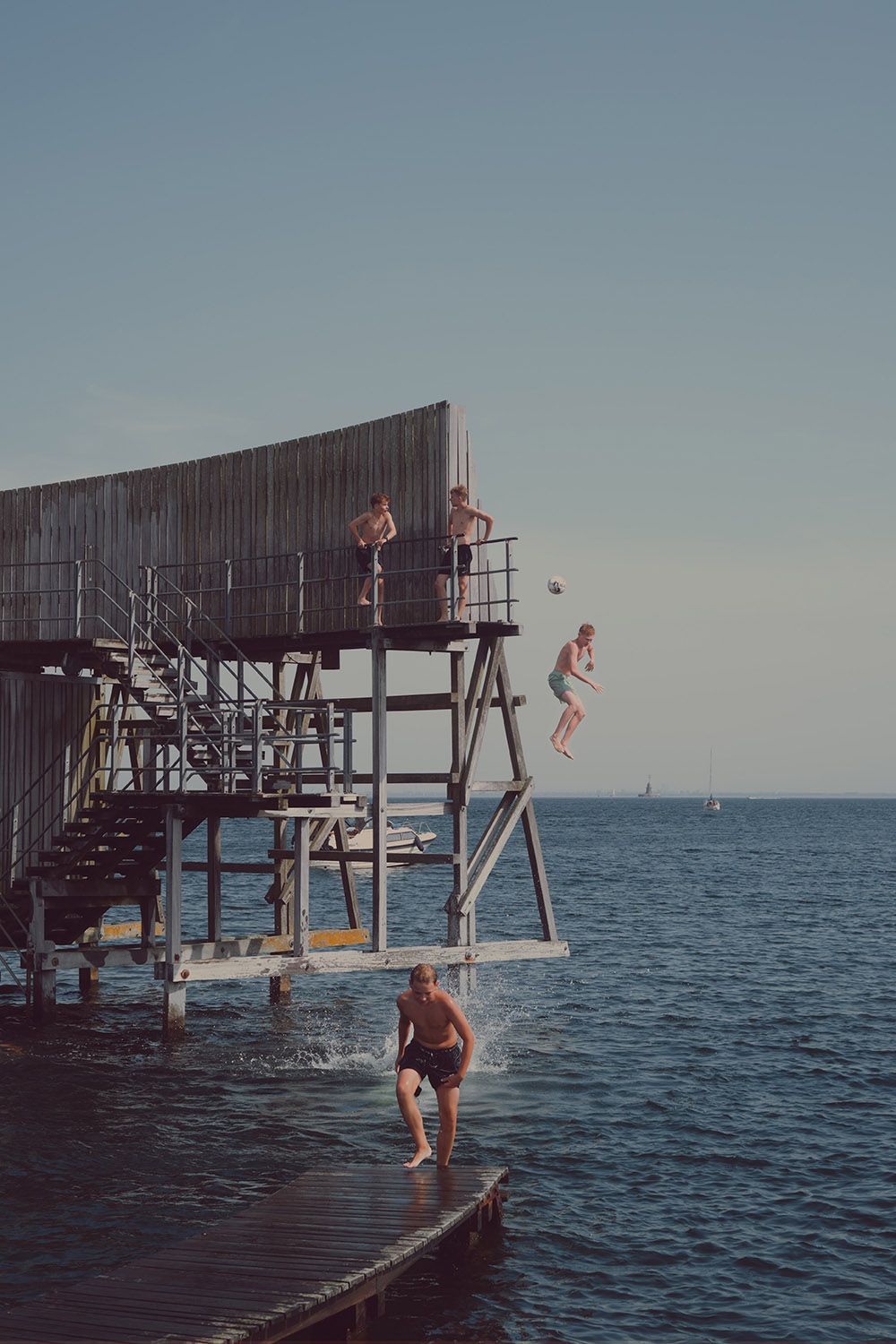
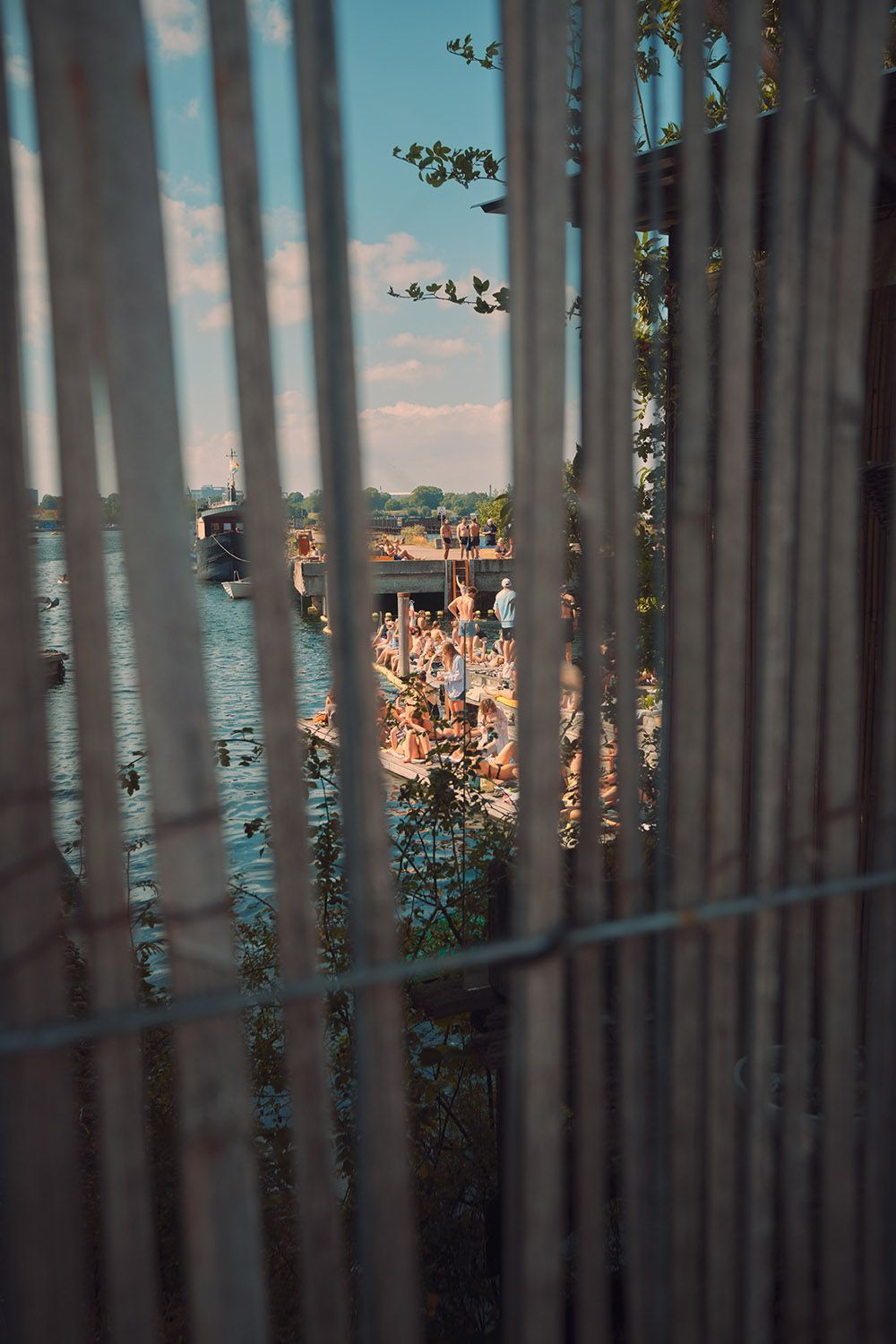
We really loved this area and, although we didn’t quite dare to swim because the water was rather chilly, the Danes — as the photos show — were more than delighted, jumping from the platforms and enjoying the sea with complete naturalness.
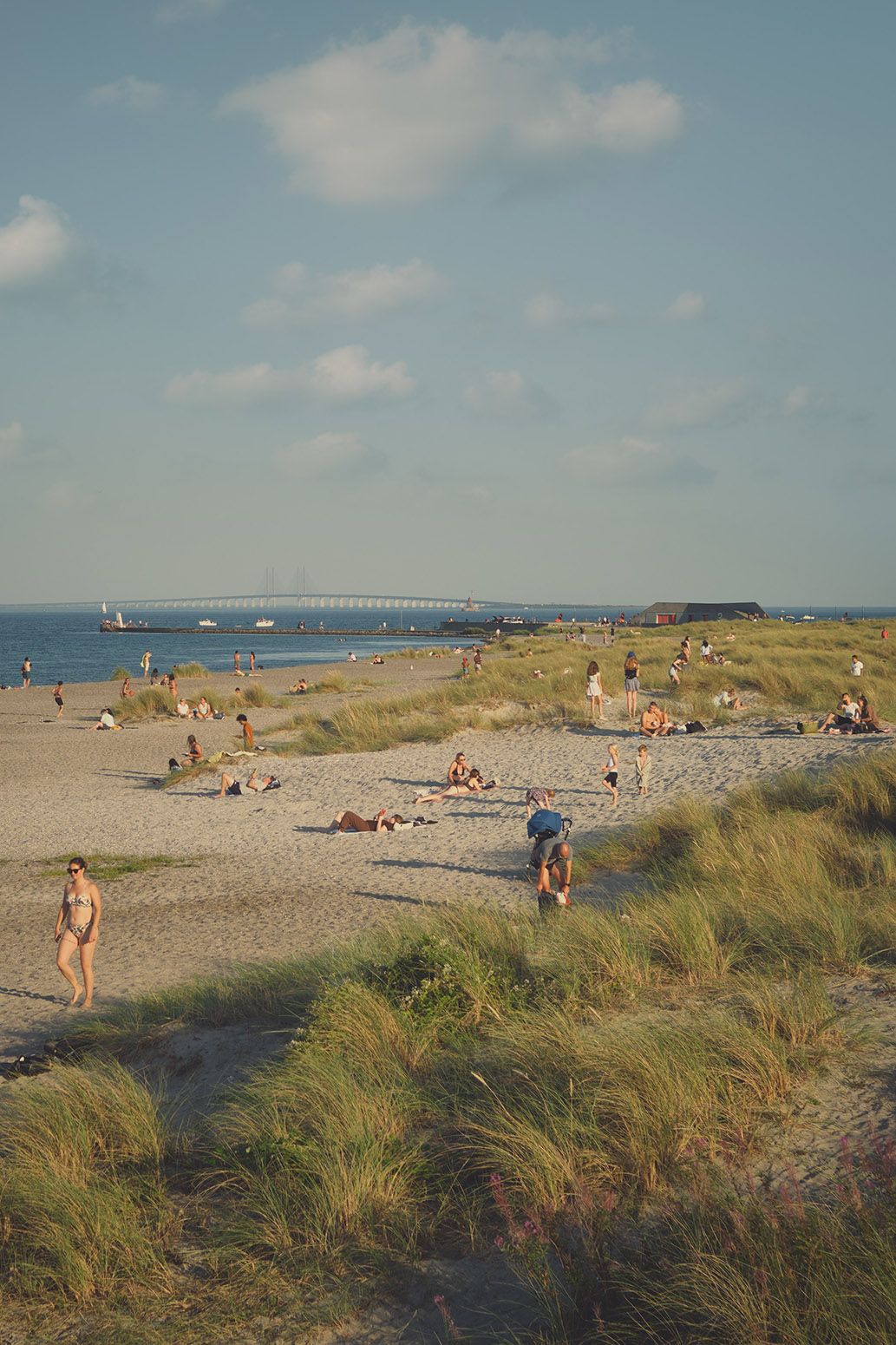
Another place that fascinated us was: Øresundsparken, with its green areas and direct access to the water, offers a more relaxed, family-friendly atmosphere, ideal for picnics, walks or a dip at sunset. Both spaces reflect how Copenhagen has successfully integrated water into everyday life, turning urban bathing into one of its true hallmarks.
Copenhagen in August: culture, art and gastronomy
During this season, the city offers something for every taste. Here are some of our recommendations.
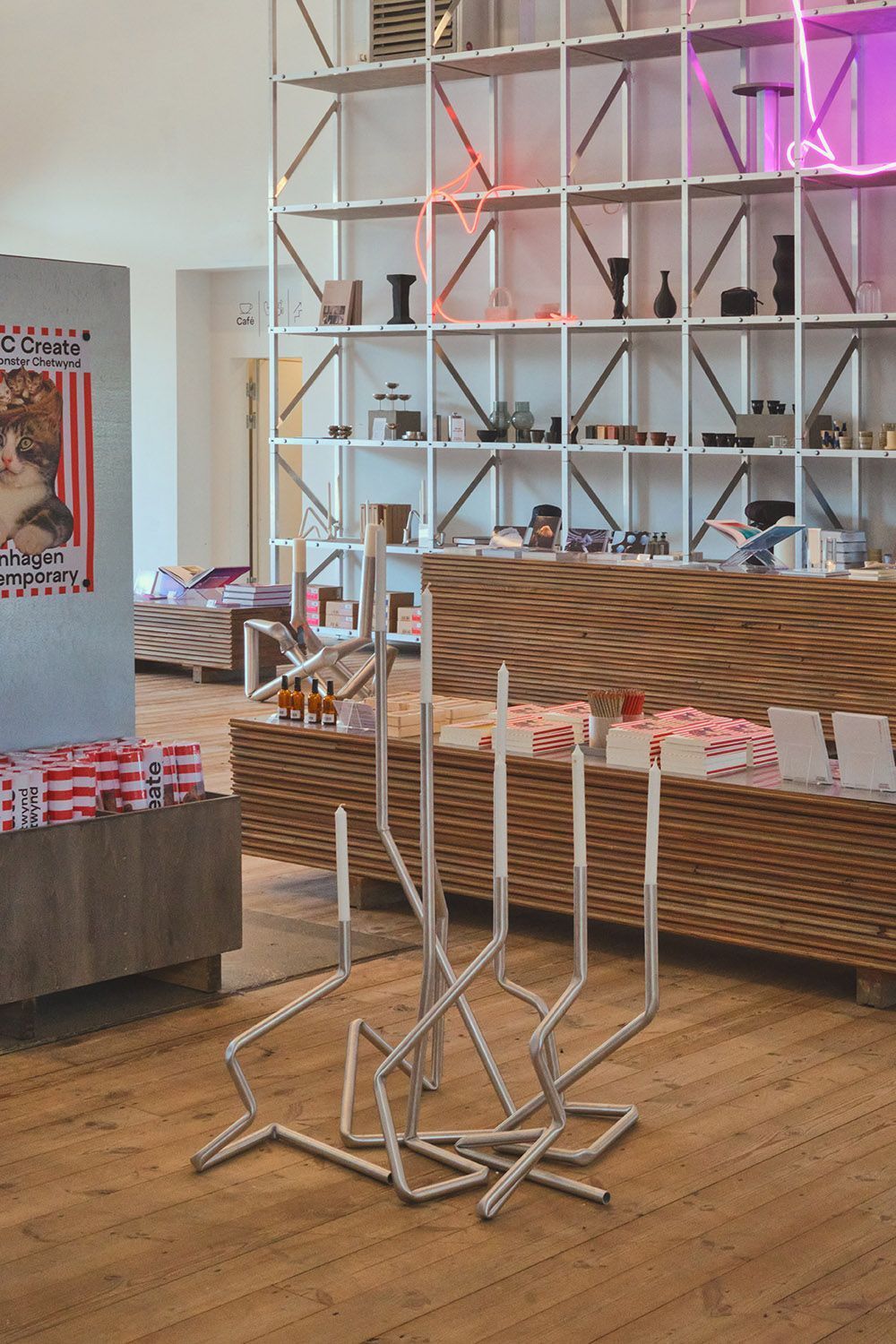
– The new exhibitions at Copenhagen Contemporary, one of the most vibrant contemporary art centres in Northern Europe. Among the highlights of its current show Soft Robots is the work of the duo A.A. Murakami, who have created a meditative space filled with giant machine-generated bubbles that float slowly until they dissolve into nothing. An absolute beauty!

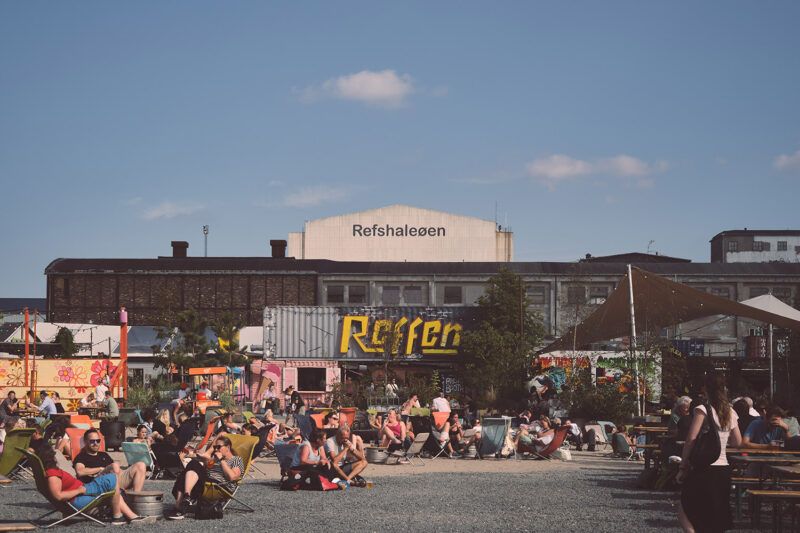
– Reffen, the great open-air street food market, is one of Copenhagen’s gastronomic and social epicentres. With more than 50 stalls and food trucks serving everything from local Danish specialities to international cuisines, it creates a mosaic of flavours enjoyed by the sea. The aroma of grills mixes with the rhythms of live music, long communal tables invite sharing, and the festive atmosphere turns every visit into a collective summer celebration.
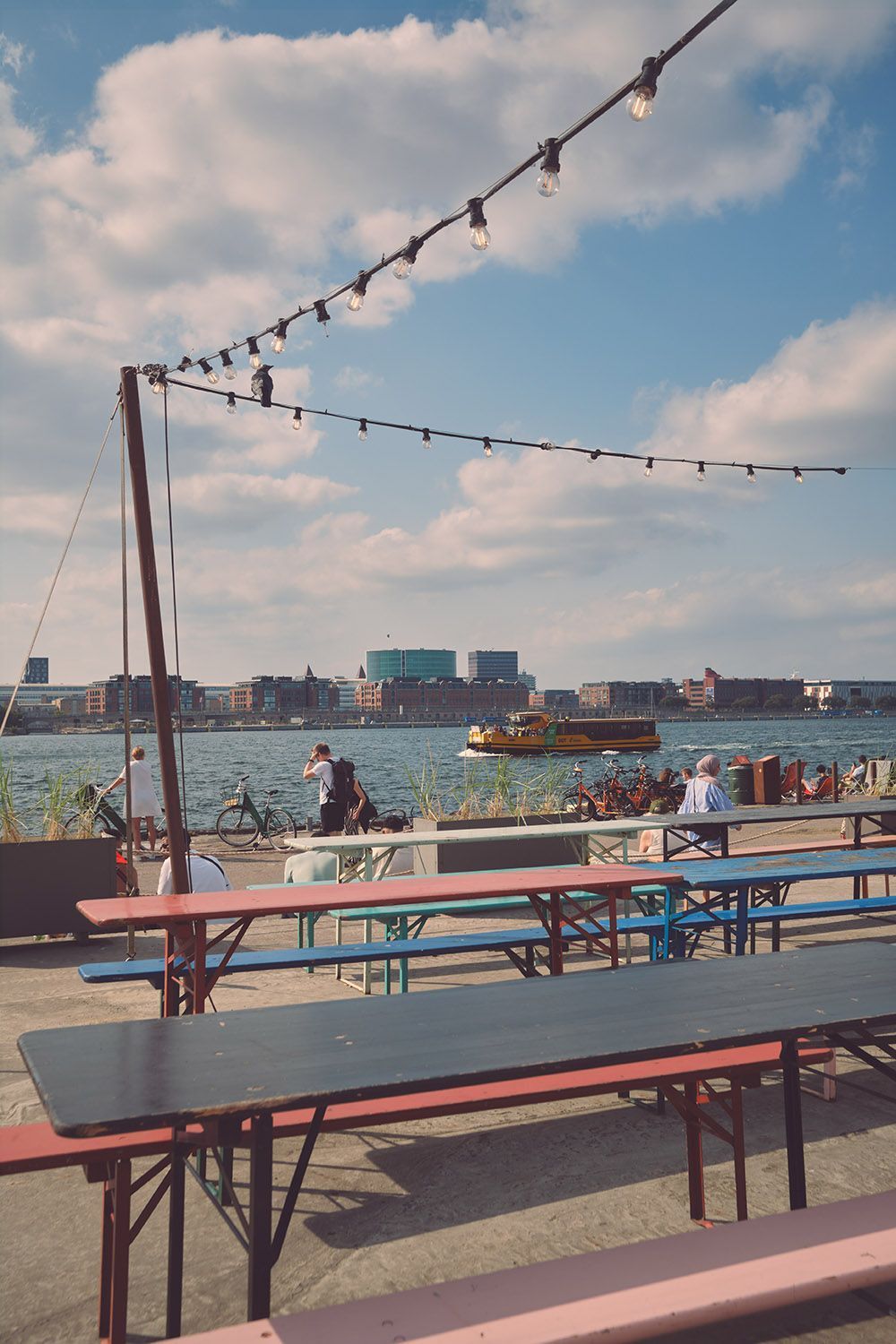
– The harbour baths (plads) scattered throughout the city: true community spaces where Copenhageners swim, sunbathe and enjoy the urban summer. Islands Brygge Havnebadet — one of the first and most popular, with several pools and diving boards — and La Banchina, the iconic pier turned sauna-bar where locals and visitors gather by the sea, are two of our favourites.
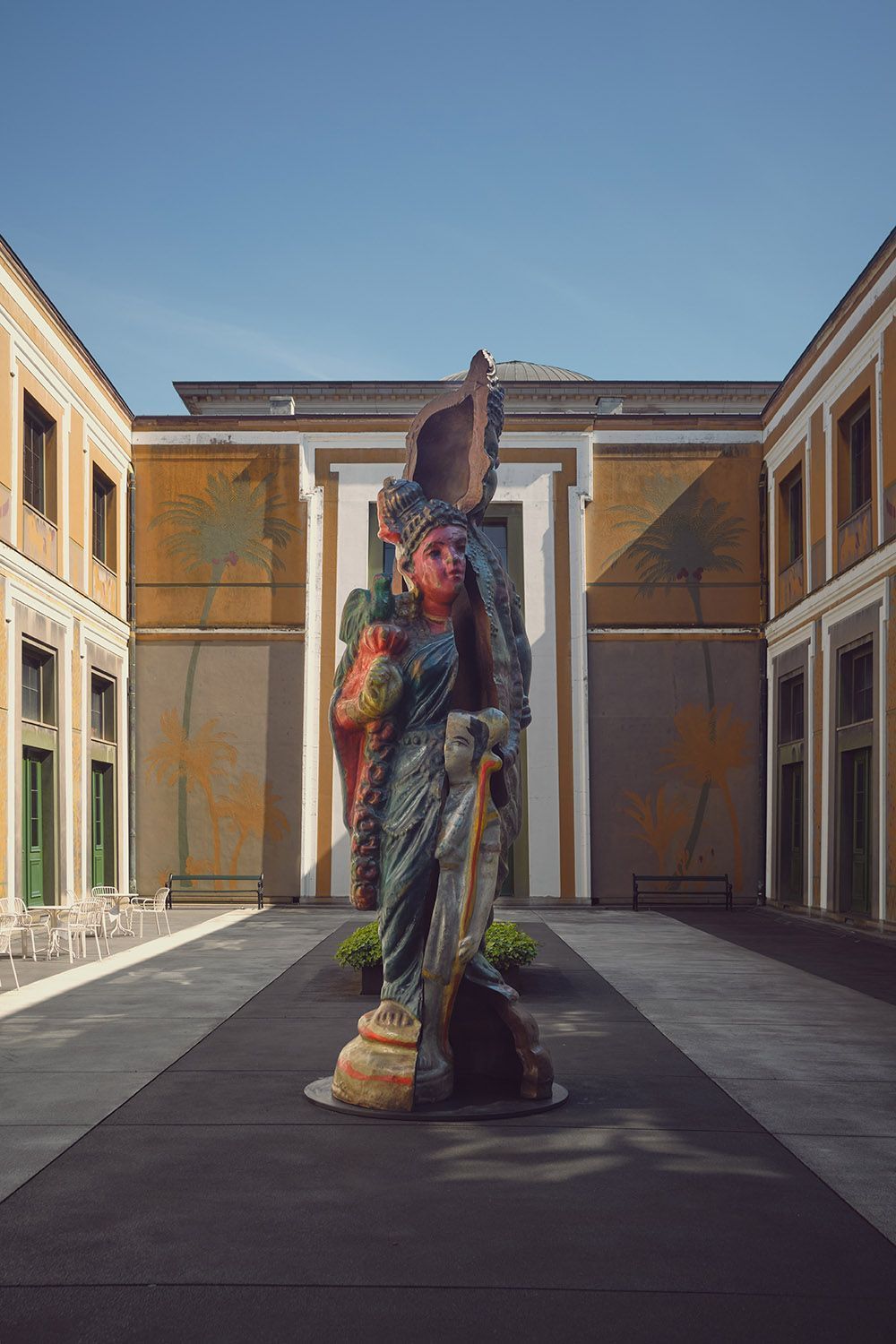
– A visit to the Thorvaldsen Museum, dedicated to Denmark’s most celebrated sculptor, is an immersion into a universe where classical history comes alive in the very heart of Copenhagen. Opened in 1848, the museum is itself a neoclassical architectural gem, with colourful courtyards and a solemn atmosphere enveloping the works of Bertel Thorvaldsen.
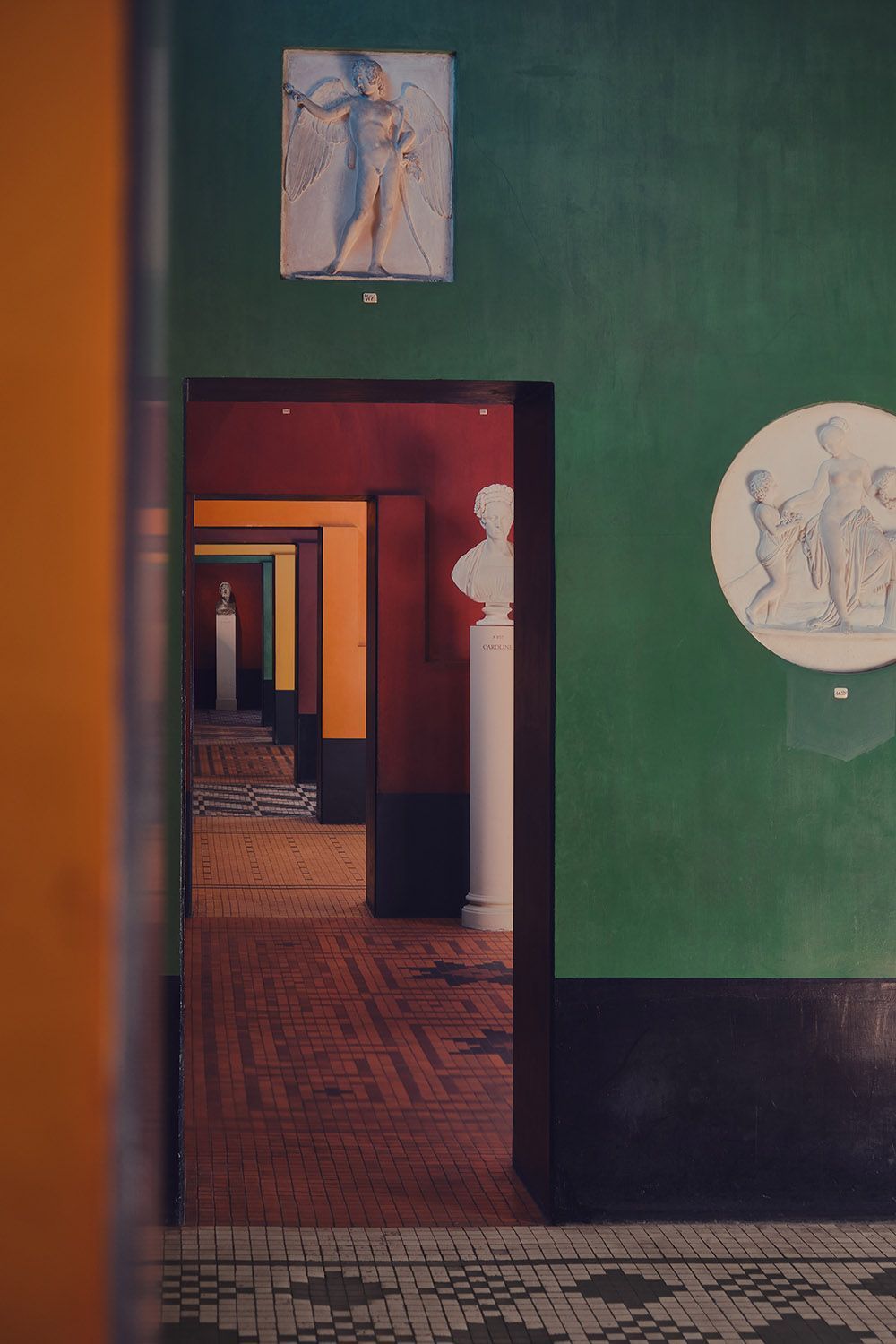
Here, his mythological and heroic sculptures engage in dialogue with frescoes, mosaics and the very architecture of the building, creating a unique aesthetic experience: a journey between the grandeur of the past and the contemplative calm that classical art continues to convey today.
Discovering these areas of Copenhagen in August is, without doubt, a wonderful idea. Not only because of the good weather — though in our case that matters little, as we happily confess to being lovers of the cold — but because the route we took allows you to connect with nature, embrace the Danish lifestyle and immerse yourself in neighbourhoods and towns that reveal the city’s most authentic essence. Wandering through Amagerbro, with its relaxed vibe, parks and local life, or getting lost in Dragør, is to discover Copenhagen from another perspective.
Far from the city’s most iconic tourist attractions, these places reveal its real heartbeat: an everyday life where design, nature and gastronomy intertwine naturally. And perhaps that is the best definition of Copenhagen: a city that, even in summer, holds intimate, surprising spaces where every visitor can find their own refuge. A place that invites you to pedal aimlessly, to pause by the sea, to share a glass of wine in a neighbourhood bar, or to immerse yourself in the serenity of an urban swim. Copenhagen is, ultimately, a city that cannot be consumed all at once, but discovered in layers: in its quiet streets, in its daily creativity, and in that Nordic hospitality that makes every visit a unique and deeply personal experience.

To discover these areas in August is to discover Copenhagen from another perspective.
(*) Photos: Ely Sánchez & Cecilia Camacho (CC/magazine). Outfit: Reformation, Arket y Golden Goose.