Menorca Experimental, a luxury farmhouse hotel with an artistic soul
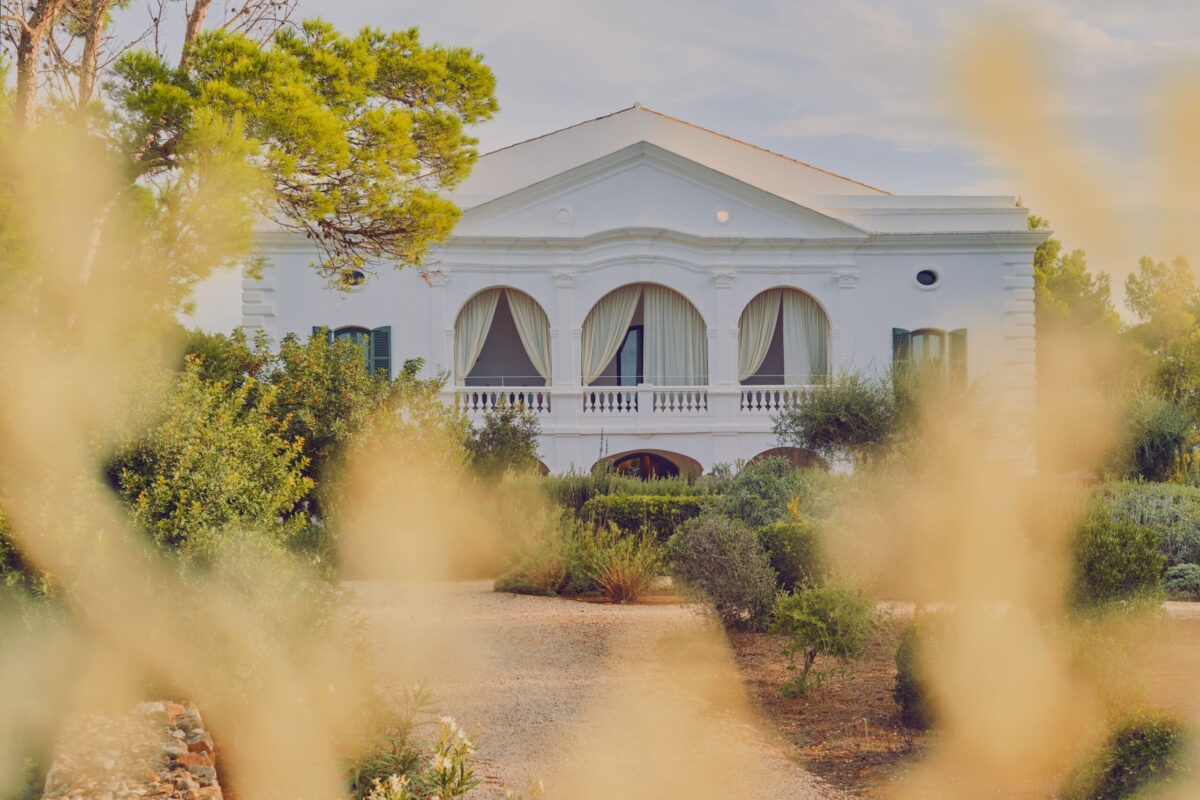
In mid-October, as the season draws to a close and life on Menorca takes on a gentler rhythm, we stayed at Menorca Experimental, an exquisite luxury hotel on a former farm in Alaior.
With the estate as our base, we revisited some favourite spots and discovered a few new ones, from the island’s first speciality coffee roastery to a table in the shade of the olive trees on Illa del Rei.
Menorca Experimental: between the countryside and the sea
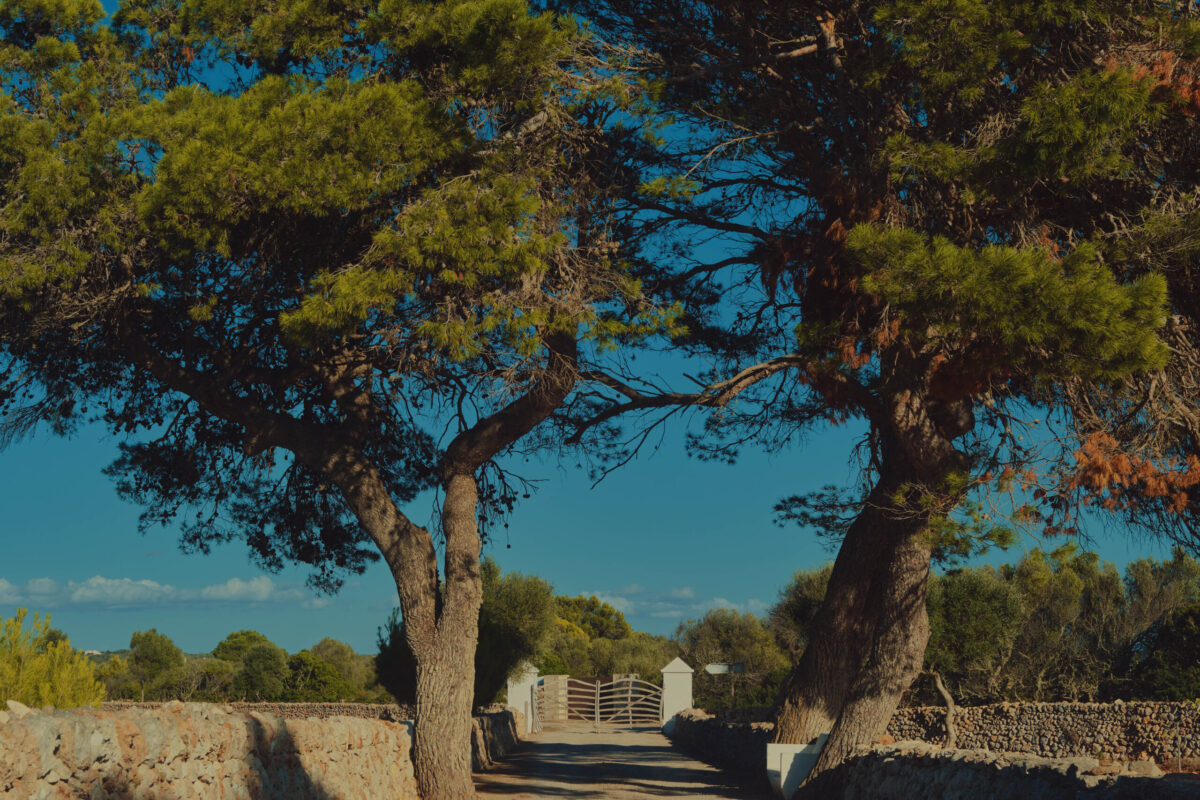
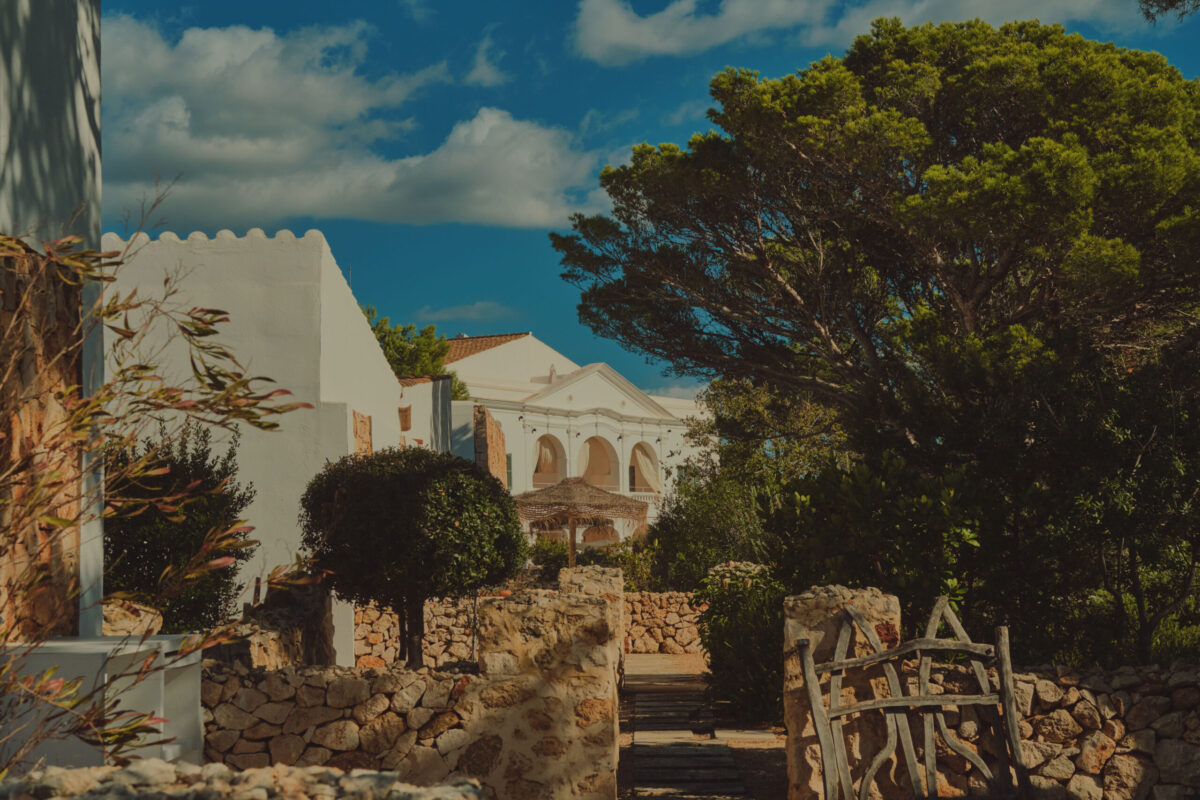
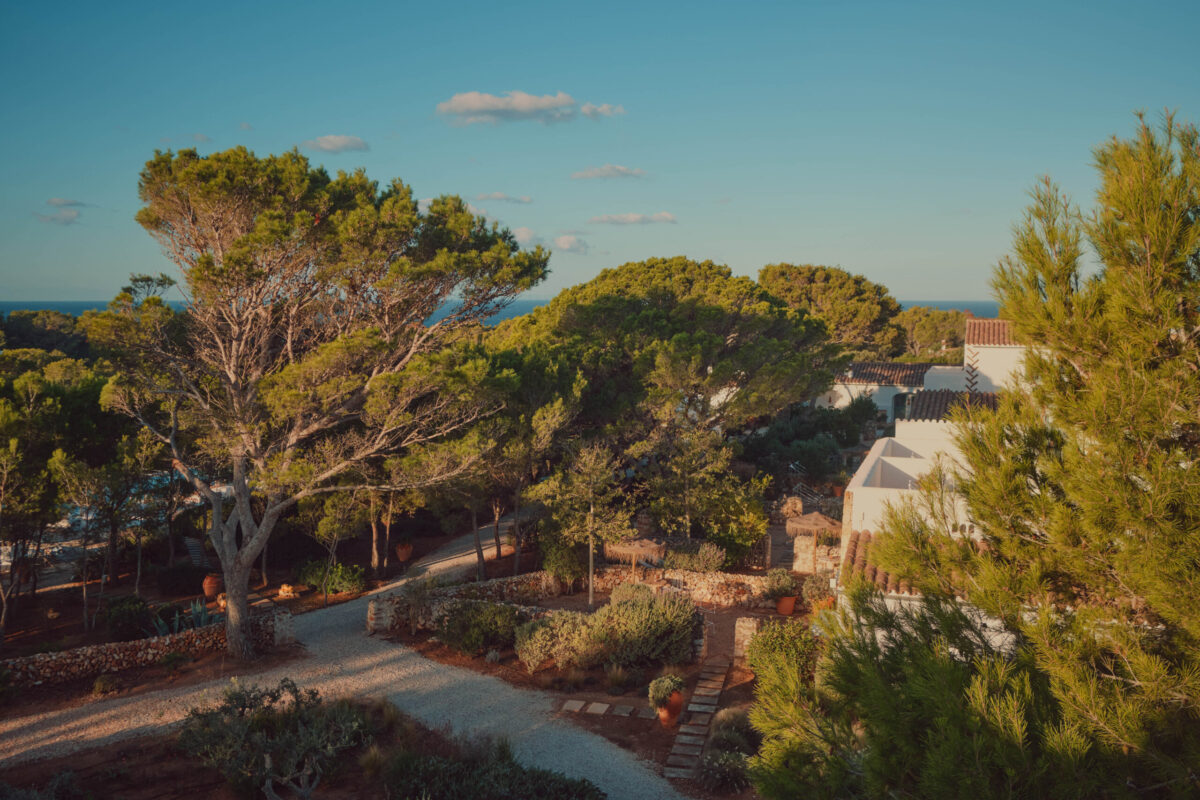
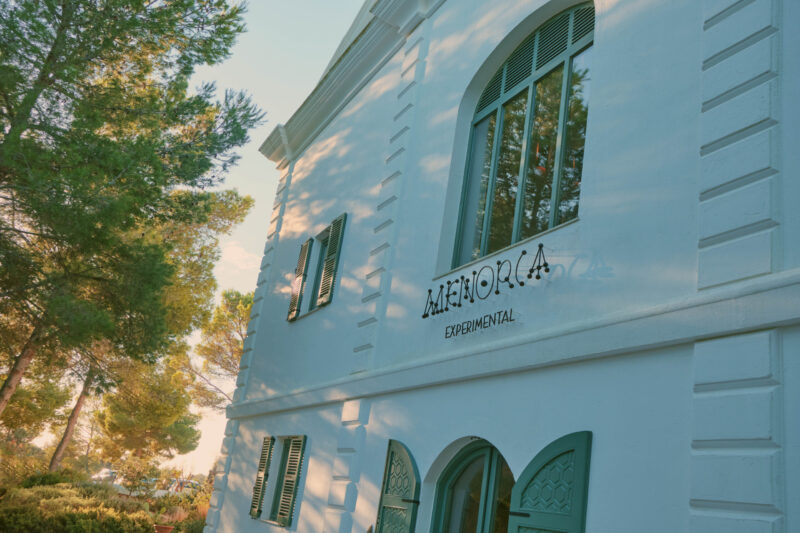
The main house on the Sant Llorenç estate was once home to the captain of the local garrison. Several nineteenth-century farm buildings still stand around it, along with a small chapel overlooking the sea. In 2019, Experimental Group opened its first farmhouse hotel here, having restored the buildings with the help of local craftspeople and brought the old kitchen garden back into use. Today it supplies some of the produce served in the restaurant.
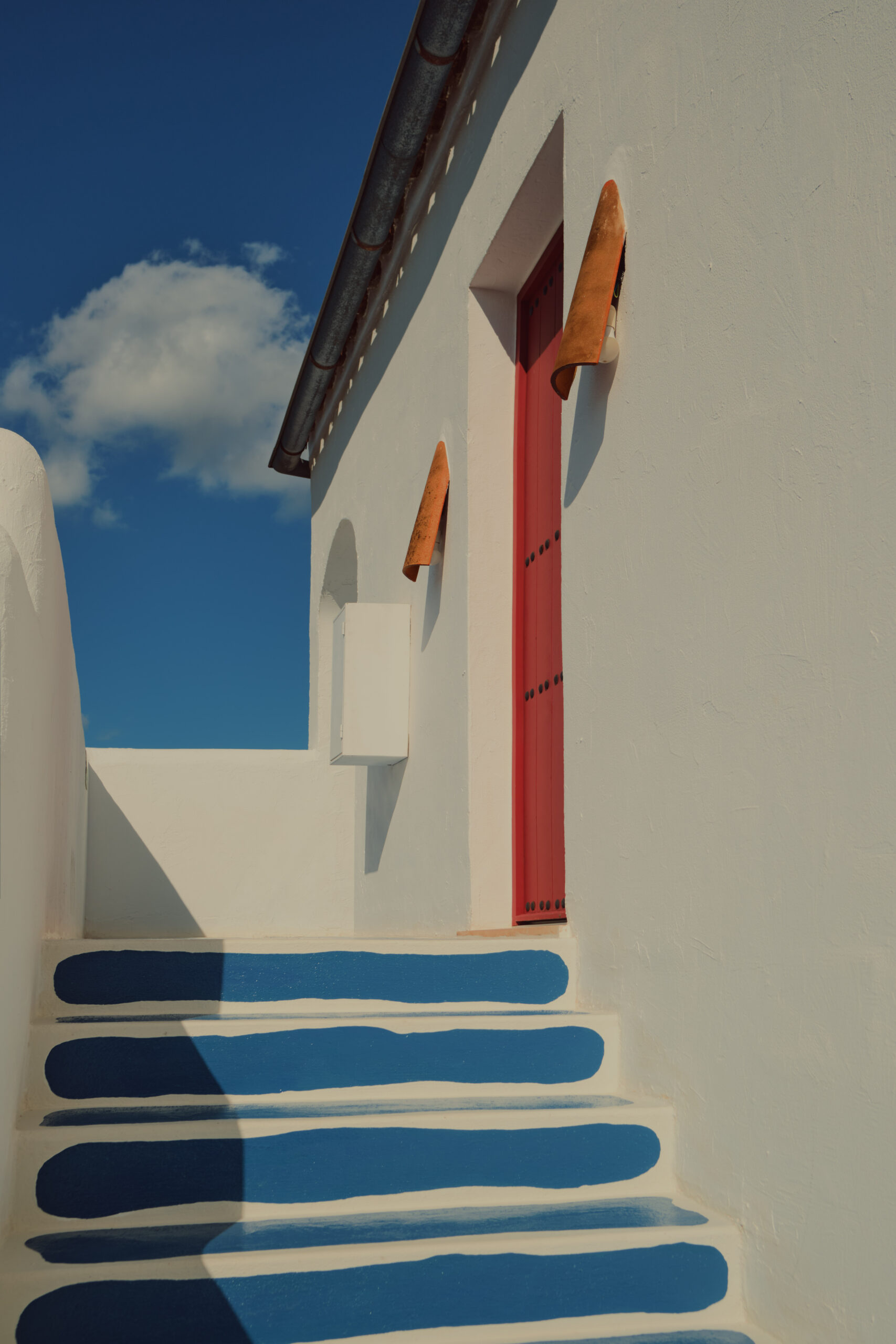
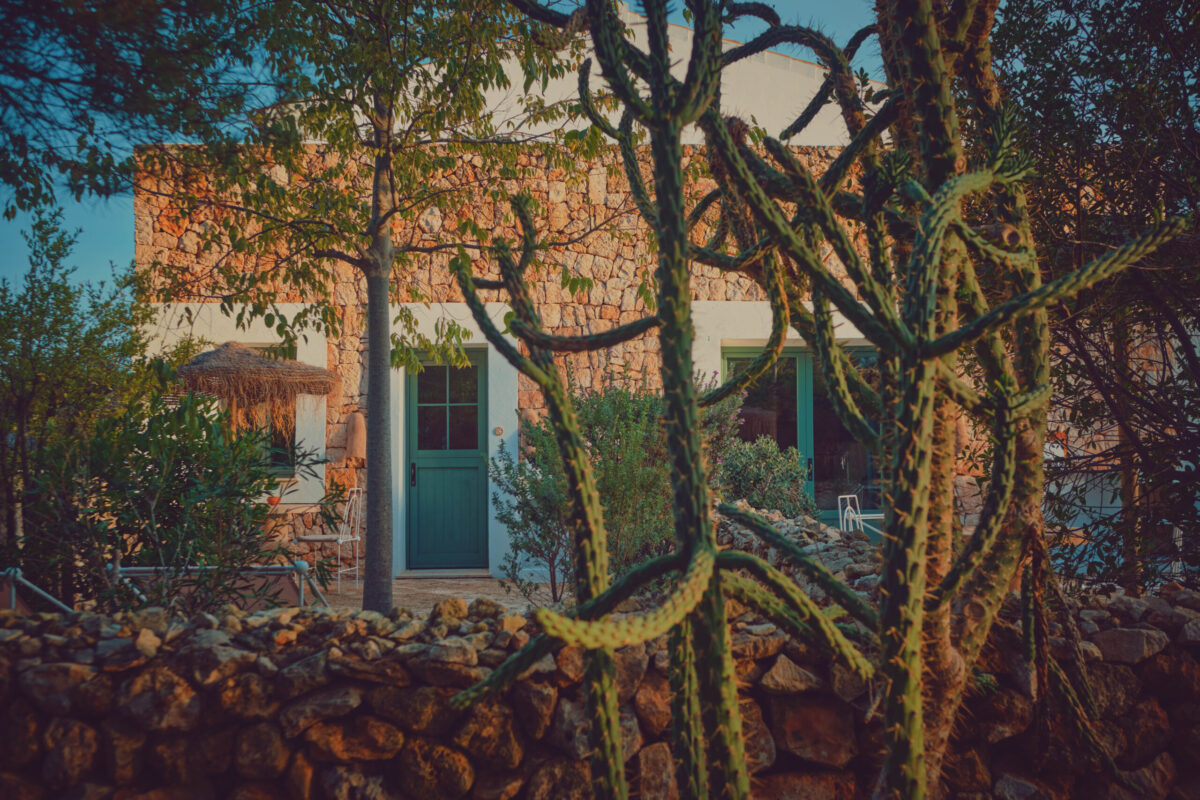
The 43 rooms and suites are spread across the estate’s buildings, so for some guests the walk to breakfast takes them out into the open air. The former captain’s house is home to the communal spaces and the Son Bou rooms.
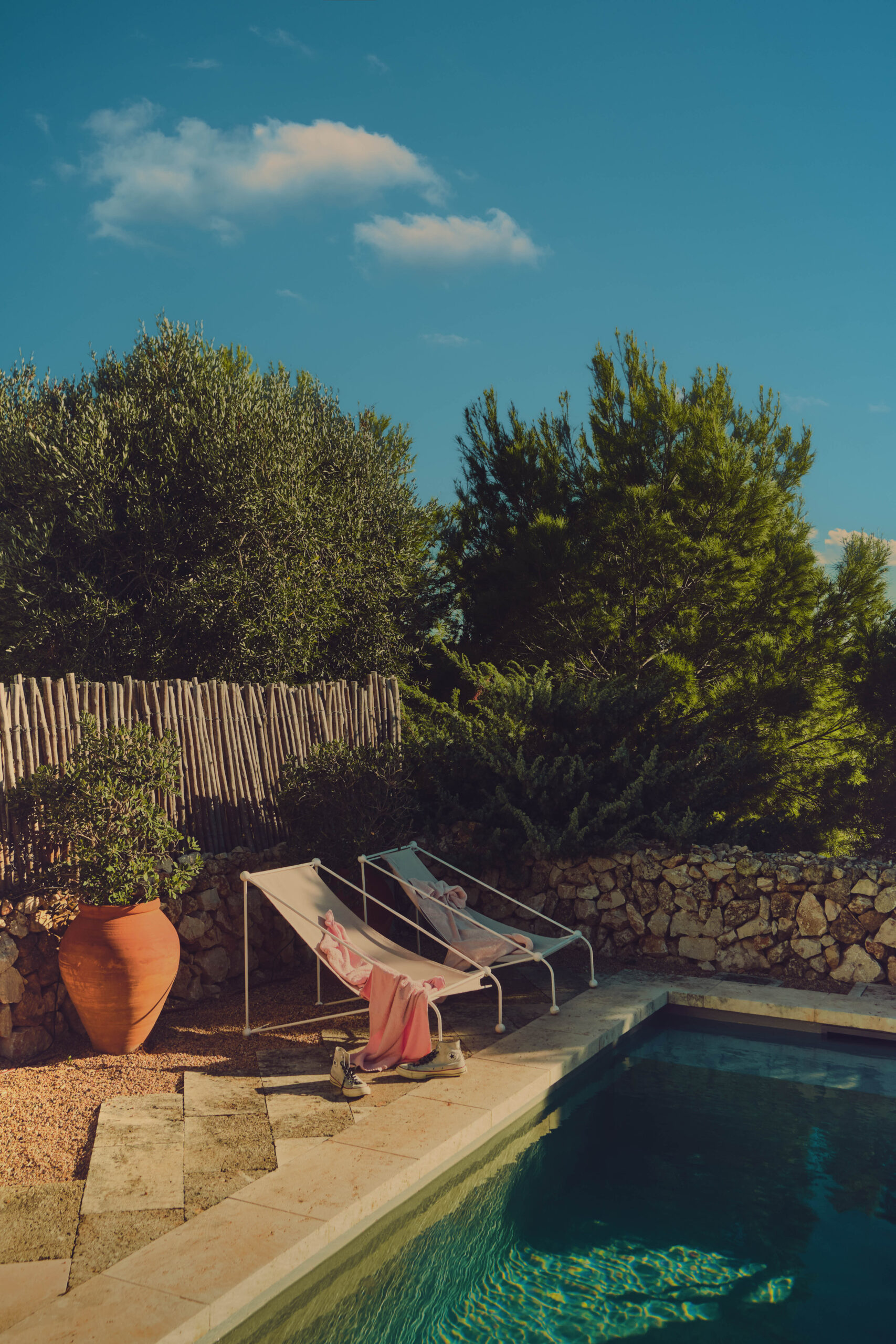
The first-floor Alaior Terrace rooms look out over the countryside from private terraces, while in the Alaior Garden rooms you need only open the door to step into the garden. Nine of the rooms and suites have their own pool.
Inside the rooms with Dorothée Meilichzon and LRNCE
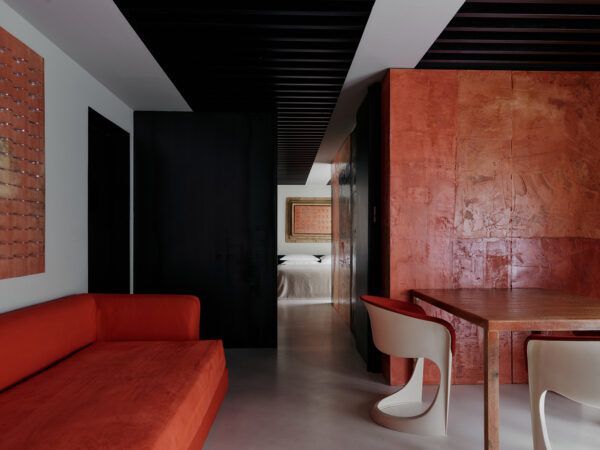
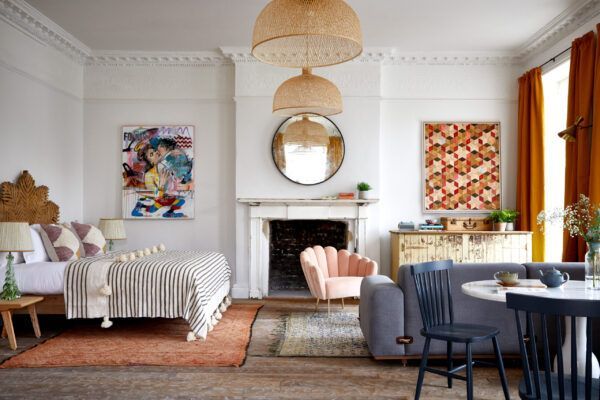
We already knew Dorothée Meilichzon’s work from our stay at Il Palazzo Experimental in Venice. Here in Alaior, the interior designer and her team salvaged timber beams, roof tiles and pieces of local marès stone from the estate itself.
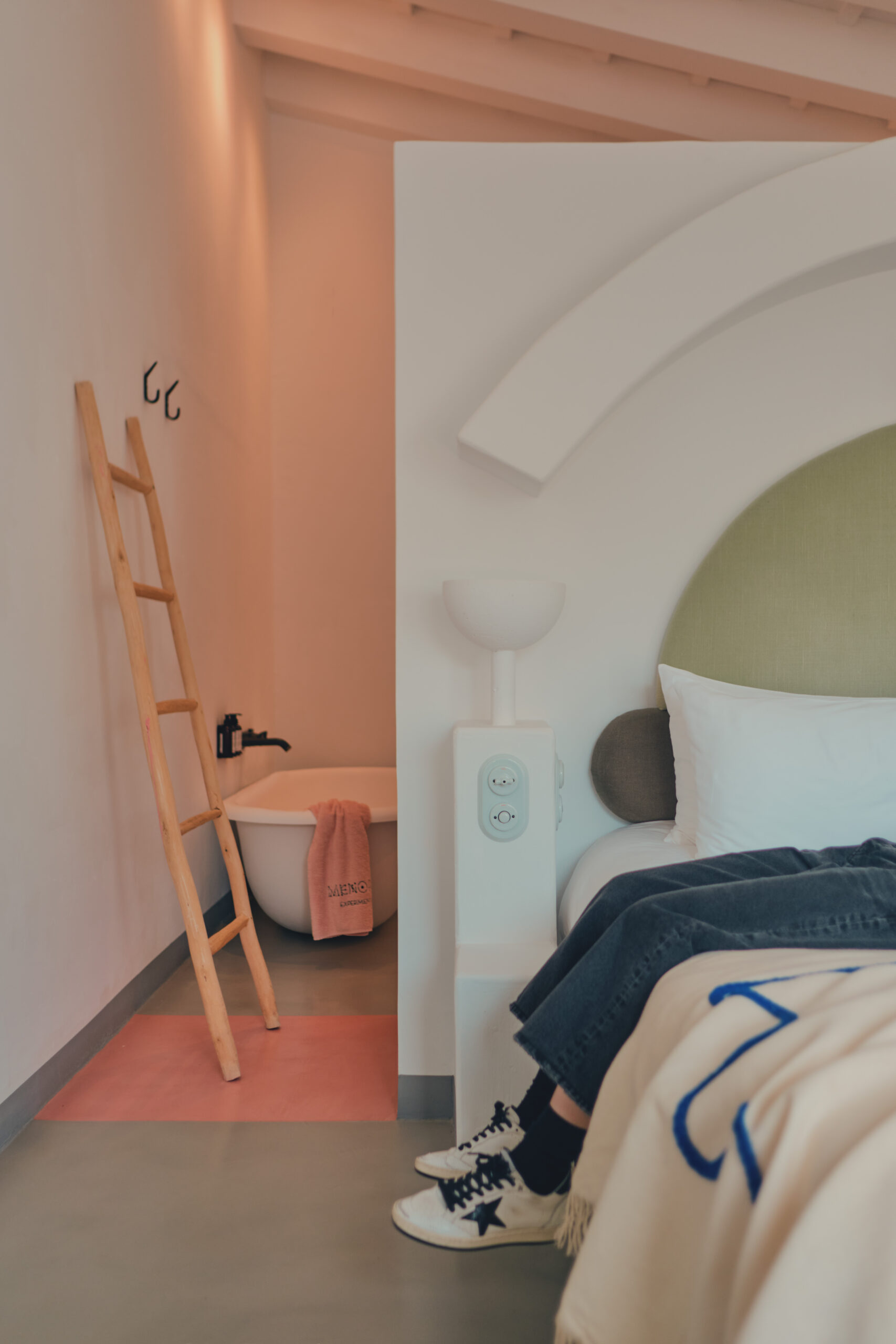
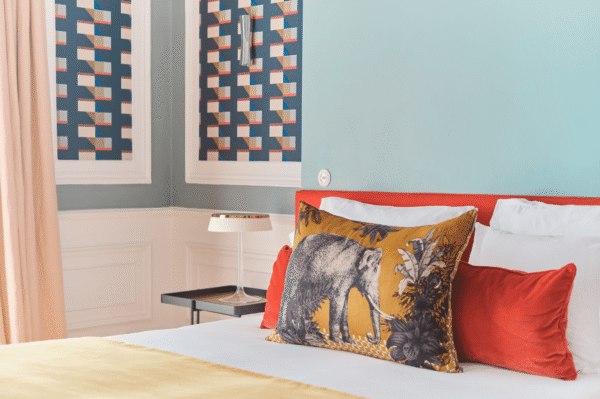
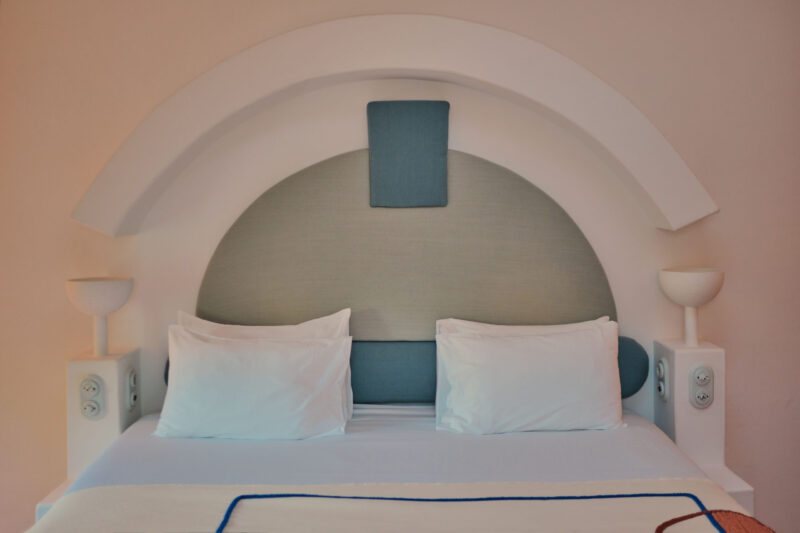
Meilichzon designed the furniture and commissioned craftspeople on the island to make it. In the bedrooms, rounded concrete headboards sit alongside colourful painted door frames, hand-glazed tiles and a wealth of pieces by LRNCE, the studio founded in Morocco by Belgian artist Laurence Leenaert.
Menorca Experimental is an exquisite luxury farmhouse hotel on a former agricultural estate in Alaior.
Among Leenaert’s loveliest contributions are the blankets she designed especially for the hotel. Handwoven in Marrakech, they bring together Meilichzon’s colour palette and drawings by Karel Balas, who created the hotel’s visual identity.
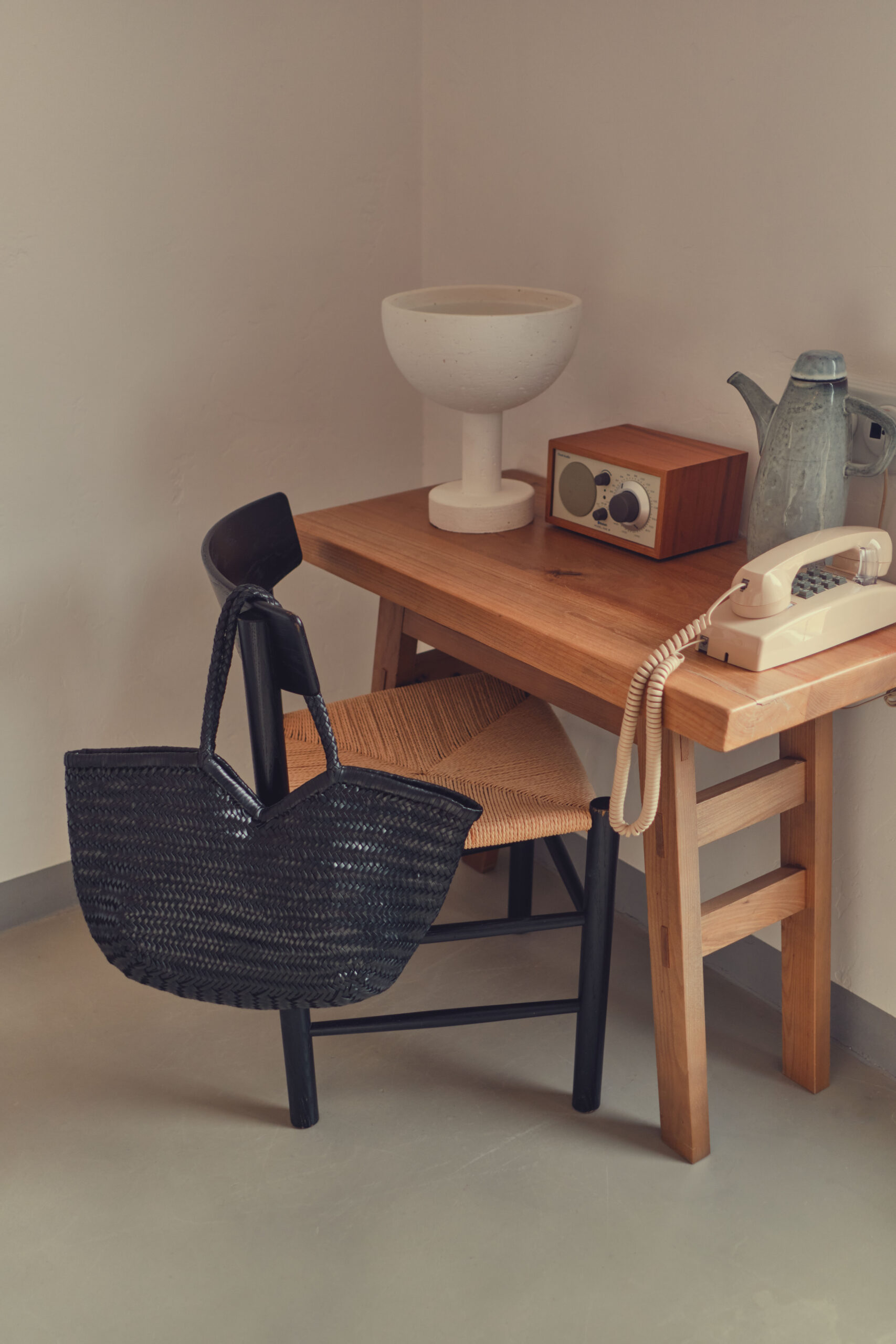
Over the course of our stay, we came across more pieces by LRNCE in the communal spaces and in the hotel shop, where a selection is available to buy.
The path to Cala Llucalari
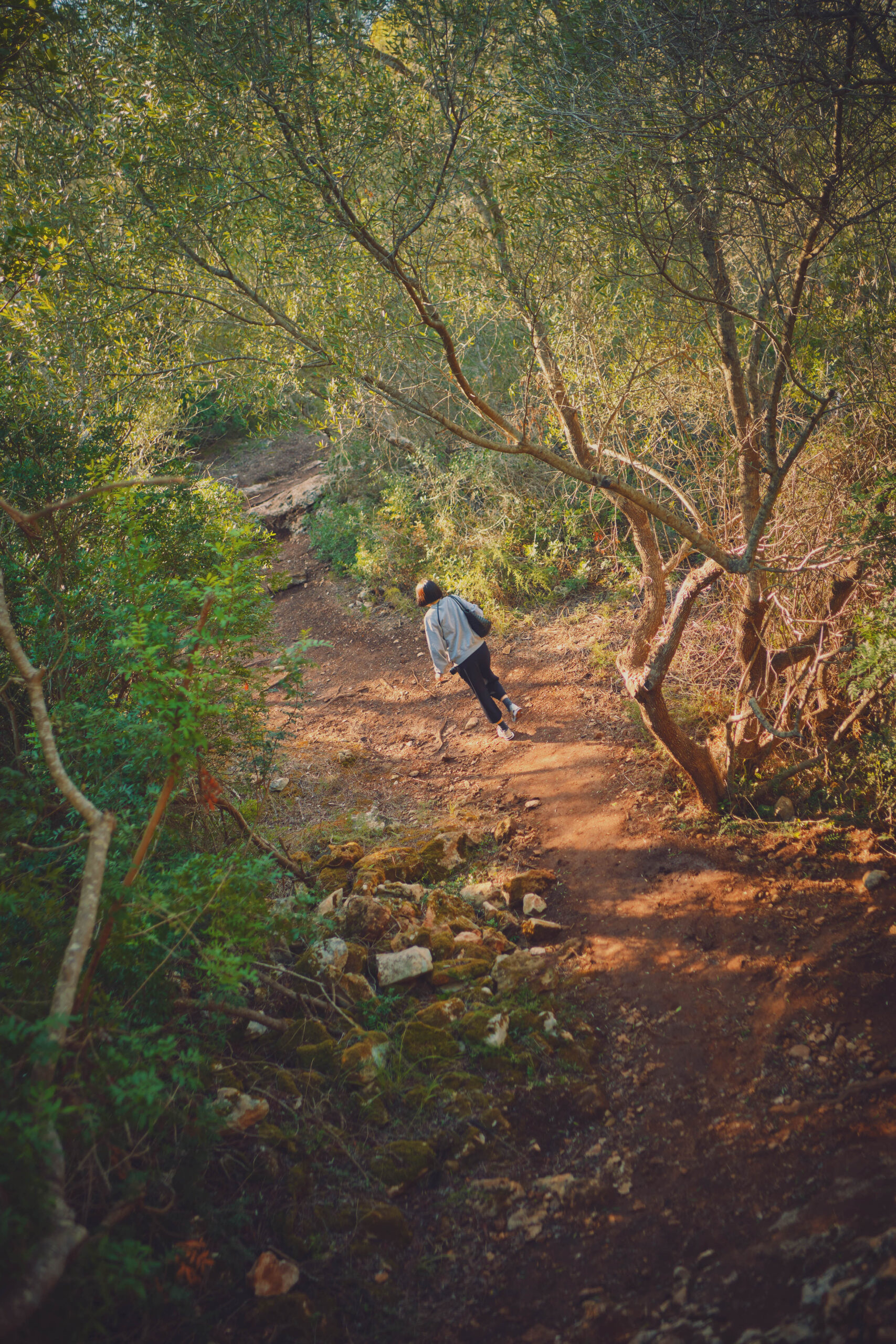
One of the estate’s attractions is being able to walk down to Cala Llucalari. A stone path leads to this little pebble cove, tucked between rock faces, in about fifteen minutes. It is open to the public and usually quiet. The walk is worth doing in its own right, and once you arrive it is tempting to go for a dip. If you fancy walking a little further, the Camí de Cavalls continues towards Son Bou, where the rocky shore gives way to a long stretch of sand.
Yoga with a view and a spa on the estate
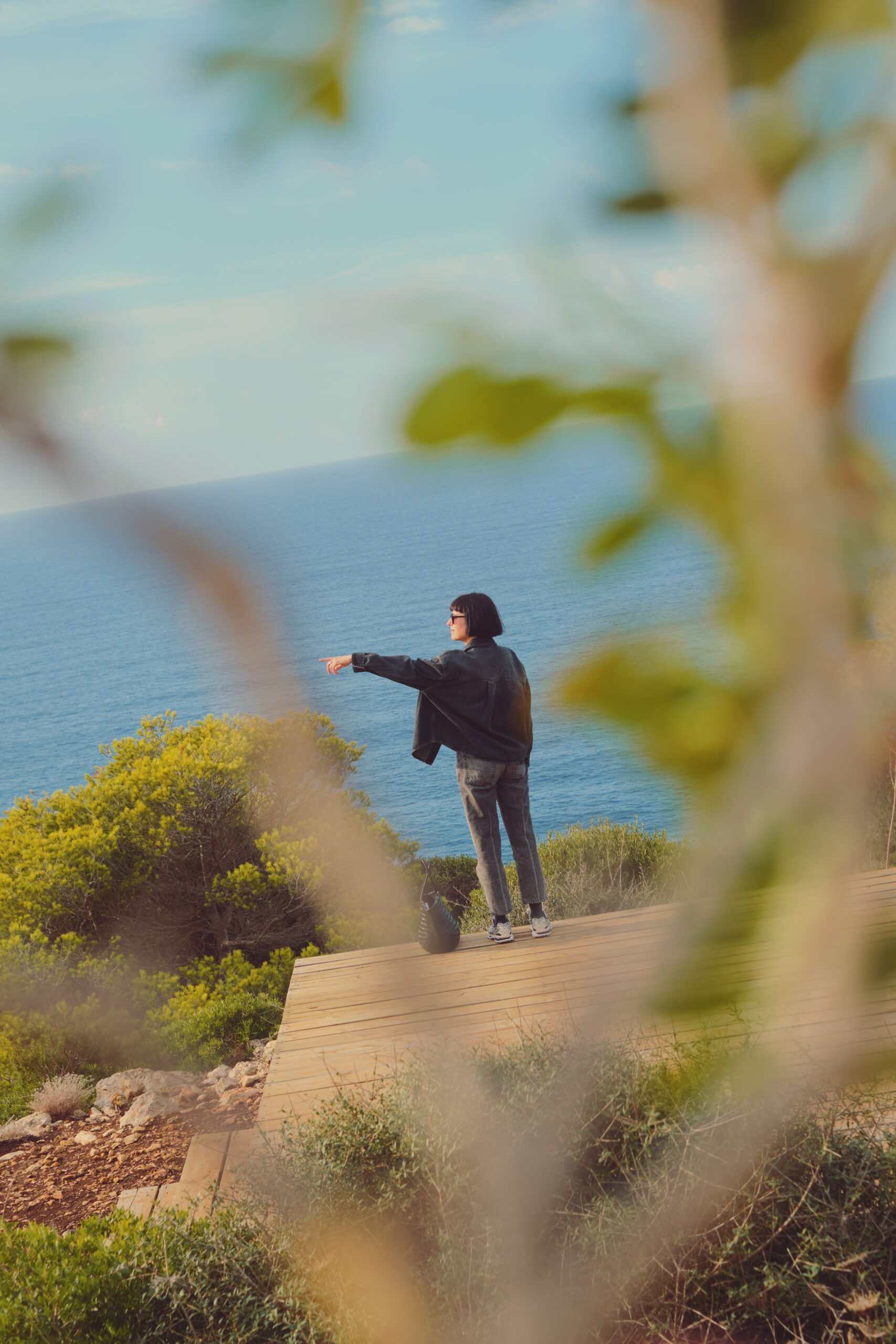
Among the activities at Menorca Experimental are Pilates and yoga classes. The yoga sessions take place on an open-air platform with magnificent views over the Alaior countryside.
The hotel also has a spa with a sauna, a hammam and three treatment rooms for massages, facials and body treatments. The team works with French brands Biologique Recherche and Nüssa, as well as Spanish brand Alex Carro, which formulates its products with botanical ingredients. One of the more unusual treatments on the menu is the Head Spa, a 45-minute session combining haircare with a Biologique Recherche face mask.
Sustainability in the gardens and on the estate
On a thirty-hectare estate, what you plant makes a difference to how much water you use. The garden was therefore planted with Mediterranean species suited to the island’s climate, which need less watering.
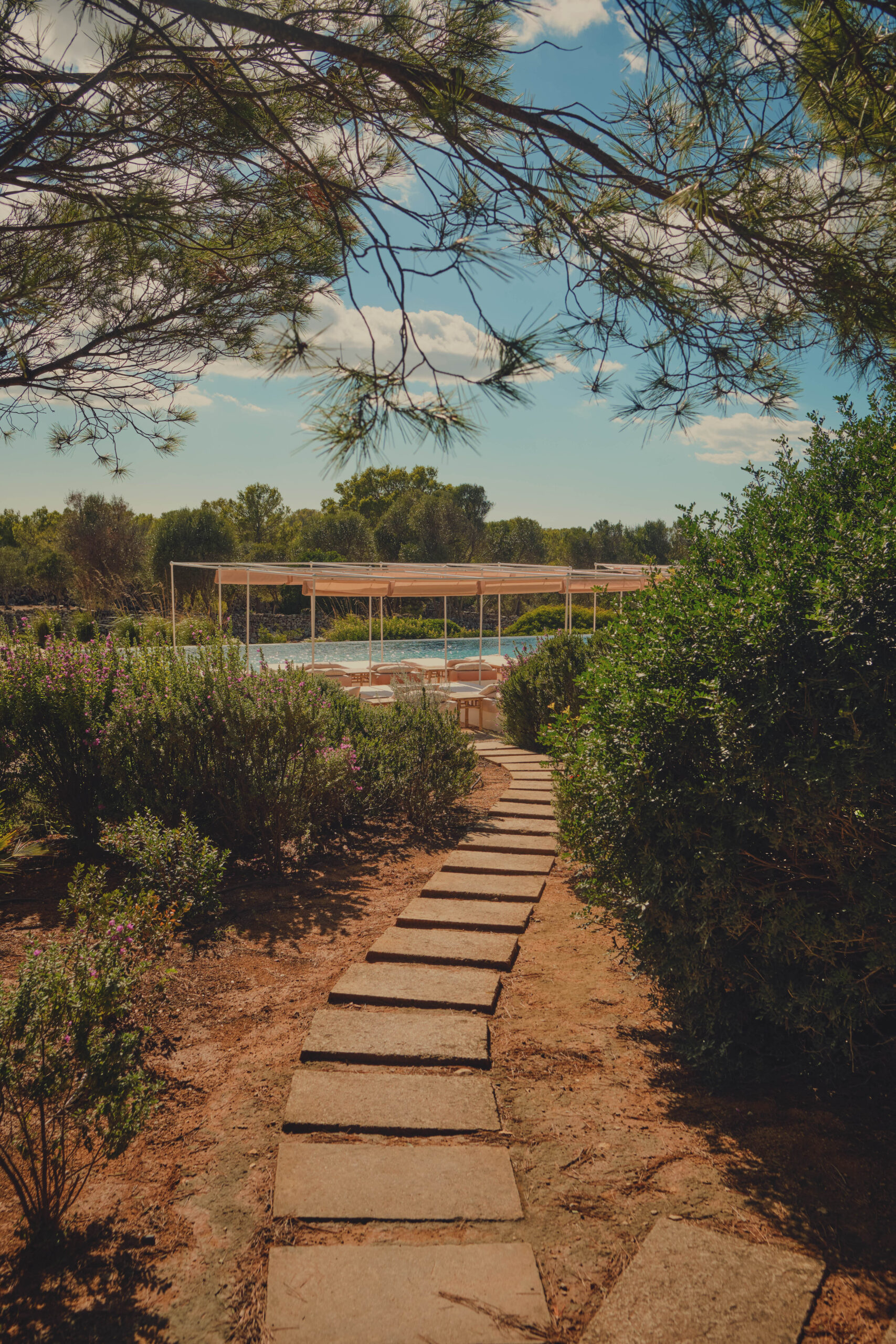
Sustainability also informs the day-to-day running of the hotel. The team uses electric vehicles to get around the grounds, and filtered-water dispensers in staff areas do away with the need for plastic bottles. The estate also works with the local initiative 0 Plastic Menorca.
Restoring the old kitchen garden has returned part of the estate to its original agricultural use. Some of the fruit, vegetables and herbs that find their way into Alex Larrea’s kitchen are now grown here. The chef supplements the harvest with produce from nearby farms and fish caught in Menorcan waters.
At Alex Larrea’s table
The restaurant was one of the places we most enjoyed at Menorca Experimental. Breakfast, lunch and dinner are all served here. In the morning, alongside the buffet, there is a menu of toast and egg dishes made to order. If you happen to be passing through Alaior, you can book a table even if you are staying elsewhere.
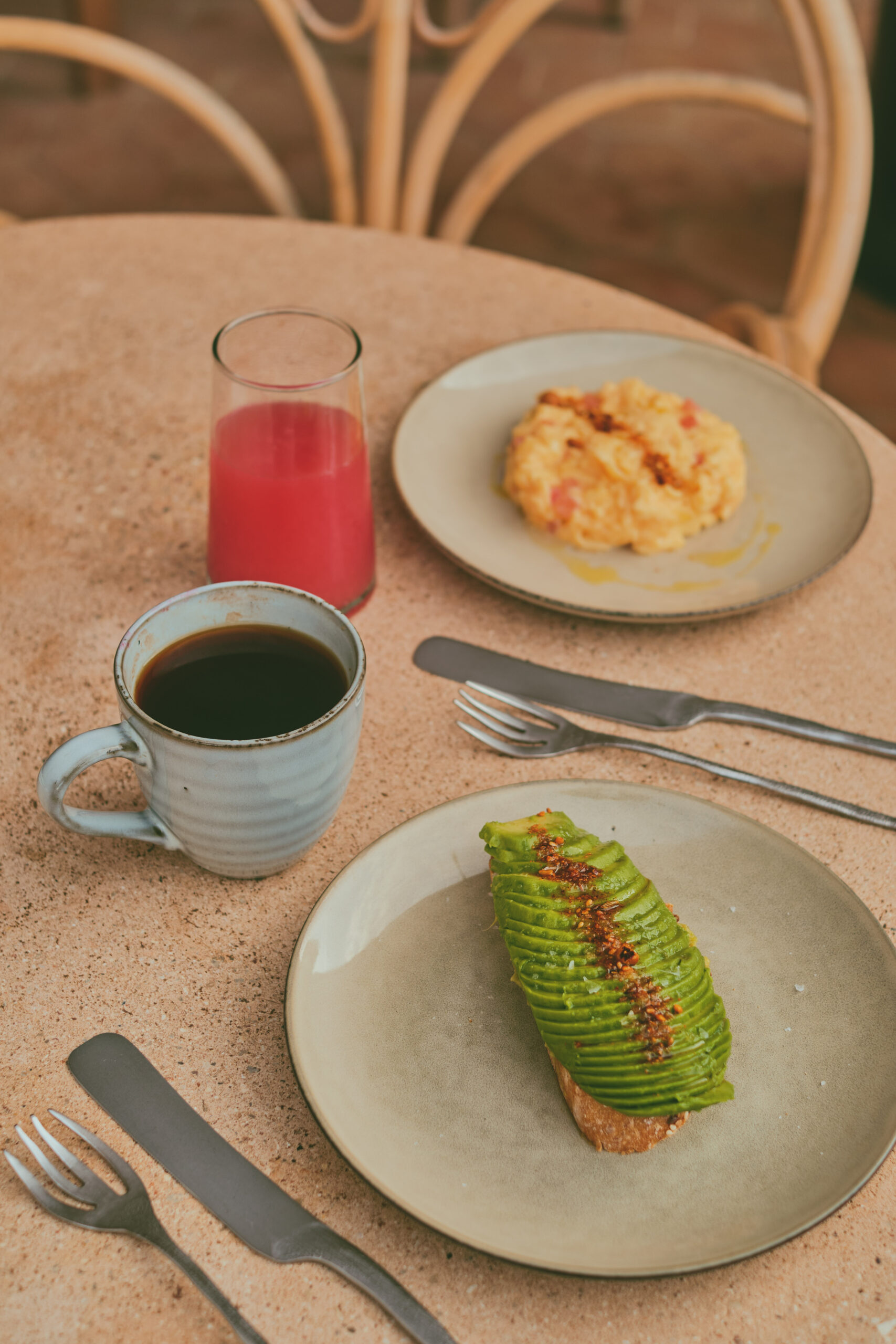
Alex Larrea heads up the kitchen. We particularly enjoyed the vegetable dishes on his October menu.
The chargrilled leek with pickled cucumber and cashew romesco was a lovely surprise, as was the courgette with brossat, a fresh cheese, and kimchi mayonnaise.
The aubergine carpaccio caught our eye as soon as it arrived, and we were struck by how well the miso vinaigrette worked with the sweetness of the figs.
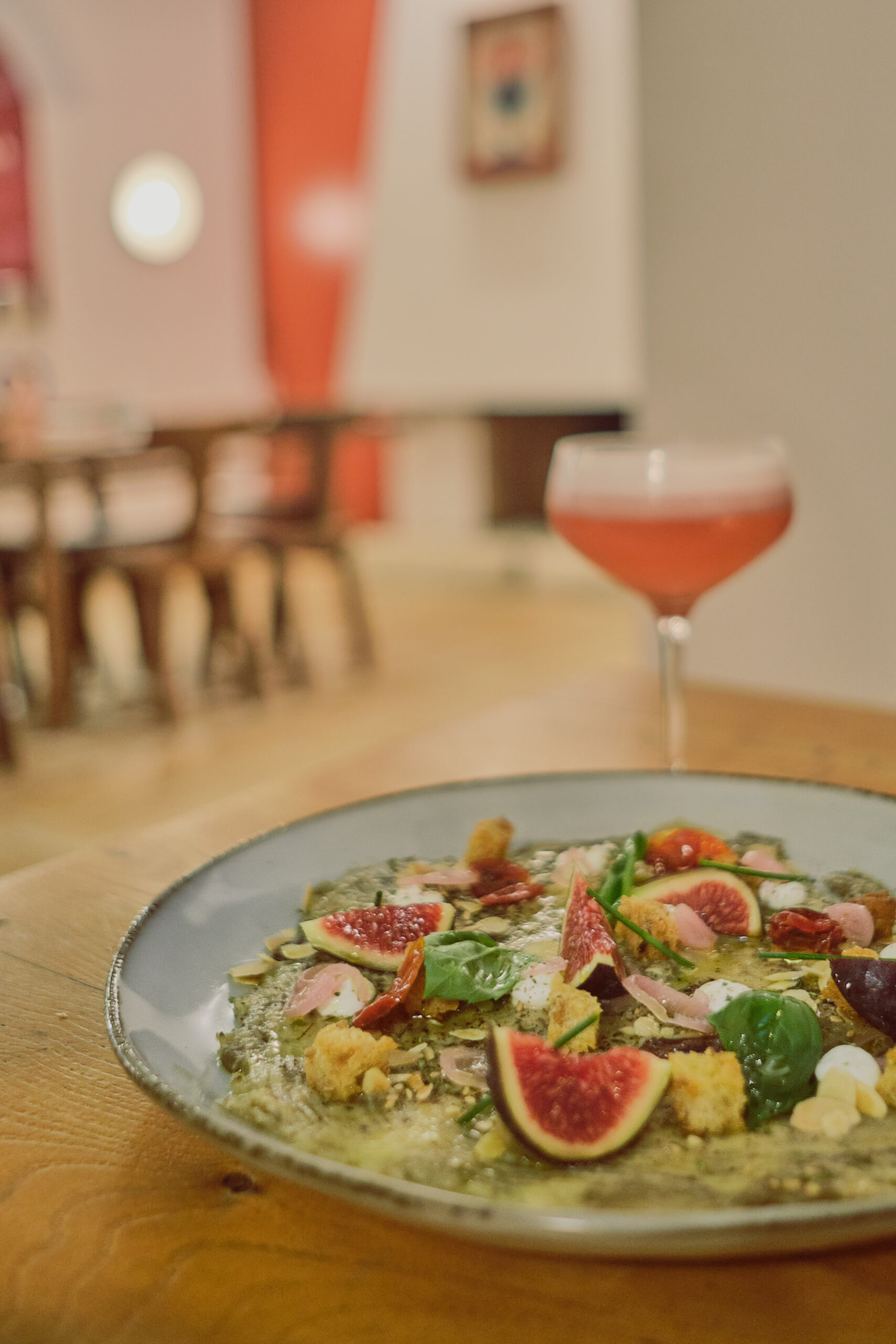
Among the fish and seafood dishes, we loved the grilled sea bass with stracciatella and sautéed fennel, and the black cuttlefish fettuccine, which Larrea topped with red prawn tartare. For pudding, there was a sublime torrija made with artisan brioche and served with vanilla ice cream. An absolute dream!
Experimental Group began life with a cocktail bar in Paris in 2007. That enthusiasm for cocktails has found a home in Alaior, where the hotel has given them a space of their own. Menorcan gin Xoriguer is the starting point for two house recipes, the Llucalari Negroni and the Última Palabra.
Our Menorca favourites
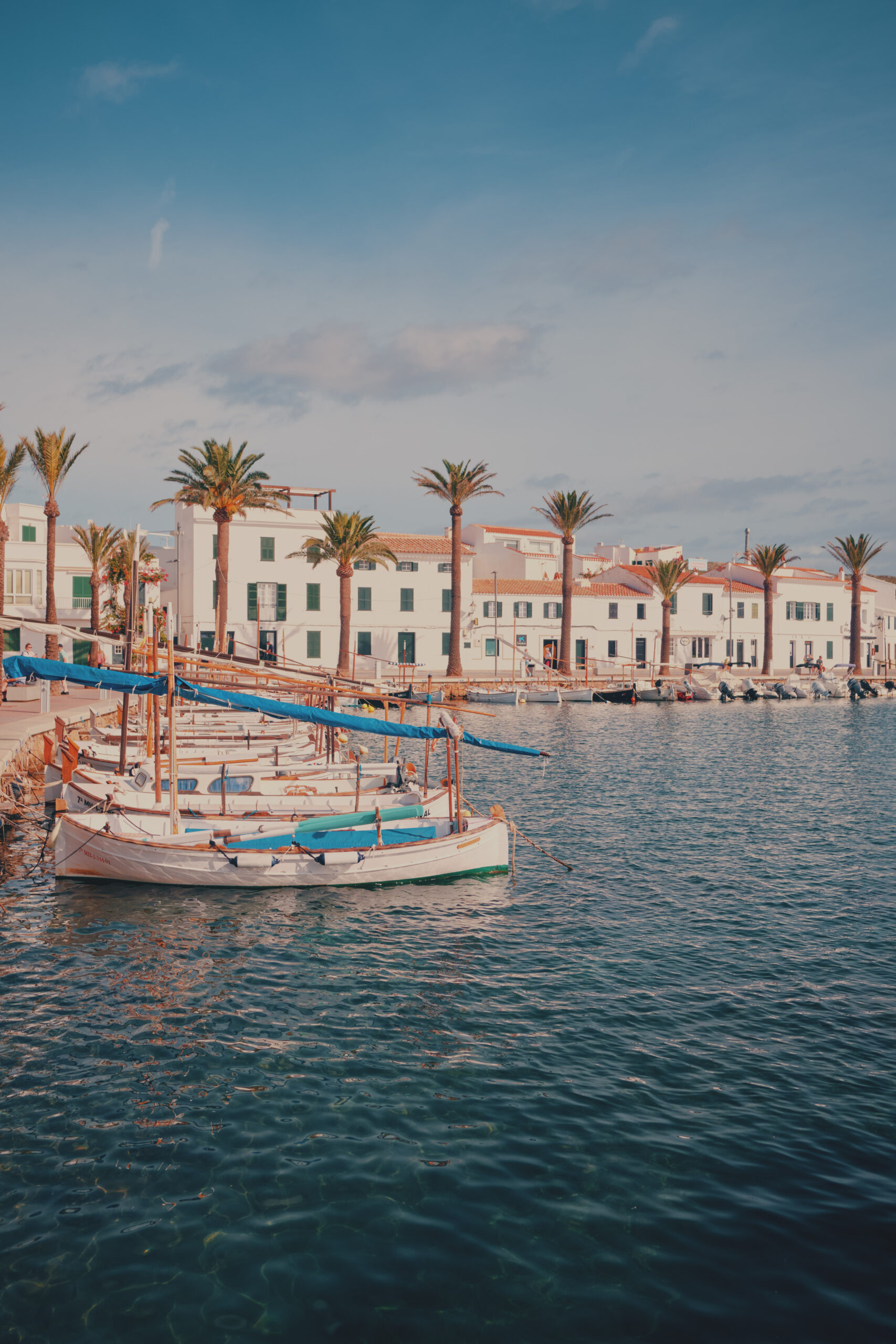
Mahón harbour remains one of the places we always come back to on the island. Towards the end of the season, as some of the waterside terraces prepare to close, there is time to stroll along the waterfront, sit down for a drink and watch the comings and goings in the harbour at leisure.
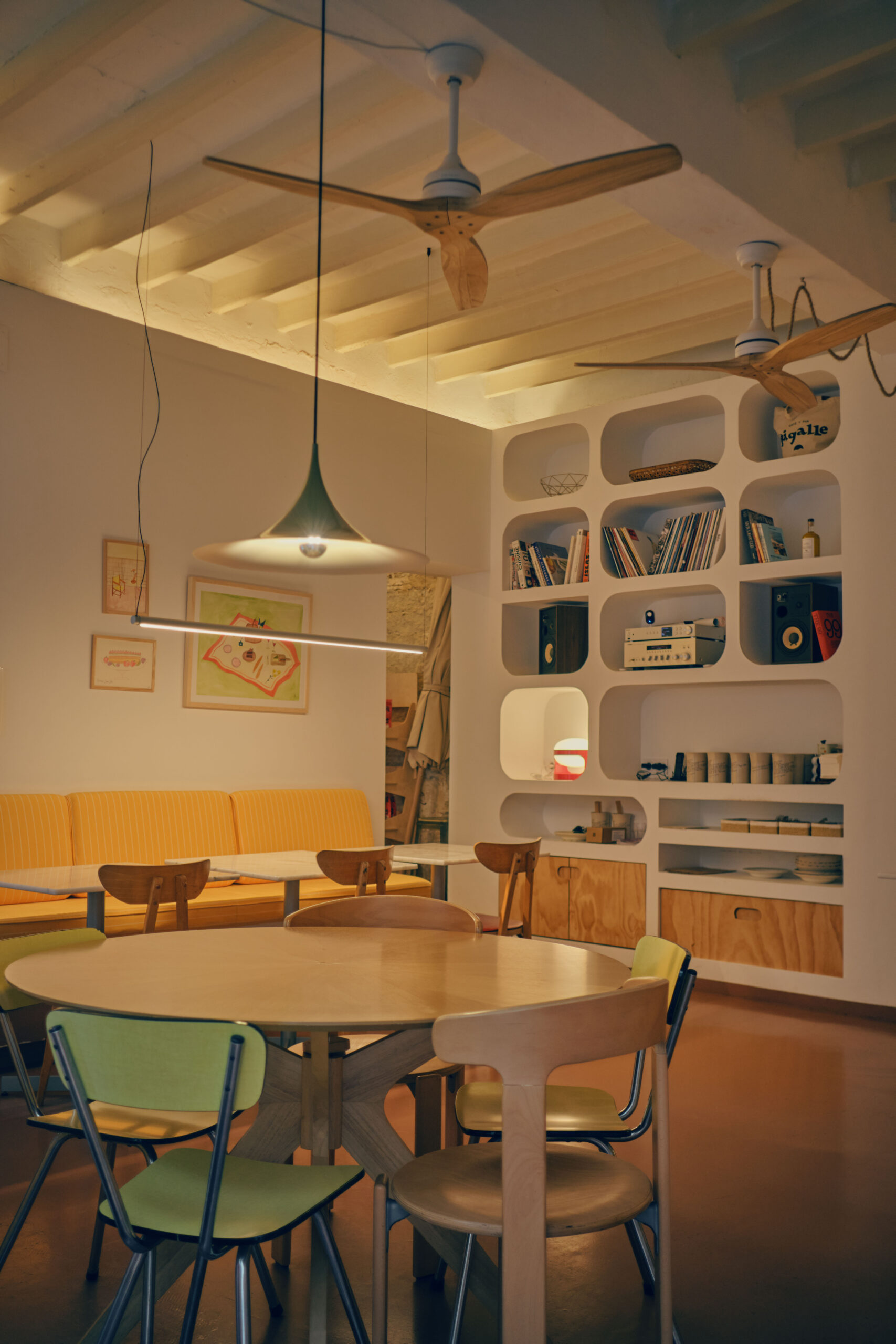
From there, we walked up into the town centre to revisit a few familiar addresses and seek out some new ones. On Carrer del Bastió, Pigalle Maó bakery and pâtisserie and Pigalle Café are both excellent stops for breakfast or a break along the way. The bread and croissants are delicious, as are the other sweet and savoury offerings, and the coffee is every bit as good.
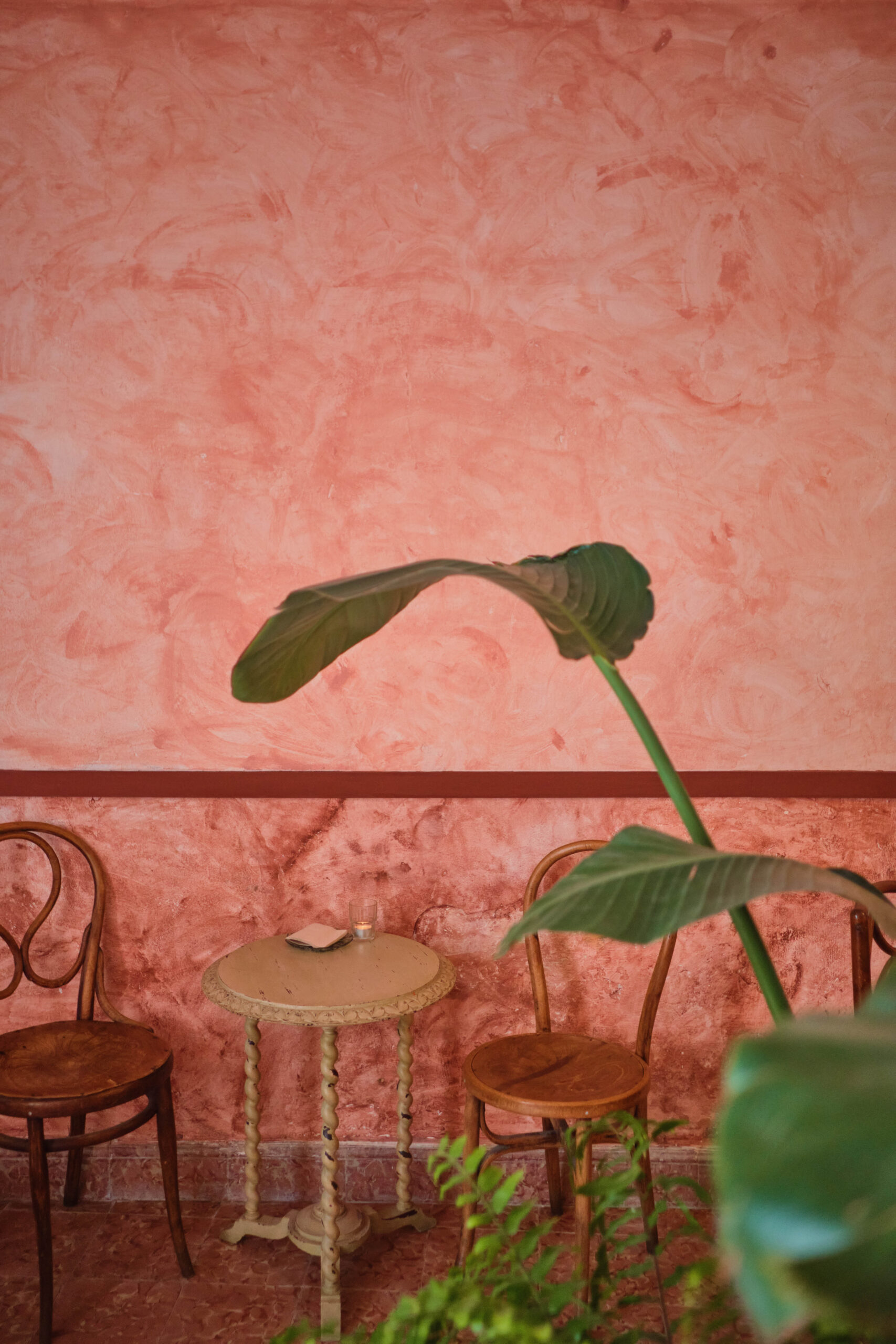
Another favourite is La Virgen, a welcoming new spot run by a mother and daughter who have a way of making you feel at home straight away. It has real character, the kind of place you look forward to coming back to, and it stays open all year. All their sandwiches are excellent, but their cured sobrasada and honey toastie is especially delicious!
Es Lluis is also well worth a stop. As big fans of sobrasada and honey toasties, we couldn’t resist trying theirs too — especially as it’s their speciality.
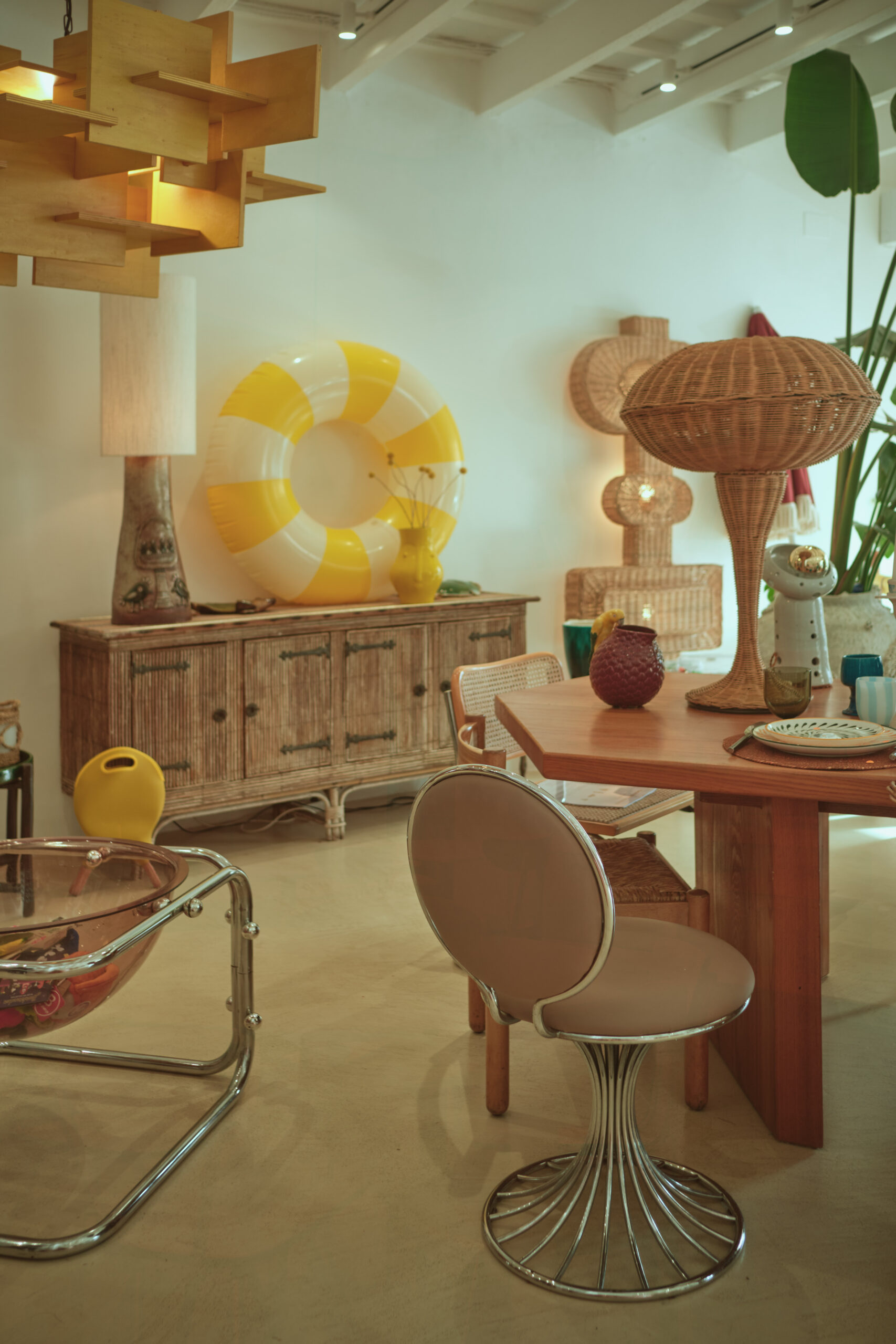
Along the way we called in at several shops, including Can Sab, where homeware, furniture and fashion share a beautiful, colourful space. The pleasure is in seeing how the pieces have been put together, and it is worth taking your time to look around.
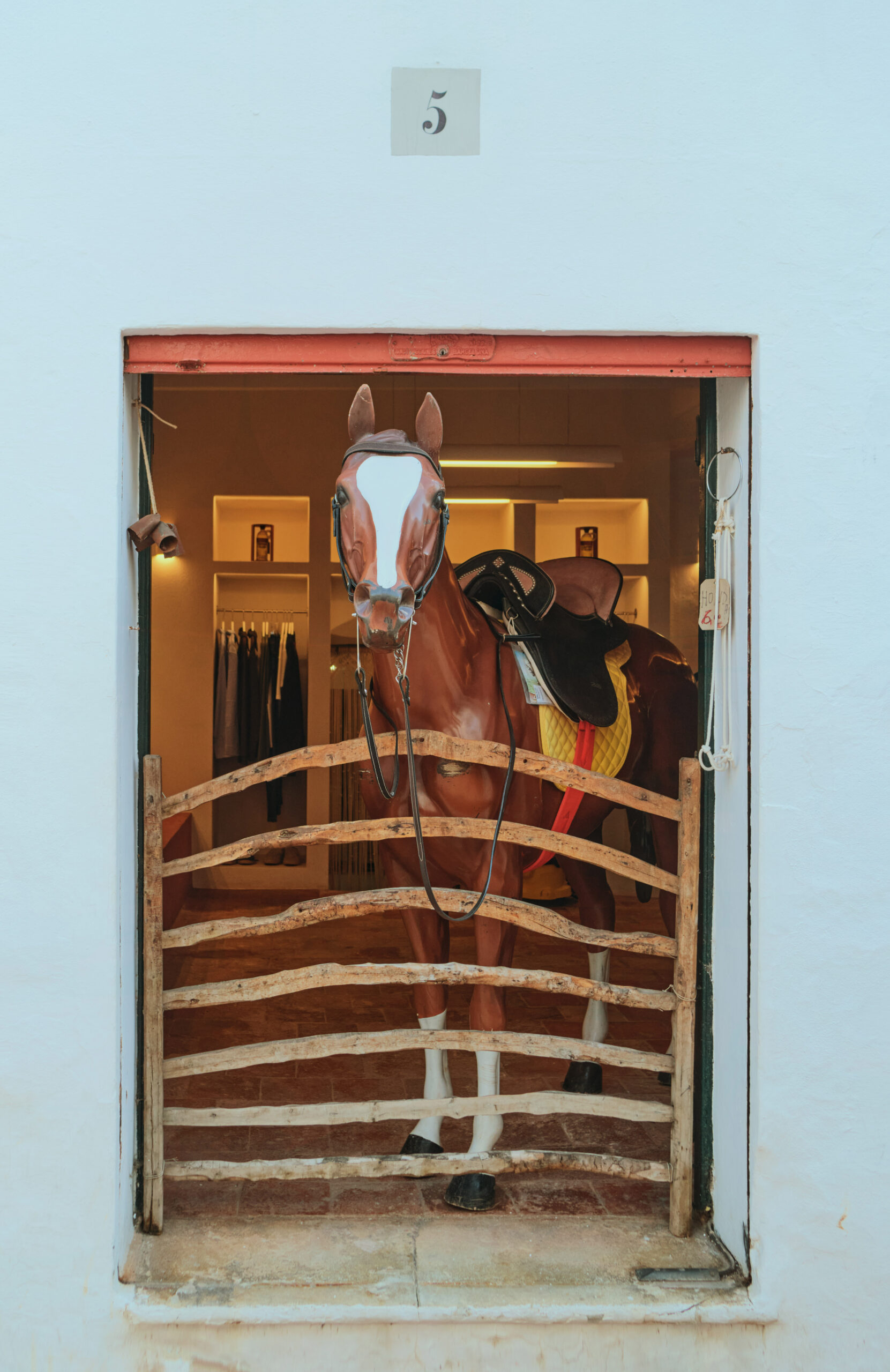
Esparter 1815 catches your eye before you even step inside, with a sculpture of a horse peering out from the entrance. It is worth visiting this historic shop for its espardenyes, the local espadrilles, among other finds.
We also returned to La Cerería, whose selection of crafts, objects and Nordic-inspired clothing we love. We always seem to find a little treasure here.
Illa del Rei, a visit that begins on the water
Set in Mahón’s natural harbour, Illa del Rei is somewhere we recommend taking your time, both for the art and gardens and for the history of the island itself.
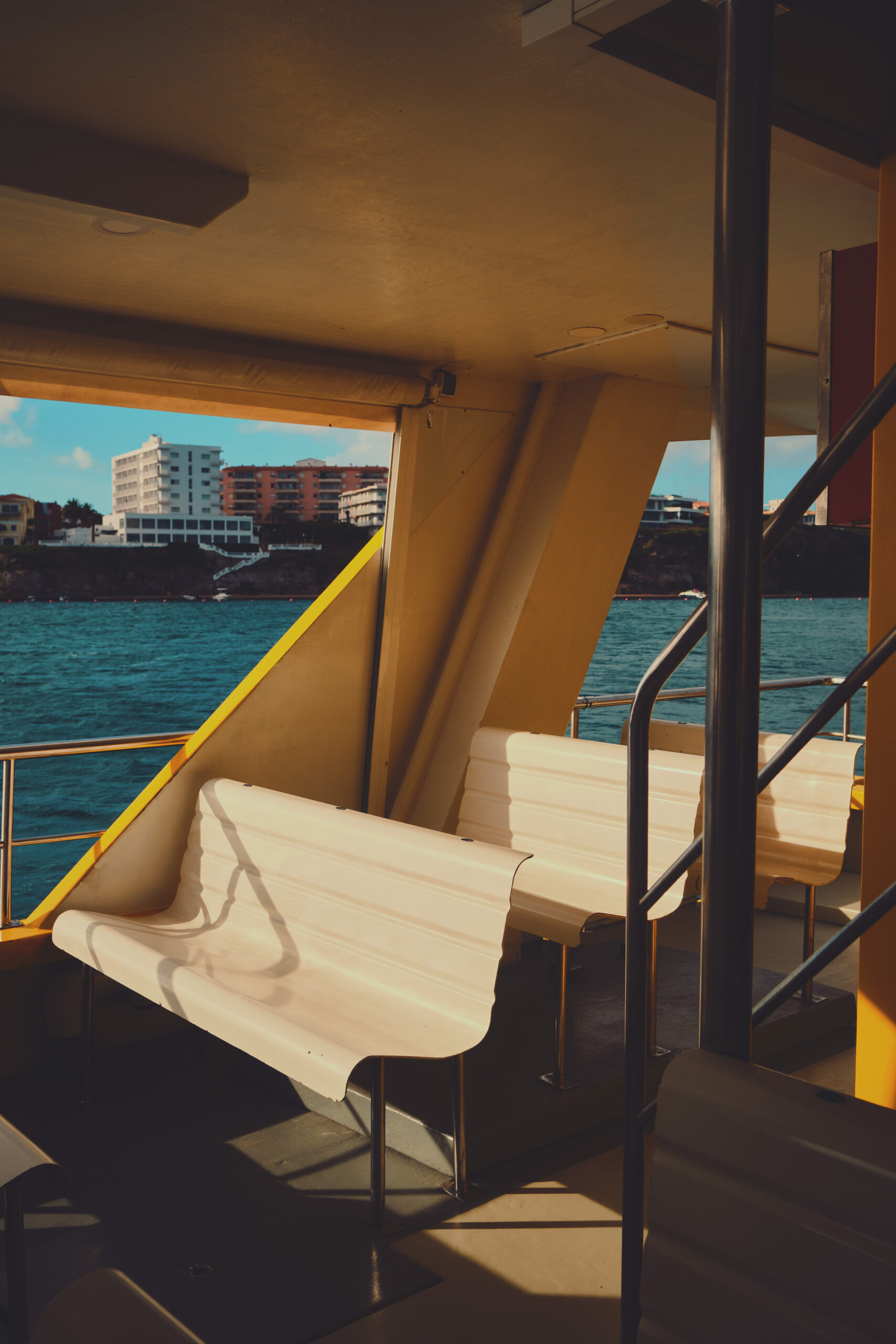
The short boat crossing puts a little distance between you and the town. On the island, the history of the former naval hospital sits alongside the contemporary art programme of the Hauser & Wirth gallery.
Luis Laplace’s architectural work and the gardens designed by Piet Oudolf are as much a part of the visit as the exhibition rooms. The route leads from one building to the next through the planting, opening up views across the harbour along the way. Stepping outside is part of the experience of seeing art here.
After exploring the exhibition and gardens, it is worth staying for lunch at Cantina. Artfarm, Iwan and Manuela Wirth’s hospitality company, runs the restaurant beside the art centre.
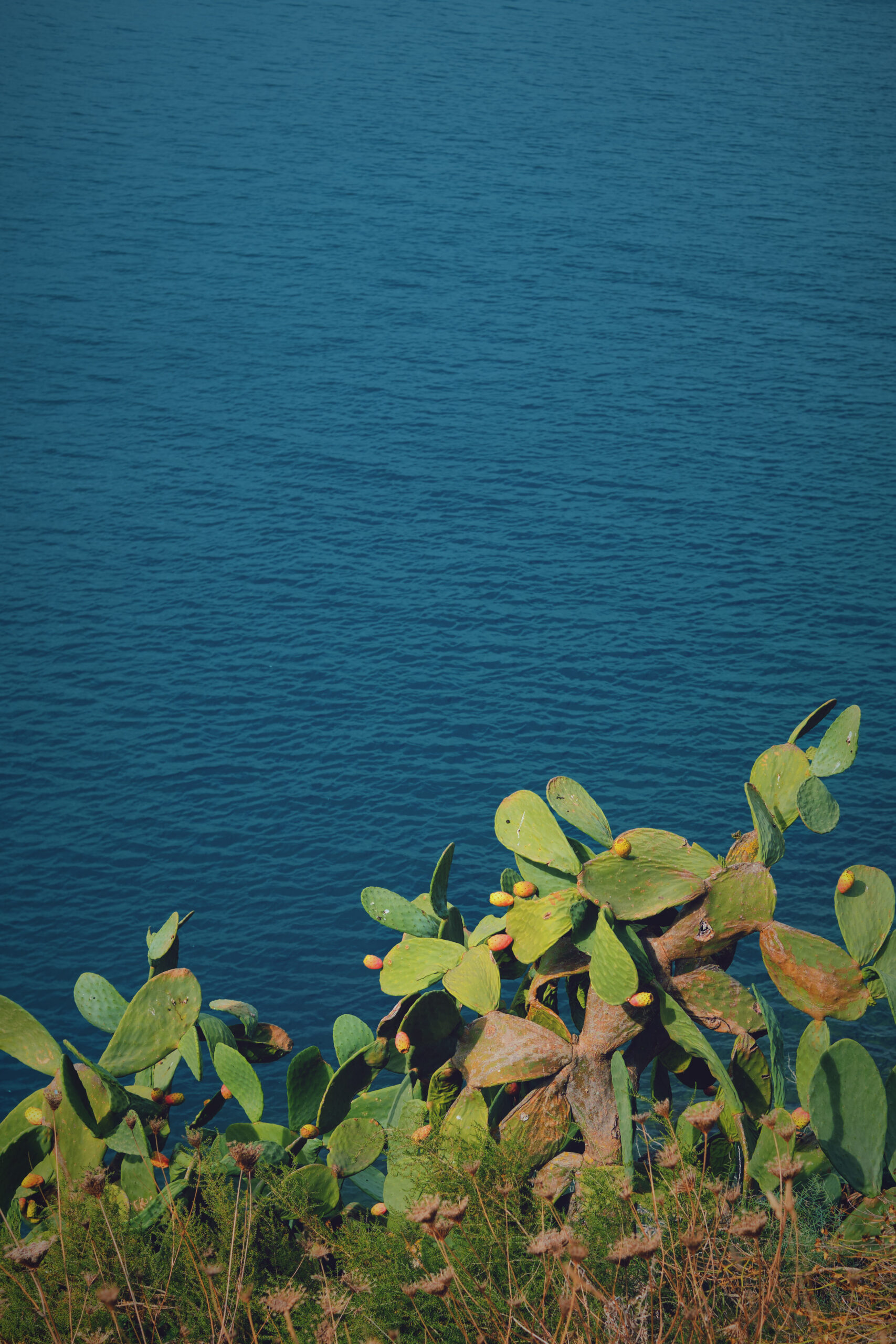
The kitchen occupies the building where meals were once prepared for the naval hospital, and the tables are set outdoors in the shade of wild olive trees. Menorcan produce takes the lead on the menu, with fish, rice dishes and seasonal vegetables to share. With the harbour in view, it is tempting to linger at the table before catching the boat back to Mahón.
Binidalí, Binibeca and coffee to take home
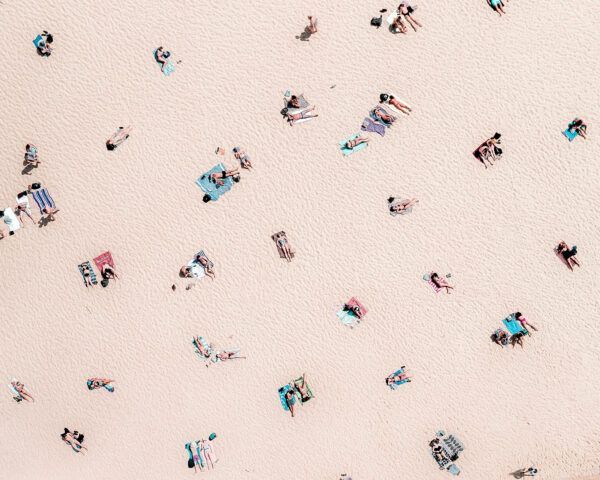
Cala Binidalí is a small cove on the south coast where the sea finds its way between the rocks to a sandy beach. From above, you can see how sheltered it is, and the colour of the water is enough to tempt you down even if you had no plans to swim. Som Sis, the bar above the cove, is another good reason to come. We recommend stopping for a drink with that view, and the women who run it are lovely.
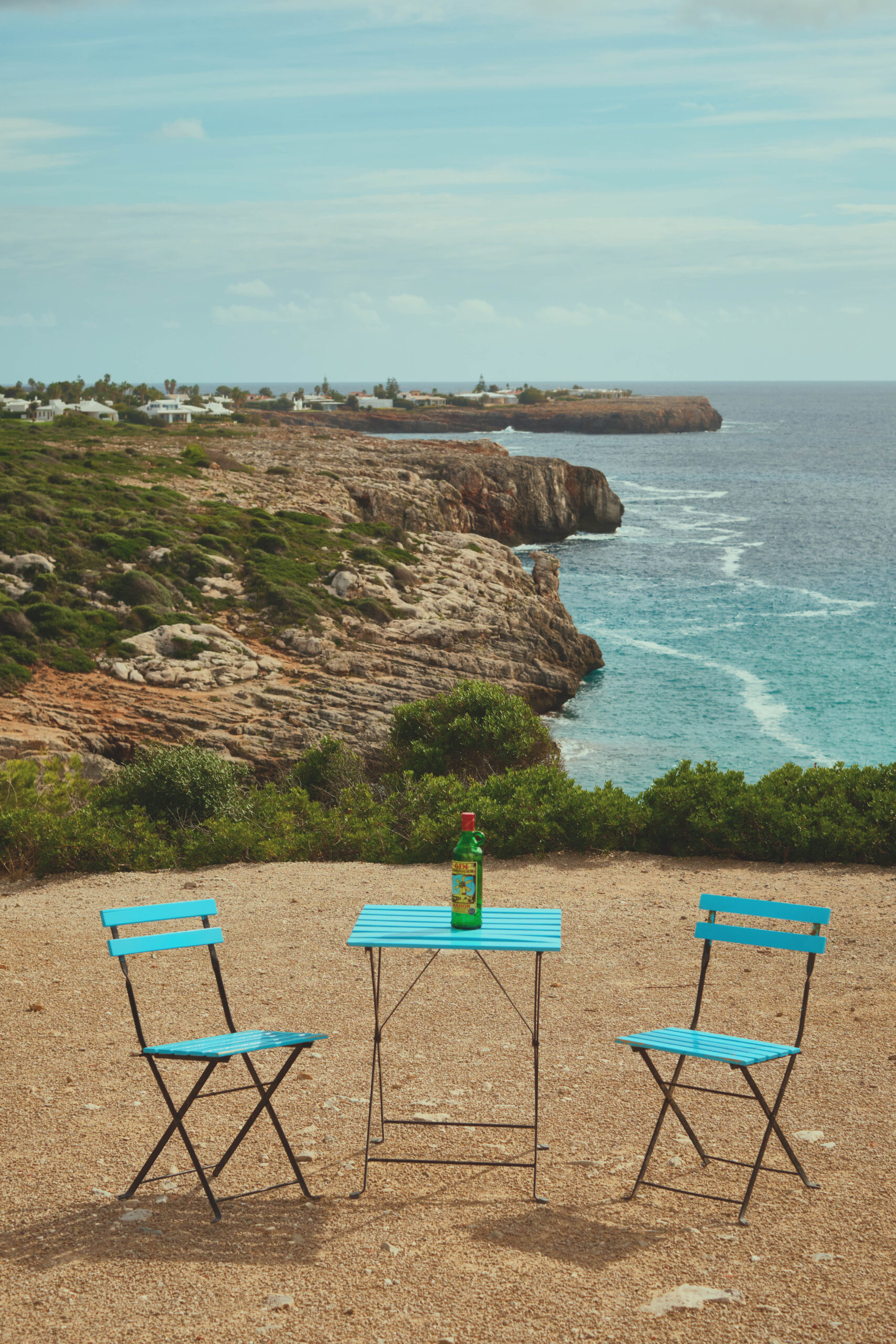
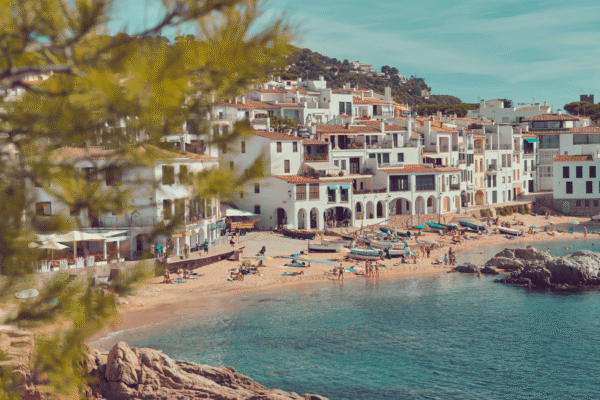
We always find our way back to Binibeca. However familiar its white houses, passageways and narrow lanes have become, there is always another corner where we want to stop or a different angle we want to photograph.
With fewer visitors out of season, we particularly enjoyed walking between the whitewashed houses, mindful of the peace and privacy of the people who live here.
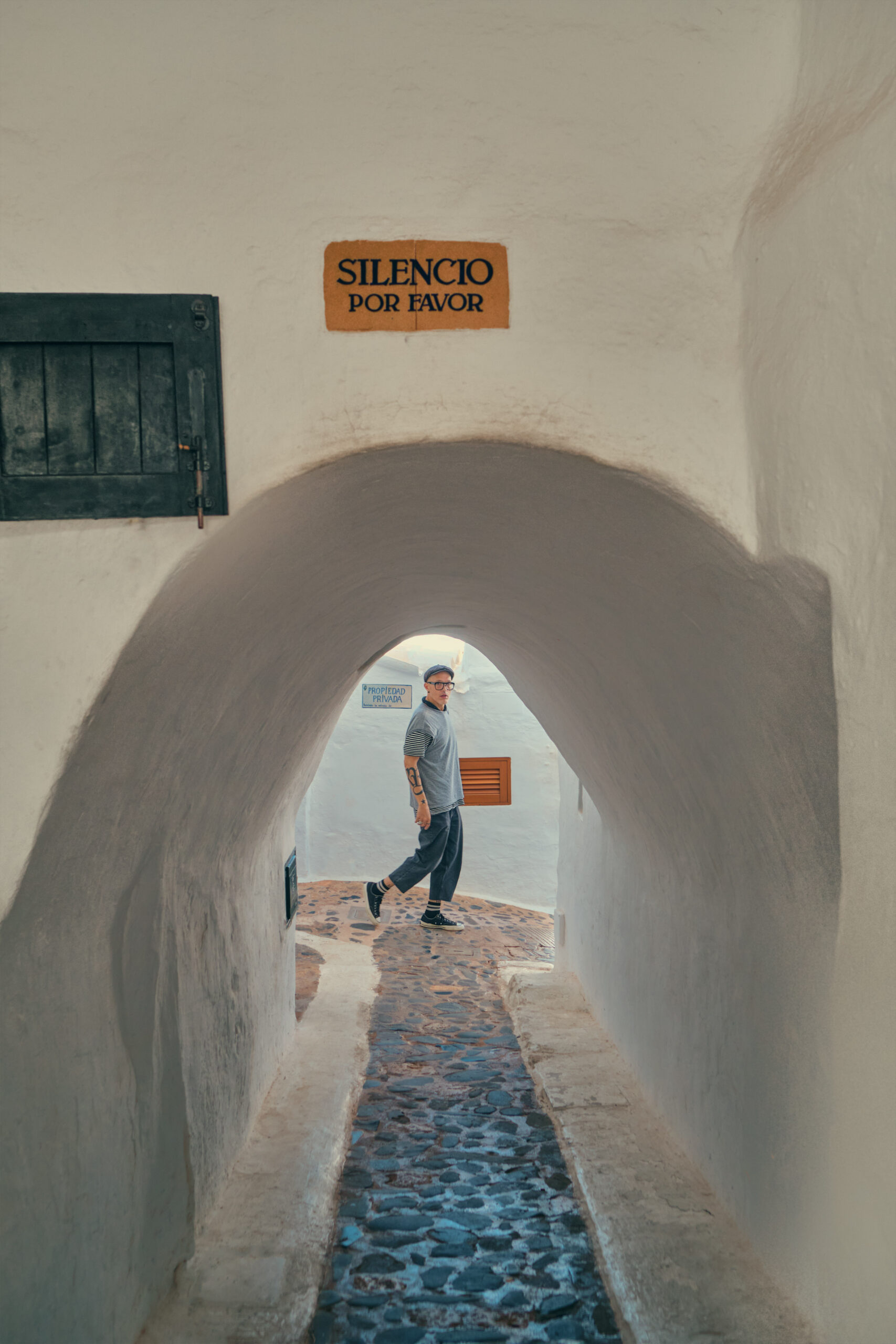
Cardenal Coffee Roasters, Menorca’s first speciality coffee roastery, is worth a visit in its own right.
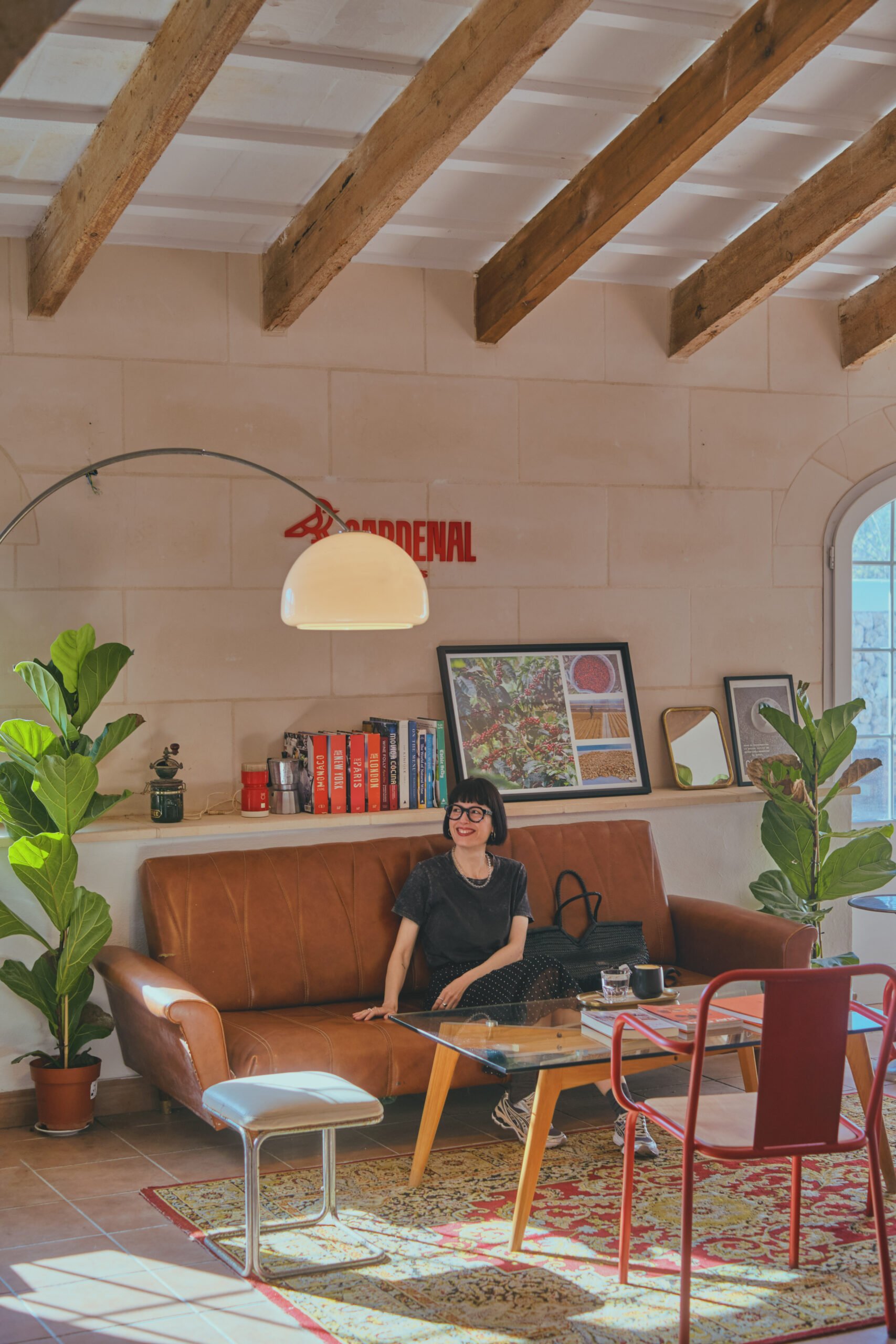
Its premises are on an estate in Binibeca Vell, in Sant Lluís. We recommend dropping in to see the space, have a coffee and pick out a single-origin coffee to brew at home.
Siempreviva and Santa Ponça, two reasons to explore inland Menorca
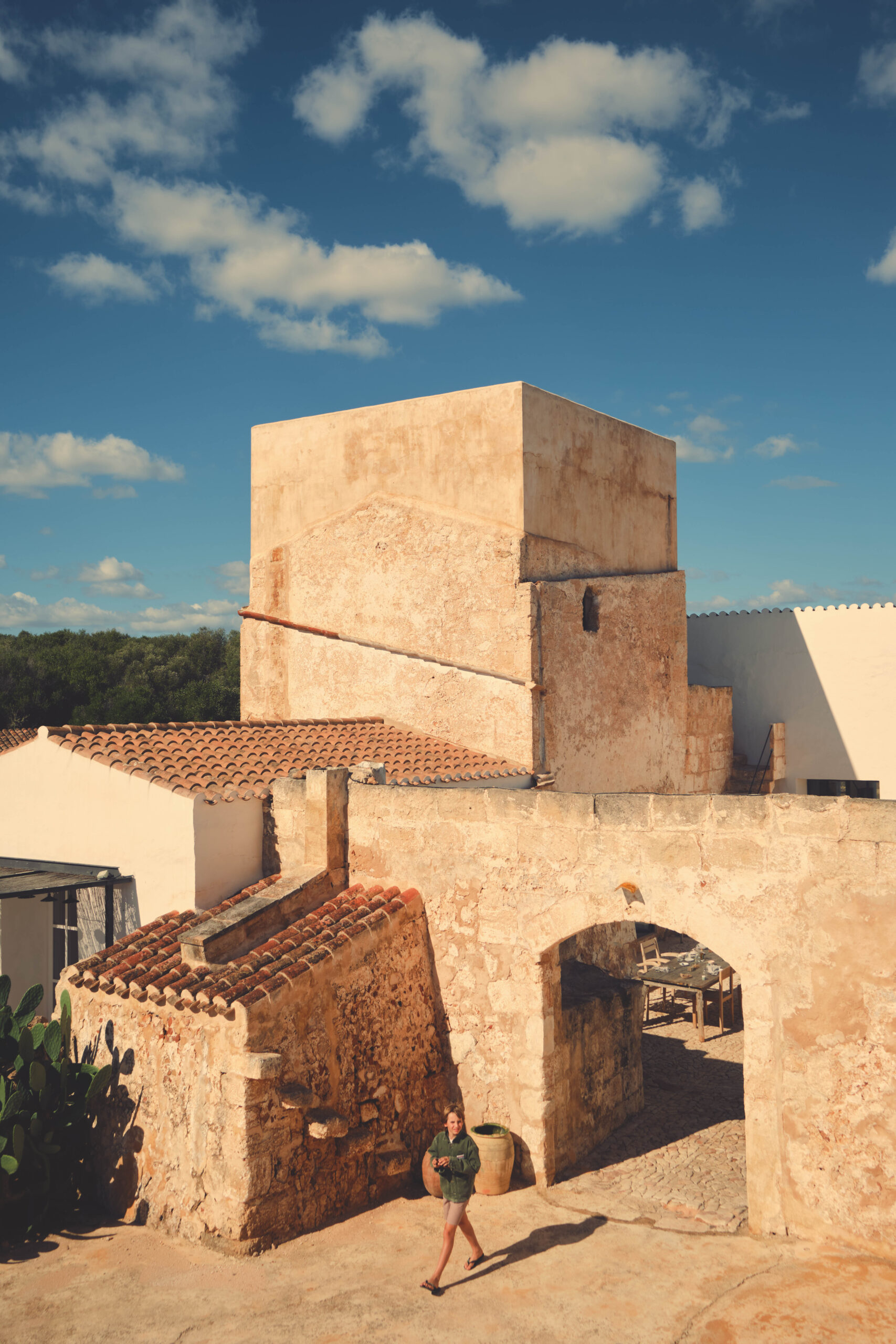
Our journey through the island’s interior took us to Torre Vella, the Fontenille hotel that is home to Siempreviva. Its Mediterranean cooking, with vegetables, fish and dishes cooked over the grill, is a good reason to visit the estate and get to know another side of Menorca, following country lanes to old farmhouses that now welcome travellers around the table.
The courtyard is part of the pleasure of eating here. We recommend allowing time to look around the estate as well, both for its architecture and for the countryside that surrounds it.
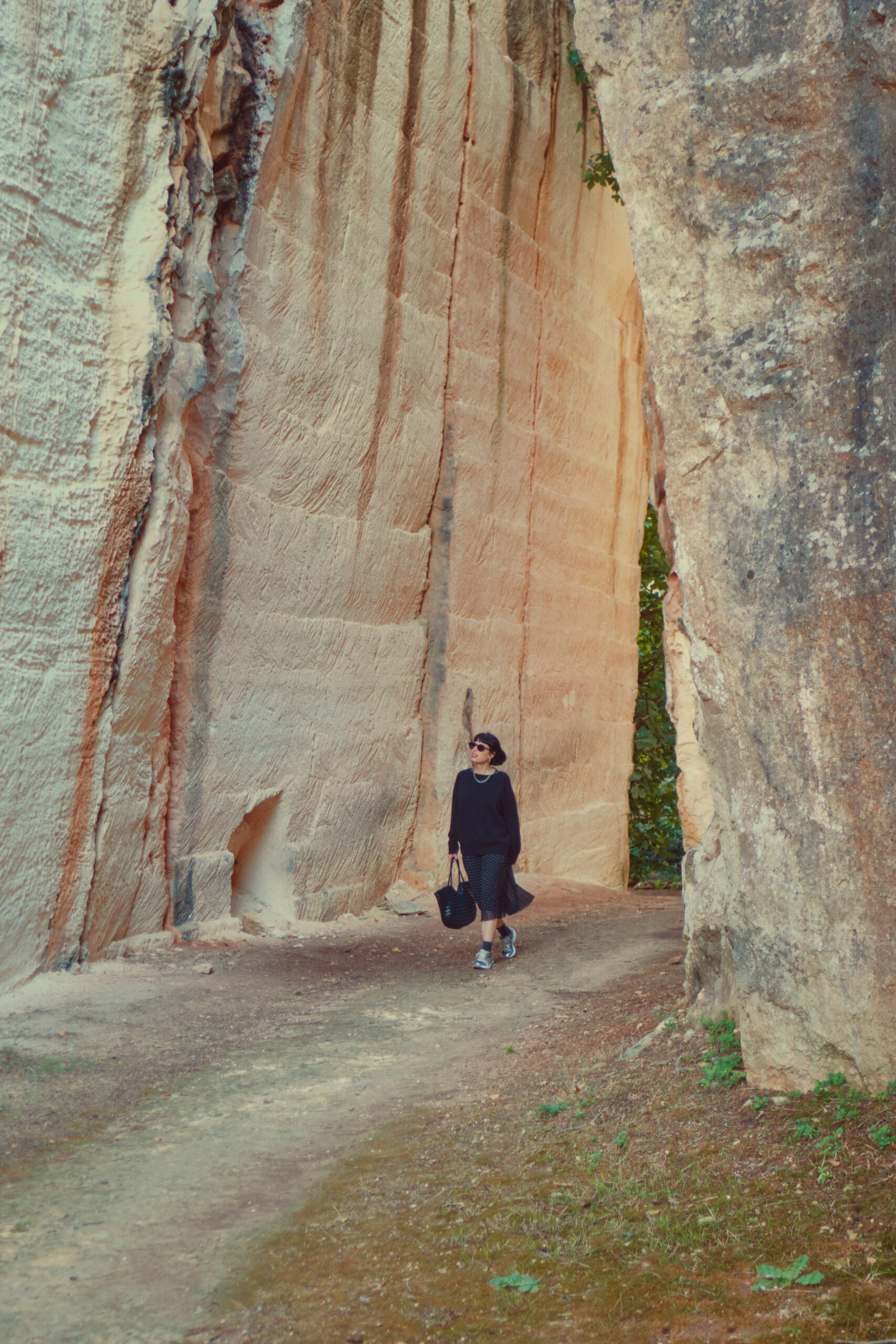
From there, we went on to the Pedrera de Santa Ponça. We have visited Líthica many times and still love it, but on this trip we wanted to explore this other marès stone quarry. It is much smaller and well worth a visit. Vegetation has grown up between its high walls, and the stepped cuts in the rock still show how the stone was quarried.
Where to eat and drink good coffee in Ciutadella
In Ciutadella, we enjoyed Better Coffee Co on Carrer de la Puríssima, where excellent speciality coffee is served alongside handmade cakes.
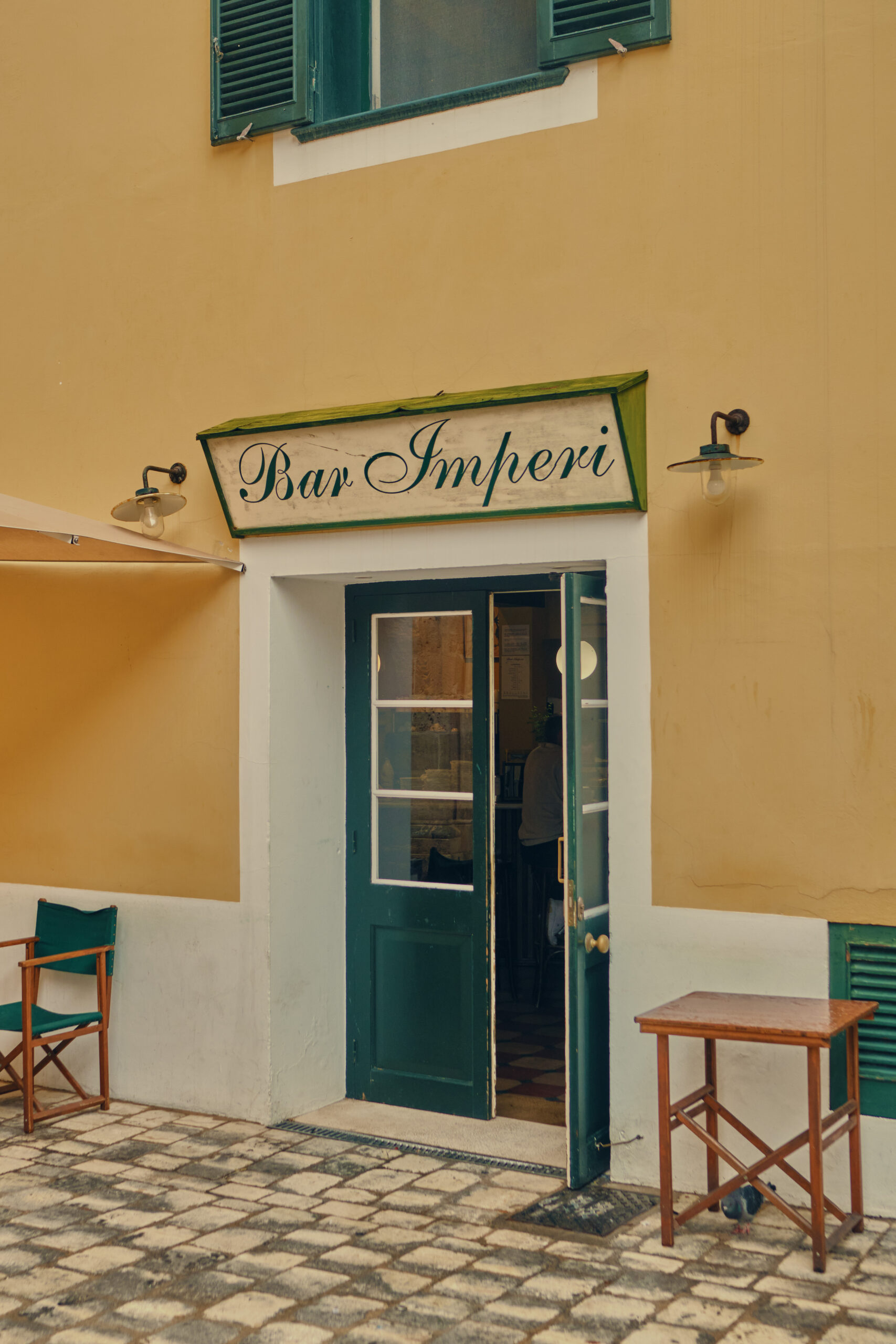
Naturally, we had to return to Bar Imperi, one of our favourite places on Plaça des Born. The llonguets, small bread rolls served with a choice of fillings, are reason enough to sit down and enjoy the life of the square before carrying on through the town centre.
This time we also ate at El Hogar del Pollo, an unassuming restaurant where the food is what brings people in. The décor is modest and you soon forget about it once the plates arrive. The octopus is a dream and reason enough to go.
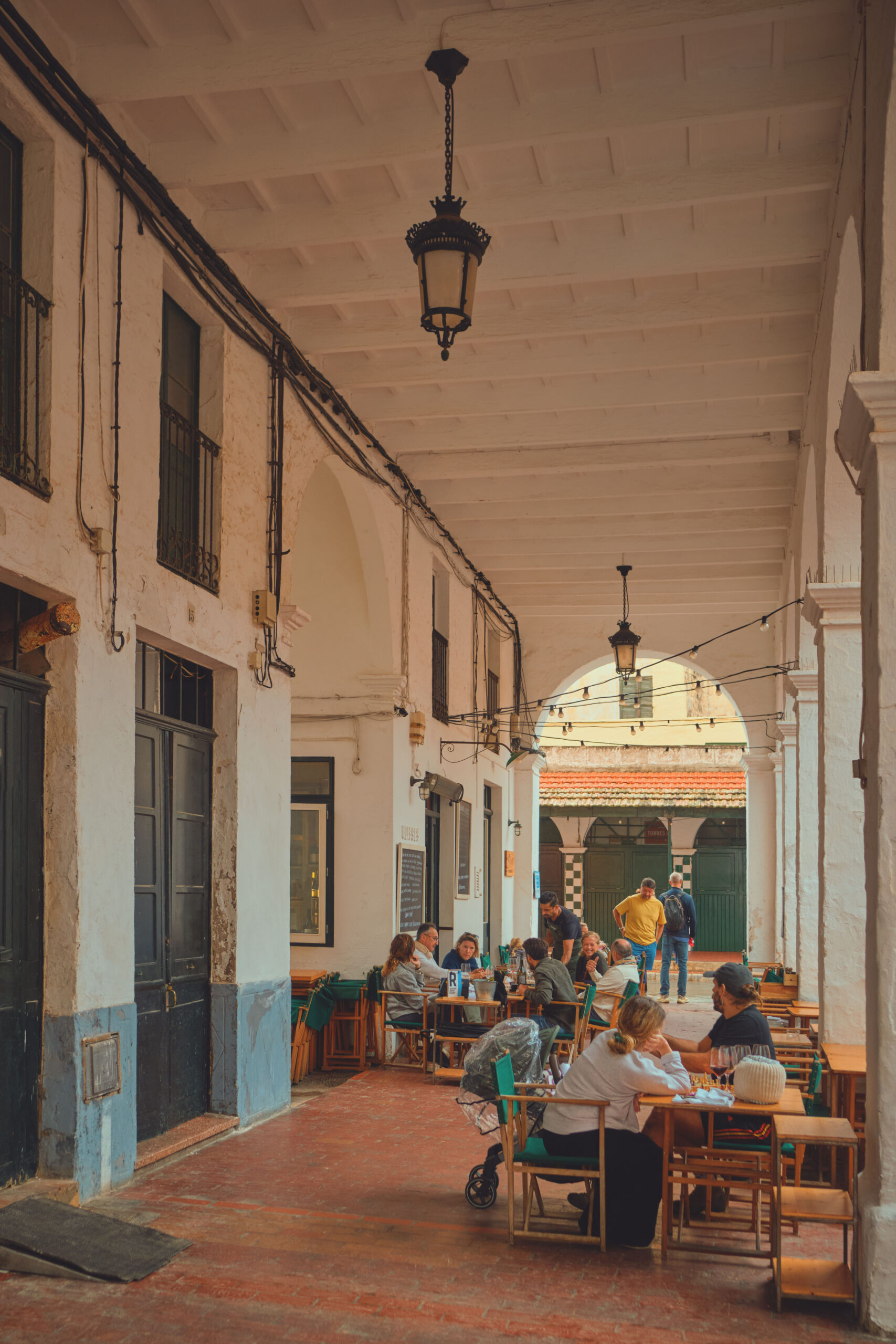
We also stopped for an aperitif at Ulisses Menorca, beside the market. The food lets the ingredients speak for themselves, and there is a well-chosen selection of wines and cocktails. A table right on the market square is an added pleasure in one of Ciutadella’s liveliest spots.
Favàritx and Artrutx, two lighthouses worth returning to
We revisited two lighthouses on this trip, Favàritx and Artrutx. At Artrutx, near Ciutadella, we recommend timing your visit for sunset. Artrutx Sea Club, a bar at the foot of the lighthouse, is a place to sit with a drink facing the sea as the sun goes down. The sunsets here are extraordinary.
At Favàritx, in the north-east of the island, the visit begins well before you reach the lighthouse. We left the car in the car park and continued on foot for about half an hour, following the road to the headland. It is well worth the walk.
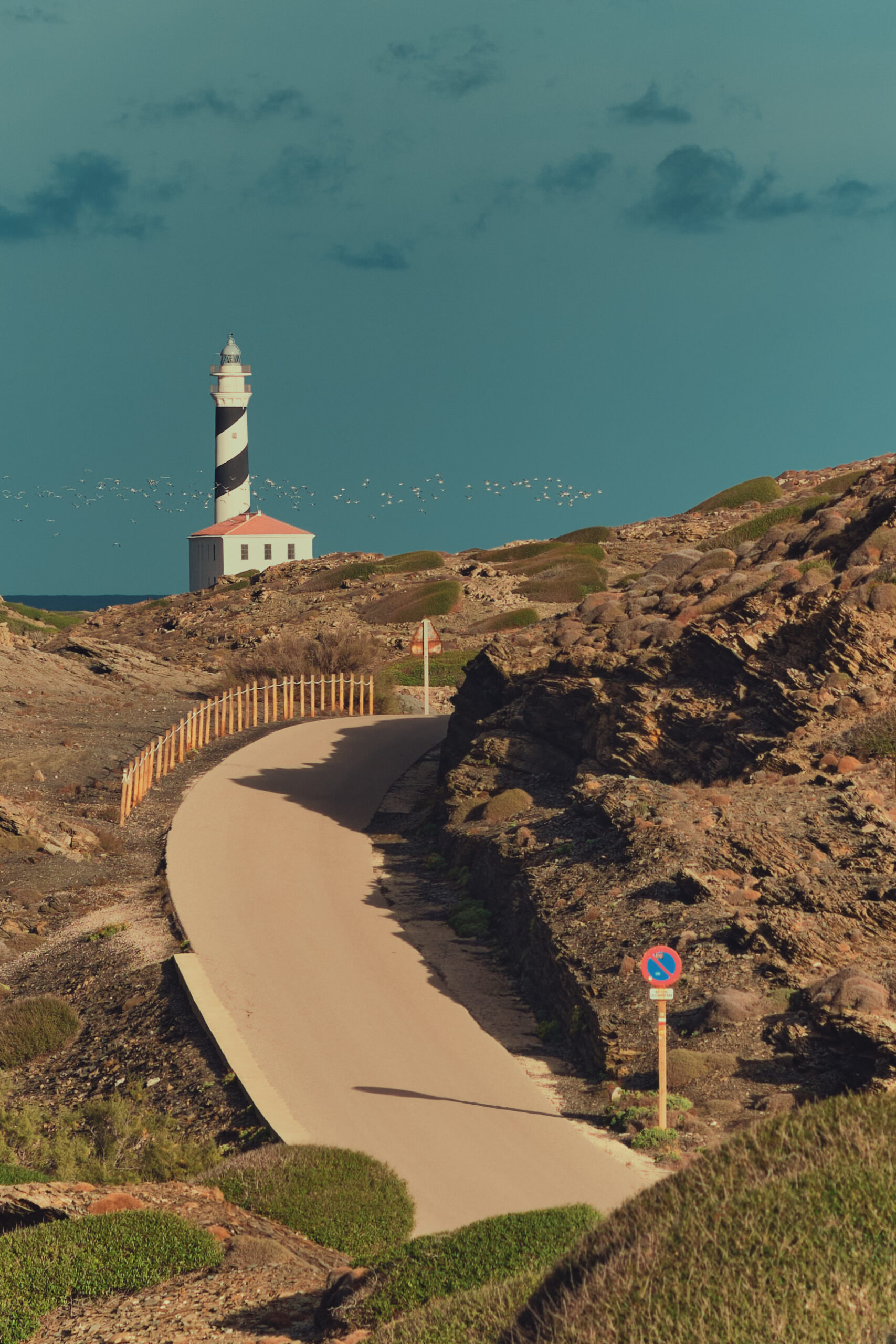
Ahead, the lighthouse comes into view with its distinctive spiral stripe, surrounded by a rugged landscape, sparsely vegetated and open to the wind.
We knew the route, but walking it again reminded us why this stretch of coast is one of the places on Menorca that has left the greatest impression on us.
Returning to Menorca in October
We loved being back on Menorca in October, with the season almost at an end. We had good weather for exploring and enjoyed the quiet that settles over the island at this time of year. With fewer visitors, you see more of everyday life, particularly in the streets of Mahón and Ciutadella.
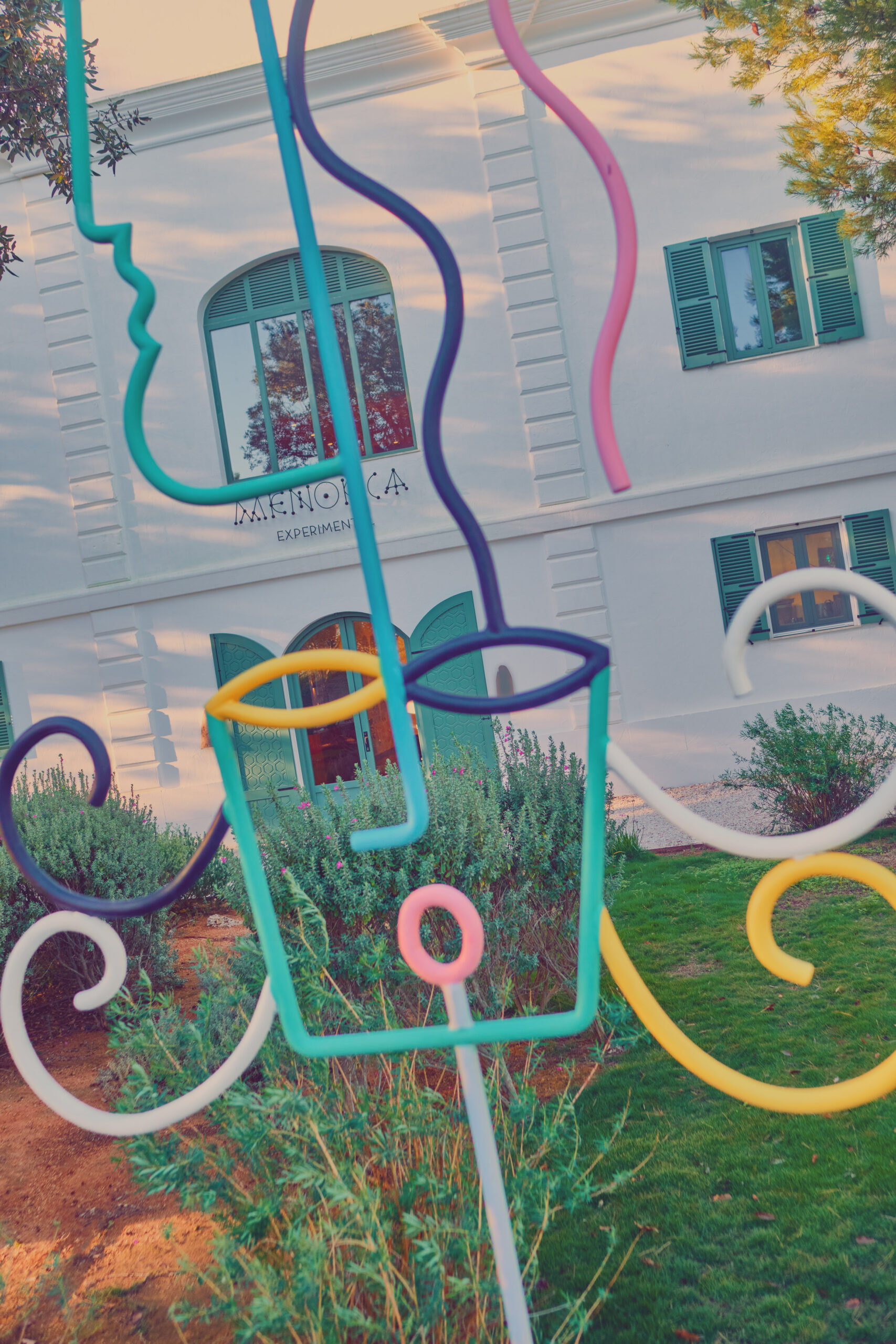
Of course, the great discovery of the trip was Menorca Experimental. Here on the estate, between the Alaior countryside and the sea, we loved Dorothée Meilichzon’s interiors with their pieces by LRNCE. We enjoyed the spa and Alex Larrea’s cooking just as much, and felt warmly welcomed by the team.
(*) Photography by Ely Sánchez.