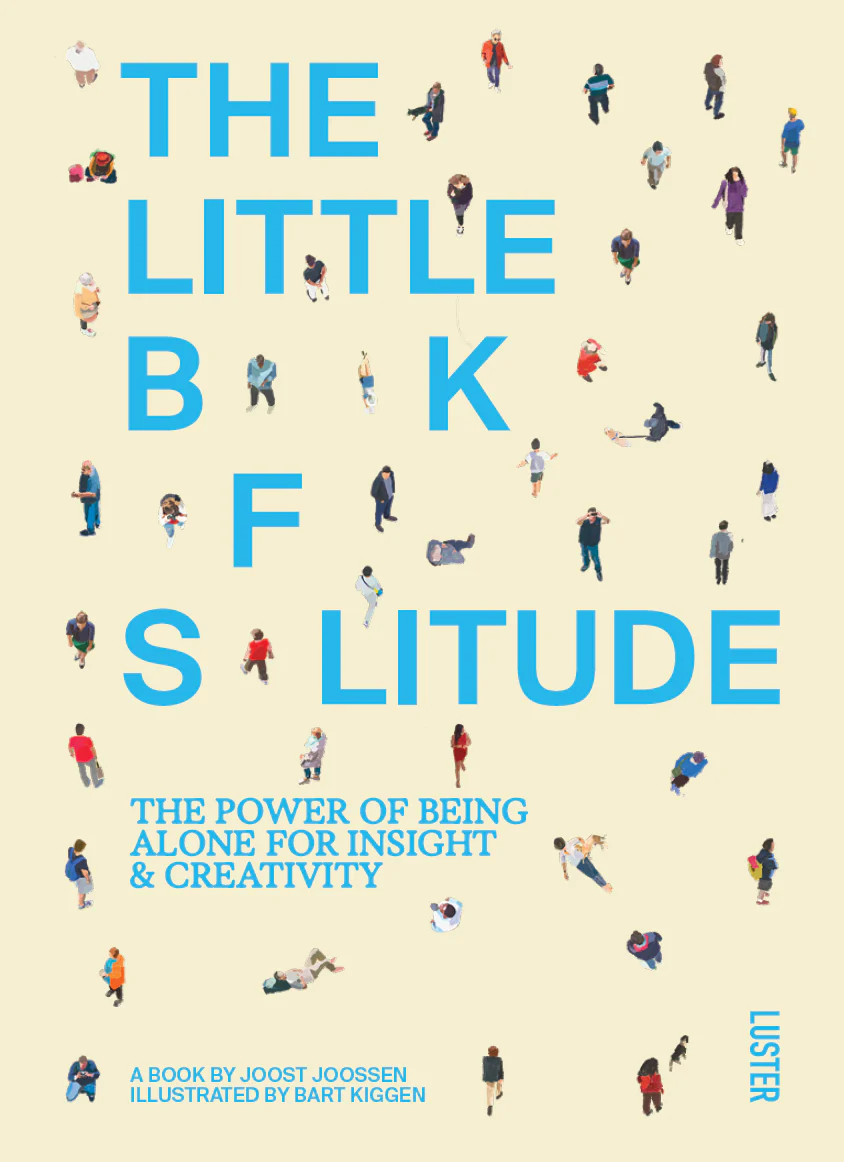
“The Little Book of Solitude”: The transformative power of being alone with yourself
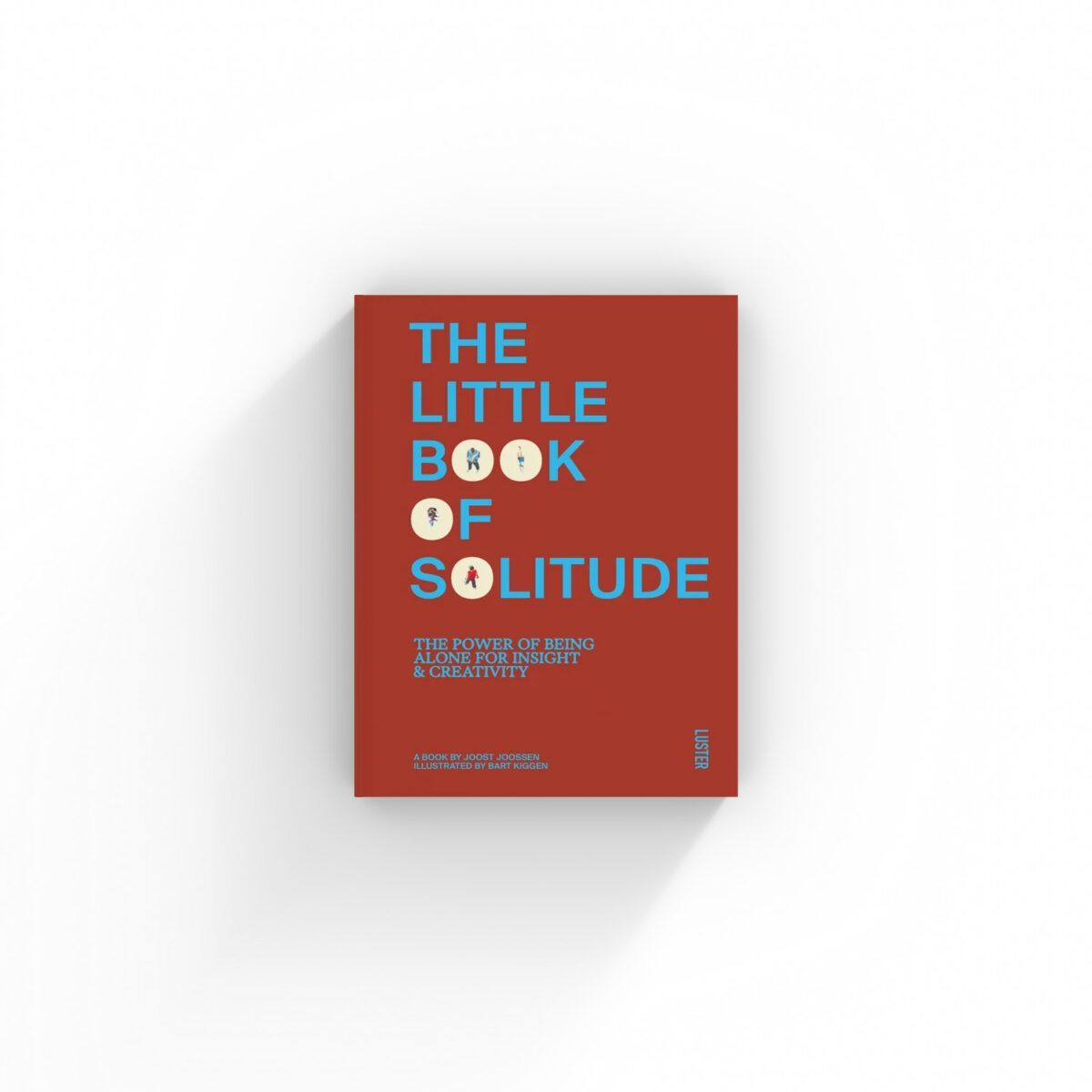
Can solitude be the spark that ignites our creativity and mental clarity? In a hyperconnected world where external noise seeps even into our most intimate moments, The Little Book of Solitude (Luster Publishing) arrives as a much-needed whisper. A small book, that resonates like a calm echo: a conscious invitation to reconnect with the most essential parts of our mind, body, and soul.
As you can see, this book doesn’t propose retreat or renunciation. It suggests something more subtle and powerful: a reconciliation with silence and with oneself.
Solitude as a source of creativity and insight
Written by Joost Joossen and delicately illustrated by Bart Kiggen, “The Little Book of Solitude” defends a transformative idea: being alone is not emptiness, but fullness. Chosen solitude is not disconnection; it is reconnection. It’s a fertile space where ideas mature, emotions become clear, and where, often, the unexpected emerges.
Throughout its pages, the book gathers the stories of over 55 brilliant minds—artists, writers, thinkers, creators from different eras—who learned to make solitude their greatest ally. Virginia Woolf, Edward Hopper, Thoreau, Agnes Martin, Frida Kahlo, among others, appear as examples of a creative life nurtured in silence, reflection, and contemplation.
Far from idealising isolation, the book speaks of inhabited, conscious, chosen solitude. The kind that doesn’t hurt—but liberates. Not a lack, but a possibility.
“People seek retreats for themselves, in the country, by the sea, or in the mountains… But the best retreat is into your own mind.” Marcus Aurelius
10 Benefits of Being Alone
Chosen solitude is a powerful tool for creativity, problem-solving and personal growth. It creates space for self-reflection and helps you discover who you truly are. Surprisingly, spending time alone can even enrich your relationships. It allows you to cultivate empathy, deepen your connections, and gain greater appreciation for others. Here are ten compelling reasons why solitude can bring positive change—not just to your life, but to those around you.
Creativity and Problem-Solving
Solitude gives you the freedom to unleash your creativity. It offers time to think and space for your imagination to roam, free from interruptions. In those calm moments, you can reflect on your thoughts and discover fresh, innovative ideas.
Freedom
When alone, you’re free to do whatever you like—without others’ opinions or expectations. Solitude allows you to truly listen to yourself, follow your instincts, and do what feels right. You might get lost in a creative project, a book, or simply do nothing at all. This freedom helps you reconnect with what truly brings you joy.
Relaxation and Stress Reduction
Solitude offers a break from the constant demands of social interaction and responsibility. It’s a moment to relax your shoulders and just breathe—whether that’s sitting in your favourite spot, taking a walk, or enjoying a quiet pause, even for a few minutes.
Focus and Productivity
Being alone removes distractions and boosts focus, helping you enter a “flow state”. This is essential for tackling complex tasks or engaging in deep, uninterrupted work.
Learning and Growth
Solitude can be a time of intellectual nourishment. Reading books, listening to podcasts or watching thoughtful films and documentaries can expand your knowledge and perspective.
Spiritual Growth
Solitude is essential for spiritual practices such as meditation, prayer, or contemplation. Being present with yourself encourages peace and stillness—allowing you to be fully in the moment.
“Now, just imagine for a moment what it would be like in your life to be without anxiety about imperfection… Accepting yourself just as you are.”Tara Brach
Healing
Solitude provides the peaceful, quiet space needed for emotional healing. By disconnecting from the noise of the world, you can process feelings, reflect on past experiences and face challenges or grief in your own time and rhythm.
Self-Discovery and Empowerment
Solitude allows for introspection and self-awareness. In those quiet moments, you can explore your thoughts, behaviours, and motivations—gaining clarity about your needs, boundaries, and purpose. This builds confidence and leads to more intentional living.
Independence, Intuition and Goal-Setting
Being alone strengthens your self-reliance and helps sharpen your intuition. It’s a time to reflect and make decisions based on your own values. Without external influence, your focus becomes clearer and your growth more aligned with your inner truth.
Deeper Relationships
Time alone increases emotional awareness. It helps you be more present, empathetic and intentional in your interactions. The better you understand yourself, the more meaningful your relationships become.
“Apply yourself to solitude. One who does so will see things as they are.” Buddha
What does The Little Book of Solitude offer?
This is not merely an essay on introspection. It’s a hybrid work: part philosophical guide, part emotional diary, part artistic manifesto, part daily ritual. A gentle, thought-provoking and beautifully produced book that offers quiet companionship for those seeking another way to be in the world.
It reminds us that:
1. Chosen solitude is a form of emotional strength.
2. Creativity flourishes in silence and space.
3. Introspection is not selfishness—it is self-care.
4. Stillness is not passivity—it is active presence.
Joost invites us to walk alone, to write aimlessly, to observe without distraction, to let the mind wander as a form of creation. And he does so with a warm, intimate and accessible tone that turns each page into a small moment of mindfulness.
“Be honest about who you are, both in your life and your work. This makes others feel less alone.” Charlie Kaufman