Hallways: Romain Laprade’s secret Paris
There are places we pass through without really looking at them: spaces designed simply to be crossed, a few metres between the street and the intimacy of a home, rarely demanding our attention. Romain Laprade has spent years showing us that it is precisely there, in what appears secondary or incidental, that extraordinary beauty can be found.
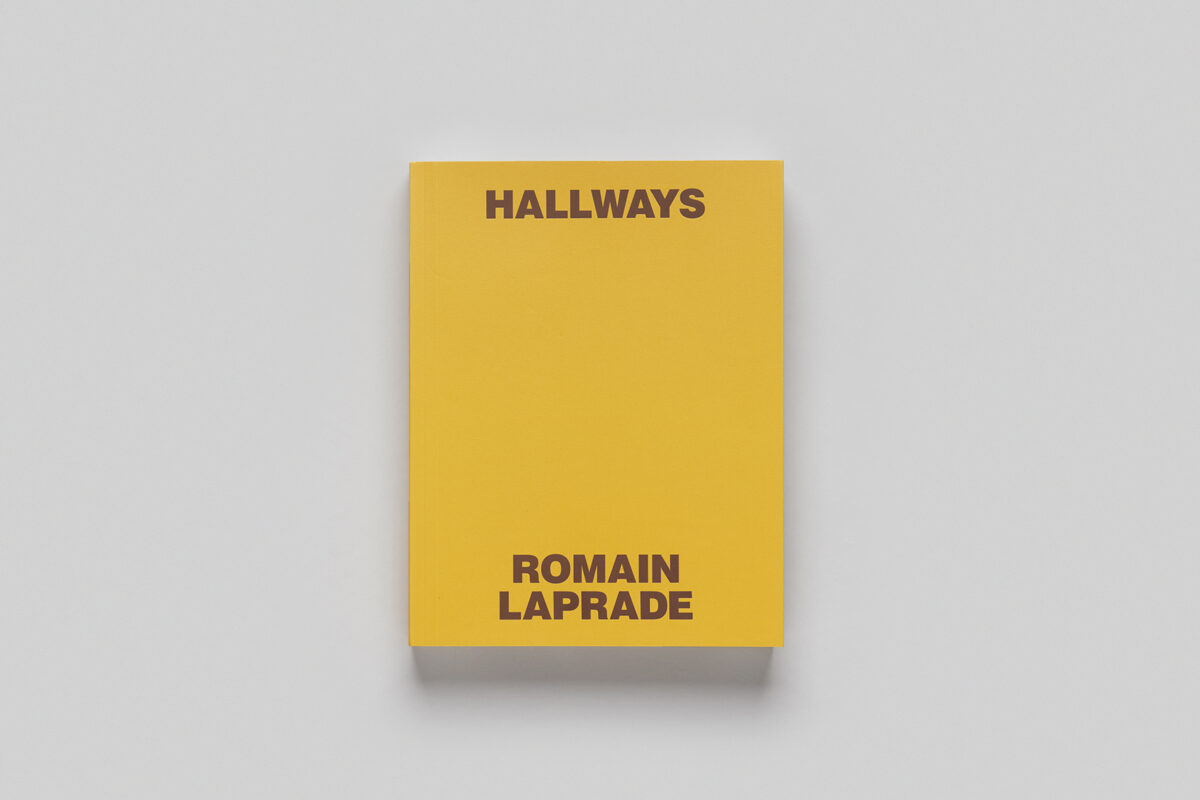
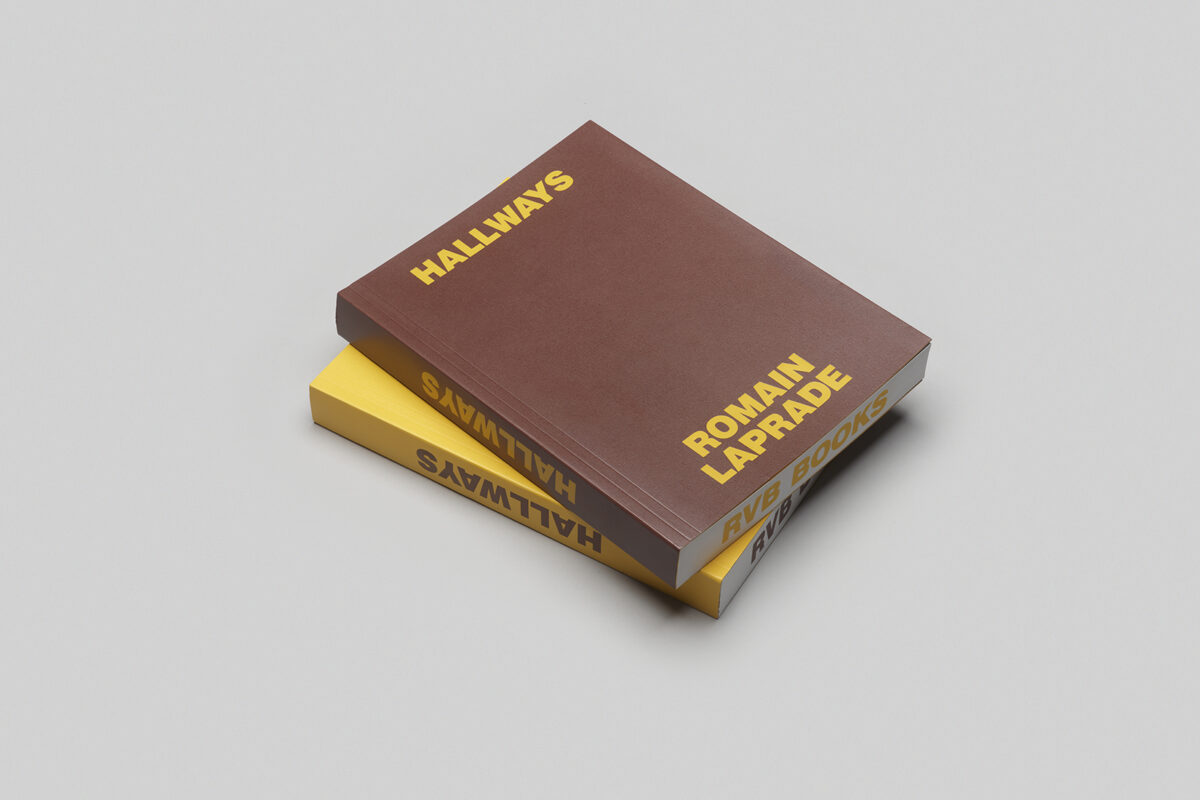
In Hallways, his new book published by RVB Books, the French photographer turns his attention to the entrance halls of residential buildings constructed in Paris between the 1950s and the 1980s. An apparently ordinary territory is transformed, through his lens, into a fascinating atlas of geometry, materials, colour and light.
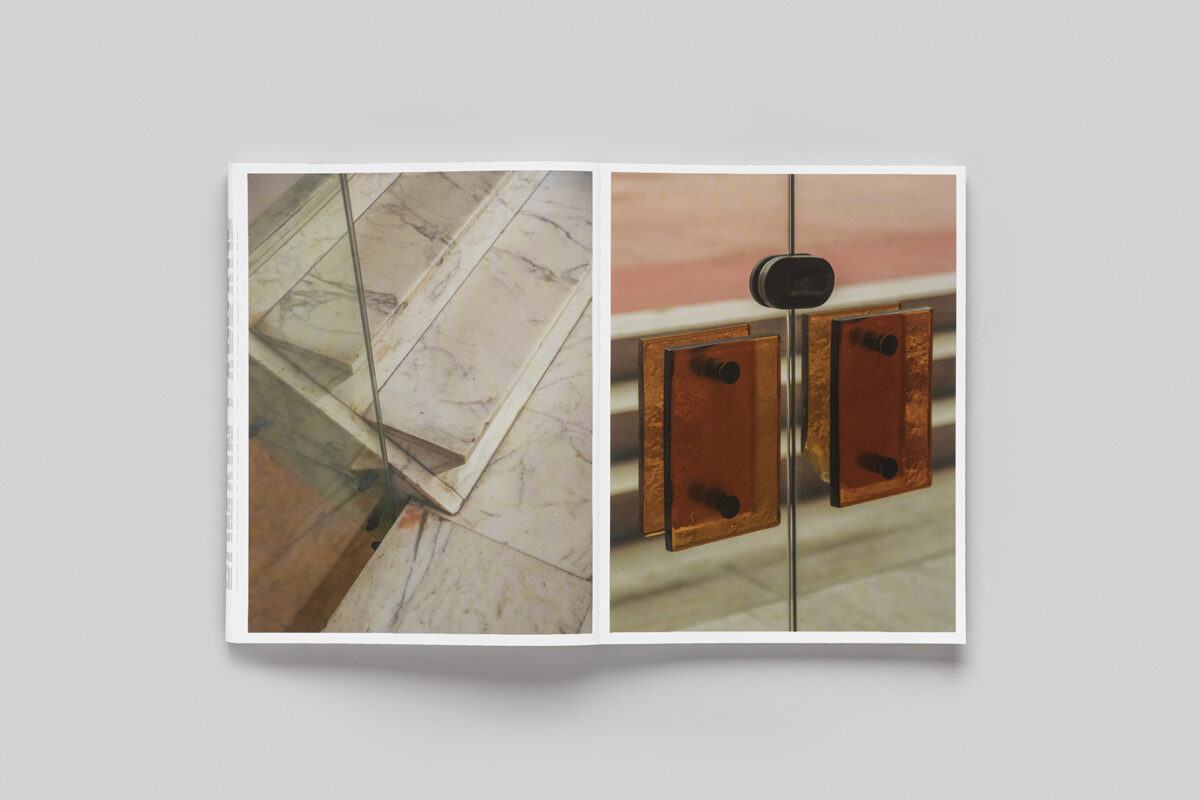
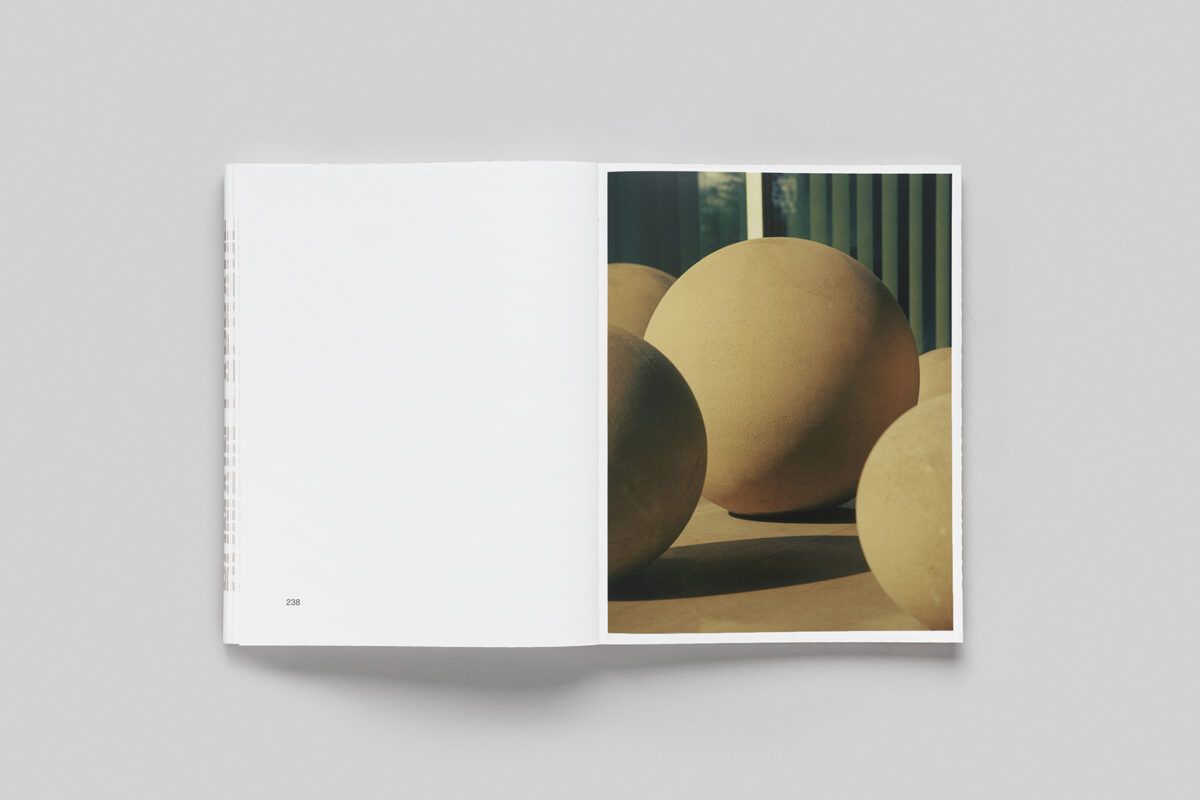
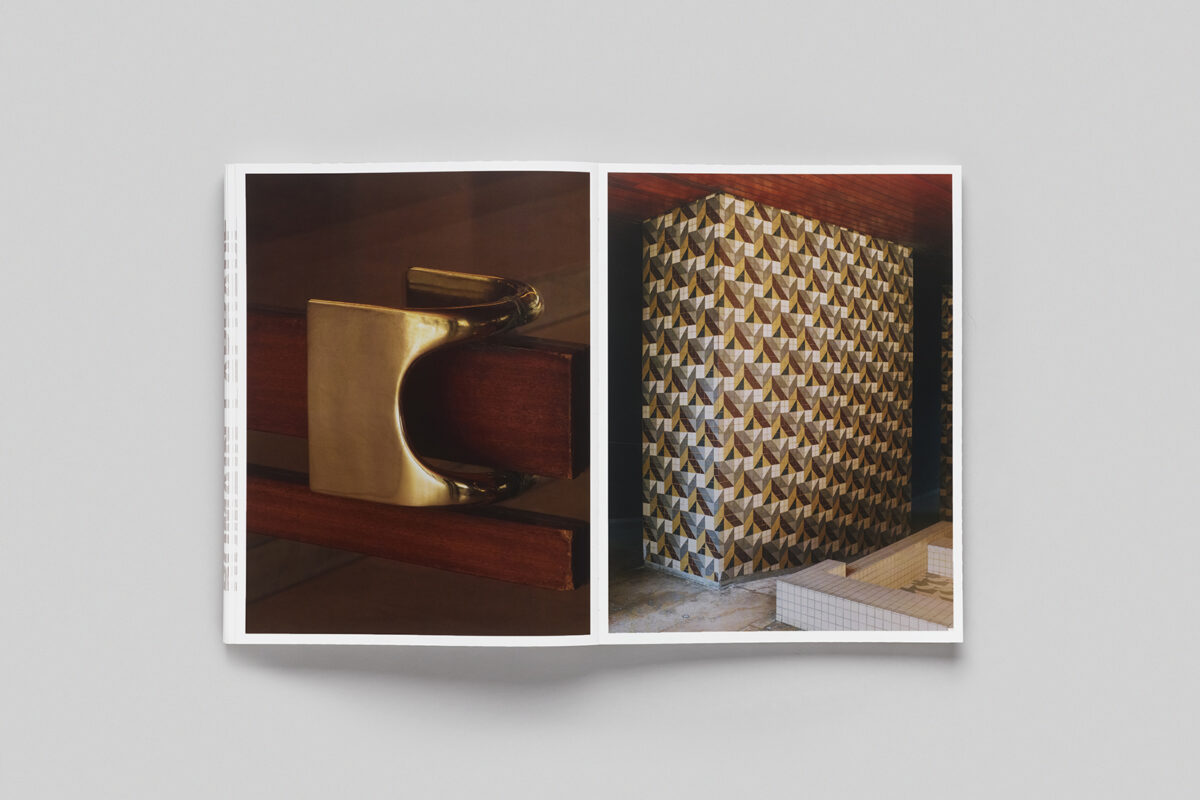
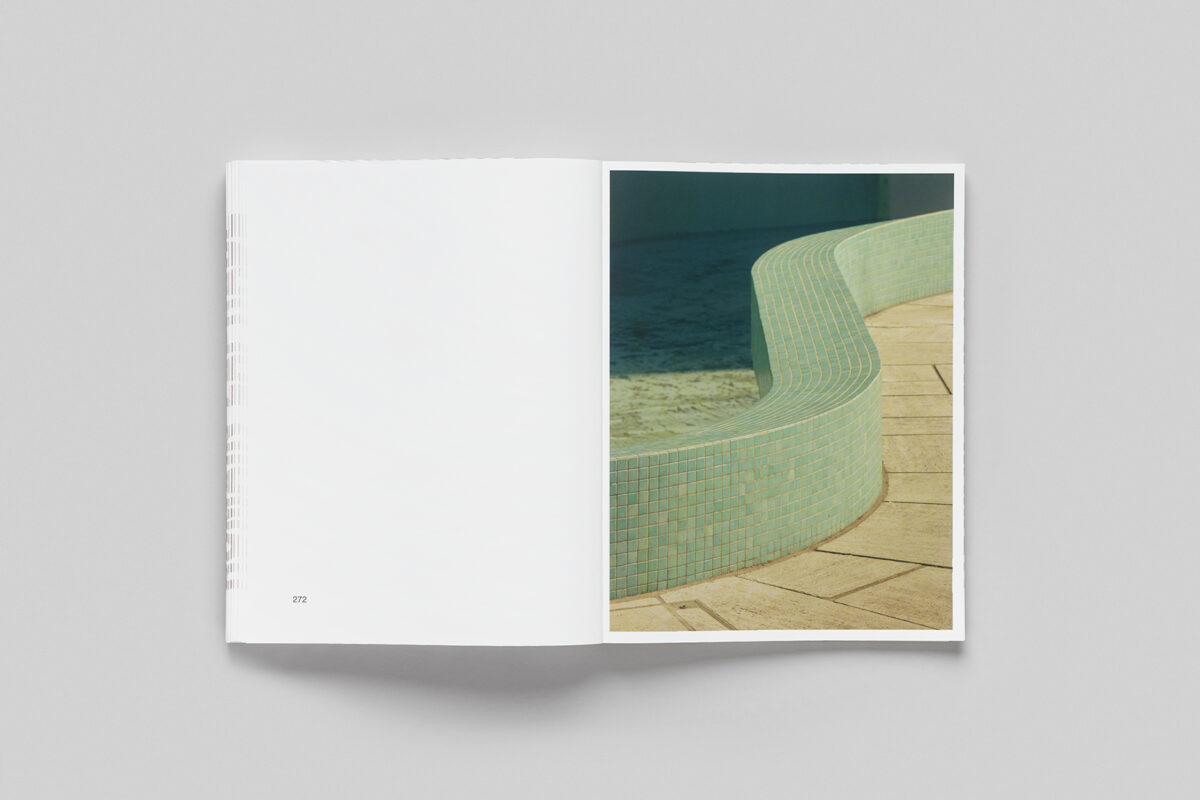
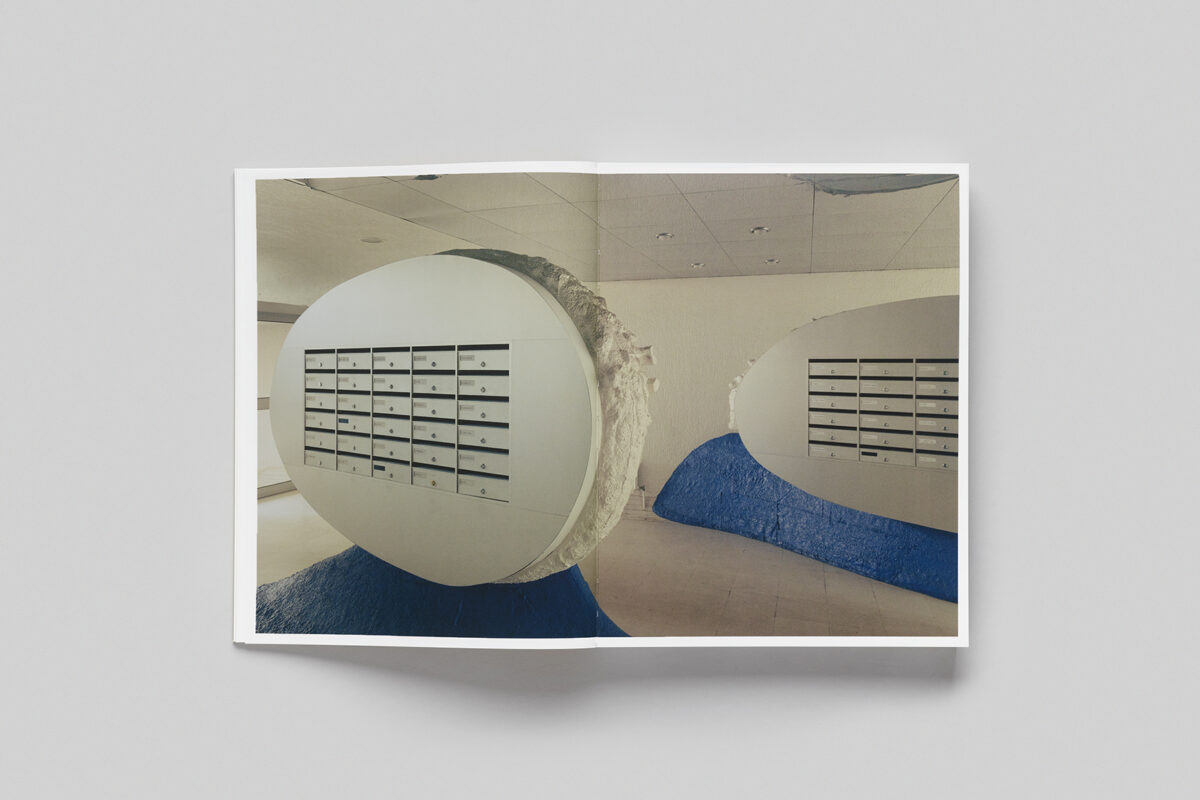
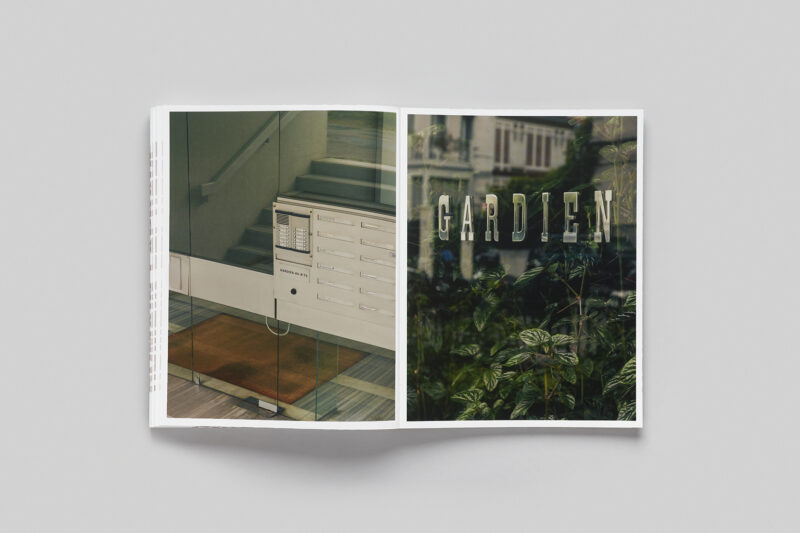
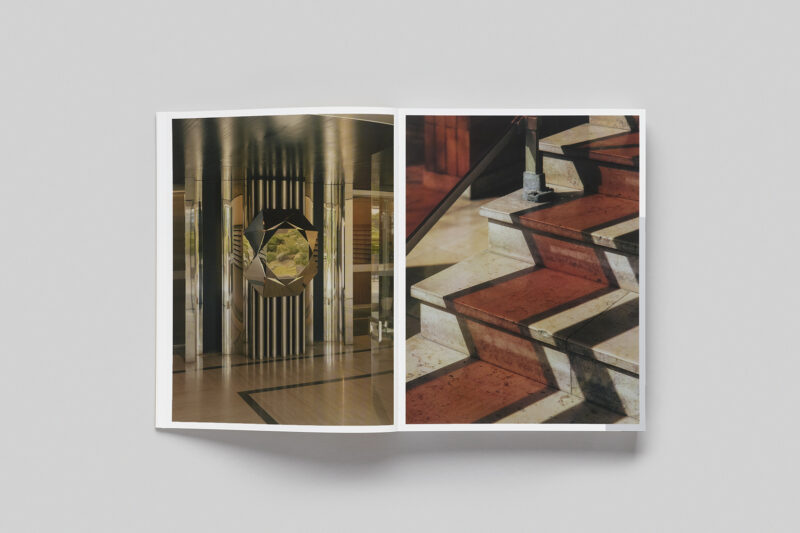
Mosaics, marble, mirrors, lighting, typography, letterboxes that become almost sculptural, and geometric compositions appear before us in an entirely different way. Laprade is not simply photographing architecture; he is photographing a way of seeing.
Beauty was in the entrance hall
For years, Romain Laprade has wandered through Paris in search of these discreet spaces, usually absent from the conventional routes of monumental architecture. They are places we simply pass through. And it is precisely here that much of the fascination of Hallways lies.
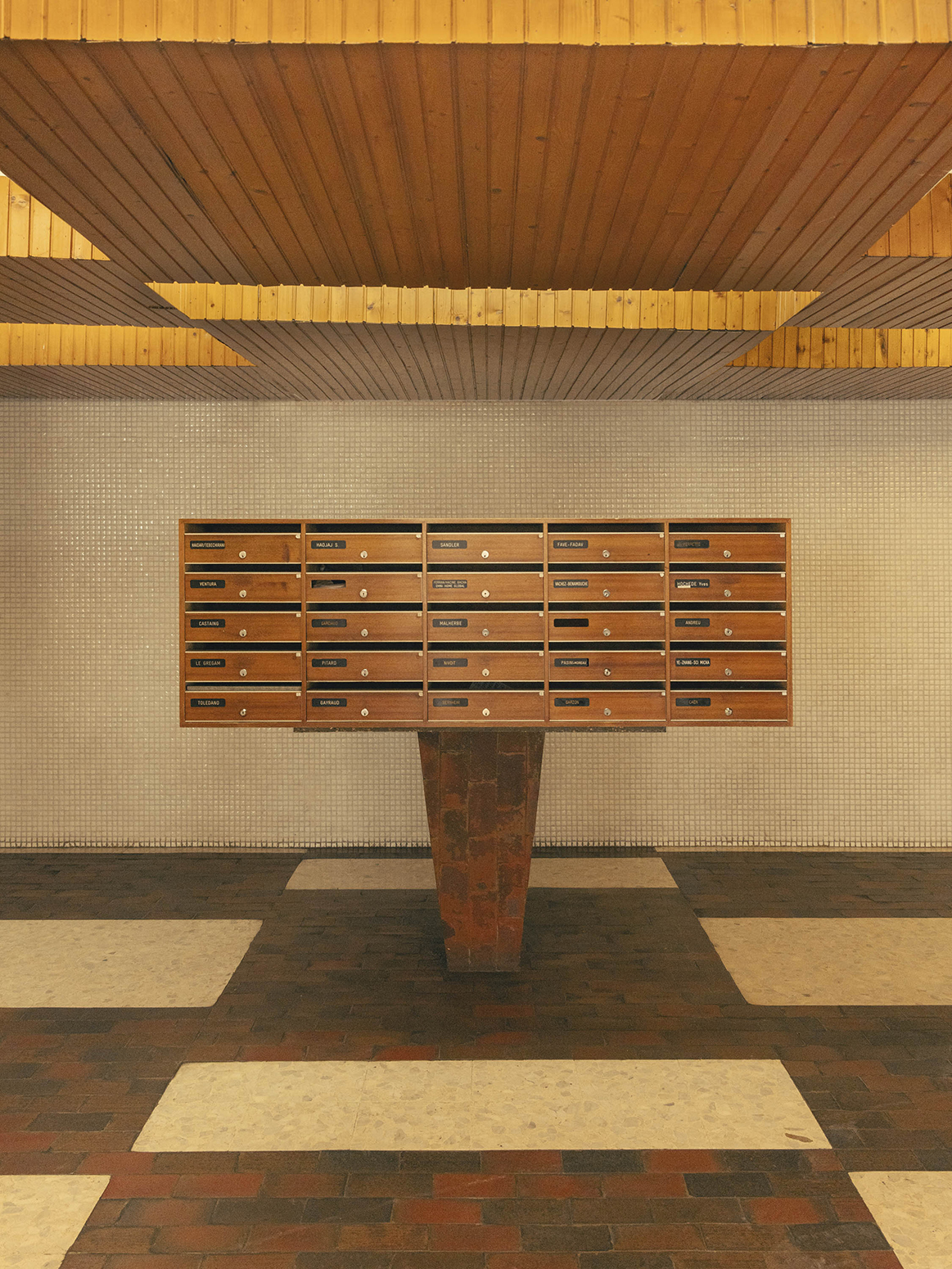
Once again, the photographer is drawn to what happens when, apparently, nothing is happening. His camera removes the noise and focuses our attention on a stone-clad wall, the curve of a staircase, a reflection in a mirror, a suspended light or the unexpected combination of two colours.
This interest in the seemingly banal connects directly with the visual language Laprade has developed throughout his career. As we explored in a previous article about his distinctive ability to find beauty in silence, his photography has the power to transform the most discreet details into images that remain in the memory. And in Hallways, that sensitivity finds the perfect setting.
Paris beyond Paris
Thinking of Paris in visual terms tends to summon a familiar set of images: Haussmann façades, wrought-iron balconies, cafés, boulevards, zinc rooftops and monuments reproduced endlessly. Laprade, however, takes us into a different Paris.
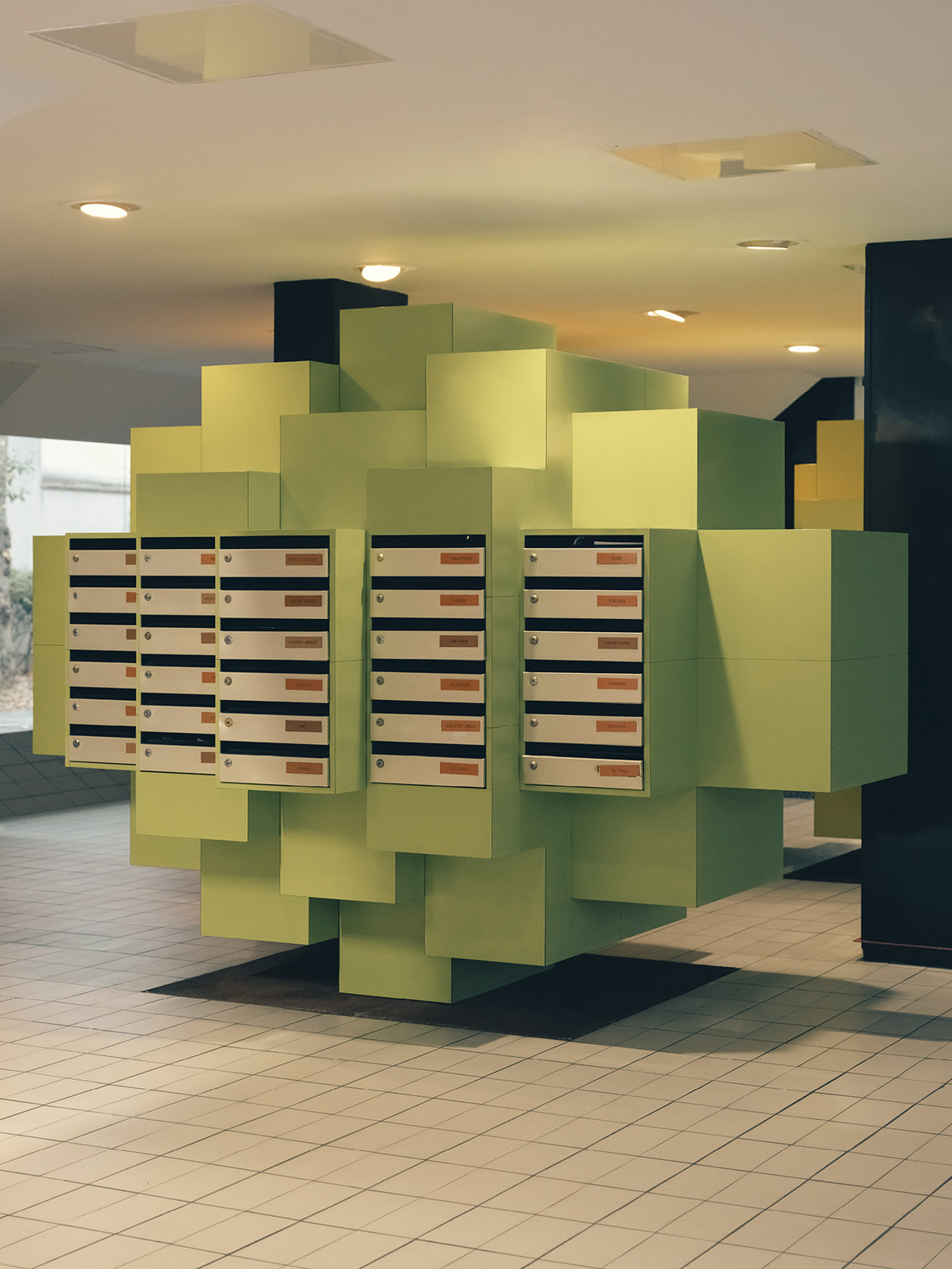
The entrance halls he photographs belong to residential buildings constructed between the 1950s and the 1980s, decades marked by significant architectural transformations and intense experimentation with new materials, forms, colours and spatial solutions. Yet the aim here is not so much to reconstruct that history as to experience its visual consequences.
Hallways doesn’t set out to become a catalogue of post-war architecture or a typological study of Parisian entrance halls. Its approach is far freer, more intuitive and more sensory.
Laprade selects fragments, establishes connections and builds relationships between images until each space can be viewed almost as an abstract composition.
Architecture you can feel
This ability to isolate a detail from its context is one of the great strengths of Romain Laprade’s photography. Through his camera, architecture ceases to be merely functional and becomes an experience.
A wall is no longer simply a wall; it can become a field of colour. A letterbox can acquire a sculptural presence. A light fitting becomes a small design object suspended in space. The meeting point between two materials can function like a pictorial composition.
Laprade observes architecture as though he were constructing images from it. This is why Hallways can appeal just as much to those fascinated by contemporary photography as to lovers of architecture, interiors, design or art. You do not need to know the building, its architect or the exact date it was constructed to be drawn to these photographs. The experience begins with the senses.
There is something deeply magnetic about looking at these unoccupied interiors. They resemble sets waiting for an action that never takes place, spaces suspended for a few seconds somewhere between arrival and departure.
The art of looking at what others simply pass through
Laprade’s photography possesses a particularly valuable quality in an age saturated with images: it knows how to stop.
While much of our visual culture pursues the spectacular, he seems interested in moving in the opposite direction. He reduces, frames, waits and observes. Rather than adding elements, he removes them until he finds a precise composition.
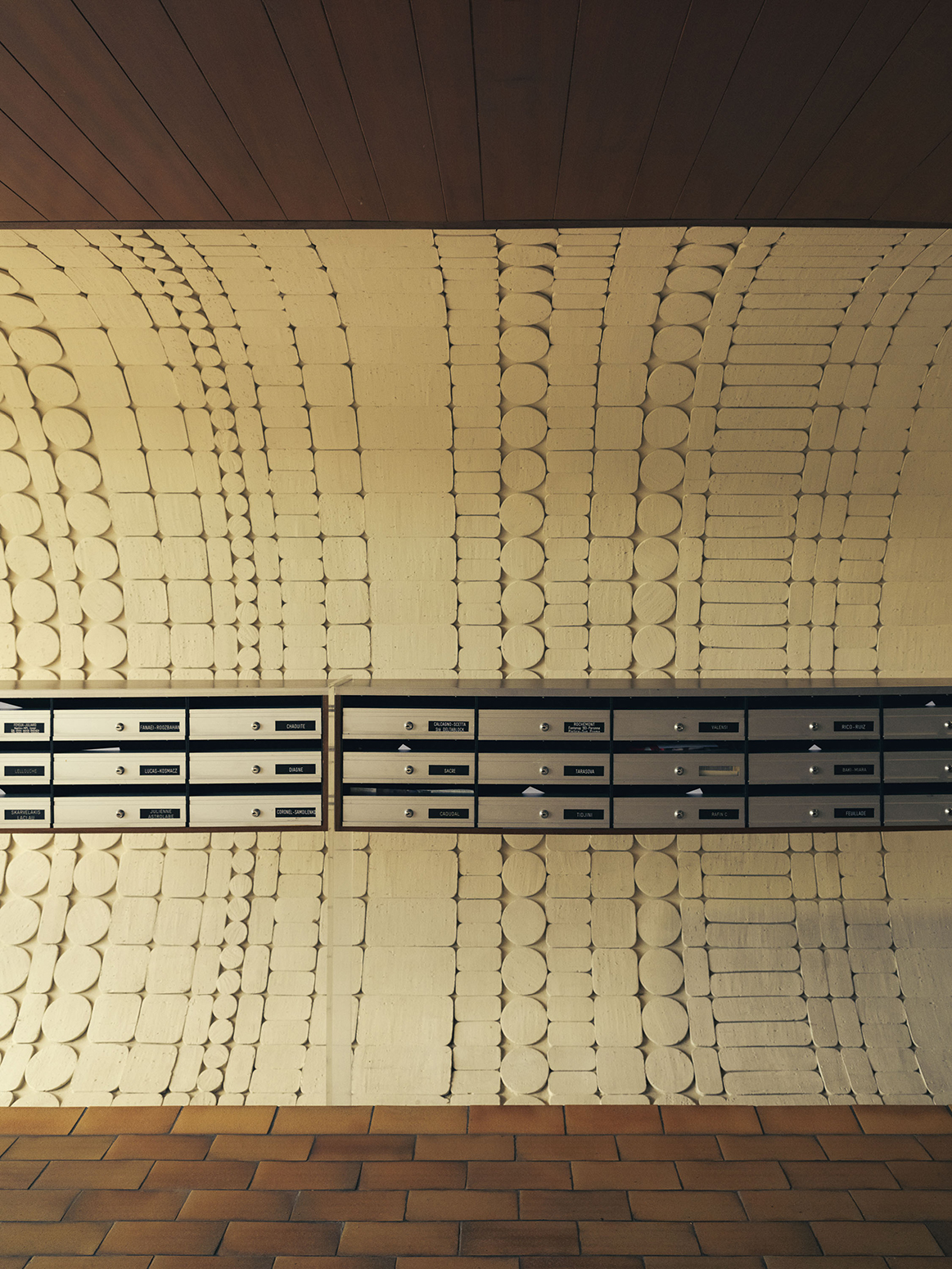
In Hallways, this way of working becomes particularly powerful because its protagonists are spaces whose very purpose is to be passed through. We enter, close the door behind us and, for a few moments, inhabit that interval.
The text by Jean-Claude Girard accompanying the photographs explores precisely this condition of halls as spaces of everyday experience and transition. It adds another dimension to the architectural character of the project without taking away any of the mystery of the images.
A journey constructed page by page
The book’s design reinforces this sense of movement. Hallways brings its photographs together through formal associations and visual echoes, allowing shapes, patterns, materials and light to enter into conversation from one page to the next.
The book is conceived as a visual drift. A geometric form finds an echo several pages later; a colour seems to continue inside another building; the texture of one surface enters into an unexpected dialogue with another image. Gradually, the different entrance halls cease to feel like separate places and begin to form part of the same imaginary landscape.
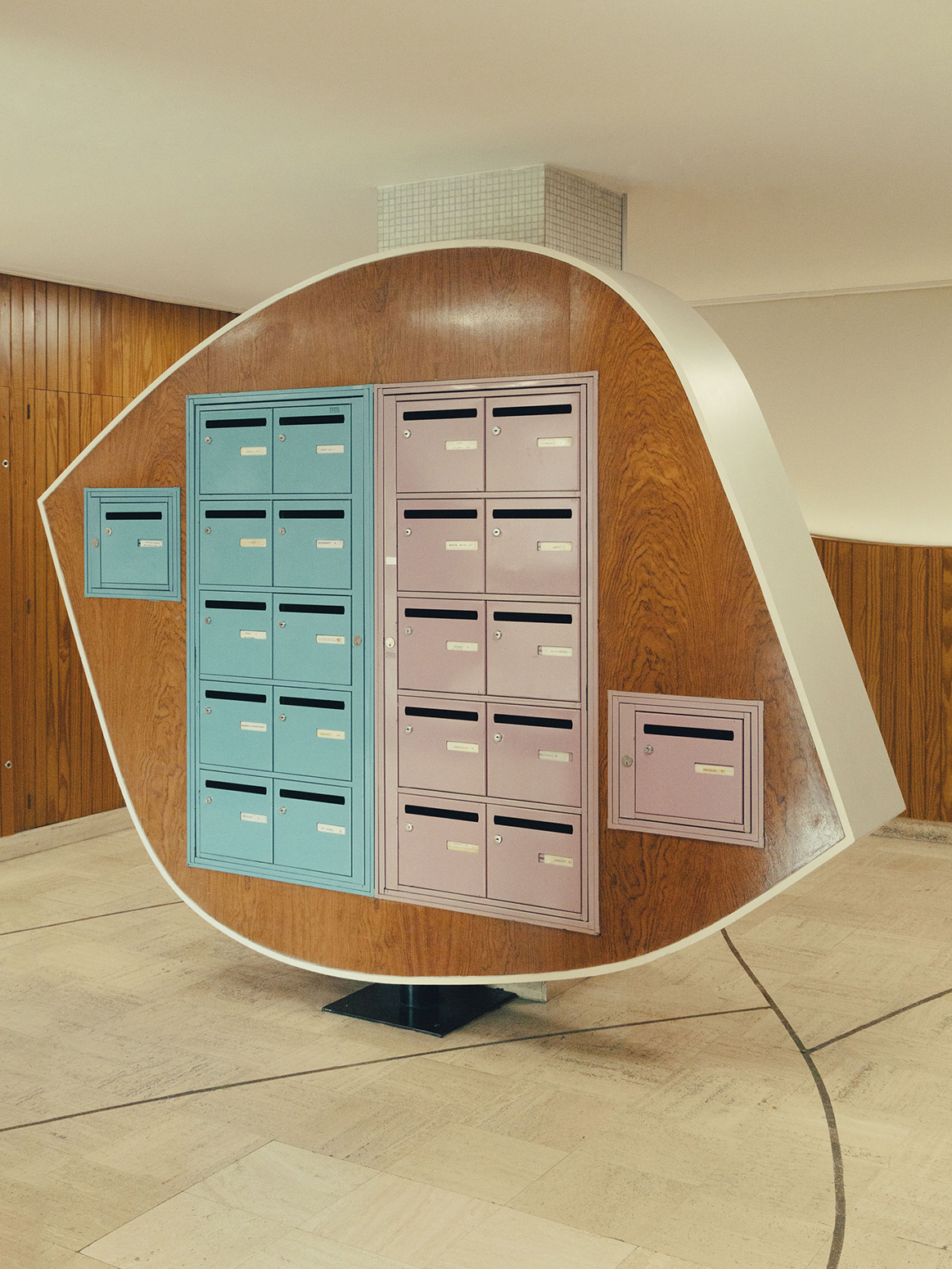
Published by RVB Books, Hallways contains 368 colour pages and measures 230 × 280 mm. Its scale allows this accumulation of details to gradually construct a universe of its own: a city within the city that was probably always there in front of us, even if we had never stopped to notice it.
Romain Laprade and the poetry of the essential
Before becoming a professional photographer, Laprade worked as a graphic designer for publications including Vogue Paris and Holiday. That background still seems present in the way he organises space within the frame: there is an extraordinary sensitivity to proportion, lines, volumes and colour.
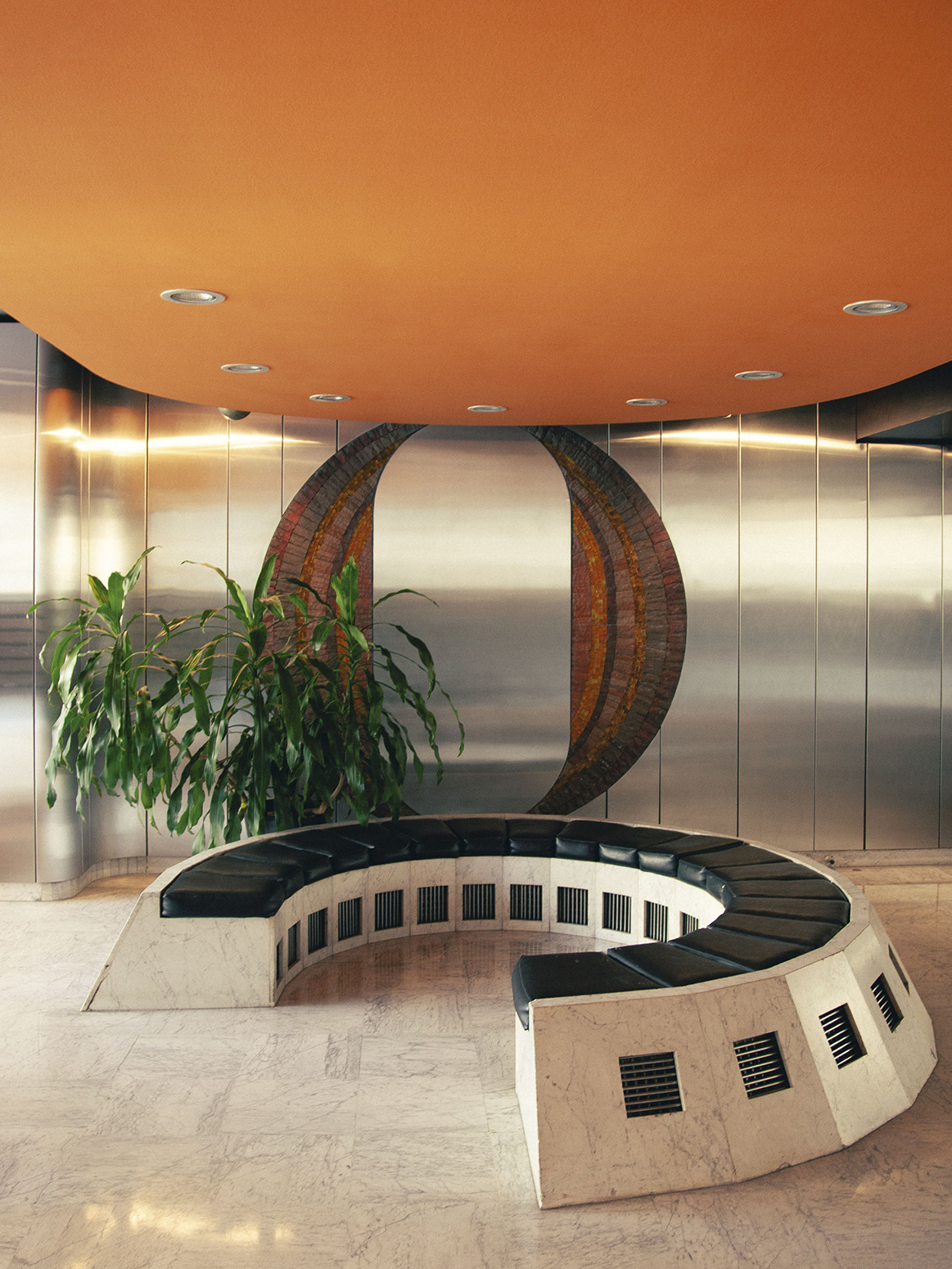
Throughout his career, he has developed a recognisable photographic vocabulary in which modern architecture occupies a central place. Yet his images are rarely content simply to document buildings. Instead, he interprets them, selecting those moments when architecture, design and light achieve a kind of quiet equilibrium.
It is precisely this way of seeing that transforms a collection of Parisian entrance halls into something far more evocative.
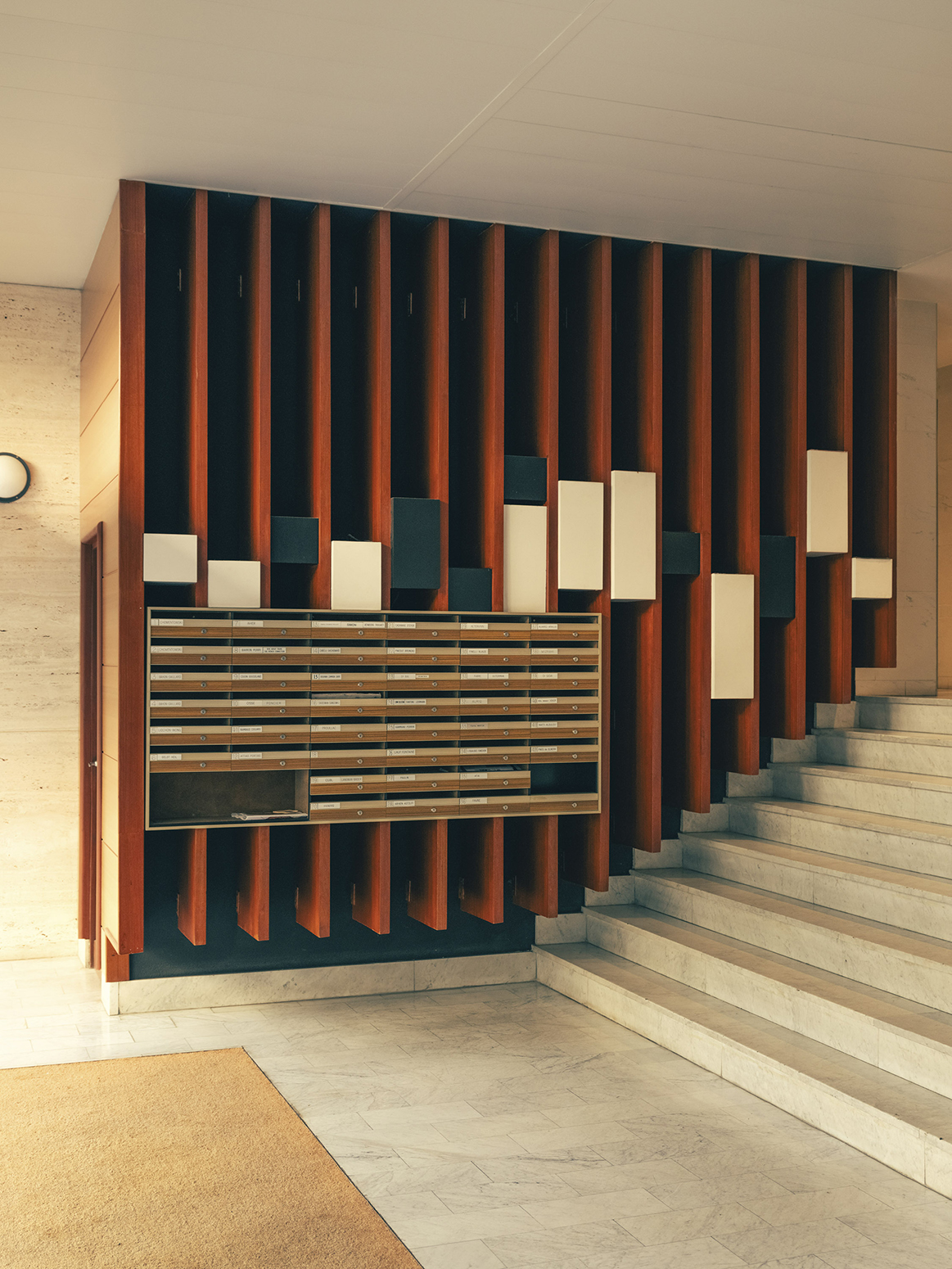
The hidden treasures of everyday architecture
There is also something moving about the thought that many of these places continue to form part of someone’s everyday life. That tension between the exceptional and the ordinary runs throughout the project.
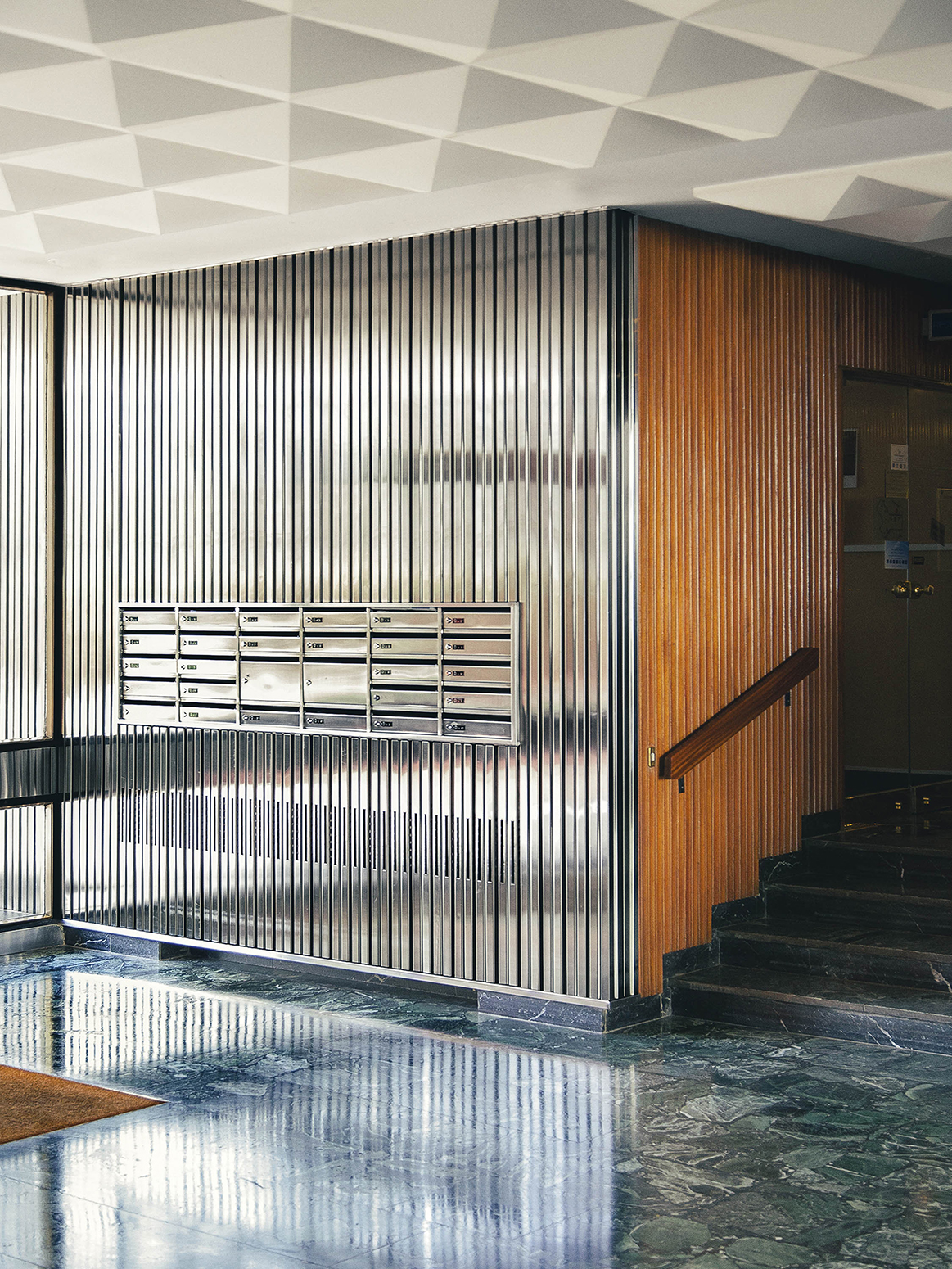
The spaces in Hallways were not necessarily conceived to be contemplated as works of art, but the photographer’s gaze changes our perception of them. He does not monumentalise them; he simply invites us to look at them for longer. And that is when the connections, textures and design decisions begin to emerge, along with the formal optimism that characterised much of the architectural experimentation of the second half of the twentieth century. What was once simply an entrance hall becomes a landscape.
Learning to look again
The real beauty of Hallways lies in discovering design within the thousands of anonymous spaces that quietly shape our everyday experience. And that is the gift Romain Laprade offers us once again, after years spent photographing the territory between the obvious and the invisible. Because we do not always need to travel far to discover something extraordinary.
(*) Photographs courtesy of Romain Laprade.