
From chaos to focus: Key strategies to regain attention in the digital age
Days slip away amidst screens, notifications, and stimuli designed to capture – and fragment – our attention. We move from one task to another, from one message to the next, from one thought to another, in an incessant choreography that pulls us away from the present and, most importantly, from ourselves. But is this inevitable? Is distraction the price of modernity?
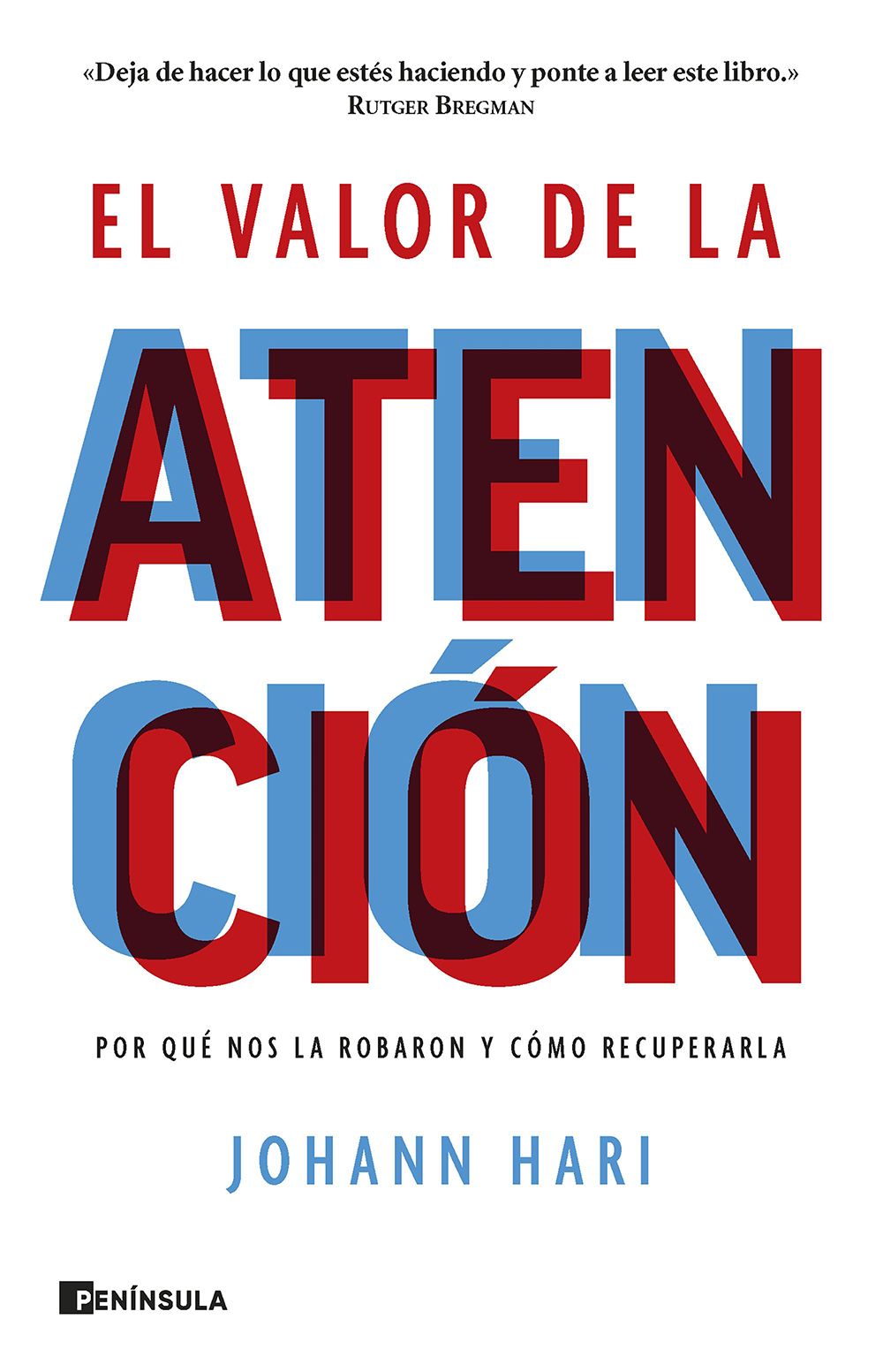
In “Stolen Focus”, Johann Hari invites us to pause, to ask ourselves what has happened to us and, above all, what we can do about it. His premise is as simple as it is devastating: we have not lost our attention; it has been taken from us. This is not an individual failing, nor is it a matter of willpower. It is a systemic phenomenon, driven by technologies, business models, and environments that have turned distraction into a product.
“Technology has not stolen our attention. It has been designed to hijack it.”
Attention: the most coveted resource of the 21st Century
Johann Hari masterfully connects the personal with the structural. Throughout his book, he explores how our ability to concentrate has been undermined by external forces.
From the addictive design of social media, which trains us to seek instant gratification, to precarious working conditions, which prevent us from dedicating time to reflection or creativity, Hari exposes the invisible mechanisms that have turned distraction into a multi-billion-dollar industry:
Social media: Platforms that analyse every click and eye movement to keep us hooked.
Algorithms: Systems that prioritise sensationalist content over in-depth information.
Work culture: Environments that reward hyper-productivity instead of the quality of work.
This ecosystem not only affects our ability to focus but also impacts our mental health and our relationship with the world around us.
From distraction to focus: how to regain control
“Stolen Focus” does not simply diagnose the problem; it also offers solutions. Hari consults scientists, philosophers, and neuroscience experts to understand how we can reclaim our ability to concentrate. And what he discovers is revealing: attention is not merely an individual matter – it is a collective right.
Mindfulness exercises or disabling notifications are not enough. We need to redesign the world we live in. This means:
Rethinking working hours: Encouraging work environments that prioritise depth over quantity.
Designing a focused education: Teaching new generations how to manage their attention.
Regulating technology: Creating policies that protect our ability to concentrate.
The big question: what kind of world do we want to build?
Ultimately, “Stolen Focus” is a call to action. Hari reminds us that distraction, multitasking, and digital fatigue are not inevitable conditions but the result of political, economic, and technological decisions. And if those decisions have led us here, different choices can lead us towards a different future.
Reclaiming our attention is not just a personal act; it is an act of resistance. It is a declaration that our ability to think, feel, and create still belongs to us. In a world that pushes us towards superficiality, choosing depth may be the greatest act of freedom.
“If you cannot pay attention, you cannot achieve anything meaningful in life.”
An essential book for understanding and transforming our world
“Stolen Focus” is essential reading for anyone who wants to understand how the attention economy works and how we can regain control of our lives. Johann Hari offers not just an in-depth analysis but also practical tools to build a more focused and meaningful future.
Highly recommended.
(*) CC photo of Johann Hari and book cover from Ediciones Península.